Key Takeaways
Why EV Insurance Misconceptions Are So Costly
Electric vehicles have crossed into the mainstream, but the insurance market's understanding of them — and crucially, the average owner's understanding of EV insurance — has lagged badly behind. The result is a landscape littered with half-truths and outright myths that translate into real financial harm: overpaying on premiums, discovering uncovered losses at claim time, or simply leaving money-saving discounts on the table for years.
These aren't abstract risks. A standard auto policy written for a combustion vehicle can leave an EV owner exposed to a $20,000-plus battery replacement with zero insurer contribution. Meanwhile, an owner who assumes EVs are always expensive to insure may never shop for the competitive rates that actually exist across multiple carriers. Both scenarios cost money — just in different directions.
The myths below are the ones that come up most often in conversations with EV owners, insurance agents who specialize in the segment, and industry data. Working through them one by one is the most efficient way to audit your own coverage and assumptions before they become expensive problems. For a broader look at how EV policies are structured differently from the start, see how EV insurance differs from traditional auto policies.

The Myths, Debunked
The following myth-and-fact pairs cover the most consequential misconceptions EV owners carry into the insurance marketplace. Each one has a measurable impact on either your premium, your coverage, or both.
Myth
EVs always cost more to insure than comparable gas vehicles, so there's no point shopping around.
Fact
EV insurance premiums vary widely by model, insurer, and driver profile — some EVs cost less to insure than their gas equivalents, and competitive shopping can reduce premiums by hundreds of dollars annually.
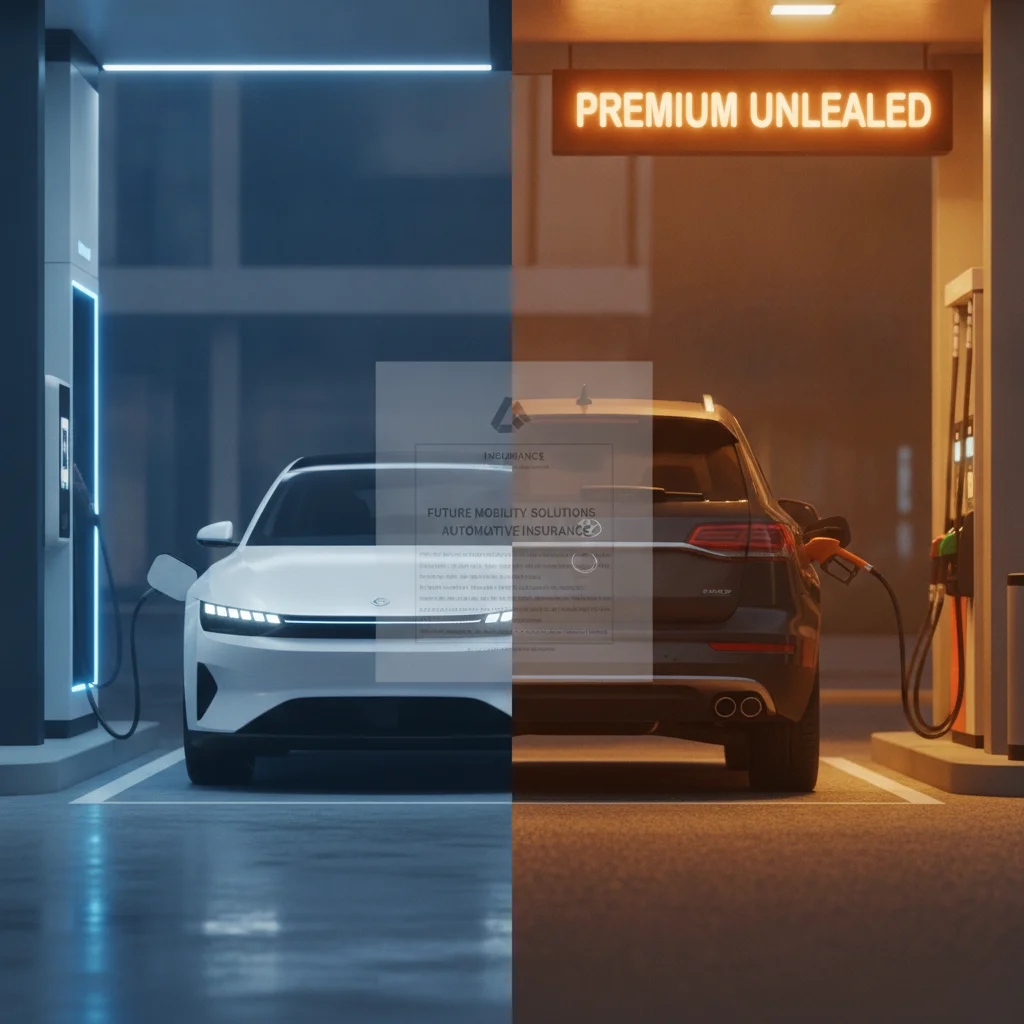
The belief that EVs universally carry higher insurance premiums is understandable — it's repeated often enough that it feels like established fact. The reality is considerably more nuanced. Yes, on average, EVs do carry modestly higher premiums than comparable ICE vehicles. A 2023 analysis by Bankrate found the average EV insurance cost ran roughly 23 percent higher than the national average for all vehicles. But that aggregate figure conceals enormous variation by make and model.
A Chevrolet Bolt EUV, for example, carries insurance premiums that are competitive with mid-size sedans in most markets. A Lucid Air, with its six-figure price tag and limited certified repair network, carries premiums that reflect those genuine risk factors. Treating these as the same insurance proposition is like assuming all gas cars cost the same to insure because they run on the same fuel. The correlation between EV status and insurance cost is real but weak once you control for vehicle price and repair complexity.
More importantly, the spread between insurers for the same EV in the same market can exceed $1,000 annually. Insurers that have built EV-specific underwriting models price the risk differently from general-market carriers still applying combustion-vehicle actuarial assumptions. For owners who accepted their first quote and never revisited it, the savings from a single shopping session can be substantial. See why electric vehicles cost more to insure than gas cars for a breakdown of when the premium gap is real and what drives it.
Myth
My standard auto policy covers the battery pack the same way it covers any other part of the car.
Fact
Standard policies typically cover battery damage only from specific covered perils — collision or a named event like fire or theft. Degradation, charging faults, and many thermal failures are commonly excluded.
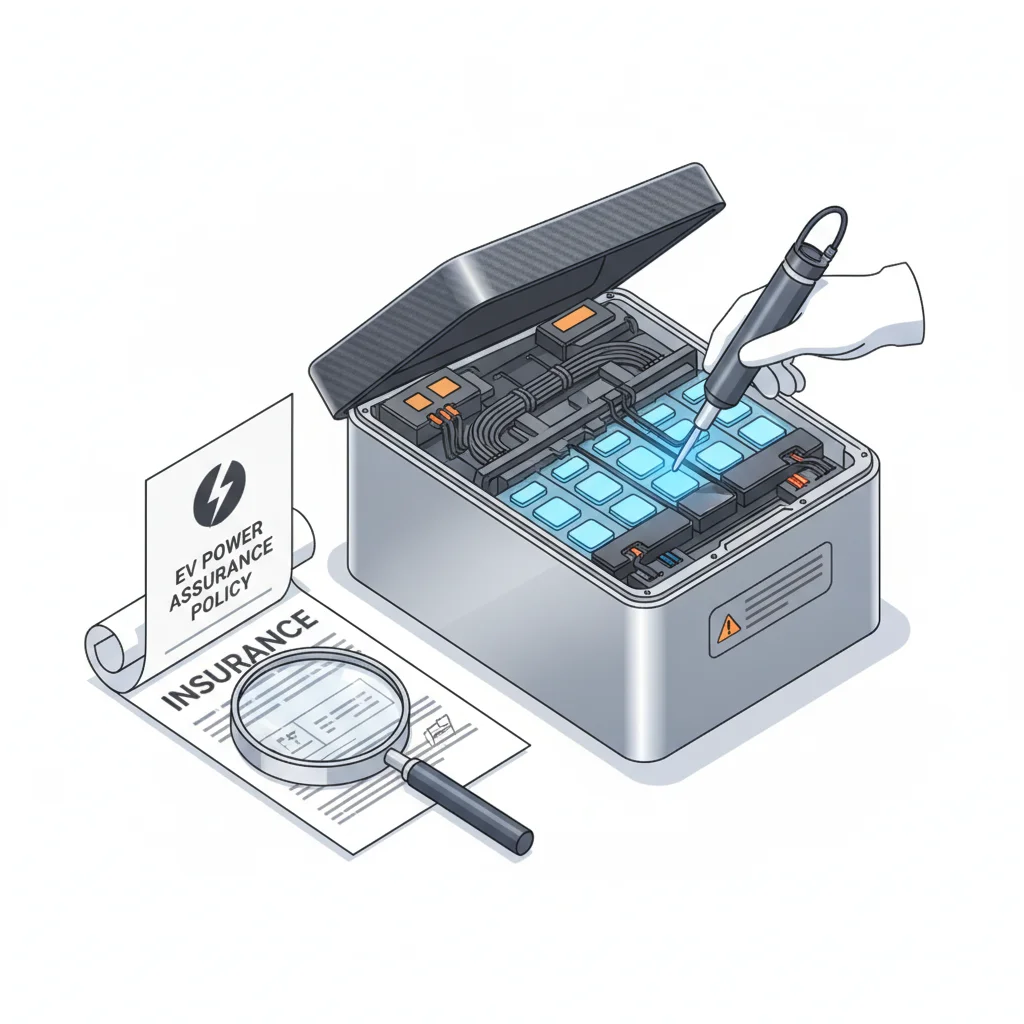
This is the most financially dangerous myth on the list, because the consequences of getting it wrong are measured in five figures. A battery pack replacement for a mid-range EV runs $10,000 to $20,000 depending on make and model; for premium EVs, costs can exceed $30,000. An owner who assumes their comprehensive or collision policy covers any battery failure is making an assumption that many claims adjusters will not honor.
Standard auto policies cover "direct physical damage from a covered peril." That language works well for a cracked windshield or a post-collision engine replacement. It creates significant ambiguity for EV battery scenarios that don't fit neatly into traditional damage categories — a battery that degrades faster than expected, a cell that fails due to a charging equipment fault, or a thermal event triggered by a software error rather than an external impact. Insurers regularly exclude these on the grounds that they constitute mechanical or electrical failure rather than physical damage from a covered peril.
The solution is explicit battery coverage endorsements, which some EV-specialist insurers offer and which a handful of standard carriers have begun adding. Owners should read their declarations page and specifically locate the language governing "electrical components" or "mechanical failure" exclusions. Does standard auto insurance actually cover EV battery damage? goes deeper on what specific policy language to look for and where the gaps most commonly appear.
Myth
Gap insurance isn't necessary for an EV — it's just an add-on dealers push to make money.
Fact
EVs depreciate quickly, especially as battery range estimates evolve and new models enter the market, making gap insurance more important for EV buyers than for many gas-car buyers.
Gap insurance pays the difference between what you owe on your loan and what your car is actually worth if it's totaled or stolen. For a vehicle that holds its value well and is financed conservatively, the gap closes quickly and the product has limited value. EVs frequently don't fit that profile.
Battery-powered vehicles depreciate at rates that can outpace the loan payoff schedule, particularly in the first two to three years of ownership. This is partly structural: rapid model iteration means a three-year-old EV competes against new models with meaningfully longer range at lower price points, compressing resale values. It's also partly market-driven: federal EV tax credits available to new-vehicle buyers reduce the incentive to purchase used. For buyers who put down less than 20 percent or financed over 60 months, a total-loss event in years one through three can easily produce a gap of several thousand dollars that the owner owes out of pocket with no insurance contribution.
Dealers do profit from selling gap coverage, and the same product is often available cheaper through your insurer or credit union. The appropriate response to that dynamic is to buy it from the lower-cost source — not to skip it entirely. The true cost of underinsuring an electric vehicle includes gap insurance scenarios in its cost analysis.
Myth
My homeowners insurance automatically covers my home EV charger, so I don't need to do anything extra.
Fact
Home EV charging equipment coverage varies significantly by policy and insurer; many require explicit endorsements, and auto policies typically exclude fixed charging infrastructure entirely.
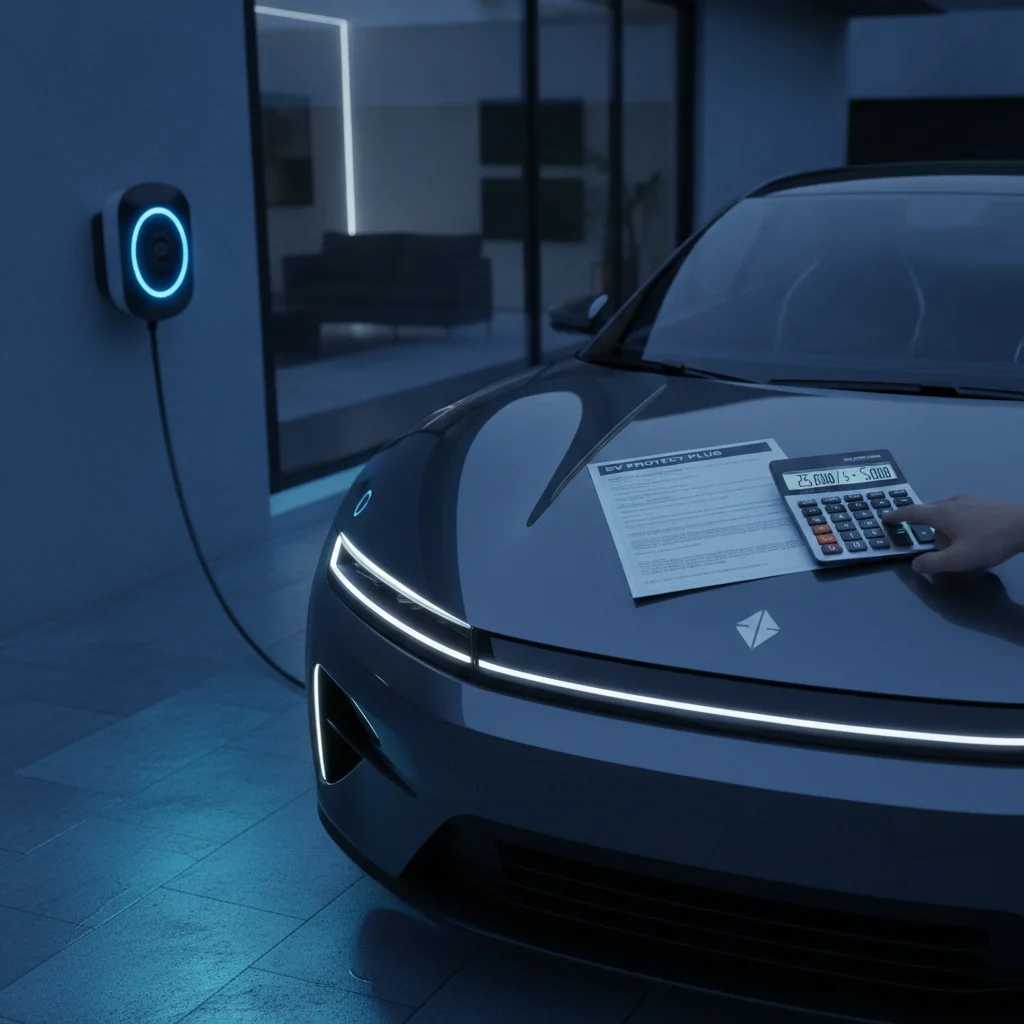
A Level 2 home charger — the wall-mounted unit plus the professional installation required to run a 240-volt circuit — is a meaningful investment. Installation costs alone frequently run $500 to $1,500, and the equipment itself adds another $300 to $1,000. Owners reasonably assume this is covered somewhere in their existing insurance stack. The answer, frustratingly, is: maybe, partially, and possibly not at all.
Homeowners and renters policies generally cover personal property against named perils. Whether a wall-mounted EVSE unit qualifies as "personal property" or "permanently installed equipment" (which may fall under dwelling coverage with different limits and deductibles) varies by policy language. Some insurers cover it automatically; others require an endorsement; others exclude it. If the charger is damaged in a covered event — say, a lightning strike or electrical surge — the claim outcome depends on your specific policy language in ways that are difficult to predict without reading it carefully.
Your auto policy is even less likely to help. Auto insurance covers the vehicle, not fixed infrastructure attached to your home. Owners who've invested in home charging setups should explicitly confirm with both their home and auto insurers what is covered, under what conditions, and at what limits — ideally before something goes wrong rather than during a claim.
Myth
EV drivers don't qualify for any meaningful insurance discounts — the higher premiums are just the cost of going electric.
Fact
Multiple discount categories are available to EV owners, including green vehicle discounts, low-mileage programs, telematics incentives, and bundling opportunities that many owners never claim.
This myth keeps money in insurers' pockets. EV owners, as a demographic, tend to be lower-mileage drivers, have higher credit scores, and live in areas with lower overall accident rates — characteristics that translate directly into actuarial risk profiles insurers want to write. Several carriers have formalized this into explicit EV or "green vehicle" discounts ranging from two to ten percent. Others price it implicitly into their rate models, meaning the discount exists but won't be itemized on your declarations page.
Beyond EV-specific discounts, the behavioral profile of most EV drivers makes them excellent candidates for usage-based insurance programs. Telematics programs that monitor mileage, braking, and acceleration reward exactly the driving patterns that home charging tends to produce: shorter trips, gentler acceleration (ironic given EV torque characteristics), and consistent low annual mileage. Owners who commute 20 miles per day and charge at home overnight often see telematics discounts that dwarf any EV premium surcharge.
The practical step is to explicitly ask every insurer you quote: "What discounts apply specifically to electric vehicle owners?" and "Do you offer a telematics program, and what is the maximum discount available?" Discounts EV owners can actually qualify for provides a carrier-by-category breakdown of available reductions.
Myth
If my EV catches fire, my insurance will cover the full cost — EV fires are treated like any other vehicle fire.
Fact
EV battery fires present unique salvage and remediation challenges that can create coverage disputes, and some policies have exclusions or limitations for battery-related thermal events.
Vehicle fire coverage under comprehensive insurance sounds straightforward, but EV battery fires introduce complications that don't exist in combustion vehicle claims. A lithium-ion battery fire can require thousands of gallons of water to extinguish and may reignite hours or days later, complicating storage, salvage, and remediation. Some salvage facilities charge significant premiums to accept fire-damaged EVs due to the ongoing thermal risk — costs that may or may not fall within your policy's covered expenses.
More consequentially, some policies distinguish between a fire caused by an external event (collision sparking a fire, arson, wildfire) and a fire originating from an internal battery failure. The former is a clear comprehensive claim. The latter can be characterized by adjusters as "mechanical or electrical failure" — an exclusion in many standard policies. This is a live dispute in the insurance industry, and outcomes vary by carrier and by the specific circumstances of the thermal event.
Owners of EVs that use newer battery chemistries — including lithium iron phosphate (LFP) cells, which are more thermally stable — may face lower real-world fire risk, but that doesn't eliminate the policy language problem. The appropriate action is to read your policy's fire coverage and mechanical failure exclusion language together, and to ask your insurer directly how they define coverage for "battery thermal events." EV insurance from start to finish covers how to evaluate policy language for exactly these edge cases.
Myth
EV charging cables and portable charging equipment are covered under my auto policy as part of the vehicle.
Fact
Portable charging cables and equipment are typically classified as personal property, not part of the vehicle, and coverage depends on your homeowners or renters policy — not your auto policy.
A quality portable Level 1 or Level 2 charging cable costs $200 to $500. Owners who store theirs in the vehicle may assume it's covered under auto insurance as part of the car. Most policies explicitly exclude personal property stored in vehicles from auto coverage — that category falls under homeowners or renters insurance, subject to the applicable deductible and personal property limits.
If your charger is stolen from your car — a real scenario in urban areas where EV adoption is concentrated — the claim goes to your home insurer, not your auto insurer. If that theft occurs in a scenario where your deductible exceeds the cable's value, you absorb the loss entirely. Owners who carry a portable charger worth less than their homeowners deductible are effectively self-insuring for that loss regardless of what their policies say.
This isn't necessarily a problem that requires purchasing additional coverage — but it is a scenario owners should understand clearly rather than discover for the first time during a claim. Documenting your charging equipment (serial numbers, purchase receipts, photographs) costs nothing and ensures a smoother claim process if the situation arises.
Battery Coverage Gaps Can Cost You $20,000+
The single most expensive mistake an EV owner can make is assuming their standard policy covers battery pack failure in all scenarios. Most standard policies restrict battery coverage to direct physical damage from a named peril — not degradation, charging faults, or internal thermal failures. Before your next renewal, call your insurer and ask specifically: 'Under what circumstances would a battery replacement claim be denied?' Get the answer in writing. A battery endorsement, if your insurer offers one, is worth evaluating against the replacement cost exposure.
Never Accept a Total Loss Settlement Without Researching Actual Battery Replacement Costs
When an EV is declared a total loss, insurers calculate actual cash value based on market comparables — which may not reflect the full cost of the battery pack. If your vehicle is totaled and the settlement offer feels low, obtain independent battery replacement cost estimates and current market listings for your exact trim and configuration before accepting. Agreed value policies eliminate this dispute by locking in a specific payout amount at the time of policy issuance, making them worth considering for newer or higher-value EVs.
Where Standard Policies Create the Biggest Gaps
Several of the myths above converge on a single underlying problem: standard auto insurance policies were designed around the economics of internal combustion vehicles, and EVs introduce cost structures those policies were never built to address. Understanding where the structural gaps appear is the most practical way to protect yourself.
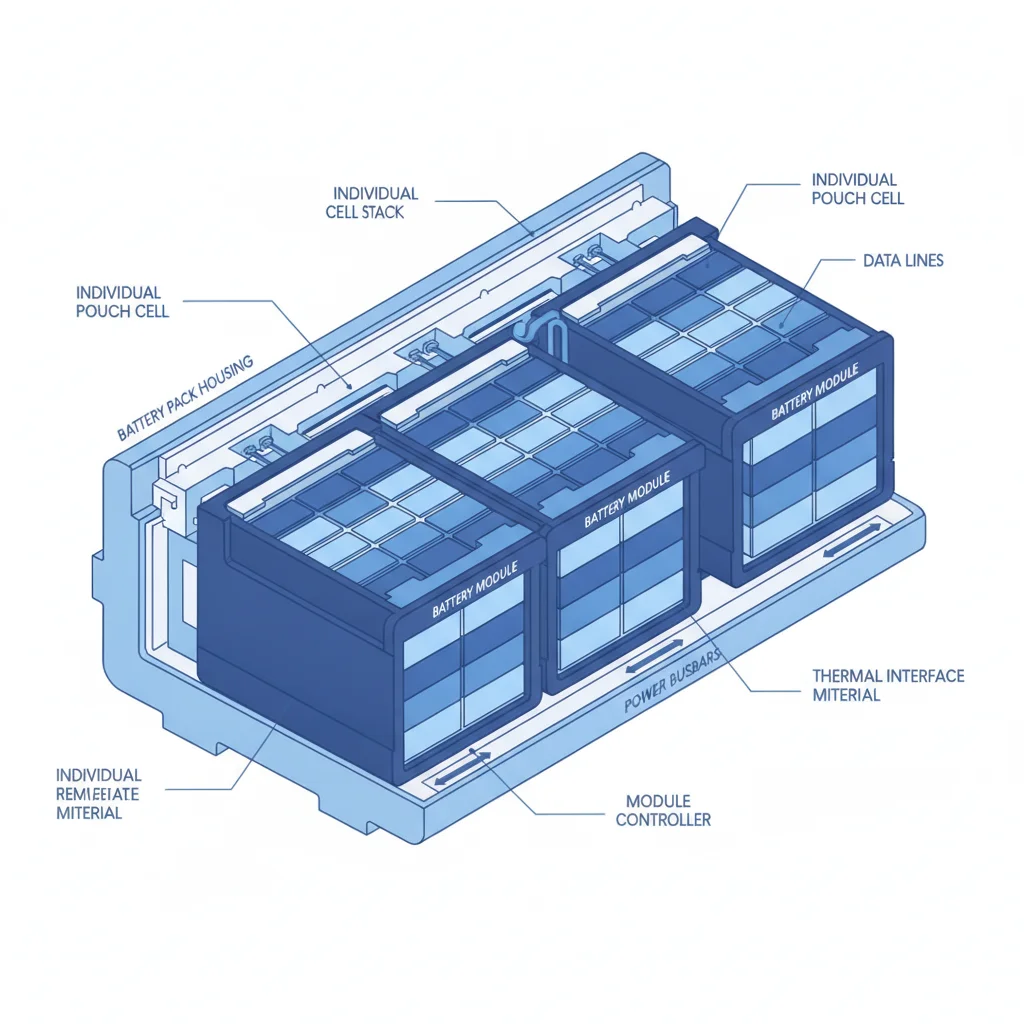
Battery Pack Coverage
The battery is the single most expensive component in any EV — often representing 30 to 50 percent of the vehicle's total replacement cost. Yet standard comprehensive and collision policies frequently treat it as they would any other "mechanical component," which in practice means coverage is limited to direct physical damage from a covered peril. Degradation over time, thermal events caused by charging equipment faults, and software-related failures are common exclusions. What standard auto insurance actually covers for EV battery damage is a question every owner should answer before a claim arises, not after.
OEM Parts Requirements
Some insurers default to aftermarket or reconditioned parts for repairs. For conventional vehicles, this is often acceptable. For EVs — where battery management systems, thermal regulation components, and high-voltage wiring harnesses are proprietary and frequently safety-critical — aftermarket substitutions can compromise performance and void manufacturer warranties. Checking whether your policy includes an OEM parts clause is worth the five-minute phone call. EV insurance terms every owner should know, including OEM clauses and agreed value language, are explained in detail in our glossary.
Repair Network Limitations
Not every body shop is certified to repair high-voltage EV systems safely. Some insurers direct claimants to preferred shops that may not have EV-trained technicians, which can delay repairs by weeks and produce substandard results. Confirm that your insurer's network includes certified EV repair facilities in your area before you need them. This dynamic is also one of the structural reasons EV repair costs push premiums higher — fewer certified shops and proprietary parts create a less competitive repair market.
Don't Wait Until a Claim to Check Your Coverage
Insurance coverage disputes are most difficult to resolve after a loss event has already occurred. The time to identify gaps — battery exclusions, charging equipment limitations, OEM parts clauses — is during your annual policy review, not when you're standing in a parking lot with a damaged vehicle. Set a calendar reminder to review your EV policy language at each renewal, especially after major software updates or hardware changes to your vehicle.
Salvage Title Risk Is Higher for EVs
Some insurers total EVs for damage levels that would result in repairs on a comparable gas vehicle, because battery diagnostics and high-voltage system inspections add significant cost to the repair assessment process. A salvage-titled EV has severely compromised resale value and may be uninsurable or only insurable at specialty market rates. If your EV sustains moderate damage, get an independent estimate before accepting a total-loss determination from your insurer.
Verify Your Insurer Has EV-Certified Shops in Your Network
Being directed to a non-certified repair shop for high-voltage system work is not just an inconvenience — it's a safety issue and can void your manufacturer's warranty. Before you need repairs, confirm that at least one EV-certified facility exists within your insurer's preferred network in your region. If none exists locally, negotiate for direct-repair authorization at a certified facility before a loss event forces the issue.
Home Charging Equipment
A Level 2 home charger (EVSE unit plus installation) typically runs $500 to $2,500. Most homeowners assume their homeowners or renters policy covers it automatically. Some do — but many require a specific endorsement, and coverage limits vary widely. Your auto policy almost certainly does not cover fixed charging equipment. Clarify this with both your auto and home insurer, and document the equipment's purchase price. For a broader look at home charging considerations, common myths about home EV charging covers the most frequent misunderstandings new owners encounter.
23%
Average EV insurance premium premium over all vehicles
A 2023 Bankrate analysis found EV policies averaged roughly 23% more than the national vehicle average, though model-level variation is substantial.
$15,000–$30,000
Typical EV battery pack replacement cost
Replacement costs vary by make and model; mid-range EVs average $10,000–$20,000 while premium EVs can exceed $30,000, per industry repair data.
$1,000+
Annual premium spread between insurers for same EV
Shopping across multiple carriers for the same EV model and driver profile regularly reveals gaps exceeding $1,000 annually in competitive markets.
Up to 10%
Green vehicle discount range at participating carriers
Several major insurers offer EV or hybrid-specific discounts ranging from 2–10%, though availability and amount vary significantly by carrier and state.
30–50%
Proportion of EV value represented by the battery pack
Industry estimates consistently place the battery pack at 30–50% of total vehicle replacement cost, underscoring the stakes of inadequate battery coverage.
How to Actually Lower Your EV Insurance Premium
Correcting the myths is the first step. The second is actively using the levers available to EV owners to reduce what they pay. Several of these are underutilized simply because owners don't know they exist.
Ask Explicitly for EV or Green Vehicle Discounts
Insurers rarely volunteer available discounts — you have to ask. Some carriers offer 2–10 percent reductions for hybrid or electric vehicles as part of sustainability initiatives. These are separate from multi-car, bundling, or loyalty discounts. A single phone call or chat session with your agent can reveal savings that have been sitting unclaimed. Discounts EV owners can actually qualify for catalogs the full range of reductions available across major carriers.

Enroll in Telematics If Your Mileage Is Low
EV drivers, on average, drive fewer miles than their gas-car counterparts — partly because home charging is so convenient it encourages shorter, more deliberate trips. Usage-based insurance (UBI) programs reward exactly that behavior. If you're driving under 10,000 miles per year, a telematics program can produce meaningful annual savings that a flat-rate policy never would.
Shop Across EV-Specialist Insurers
A handful of carriers have built underwriting models specifically calibrated to EV risk profiles. Their rates may differ substantially from what a general-market insurer quotes. The gap can exceed $500 annually on the same vehicle with equivalent coverage. Shopping broadly — including insurers known for EV specialization — is the single highest-leverage action most owners can take. For a complete framework on evaluating coverage options, EV insurance from start to finish walks through every decision point.
Review Coverage After Software Updates Change Your Vehicle
This is uniquely an EV issue: over-the-air updates can meaningfully change vehicle performance, range, and even safety feature sets. After a significant update, it's worth confirming that your declared vehicle specifications still match your policy. This matters especially for agreed-value policies and for coverage tied to specific ADAS features. For a balanced view of both the advantages and drawbacks of EV-specific coverage structures, EV insurance pros and cons relative to gas car policies provides useful context.
The Cost of Getting This Wrong
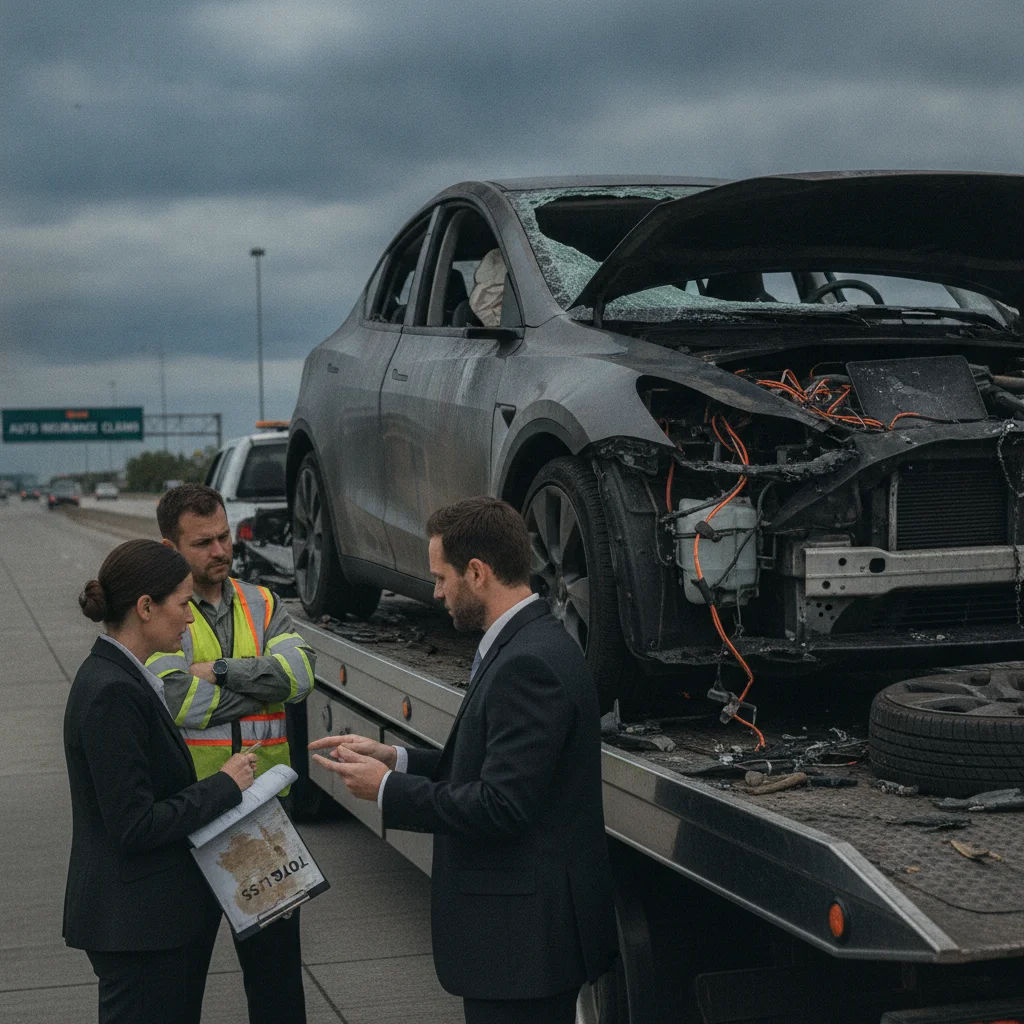
The stakes for carrying incorrect assumptions into your EV insurance decisions are not hypothetical. An owner who believes their battery is covered and discovers it isn't at claim time faces a replacement bill that can exceed $15,000 for a mid-range EV and approach $30,000 for premium models. An owner who overpays by $400 per year because they assumed EVs are always expensive to insure and never shopped around loses $4,000 over a decade. Both outcomes are avoidable with the right information.
The broader pattern here mirrors what happens when drivers carry misconceptions about auto insurance generally. Myths about cheaper auto insurance cost drivers real money in ways that are structurally similar: assuming you're covered when you're not, or assuming you can't do better on price when you can. The EV-specific layer simply adds battery economics, charging equipment, and a less mature underwriting market into the equation.
For a detailed look at how underinsurance specifically plays out for EV owners — including real cost scenarios — the true cost of underinsuring an electric vehicle lays out the cases where coverage gaps hurt most. And if your EV ownership questions extend beyond insurance to the full range of maintenance and running cost misconceptions, EV maintenance myths that cost owners time and money covers the parallel set of misunderstandings that affect upkeep decisions.
The bottom line: EV insurance is a specialized product category that rewards informed buyers and punishes passive ones. Correcting the myths in this article is the starting point — acting on that knowledge is what actually protects your investment.
All claims are backed by peer-reviewed research. Sources on request.