Key Takeaways
Option A
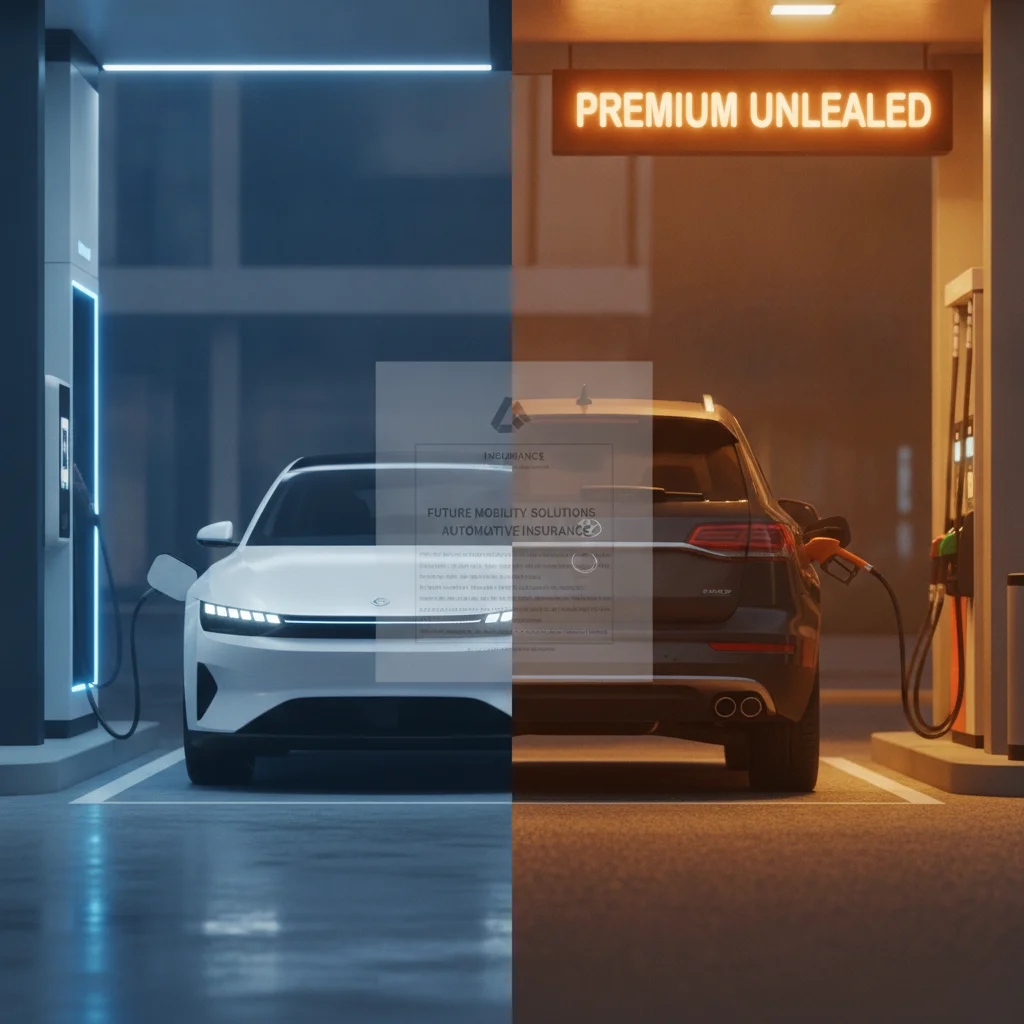
EV Insurance
The specialized, EV-forward coverage built for battery-powered vehicles.
Best for: Owners of battery electric or plug-in hybrid vehicles who want policies that explicitly address battery protection, charging equipment, and EV-specific repair costs.
Option B
Traditional Auto Insurance
The established, broadly applicable coverage for conventional vehicles.
Best for: Owners of gasoline or mild-hybrid vehicles who need straightforward liability, collision, and comprehensive coverage without EV-specific considerations.
If you own a battery electric vehicle as your primary car
EV Insurance
Dedicated EV policies or EV endorsements explicitly cover battery degradation events, charging equipment, and OEM-specific repair labor — gaps that standard policies routinely leave unaddressed.
If you drive a plug-in hybrid vehicle
EV Insurance
PHEVs carry a traction battery that standard policies often treat ambiguously. An EV-aware policy clarifies battery coverage and can address charging equipment, even if the vehicle also burns gasoline.
If you drive a conventional gasoline vehicle
Traditional Auto Insurance
Standard liability, collision, and comprehensive coverage covers all meaningful risk categories for ICE vehicles at lower average premiums without paying for EV-specific features you don't need.
If cost is your primary concern and you drive an EV with a modest battery value
Traditional Auto Insurance
A standard comprehensive policy with a carefully reviewed battery damage clause may suffice for older EVs where battery replacement cost is lower and premiums are already inflated by EV surcharges.
If you have home charging equipment installed
EV Insurance
Level 2 home chargers represent a $500–$2,000 investment that standard homeowners or auto policies rarely cover. EV-specific auto policies often extend protection to charging equipment as part of the vehicle package.
Why EV Insurance Exists as a Distinct Category
When the first mass-market EVs reached American driveways around 2011, most buyers simply added them to existing auto policies. Insurers treated a Nissan Leaf the same way they treated a Nissan Altima — same liability structure, same comprehensive and collision logic, same claims process. For a while, that worked well enough. Battery replacements were rare, repair shops were few, and the vehicles were relatively affordable.
By the mid-2020s, that approach had developed serious cracks. The average EV battery pack on a mid-range vehicle costs between $8,000 and $20,000 to replace. Repair labor for high-voltage systems requires certified technicians who command premium rates. Over-the-air software updates can alter vehicle behavior in ways that complicate post-accident diagnostics. And home charging equipment — a $500 to $2,000 installation — exists in a coverage gray zone between homeowners and auto policies.
These differences pushed insurers to develop EV-specific products. Some emerged as standalone policies from specialty carriers. Others appeared as endorsements bolted onto traditional frameworks. The result is a market where two policies with identical-looking premium line items can offer dramatically different protection for an EV owner. Understanding where those differences live is the first step toward buying the right coverage.
For a broader foundation on what types of vehicles trigger EV-specific considerations, see our EV Types Explained guide, which breaks down the distinctions between BEVs, PHEVs, and HEVs — distinctions that matter significantly when insurers calculate risk.

Core Coverage Structures: What Each Policy Type Actually Includes
At the liability level, EV and traditional auto insurance are functionally identical. Both require bodily injury and property damage liability in every state, both offer uninsured/underinsured motorist protection, and both include medical payments or personal injury protection where required. No state distinguishes between EV and ICE vehicles in its minimum coverage mandates.
The divergence begins with physical damage coverage — the collision and comprehensive components — and deepens with EV-specific add-ons that simply have no equivalent in traditional policies.
| Criterion | EV Insurance | Traditional Auto Insurance |
|---|---|---|
| Average premium vs. gasoline equivalent | 15–25% higher | Baseline reference |
| Battery pack damage coverage | Explicit, often with riders | Often excluded or ambiguous |
| Charging equipment coverage | Frequently included | Rarely included |
| Roadside assistance | EV-adapted, tow to charger | Fuel delivery, generic tow |
| OEM repair parts requirement | More commonly specified | Often defaults to aftermarket |
| Telematics/usage-based discounts | Aggressively offered | Available but less targeted |
| Software/cybersecurity coverage | Emerging in specialty policies | Not addressed |
| Liability structure | Identical to traditional | Standard market offering |
| Availability | Growing but still limited | Universally available |
Battery Coverage: The Most Critical Structural Difference
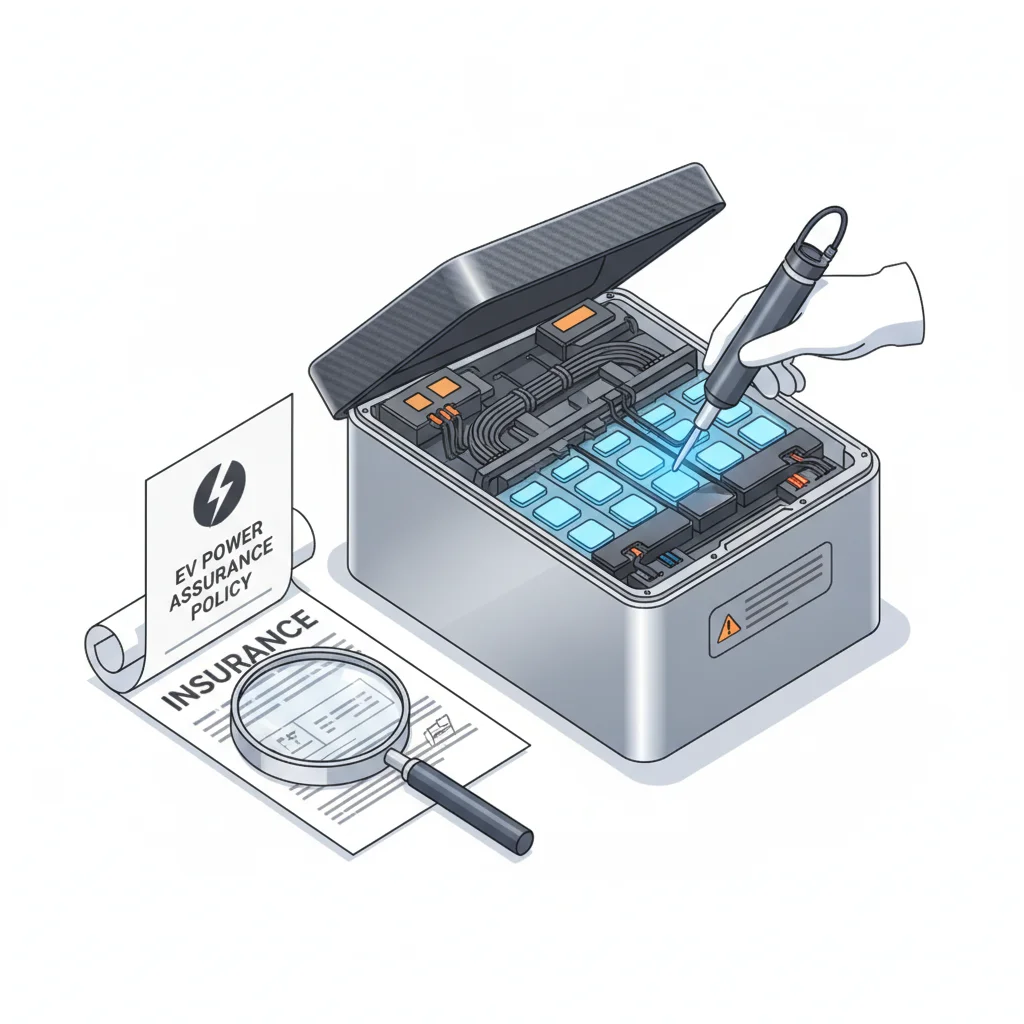
A standard comprehensive policy covers the vehicle against theft, fire, weather events, and non-collision damage. What it does not automatically do is address battery degradation — the gradual, chemistry-driven capacity loss that can render a battery pack less valuable even without any insurable event. Traditional policies exclude degradation by definition, treating it as wear-and-tear no differently than brake pad wear on a gasoline car.
Dedicated EV policies draw a sharper line. Some explicitly cover sudden battery failure events that aren't attributable to normal degradation. A few carriers, including some specialty EV insurers, offer battery value protection riders that reimburse policyholders if a battery pack fails below a defined state-of-health threshold. This is structurally new territory that has no parallel in traditional auto insurance.
For a detailed breakdown of what standard policies actually cover when battery damage occurs, see Does Standard Auto Insurance Actually Cover EV Battery Damage?
Charging Equipment Coverage
Level 2 home charging equipment is an asset that doesn't fit cleanly into existing insurance categories. It's attached to your home but serves your vehicle. Standard homeowners policies often cover it under dwelling or personal property, but sub-limits and exclusions related to electrical equipment can leave significant gaps. Standard auto policies, meanwhile, define covered property as the vehicle itself — a wall-mounted charger falls outside that definition.
EV-specific auto policies increasingly bundle charging equipment coverage explicitly, covering the charger hardware and, in some cases, installation-related liability. This is one of the clearest structural advantages of purpose-built EV coverage.
PHEVs Occupy a Coverage Gray Zone
Plug-in hybrid vehicles contain both a combustion engine and a traction battery pack, which creates ambiguity in standard policy language written for one powertrain type or the other. Some carriers apply EV-specific battery exclusions to PHEVs even though the vehicle also burns gasoline. If you drive a PHEV, request written clarification on how your traction battery is classified under your policy's physical damage provisions before assuming coverage exists.
Home Charger Coverage: Check Both Policies
A Level 2 home charging installation occupies a coverage no-man's-land between your auto and homeowners policies. Your homeowners insurer may classify it as permanently attached equipment under dwelling coverage, but electrical equipment sub-limits often apply. Your auto insurer may exclude it entirely as non-vehicle property. Review both policies simultaneously and request explicit written confirmation of what limit, if any, applies to your charger hardware and installation.
State Minimum Requirements Don't Distinguish by Powertrain
No U.S. state currently requires higher minimum liability limits for EVs than for gasoline vehicles, despite the higher vehicle values involved. This means an EV owner carrying only state-minimum liability is structurally underinsured relative to the asset they're protecting. Consider that a mid-range EV priced at $45,000 financed over six years carries a gap risk profile that warrants higher comprehensive and collision limits than the state minimum framework contemplates.
Premium Pricing: Why EVs Cost More to Insure and Where the Gap Is Narrowing
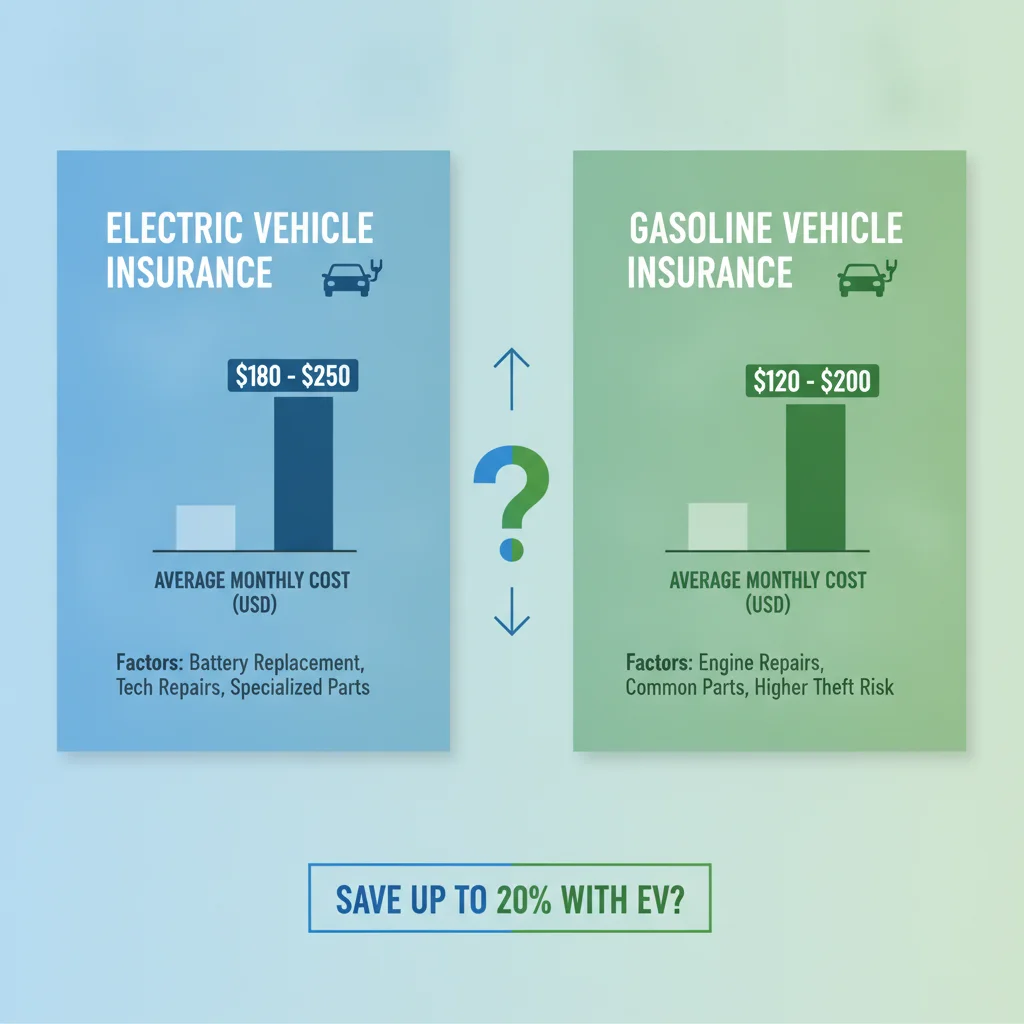
The premium difference between insuring an EV and an equivalent gasoline vehicle is real and well-documented. Industry data consistently shows EV owners paying 15 to 25 percent more for comparable coverage levels. The drivers are mechanical, not arbitrary.
23%
Average EV insurance premium increase over ICE equivalents
Bankrate and ValuePenguin analyses of 2023–2024 insurance rate data across major U.S. carriers consistently show EVs costing 20–25% more to insure than comparable gasoline models.
$18,000
Average EV battery pack replacement cost
Recurrent Auto's analysis of EV battery replacement data places the median cost for mid-range EVs between $8,000 and $20,000 depending on pack size and vehicle make.
2.3×
EV repair cost multiplier vs. ICE vehicles
Mitchell International's industry claims data shows EV repair costs running more than double comparable gasoline vehicle repairs when high-voltage system work is involved.
30%
Maximum premium reduction via telematics for low-mileage EV drivers
Multiple major carriers including Progressive and State Farm report top-tier telematics program discounts of 25–30% for verified low-mileage, safe-driving policyholders.
$1,200
Average annual EV comprehensive and collision premium
NerdWallet's 2024 EV insurance rate survey found average combined comprehensive and collision premiums for popular EVs ranging from $900 to $1,800 depending on make, model, and location.
Repair costs are the dominant factor. EV body shops require high-voltage certified technicians, specialized diagnostic equipment, and — for vehicles like Teslas — approved parts that may only be available through the manufacturer. A fender repair that costs $1,200 on a gasoline sedan can run $2,000 or more on an EV when battery protection protocols and software recalibration are added to the labor ticket.
Parts availability compounds the problem. Supply chain constraints for EV-specific components have extended average repair times, which in turn increases the duration and cost of rental car reimbursement claims. Insurers price this friction into premiums.
On the other side of the ledger, EVs carry genuine premium-reducing characteristics. Modern EVs consistently earn top safety ratings from the NHTSA and IIHS — the low center of gravity from floor-mounted battery packs reduces rollover risk, and advanced driver assistance systems are more commonly standard equipment. Crash avoidance technology directly reduces collision claim frequency, which exerts downward pressure on collision premiums over time.
Low-mileage EV owners — particularly those who primarily charge at home and rarely take long highway trips — also benefit more aggressively from telematics-based pricing than ICE vehicle owners. Usage-based insurance programs can reduce premiums by 10 to 30 percent for verified low-mileage drivers, partially neutralizing the repair-cost surcharge.
The full breakdown of how insurers price EVs differently covers each rate factor in depth, including how vehicle make, battery size, and charging behavior feed into carrier algorithms.
EV-Specific Coverages With No Traditional Equivalent
Several coverage categories exist in EV insurance that have no meaningful analog in traditional auto policies. Understanding these distinguishes a genuinely EV-aware policy from a standard policy that happens to be sold to an EV owner.
Roadside Assistance Adapted for Range Anxiety
Traditional roadside assistance covers fuel delivery as a standard benefit — a direct-flash solution for a driver who runs dry. For EVs, fuel delivery is irrelevant. What EV owners need is flatbed towing to the nearest compatible charging station, because a 240-volt level 2 charger tow-truck cable doesn't exist. EV-specific policies and endorsements redesign roadside assistance around this reality, specifying towing to a charging-capable location rather than the nearest service station.
Some carriers have gone further, offering mobile charging vehicle dispatch in metro areas where range depletion events are common. This is a materially different service architecture than anything traditional policies contemplate.
New Vehicle Replacement and Gap Coverage Nuances
Rapid EV model iteration and battery technology improvement mean that EVs can depreciate faster than gasoline counterparts in some market segments. Agreed value and new vehicle replacement coverage behave similarly across both policy types — but the depreciation curves they operate against differ. For an EV purchased at a significant premium over its gasoline equivalent, the gap between actual cash value and loan payoff balance can be wider, making gap insurance or new vehicle replacement riders more financially consequential.
Software and Cybersecurity Coverage
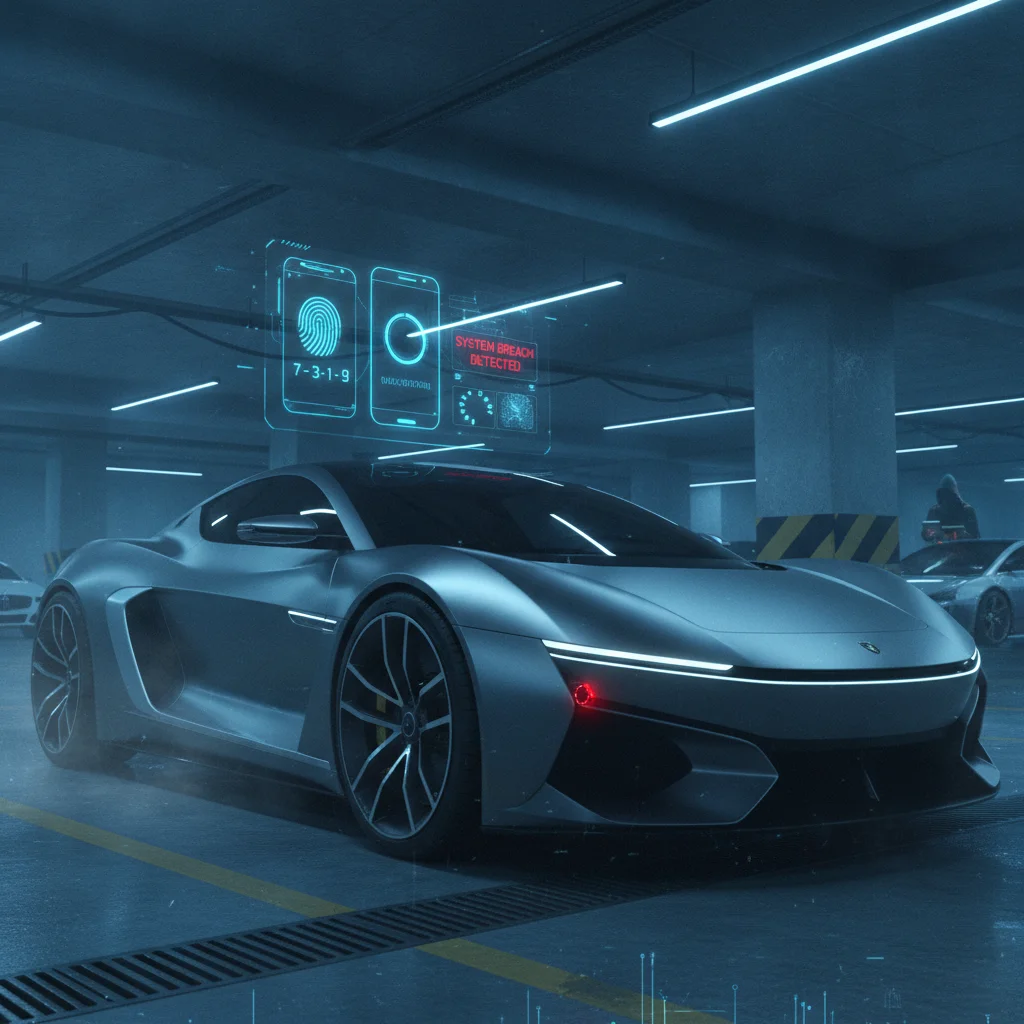
Over-the-air software updates are a standard feature of most modern EVs. In rare cases, a botched update can affect vehicle performance, safety systems, or charging behavior. A small number of specialty EV insurers have begun exploring coverage for software-related loss events — territory that traditional auto policies don't address at all, largely because it didn't exist as a meaningful risk category for gasoline vehicles.
Similarly, EVs that use digital key systems and app-based vehicle access introduce cybersecurity exposure. EV theft works differently than ICE vehicle theft, and some insurers have begun adjusting their comprehensive theft coverage terms to reflect digital access vulnerabilities.
Choosing Between Specialty EV Insurers and Traditional Carriers With EV Endorsements
The market for EV coverage has bifurcated into two broad approaches: specialty insurers that build EV-first policies from the ground up, and major traditional carriers that layer EV-specific endorsements onto standard policy frameworks. Neither is universally superior — the right choice depends on your vehicle, driving profile, and how much EV-specific coverage you actually need.
Specialty EV insurers — a category that includes both standalone carriers and manufacturer-backed programs like Tesla Insurance — tend to offer more granular battery protection, better-adapted roadside assistance, and claims processes staffed by adjusters familiar with high-voltage vehicle repair. The trade-off is typically narrower availability, fewer bundling options, and in some cases higher base premiums offset by more relevant coverage.
Traditional carriers with EV endorsements offer the convenience of bundling with home and umbrella policies, established claims networks, and competitive pricing driven by scale. Their EV-specific language is improving as the segment grows. The risk is policy language that doesn't fully account for EV-specific repair economics — particularly around battery events and charging equipment.
Specialty EV Insurers vs. Major Carriers provides a structured evaluation framework for making this decision based on your specific vehicle and coverage priorities.
It's also worth noting that two policies with identical monthly premiums can offer meaningfully different protection. Why two policies with the same premium can offer completely different protection examines the structural differences that determine real-world value — a particularly relevant lens when evaluating EV policy options.

For EV owners who want a comprehensive resource covering every dimension of EV insurance — from coverage types and premium factors to battery protection and insurer selection — EV Insurance From Start to Finish is the definitive starting point.
What to Demand From Your Policy Before You Sign
Whether you're purchasing a dedicated EV policy or adding coverage to a traditional framework, several specific questions should guide your review before binding.
- Is battery damage covered explicitly? Ask the insurer to show you the policy language — not a sales summary — that addresses battery pack damage from a covered peril. Confirm whether sudden failure is treated differently from degradation, and whether there's a minimum state-of-health threshold that triggers coverage.
- What does roadside assistance actually cover? Request clarification on towing destination — specifically whether the policy guarantees towing to a charging-capable location rather than the nearest service station.
- Is charging equipment covered, and to what limit? If you have or plan to install a Level 2 home charger, get written confirmation of coverage scope and sub-limits. Cross-reference with your homeowners policy to identify any overlap or gap.
- How does the carrier handle OEM vs. aftermarket parts in EV repairs? Some EV manufacturers specify that non-OEM parts void warranty terms. If your insurer defaults to aftermarket parts, a repair could create a downstream warranty dispute on top of the original claim.
- Does the policy recognize your vehicle's software-based safety features for discount purposes? Autopilot, automatic emergency braking, and lane-keeping systems should reduce your collision premium — confirm they're being credited.
For PHEV owners specifically, the risk calculation is more nuanced than for pure battery electrics. How insurers calculate risk differently for battery electric vs. plug-in hybrid vehicles examines why your traction battery's coverage status may be less clear-cut than you assume, and how to close that gap.
Ultimately, the goal is a policy that reflects what your vehicle actually is — not a gasoline car with a different powertrain. The coverage gap between a thoughtfully chosen EV policy and a standard policy repurposed for EV use can run into tens of thousands of dollars in a worst-case battery or total-loss scenario. Closing that gap starts with knowing exactly what questions to ask.
PHEVs Occupy a Coverage Gray Zone
Plug-in hybrid vehicles contain both a combustion engine and a traction battery pack, which creates ambiguity in standard policy language written for one powertrain type or the other. Some carriers apply EV-specific battery exclusions to PHEVs even though the vehicle also burns gasoline. If you drive a PHEV, request written clarification on how your traction battery is classified under your policy's physical damage provisions before assuming coverage exists.
Home Charger Coverage: Check Both Policies
A Level 2 home charging installation occupies a coverage no-man's-land between your auto and homeowners policies. Your homeowners insurer may classify it as permanently attached equipment under dwelling coverage, but electrical equipment sub-limits often apply. Your auto insurer may exclude it entirely as non-vehicle property. Review both policies simultaneously and request explicit written confirmation of what limit, if any, applies to your charger hardware and installation.
State Minimum Requirements Don't Distinguish by Powertrain
No U.S. state currently requires higher minimum liability limits for EVs than for gasoline vehicles, despite the higher vehicle values involved. This means an EV owner carrying only state-minimum liability is structurally underinsured relative to the asset they're protecting. Consider that a mid-range EV priced at $45,000 financed over six years carries a gap risk profile that warrants higher comprehensive and collision limits than the state minimum framework contemplates.
All claims are backed by peer-reviewed research. Sources on request.