Key Takeaways
EV Repair Cost Premium
Electric vehicles tend to cost significantly more to repair than comparable gas-powered cars, due to a combination of factors: scarce certified technicians, expensive proprietary components, complex high-voltage battery systems, and limited parts availability. This elevated repair expense directly influences what insurers charge you for coverage, because premiums are ultimately a reflection of anticipated claim costs.
Insurers use actuarial loss data — actual paid claims aggregated across thousands of vehicles — to set base rates. When EV repair claims consistently run 20–30% higher than ICE equivalents, those averages feed directly into rate-setting models.
The Repair Cost Gap Is Real — Here's the Data
When an EV gets into a fender-bender, the damage estimate rarely looks like what you'd see on a gas-powered vehicle. Mitchell International, which processes millions of auto insurance claims annually, has repeatedly found that EV collision repairs run materially higher than those for internal combustion engine (ICE) vehicles — with some analyses showing gaps of 20% to more than 30% on a per-claim basis.
The gap isn't explained by any single factor. It's structural: it emerges from the interplay of a young technician workforce, a constrained parts ecosystem, and engineering architectures that make even minor impact zones disproportionately expensive to restore to pre-loss condition.
~26%
Higher average EV collision repair cost vs. ICE vehicles
Mitchell International's industry claims data consistently shows EV collision claims running roughly 26% above comparable gas-vehicle claims.
$14,000+
Average EV total loss claim payout
CCC Intelligent Solutions data indicates EV total loss payouts are significantly higher than ICE equivalents, driven by high vehicle values and battery replacement costs.
4–8 weeks
Typical parts wait time for some EV models
Repair industry surveys report that certain EV brands have parts lead times of four to eight weeks due to OEM-only supply chains.
30–50%
Battery pack's share of total EV vehicle value
Industry analysts estimate battery packs represent 30–50% of an EV's total manufacturing cost, making them the single most expensive repair item.
15–25%
Typical EV insurance premium premium over ICE vehicles
Insurance industry analyses and consumer surveys generally find EV owners pay 15–25% more for comprehensive and collision coverage than ICE vehicle owners.
For insurers, the math is straightforward. Premiums are priced to cover expected losses plus overhead. If the average EV collision claim costs $5,500 versus $4,100 for a comparable ICE vehicle, that $1,400 difference has to be recovered somewhere — and it shows up in your annual premium. The full picture of why EVs cost more to insure involves several compounding factors, but repair costs are consistently the largest single driver.
The Technician Shortage: Labor Rates Nobody Talks About
High-voltage vehicle systems — typically operating between 400 and 800 volts — require technicians who have completed specific safety training and, in many cases, manufacturer certification programs. As of the mid-2020s, the pool of mechanics qualified to work on EV drivetrains, battery modules, and thermal management systems remains a fraction of the broader auto repair workforce.
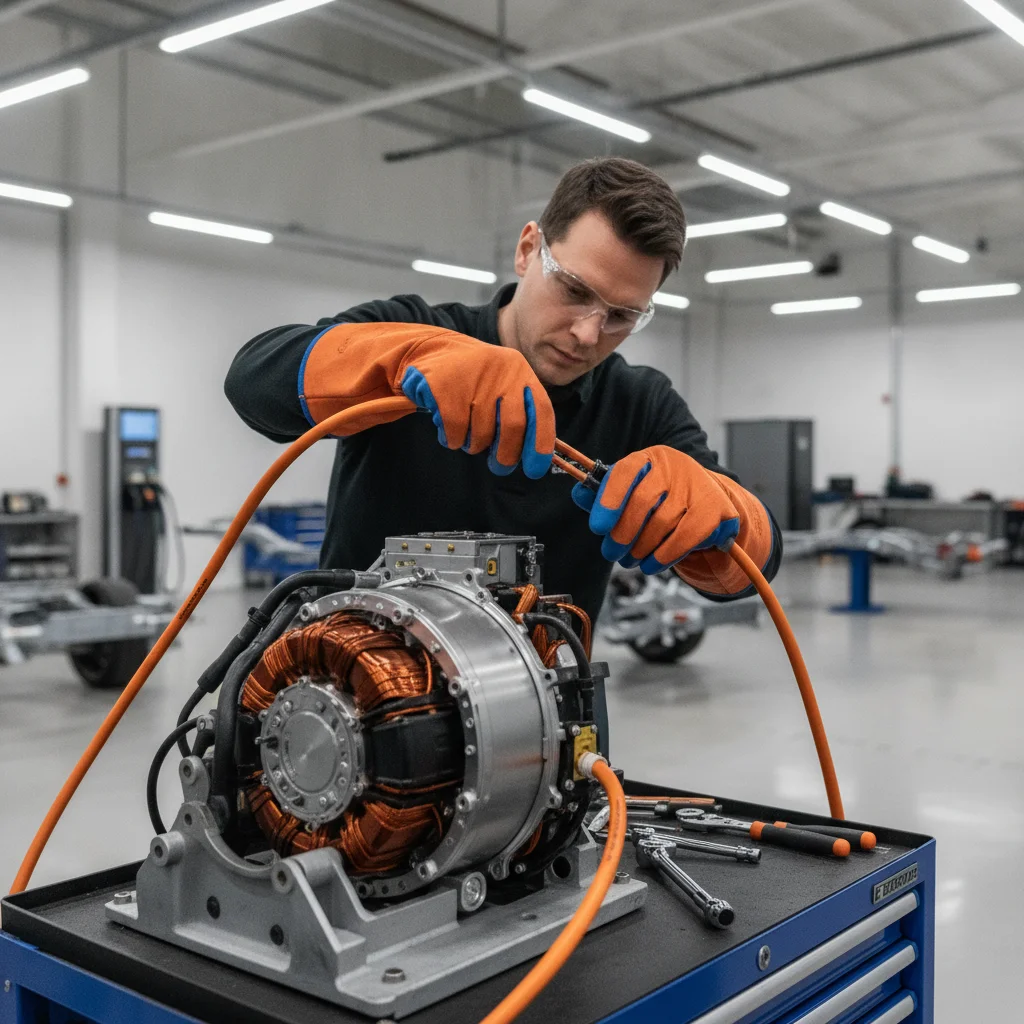
The practical consequence: EV owners often wait longer for appointments and pay higher labor rates than they would at a general repair shop. In metro areas with robust EV adoption — California, the Pacific Northwest, the Northeast — certified shops are available but busy. In lower-density regions, the nearest qualified facility may be hours away, requiring vehicle transport that adds directly to the claim cost.
Verify Your Shop Is Certified Before a Claim
Don't wait until after an accident to discover the nearest certified EV repair facility is two hours away. Search your manufacturer's certified collision repair locator now and save the contact. Some insurers allow you to designate a preferred shop in advance, which can streamline the claims process significantly.
Rental Reimbursement Limits Matter More for EVs
Standard rental reimbursement policies often cap coverage at 30 days. Given that EV repairs can extend six weeks or more due to parts delays, this limit may leave you paying out of pocket for rental time. When shopping coverage, ask specifically about extended rental reimbursement options and what the daily rate cap is — $30/day won't cover most rental cars in 2025.
Manufacturer-authorized service centers can charge labor rates that run 30–50% above independent shop rates, according to industry surveys. When an insurer reimburses labor at standard local rates but your only qualified shop charges above that, the gap becomes an out-of-pocket expense. Understanding how your policy handles labor rate differentials is one of the more underappreciated details in EV insurance coverage.
Proprietary Parts: Why the Aftermarket Hasn't Caught Up
A 2015 gas-powered compact has a thriving aftermarket. Dozens of manufacturers produce compatible bumper covers, fenders, sensors, and interior components that give body shops pricing leverage. EVs — most of which have been on the road less than a decade — don't have that ecosystem yet.
For many EV brands, structural components, battery-adjacent panels, and sensor housings can only be sourced directly from the manufacturer or its authorized distributors. Single-source supply means no competitive pricing pressure. A hood panel that might cost $400 in an ICE aftermarket could run $900 or more as an OEM-only EV part. Multiply that across even a moderate collision repair and the bill climbs fast.
Parts Wait Times Affect More Than Your Schedule
When a vehicle sits at a repair facility awaiting parts, daily storage fees accumulate and are typically billed against the insurance claim. For EV repairs with multi-week parts delays, storage alone can add hundreds or even thousands of dollars to the total claim cost. This is one reason extended parts wait times have a disproportionate impact on EV claim severity compared to ICE vehicles.
Not All EV Models Are Priced the Same
Insurers do not apply a blanket EV surcharge — they price by vehicle make and model based on actual claims history. An EV with a mature dealer repair network and available parts may carry lower collision premiums than a newer, lower-volume model. Checking insurer rate sheets for your specific vehicle before purchase can reveal meaningful cost differences between comparable EVs.
The situation is especially pronounced for brands with lower U.S. sales volumes. Repair facilities report that parts for certain EV models can take four to eight weeks to arrive, during which time the vehicle sits — often in a storage lot that charges daily fees billed to the claim. Extended parts wait times inflate total loss-of-use costs and sometimes push borderline vehicles past the threshold where repair is declared uneconomical, triggering a total loss payout instead.
Insurers weigh parts availability heavily when pricing coverage for specific EV models. A vehicle with known supply chain challenges may carry a higher collision surcharge than its sticker price alone would suggest.
Battery Systems: The Wildcard in Every Repair Estimate
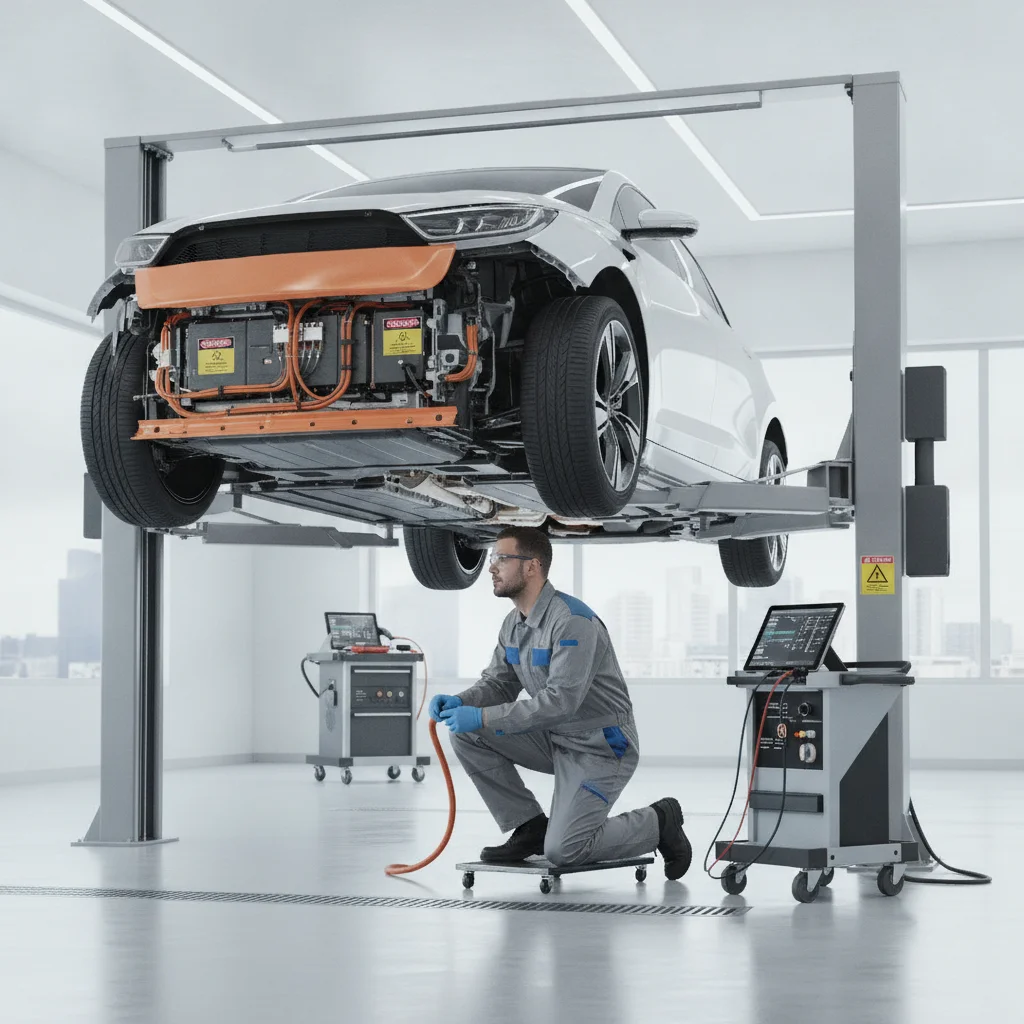
The battery pack is the most expensive single component in an electric vehicle, often representing 30–50% of total vehicle value. It also sits in the most vulnerable structural location — the floor of the vehicle — and is shielded by protective enclosures that are themselves expensive to repair or replace.
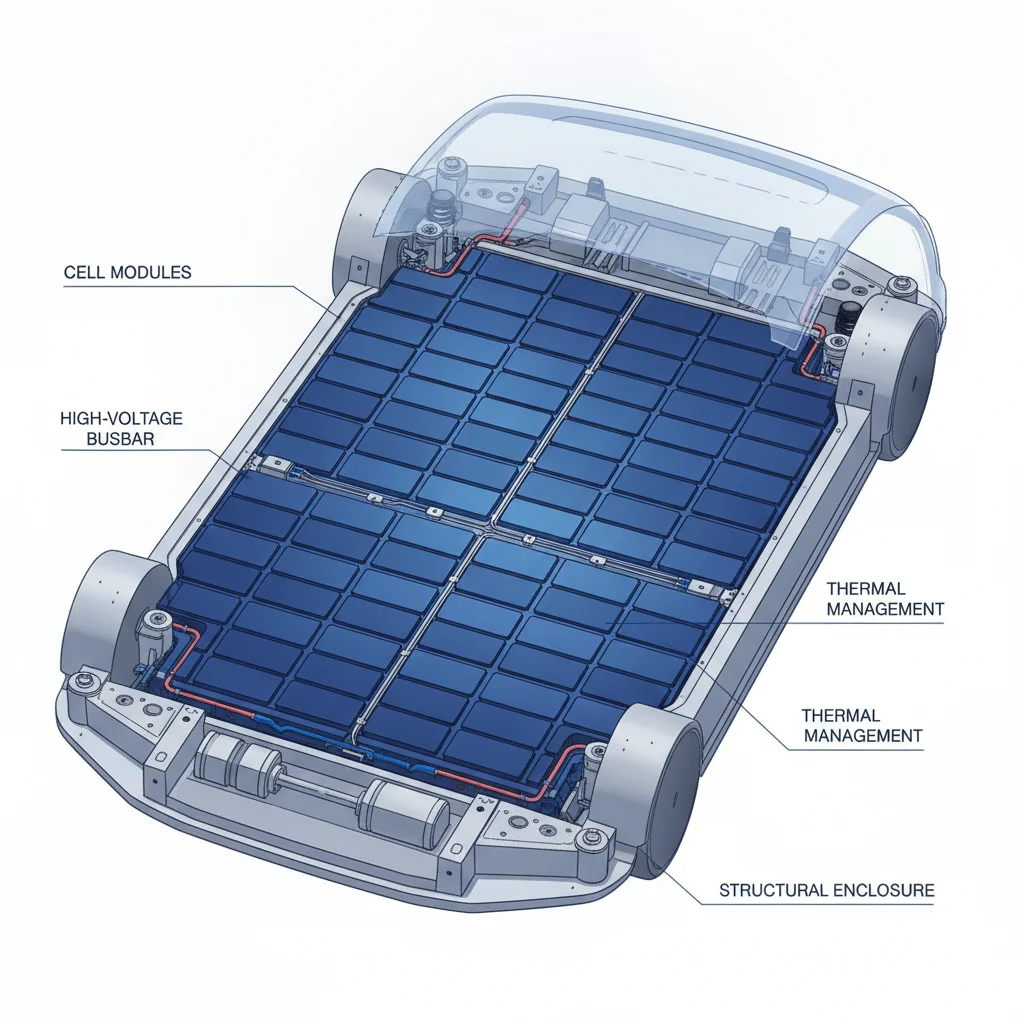
After any collision involving the undercarriage, rocker panels, or structural floor, standard procedure at qualified shops is a battery integrity inspection. This isn't optional — high-voltage systems that appear undamaged externally can have internal cell damage that creates fire risk if left unchecked. The inspection itself, including removal and reinstallation procedures, can add $500 to $1,500 to a repair estimate before a single damaged body panel is even addressed.
When battery cells are damaged, the calculus gets severe quickly. Most major manufacturers do not support partial cell or module replacement in the field — they require full pack replacement to maintain safety and warranty integrity. A replacement pack on a mid-range EV can cost anywhere from $10,000 to $20,000 depending on chemistry, capacity, and brand. On a vehicle worth $35,000, that alone can push a claim past the total loss threshold, where the insurer pays out actual cash value rather than funding repair.
This dynamic contributes to higher total loss rates for EVs compared to ICE vehicles with similar damage profiles — another data point that flows into actuarial models and, ultimately, into your premium. The real cost of underinsuring an EV becomes starkly apparent when a battery replacement or total loss settlement leaves a gap between what you owe and what the insurer pays.
How Insurers Translate Repair Costs Into Your Rate
Insurance pricing is a data-intensive exercise. Underwriters analyze historical claims for specific vehicle makes, models, and years — looking at frequency (how often claims occur) and severity (how much each claim costs). Repair cost data feeds directly into severity calculations.
“Insurers are essentially pricing future risk based on past data. When the past data says EVs cost more to fix — and the structural reasons for that aren't going away quickly — higher premiums are the rational actuarial response, not a penalty.”
— Robert Passmore, VP of Personal Lines Policy, American Property Casualty Insurance Association
When a vehicle model consistently generates high-severity collision claims, insurers respond by raising base rates for that model. This is why EV premiums vary substantially between brands and even between models from the same brand. A model with a well-developed repair network, available aftermarket parts, and modular battery architecture may carry lower collision premiums than a newer model with all-OEM sourcing and limited certified shop availability.
Parts Wait Times Affect More Than Your Schedule
When a vehicle sits at a repair facility awaiting parts, daily storage fees accumulate and are typically billed against the insurance claim. For EV repairs with multi-week parts delays, storage alone can add hundreds or even thousands of dollars to the total claim cost. This is one reason extended parts wait times have a disproportionate impact on EV claim severity compared to ICE vehicles.
Not All EV Models Are Priced the Same
Insurers do not apply a blanket EV surcharge — they price by vehicle make and model based on actual claims history. An EV with a mature dealer repair network and available parts may carry lower collision premiums than a newer, lower-volume model. Checking insurer rate sheets for your specific vehicle before purchase can reveal meaningful cost differences between comparable EVs.
Geography compounds this effect. As our analysis of location-based EV insurance pricing shows, living in a ZIP code with fewer certified EV shops correlates with higher premiums, because insurers anticipate longer repair cycles, higher storage costs, and elevated labor rates in those markets. Two identical EVs can carry meaningfully different premiums based solely on where they're garaged.
It's also worth understanding that comprehensive and collision are the coverage lines most directly affected by repair cost increases. Liability rates, which cover damage you cause to others, are less sensitive to EV-specific repair costs and more sensitive to your driving record and local litigation environment. If you're considering ways to manage premium costs, adjusting deductibles on comp and collision — rather than reducing liability limits — is generally the more defensible trade-off. For a broader view of all the variables at play, the factors that shape your EV insurance premium are worth reviewing in full.
What EV Owners Can Do Right Now
Understanding the repair cost dynamics that drive your premium is useful only if it leads to action. There are several concrete steps EV owners can take to manage their insurance costs without exposing themselves to unacceptable financial risk.
- Shop insurers who specialize in EVs. A growing number of carriers have developed EV-specific underwriting expertise and pricing models. These insurers sometimes offer more competitive rates on well-understood EV models because their loss data is more granular.
- Ask specifically about OEM parts coverage. Some standard policies default to aftermarket or salvage parts for repairs. For EVs with limited aftermarket availability, OEM parts clauses ensure your vehicle is restored with manufacturer-approved components — important for both safety and resale value.
- Consider gap insurance if you financed. Because EVs depreciate at rates that can outpace loan payoff schedules, a total loss settlement based on actual cash value may leave a balance owed. Gap coverage closes that difference.
- Understand your policy's rental reimbursement limits. EV repairs take longer than ICE repairs. A policy that covers 30 days of rental reimbursement may not be sufficient if your vehicle sits waiting for parts for six weeks.
- Keep your driving record clean. It sounds basic, but for high-cost vehicles, even a single at-fault incident can trigger a premium increase that compounds the already-elevated base rate.
Verify Your Shop Is Certified Before a Claim
Don't wait until after an accident to discover the nearest certified EV repair facility is two hours away. Search your manufacturer's certified collision repair locator now and save the contact. Some insurers allow you to designate a preferred shop in advance, which can streamline the claims process significantly.
Rental Reimbursement Limits Matter More for EVs
Standard rental reimbursement policies often cap coverage at 30 days. Given that EV repairs can extend six weeks or more due to parts delays, this limit may leave you paying out of pocket for rental time. When shopping coverage, ask specifically about extended rental reimbursement options and what the daily rate cap is — $30/day won't cover most rental cars in 2025.
For a complete picture of ownership costs beyond insurance — including maintenance schedules, tire wear, and charging costs — the EV maintenance basics hub provides a grounded comparison with ICE vehicle expenses. And if you want to stress-test assumptions you may have about what your current policy covers, common EV insurance myths are worth reviewing before your next renewal.

All claims are backed by peer-reviewed research. Sources on request.