Key Takeaways
Why EV Maintenance Myths Are Genuinely Expensive
The marketing pitch around electric vehicles practically writes itself: no oil changes, fewer trips to the shop, lower lifetime costs. That pitch isn't wrong — EVs really do shed a significant number of the recurring service tasks that define gas-car ownership. But the narrative has overshot reality in ways that are costing owners real money.
When buyers internalize "EVs need almost no maintenance" as "EVs need no maintenance," they stop checking tire pressure, skip brake fluid inspections, and run their battery to 100% every night without a second thought. The result is premature wear on components that aren't cheap to replace.
This article works through the most persistent EV maintenance myths — the ones I see reinforced in owner forums, dealership sales floors, and even some manufacturer marketing materials. For each one, I'll tell you what's actually true and what you should be doing instead.
If you want the broader view before we dive into specific myths, EV Ownership: The Upkeep Advantages and the Tasks People Underestimate gives a balanced look at what you genuinely gain and what still demands attention.
The Core Myths, Corrected
Each of the following myths is common enough that I've encountered them repeatedly from real EV owners — not just online speculation. Some come from incomplete manufacturer messaging. Others come from enthusiasts overstating the case for EVs. All of them, if acted on, cost you either time, money, or both.
Myth
Electric vehicles require virtually no maintenance — you can skip the service schedule entirely.
Fact
EVs eliminate many gas-car services but still require tire rotations, brake inspections, cabin air filter replacements, and battery cooling system service.
This myth is the root of most EV maintenance mistakes. The logic is understandable: no oil changes, no spark plugs, no transmission fluid, no exhaust — that's a significant reduction in service visits. But "significantly less" and "essentially none" are not the same thing.
EVs still rely on tires, suspension, brakes, HVAC systems, wiper blades, and battery thermal management circuits — all of which wear and require periodic attention. The owner's manual for virtually every EV on the market includes a service schedule. It's shorter than a gas car's, but it exists for a reason.
Treating your EV as a zero-maintenance vehicle isn't a money-saving strategy — it's a delayed expense strategy. Why Electric Vehicles Still Need Regular Maintenance walks through the specific tasks that still apply and what happens when they're skipped.
Myth
You should always charge your EV to 100% to maximize range and battery health.
Fact
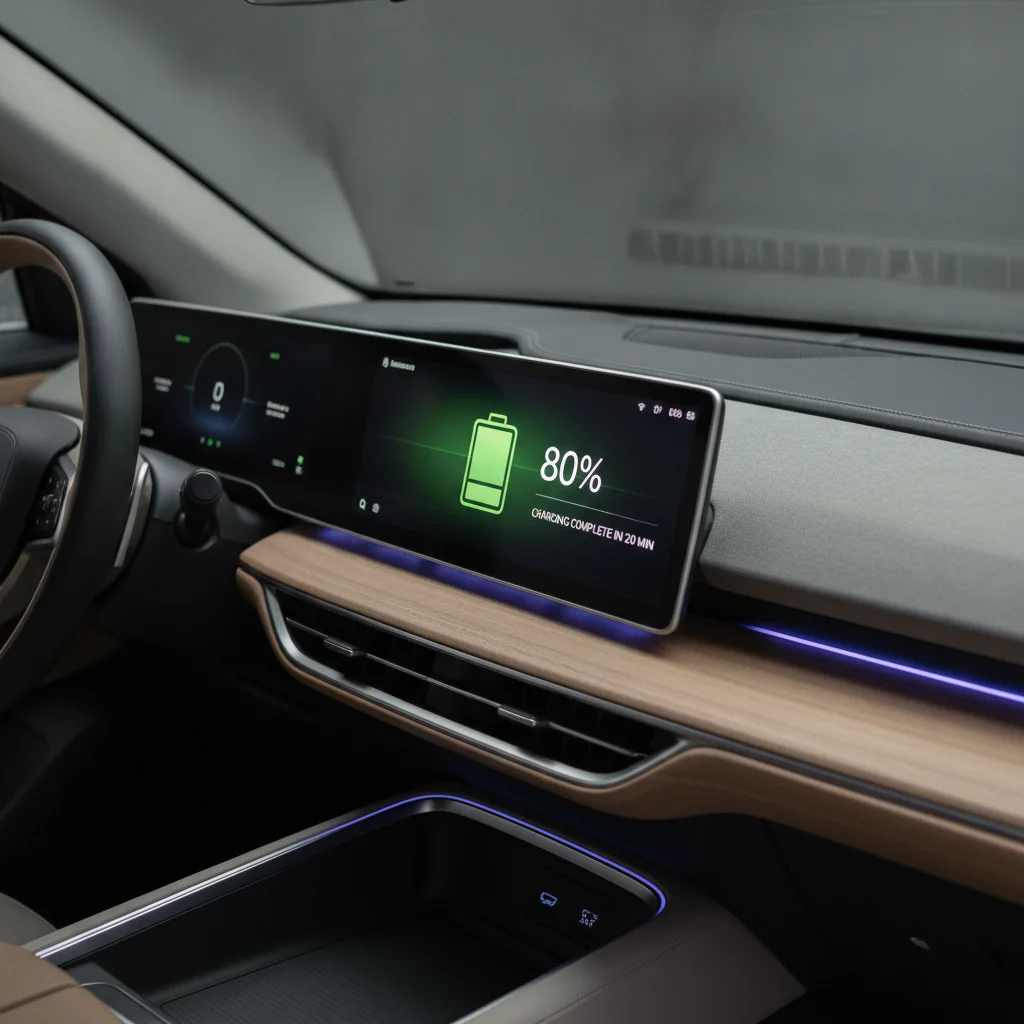
Charging to 100% daily accelerates lithium-ion battery degradation. Most manufacturers recommend an 80% daily limit, reserving full charges for long trips.
Lithium-ion batteries age faster when held at very high or very low states of charge. The chemical stress at the top and bottom of the charge curve — called calendar aging — is well-documented in battery research. Most EV manufacturers explicitly recommend keeping the battery between 20% and 80% for everyday use, and many set 80% as the default charge limit right out of the box.
This isn't a minor nuance. Battery replacement is the most expensive maintenance scenario for an EV owner. Practices that accelerate degradation — daily 100% charges, frequent deep discharges, excessive fast charging — directly affect how long your battery holds its original capacity.
The practical tradeoff: a full 100% charge once in a while before a long road trip is fine and expected. Doing it every night when you're commuting 30 miles a day is unnecessary wear on a $10,000+ component.
Myth
EV brakes never wear out because regenerative braking does all the work.
Fact
Regenerative braking significantly extends pad life, but brake fluid still absorbs moisture over time and rotors can corrode from underuse — both requiring periodic service.
Regenerative braking is one of the genuine efficiency wins in EVs — it captures kinetic energy during deceleration and converts it back to electricity, which also means the friction brakes are used far less than in a gas car. Many EV owners report brake pads lasting 70,000–100,000 miles or more, compared to 30,000–70,000 miles in a conventional vehicle.
But brake fluid is hygroscopic — it absorbs water vapor from the air over time regardless of how often you press the pedal. Moisture-contaminated brake fluid lowers the boiling point of the fluid and promotes corrosion in the brake lines and calipers. Most manufacturers recommend a fluid check every two years.
Rotors also present a different problem on EVs: because friction brakes are used so rarely, rotors can develop surface rust and uneven wear patterns from sitting. This is more common in humid climates. The fix is usually simple — a few hard stops to clean the surface — but it's worth knowing about.
Myth
EV tires last longer because electric motors are gentler than gas engines.
Fact
EV tires typically wear faster than gas-car tires due to instant torque delivery and higher vehicle weight, making rotation schedules more important, not less.
This is one of the most counterintuitive EV maintenance realities. Electric motors deliver maximum torque instantly — that snappy acceleration feel that EV drivers love. But that same instant torque puts more rotational stress on tires, especially during aggressive acceleration from a stop.
Compound that with vehicle weight: EVs are consistently heavier than their gas equivalents because of the battery pack. A base-model Tesla Model 3 weighs roughly 20–30% more than a comparably sized gas sedan. More weight means more load on each tire, which translates to faster wear.
EV-specific tires exist precisely to address this — they're designed with stiffer sidewalls and harder compounds to handle the load and torque. But even with optimized tires, rotation every 5,000–7,500 miles is critical. Skipping rotations on an EV is more consequential than on a gas car, not less.
[in_content_images:3]Myth
The battery cooling system in an EV is self-managing and never needs service.
Fact
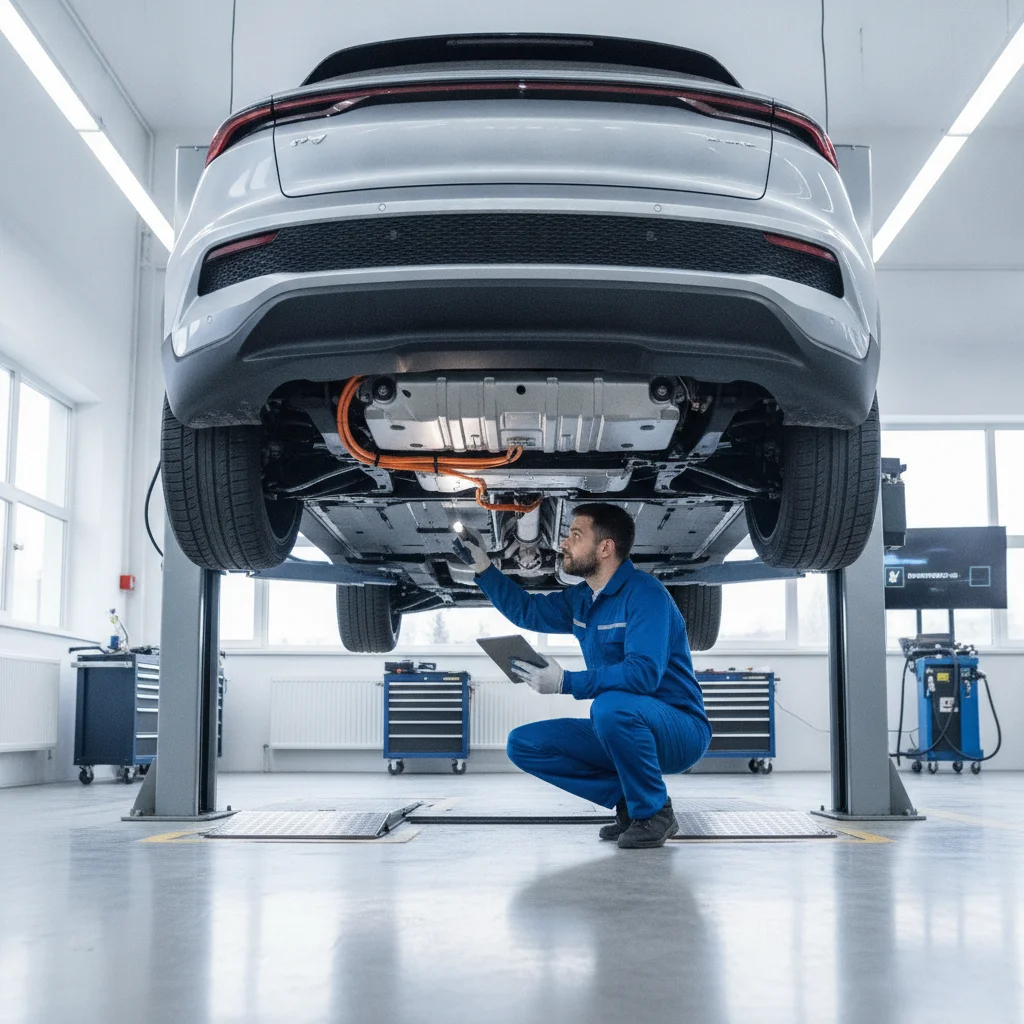
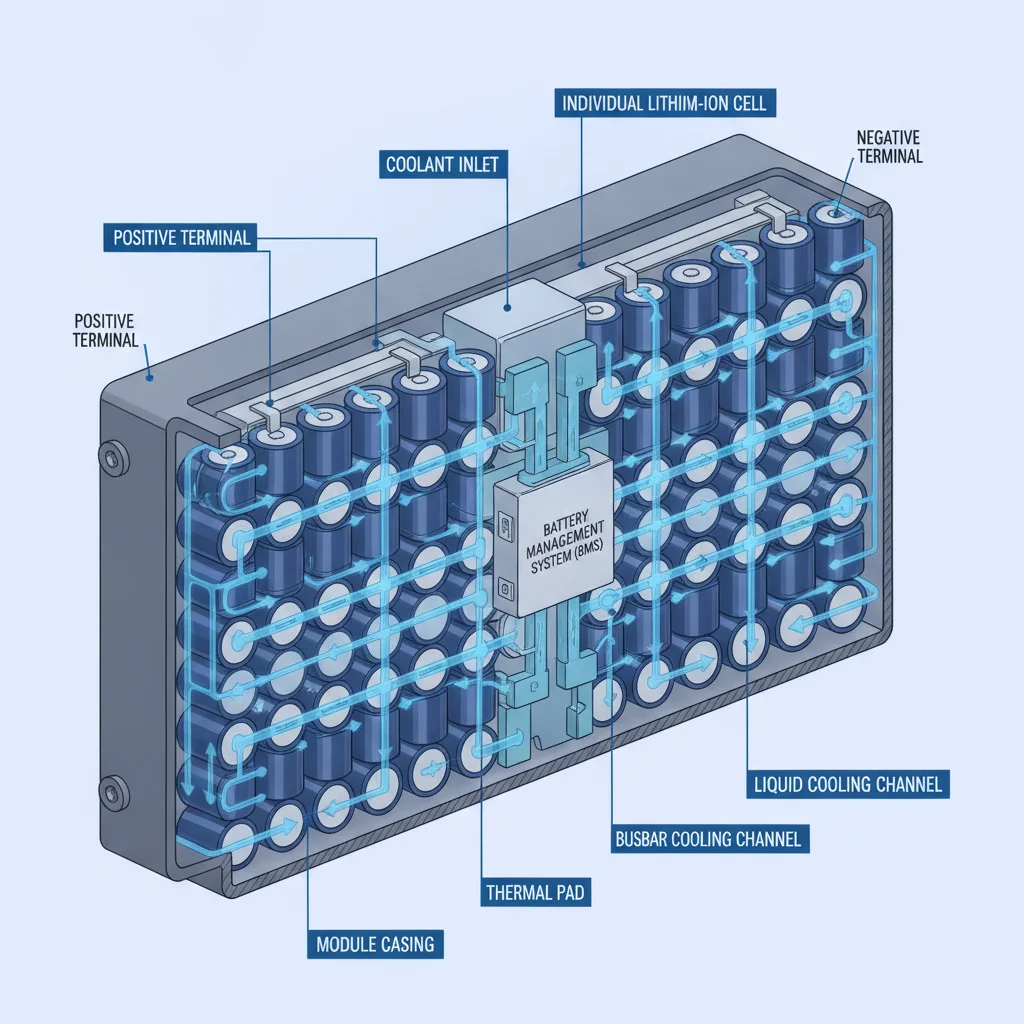
EV battery thermal management systems use liquid coolant that requires periodic inspection, top-offs, and full flushes — typically every 5 years or 150,000 miles.
Battery thermal management is the most overlooked maintenance category for EV owners — partly because it's invisible, partly because service intervals are long, and partly because no one talks about it in the same breath as oil changes.
But liquid-cooled battery systems — used in most EVs from Tesla, GM, Hyundai, Ford, and others — circulate coolant through channels in or around the battery pack to regulate temperature. Coolant degrades over time. It can become acidic, lose its corrosion inhibitors, and allow scale buildup in the cooling channels. All of these conditions reduce the system's ability to regulate battery temperature effectively.
Poor thermal management accelerates battery aging. A battery that regularly runs hot — because the cooling system is working with degraded fluid — loses capacity faster than one that stays in the optimal temperature range. This is a long-term risk, not an immediate failure mode, which is exactly why it gets ignored.
Check your owner's manual for the specific interval. If you've bought a used EV, find out whether this service has ever been performed.
Myth
DC fast charging is fine to use as your primary charging method — it's what it's designed for.
Fact
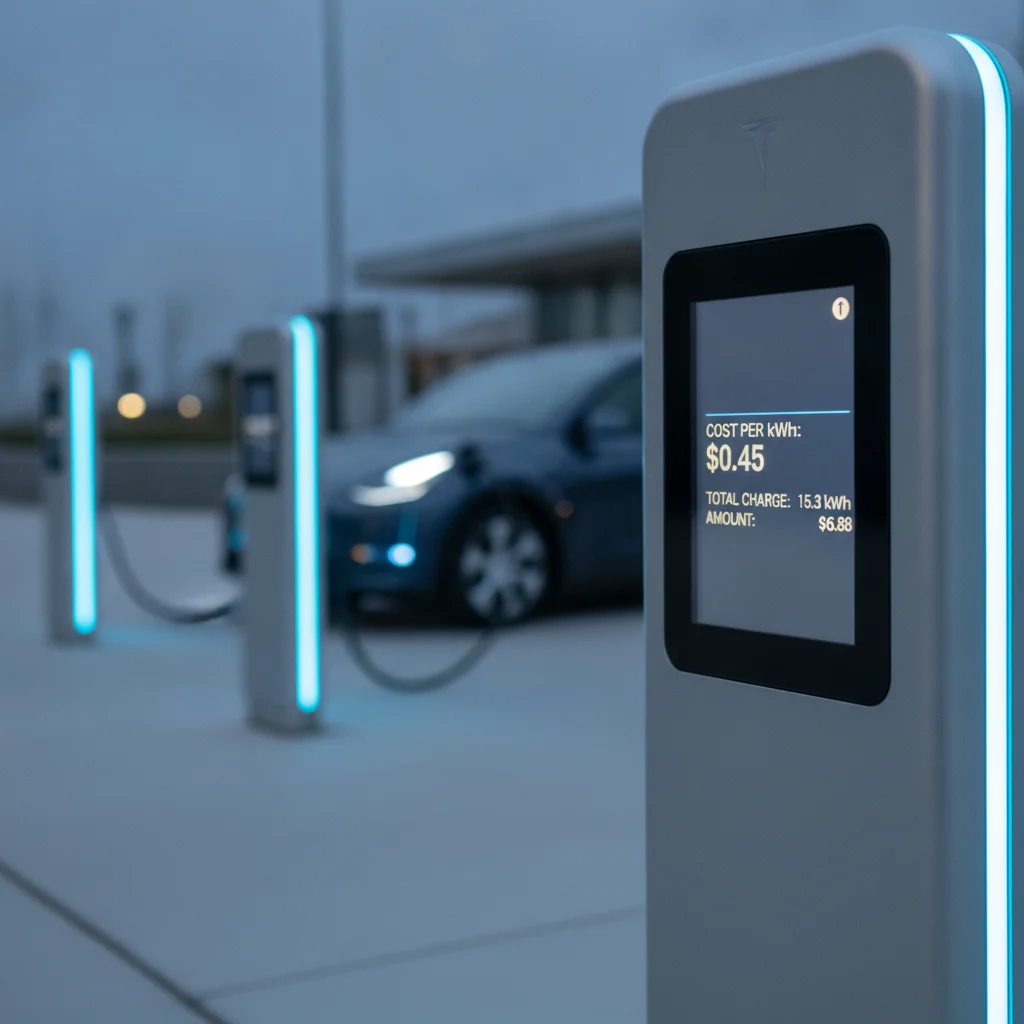
DC fast charging is designed for travel situations, not daily use. Frequent DCFC accelerates battery degradation compared to regular Level 2 home charging.
DC fast chargers deliver high-voltage, high-current electricity that charges a battery quickly by generating significantly more heat than Level 2 charging. Heat is the primary accelerant of lithium-ion battery degradation. This is why most EV manufacturers include language in their warranty terms or owner's manuals advising against using DCFC as the primary charging method.
For drivers without home charging access, this is a real limitation — and it's worth understanding honestly rather than dismissing. If your situation requires frequent fast charging, it's not catastrophic, but it's worth monitoring battery health metrics over time.
For the majority of EV owners with access to home Level 2 charging, the math is simple: charge at home overnight, use DCFC on road trips. You'll see slower battery degradation and lower per-mile energy costs. Charging Costs & Savings covers the full cost comparison between charging options.
Myth
EVs don't need wheel alignments because they don't have the same drivetrain stress as gas cars.
Fact
Wheel alignment on EVs is just as important as on any vehicle — and instant torque delivery can actually make alignment issues manifest more quickly.
Alignment has nothing to do with the type of drivetrain — it's about the geometry of how your wheels contact the road. Potholes, curbs, and normal road wear knock alignment out of spec regardless of whether your car is powered by electricity or gasoline.
The argument for skipping alignment checks on EVs has no mechanical basis. In fact, because EV torque delivery is so immediate and sharp, a misaligned EV will transmit those alignment problems to tire wear patterns faster than a gas car with more gradual power delivery.
Check alignment annually or any time you notice uneven tire wear, pulling to one side, or after hitting a significant pothole or curb. Most shops include an alignment check as part of a tire rotation service.
30–40%
EV maintenance cost savings vs. gas vehicles
According to Consumer Reports and U.S. Department of Energy data, EV owners spend significantly less on maintenance over the vehicle's life — but not nothing.
$5,000–$20,000
Typical EV battery replacement cost
Battery replacement costs vary widely by vehicle make and pack size, reinforcing why charging habits and thermal management matter for long-term ownership.
70,000+ miles
Typical EV brake pad lifespan
Regenerative braking dramatically extends pad life compared to 30,000–70,000 miles on gas vehicles, but brake fluid and rotors still need periodic attention.
5,000–7,500 miles
Recommended EV tire rotation interval
Due to heavier weight and instant torque, EV tires wear faster than average — making rotation intervals more critical than on most gas-powered vehicles.
The Maintenance Tasks That Actually Matter for EVs
Once the myths are out of the way, what does a realistic EV maintenance schedule look like? It's shorter than a gas car's list, but it isn't blank.
Tires
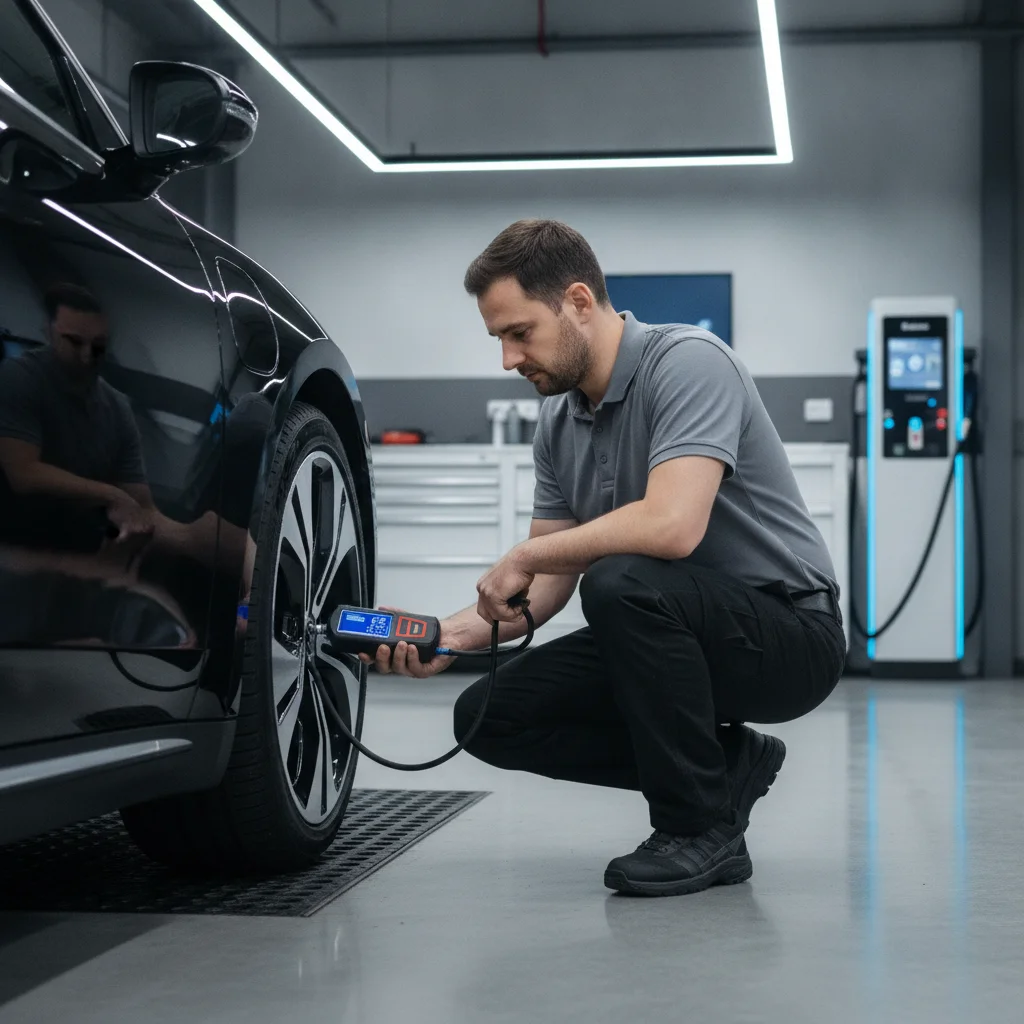
Rotate every 5,000–7,500 miles. Check pressure monthly — EVs are sensitive to pressure drops because their range calculations depend on rolling resistance. Replace when tread depth hits 2/32", but realistically start shopping at 4/32" because EV weight means stopping distances increase faster on worn rubber.
EV Tires Wear Faster Than You May Expect
Don't apply gas-car tire rotation intervals to your EV without checking. The combination of instant torque and higher vehicle weight accelerates tire wear — particularly on the front axle of RWD vehicles and all axles on AWD models. Stick to the 5,000–7,500 mile rotation interval and check pressure monthly. A set of EV tires replaced prematurely due to skipped rotations can cost $800–$1,400 or more.
Used EV Buyers: Check Battery Thermal Fluid History
If you're purchasing a used EV, ask specifically whether the battery coolant has ever been serviced. Many previous owners are unaware this task exists, and a car with 80,000 miles and never-serviced thermal fluid is carrying deferred maintenance risk. Factor a potential coolant flush into your purchase negotiation if service records don't show it.
Brakes
Inspect brake fluid every two years regardless of mileage. Flush if moisture content exceeds 3% (most shops test this for free). Visually inspect rotors annually — look for deep grooves or surface rust from underuse. Pads on most EVs will go well beyond 70,000 miles, but don't assume they're fine just because you barely use the friction brakes.
Cabin Air Filter
Replace every 15,000–25,000 miles depending on your environment. If you live somewhere dusty, dry, or wildfire-prone, check it annually. A clogged cabin filter forces the HVAC system to work harder, which pulls more from your battery.
Thermal Management / Coolant
This is the most overlooked item on the list. EV battery packs use liquid cooling circuits that require periodic coolant top-offs and full flushes — typically every 5 years or 150,000 miles, but check your owner's manual. Neglecting this is one of the fastest ways to accelerate battery degradation.
Wiper Blades and Washer Fluid
Same as any car. Check blades every six months, replace annually or when streaking starts.
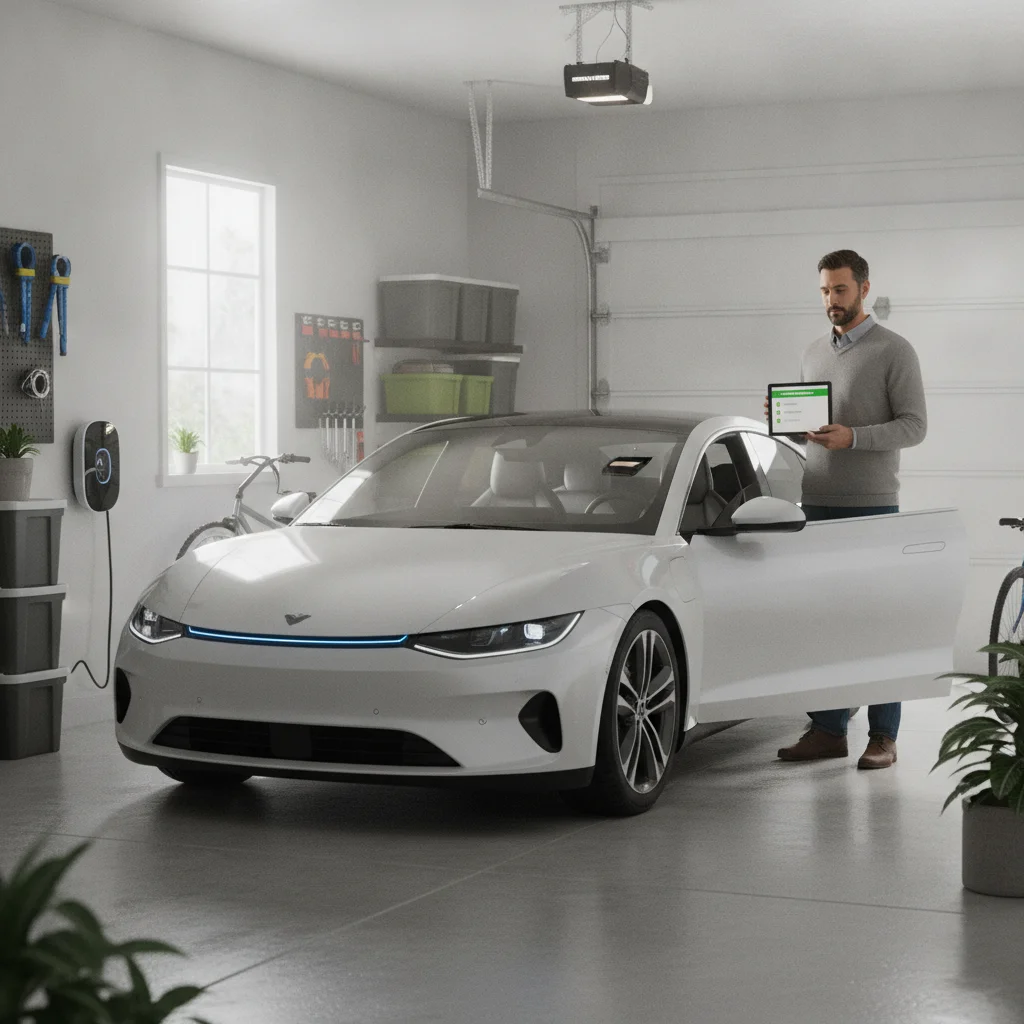
For a complete first-year checklist, EV Maintenance from Day One: What Every New Owner Should Know walks through exactly what to track from the moment you drive off the lot.
Battery Charging Habits: The Most Consequential Variable
Of all the maintenance decisions an EV owner makes, charging behavior has the largest long-term impact on the most expensive component in the vehicle. Battery replacement costs — when they occur — typically run between $5,000 and $20,000 depending on the vehicle. The habits below either protect that investment or erode it slowly.
Daily Charge Limit
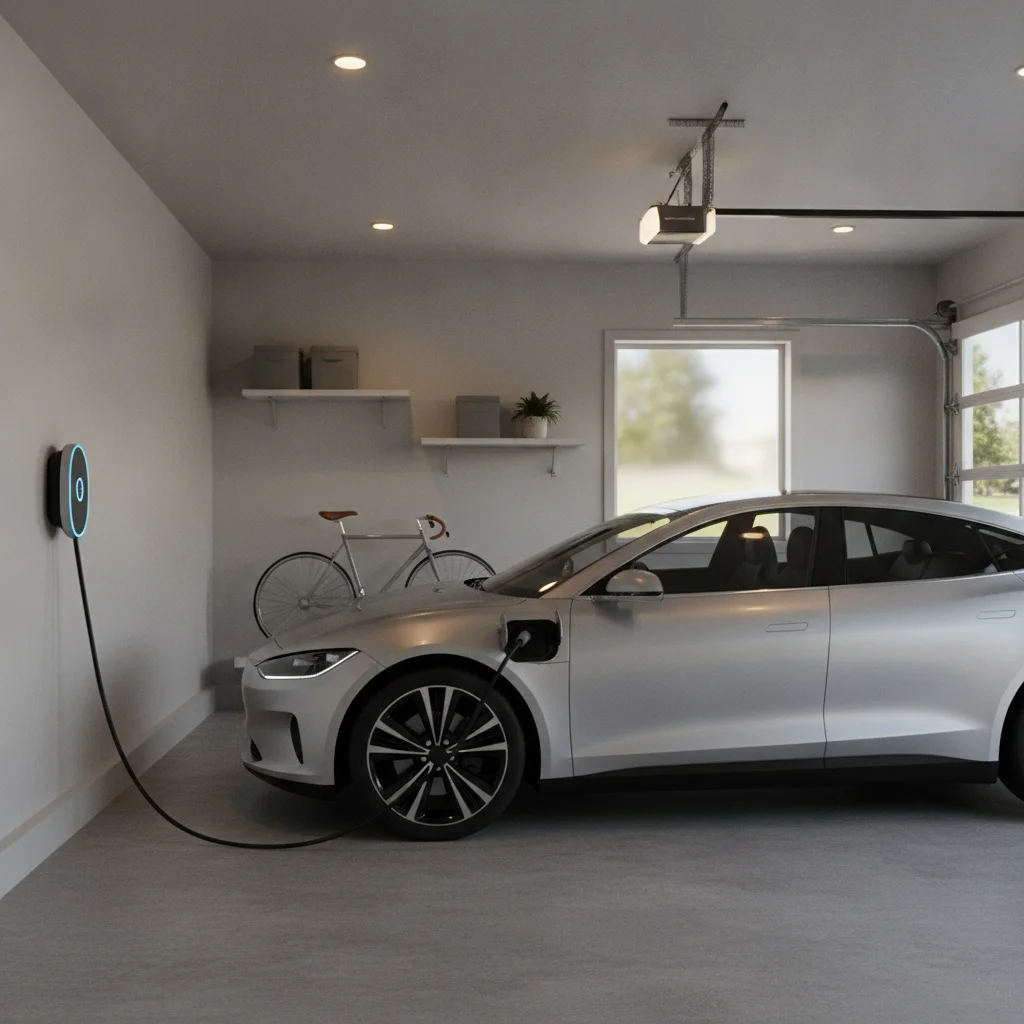
Set your daily charge limit to 80% for regular driving. Most EVs allow this directly in the app or infotainment system. Reserve 100% charges for long trips, and try not to hold the battery at 100% for extended periods if you can avoid it.
Avoid Deep Discharges
Letting the battery regularly drop below 10–15% adds more stress than most owners realize. The battery management system buffers some of this, but it's not a complete shield. If you're consistently running the battery to near-empty, adjust your charging schedule.
Fast Charging Frequency
DC fast charging is convenient but generates more heat than Level 2 charging. Heat is the enemy of lithium-ion batteries. Using DCFC occasionally on road trips is fine — it's what the infrastructure is designed for. Making it your primary charging method when you have Level 2 access at home is unnecessary wear.
For more on the cost and usage tradeoffs of different charging approaches, see Charging Cost Myths That Trip Up New EV Owners.
Daily 100% Charging Costs You Money Over Time
Charging to 100% every night when you don't need the range isn't a safety habit — it's an expensive one. Lithium-ion batteries age faster when held at extreme states of charge. Set your daily charge limit to 80% in your vehicle app or settings and reserve full charges for long trips. Over years of ownership, this single habit can meaningfully extend your battery's usable capacity.
What 'Low Maintenance' Actually Saves You — and What It Doesn't
It's worth being direct about the real savings so you don't dismiss them — they're substantial. The average gas car owner spends roughly $300–$500 per year on oil changes and related fluid services. Add spark plug replacements, transmission services, timing belt or chain work, and exhaust system repairs over the vehicle's life, and you're looking at thousands of dollars in eliminated costs.
Studies from Consumer Reports and the U.S. Department of Energy consistently show EV owners spend 30–40% less on maintenance than comparable gas-vehicle owners over time. That's a real, meaningful advantage.
But "30–40% less" is not zero. The remaining 60–70% of maintenance cost still exists. Tires, brakes, suspension components, alignment, HVAC systems, and battery thermal management all require attention. The owners who understand this distinction keep their vehicles in better shape and avoid the surprise repair bills that come from years of neglect on tasks they assumed didn't apply.
What 'Low Maintenance' Actually Means for an Electric Vehicle unpacks the honest version of that marketing claim in detail.
If you're also rethinking your insurance coverage as part of your overall EV cost picture, EV Insurance Myths That Are Costing Owners Real Money is worth reading alongside this piece — several of the same overconfidence patterns show up there too.
The Bottom Line on EV Maintenance
Electric vehicles are genuinely easier to maintain than gas-powered cars. That's not hype — it's documented in repair data, owner surveys, and long-term cost studies. Fewer moving parts means fewer failure points, and the absence of oil, spark plugs, and exhaust components removes entire categories of service visits.
The problem isn't that EVs are oversold on maintenance ease. The problem is that "easier" gets rounded up to "effortless" — and effortless leads to neglect. Neglect on tire rotations leads to uneven wear and early replacement. Neglect on charging habits leads to accelerated battery degradation. Neglect on brake fluid leads to corrosion in a system you rarely activate consciously.
None of these maintenance tasks are difficult. Most are cheap when done on schedule and expensive when deferred until something breaks. The owners who treat their EV like a low-maintenance car — rather than a no-maintenance car — are the ones who actually realize the full financial advantage of electric ownership.
For a complete picture of which upkeep tasks still apply and why skipping them is costly, Why Electric Vehicles Still Need Regular Maintenance covers the full breakdown.

All claims are backed by peer-reviewed research. Sources on request.