Key Takeaways
Why EV Charging Costs Are Harder to Track Than They Look
The promise of EVs is straightforward: swap expensive gasoline for cheap electricity and save hundreds — sometimes thousands — annually. For many drivers, that promise holds up. But a meaningful subset of EV owners quietly erases those savings through a cluster of avoidable mistakes, and the frustrating part is that most of these errors are invisible in the day-to-day ownership experience.
Unlike a gas station receipt that shows you exactly what you paid per gallon, EV charging costs are fragmented across home utility bills, public network apps, membership fees, and time-of-day pricing structures. Without actively tracking these variables, it's genuinely easy to spend far more than necessary — sometimes approaching gas-car parity — without realizing it.
For a grounded look at what charging actually costs across different scenarios, see The True Cost of Charging an EV: What the Math Actually Shows. This article focuses specifically on the mistakes that push those costs higher than they need to be, and how to correct course.
The Most Costly Charging Mistakes EV Owners Make
Some of these mistakes are obvious once pointed out. Others are genuinely counterintuitive — choices that feel rational but work against you financially. The eight mistakes below cover the full range, from rate-plan oversights to behavioral patterns that compound over thousands of miles.
Relying heavily on DC fast chargers for routine daily charging instead of reserving them for road trips or emergencies.
Why it happens: Fast chargers are visible, convenient, and feel like the high-tech EV experience. New owners often gravitate toward them before establishing a home charging routine.
Staying on a standard flat electricity rate instead of switching to a time-of-use plan designed for EV owners.
Why it happens: Most utilities don't proactively notify customers about EV-specific rate options, and the enrollment process requires some research and paperwork that most drivers never initiate.
Ignoring idle fees by leaving the car plugged in long after charging is complete at public stations.
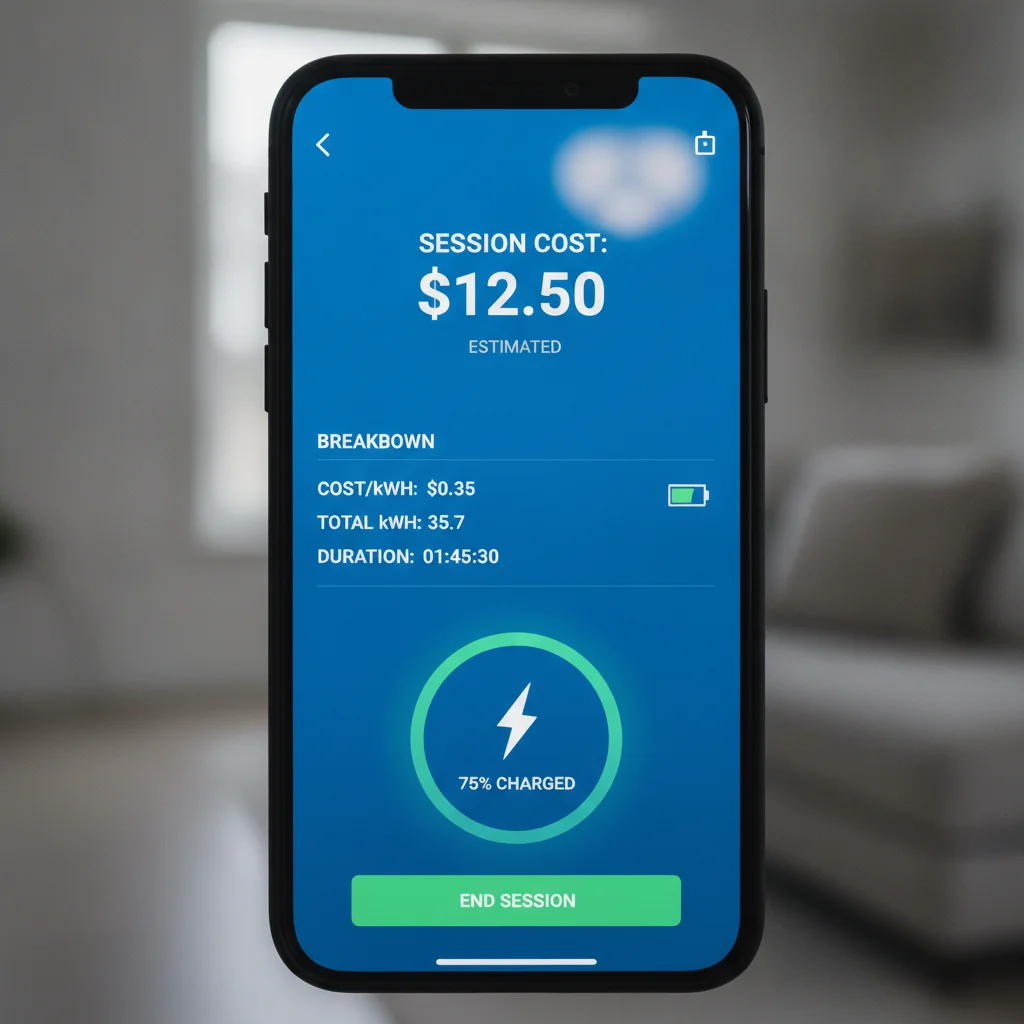
Why it happens: Drivers run errands, lose track of time, or assume a few extra minutes won't matter — not realizing most networks start billing $0.40–$1.00 per minute after a grace period of just 5–10 minutes.
Paying retail per-session prices at public charging networks without evaluating whether a membership subscription makes financial sense.
Why it happens: The math of membership payback isn't obvious at sign-up, and most drivers don't track how often they use a specific network closely enough to know whether they'd break even.
Charging to 100% state of charge routinely, especially via DC fast charging, accelerating long-term battery degradation.
Why it happens: Full charge feels psychologically safe, and most drivers who came from internal combustion vehicles are conditioned to keep the 'tank' full. EV battery chemistry behaves differently under sustained high charge states.
Failing to account for charging losses when calculating the real cost of home charging per kWh delivered.
Why it happens: Utility bills show kWh drawn from the grid, not kWh stored in the battery. The 10–15% AC-to-DC conversion loss is invisible without deliberate tracking, making home charging appear cheaper than it actually is.
Ignoring seasonal efficiency loss in cold weather and not preconditioning the battery before driving.
Why it happens: Range estimates shown in warm months don't change automatically in an EV's display, and drivers don't realize how dramatically cold temperatures affect both range and effective charging cost per mile.
Not reading the pricing structure at a public fast charger before plugging in, leading to unexpected per-minute fees on slower-charging vehicles.
Why it happens: Pricing signage at stations is often small or digital and easy to overlook. Drivers assume all stations charge per kWh, not realizing some networks bill per minute — which heavily penalizes vehicles with lower charge acceptance rates.
80%
EV charging that occurs at home
According to U.S. Department of Energy data, the vast majority of EV miles are recharged at home, making home rate plans the single biggest cost lever.
3–5×
DC fast charging cost vs. home Level 2
Analysis of national public charging rates versus average residential electricity costs shows DC fast charging routinely costs three to five times more per kWh delivered.
$0.48/kWh
Peak public fast-charging rate (no membership)
Electrify America's pay-as-you-go peak pricing reached $0.48/kWh in 2024 in several states, compared to a national residential average near $0.13/kWh.
30–40%
Range loss in cold weather (20°F)
Testing by AAA and Recurrent Auto consistently shows EVs lose 30–40% of rated range at 20°F, significantly raising effective cost per mile during winter months.
$400+
Annual savings from TOU rate plan
A driver charging 12,000 miles annually who switches from a flat rate to a utility's EV time-of-use plan can realistically save over $400 per year on home electricity costs.
Home Charging: Where Most Savings Are Won or Lost
Roughly 80% of EV charging happens at home, according to data from the U.S. Department of Energy, which means home charging decisions have an outsized impact on your annual charging cost. The two most impactful levers are your electricity rate plan and your charging schedule.
Peak-Hour Charging Can Erase Your Savings
On many utility rate plans, electricity between 4 p.m. and 9 p.m. costs two to three times more than overnight rates. Plugging in immediately when you get home from work — before switching to a time-of-use plan — is one of the most expensive habits an EV owner can have. Even on a flat-rate plan, charging during high-demand evening hours contributes to grid strain and, in some states, triggers demand charges on commercial-rate customers.
Demand Charges Can Appear on Home Bills Too
While demand charges are most common on commercial electricity accounts, some residential utility customers — particularly in states with tiered infrastructure billing — can see demand-related charges appear when high-power EV charging coincides with other household loads. If your bill has a separate line item tied to your highest 15-minute or 30-minute power draw, your EV charging schedule may be a direct driver of that cost.
Membership Fees Without Enough Usage Cost You Money
Signing up for a charging network membership and then not using that network frequently enough to recoup the monthly fee is a surprisingly common mistake. A $7.99/month membership that saves $0.08/kWh only breaks even if you charge roughly 100 kWh per month on that specific network. Below that threshold, the membership is a net negative.
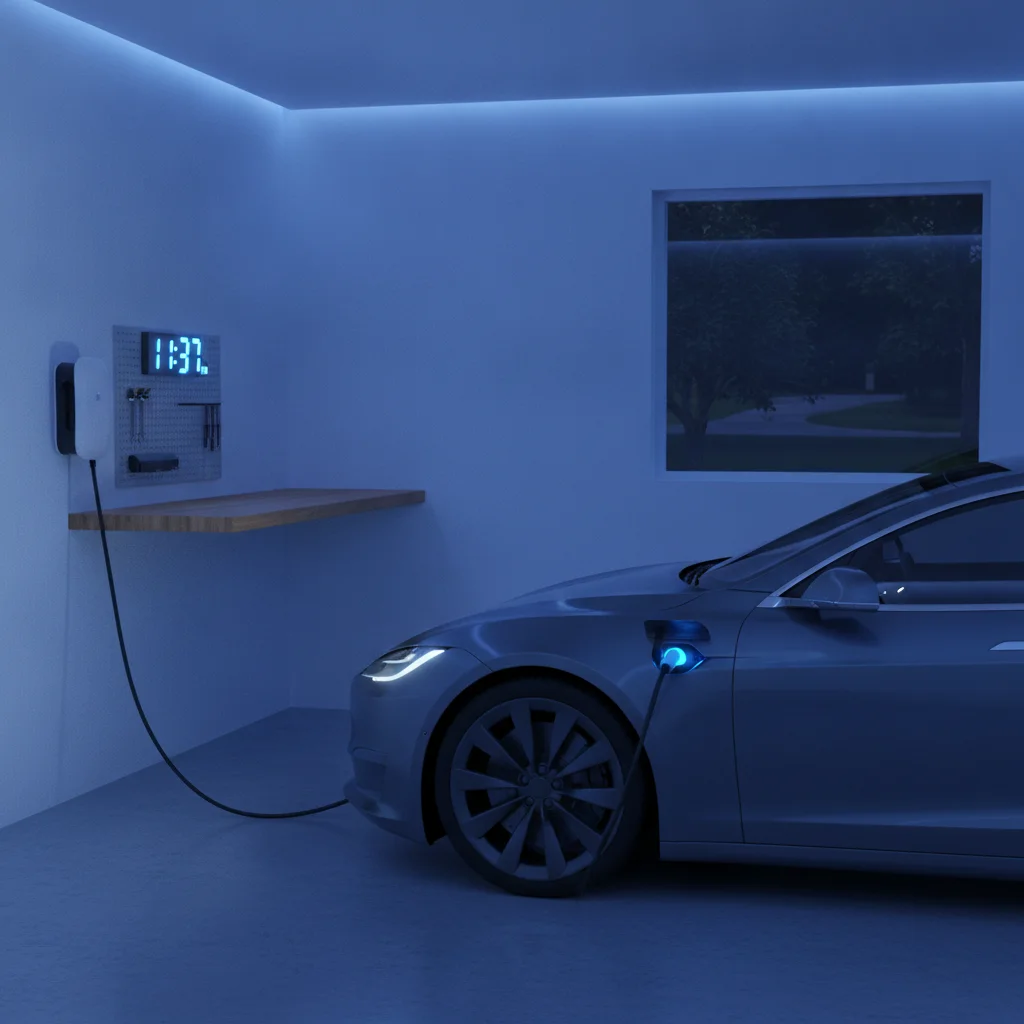
Time-of-use (TOU) plans, offered by most major utilities, price electricity much cheaper during off-peak hours — typically overnight between 9 p.m. and 6 a.m. — and significantly more expensive during peak demand windows in the late afternoon and evening. An EV owner who charges during peak hours on a standard flat rate may actually be paying more per kWh than they would under a TOU plan charging at midnight. The difference in annual cost can exceed $400 for a driver covering 12,000 miles per year.
For a detailed walkthrough of how to evaluate and enroll in the right rate plan, Time-of-Use Pricing and EV Charging: Making the Rate Plan Work for You breaks down the math by utility type and usage pattern. And if your overnight charging schedule isn't optimized, Why Your Overnight Charging Schedule Is Probably Wrong explains what most drivers get wrong about when and how long to plug in.
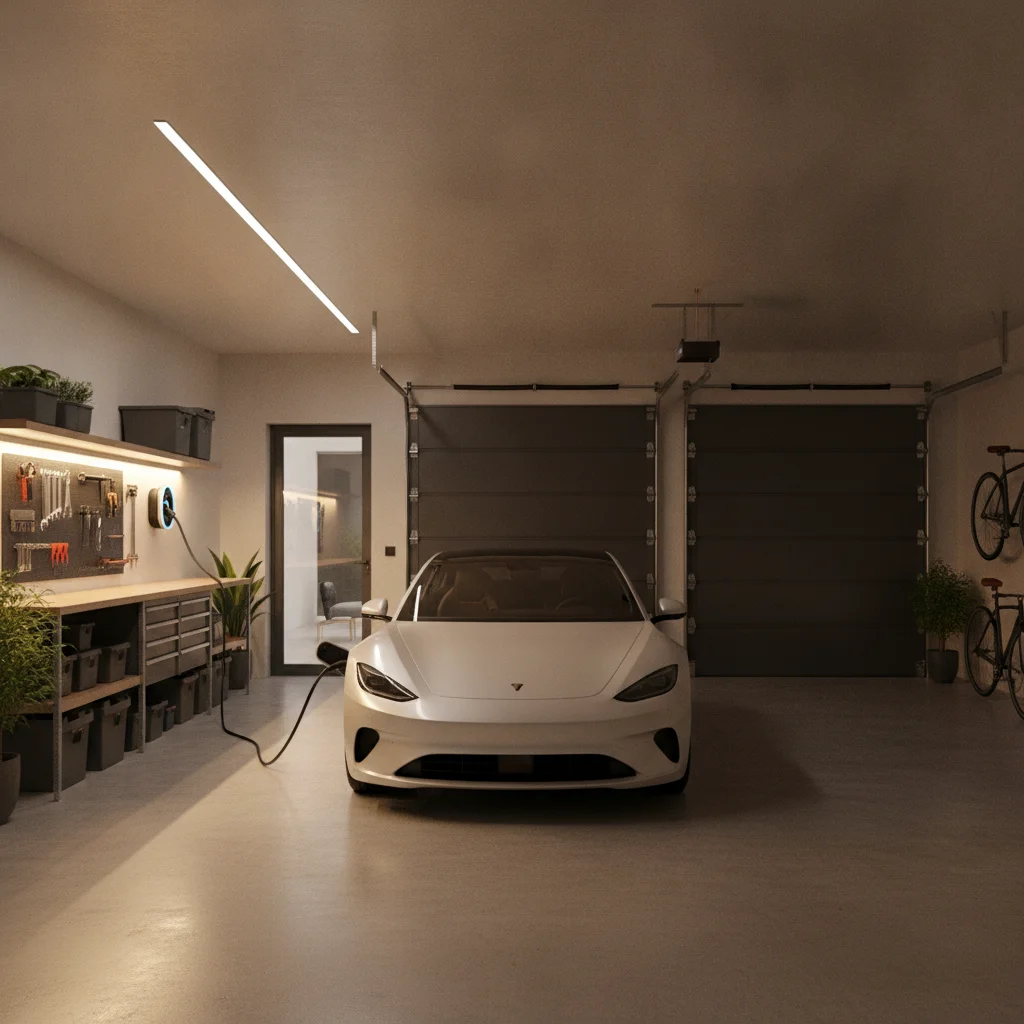
One underappreciated factor is charging losses. When you draw 10 kWh from the grid, your battery doesn't receive 10 kWh — roughly 10–15% is lost as heat during the AC-to-DC conversion process. This means your effective cost per kWh delivered to the battery is higher than your utility rate implies. At $0.13/kWh (a common national average), a 12% charging loss raises your real cost to about $0.148/kWh. This seems small but adds up to $30–$50 annually for a typical driver — and becomes more significant if you're comparing home charging costs to a gasoline baseline.
Homeowners with rooftop solar should also evaluate whether their solar generation profile aligns with their charging schedule. The arithmetic only works in your favor under specific conditions — Solar Panels and EV Charging: Real Savings or Overstated Promise? covers the scenarios where the pairing genuinely pays off and where it doesn't.
Public Charging: Convenience Has a Price Tag
Public DC fast charging is essential for road trips and a practical fallback for apartment dwellers without home charging access. But leaning on it too heavily — or using it without understanding the pricing structure — is one of the fastest ways to undermine EV economics.
Fast Charging Isn't Just Expensive — It's Accelerating Battery Wear
Frequent DC fast charging doesn't only cost more per session — it applies significantly more thermal stress to lithium-ion cells than Level 2 AC charging. Over time, this contributes to measurable capacity fade, which reduces your vehicle's range and resale value. Some automakers explicitly recommend limiting DC fast charging to no more than 20–25% of all charging sessions. The financial impact of accelerated degradation — in reduced range, more frequent charging sessions, and eventual replacement cost — can dwarf the convenience premium paid at the charger.
Not All Per-kWh Prices Are Apples-to-Apples
A public charger advertising $0.29/kWh sounds cheaper than one advertising $0.35/kWh — but if the first station charges per minute with a power-sharing limitation that drops your vehicle's charge rate to 25 kW, the effective per-kWh cost could be dramatically higher. Always confirm actual power delivery, not just the posted rate, before assuming one station is a better deal than another. This is particularly important for older or entry-level EVs with lower maximum charge acceptance rates.
Network pricing structures vary significantly. Some charge per kWh, which is the most transparent model. Others charge per minute, which disproportionately penalizes slower-charging vehicles or drivers who linger after reaching a high state of charge. Still others use a hybrid model combining both. Understanding which model applies at a given station before you plug in is basic financial hygiene that many drivers skip.
For a full comparison of how major networks structure their pricing and what membership plans actually save, see Public Charging Networks and the deeper analysis in EV Charging Network Membership Plans: Do the Math Before You Subscribe.
Idle fees deserve special attention. Most major networks — including Electrify America, EVgo, and ChargePoint — impose fees when a vehicle remains connected after charging completes. These typically range from $0.40 to $1.00 per minute after a brief grace period. Running errands while plugged in and forgetting to return to the car is a mistake that can add $10–$20 to a single session. Over a year of occasional lapses, that's a meaningful sum.
For first-time public charger users navigating these pricing structures for the first time, The Most Common Mistakes First-Time Public Charger Users Make walks through the most frequent and expensive missteps.
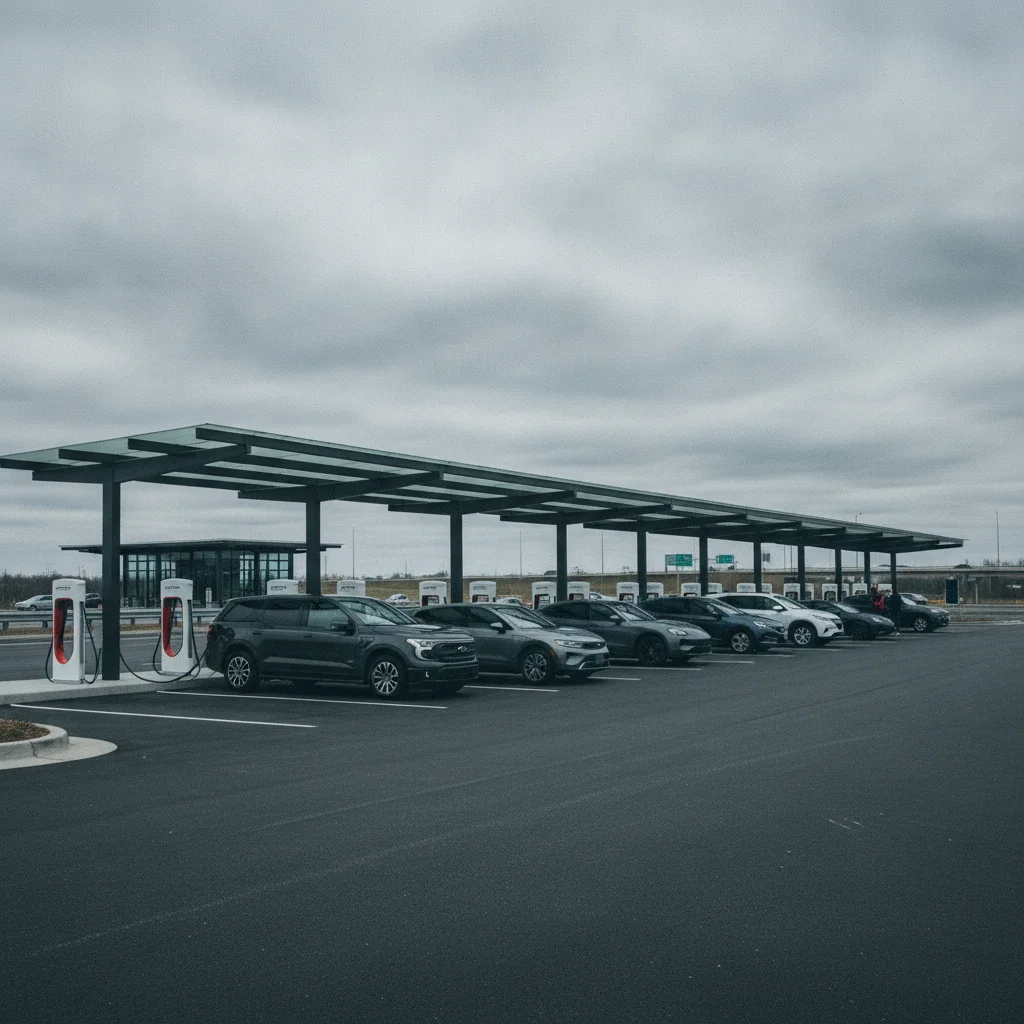
Road trips deserve their own planning discipline. Fast-charging costs along major corridors can reach $0.35–$0.48/kWh without a membership, and multiple stops per trip add up quickly. Road Trip Charging Costs: Planning the Financial Side of Long-Distance EV Travel provides a framework for estimating and budgeting these costs before you leave the driveway.
Battery and Efficiency Factors That Raise Your Real Cost Per Mile
Charging cost per kWh is only part of the equation. What matters operationally is cost per mile, and that figure is sensitive to battery efficiency — which changes with temperature, speed, payload, and how aggressively you use climate control.
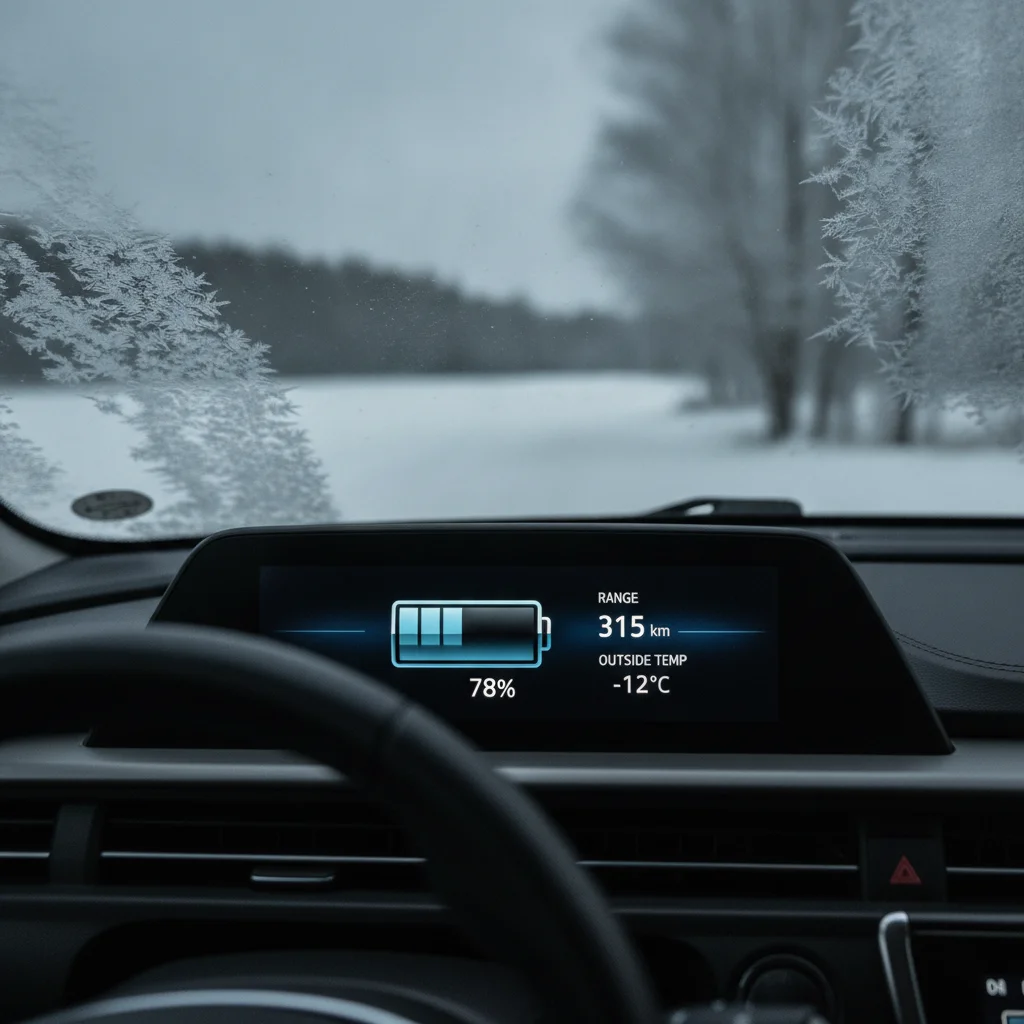
Cold weather is the most dramatic variable. At 20°F, many EVs lose 30–40% of their rated range, meaning you're spending significantly more per mile traveled even if your cost per kWh stays constant. If your commute involves cold morning drives and you're not preconditioning the battery while still plugged in at home, you're paying to heat the cabin from battery power rather than grid power — an inefficiency that compounds over a winter season.
Fast Charging Isn't Just Expensive — It's Accelerating Battery Wear
Frequent DC fast charging doesn't only cost more per session — it applies significantly more thermal stress to lithium-ion cells than Level 2 AC charging. Over time, this contributes to measurable capacity fade, which reduces your vehicle's range and resale value. Some automakers explicitly recommend limiting DC fast charging to no more than 20–25% of all charging sessions. The financial impact of accelerated degradation — in reduced range, more frequent charging sessions, and eventual replacement cost — can dwarf the convenience premium paid at the charger.
Not All Per-kWh Prices Are Apples-to-Apples
A public charger advertising $0.29/kWh sounds cheaper than one advertising $0.35/kWh — but if the first station charges per minute with a power-sharing limitation that drops your vehicle's charge rate to 25 kW, the effective per-kWh cost could be dramatically higher. Always confirm actual power delivery, not just the posted rate, before assuming one station is a better deal than another. This is particularly important for older or entry-level EVs with lower maximum charge acceptance rates.
Charging habitually to 100% and frequently fast-charging to full also accelerates battery degradation over time, quietly raising your long-term cost of ownership. A battery that degrades faster requires replacement sooner, and even before replacement, reduced capacity means more frequent charging sessions. Charging Habits That Quietly Degrade Your EV Battery Over Time explains which specific behaviors matter most and why.
The practical upshot: tracking cost per mile — not just cost per kWh — gives you a more accurate picture of whether your charging habits are working financially. Most EV companion apps (and some third-party tools) can calculate this automatically if you log your charging sessions consistently.
For drivers trying to genuinely optimize their charging patterns, Getting the Most from Off-Peak Charging: Practices That Actually Lower Bills offers a structured approach that accounts for rate timing, charge level targets, and seasonal efficiency variation. The goal isn't perfection — it's eliminating the biggest, most persistent leaks before they add up to hundreds of dollars a year.
Building Better Charging Habits: A Practical Reset
The good news: most of these mistakes are correctable without significant effort or expense. A one-time audit of your utility rate plan, a scheduling adjustment in your car's charging settings, and a membership evaluation for whichever public network you use most frequently can collectively save $300–$700 annually for a typical EV driver.
Start with home charging, since that's where leverage is highest. Contact your utility and ask specifically whether an EV-dedicated time-of-use rate is available — many utilities offer separate EV rate riders that are distinct from standard TOU plans and often more favorable. Set your vehicle to charge during the lowest-rate window and use a departure time setting to ensure the battery is full when you need it, not hours earlier.
For public charging, build the habit of checking pricing before plugging in, setting a phone reminder for when charging will be complete, and evaluating whether a monthly membership subscription pencils out based on your actual fast-charging frequency. Most memberships break even at roughly 100–150 kWh of public charging per month — below that threshold, pay-as-you-go is usually cheaper.
If you want to go further, Home Charging Setup covers equipment choices that affect charging efficiency, including smart chargers that integrate directly with utility rate schedules. And for drivers who suspect demand charges may be appearing on their utility bills without their awareness, Demand Charges: The Hidden EV Charging Cost Most Owners Never See Coming explains how to identify and mitigate them.
EV ownership genuinely offers lower fuel costs for most drivers. Protecting that advantage requires treating charging with the same financial intentionality you'd bring to any recurring household expense — not set-it-and-forget-it convenience.
All claims are backed by peer-reviewed research. Sources on request.