Key Takeaways
Dramatically reduces or eliminates EV fuel costs
A properly sized solar array can offset 100% of an EV's annual electricity consumption. For a driver covering 12,000 miles per year in a vehicle averaging 3.5 miles per kWh, that's roughly 3,400 kWh—which a mid-size residential system can cover with capacity to spare.
30% federal tax credit lowers upfront cost significantly
The Inflation Reduction Act extended the residential clean energy credit at 30% through 2032, applicable to both panels and battery storage. On a $20,000 system, that's $6,000 back at tax time—a substantial reduction in the capital outlay.
Hedges against rising utility electricity rates
Residential electricity prices in the U.S. have increased at an average annual rate of 2–3% over the past decade, and some regional markets have seen far sharper increases. Solar locks in a large portion of your electricity supply at a fixed amortized cost, insulating you from future rate hikes.
Potential to earn credits via net metering
In states with favorable net metering policies, excess solar generation exported to the grid earns bill credits at or near retail electricity rates. Those credits can offset nighttime EV charging costs that solar can't directly cover.
Increases home resale value in many markets
A Lawrence Berkeley National Laboratory study found that solar panels increase home sale prices by an average of $15,000 in U.S. markets, though the premium varies significantly by region and buyer demand.
Reduces household carbon footprint substantially
Charging an EV on solar-generated electricity produces near-zero lifecycle emissions from fueling, compared to even the cleanest grid electricity which still carries some fossil fuel generation. For environmentally motivated buyers, the combination delivers on its promise.
Smart charging integration maximizes solar self-consumption
Modern EV chargers and solar inverters can communicate through home energy management systems to schedule charging when solar production peaks, maximizing direct solar-to-EV power flow without needing battery storage.
High upfront installation cost with long payback horizon
A residential solar system averages $15,000–$30,000 before incentives, with payback periods typically ranging from 7 to 12 years depending on local rates and sun exposure. Many EV owners overestimate how quickly solar 'pays for itself.'
Solar production and EV charging schedules often misalign
Most EV owners plug in after they return from work in the evening, while solar production peaks midday. Without battery storage, this timing gap means much of the EV charging still draws from grid power rather than solar.
Net metering policies are eroding in key markets
Several large states including California have significantly cut net metering compensation rates in recent years. Reduced export credits extend payback periods and can undermine the financial projections solar installers present during the sales process.
Battery storage adds $10,000–$15,000 to system cost
Fully capturing solar's value for overnight EV charging requires battery storage, which substantially increases total system cost and extends the payback period. The financial case for storage varies widely by local electricity rate structure.
Requires homeownership and suitable roof conditions
Rooftop solar is unavailable to renters, condo owners without HOA approval, and homeowners with north-facing roofs, heavy shading, or aging roof structures. A significant share of EV owners do not qualify for this option at all.
System performance degrades over time
Solar panels lose approximately 0.5–0.8% of output efficiency per year, meaning a system sized today will produce measurably less power in year 15 than year 1. Long-term savings projections that ignore degradation overstate total returns.
Provides no benefit for public or workplace charging costs
Home solar only offsets electricity costs at home. EV owners who frequently rely on public DC fast chargers or workplace charging still pay market rates for those sessions, limiting solar's impact on total annual charging spend.
Our Verdict
Pairing solar panels with home EV charging is a genuinely compelling financial strategy—but only when the conditions are right. Homeowners in high-rate states with good sun exposure, access to net metering, and a long-term ownership horizon stand to save thousands over a decade. For everyone else, the math is thinner and the payback period longer than most solar installers will tell you upfront.
Best for homeowners in high-electricity-cost states who plan to stay in their home for at least seven to ten years, drive an EV regularly, and have a south-facing roof with minimal shading.
The Basic Premise—and Why It's More Complicated Than It Sounds
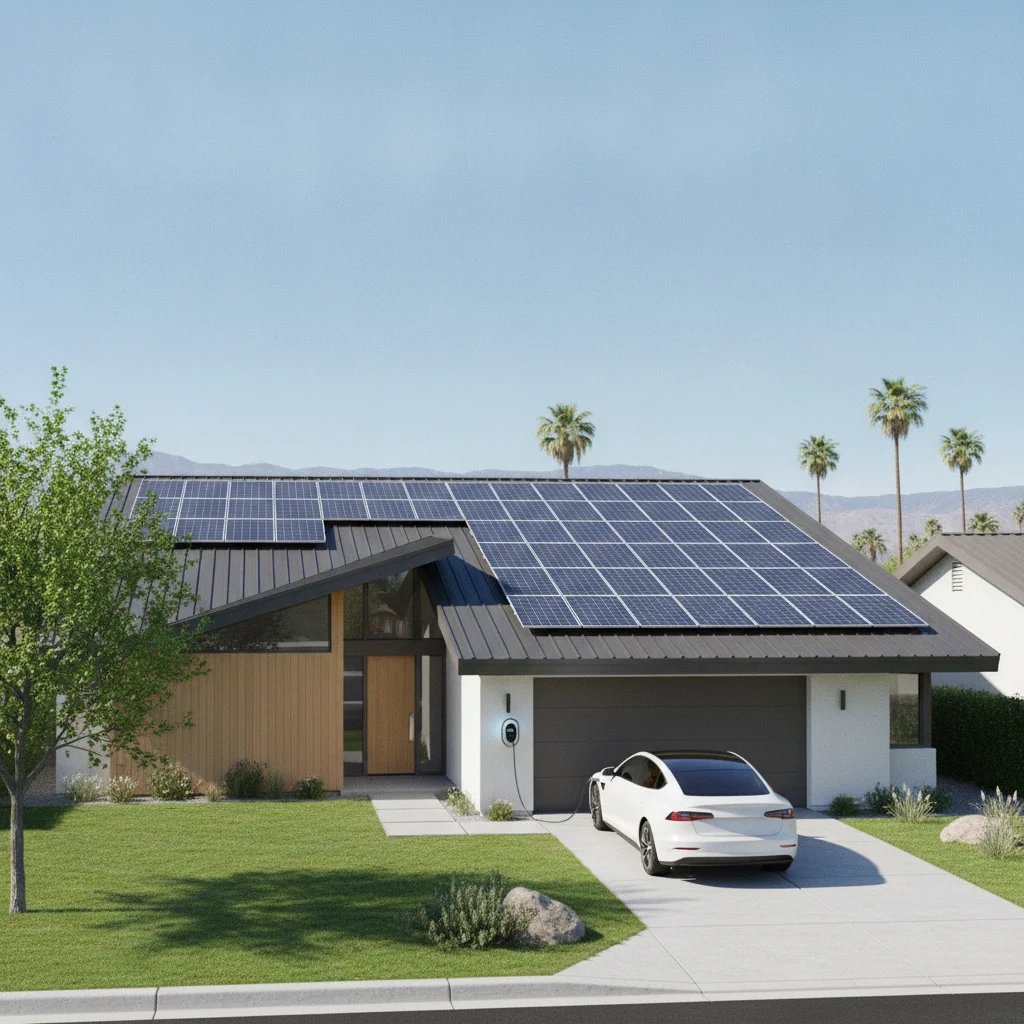
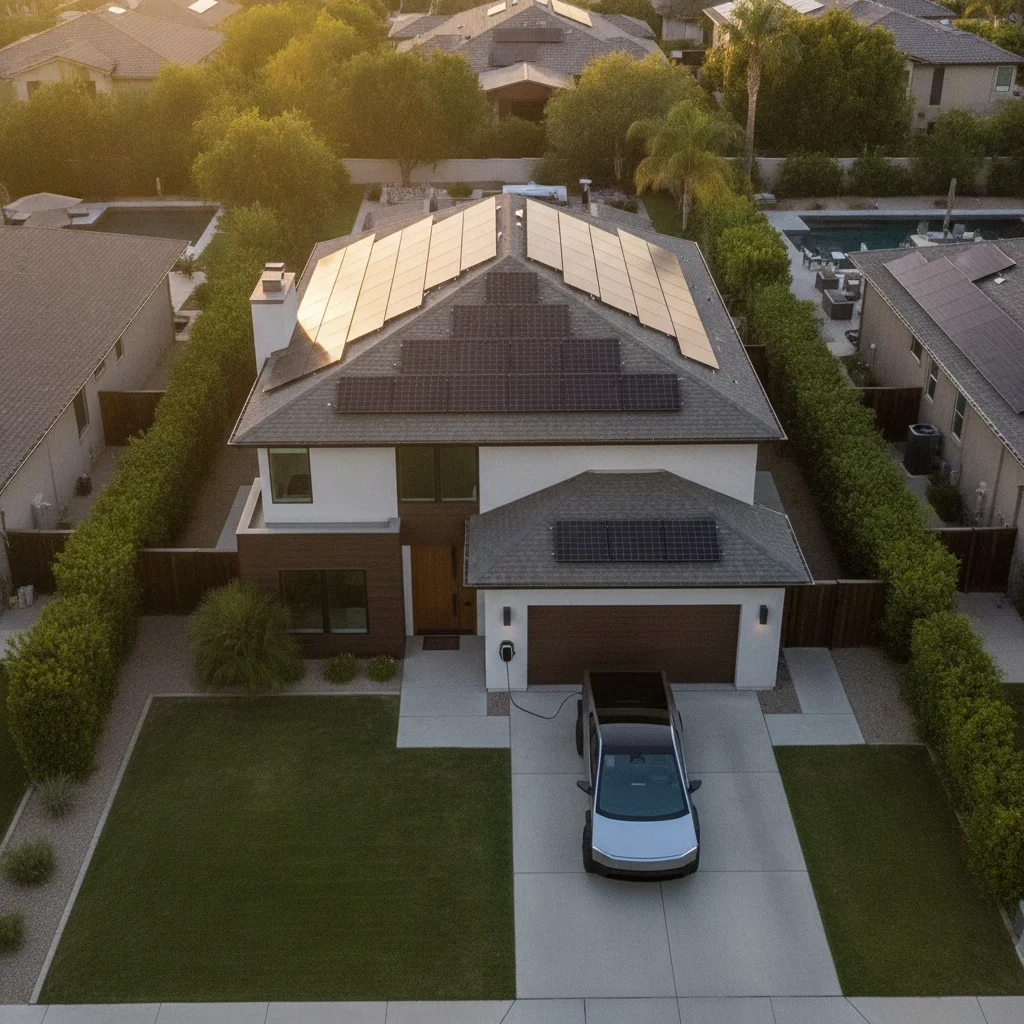
The pitch is seductive: put solar panels on your roof, charge your EV for free, and never pay for fuel again. In broad strokes, the logic is sound. Rooftop solar generates electricity during daylight hours, your EV sits in the driveway and needs electricity, and the two seem like a natural match.
But the gap between the concept and the reality involves installation costs ranging from $15,000 to $30,000 before incentives, payback periods measured in years rather than months, utility policies that can erode savings, and a timing mismatch between when solar produces power and when most people actually charge their cars. Understanding how those variables interact is the only way to evaluate whether this pairing makes financial sense for your specific household.
For a grounded view of what EV charging costs in the first place, see what the charging math actually shows. That baseline matters before adding solar into the equation.

The Real Advantages of Pairing Solar With EV Charging
When the numbers do work, they work well. Here's where the genuine financial and practical benefits emerge.
Dramatically reduces or eliminates EV fuel costs
A properly sized solar array can offset 100% of an EV's annual electricity consumption. For a driver covering 12,000 miles per year in a vehicle averaging 3.5 miles per kWh, that's roughly 3,400 kWh—which a mid-size residential system can cover with capacity to spare.
30% federal tax credit lowers upfront cost significantly
The Inflation Reduction Act extended the residential clean energy credit at 30% through 2032, applicable to both panels and battery storage. On a $20,000 system, that's $6,000 back at tax time—a substantial reduction in the capital outlay.
Hedges against rising utility electricity rates
Residential electricity prices in the U.S. have increased at an average annual rate of 2–3% over the past decade, and some regional markets have seen far sharper increases. Solar locks in a large portion of your electricity supply at a fixed amortized cost, insulating you from future rate hikes.
Potential to earn credits via net metering
In states with favorable net metering policies, excess solar generation exported to the grid earns bill credits at or near retail electricity rates. Those credits can offset nighttime EV charging costs that solar can't directly cover.
Increases home resale value in many markets
A Lawrence Berkeley National Laboratory study found that solar panels increase home sale prices by an average of $15,000 in U.S. markets, though the premium varies significantly by region and buyer demand.
Reduces household carbon footprint substantially
Charging an EV on solar-generated electricity produces near-zero lifecycle emissions from fueling, compared to even the cleanest grid electricity which still carries some fossil fuel generation. For environmentally motivated buyers, the combination delivers on its promise.
Smart charging integration maximizes solar self-consumption
Modern EV chargers and solar inverters can communicate through home energy management systems to schedule charging when solar production peaks, maximizing direct solar-to-EV power flow without needing battery storage.
Federal Solar Tax Credit: Key Details
The federal solar Investment Tax Credit (ITC) currently offers a 30% credit on the full cost of a residential solar installation, including battery storage when paired with panels. This credit applies to systems installed through at least 2032, making the near-term window especially favorable. Check <a href="/electric-vehicles/ev-ownership-costs/ev-tax-credits">available EV and solar tax credits</a> to understand how these incentives stack with state-level programs, which can further reduce net cost.
Solar Doesn't Replace a Level 2 Charger
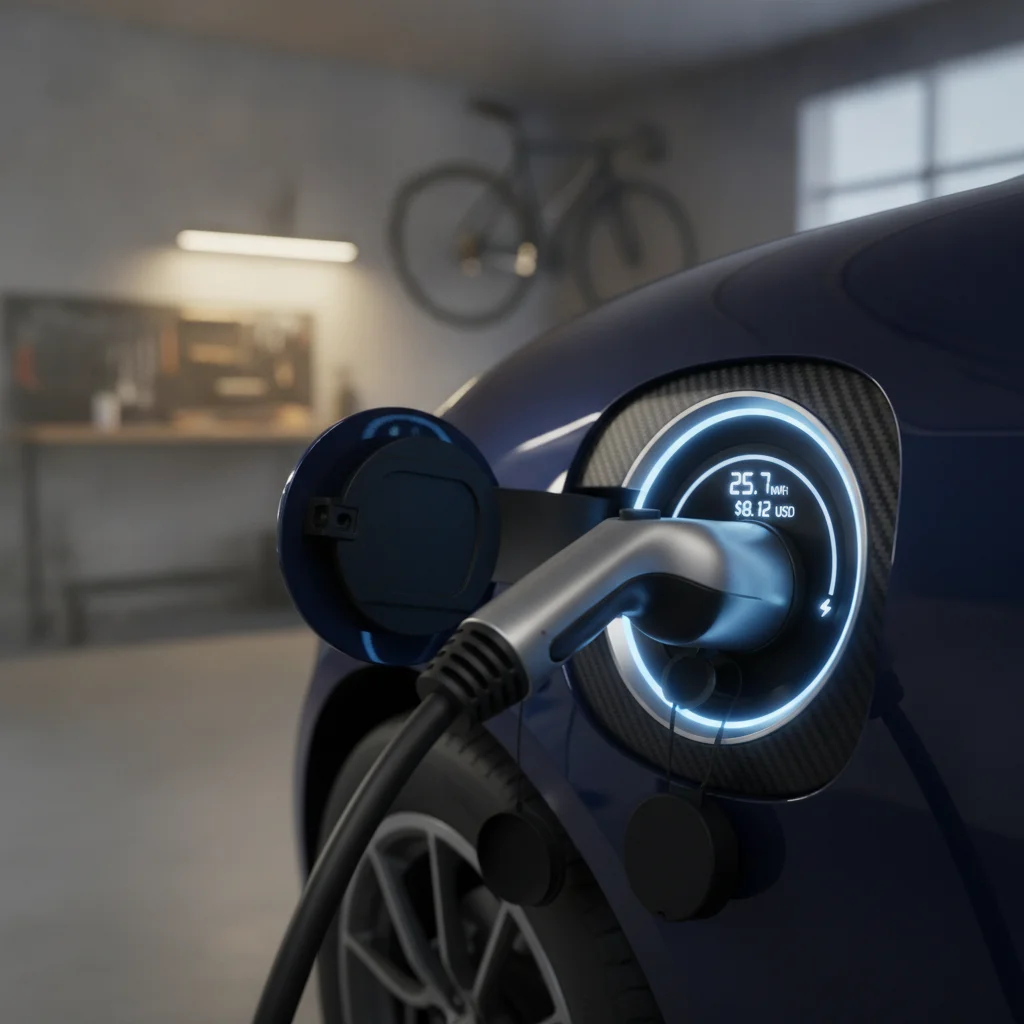
Adding rooftop solar does not change the hardware requirements for home EV charging. You still need a properly installed Level 2 EVSE (Electric Vehicle Supply Equipment) to charge efficiently at home. Solar connects at the panel level and supplies power to your home's circuits—your charger draws from that supply just as any other appliance would. See <a href="/electric-vehicles/charging-infrastructure/home-charging-setup">home charging setup options</a> for guidance on choosing and installing the right charger before integrating solar.
Community Solar: An Alternative for Non-Homeowners
Renters, condo owners, and those with unsuitable roofs aren't entirely locked out of solar benefits. Community solar programs allow subscribers to purchase a share of an offsite solar array and receive bill credits for their portion of the generation. Availability varies by state and utility, and savings are typically more modest than rooftop solar, but the option eliminates the homeownership and roof-condition requirements entirely.
The federal solar Investment Tax Credit (ITC) currently offers a 30% credit on the full cost of a residential solar installation, including battery storage when paired with panels. This credit applies to systems installed through at least 2032, making the near-term window especially favorable. Check available EV and solar tax credits to understand how these incentives stack.
Where Solar-Plus-EV Falls Short
The disadvantages aren't deal-breakers for everyone, but they're real enough that ignoring them leads to buyer's remorse. Several of the limitations are structural—built into how solar and the grid interact—rather than problems any installer can solve.
High upfront installation cost with long payback horizon
A residential solar system averages $15,000–$30,000 before incentives, with payback periods typically ranging from 7 to 12 years depending on local rates and sun exposure. Many EV owners overestimate how quickly solar 'pays for itself.'
Solar production and EV charging schedules often misalign
Most EV owners plug in after they return from work in the evening, while solar production peaks midday. Without battery storage, this timing gap means much of the EV charging still draws from grid power rather than solar.
Net metering policies are eroding in key markets
Several large states including California have significantly cut net metering compensation rates in recent years. Reduced export credits extend payback periods and can undermine the financial projections solar installers present during the sales process.
Battery storage adds $10,000–$15,000 to system cost
Fully capturing solar's value for overnight EV charging requires battery storage, which substantially increases total system cost and extends the payback period. The financial case for storage varies widely by local electricity rate structure.
Requires homeownership and suitable roof conditions
Rooftop solar is unavailable to renters, condo owners without HOA approval, and homeowners with north-facing roofs, heavy shading, or aging roof structures. A significant share of EV owners do not qualify for this option at all.
System performance degrades over time
Solar panels lose approximately 0.5–0.8% of output efficiency per year, meaning a system sized today will produce measurably less power in year 15 than year 1. Long-term savings projections that ignore degradation overstate total returns.
Provides no benefit for public or workplace charging costs
Home solar only offsets electricity costs at home. EV owners who frequently rely on public DC fast chargers or workplace charging still pay market rates for those sessions, limiting solar's impact on total annual charging spend.

The Net Metering Variable Nobody Talks About Enough
Net metering is the policy that allows solar owners to export excess electricity back to the grid and receive credit against their bill. It's the mechanism that makes daytime solar generation useful for overnight EV charging. Without it, excess midday power is either wasted or compensated at a fraction of retail rates.
The problem: net metering policies are not uniform. California's NEM 3.0, which took effect in 2023, reduced export compensation by roughly 75% compared to the previous program—a change that meaningfully extended payback periods for new solar installations in the state. Florida, Texas, Arizona, and other sunny states have each seen utility pushback on net metering in recent years.
Before calculating any savings, verify your utility's current net metering rate and whether it's subject to pending regulatory changes. A rate your installer quotes today may not hold for the full 10-to-15-year payback window.
30%
Federal solar tax credit through 2032
The Inflation Reduction Act's residential clean energy credit covers 30% of solar and battery storage installation costs for systems placed in service through at least 2032.
~75%
Reduction in California net metering export rates
California's NEM 3.0 program, effective April 2023, cut the compensation rate for exported solar electricity by approximately 75% compared to NEM 2.0, significantly extending payback periods for new installations.
$15,000
Average home value increase from solar
According to a Lawrence Berkeley National Laboratory analysis of home sale data, residential solar installations increase sale prices by an average of $15,000 in U.S. markets, though regional variation is significant.
7–12 years
Typical solar payback period for homeowners
The National Renewable Energy Laboratory estimates residential solar payback periods of 7 to 12 years depending on local electricity rates, solar resource quality, and applicable incentives.
0.5–0.8%
Annual solar panel efficiency degradation rate
Most major panel manufacturers publish degradation rates between 0.5% and 0.8% per year, meaning a 25-year-old system may produce 12–20% less power than it did when new.
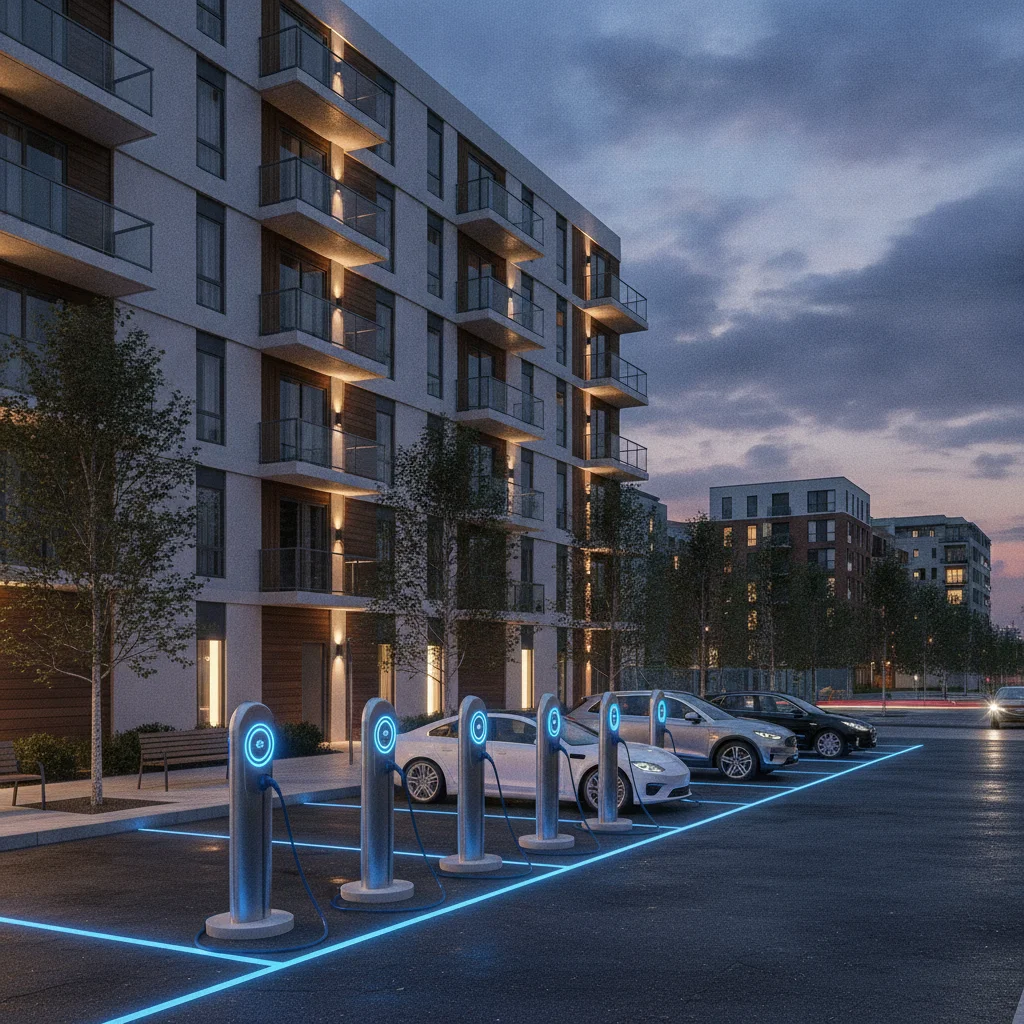
For EV owners who rely primarily on public charging networks rather than home charging, the calculus looks entirely different—and solar adds little direct value. See how apartment dwellers navigate EV charging costs without home infrastructure as a comparison point.
Battery Storage: The Missing Piece—and Added Cost
The timing problem with solar is real: most panels produce peak power between 10 a.m. and 3 p.m., while most drivers plug in between 6 p.m. and midnight. Without a home battery, that midday solar power goes to the grid (via net metering) or is simply unused if your home's baseline load is already covered.
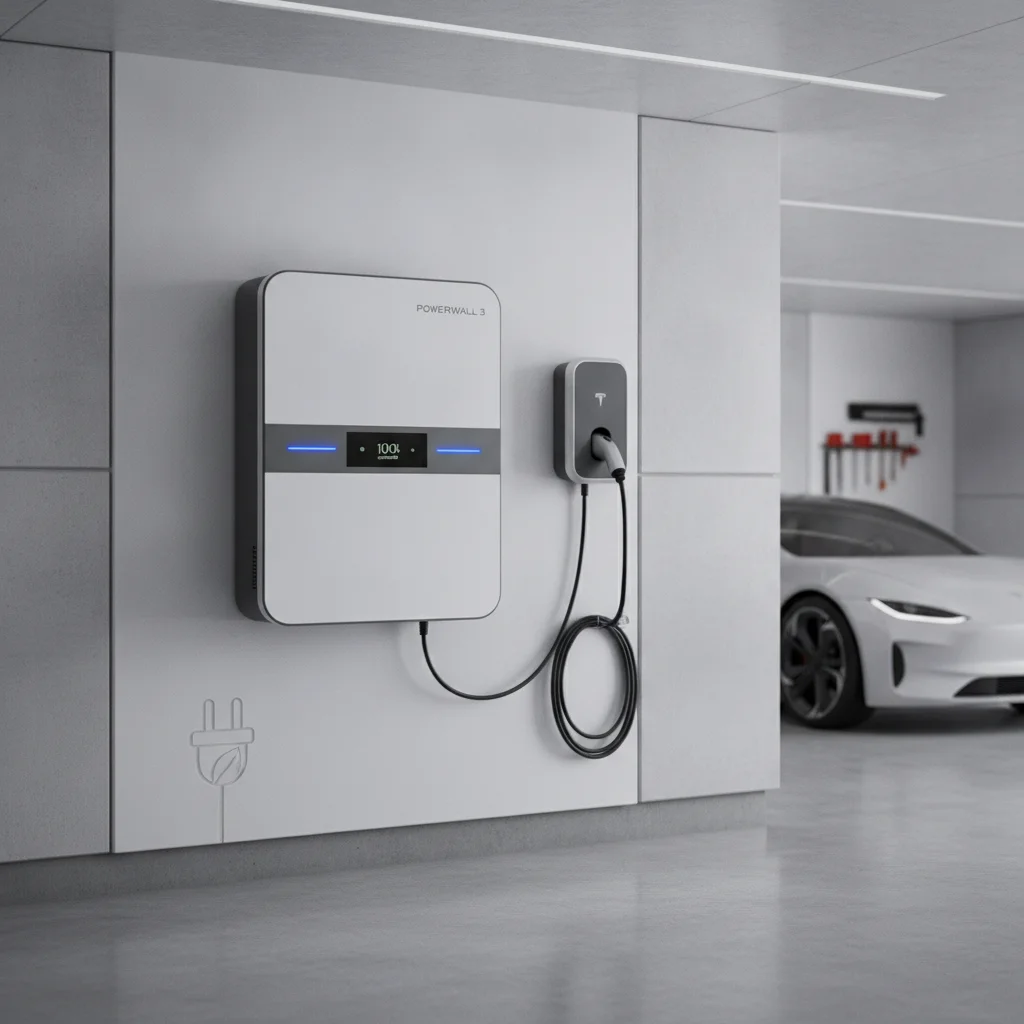
A home battery like the Tesla Powerwall or Enphase IQ Battery stores excess daytime generation and dispatches it at night—including to your EV charger. This closes the timing gap but adds $10,000 to $15,000 to the system cost, depending on capacity and installation complexity.
The financial case for adding storage is strongest in states with time-of-use (TOU) electricity rates, where grid power is significantly more expensive during evening peak hours. In those markets, avoiding peak-rate charging while using stored solar power can shave meaningful dollars off monthly bills. In flat-rate markets, the math is harder to justify on storage alone.
For context on how solar and home EV charging interact technically, including the role of smart inverters and charge scheduling, the system design details matter as much as the financial model.
Running the Numbers: A Realistic Payback Scenario
Consider a homeowner in Phoenix, Arizona—excellent solar resource, average utility rate around $0.13/kWh, and a mid-size EV consuming roughly 300 kWh per month for charging. Annual EV charging cost on grid power: approximately $468.
A 7 kW solar system in Phoenix costs roughly $21,000 before incentives. After the 30% federal ITC, net cost is approximately $14,700. That system produces around 11,000 kWh annually in Phoenix's climate—well above the 3,600 kWh needed for EV charging alone, with substantial surplus for household use.
If solar offsets both the EV charging cost ($468/year) and an average household electricity bill of $1,200/year, total annual savings approach $1,668. At that rate, the payback period on the $14,700 net investment is roughly 8.8 years—before accounting for any battery storage, which would push it past 12 years.
Now run the same scenario in New York, where average residential rates exceed $0.22/kWh and installation costs run higher. Annual savings jump, payback shortens. But in a state with weak net metering, those savings projections erode quickly. There is no universal answer—only your numbers, your utility, and your roof.
One of the most common errors EV owners make is overestimating solar savings while underestimating other charging costs. Charging cost mistakes that quietly drain EV savings covers the blind spots that offset gains even when solar is performing well.
Who Should—and Shouldn't—Pursue This Combination
The solar-plus-EV pairing is not the right call for every EV owner, and being clear about that separates useful financial advice from marketing copy.
Strong candidates for solar-plus-EV
- Homeowners with a south- or west-facing roof, minimal tree shading, and 10+ years of planned occupancy
- Households in states with electricity rates above $0.18/kWh, where solar offsets carry more dollar value per kWh
- Drivers with two or more EVs, significantly increasing the annual kWh demand that solar can offset
- Homeowners already considering a roof replacement, since bundling solar installation reduces overall cost
Weaker candidates
- Renters or condo owners without roof access or HOA approval—apartment EV drivers face a different set of tradeoffs entirely
- Homeowners in low-rate utility territories where grid electricity is already cheap
- Those planning to move within five years, as solar's value is difficult to fully capture in a home sale
- Drivers who primarily use public fast chargers—solar at home delivers no direct benefit to away-from-home charging costs
If you're still evaluating whether public charging network memberships make more sense than investing in home infrastructure, EV charging network membership plans deserve the same scrutiny before committing.
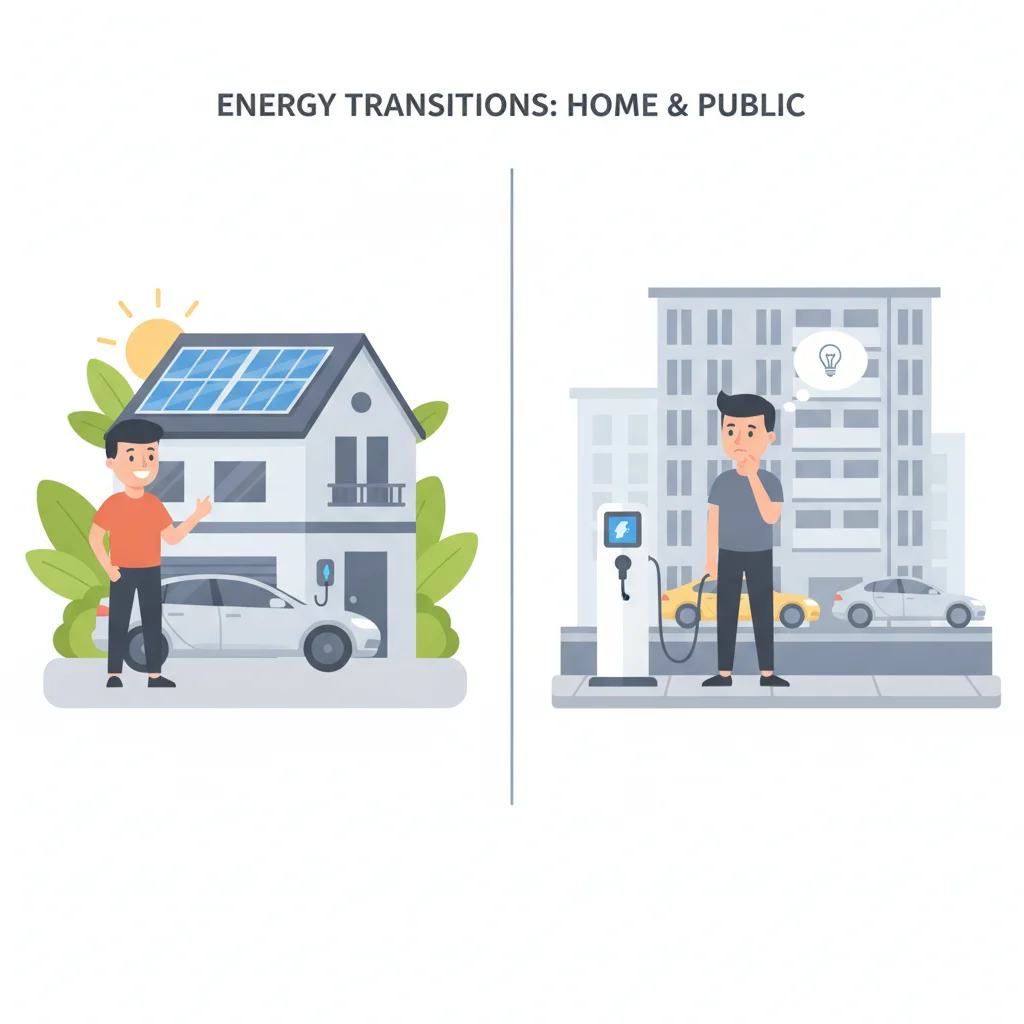
For those who do qualify and proceed, proper home charging setup remains a prerequisite—solar alone doesn't eliminate the need for a correctly sized Level 2 charger and smart charging controls.
All claims are backed by peer-reviewed research. Sources on request.