Key Takeaways
Why Charging Habits Matter More Than You Think
Most EV owners understand that battery packs don't last forever, but few connect their daily charging routine to long-term capacity loss. The relationship is real, measurable, and — critically — largely within your control. Unlike an engine that announces its distress through noise or smoke, a degrading battery just quietly delivers less range, month after month, until one day you notice the estimate that used to read 280 miles now reads 240.
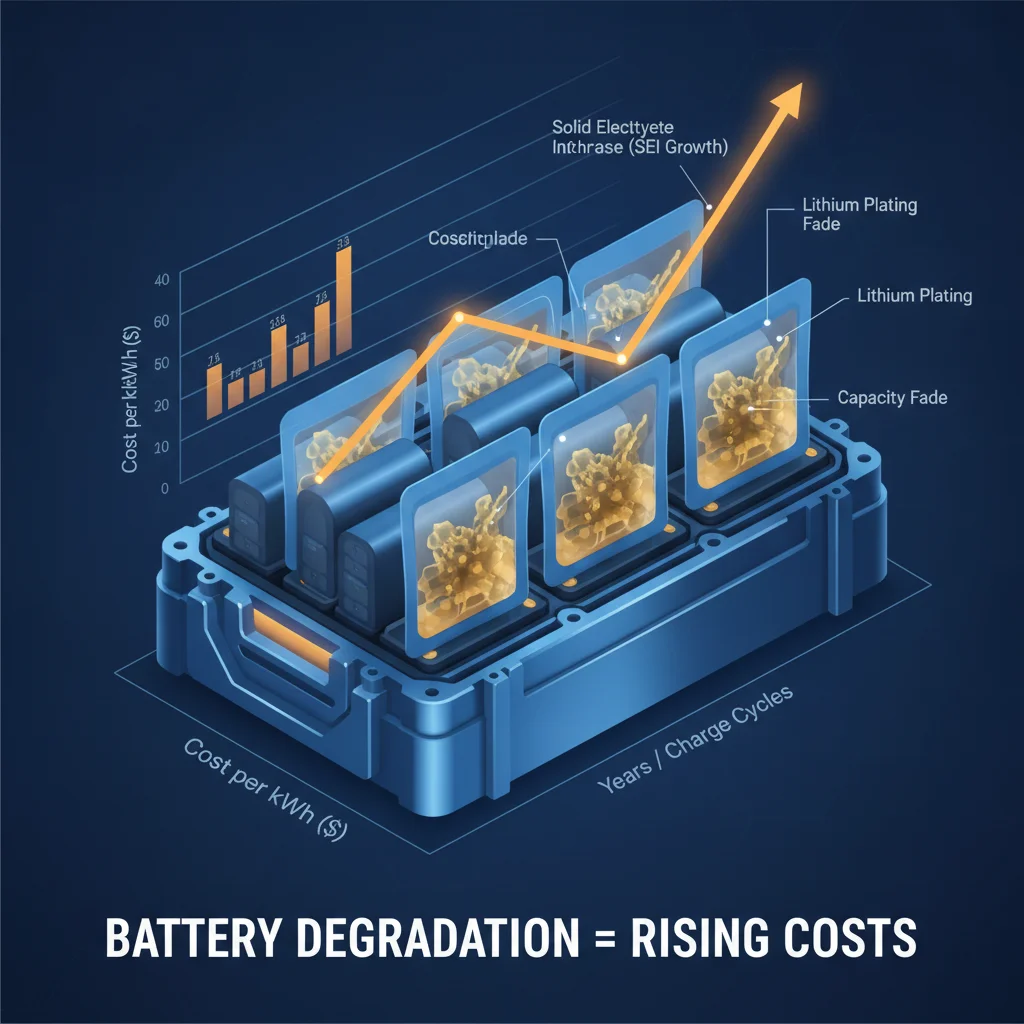
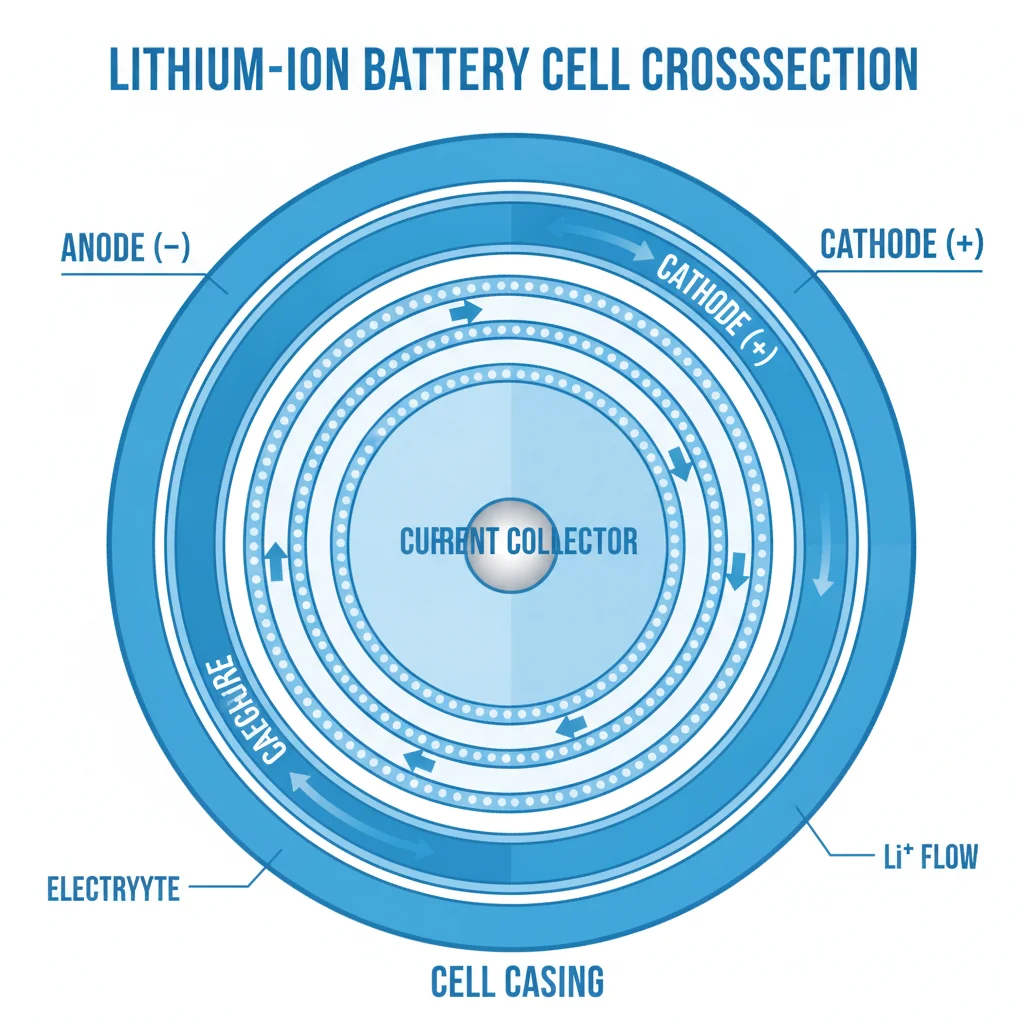
The degradation mechanisms at work inside a lithium-ion pack are well-documented by battery researchers: lithium plating, electrolyte decomposition, cathode stress from repeated full charge cycles, and heat-driven side reactions. None of these are hypothetical. They're the reason automakers like Tesla, GM, Rivian, and Hyundai all ship vehicles with software-enforced charge limits and cooling systems designed around realistic, not ideal, owner behavior.
The good news: you don't need an engineering degree to protect your pack. You need to understand which habits are silently costing you capacity — and stop doing them. That's what this article is about.
For a fuller picture of what degradation ultimately does to your fuel budget, see how battery degradation affects long-term EV charging costs. The financial case for good habits is stronger than most owners realize.
The Most Damaging Charging Mistakes EV Owners Make
The following mistakes are ordered roughly by how commonly they occur — not by severity, since several compound each other in ways that make the combination worse than any single habit alone.
Charging to 100% every night as a default routine.
Why it happens: Range anxiety is real, and many new EV owners default to 'fill the tank' thinking carried over from gasoline habits. A full charge feels like security.
Using DC fast chargers for routine, everyday charging instead of reserving them for road trips.
Why it happens: Fast chargers are convenient, increasingly available, and feel like the premium option. Owners with workplace fast chargers or who live near a Supercharger may rely on them out of pure convenience.
Letting the battery sit at a very low state of charge — under 10–15% — for extended periods.
Why it happens: Some owners avoid charging until absolutely necessary, either to save on electricity costs or simply because they forget. Others plan to charge 'tomorrow' and then don't drive for several days.
Ignoring the vehicle's scheduled charging feature and letting the car sit at its charge limit for hours before driving.
Why it happens: Most people plug in when they get home — say, 6 PM — and the car charges to 80% or 100% by midnight, then sits at that elevated state of charge for eight or more hours before the morning commute.
Repeatedly fast-charging a battery that hasn't been prewarmed in cold weather.
Why it happens: Owners know they need to charge and plug in without thinking about battery temperature, especially in regions where cold weather is a seasonal norm rather than an anomaly.
Parking at 100% state of charge in hot outdoor environments for extended periods.
Why it happens: Owners arrive at a destination fully charged and park outside without thinking about the cumulative thermal stress. In sunbelt states, this can mean hours at high heat and high charge simultaneously.
One thing worth noting: these mistakes aren't unique to any single brand or battery chemistry. Whether you drive a Tesla Model 3, a Chevy Equinox EV, a Rivian R1T, or a Hyundai Ioniq 6, the underlying lithium-ion physics are similar enough that the same rules apply. Check your owner's manual for the specific charge limit recommendations for your vehicle — they vary somewhat by chemistry and pack design.
Third-Party Apps Can Override Manufacturer Charge Limits
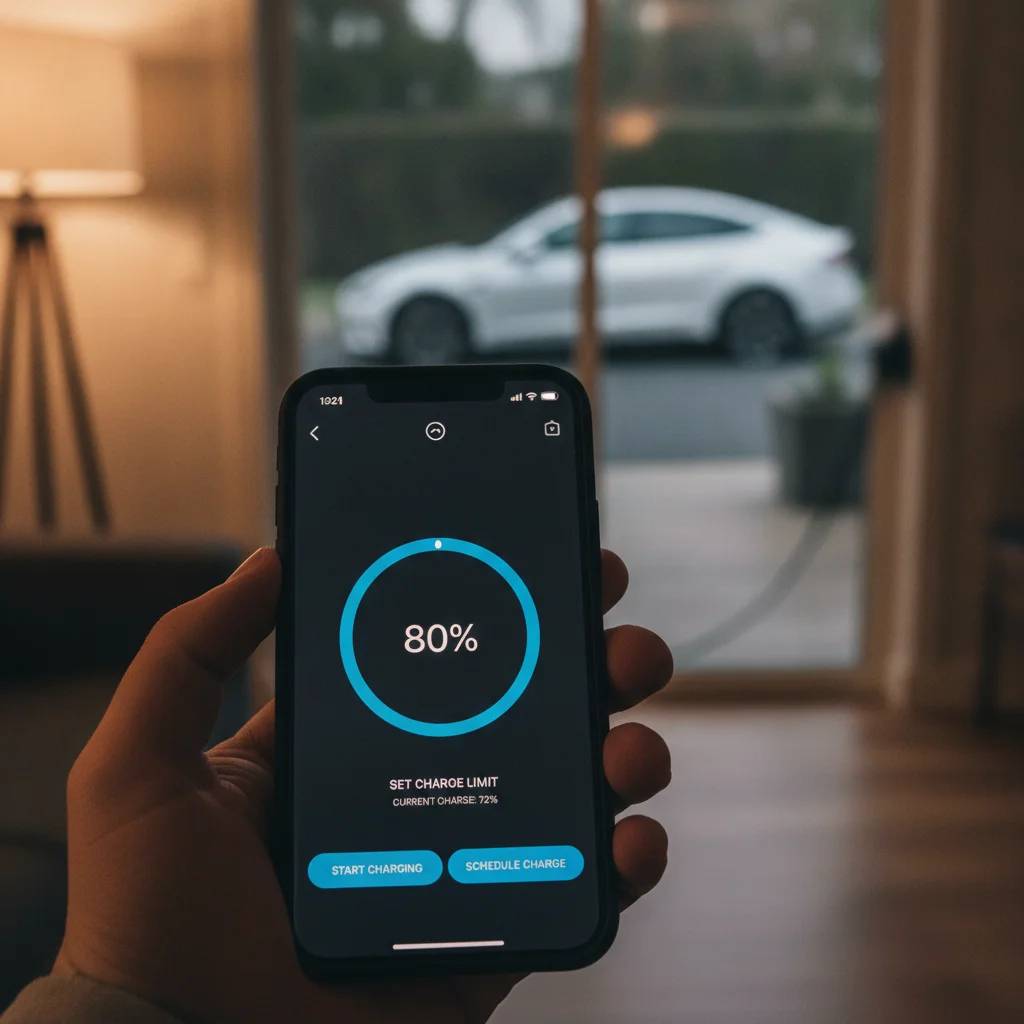
Some third-party charging apps and smart plugs claim to manage charge levels, but they may not communicate directly with your vehicle's battery management system. If the app simply cuts power at a set time rather than signaling the car to stop charging, your BMS may resume charging on its own. Always verify your charge limit is set within the vehicle's native app or onboard settings — not just through a third-party timer.
Public Fast Charger Frequency Adds Up Faster Than You Expect
If you live in an apartment or condo without home charging access and rely primarily on public DC fast chargers, your battery is accumulating stress at a much higher rate than the average owner. This is worth factoring into your total cost of ownership calculation. See <a href="/electric-vehicles/charging-infrastructure/public-charging-networks/public-charging-etiquette-every-ev-driver-should-know">public charging etiquette and network guidance</a> for tips on navigating public charging more strategically.
The Role of Heat and Cold in Accelerating Every Mistake
Temperature is the multiplier that makes every other charging mistake worse. A lithium-ion cell sitting at 100% state of charge in a 95°F parking lot is under significantly more stress than the same cell at 100% in a climate-controlled garage. This is why battery thermal management systems exist — but they have limits, and they can't fully compensate for owner behavior.
~20%
Average capacity loss at 100,000 miles for high-use EVs
Recurrent Auto's analysis of real-world EV battery data found that frequent DC fast charging and high-SOC parking correlate with above-average degradation rates.
40°F
Temperature below which lithium plating risk increases sharply
Battery researchers and automaker documentation consistently flag sub-40°F charging without preconditioning as a leading cause of accelerated anode degradation.
10–15%
Extra capacity retained at year 8 with good charging habits
Long-term fleet studies indicate that owners following manufacturer charge-limit guidance retain meaningfully more capacity versus those who routinely charge to 100%.
70%
Minimum capacity threshold covered by most EV battery warranties
Most major automakers warrant the battery pack to retain at least 70% of original capacity over 8 years or 100,000 miles — good habits help you stay well above that floor.
In cold weather, the opposite problem emerges: lithium ions move more slowly through the electrolyte, which means fast charging at low temperatures can cause lithium plating — a phenomenon where metallic lithium deposits on the anode instead of intercalating cleanly. Most modern EVs preemptively warm the battery before DC fast charging if you use the navigation to route to a charging station, but if you plug in cold without that warm-up cycle, you may be doing subtle damage repeatedly.
The practical takeaway: in summer, don't leave your car parked at 100% in direct sun. In winter, use your vehicle's preconditioning feature before fast charging and before driving. Both of these habits cost you almost nothing and extend battery life meaningfully over a five- to ten-year ownership horizon.
Heat Is the Single Biggest Battery Killer
Of all the stressors that degrade a lithium-ion battery, sustained heat is the most destructive — and it compounds every other mistake on this list. A battery sitting at 100% state of charge in a 100°F environment is undergoing significantly more degradation than the same battery at 80% in a 70°F garage. If you live in a hot climate and can only change one habit, prioritize reducing your charge limit and parking in the shade or a covered structure. The data consistently shows that high-temperature, high-SOC storage is the fastest path to premature capacity loss.
For guidance on keeping your home charging setup aligned with these thermal realities, long-term habits for home EV charging covers the equipment and scheduling side in detail.
Building a Charging Routine That Protects Your Investment
The goal isn't perfection — it's building a default routine that keeps your battery in its comfort zone without requiring constant manual effort. Here's a practical framework that works for most owners:
- Set your daily charge limit to 80%. Do this once in the vehicle app or settings menu and leave it there. If you need more range for a specific trip, override it that day.
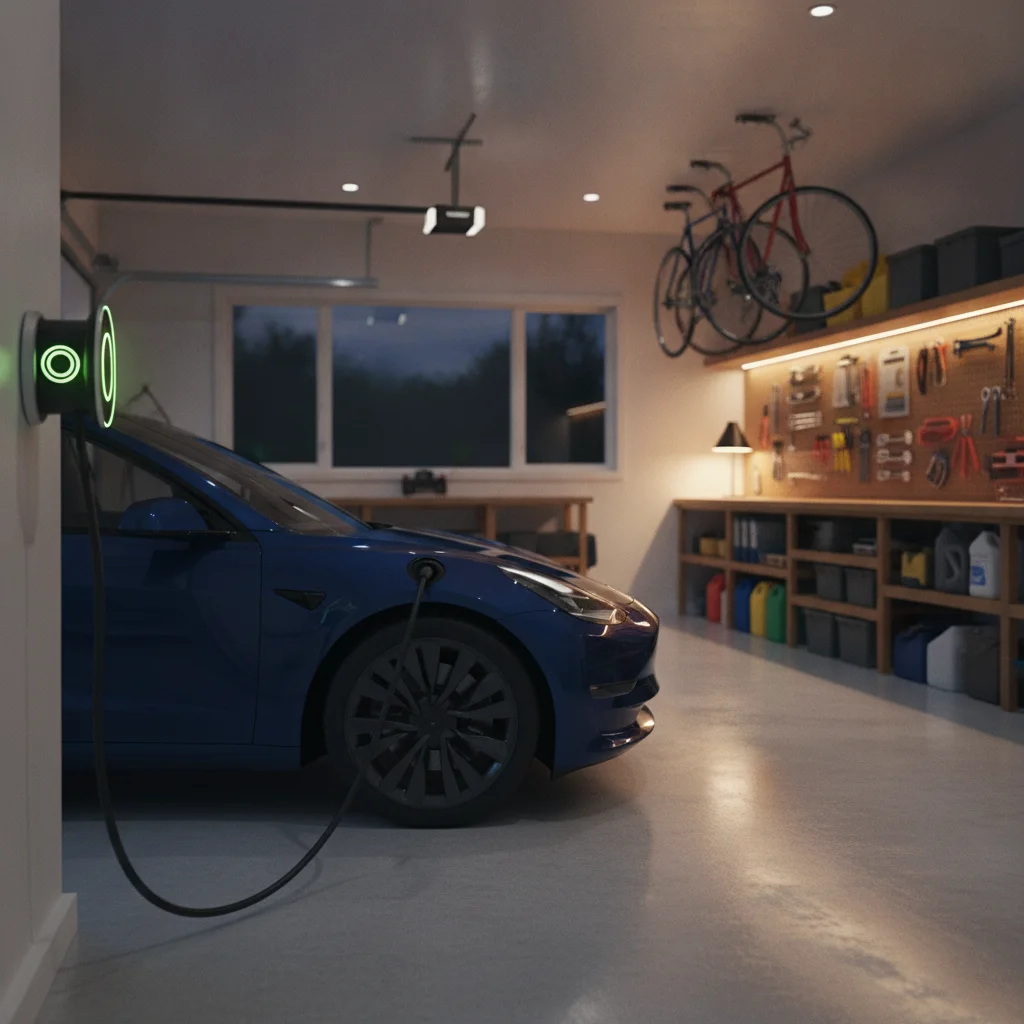
- Use scheduled charging. Program your car to finish charging shortly before your typical departure time rather than plugging in and letting it sit at 80–100% all night. Your utility's off-peak hours usually align well with a 2–6 AM completion window.
- Reserve DC fast charging for road trips. For everyday top-offs, a Level 2 charger at home or at work is far gentler on the pack. Charging cost mistakes that quietly drain EV savings also explains why fast charging is often the more expensive option per kWh.
- Don't let the battery sit below 20% for more than a day or two. If you know you won't drive for a week or more, leave the car at 50% and plug it in on a slow charge.
- Precondition before cold-weather fast charging. Use your car's navigation or app to trigger battery warm-up before you arrive at a DC fast charger in winter.
If your overnight charging schedule isn't already optimized around these principles, why your overnight charging schedule is probably wrong walks through the common scheduling errors and how to fix them in about five minutes.
For the full picture of positive habits — not just the mistakes to avoid — EV battery health habits that preserve long-term capacity is a natural companion to this article.
What to Expect From Your Battery Over Time
Even with ideal habits, lithium-ion batteries lose some capacity over time — this is called calendar aging and it happens whether you drive the car or not, simply because the chemistry is imperfect. The question isn't whether degradation will occur; it's how fast and how severe.
Real-world data from fleet operators, independent researchers, and programs like Recurrent Auto's battery dataset consistently show that vehicles whose owners follow manufacturer charging guidance — 80% daily limit, minimal fast charging, avoiding deep discharges — retain meaningfully more capacity at the five- and ten-year marks than those that don't. The difference is often in the range of 10–15 percentage points of retained capacity by year eight, which translates directly to range and resale value.
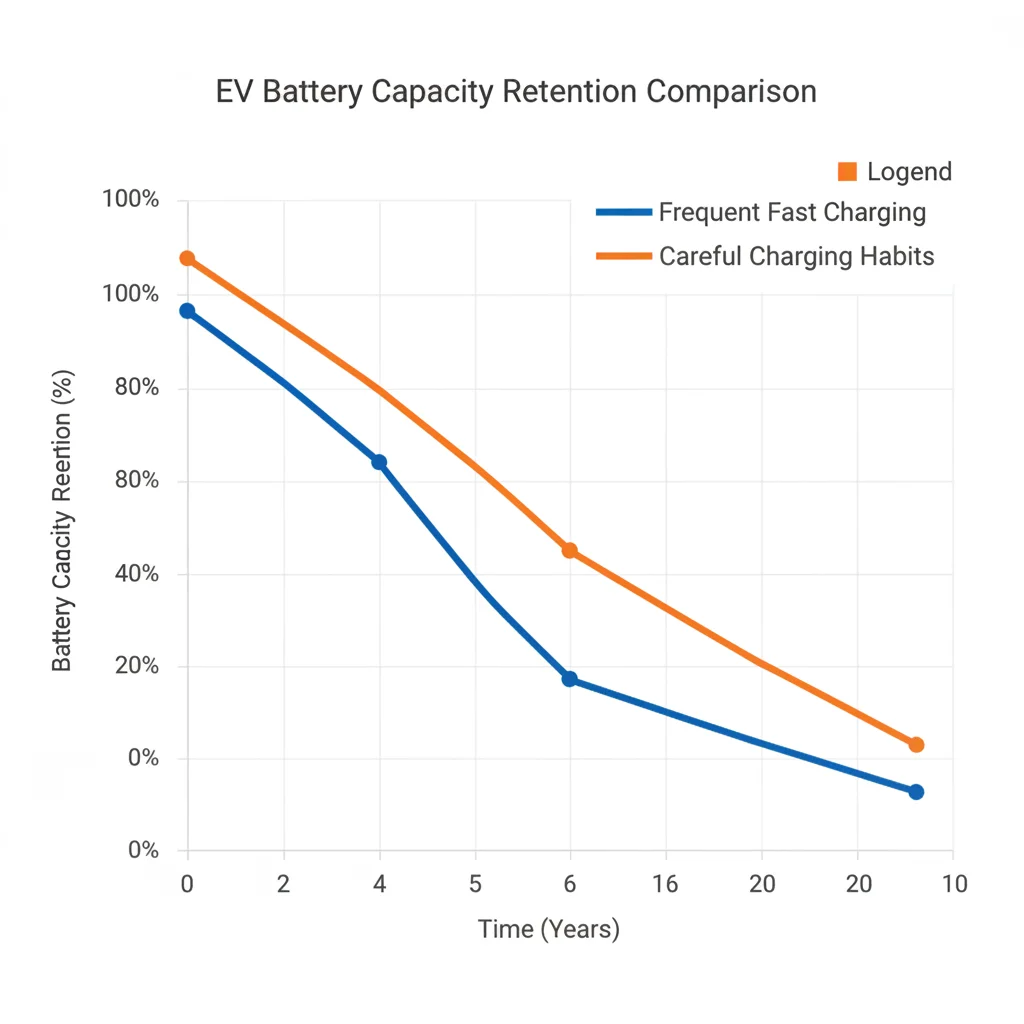
Many manufacturers offer battery warranties covering a minimum capacity threshold — commonly 70% of original capacity — over eight years or 100,000 miles. But warranty coverage is a floor, not a target. Getting a warranty replacement battery means your original pack lost more than 30% of its capacity, which is a significant degradation event that good habits can help you avoid entirely.
Finally, keep in mind that your overall EV maintenance picture includes more than the battery. tire wear on electric vehicles is another commonly overlooked ownership cost that compounds over time. Taking a holistic view of EV upkeep — battery, tires, brakes, software — puts you in the best position to minimize long-term costs and maximize resale value.

All claims are backed by peer-reviewed research. Sources on request.