
Key Takeaways
Gap Insurance
Gap insurance — short for Guaranteed Asset Protection — pays the difference between what your car is worth at the time of a total loss and what you still owe on your auto loan or lease. Standard collision and comprehensive insurance only reimburse you for the vehicle's current market value, which can be significantly less than your outstanding balance. Gap coverage bridges that shortfall so you're not left paying off a car you can no longer drive.
Gap insurance is classified as a debt-cancellation product in some states and may be regulated by banking authorities rather than insurance departments, which affects how it's priced and refunded.
What Gap Insurance Actually Pays For
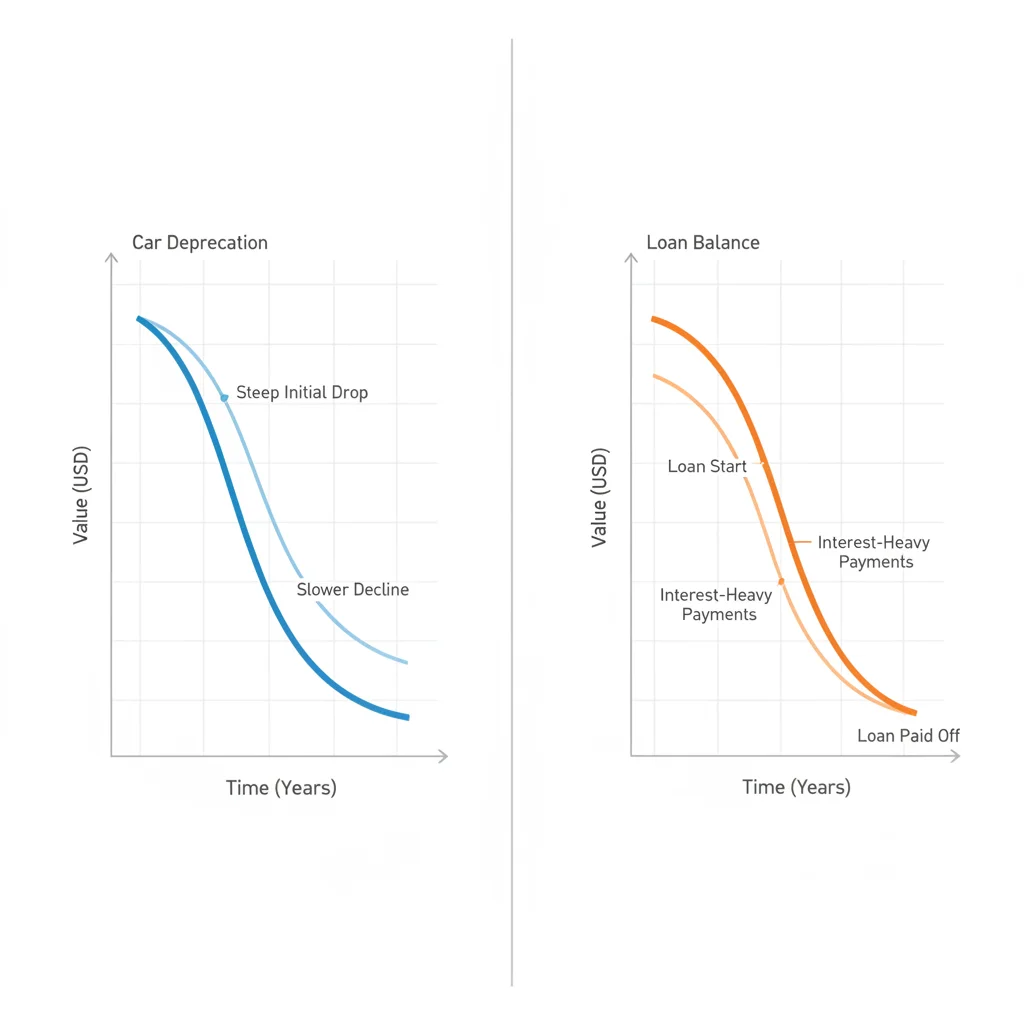
Here's the core problem gap insurance solves: the moment you drive a new car off the lot, it depreciates — sometimes by 10–15% in the first year alone. Meanwhile, your loan balance shrinks slowly, especially in the early months when most of your payment goes toward interest. The result is a window of time — often two to four years — where you owe more than the car is worth.
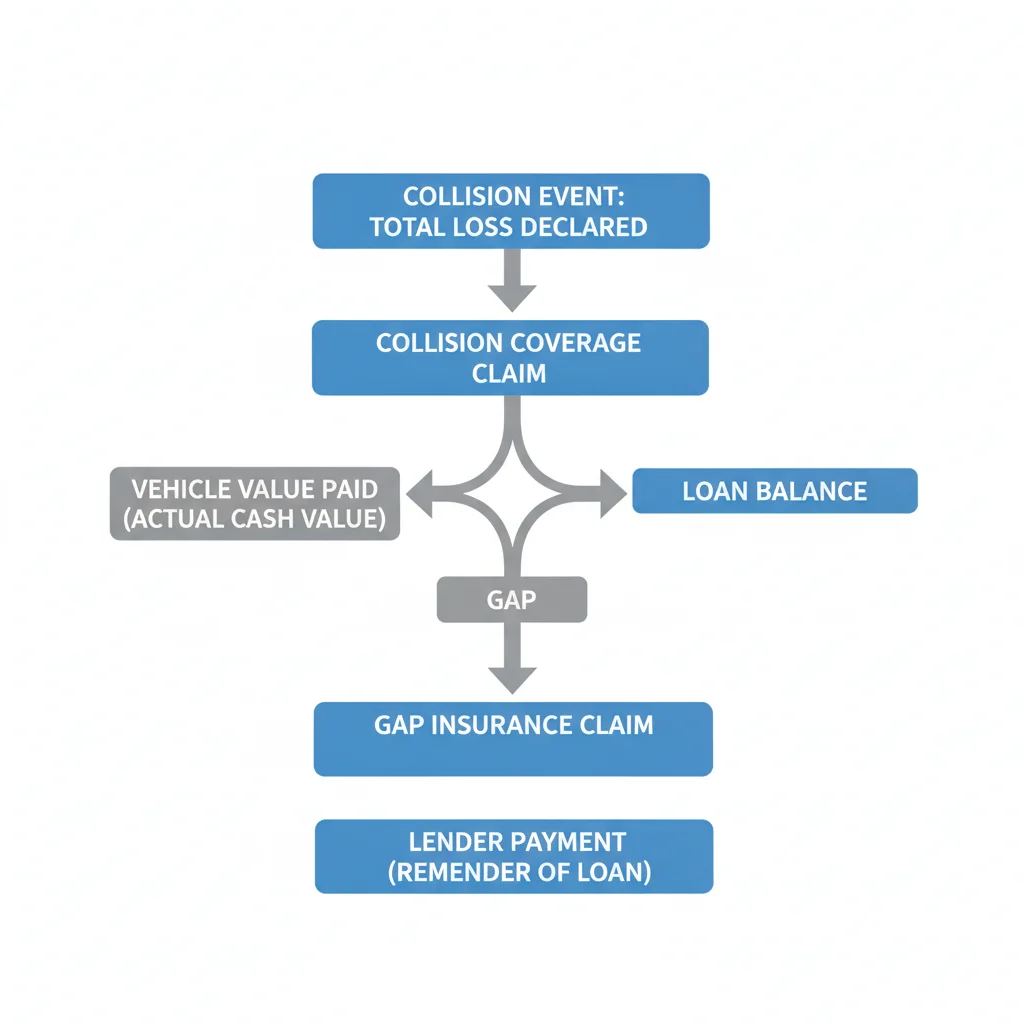
If your car is totaled or stolen during that window, your collision or comprehensive insurer pays you the car's actual cash value (ACV) — its market value at the time of loss. That number is almost always lower than your loan payoff amount. Gap insurance covers the difference.
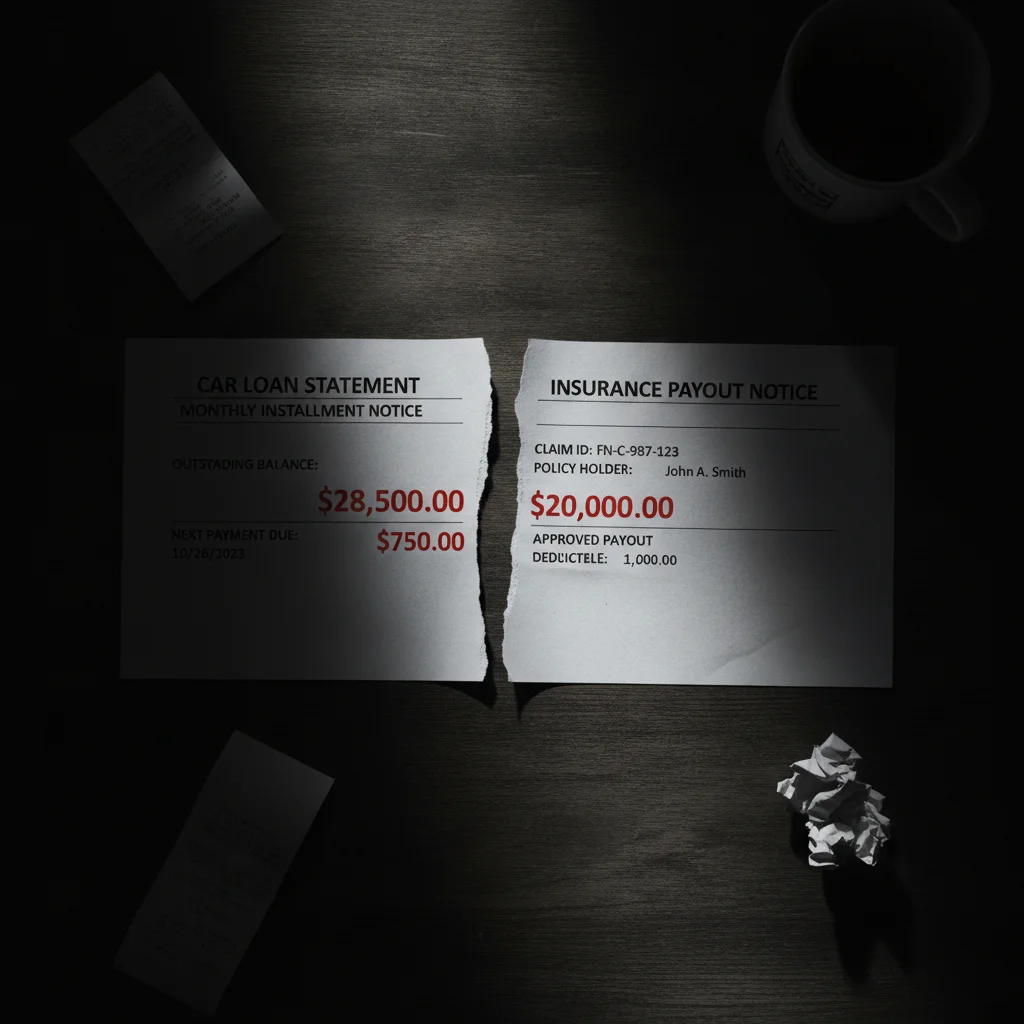
Example: You owe $28,000 on your loan. Your insurer declares your car a total loss and pays $22,000 ACV. Without gap insurance, you're still on the hook for $6,000 — for a car you can't drive. With gap insurance, that $6,000 is covered.
What gap insurance does not cover is equally important to understand:
- Mechanical repairs — a blown engine or transmission failure gets no help from gap coverage
- Your insurance deductible — unless you've specifically purchased a deductible waiver
- Missed or overdue payments added to your loan balance
- Extended warranty costs rolled into your loan
- Carry-over balances from a previous loan that were folded into the new one
That last point matters. If you traded in a car you were upside down on and rolled that negative equity into your current loan, gap insurance typically won't cover that portion. Why gap insurance doesn't help every upside-down borrower explains the payout cap rules in more detail.
Gap Coverage Has Payout Limits
Most gap policies won't cover amounts that exceed a set percentage above the vehicle's actual cash value — commonly 125–150%. If you rolled significant negative equity or add-on costs into your loan, the gap between your payoff and ACV might exceed that limit. Always read the cap language in the policy before assuming full coverage.
Lease Agreements Often Require Gap
Many lease contracts include gap coverage as a built-in requirement rather than an option. Before purchasing gap separately on a leased vehicle, check whether it's already included in the lease terms. Paying for it twice is common and entirely avoidable.
Refinancing Can Void Your Gap Policy
If you refinance your auto loan, your original gap policy may not follow you to the new loan. This is a common oversight. Confirm with your gap insurer whether coverage transfers, and if not, arrange replacement coverage before closing the refinance.
How Gap Insurance Works With Your Other Coverages
Gap insurance never operates in isolation. It's the third leg of a stool — and the first two legs have to hold before gap pays anything.
- Your collision or comprehensive policy triggers first. A covered event (accident, theft, flood, fire) must occur. If you don't carry both collision and comprehensive, gap insurance is useless to you — there's no primary payout for it to supplement.
- Your insurer settles at actual cash value. That settlement check goes to your lender, not you.
- Gap covers the remaining balance. The gap insurer pays your lender the difference between the ACV settlement and your outstanding loan payoff.
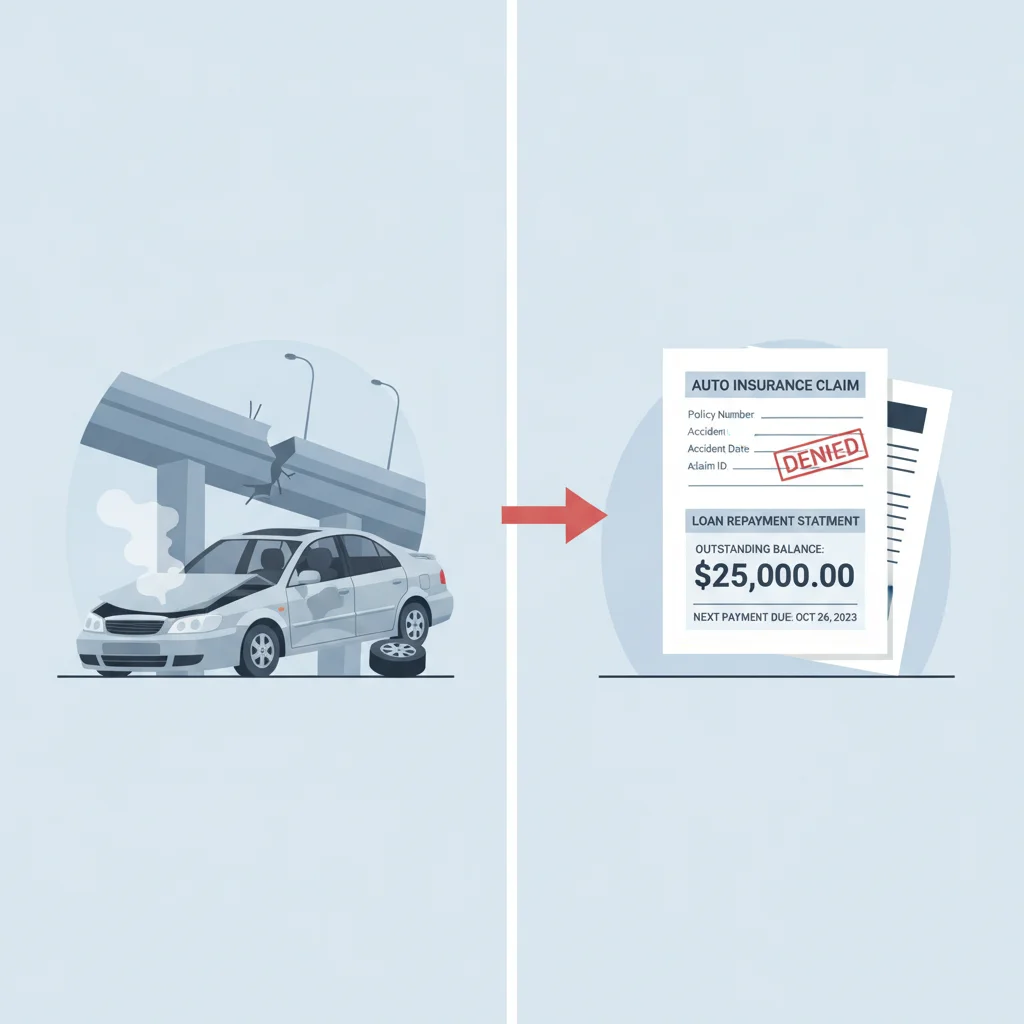
Gap insurance and physical damage coverage works through the mechanics of this payment chain in full detail. The short version: if your comprehensive or collision claim is denied, gap has nothing to work with.
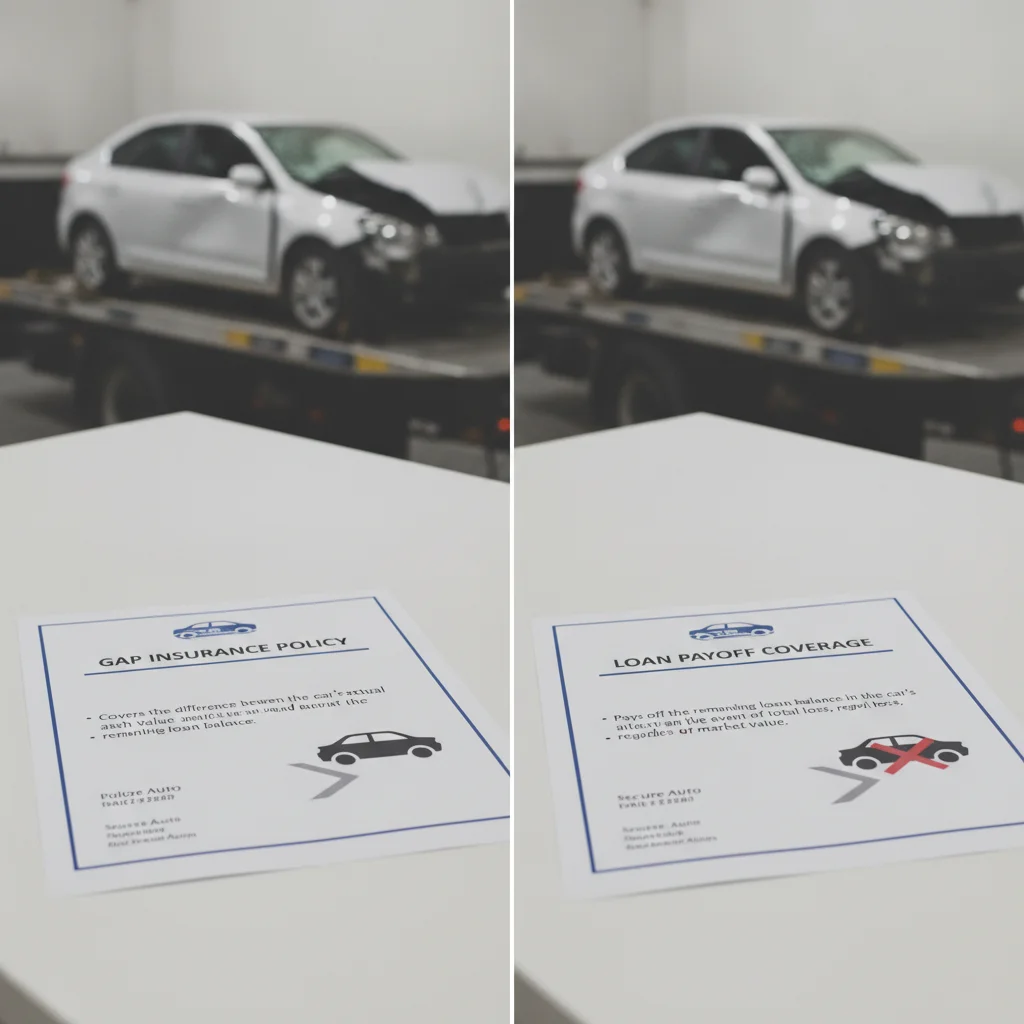
There's also an important distinction between gap insurance and loan/lease payoff coverage — a product some insurers market under that name. They look similar, but loan/lease payoff add-ons often cap payouts at a percentage of ACV (commonly 25%), which may not cover a larger gap. Gap insurance vs. loan/lease payoff coverage breaks down the key differences so you don't confuse the two.
Buy Gap Through Your Insurer, Not the Dealer
If you need gap insurance, get a quote from your current auto insurer before you sign anything at the dealership. Insurer-sold gap typically costs $20–$40 per year versus hundreds of dollars rolled into your loan. Even if the dealer offers a competitive number, having an insurer price in hand gives you leverage to negotiate or walk away from the add-on.
Track Your Equity Every Six Months
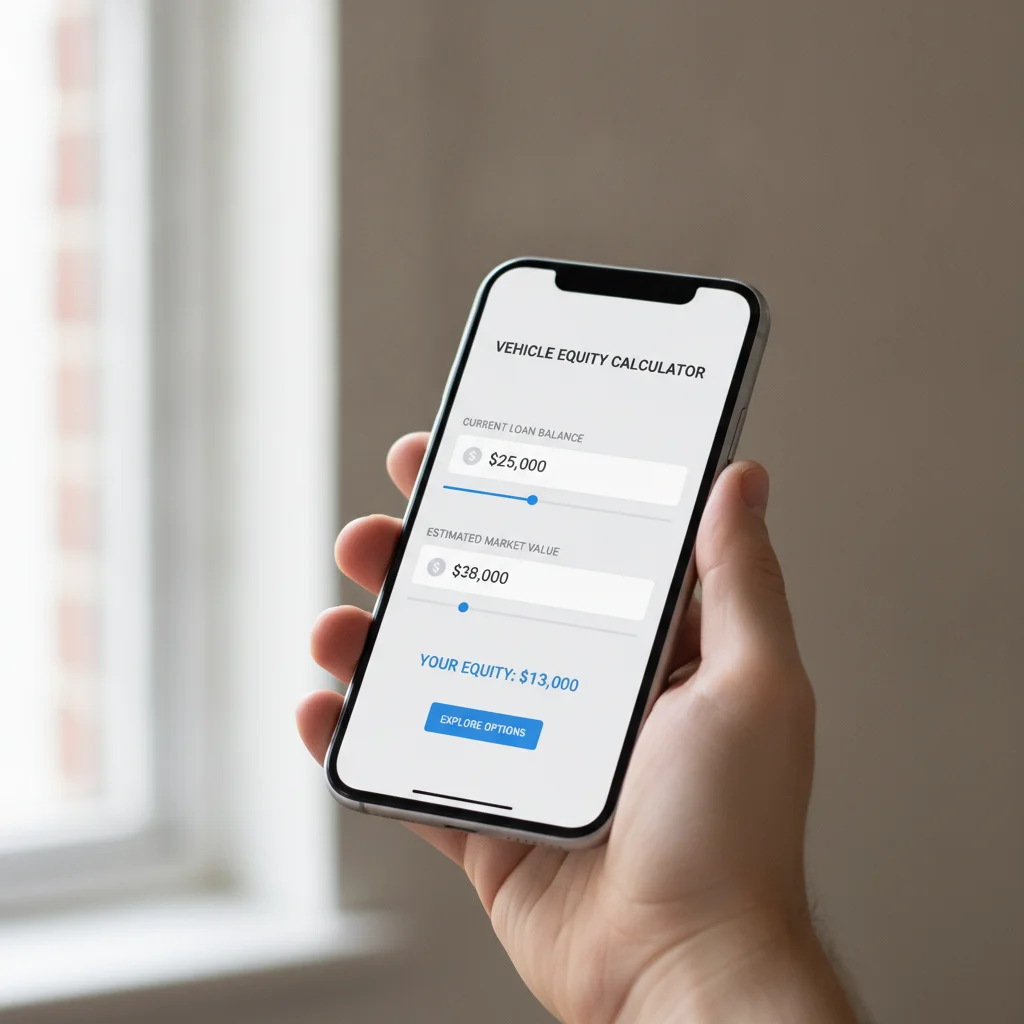
Set a calendar reminder every six months to compare your loan payoff to your car's current market value. The moment your loan balance dips below the car's value, cancel your gap insurance and request a prorated refund. This simple habit can save you a full year or more of unnecessary premiums.
Who Actually Needs Gap Insurance
Gap insurance isn't for everyone. If you put 20% or more down on a vehicle and chose a loan term of 48 months or less, you may never have a meaningful gap at all. But several scenarios create real financial exposure:
20%
Average new car depreciation in year one
According to Carfax and industry data, most new vehicles lose between 15–25% of value in their first 12 months of ownership.
44%
Share of new car loans with negative equity at origination
Edmunds data from recent years shows nearly half of new vehicle trade-ins carry negative equity rolled into the new loan.
72+ months
Most common new car loan term in the U.S.
Experian's State of the Automotive Finance Market report consistently shows 72-month terms as the single most prevalent loan length for new vehicles.
$20–$40/yr
Gap insurance cost through an auto insurer
Industry pricing data shows insurer-sold gap coverage runs a fraction of the dealership equivalent, which often totals $400–$900.
38%
Average 3-year depreciation for new vehicles
NADA data shows most new vehicles retain roughly 60–65% of their original value after three years, leaving a meaningful gap window early in ownership.
High-Risk Scenarios for a Gap
- Small down payment (under 10%)
- You start underwater almost immediately. Depreciation beats your equity from day one. Down payments and GAP insurance shows exactly how down payment size affects your exposure.
- Long loan terms (72–84 months)
- Monthly payments are lower, but the loan amortizes slowly. You're paying mostly interest early on, meaning your balance barely drops in years one and two while the car depreciates sharply.
- High-depreciation vehicles
- Luxury cars, some trucks, and domestic sedans can lose 30–40% of value in three years. That's a wide gap if you financed most of the purchase price.
- Leased vehicles
- Many lease agreements require gap coverage because lease payments don't build equity. You're paying for use, not ownership — and ACV almost always trails residual value in early lease years.
- Subprime borrowers
- Higher interest rates mean slower principal paydown. Combined with typical depreciation curves, this creates persistent negative equity. Gap insurance on a subprime auto loan examines whether it's worth it in that context.
On the flip side, if you're buying a used car that's already absorbed its sharpest depreciation, or you made a large down payment, the gap may never materialize — or close within the first year. How loan terms and down payments affect whether gap insurance is necessary walks through the math for common scenarios.
Where to Buy Gap Insurance — and What It Should Cost
Where you buy gap insurance has a direct impact on what you pay. There are three main sources:
1. Your Auto Insurer
Most major carriers offer gap insurance or a gap waiver as an add-on to your existing policy. This is almost always the cheapest route — typically $20–$40 per year added to your premium. You can cancel it cleanly when it's no longer needed, and refunds are straightforward.
2. The Dealership's F&I Office
Dealers offer gap insurance as part of the finance and insurance (F&I) package. Expect to pay $400–$900, often rolled into the loan — meaning you pay interest on it for years. Why dealers push gap insurance details the markup and sales tactics involved. The coverage itself isn't necessarily inferior, but the price almost always is.
If you've already agreed to dealership gap coverage, review the finance contract carefully. Gap insurance in the finance contract explains what the contract language means and how refund provisions work.
3. Your Lender or Credit Union
Some banks and credit unions offer gap protection at origination. Credit union rates tend to be competitive — worth asking about if you're financing through one.
“Consumers routinely pay three to five times more for gap insurance at the dealership than they would through their own insurer. The coverage is often identical. The only difference is who collects the margin.”
— Michael DeLong, Research and Advocacy Associate, Consumer Federation of America
One more option worth knowing: new car replacement coverage. Rather than covering your loan balance, it pays for a brand-new equivalent vehicle after a total loss. It costs more than gap but provides stronger protection if you want a fresh start rather than just paying off a ghost loan. New car replacement vs. gap insurance compares the two directly.
Buy Gap Through Your Insurer, Not the Dealer
If you need gap insurance, get a quote from your current auto insurer before you sign anything at the dealership. Insurer-sold gap typically costs $20–$40 per year versus hundreds of dollars rolled into your loan. Even if the dealer offers a competitive number, having an insurer price in hand gives you leverage to negotiate or walk away from the add-on.
Track Your Equity Every Six Months
Set a calendar reminder every six months to compare your loan payoff to your car's current market value. The moment your loan balance dips below the car's value, cancel your gap insurance and request a prorated refund. This simple habit can save you a full year or more of unnecessary premiums.
When to Drop Gap Insurance
Carrying gap insurance past the point where it's necessary is just wasted money. Here's a simple process to know when to cancel:
- Get your loan payoff amount. Call your lender or log into your account and request the exact payoff figure — not just your remaining balance.
- Check your car's current market value. Use Kelley Blue Book (KBB) or NADA Guides. Use the private-party value, which is closest to what an insurer would pay.
- Compare the two numbers. If your payoff is less than or equal to the car's market value, your gap has closed. You no longer owe more than the car is worth.
- Cancel and get a refund. Contact whoever sold you the gap policy. If you're within the policy term, you're entitled to a prorated refund — sometimes hundreds of dollars.
Repeat this check every six months for the first three years of your loan. That's the period when you're most likely to flip from negative to positive equity. After year three on most loans, the math tends to sort itself out.
Gap insurance and depreciation includes depreciation curves for common vehicle types, which helps you estimate when your specific car is likely to reach equity.
One final note: gap insurance is specific to the loan it was issued for. If you refinance your vehicle, your existing gap coverage may not transfer to the new loan. Check with the gap provider before refinancing, and get replacement coverage in place if needed before the old policy lapses. A coverage gap of any kind — even a brief one — can cause problems beyond just gap insurance itself. How a lapse in coverage signals risk to your next insurer explains how insurers penalize even short interruptions in coverage history.

All claims are backed by peer-reviewed research. Sources on request.