
Key Takeaways
Permissive Use
Permissive use is the legal principle that allows your auto insurance policy to extend coverage to someone else who drives your vehicle with your permission. In most states, liability coverage follows the car, not the driver — meaning if a friend borrows your car and causes an accident, your liability insurance is typically the first line of defense. Whether that coverage fully applies depends on whether you gave explicit or implied permission and the specific terms of your policy.
Some policies distinguish between "broad permissive use" and "restricted permissive use," which can affect how much coverage a permissive driver receives versus what you'd get as the named insured.
How Insurance Follows the Car, Not the Driver
Most drivers assume insurance is tied to the person — that wherever you go, your policy goes with you. The reality is almost the opposite when it comes to your personal vehicle. In the majority of U.S. states, liability insurance follows the car first, and then the driver.
That means when someone else gets behind the wheel of your vehicle and causes an accident, the responding insurer isn't their company — it's yours. Your policy becomes the primary layer of financial protection for the injured parties, even though you weren't in the car.
This principle exists partly to protect accident victims. If coverage only followed the driver, insurers could more easily dispute claims by arguing the policyholder wasn't present. By attaching coverage to the vehicle, states help ensure there's always a clear, accessible source of compensation.
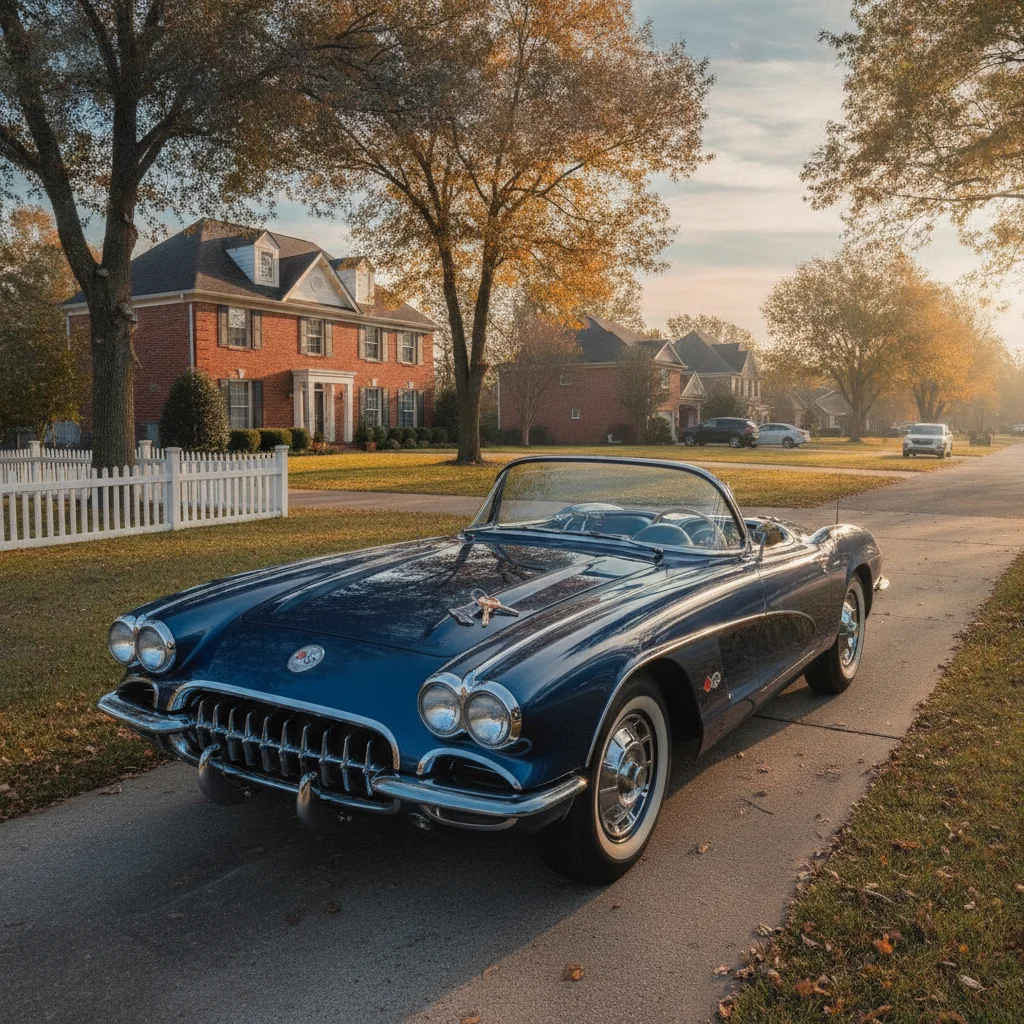
For you as the vehicle owner, this creates real financial exposure. The claim goes on your record, not the borrower's. And if damages exceed your policy limits, you could be personally liable for the remainder. That's why understanding the boundaries of permissive use isn't just technical trivia — it's practical self-protection.
It's also worth noting that this setup differs meaningfully from how liability works in rental situations. If you're curious about that distinction, the rental car liability coverage guide explains where your personal policy ends and the rental company's coverage begins.
What Permissive Use Actually Means
Permission is the hinge that this whole system turns on. If you gave someone permission to drive your car — whether you said it out loud or just handed over the keys without objection — that's typically enough to trigger permissive use coverage under your policy.
Courts and insurers generally recognize two forms of permission:
- Express permission: You explicitly said it was okay. "Take my car to the grocery store." Clear and direct.
- Implied permission: The circumstances reasonably suggest consent. A family member who regularly uses the car without asking each time, or a roommate who borrows it frequently with your knowledge.
Where things get complicated is when a permissive driver lends your car to a third person without asking you. Most policies do not automatically extend coverage to a "second-generation borrower" — someone your borrower permitted to drive, but who you never gave permission to yourself. In that scenario, your insurer may decline to cover the accident.
“The question isn't whether you trust the person you're lending to — it's whether your policy is structured to handle the consequences if something goes wrong. Most drivers never think about that distinction until they're already in a claim.”
— Robert Hunter, Former Insurance Commissioner and Director of Insurance, Consumer Federation of America
The scope of coverage can also shrink based on how your policy is written. Some insurers offer what's called broad permissive use, which extends the same coverage to borrowers as to the named insured. Others apply restricted permissive use, which may reduce the coverage limits available to a non-owner driver. If you've never looked at how your policy defines permissive use, it's worth a quick call to your agent — especially if family members or frequent houseguests regularly borrow your vehicle.
State Laws Vary on Permissive Use
While the general principle that insurance follows the car is common across the U.S., specific permissive use rules vary by state. Some states have statutes that set minimum coverage requirements for permissive drivers, while others leave it entirely to individual policy language. Always check both your policy and your state's requirements if you're unsure.
Negligent Entrustment Can Reach Beyond Insurance
If you knowingly lend your vehicle to someone who is unfit to drive — due to a suspended license, visible intoxication, or a history you were aware of — courts in many states can hold you personally liable under negligent entrustment doctrine. This liability isn't capped by your insurance policy limits and can result in judgments against your personal assets.
Excluded Drivers: The Hard Boundary in Your Policy
Here's where the reassurance ends and a firm warning begins: if someone is explicitly listed as an excluded driver on your policy, permission means nothing. Your insurer will not cover a claim caused by an excluded driver, full stop.
Excluded drivers are usually added to policies when a household member has a poor driving record or a DUI, and including them would make the policy prohibitively expensive. The insurer agrees to cover the vehicle — but only on the condition that the named excluded driver never operates it.
If you lend the car to an excluded driver — even in an emergency, even with full knowledge and permission — and they cause an accident, you're looking at a denied claim and potentially unlimited personal exposure for the resulting damages. This isn't a gray area; it's a contractual hard stop.
~29%
Drivers with state-minimum liability limits only
According to the Insurance Research Council, roughly 1 in 3 insured drivers carries only the state-required minimum liability coverage, which is often exhausted quickly in serious accidents.
1 in 8
Uninsured drivers on U.S. roads
The Insurance Research Council estimates that about 12.6% of U.S. motorists are uninsured, meaning a borrower's 'secondary' policy may not exist at all.
$24,000+
Average bodily injury liability claim
ISO (Insurance Services Office) data shows the average bodily injury claim exceeds $24,000, a figure that can quickly surpass minimum policy limits.
The lesson: know who is excluded from your policy before handing over keys. And if a household member's record has improved since they were excluded, contact your insurer to revisit whether they should be added back.
There are also common misunderstandings about what liability covers more broadly — the liability insurance misconceptions article covers several of them in detail, including cases where drivers assume they're protected and find out they aren't.
When the Borrower's Insurance Enters the Picture
Let's say a friend borrows your car, causes a fender-bender, and the other driver has $15,000 in medical bills. Here's how the coverage layers typically work:
- Your liability policy responds first — up to your policy's limits — because the accident happened in your vehicle.
- Your friend's liability policy may respond second — as excess coverage — if the damages exceed what your policy covers.
- If both policies are exhausted, the at-fault driver (your friend) and potentially you as the vehicle owner may face direct personal liability.
This layering is why it matters that your own policy limits are adequate. If you're carrying state-minimum liability limits — often something like $25,000 per person and $50,000 per accident — and a serious accident occurs, your coverage could be exhausted quickly. The gap then becomes your problem, or your friend's, or both.
It's also worth knowing that your friend's insurer, if subrogated into the claim, may come after your policy first before their client's coverage applies. The exact sequencing depends on both state law and the specific language in each policy, which is another reason to review your coverage annually rather than set it and forget it.
Review Your Liability Limits Annually
If you regularly lend your vehicle or have multiple household members, it's worth reviewing your liability limits each year at renewal. Increasing from state minimums to 100/300/100 coverage is often less expensive than drivers expect and provides substantially more protection if a serious claim is filed under your policy.
Add Frequent Borrowers to Your Policy
Adding a regular borrower as a listed driver on your policy eliminates the permissive-use ambiguity entirely and ensures they receive the full coverage you carry. For family members in the same household, most insurers require this anyway — so check your policy terms to avoid an unintentional coverage gap.
The liability side of this equation only covers damage to others — other people's injuries, other people's property. What happens to your actual car in an accident where someone else was driving? That falls to collision and comprehensive coverage, which is an entirely separate layer of protection.
Situations That Can Complicate Coverage
Most straightforward lending situations — a neighbor borrows your truck to haul furniture, a sibling takes your car to an appointment — will be handled without much drama. But there are a handful of scenarios that introduce real complications:
Regular, Frequent Use by a Non-Listed Driver
If someone uses your car regularly, insurers may argue they're a "household member" or habitual user who should have been added to the policy. Repeated use without disclosure can give an insurer grounds to dispute a claim on the basis that you were concealing a high-risk driver.
Using the Vehicle for Commercial Purposes
If a borrower uses your car to make deliveries, drive for a rideshare app, or conduct any commercial activity, standard personal auto liability won't cover accidents during that use. Personal policies explicitly carve out commercial use.
Borrowing Across State Lines
If your friend borrows your car and has an accident in a different state, the coverage that applies is generally based on your policy — but some states have minimum liability requirements that differ from yours. In most cases, your policy automatically adjusts upward to meet the state minimum where the accident occurred, but it won't go above your purchased limits.
Teen or High-Risk Drivers
Lending your car to someone you know has a suspended license or a history of serious violations can create a doctrine called negligent entrustment, which means a court could hold you personally liable for knowingly lending your vehicle to an unfit driver — even beyond what your insurance covers.
State Laws Vary on Permissive Use
While the general principle that insurance follows the car is common across the U.S., specific permissive use rules vary by state. Some states have statutes that set minimum coverage requirements for permissive drivers, while others leave it entirely to individual policy language. Always check both your policy and your state's requirements if you're unsure.
Negligent Entrustment Can Reach Beyond Insurance
If you knowingly lend your vehicle to someone who is unfit to drive — due to a suspended license, visible intoxication, or a history you were aware of — courts in many states can hold you personally liable under negligent entrustment doctrine. This liability isn't capped by your insurance policy limits and can result in judgments against your personal assets.
These edge cases highlight why it's worth knowing who you're lending to, not just whether you're comfortable lending. Your liability extends further than most people realize, and the legal defense side of liability coverage explains what your insurer will — and won't — do to protect you if a lawsuit follows an accident.
Practical Steps to Protect Yourself Before You Lend
None of this means you should never lend your car. Most borrowing situations resolve without incident, and being overly cautious with family and close friends can create unnecessary friction. But a few proactive steps can meaningfully reduce your exposure:
- Check your policy's permissive use language. Ask your agent whether your policy provides broad or restricted coverage for non-owner drivers, and what the limits look like for a permissive user.
- Know who's excluded. Keep a mental (or literal) list of anyone explicitly excluded from your policy. Don't lend to them under any circumstances.
- Consider your liability limits. State minimums are often dangerously low. If you're regularly lending your car to others, higher limits give you a larger cushion before personal liability kicks in.
- Add frequent borrowers to your policy. If a family member or frequent guest drives your car more than occasionally, adding them as a listed driver is usually inexpensive and eliminates the coverage ambiguity entirely.
- Ask about their driving record before lending. This isn't paranoia — it's the same due diligence your insurer exercises when setting your rates.
Review Your Liability Limits Annually
If you regularly lend your vehicle or have multiple household members, it's worth reviewing your liability limits each year at renewal. Increasing from state minimums to 100/300/100 coverage is often less expensive than drivers expect and provides substantially more protection if a serious claim is filed under your policy.
Add Frequent Borrowers to Your Policy
Adding a regular borrower as a listed driver on your policy eliminates the permissive-use ambiguity entirely and ensures they receive the full coverage you carry. For family members in the same household, most insurers require this anyway — so check your policy terms to avoid an unintentional coverage gap.
If you're wondering about optional coverage that might provide additional protection in these situations, the optional add-ons coverage hub outlines what's available beyond standard liability, collision, and comprehensive.

All claims are backed by peer-reviewed research. Sources on request.