| Fluids an EV still uses | Coolant, brake fluid, windshield washer fluid |
| Coolant replacement interval | Every 4–5 years or ~150,000 miles (Varies by manufacturer; consult owner's manual) |
| Brake fluid inspection interval | Every 2 years (moisture test) (Tesla, Chevrolet, and most major EV OEMs) |
| Brake fluid replacement trigger | Moisture content above ~3.7% by volume (Tesla Model S/3/X/Y service guidelines) |
| EV coolant type | Dielectric (non-conductive) coolant required (Critical for high-voltage battery circuit safety) |
| Washer fluid interval | Top off as needed; no scheduled flush |
| Approximate brake fluid flush cost | $80–$150 at an independent shop |
| Approximate coolant flush cost | $100–$200 depending on vehicle |
The Short Answer: EVs Need Fewer Fluids, Not Zero Fluids
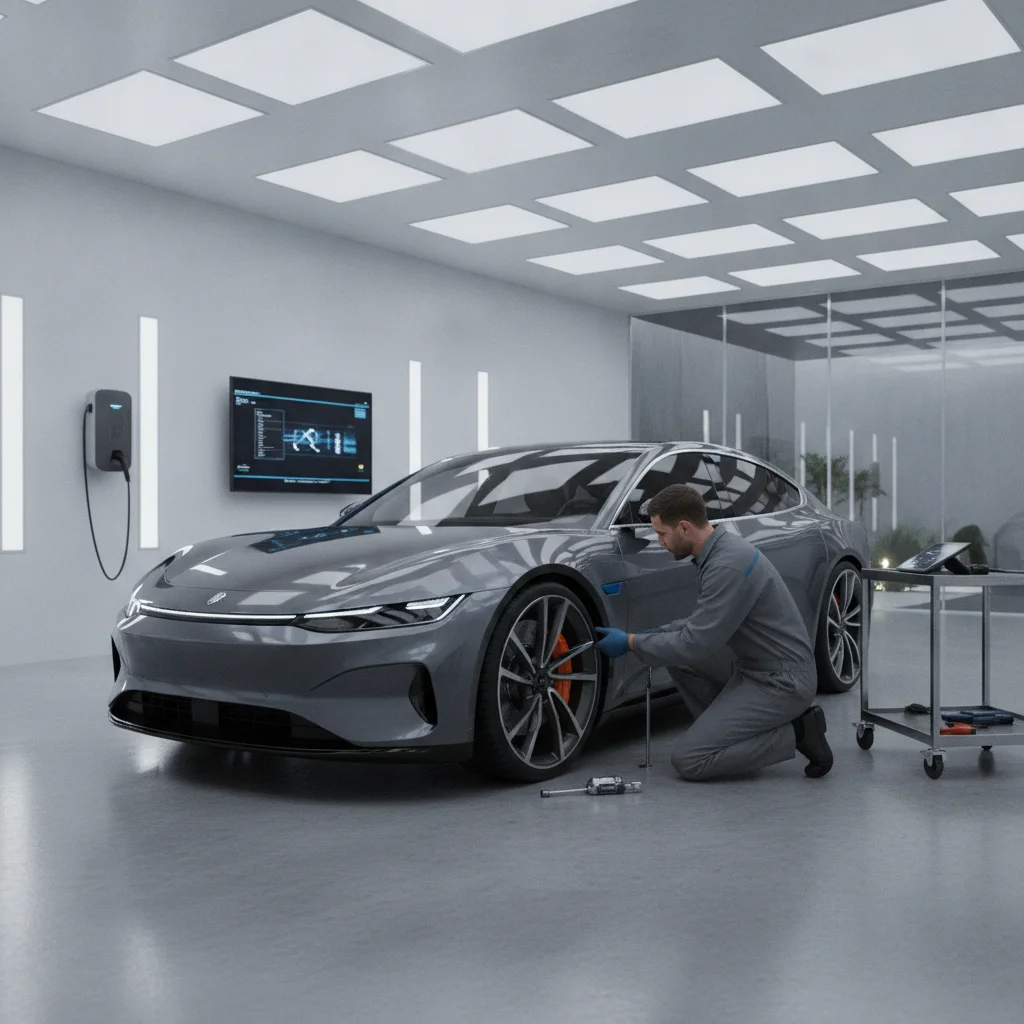
If you're switching from a gas car to an EV, one of the first things you'll hear is that you can forget about oil changes. That's true — no combustion engine means no engine oil to degrade. But it doesn't mean your EV runs on nothing. Several fluids are still very much part of the picture, and ignoring them will cost you.
EVs skip oil changes, but they're not maintenance-free. The fluids that remain — coolant, brake fluid, and windshield washer fluid — each serve a specific purpose, and each has a service interval you need to follow. Some are straightforward top-offs; others require a full flush and replacement on a schedule tied to time or mileage.
This guide covers exactly what each fluid does in an EV, what degrades it, how to check it, and when to service it.
| Fluids an EV still uses | Coolant, brake fluid, windshield washer fluid |
| Coolant replacement interval | Every 4–5 years or ~150,000 miles (Varies by manufacturer; consult owner's manual) |
| Brake fluid inspection interval | Every 2 years (moisture test) (Tesla, Chevrolet, and most major EV OEMs) |
| Brake fluid replacement trigger | Moisture content above ~3.7% by volume (Tesla Model S/3/X/Y service guidelines) |
| EV coolant type | Dielectric (non-conductive) coolant required (Critical for high-voltage battery circuit safety) |
| Washer fluid interval | Top off as needed; no scheduled flush |
| Approximate brake fluid flush cost | $80–$150 at an independent shop |
| Approximate coolant flush cost | $100–$200 depending on vehicle |
Coolant: Managing Heat in a Battery-Powered Vehicle
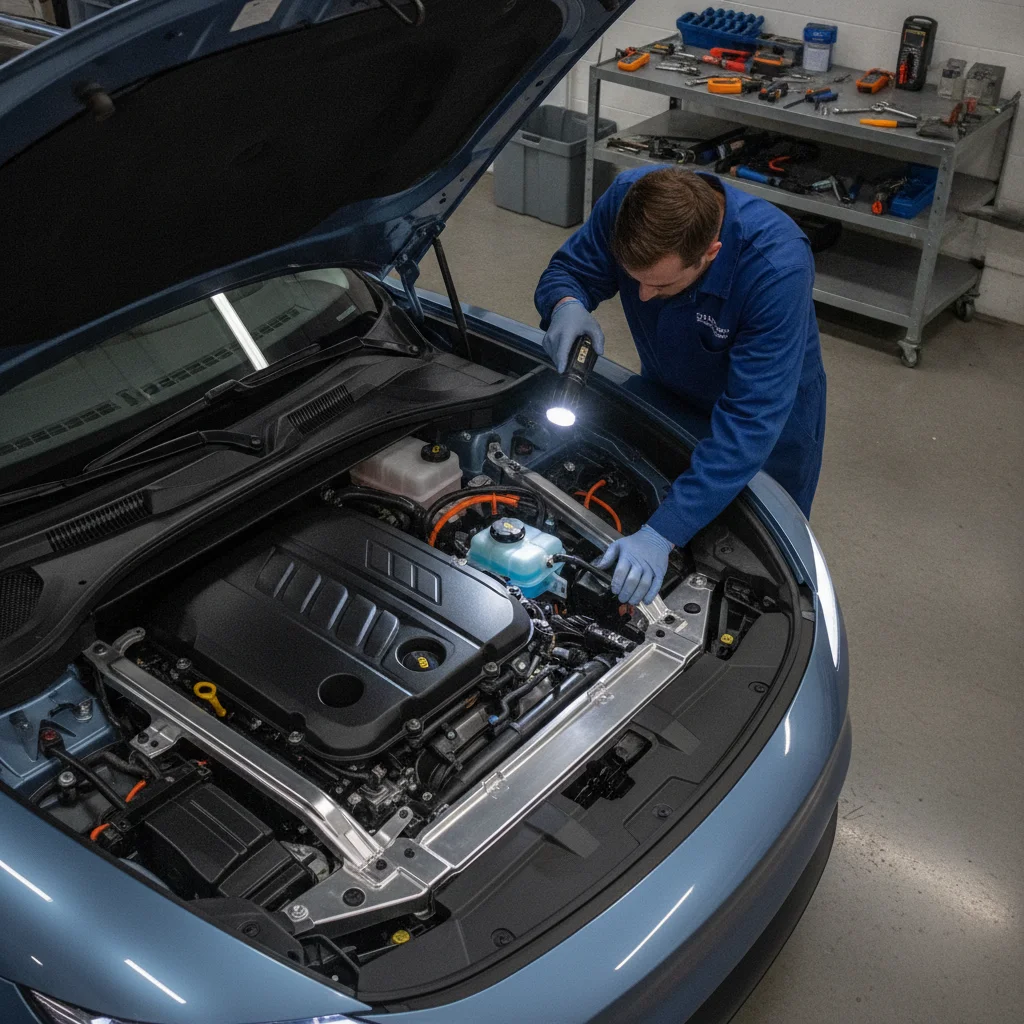
In a gas vehicle, coolant circulates through the engine to prevent overheating. In an EV, coolant does a similar job — but the heat sources are different. Instead of an internal combustion engine, your EV's thermal management system uses liquid coolant to regulate the battery pack, the power electronics (inverter, on-board charger), and sometimes the electric motor itself.
Why EV Coolant Still Degrades
Coolant doesn't last forever regardless of what it's cooling. Over time, the corrosion inhibitors in the fluid break down, allowing the fluid to become acidic. That acidity attacks seals, hoses, and metal components in the cooling circuit. EVs typically use a dielectric coolant — electrically non-conductive by design — because the fluid comes into contact with high-voltage battery components. Using the wrong coolant type here isn't just a maintenance problem; it's a safety one.
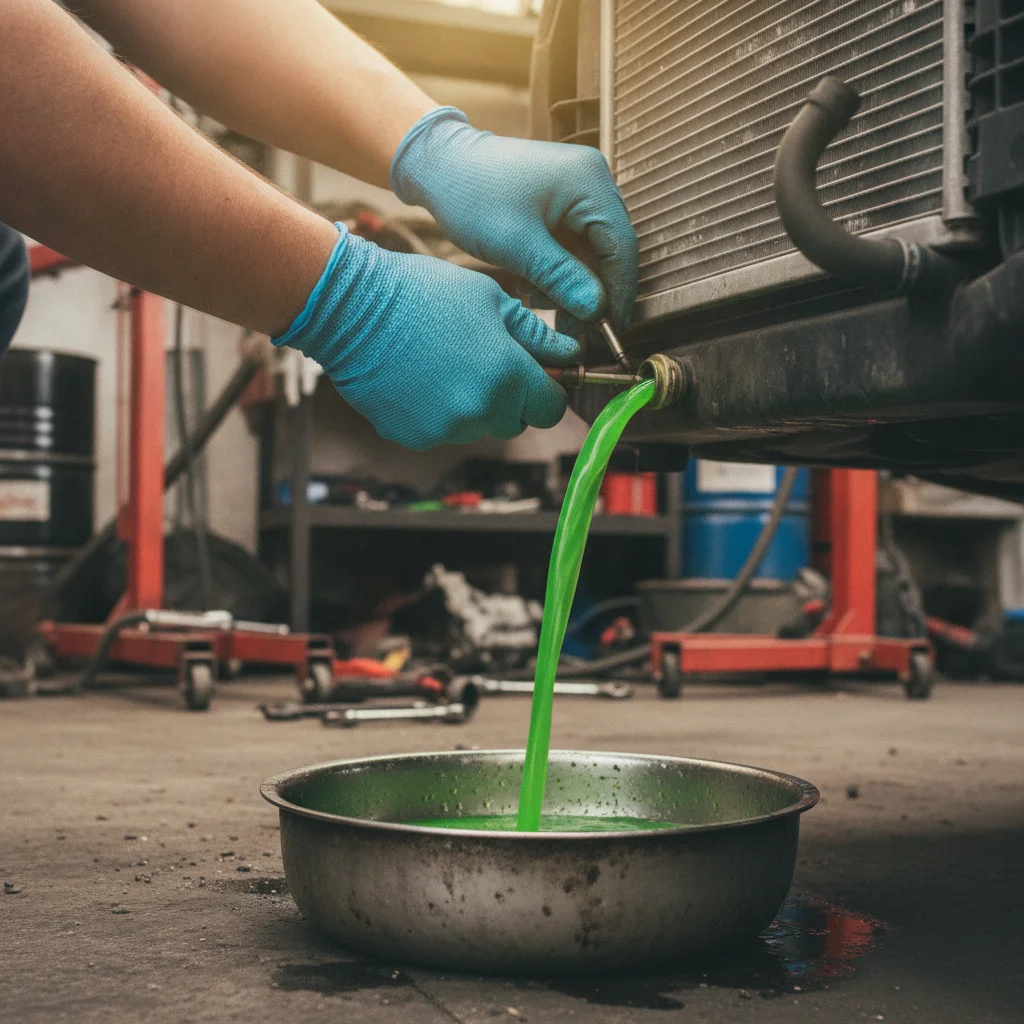
Coolant flushes accomplish more than just topping off a low level — they remove degraded fluid and restore the corrosion protection that keeps the cooling system intact.
How Often to Service EV Coolant
Service intervals vary by manufacturer, but a common benchmark is every 5 years or 150,000 miles, whichever comes first. Some automakers call for a first check at around 4 years. Tesla, for example, recommends checking coolant levels every 4 years and replacing fluid as needed. Chevrolet's guidance for the Bolt EV is similar. Always defer to your owner's manual over general rules of thumb — these intervals can differ significantly across platforms.
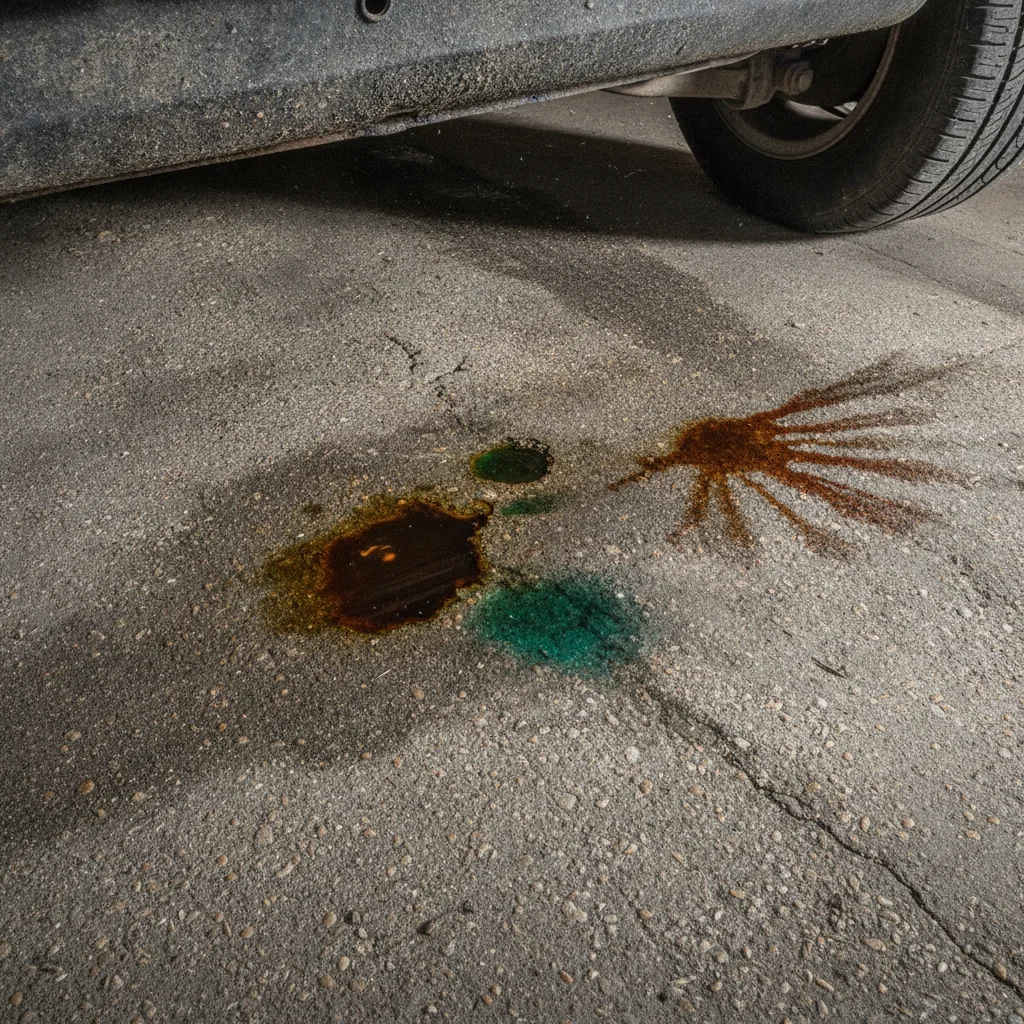
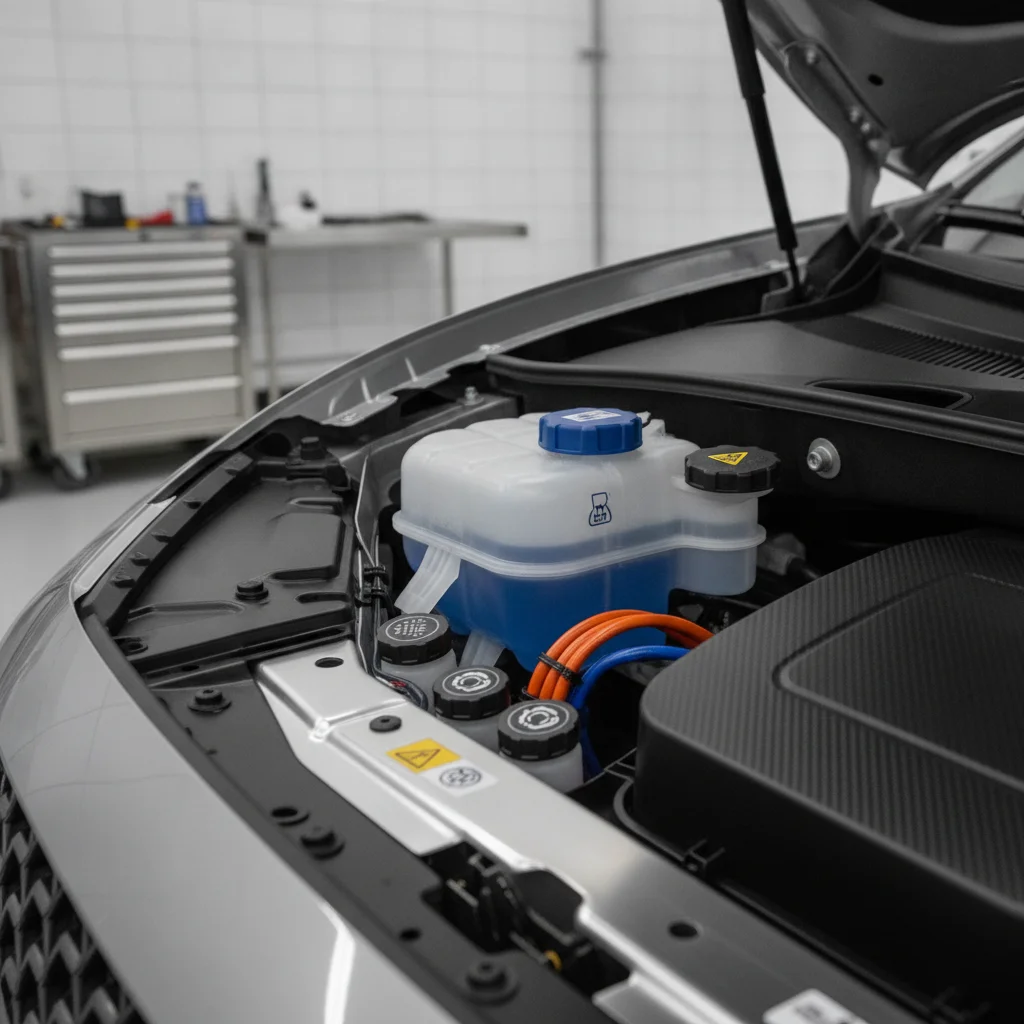
What you can check yourself: the coolant reservoir level. Most EVs have a translucent reservoir with MIN/MAX markings. If the level is low, that's a warning sign worth investigating — EV cooling systems are closed loops, so significant coolant loss usually indicates a leak, not just evaporation. See how to identify fluid leaks by color and location if you spot anything under your vehicle.
Dielectric coolant
A type of coolant that is electrically non-conductive, required in EVs because the fluid contacts high-voltage battery and power electronics components. Using a standard automotive coolant that conducts electricity in these systems can create safety hazards.
Hygroscopic
A property of fluids — including brake fluid — that causes them to absorb moisture from the surrounding air over time. This moisture absorption lowers the boiling point of brake fluid and reduces its effectiveness under hard braking.
Regenerative braking
A braking method used in EVs that converts kinetic energy back into stored electrical energy, slowing the vehicle without engaging the friction brakes. It significantly reduces friction brake wear but does not slow down brake fluid degradation.
Thermal management system
The system in an EV that regulates the temperature of the battery pack, electric motor, and power electronics. Most use liquid coolant circulated through channels and a heat exchanger to keep components within safe operating temperature ranges.
Vapor lock
A braking failure condition in which boiling brake fluid creates gas bubbles in the brake lines. Because gas compresses (while fluid does not), the brake pedal goes soft and stopping distance increases dramatically.
Corrosion inhibitors
Chemical additives in coolant that prevent oxidation and corrosion of metal surfaces within the cooling system. These inhibitors degrade over time, which is why coolant needs periodic replacement even if the fluid level remains adequate.
Brake Fluid: The Fluid That Absorbs Moisture Whether You Use It or Not
Here's the counterintuitive truth about EV brake fluid: regenerative braking actually reduces wear on your friction brakes — but it does nothing to slow down the degradation of your brake fluid. That degradation is chemical, not mechanical.
Why EVs Still Need Brake Fluid Changes
Brake fluid is hygroscopic, meaning it absorbs moisture from the surrounding air. Over time, water contamination lowers the fluid's boiling point. When you do apply the friction brakes hard — emergency stop, steep downhill — degraded fluid can boil inside the brake lines, creating vapor bubbles that compress instead of transmitting pressure. The result is a soft, spongy pedal and compromised stopping power.
In a gas vehicle, drivers typically use their friction brakes far more often, so this degradation can also be tracked by usage. In an EV, regenerative braking handles the majority of slowing — some drivers rarely use friction brakes at all. But the moisture absorption clock keeps ticking regardless. This is exactly why your EV's brake fluid still needs to be changed on schedule.
Service Intervals and What to Look For
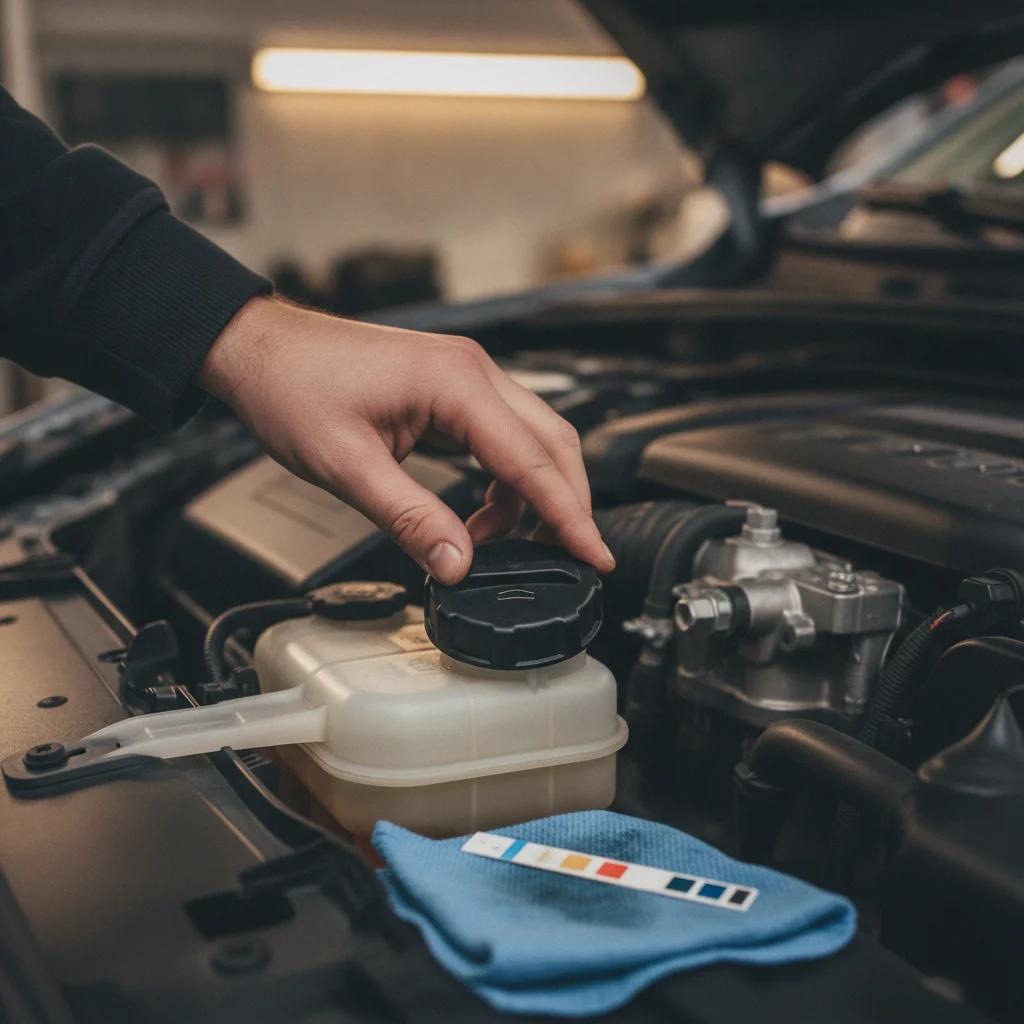
The standard recommendation across most EV manufacturers is a brake fluid inspection every 2 years, with replacement as indicated by a moisture content test. Some automakers specify replacement regardless of test results every 2–3 years. Tesla, for instance, recommends testing brake fluid for moisture content every 2 years and replacing it if moisture exceeds 3.7% by volume.
A technician can test moisture content with a simple brake fluid tester — a tool that costs under $20 at any auto parts store if you want to DIY the check. The fluid itself is inexpensive; what you're paying for at a shop is mostly labor to bleed and replace it throughout the system. Expect to pay $80–$150 at an independent shop, more at a dealership.
Don't Mix Standard and Dielectric Coolant
EV coolant circuits that run near high-voltage components require dielectric (non-conductive) coolant specifically formulated for electric drivetrains. Adding standard green or orange automotive coolant to these circuits can compromise electrical isolation and create a shock hazard. Always check your owner's manual for the exact coolant specification before topping off — or have a qualified technician handle it.
Brake Fluid Testing Is Separate From Brake Inspection
Many EV owners assume that because regenerative braking keeps their brake pads in good shape, they don't need to think about their brakes at all. Pad wear and fluid condition are completely different maintenance items. A technician can visually confirm pads are fine while your brake fluid is still dangerously moisture-saturated. Schedule them as separate checks.
A full EV maintenance schedule covers brake fluid inspections alongside other time-based service items like cabin air filters and tire rotations.
Windshield Washer Fluid: The Simple One That Still Matters
Windshield washer fluid is the least complicated of the three, but it still deserves a mention because it's one of the most commonly neglected fluids in any vehicle — EV or otherwise.
Unlike coolant or brake fluid, washer fluid doesn't degrade chemically or need a scheduled flush. The main job is to keep the reservoir full with the right formulation for your climate. Using plain water is tempting but creates two problems: it can freeze in cold climates, cracking the reservoir or clogging lines, and it doesn't clean as effectively as formulated washer fluid, which contains detergents and antifreeze agents.
What to Use and When to Top It Off
Use a washer fluid rated for the lowest temperature you're likely to encounter in your area. Most off-the-shelf products are rated to at least -20°F. Bug wash concentrates are fine for summer but may not have adequate freeze protection — switch formulations seasonally if needed.
Check the level visually or via your dashboard indicator (most EVs, like most modern vehicles, have a low-washer-fluid warning). Top it off yourself using the marked reservoir under the hood — it's an easy DIY job. For a broader look at checking and topping off all your vehicle's fluids, see this guide to topping off your own fluids.
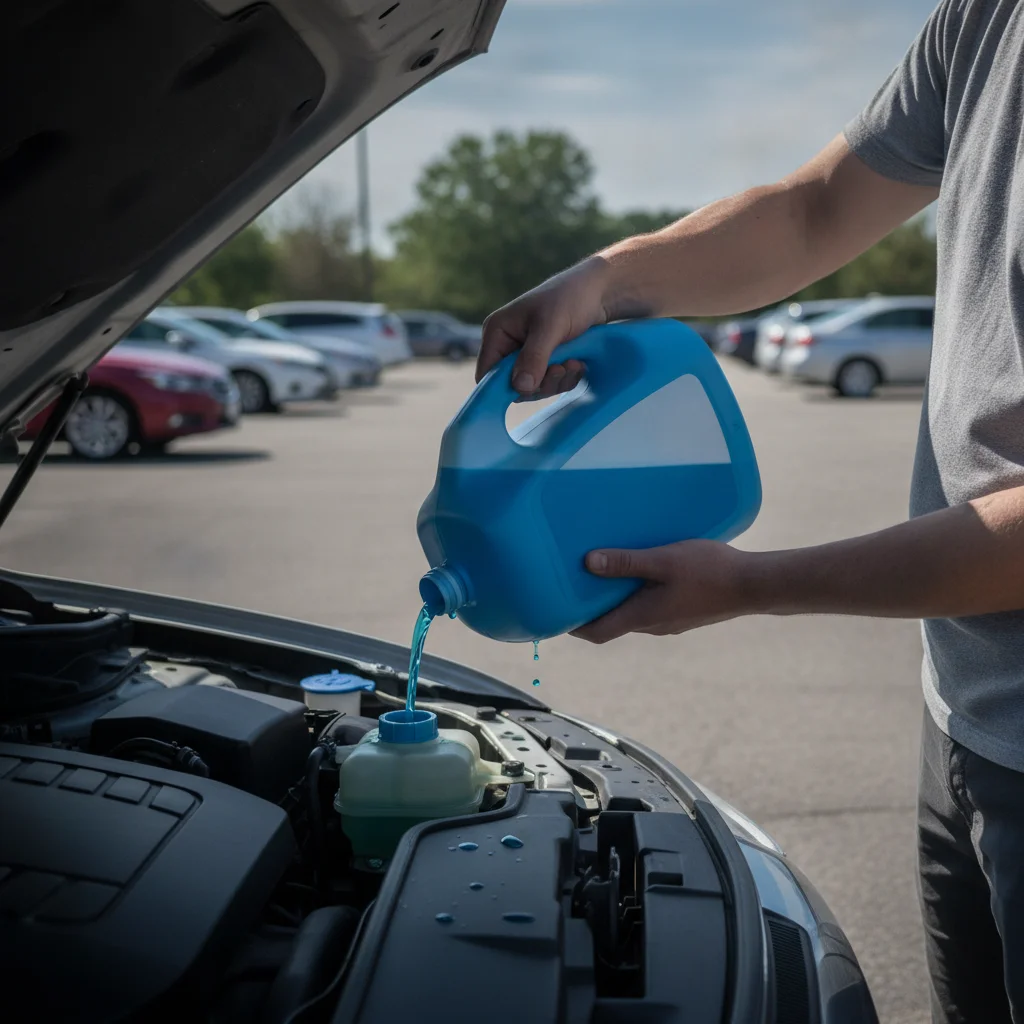
One EV-specific consideration: some electric vehicles have heated washer nozzles that prevent freeze-up at the spray point — a feature worth noting in cold climates where even properly rated fluid can freeze mid-spray in extreme temperatures.
Wiper blades pair directly with washer fluid performance — if your blades are streaking, fluid top-off alone won't fix it.
Fluid Service Summary and What It Costs
Here's a practical look at all three fluids side by side so you can plan service around a realistic ownership timeline.
| Fluid | Service Type | Typical Interval | DIY Possible? | Approximate Cost (Shop) |
|---|---|---|---|---|
| Coolant | Check level; flush & replace | Every 4–5 years or 150,000 mi | Level check: yes; flush: no | $100–$200 |
| Brake Fluid | Moisture test; flush & replace | Inspect every 2 years; replace every 2–3 years | Test: yes; full flush: difficult | $80–$150 |
| Washer Fluid | Top off as needed | No fixed interval — check monthly | Yes | Under $10 |
~$400–$700
Estimated fluid service costs over 10 years of EV ownership
Includes coolant and brake fluid flushes at typical service intervals; excludes washer fluid.
2 years
Brake fluid moisture inspection interval for most EVs
Recommended by Tesla, GM, and other major EV manufacturers regardless of friction brake usage.
3.7%
Brake fluid moisture threshold that triggers replacement
Per Tesla's published service guidelines; moisture above this level significantly lowers boiling point.
150,000 mi
Coolant replacement milestone on many EV platforms
Some manufacturers specify time (4–5 years) as the primary trigger rather than mileage alone.
The big picture: over a 10-year ownership period, an EV owner might spend roughly $400–$700 on these three fluid services combined. That's a fraction of what a gas vehicle owner would spend on oil changes alone over the same period — but it's not nothing, and it matters for both safety (brake fluid) and longevity (coolant).
For the full picture of what maintaining an EV costs and requires across its lifetime, see everything that goes into maintaining an electric vehicle over its lifetime.
EV Maintenance Schedule Reference
A complete timeline of routine EV maintenance tasks — including brake fluid and coolant checks — organized by mileage and time intervals. Useful as an ownership planning tool.
Your EV's Owner's Manual (Manufacturer Site)
The definitive source for your specific vehicle's fluid specifications and service intervals. Manufacturer portals for Tesla, Chevrolet, Ford, and Hyundai all publish digital manuals for free.
Brake Fluid Moisture Tester
A low-cost electronic or test-strip tester that measures water content in brake fluid. Available at most auto parts stores for under $20 — lets you check your own fluid before deciding whether to book a service appointment.
EV Ownership Cost Calculator
Estimate your total cost of EV ownership including maintenance, charging, insurance, and depreciation. Helps put fluid service costs in context alongside other long-term expenses.

All claims are backed by peer-reviewed research. Sources on request.