Key Takeaways
Coolant Flush
A coolant flush is a maintenance service in which old antifreeze is fully drained from the cooling system, the system is cleaned, and fresh coolant is added. Unlike a simple drain-and-refill, a flush forces new fluid through the entire system — including the radiator, hoses, water pump, and heater core — to remove built-up rust, scale, and degraded additive packages. The goal is to restore the coolant's ability to regulate engine temperature and prevent internal corrosion.
Modern coolants use organic acid technology (OAT) or hybrid OAT (HOAT) inhibitor packages that deplete over time at a predictable rate, eventually turning the fluid acidic and allowing electrochemical corrosion across dissimilar metals in the cooling system.
What Coolant Actually Does in Your Engine
Antifreeze — the liquid most people call coolant — earns that name by doing two jobs at once: it lowers the freezing point of water so the fluid won't turn solid in a Minnesota winter, and it raises the boiling point so it won't vaporize during a Phoenix summer. But temperature management is just the beginning.
Coolant circulates continuously between the engine block and the radiator, absorbing heat generated by combustion and carrying it away before it can damage pistons, cylinder walls, or gaskets. A typical gasoline engine runs best between 195°F and 220°F — coolant is what keeps it there regardless of outside conditions.
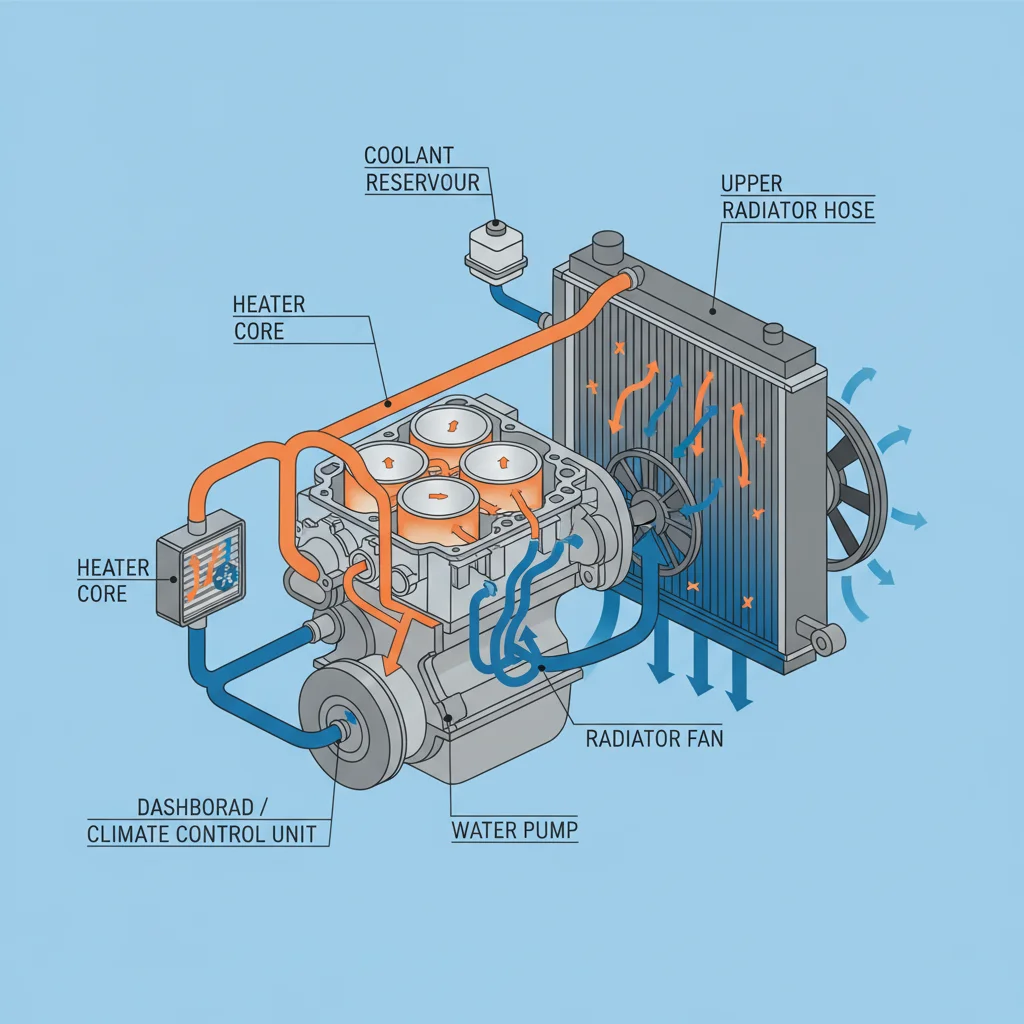
Beyond thermal regulation, modern coolant contains a carefully balanced package of corrosion inhibitors, lubricants, and buffering agents. These additives protect the cooling system's dissimilar metals — aluminum cylinder heads, cast-iron blocks, copper radiator tubes, and steel water pump housings all sitting in the same fluid. Without active inhibitors, electrochemical reactions between those metals would cause galvanic corrosion, slowly eating components from the inside out.
The heater core — the small heat exchanger that warms cabin air in winter — is particularly vulnerable. It's often made of thin aluminum or copper, and it sits at the end of the cooling circuit where pressure fluctuates. Degraded coolant can corrode the heater core until it develops pinhole leaks, which typically show up as a sweet smell in the cabin or a foggy windshield. See our guide to coolant warning signs to learn what early symptoms look like before they escalate.
Coolant and Climate: Both Extremes Matter
Most drivers think of antifreeze as a winter product, but protection from boiling is equally important. A 50/50 mix of ethylene glycol and distilled water raises the boiling point of the coolant to approximately 265°F under pressure — significantly higher than water alone. In hot climates or during heavy towing, that extra thermal margin is what stands between you and a boilover on the side of the road.
Don't Mix Coolant Types Without Checking Compatibility
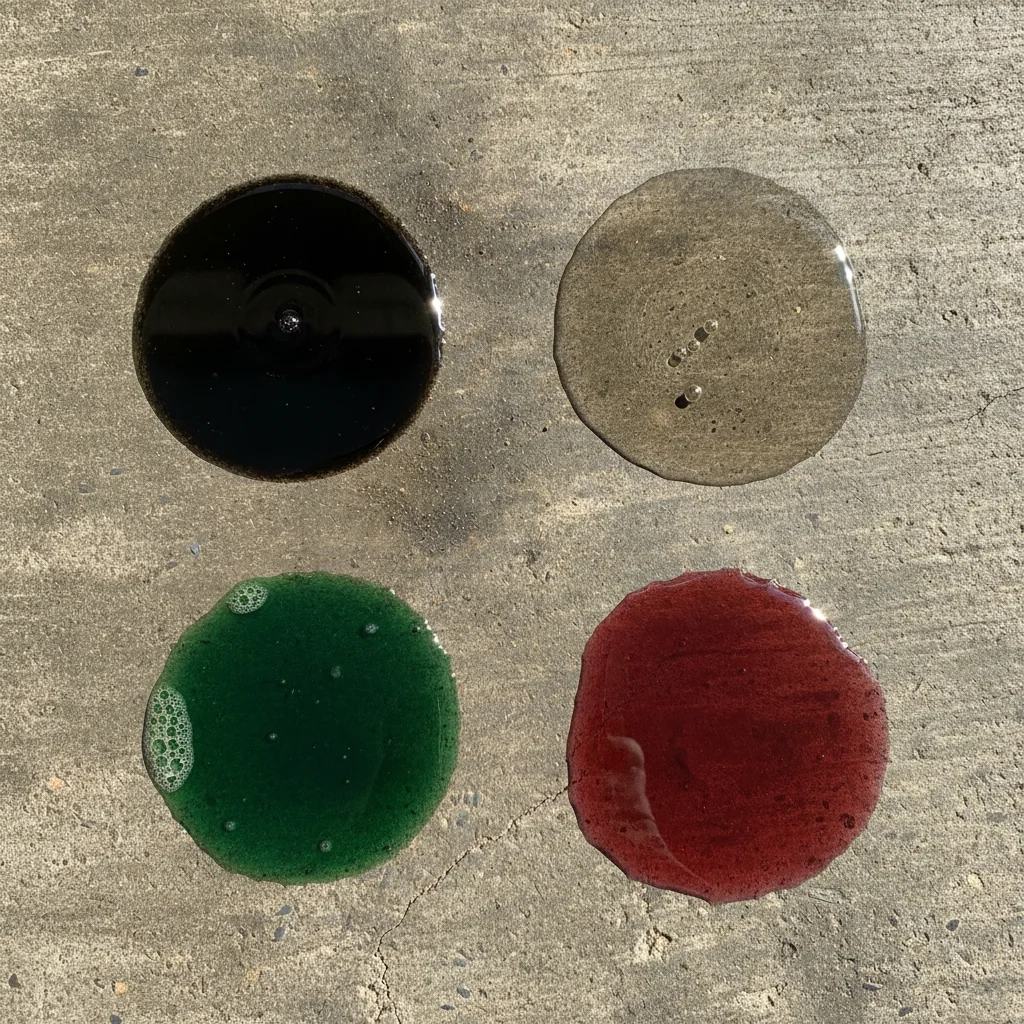
Coolant formulations — green (IAT), orange/yellow (OAT), and pink/blue (HOAT) — are not universally interchangeable. Mixing incompatible chemistries can cause inhibitor reactions that reduce protection or create deposits. If you're unsure what's in your system, use a universal-compatible coolant or do a complete flush before switching formulations. When in doubt, consult your owner's manual or the vehicle-specific guide from the coolant manufacturer.
Checking EV Coolant Intervals
Electric and plug-in hybrid vehicles often have more than one cooling circuit — battery thermal management, power electronics cooling, and sometimes a cabin heat pump circuit. Each may use different fluid types or have different service intervals. Always check the EV-specific section of your owner's manual rather than assuming a single universal schedule applies.
Why Coolant Degrades — and Why That Matters
Coolant doesn't last forever because its inhibitor package is sacrificial by design. Each time coolant circulates through a hot engine and back through the radiator, the chemical compounds that prevent corrosion are slowly consumed. Think of them the way you'd think of sunscreen: the protection is real, but it gets used up.
$1,000–$2,500
Average water pump replacement cost
RepairPal estimates water pump replacement on most passenger vehicles at $1,000 to $2,500 depending on make and model — a repair that premature coolant degradation accelerates.
50%
Of roadside breakdowns linked to cooling system
The Car Care Council estimates that cooling system failures — including overheating from degraded coolant — account for roughly 50% of non-accident-related roadside breakdowns in the U.S.
$100–$200
Typical coolant flush service cost
According to data from multiple national service chains, a professional coolant flush for most passenger vehicles falls between $100 and $200 — a fraction of the repairs neglected coolant can cause.
150,000 mi
Maximum rated life of long-life OAT coolant
GM's Dex-Cool and similar OAT-based coolants are rated by manufacturers for up to 150,000 miles at first fill, though real-world intervals under hard use often fall shorter.
As inhibitors deplete, the pH of the fluid shifts from neutral-to-alkaline (where it protects metals) toward acidic (where it corrodes them). A fresh batch of green conventional coolant typically has a pH around 8.5 to 10. Once it drops below 7 — neutral — the fluid actively attacks metal surfaces and rubber hoses rather than protecting them.
Heat cycling accelerates this process. Stop-and-go city driving, towing, or running the air conditioning hard all increase thermal stress on the coolant. So do small internal leaks of combustion gases past a deteriorating head gasket, which can contaminate and acidify the coolant rapidly.
“The cooling system is one of the most overlooked maintenance items in the industry. We see engines with significant internal corrosion that could have been avoided entirely with a $150 flush done on schedule. The coolant looks clean, the owner assumed it was fine, and by the time the water pump failed, there was scale throughout the block.”
— John Ibbotson, Chief Mechanic, Consumer Reports Auto Test Center
The end result of neglected coolant isn't always a dramatic failure. More often, it's a slow accumulation of damage: a water pump that seals sooner than it should, a radiator that develops pinhole leaks, or a thermostat that sticks. These repairs individually cost several hundred dollars each — far more than the cost of keeping coolant fresh.
Flush vs. Drain-and-Fill: Understanding the Difference
When a service writer at a shop offers a "coolant service," it's worth asking exactly what that means. There are two fundamentally different procedures, and only one of them fully resets the system.
Drain and Refill
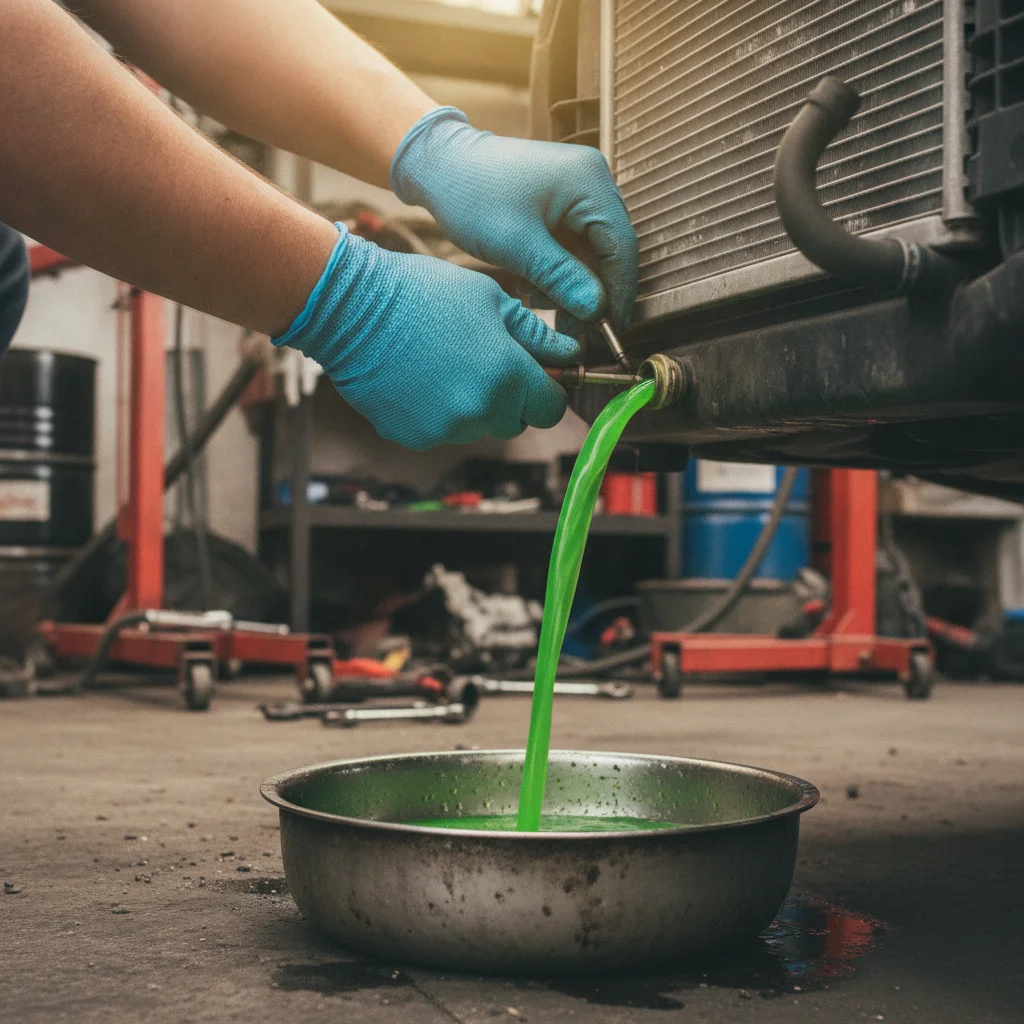
A drain-and-fill opens the radiator petcock (or lower hose), lets gravity pull out the coolant, and refills with a fresh mix. It's quick, inexpensive, and removes roughly 50 to 70 percent of the old fluid — but coolant remaining in the engine block, heater core, and hoses gets mixed with the new fluid. This dilutes the fresh inhibitor package from day one.
Coolant Flush
A flush uses a machine that connects to the cooling system and forces new coolant through under pressure, pushing old fluid out completely. Some procedures include a chemical cleaner that circulates first to dissolve scale and rust before the fresh coolant goes in. The result is a system that's as close to factory-new as possible, with full inhibitor strength throughout.
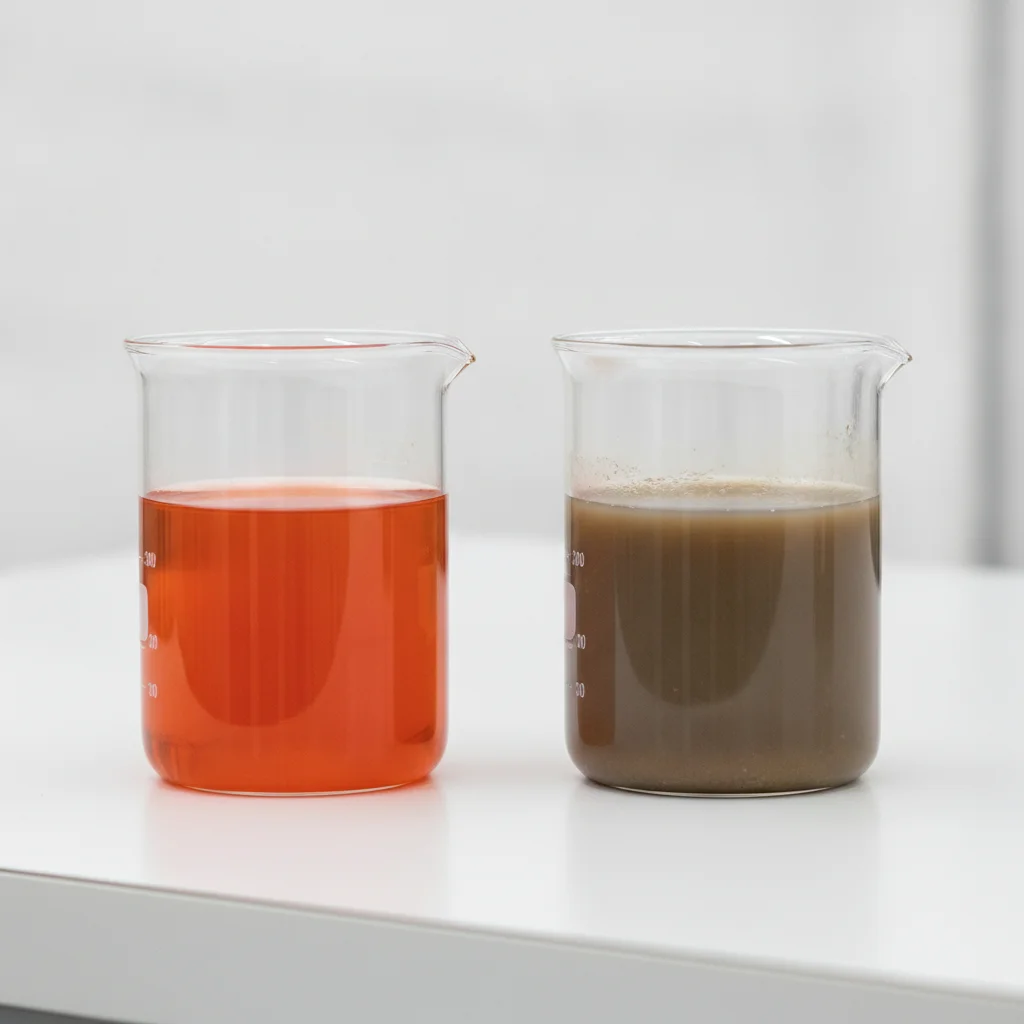
For most drivers on a routine maintenance schedule, a drain-and-fill done on time is adequate. But if the coolant is visibly discolored, shows rust flakes, has a milky appearance (a sign of oil contamination), or hasn't been serviced in many years, a full flush is the better choice.
Test Before You Assume It's Fine
Coolant test strips cost under $10 at any auto parts retailer and take about 30 seconds to use. Dip the strip in the coolant reservoir (never open the radiator cap when the engine is warm), compare it to the chart, and you'll know both the freeze protection level and whether the inhibitors are still active. It's the single most useful check you can do between service visits.
Ask for a Visual Hose Inspection Alongside Any Flush
When you bring a vehicle in for a coolant flush, ask the technician to inspect radiator and heater hoses at the same time. Hoses that have been sitting in degraded coolant may show internal delamination even if the exterior looks intact. Catching a soft or swollen hose during a scheduled service prevents a failure that could leave you stranded.
How to Read Your Coolant Flush Interval
Manufacturer-recommended intervals vary considerably depending on coolant type, and this is one area where reading the owner's manual is genuinely worth the five minutes it takes.
- Conventional green coolant (IAT — Inorganic Additive Technology): Typically needs replacement every 2 years or 30,000 miles. Common in older vehicles and many domestic cars through the early 2000s.
- OAT coolant (Organic Acid Technology): Used by GM's Dex-Cool and some imports. Rated for 5 years or 150,000 miles in factory fill, though real-world service life often falls short of that in hard-use conditions.
- HOAT coolant (Hybrid OAT): Common in European and Asian brands. Typically rated for 5 years or 50,000 miles, though many manufacturers specify shorter intervals after the first change.
- NOAT and other proprietary blends: Some manufacturers — particularly European brands — specify their own coolant chemistry. Using the wrong type can destabilize the inhibitor package and reduce protection.
Never mix different coolant types unless the product is explicitly labeled as universal. Mixing OAT with conventional green coolant, for example, causes chemical reactions that can produce silica gel deposits that clog narrow passages in the heater core and radiator.
Coolant and Climate: Both Extremes Matter
Most drivers think of antifreeze as a winter product, but protection from boiling is equally important. A 50/50 mix of ethylene glycol and distilled water raises the boiling point of the coolant to approximately 265°F under pressure — significantly higher than water alone. In hot climates or during heavy towing, that extra thermal margin is what stands between you and a boilover on the side of the road.
Don't Mix Coolant Types Without Checking Compatibility
Coolant formulations — green (IAT), orange/yellow (OAT), and pink/blue (HOAT) — are not universally interchangeable. Mixing incompatible chemistries can cause inhibitor reactions that reduce protection or create deposits. If you're unsure what's in your system, use a universal-compatible coolant or do a complete flush before switching formulations. When in doubt, consult your owner's manual or the vehicle-specific guide from the coolant manufacturer.
Checking EV Coolant Intervals
Electric and plug-in hybrid vehicles often have more than one cooling circuit — battery thermal management, power electronics cooling, and sometimes a cabin heat pump circuit. Each may use different fluid types or have different service intervals. Always check the EV-specific section of your owner's manual rather than assuming a single universal schedule applies.
If you're unsure what's in your system, a shop can test a sample, or you can buy test strips at any auto parts store. Strips check both freeze protection and inhibitor strength — the two things that actually tell you whether the fluid is still doing its job.
Warning Signs That Your Coolant Is Overdue
Service intervals are a useful framework, but your car will often signal coolant trouble before the calendar says it's time. Recognizing these signs early can prevent a minor maintenance need from becoming a major repair.
Beyond visible and sensory cues, a temperature gauge that runs warmer than usual — or swings unpredictably — is a reliable indicator that something in the cooling system is stressed. Don't wait for the gauge to hit red. By the time a temperature warning light illuminates, your engine may already be operating above its design limits.
For a full list of symptoms tied to specific failure modes, our article on coolant warning signs before your engine overheats breaks down what each symptom typically means and how urgent it is.
Test Before You Assume It's Fine
Coolant test strips cost under $10 at any auto parts retailer and take about 30 seconds to use. Dip the strip in the coolant reservoir (never open the radiator cap when the engine is warm), compare it to the chart, and you'll know both the freeze protection level and whether the inhibitors are still active. It's the single most useful check you can do between service visits.
Ask for a Visual Hose Inspection Alongside Any Flush
When you bring a vehicle in for a coolant flush, ask the technician to inspect radiator and heater hoses at the same time. Hoses that have been sitting in degraded coolant may show internal delamination even if the exterior looks intact. Catching a soft or swollen hose during a scheduled service prevents a failure that could leave you stranded.
What to Expect at the Shop — and What It Costs
A coolant flush at an independent shop or dealership service department typically runs between $100 and $200 for most passenger vehicles. Dealerships may charge on the higher end, particularly for vehicles with proprietary coolant formulations. The service usually takes under an hour.
The price includes labor, the new coolant (which is often sold as concentrate mixed 50/50 with distilled water), and disposal of the old fluid — which is regulated as hazardous waste in most states and can't be poured down a drain.
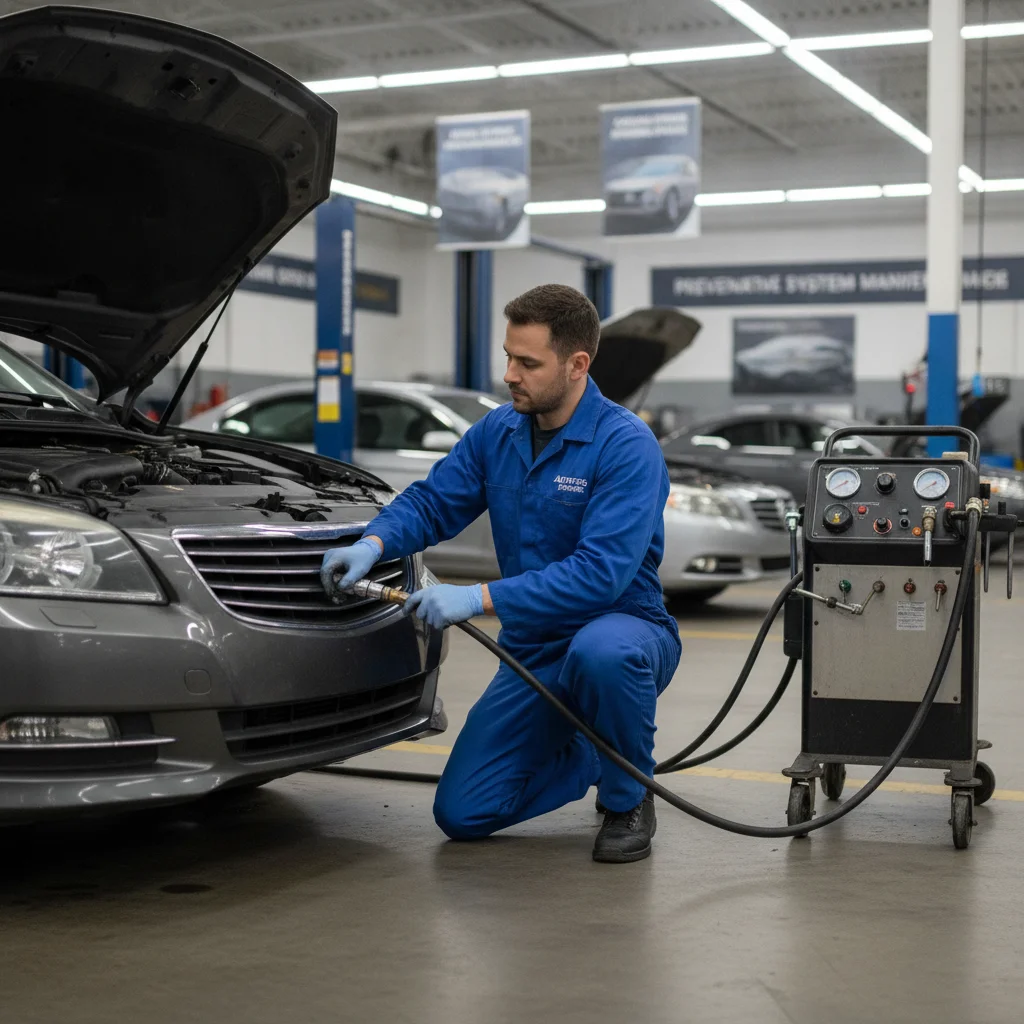
If a shop quotes significantly more, ask for an itemized breakdown. Some service advisors bundle coolant flushes with other system inspections — hose condition, pressure testing for leaks, thermostat check — which can add legitimate value. Others upsell unnecessary additives. A visual inspection of hoses and clamps during a coolant service is reasonable; an $80 "system conditioner" on top of fresh OAT coolant usually isn't.
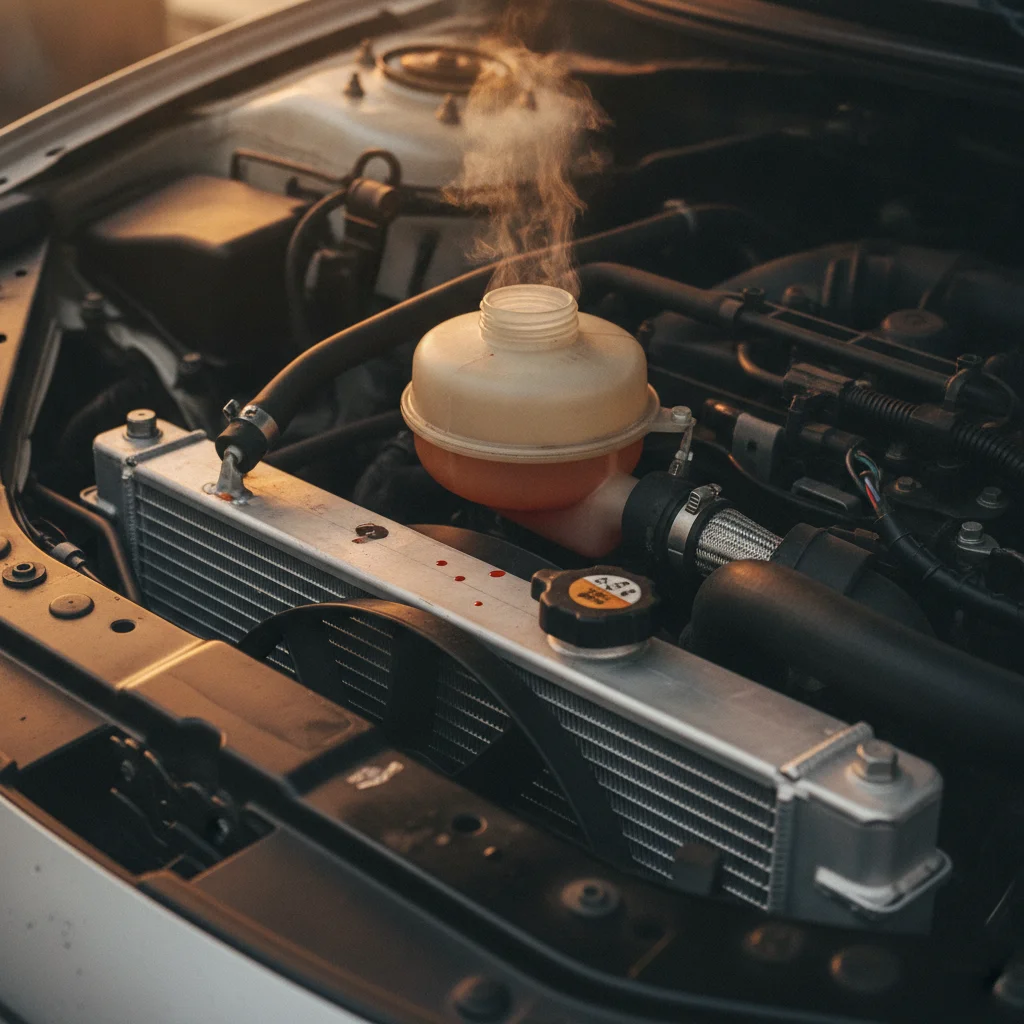
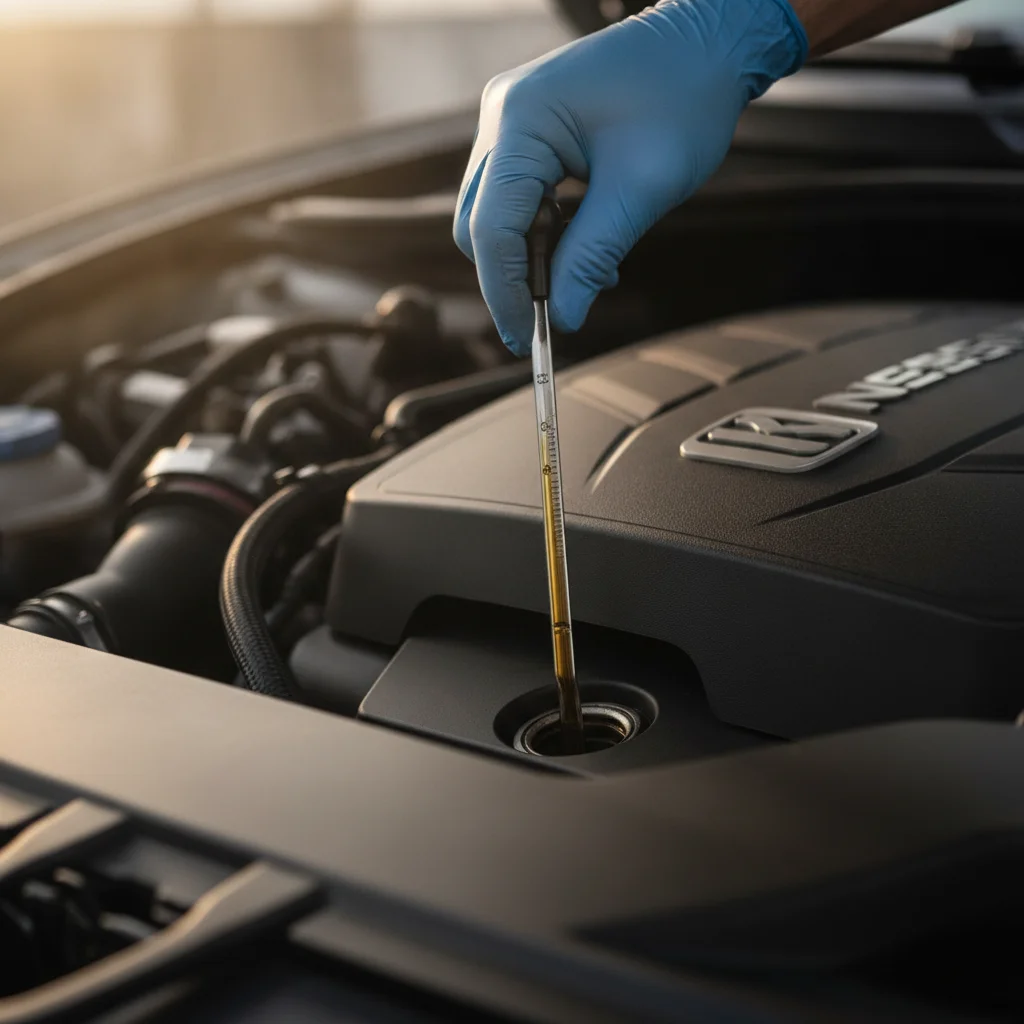
Between professional services, you can keep tabs on the system yourself. Check the coolant reservoir (the translucent plastic tank under the hood) monthly to confirm the level is between the MIN and MAX marks. Our guide to fluid checks every driver should do between service visits walks through the entire underhood inspection routine in plain terms.
If the level is consistently dropping, that's worth investigating — see our guide to identifying fluid leaks by color and smell to determine whether you're looking at a coolant leak specifically.
Coolant Maintenance in Electric Vehicles
EV owners sometimes assume they can skip coolant entirely — after all, there's no combustion engine to overheat. That assumption is incorrect. Battery-electric vehicles use liquid cooling circuits to keep the battery pack, power inverter, and onboard charger within safe operating temperatures. Overheating a lithium-ion battery pack degrades its chemistry far faster than normal cycling and can permanently reduce range.
The coolant used in EV thermal management systems is typically a similar water-glycol mix to what's found in gas vehicles, though some manufacturers specify dielectric (non-conductive) formulations to prevent electrical hazards if there's an internal leak near high-voltage components. Service intervals vary by manufacturer but are real — Tesla, GM, Hyundai, and others all specify coolant service at defined mileage or time intervals.
For a more detailed breakdown of which fluids your EV actually uses and when they need attention, see Coolant, Brake Fluid, and Windshield Washer: The Fluids Your EV Still Uses.
If you drive a plug-in hybrid, you may have two separate cooling circuits — one for the engine and one for the battery — each with its own fluid type and service interval. Check the owner's manual for both.
Building Coolant Maintenance Into Your Ownership Routine
The simplest way to stay on top of coolant is to tie it to other maintenance milestones you're already tracking. If you follow a 30,000-mile interval for transmission fluid or spark plugs, ask the shop to check coolant condition at the same visit — test strips take two minutes and add nothing to the labor bill.
Keeping a basic maintenance log — even a notes app on your phone — removes the guesswork about when fluid was last changed. Record the date, mileage, and what type of coolant was used. That last detail matters more than most owners realize: if you switch coolant brands or types without verifying compatibility, you can undermine the protection of a fresh flush.
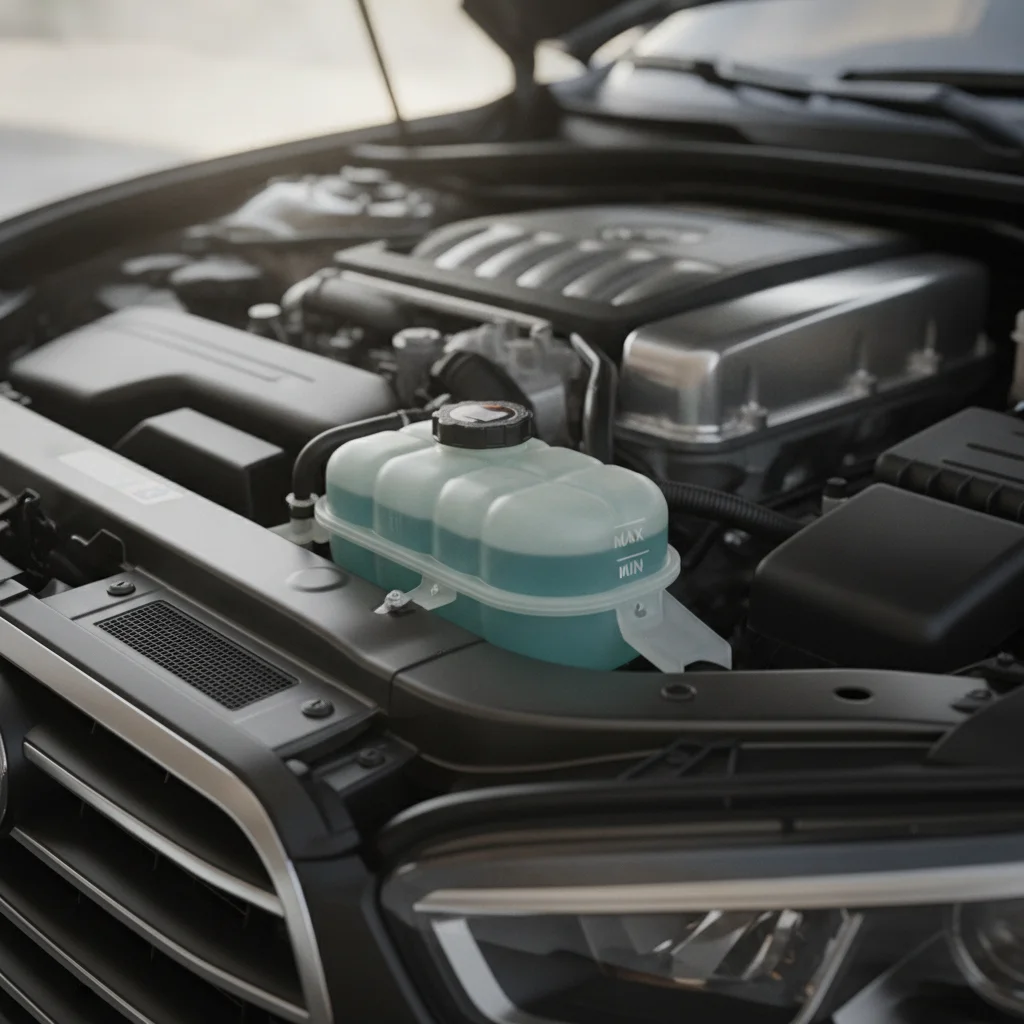
For drivers who want to handle more maintenance themselves, topping off the coolant reservoir between services is a straightforward task that requires no tools and takes under five minutes. Our guide to topping off your own fluids covers the process safely, including how to mix concentrate correctly and why distilled water is preferable to tap water.
A coolant flush isn't the most dramatic maintenance item on the service schedule. It won't generate the same urgency as a brake job or a check-engine light. But its effects — a water pump that lasts its full service life, a heater core that doesn't spring a leak in February, an engine that holds temperature reliably for 200,000 miles — are exactly the kind of outcomes that separate cars that age well from those that don't.

All claims are backed by peer-reviewed research. Sources on request.