Key Takeaways
How the EPA Arrives at That Number on the Window Sticker
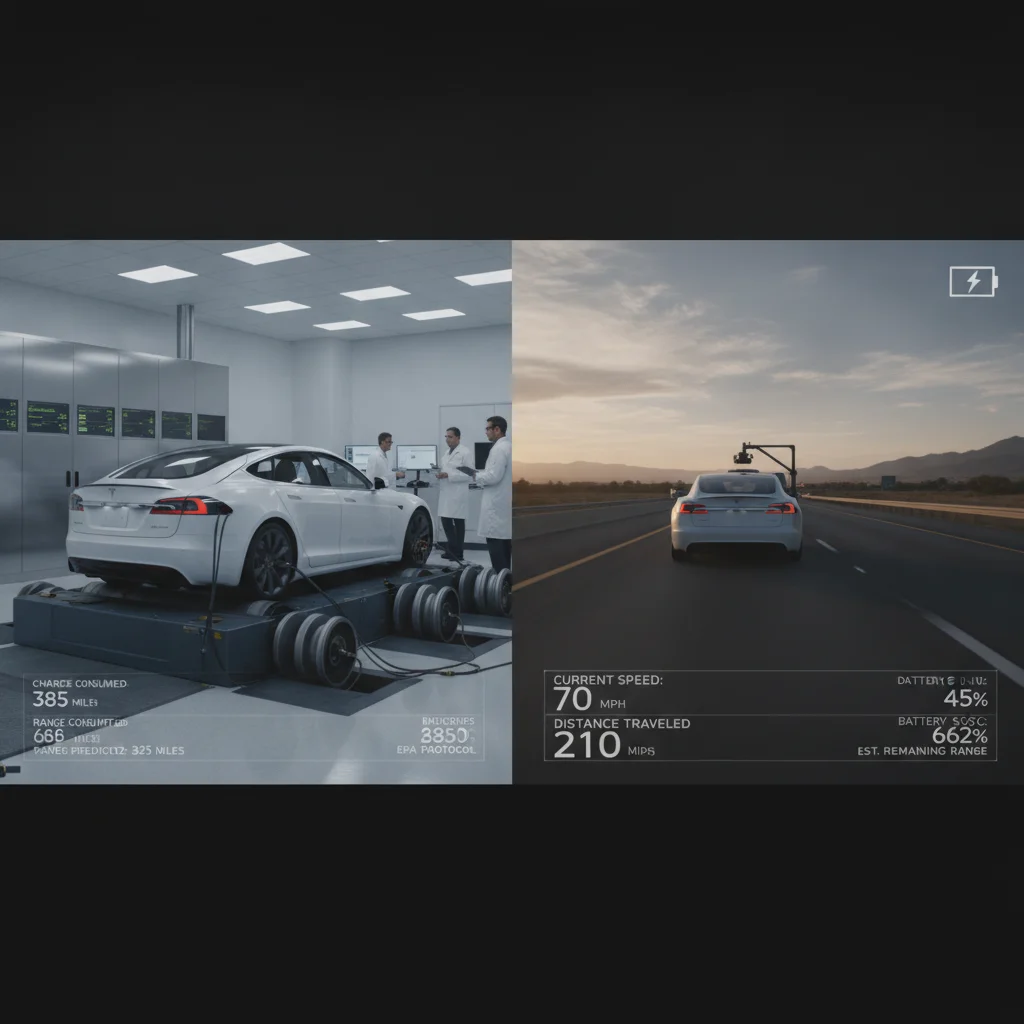
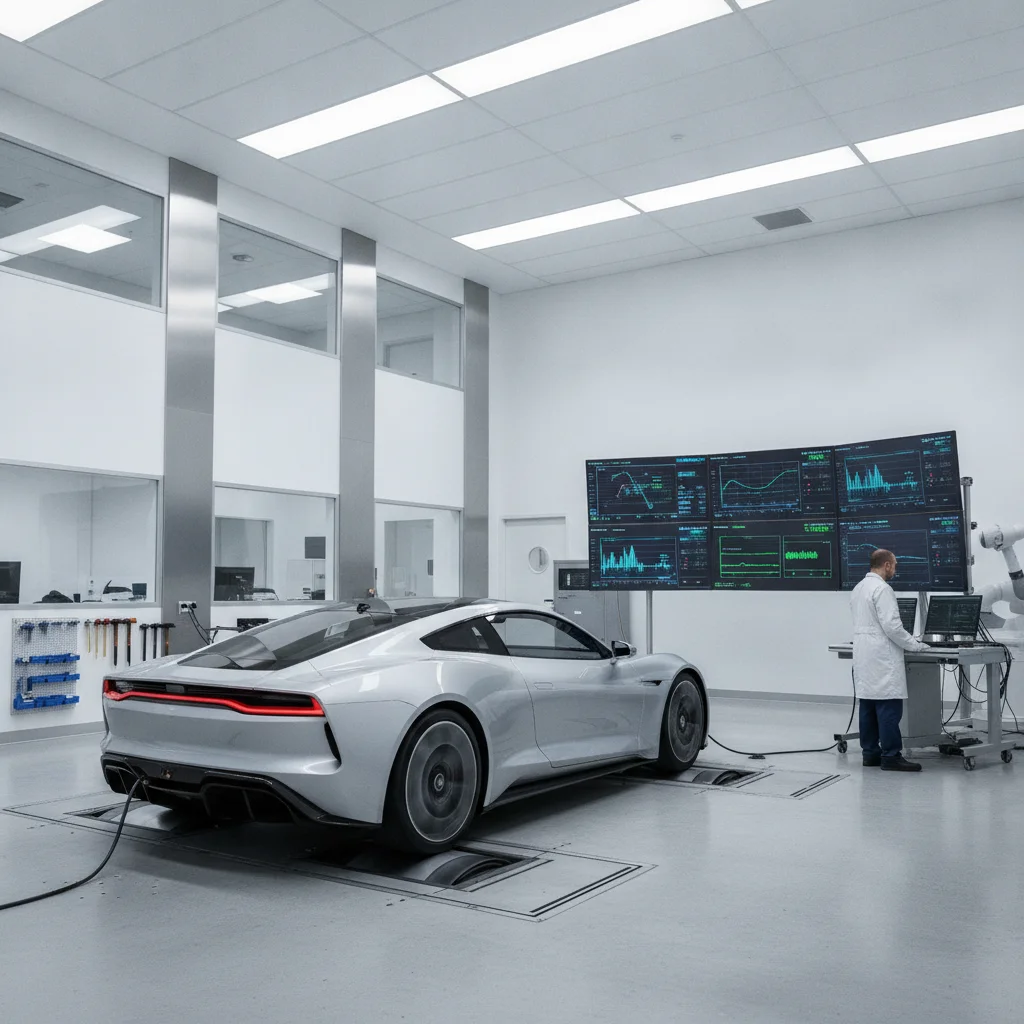
The EPA range figure stamped on every new EV window sticker is the product of a controlled laboratory test, not a road trip. The agency uses a standardized drive cycle — primarily the five-cycle methodology — conducted on a dynamometer, with the vehicle at a stable temperature, no wind resistance, and no passengers or cargo. The result is a figure that tells you how far the car could travel under near-perfect conditions, then adjusted downward by a correction factor to account for real-world variability.
That adjustment factor, however, was designed for gasoline vehicles and has only been partially adapted for EVs. The EPA itself acknowledges the ratings are approximations. What the window sticker cannot capture is the compounding effect of variables that exist simultaneously in real life: cold air, a loaded trunk, sustained highway speeds, and a blasting heater running all at once.
For a straight apples-to-apples comparison between models, the EPA number is still useful. But as a predictive tool for your commute? It routinely overshoots reality. Third-party range tests from organizations like Edmunds consistently land 10–20% below EPA figures in real-world conditions.
Understanding this gap before you buy is not a reason to avoid EVs — it's a reason to make smarter purchase decisions based on accurate expectations.
The Mistakes EV Shoppers Make Around Range Estimates
Most buyers walk into an EV purchase treating the EPA number like a guaranteed minimum. It isn't. Below are the most consequential errors people make — and the straightforward fixes that change the math in your favor.
Treating the EPA range number as the guaranteed minimum you'll always achieve.
Why it happens: Window stickers are prominent and authoritative-looking, and dealerships rarely volunteer the fact that the figure comes from a lab test with conditions that don't match real driving.
Ignoring the impact of sustained highway speeds on range — especially on road trips.
Why it happens: Most buyers think highway driving is more efficient because you're maintaining steady speed. That's true for gas vehicles, but EVs face steep aerodynamic drag penalties at speeds above 65 mph that wipe out the efficiency advantage of steady throttle.
Underestimating cold-weather range loss when buying in spring or summer.
Why it happens: Buyers test-drive and purchase EVs in mild weather, then experience their first winter with significantly reduced range — which feels like a malfunction rather than a predictable physical reality.
Failing to account for HVAC energy consumption as a genuine range factor.
Why it happens: Gas car owners are accustomed to 'free' cabin heat from engine waste heat. Switching to an EV, many buyers don't initially realize that heating and air conditioning draw directly and significantly from the battery pack.
Not factoring in cargo, passengers, and towing when evaluating whether an EV's range is sufficient.
Why it happens: Range comparisons are almost always done at zero load. Buyers who routinely carry gear, transport passengers, or tow trailers are working from a range figure that was never relevant to their use case.
Assuming a larger battery pack automatically solves the real-world range gap.
Why it happens: Bigger battery equals more range seems like straightforward logic, and it is — up to a point. What buyers miss is that a heavier, larger-battery vehicle driven inefficiently (high speeds, heavy load, cold weather) can underperform a smaller-pack vehicle driven thoughtfully.
Don't Size Your EV Range to Your Best-Case Day
Buyers frequently evaluate range adequacy based on their average daily commute in mild weather with minimal cargo. The vehicle needs to work on your hardest day — a cold February morning after a week of partial charges, with gear in the back and a highway leg in the mix. Build your range buffer around realistic worst-case scenarios, not optimal ones.
Public Charging Costs Rise When Efficiency Falls
If your EV is consuming more energy per mile than the EPA projects — which it will in cold weather or at highway speeds — and you're charging on a public network priced per kWh, your cost-per-mile rises accordingly. Budget for this variability, especially if you rely on DC fast charging for a meaningful portion of your charging needs.
Speed, Weight, and Weather: The Three Biggest Real-World Variables
These three factors deserve their own section because they operate differently from what most buyers expect, and because they interact with each other in ways that can stack losses quickly.
~20%
Average EPA range overstatement vs. real-world
Edmunds' real-world EV range testing consistently finds vehicles averaging 10–20% below their EPA-rated figures across diverse driving conditions.
Up to 41%
Range reduction in cold weather
AAA testing found EV range dropped an average of 41% when ambient temperature fell to 20°F with the cabin heater running.
50%+
Range reduction while towing
Multiple manufacturers, including Ford and Rivian, report real-world towing range at roughly 50% or less of the rated highway range.
30–40%
Energy penalty at 80 mph vs. 65 mph
Physics-based modeling and real-world data confirm aerodynamic drag roughly doubles between 65 and 80 mph, translating to a 30–40% efficiency penalty per mile.
70%
Battery capacity retained after 8 years
Most major EV manufacturers warranty their battery packs to retain at least 70% of original capacity over 8 years or 100,000 miles — a legally binding floor, not an average.
Speed
Aerodynamic drag increases with the square of velocity. That's physics, not a marketing caveat. Going from 65 mph to 80 mph doesn't cost you 23% more energy — it costs closer to 40–50% more per mile. Most EPA testing cycles spend meaningful time at speeds well below highway cruising. This is the single easiest factor to control: slow down even slightly on long trips and watch your real-world range recover noticeably.
Temperature
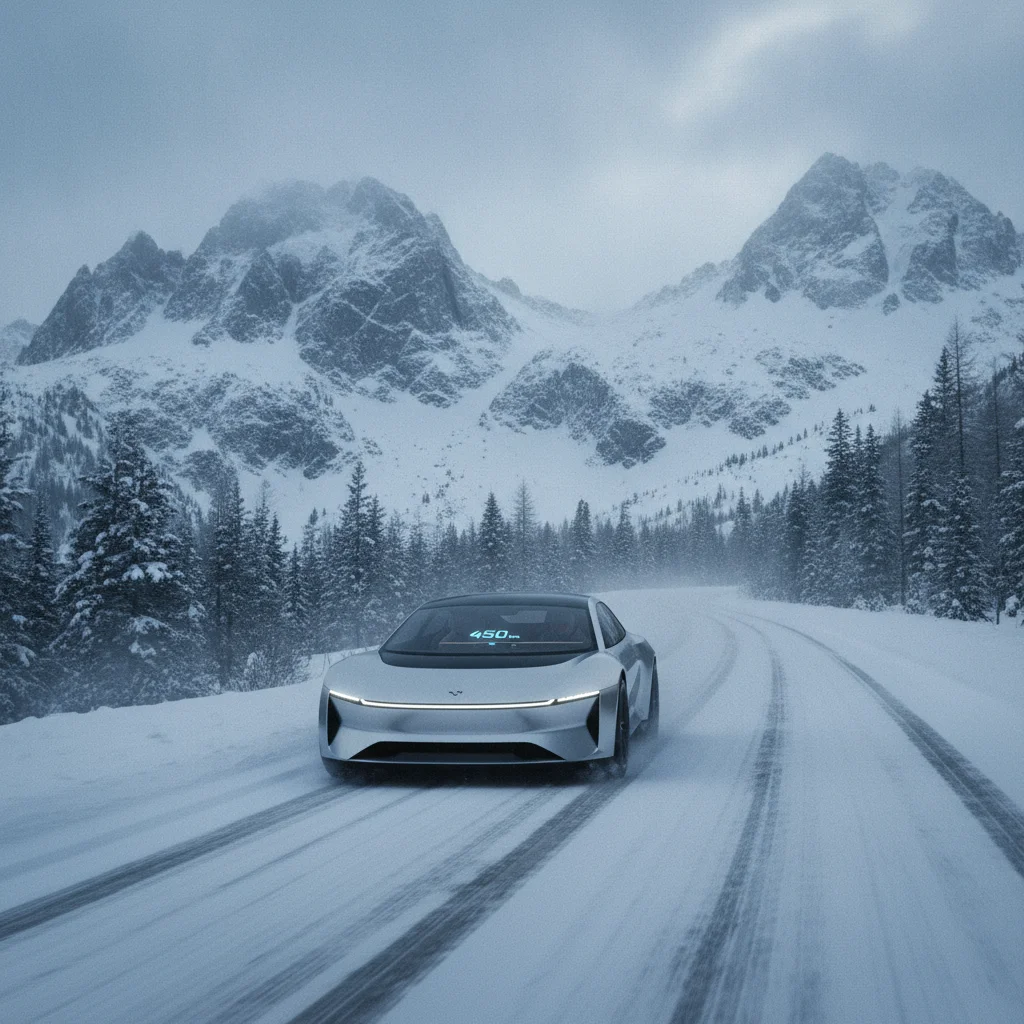
Cold weather attacks EV range from two directions simultaneously. First, lithium-ion battery chemistry slows down in the cold, reducing the amount of charge the cells can efficiently deliver. Second, because EVs don't have a gasoline engine generating waste heat, cabin warming draws directly from the battery pack. A 20°F morning commute can cost you 30–40% of rated range before you've gone a mile. Temperature ranks as the top range-reduction factor across every credible independent study.
Cargo and Passengers
EVs are heavier than equivalent gas vehicles because of battery mass. Adding passengers, cargo, or a roof rack amplifies the energy-per-mile cost. Towing compounds this effect dramatically — most manufacturers will tell you that towing cuts EPA range by 50% or more, and real-world data frequently confirms this. Battery capacity doesn't offset poor efficiency when you're hauling a loaded trailer up a grade.
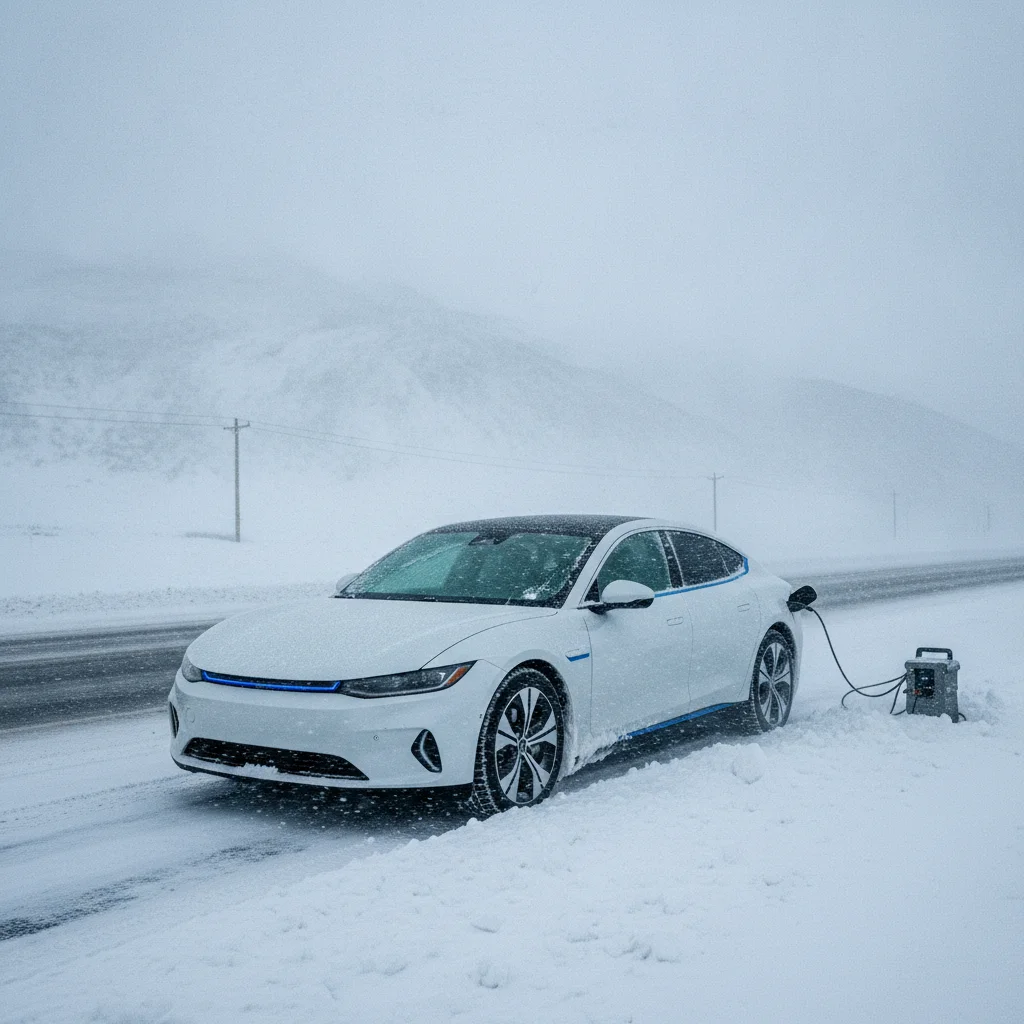
The practical takeaway: if you're buying an EV partly for road trips or towing, build your range buffer around worst-case scenarios, not best-case EPA numbers.
Cold Weather + Highway Speed Is a Compounding Problem
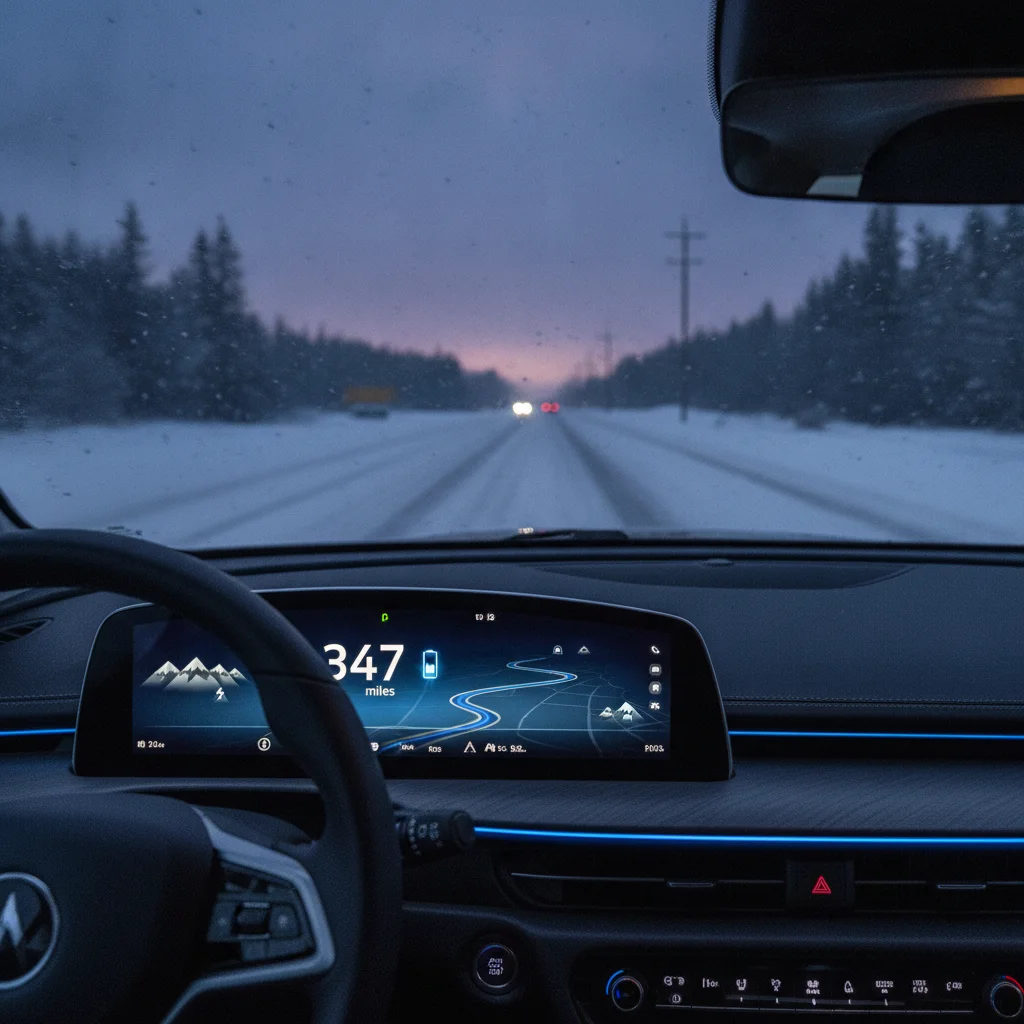
These two range-killers don't add — they multiply. A winter road trip at 75 mph with the heater running can cut your effective range to 50–55% of the EPA figure. If you live in a cold climate and do regular highway driving, the practical range of your EV may be dramatically lower than what you see on the window sticker. Plan charging stops accordingly and never rely on arriving at a charger with less than 15–20% battery remaining.
What Smart Buyers Do Before Signing
There's a simple mental model worth adopting before you finalize any EV purchase: take the EPA rating and multiply by 0.75. That's your conservative real-world daily estimate under mixed conditions. If that number comfortably covers your typical day — commute, errands, occasional highway driving — you're in good shape. If it's marginal, size up the battery pack or reconsider the model.
Beyond that back-of-envelope calculation, a few steps make a material difference:
- Cross-reference third-party tests. Edmunds, Consumer Reports, and the ADAC (for European models) all publish real-world range figures. These are closer to what you'll actually experience than the EPA number. Run through a pre-purchase range checklist before committing.
- Factor in your climate. If you live somewhere with regular sub-freezing winters, the cold-weather penalty is unavoidable. Models with heat pump HVAC systems handle this meaningfully better than resistive-heat-only systems — ask specifically which the vehicle uses.
- Understand charging speed alongside range. A shorter-range EV with very fast DC charging can be more practical for road trips than a longer-range EV with slower charging. Range and charging speed work together. A data-driven range reference can help you compare these tradeoffs across models.
- Check for software update history. Some manufacturers recalibrate range estimates and efficiency through over-the-air updates. Software updates can improve estimates — but only within limits.
The goal isn't to talk yourself out of an EV. It's to buy the right one for your actual life, not the life the EPA test cycle models.
How Range Loss Affects More Than Just Driving Distance
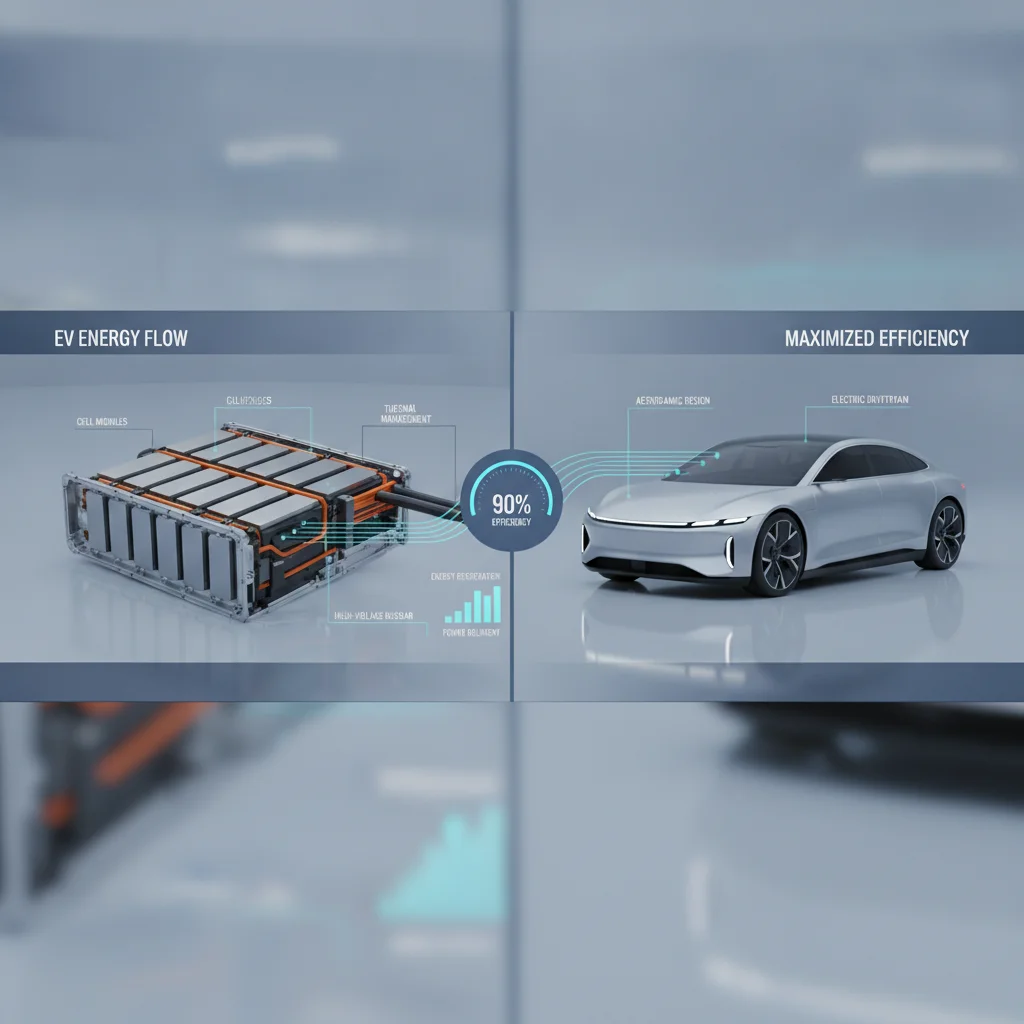
There's a downstream financial consequence to real-world range loss that rarely gets discussed in the sales process: when your EV travels fewer miles per kilowatt-hour than the EPA projects, your effective cost per mile goes up — even if your electricity rate stays the same. Efficiency loss directly affects what you pay per mile, particularly if you're relying on public DC fast chargers priced per minute or per kWh at premium rates.
Insurance is a related wrinkle worth mentioning. EVs generally carry higher repair costs than equivalent gas vehicles — partly due to battery-related complexity — and premiums reflect that. EV insurance works differently from standard auto coverage, and it's worth getting quotes before purchase rather than after.
Finally, understand that battery capacity degrades over time. Most manufacturers warrant the battery to retain 70% of its original capacity for 8 years or 100,000 miles. If you buy a used EV with 60,000 miles on it, your EPA range estimate at purchase may already be 10–15% below the original sticker. Range myths around battery degradation can cause buyers to overestimate how much usable range they're actually purchasing.
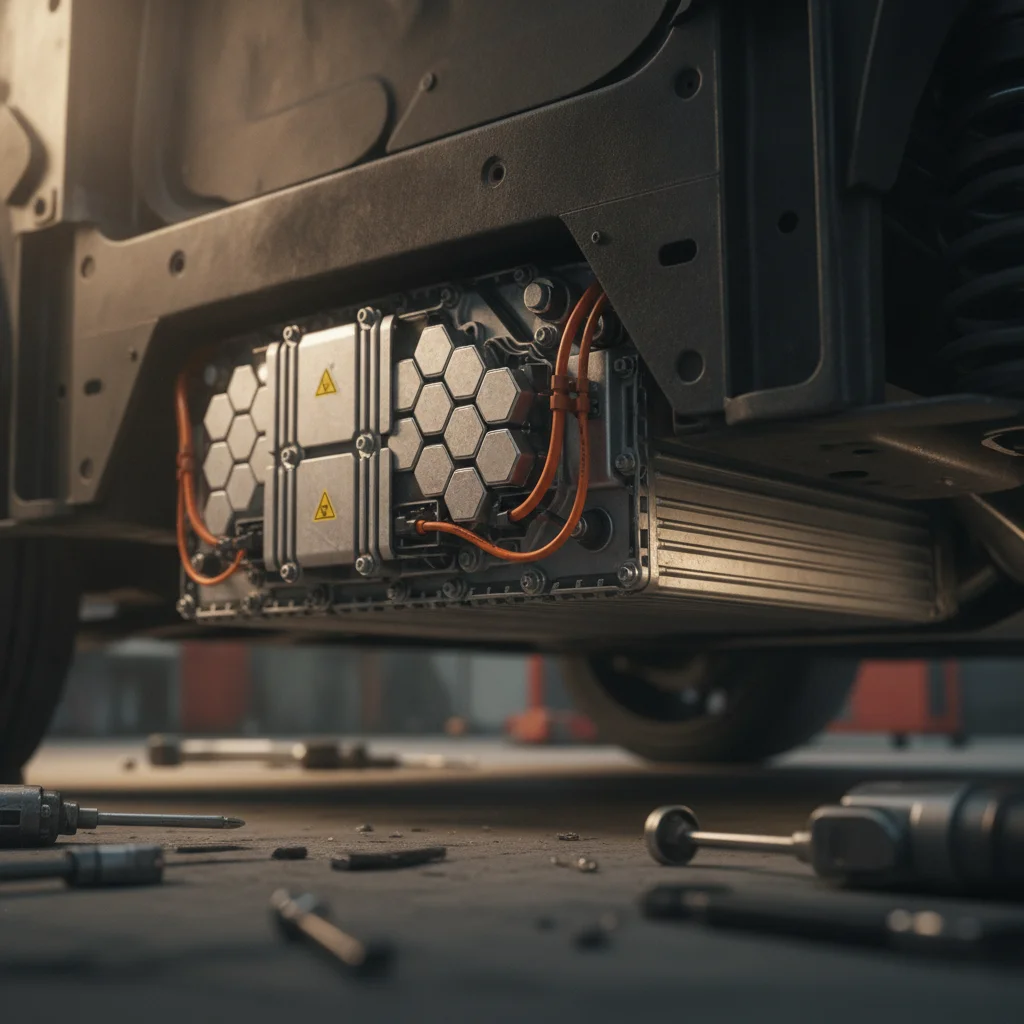
Range loss isn't just an inconvenience — it compounds across your total cost of ownership. Getting the math right upfront protects your budget as well as your driving experience.
The Bottom Line on EV Range Ratings
The EPA range figure is a standardized comparison tool, not a promise. Every EV on the market today will underperform its rated range under real-world conditions to some degree — the only questions are by how much, and whether that gap matters for how you actually drive.
Range anxiety and real range loss are related but distinct problems. Anxiety is often about fear of the unknown; real range loss is about physics and chemistry that can be anticipated and planned for. Once you understand the variables — speed, temperature, load, HVAC use, and battery age — you can shop with genuine confidence rather than relying on a number that was never designed to represent your daily commute.
The buyers who end up most satisfied with their EVs are the ones who did the honest math before signing the paperwork, not after. Use the EPA figure as a starting point, discount it appropriately for your conditions, and buy accordingly.

All claims are backed by peer-reviewed research. Sources on request.