| Total US public charging ports | 180,000+ (US DOE Alternative Fuels Station Locator, early 2025) |
| California's share of national ports | ~30% (AFDC data, 2024) |
| NEVI program total funding | $5 billion over 5 years (Infrastructure Investment and Jobs Act, 2021) |
| NEVI highway coverage target | 75,000 miles of corridor (Federal Highway Administration) |
| Required charger spacing under NEVI | Every 50 miles on corridors (FHWA NEVI Formula Program rules) |
| Cold weather range reduction | 20–40% (AAA EV range testing, multiple model years) |
| State NEVI plans approved | All 50 states + DC + territories (FHWA, mid-2023) |
| Utility interconnection timeline | 12–36 months (rural markets) (Industry estimates, NEVI implementation reports) |
Why Charging Coverage Still Varies So Dramatically by State
As of early 2025, the United States has surpassed 180,000 public EV charging ports — a number that sounds impressive until you map them. The distribution is anything but even. California alone accounts for roughly 30% of all public charging ports nationally, while a handful of states in the Great Plains and Deep South host fewer stations than a mid-sized suburb of Denver. For a road tripper or a rural commuter, that imbalance is the difference between a routine drive and a logistical puzzle.
Several forces shape this uneven landscape. Population density is the obvious driver — networks follow customers — but state-level policy, utility cooperation, available federal funding uptake, and terrain all play roles. The NEVI Formula Program, funded through the 2021 Infrastructure Investment and Jobs Act, is injecting $5 billion into corridor charging over five years, yet implementation speed varies by state. Some states submitted and received approval for their NEVI plans quickly; others are still working through permitting and utility coordination years later.
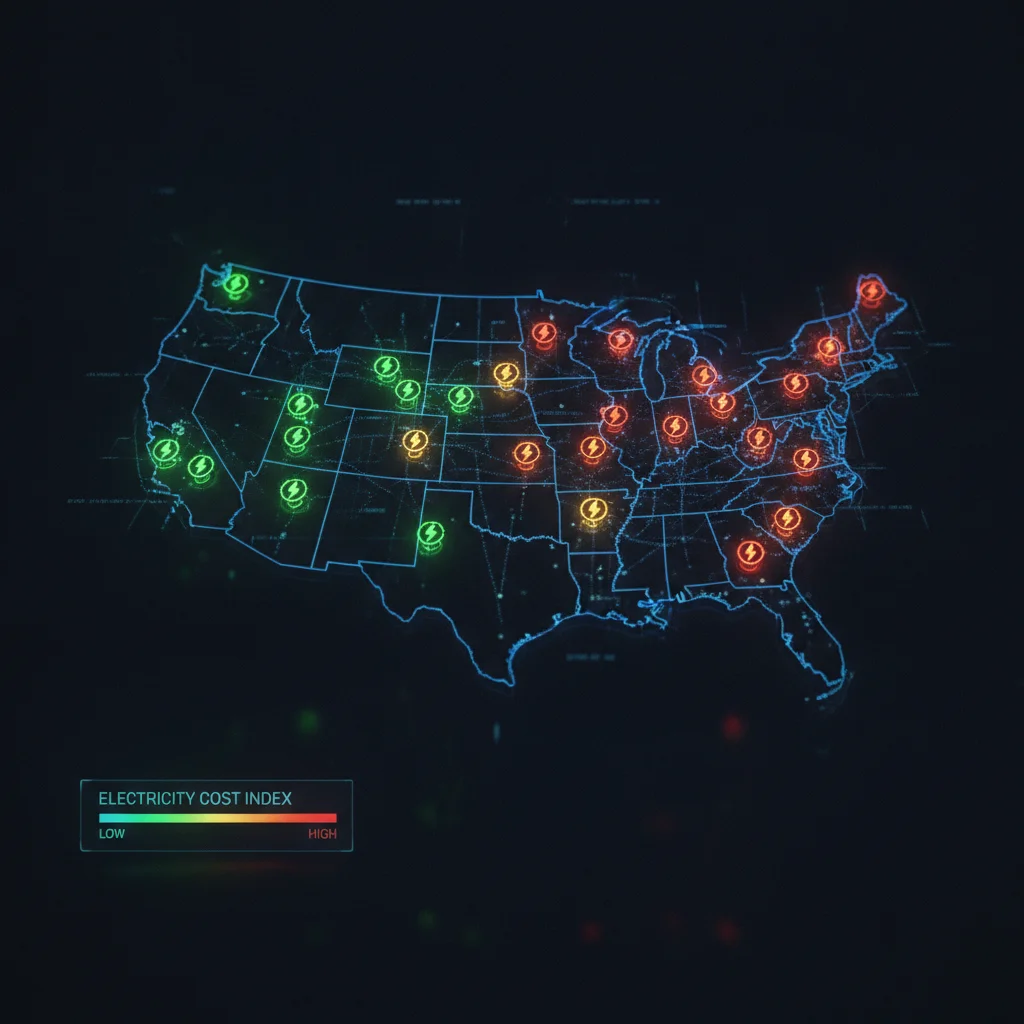
Understanding the coverage map matters because it directly affects both the practicality and the cost of EV ownership. See our state-by-state look at EV charging costs for a breakdown of how location affects your monthly charging bill — because states with fewer public stations often push drivers toward costlier or less convenient alternatives.
| Total US public charging ports | 180,000+ (US DOE Alternative Fuels Station Locator, early 2025) |
| California's share of national ports | ~30% (AFDC data, 2024) |
| NEVI program total funding | $5 billion over 5 years (Infrastructure Investment and Jobs Act, 2021) |
| NEVI highway coverage target | 75,000 miles of corridor (Federal Highway Administration) |
| Required charger spacing under NEVI | Every 50 miles on corridors (FHWA NEVI Formula Program rules) |
| Cold weather range reduction | 20–40% (AAA EV range testing, multiple model years) |
| State NEVI plans approved | All 50 states + DC + territories (FHWA, mid-2023) |
| Utility interconnection timeline | 12–36 months (rural markets) (Industry estimates, NEVI implementation reports) |
The Well-Covered States: Where Public Charging Is Mature
A cluster of states provides genuinely robust public charging coverage — meaning drivers can navigate most in-state routes and interstate corridors without material range anxiety.
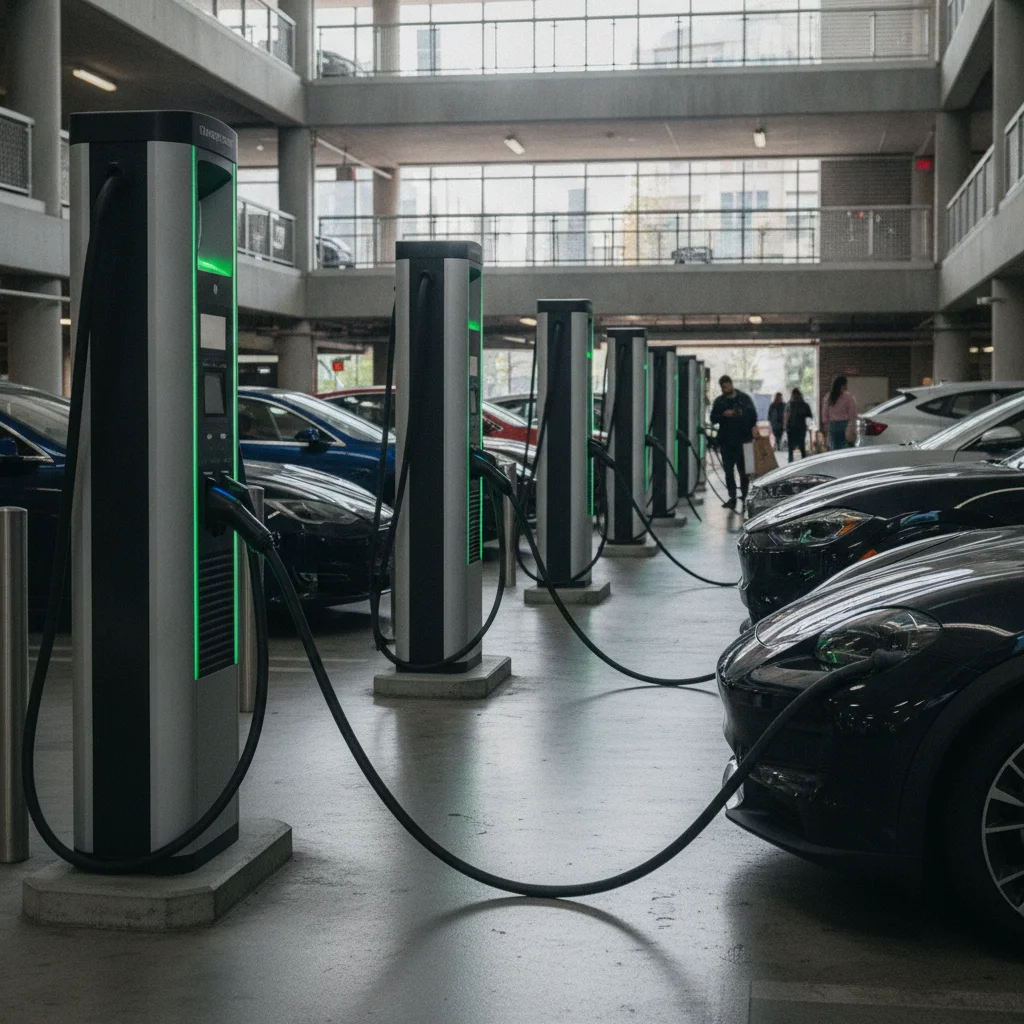
California
California remains in a category of its own. With over 55,000 public charging ports spanning Level 2 and DC fast chargers, the state supports everything from urban apartment dwellers to cross-desert road trippers. Coastal corridors between San Diego, Los Angeles, and San Francisco are saturated with fast chargers from Tesla Supercharger, Electrify America, EVgo, and ChargePoint. The Central Valley and Inland Empire have seen significant investment as well, driven by the California Energy Commission's mandates and substantial utility spending by PG&E, Southern California Edison, and SDG&E.
New York, New Jersey, and New England
The Northeast corridor benefits from dense population and aggressive state-level programs. New York's EV Make-Ready program incentivized utilities to deploy charging infrastructure at scale, and the result is visible: I-95, I-87, and the Thruway system now feature fast chargers at regular intervals. Connecticut, Massachusetts, and New Jersey have similarly invested through their clean transportation programs. Vermont, while small, punches above its weight because of Green Mountain Power's utility-owned charging initiatives.
Washington and Oregon
The Pacific Northwest built its EV infrastructure early. The West Coast Electric Highway, a state partnership predating NEVI, established DC fast charging along US-101 and I-5 from the Canadian border to California. Washington's relatively low electricity costs — among the cheapest in the nation — also make public charging economically attractive, sustaining network investment. A side-by-side comparison of major charging networks shows how coverage in these states stacks up across providers.
Colorado and Texas
Colorado's combination of EV-friendly state policy and high EV adoption rates along the Front Range has produced solid urban coverage, with improving mountain corridor coverage. Texas, due to sheer size, still has gaps in remote West Texas, but Dallas–Fort Worth, Houston, San Antonio, and Austin are now well-served. The I-10, I-35, and I-20 corridors have seen significant fast charger buildout in recent years.
30%
California's share of all US public charging ports
According to the US Department of Energy's Alternative Fuels Station Locator data compiled through early 2025.
50 miles
Maximum gap between NEVI-funded fast chargers
The Federal Highway Administration requires NEVI-funded stations no more than 50 miles apart on designated Alternative Fuel Corridors.
40%
Battery range reduction in cold weather
AAA testing has consistently shown EV range drops 20–40% in cold temperatures, compounding the impact of charging gaps in northern plains states.
$5B
Federal NEVI program investment over 5 years
Authorized by the 2021 Infrastructure Investment and Jobs Act to fund DC fast charging on 75,000 miles of US highway corridors.
36 months
Maximum utility interconnection timeline in some rural markets
Industry and state DOT implementation reports cite transformer shortages and distribution upgrades as the primary cause of delays in rural NEVI station deployment.
The Coverage Gaps: States Where Charging Infrastructure Lags
The contrast with under-served states is stark. Several regions leave EV drivers with genuine infrastructure challenges — not hypothetical inconveniences, but real detours and planning constraints.
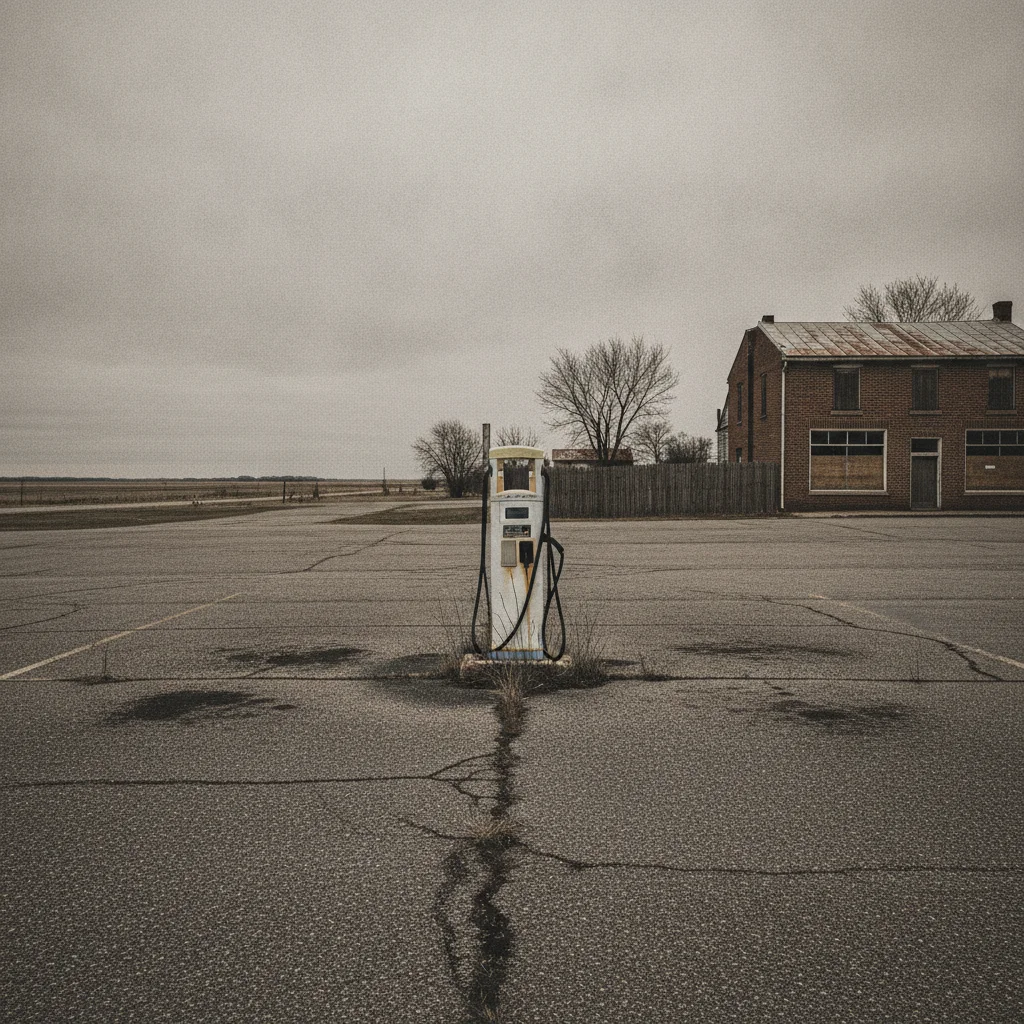
The Great Plains: North Dakota, South Dakota, Wyoming, Nebraska, Kansas
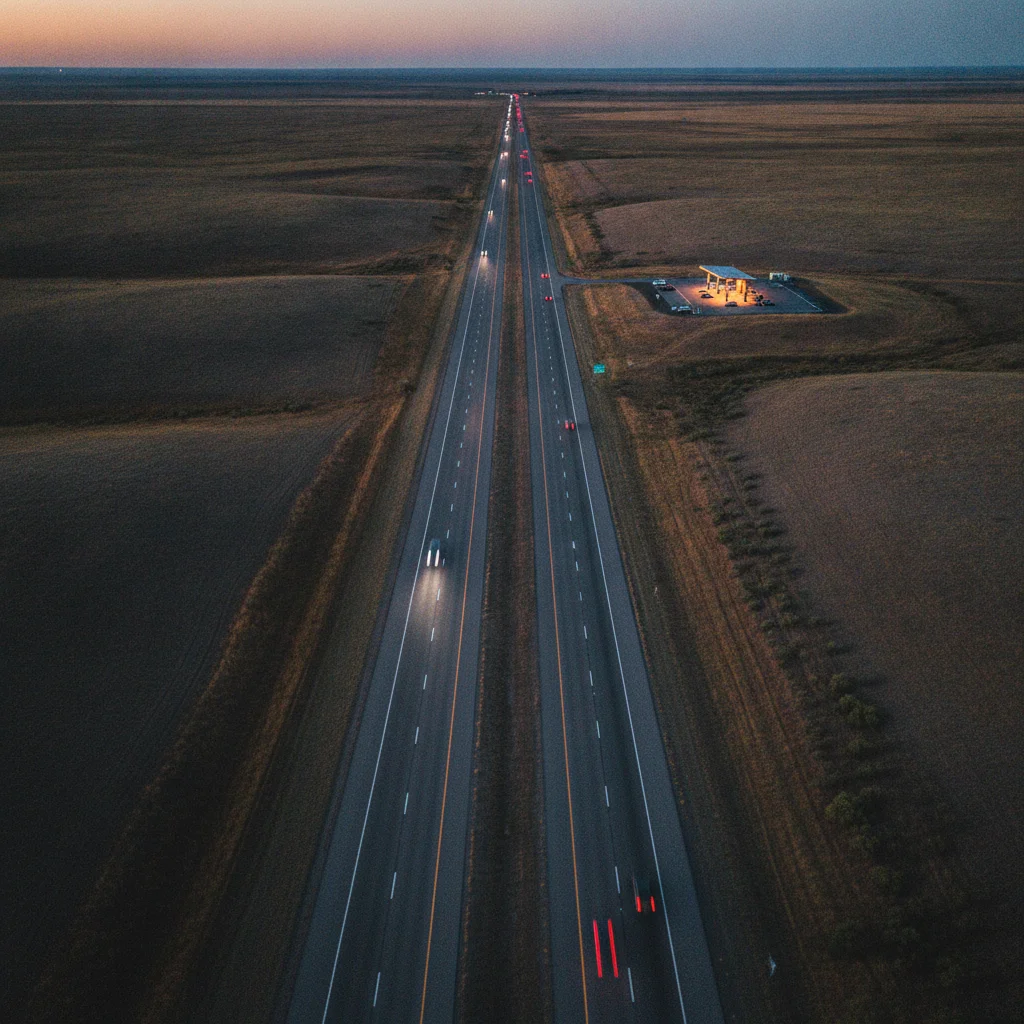
These five states collectively hold fewer public charging ports than the city of Seattle. The population density argument is real here — there simply are not enough EV drivers to incentivize dense private network investment. Wyoming has historically ranked last or near-last in per-capita public charging. While NEVI funding is designated for I-25, I-80, and I-90 corridors, construction timelines remain slow. Drivers crossing these states in non-Tesla vehicles face 100-to-200-mile gaps between reliable fast chargers on some routes, requiring careful pre-trip planning.
The Deep South: Mississippi, Alabama, Arkansas, Louisiana
Lower EV adoption rates, historically cheaper gasoline prices, and limited state-level EV incentive programs have combined to suppress charging infrastructure investment in much of the Deep South. Mississippi ranks among the bottom five states nationally for public charging station density. Interstate highways have improved somewhat — Electrify America and Tesla Supercharger have I-20 and I-10 reasonably covered — but leave the secondary road network essentially uncharged. For rural commuters or travelers venturing off the interstate, options are limited largely to Level 2 chargers at hotels and dealerships.
Appalachian Regions: West Virginia, Eastern Kentucky, Western Virginia
Mountainous terrain compounds an already thin coverage situation. West Virginia's limited EV charging infrastructure is particularly notable given the state's role as a transit corridor connecting the mid-Atlantic to the Midwest. The terrain also shortens real-world EV range — climbing mountain grades consumes significantly more energy than flat-highway estimates suggest — which makes charging gap distances even more consequential in practice.
Rural Alaska, Hawaii's Neighbor Islands, and US Territories
Alaska's road network is fundamentally disconnected in many regions, making a national charging map nearly irrelevant for much of the state. Anchorage and Fairbanks have basic coverage, but the road system's physical limitations cap what network deployment can achieve. In Hawaii, Oahu is reasonably covered, but Maui, Kauai, and the Big Island have sparse fast charging — an irony given Hawaii's ambitious clean energy goals and near-universal grid-based power. Networks focused on rural coverage have made progress in some of these markets, but gaps remain material.
Tesla Supercharger Network Opens to Non-Tesla Vehicles
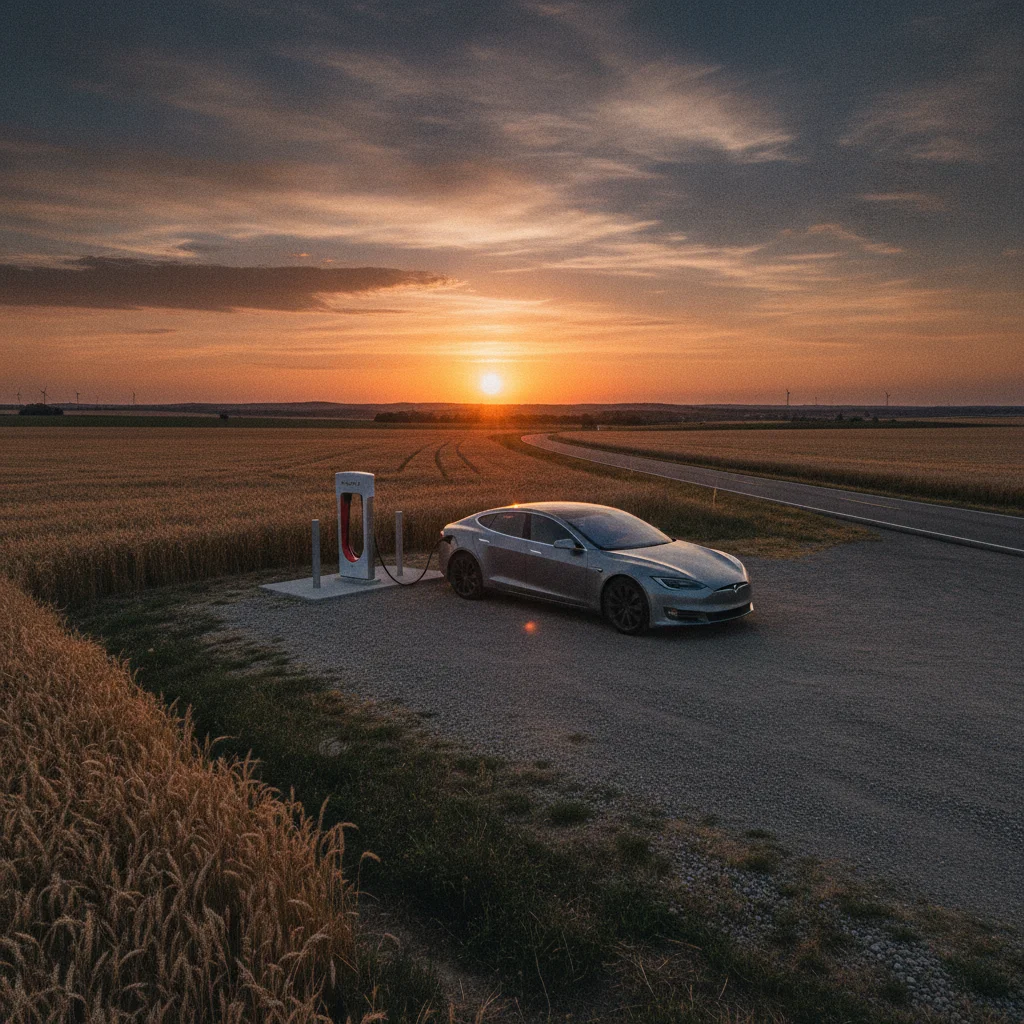
Tesla's decision to open its Supercharger network to non-Tesla vehicles — a process accelerated by participation in federal funding programs — materially changes the coverage calculation in many gap states. In markets where Superchargers were previously the only reliable fast charger for 100+ miles, non-Tesla EV owners now have access to that infrastructure using the Combined Charging System (CCS) connector or an adapter. Check current vehicle and network compatibility before your trip, as rollout is ongoing and not all Supercharger locations have been opened to third-party vehicles.
NEVI Stations Are Not Yet Fully Operational
As of early 2025, NEVI-funded stations are operational in only a fraction of the states that have received funding approval. Approval of a state NEVI plan does not mean chargers are in the ground — procurement, permitting, construction, and utility interconnection each add time. Drivers should verify charger availability through real-time tools like PlugShare rather than assuming NEVI coverage is complete in any given corridor.
Port Count Overstates Practical Availability
Raw port counts include Level 2 chargers at private destinations like hotels and offices that may not be accessible to the general public 24/7. When evaluating coverage in a specific state or corridor, filtering for publicly accessible DC fast chargers provides a more accurate picture of what road trippers can rely on. The AFDC station locator allows filtering by access type and charger level.
Highway Corridors vs. Local Coverage: Two Different Problems
It is important to distinguish between two different types of coverage gaps, because they affect different types of drivers in different ways.
Long-Distance Corridor Gaps
Corridor gaps affect road trippers and long-distance commuters who need reliable DC fast charging at predictable intervals on major highways. NEVI specifically targets this problem by requiring fast chargers every 50 miles on designated Alternative Fuel Corridors. As of 2025, NEVI-funded stations are becoming operational in multiple states, with the program ultimately expected to cover 75,000 miles of highway. The US highway charging corridor buildout is progressing, but construction lags in states with complex permitting environments or utility coordination challenges.
Local and Community Coverage Gaps
The second type of gap is more insidious for everyday drivers: the absence of convenient public Level 2 or fast charging in residential areas where many people cannot charge at home. Apartment dwellers, renters, and residents of older urban housing stock who lack dedicated parking cannot rely solely on home charging. In cities like New Orleans, Birmingham, and many smaller metros in the South and Plains, the density of workplace and public destination charging is low enough that EV ownership for non-homeowners is genuinely inconvenient.
This distinction matters when evaluating charging myths. As we address in common myths about public EV charging, the claim that "there are no chargers near me" is sometimes accurate and sometimes not — it depends heavily on which state and which type of community you live in.
Understanding this difference also helps frame the value of smaller, regional networks. Providers like Francis Energy (focused on Oklahoma, Kansas, and surrounding states) are tackling local coverage in ways that the national networks have not prioritized. Charging providers beyond the big five details several of these regional players and where they are making a real difference.
NEVI Formula Program
The National Electric Vehicle Infrastructure Formula Program, established by the 2021 Infrastructure Investment and Jobs Act, allocates $5 billion to states for building DC fast charging stations on designated Alternative Fuel Corridors. States submit deployment plans to the Federal Highway Administration for approval before accessing funds.
DC Fast Charging (DCFC)
Direct current fast charging delivers electricity directly to a vehicle's battery at high power levels, typically 50–350 kW, enabling an 80% charge in 20–45 minutes depending on the vehicle and charger output. It is the primary technology for highway corridor charging.
Level 2 Charging
Alternating current charging at 240 volts, typically delivering 10–30 miles of range per hour. Common in homes, workplaces, hotels, and parking garages; too slow for highway rest stops but practical for destination charging where vehicles are parked for extended periods.
Alternative Fuel Corridor
Federally designated highway segments identified by the Federal Highway Administration as priority routes for EV charging and other alternative fuel infrastructure. NEVI funding is specifically directed to charging stations along these corridors.
Utility Interconnection
The process of connecting a charging station to the electrical grid at sufficient power capacity to deliver DC fast charging. In rural areas, this often requires transformer upgrades or distribution line extensions, which can take one to three years and significantly delay station deployment.
Charging Port Density
The number of public charging ports per unit of area or per capita population in a given region. High port density indicates mature infrastructure; low density signals coverage gaps that require planning workarounds for EV drivers.
The NEVI Rollout: State-by-State Progress and Delays
The $5 billion NEVI Formula Program represents the most significant federal intervention in EV charging infrastructure in US history. Every state plus Washington DC and Puerto Rico received a NEVI allocation. All 50 state plans were approved by the Federal Highway Administration by mid-2023 — but approved plans and operational stations are two different things.
| State Category | Characteristics | NEVI Progress (as of early 2025) |
|---|---|---|
| Early Movers | Ohio, Pennsylvania, Colorado, Texas, Florida | First NEVI-funded stations operational or under construction; procurement processes completed |
| Mid-Stage | Michigan, Georgia, Arizona, Virginia, North Carolina | Contracts awarded; utility interconnection and permitting in progress |
| Lagging | Mississippi, Wyoming, Montana, Alaska, North Dakota | Procurement ongoing; limited operational NEVI sites; utility capacity challenges in some markets |
The gaps between these tiers reflect genuine infrastructure complexity. Utility interconnection — getting a fast charger connected to the grid at adequate power levels — can take 12 to 36 months in some markets. Rural states face transformer shortages and long distribution line upgrades that slow deployment considerably. These are engineering and regulatory constraints, not simply a lack of will or funding.
For the full picture of how major networks are participating in this buildout and what drivers can expect on the road today, see our complete overview of US public EV charging networks.
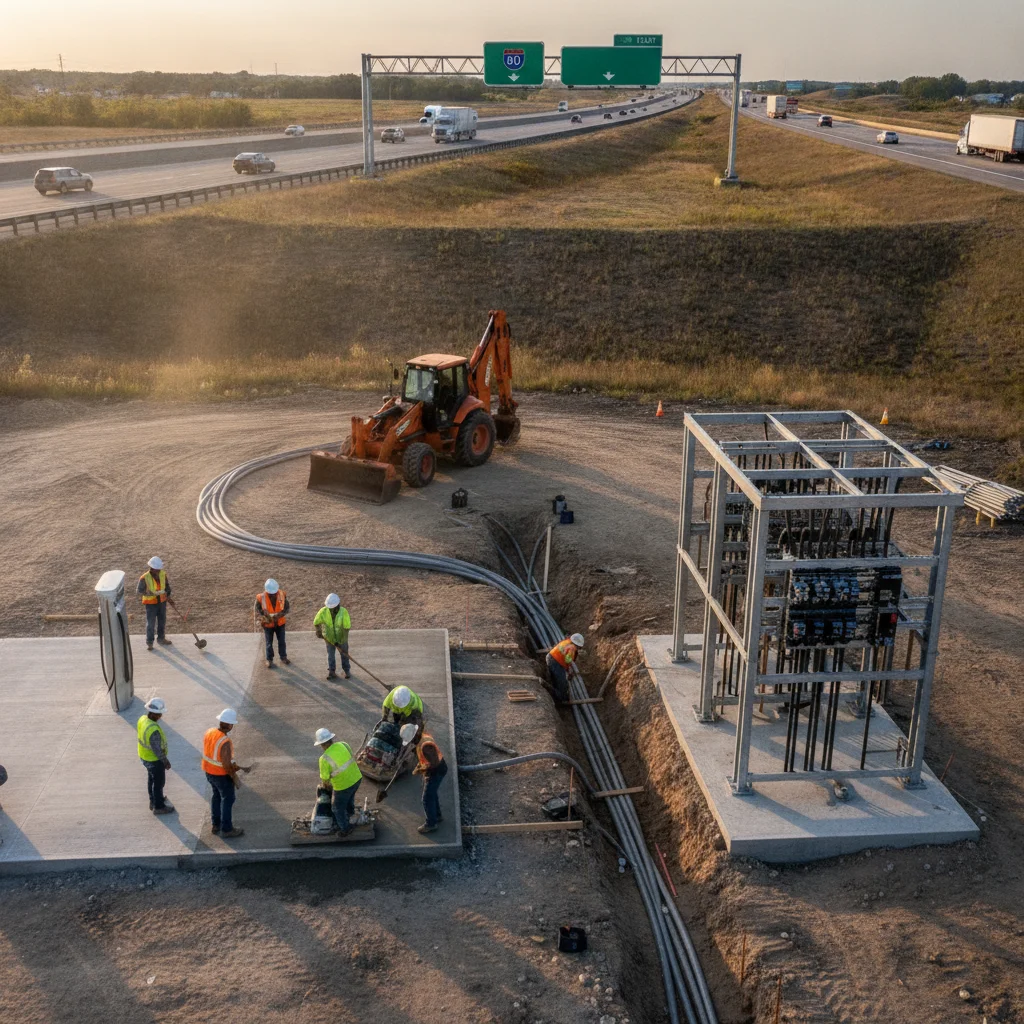
Drivers planning long road trips through lagging states should not wait for NEVI completion before making travel plans. Using tools like PlugShare, A Better Route Planner (ABRP), or the native navigation in most current EVs can surface workable charging routes even in coverage-thin states — often by routing through secondary fast chargers at dealerships, national parks visitor centers, or hotel properties that have installed chargers to attract EV-driving guests.
Practical Guidance: Planning Around Coverage Gaps
For EV owners navigating the current patchwork of coverage, a few practical principles apply regardless of which state you are traveling through.
For Road Trippers
- Plan your route before you leave, not on the fly. A Better Route Planner integrates real-time charger availability and elevation data into its range calculations. For coverage-thin states, this is essential, not optional.
- Identify your backup chargers. On routes through Wyoming, South Dakota, or rural Mississippi, know the Level 2 fallback options — hotels, RV parks with 14-50 outlets — before you depart. They add time but eliminate stranding risk.
- Account for weather and elevation. Cold temperatures reduce battery range 20–40% depending on conditions and vehicle. Mountain climbs hit range harder than flat-highway estimates. In states like Wyoming and Montana, these factors compound the distance between charging stops.
- Carry multiple network memberships or an RFID card wallet. Coverage-thin states rarely offer redundant provider options at each stop, so having ChargePoint, Electrify America, and EVgo accounts active before you travel ensures you can use whatever is available.
For Local Commuters Without Home Charging
- Map your workplace and destination charging first. Employer-installed Level 2 charging is the most reliable workaround for residents without home charging access. Many major employers in mid-coverage cities have installed workplace chargers even when public street infrastructure is thin.
- Evaluate your state's utility incentive programs. Some utilities in coverage-gap states offer reduced EV charging rates or rebates on Level 2 charger installation for renters — programs that are underutilized because they are not well publicized.
- Consider home charging setup as a priority investment. Even in apartment situations, exploring home EV charger installation options can reveal solutions like shared-parking Level 2 installations that significantly reduce public charging dependency.
PlugShare
A crowd-sourced EV charging station map covering public, semi-public, and shared residential chargers across the US and beyond. Essential for identifying coverage gaps and verifying real-time charger availability on any route.
A Better Route Planner (ABRP)
Route-planning tool that calculates optimal charging stops based on your vehicle's real-world range, elevation changes, weather, and current charger availability. Particularly useful for navigating coverage-thin states.
DOE Alternative Fuels Station Locator
The US Department of Energy's official database of alternative fuel stations, including all publicly accessible EV chargers. Filterable by charger level, network, and access type — useful for auditing coverage in specific states or corridors.
FHWA NEVI Program Tracker
The Federal Highway Administration publishes state-by-state NEVI plan approval status and implementation updates. Use this to understand which corridor stations are funded, under construction, or operational in your region.
EV Charging Costs by State
See how your state's electricity rates affect the cost of public and home charging. Especially relevant in coverage-gap states where fewer public options mean more reliance on whichever network is available.
The gap between the best-covered and worst-covered states will narrow as NEVI buildout accelerates and private networks continue expanding. But for the next several years, geographic awareness and proactive route planning remain essential tools for EV drivers in coverage-thin regions. The infrastructure is improving — just not uniformly, and not yet fast enough to make the gaps invisible.
All claims are backed by peer-reviewed research. Sources on request.