Key Takeaways
Why Charging Myths Are Costing the EV Market
Ask someone why they haven't bought an electric vehicle and the answer is almost always some version of the same concern: charging. Not range. Not price. Not even reliability. Charging — specifically, the fear of being stranded, of waiting hours, of driving through a state with no infrastructure, or of discovering that public chargers simply don't work.
Some of these fears have a kernel of historical truth. Early public charging networks were sparse, slow, and prone to outages. A 2019 road trip in a non-Tesla EV required genuine planning, patience, and sometimes a tow truck. That reputation stuck.
The problem is that infrastructure and technology have moved faster than public perception. What was true in 2019 is not true in 2025 — and the gap between perception and reality is actively deterring buyers who would, by every objective measure, be perfectly well-served by an EV today.
This article maps the most persistent myths about public EV charging against current data and real-world driving conditions. The goal isn't to oversell EVs — it's to give prospective buyers an accurate baseline so they can make a genuinely informed decision. For a parallel look at home-charging misconceptions, see common myths about home EV charging.
The Myths, Examined
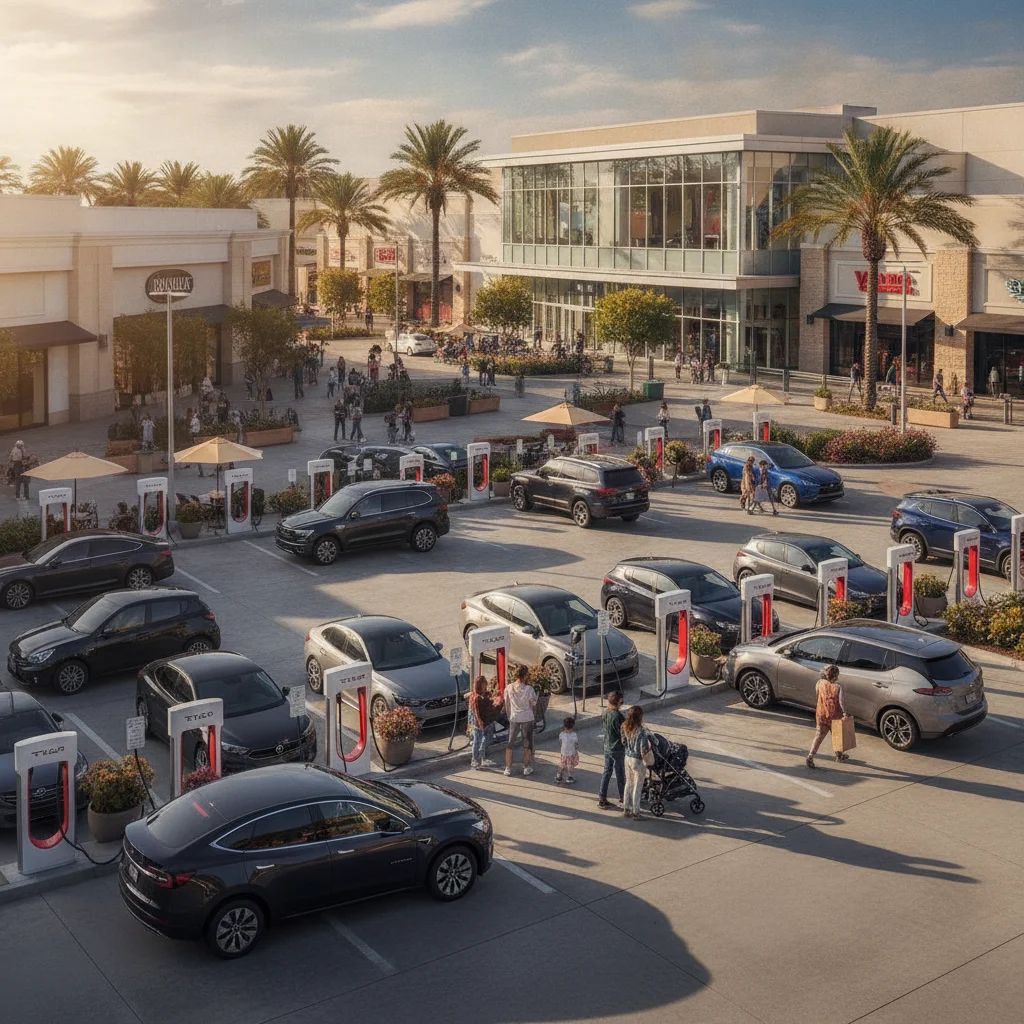
The following myth-fact pairs cover the most commonly cited concerns about public EV charging — from network coverage and charger speed to reliability and cost. Each is assessed against current data from the U.S. Department of Energy's Alternative Fuels Station Locator, charging network operator reports, and independent reliability studies.
Myth
There are no public chargers near me — the network is too sparse to be useful.
Fact
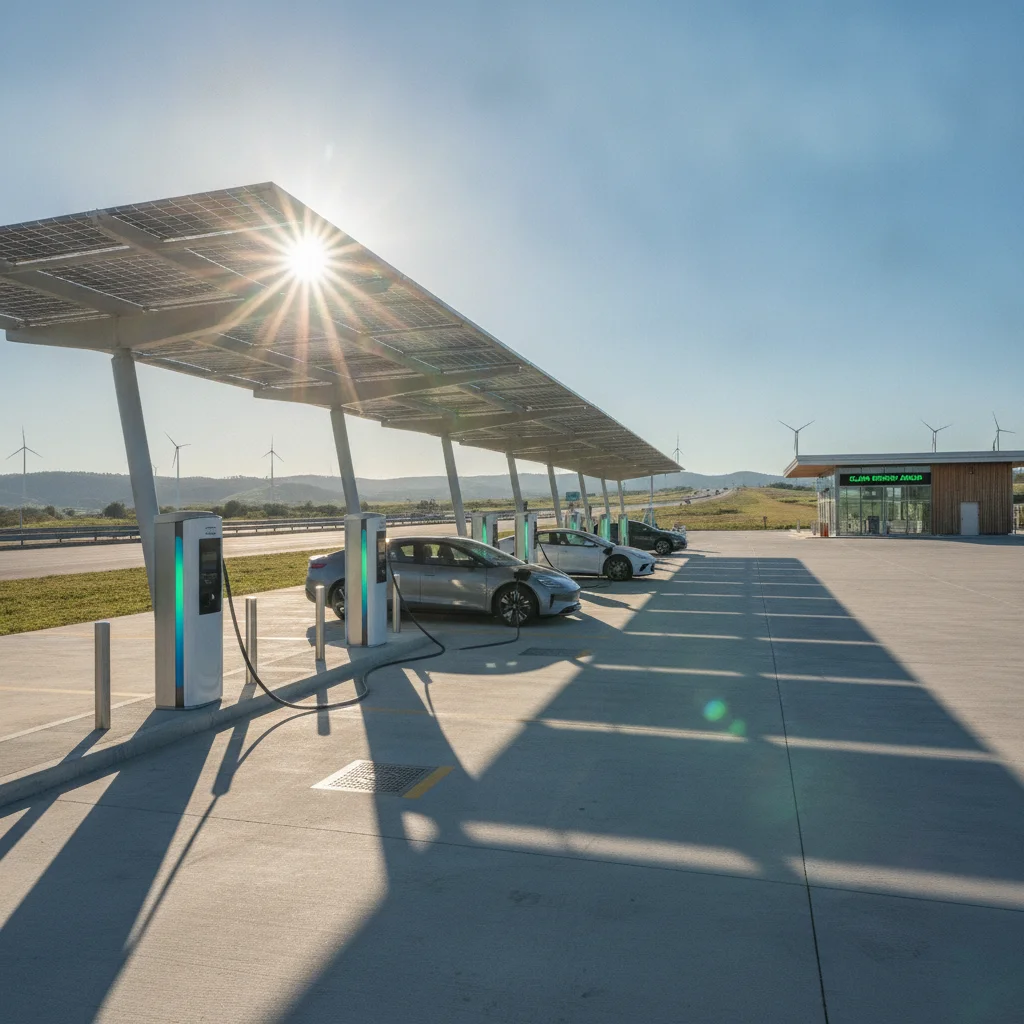
The U.S. has over 170,000 public charging ports at more than 64,000 stations, with coverage now extending well beyond major cities into suburban and rural corridors.
This is the most durable charging myth, and it was earned. In 2015, public charging was genuinely concentrated in a handful of coastal metros. By 2025, the picture is dramatically different. The U.S. Department of Energy's Alternative Fuels Station Locator counts more than 64,000 public charging stations nationwide, with the pace of installation accelerating under NEVI (National Electric Vehicle Infrastructure) formula funding, which has directed billions of federal dollars toward highway corridor coverage in every state.
That doesn't mean coverage is uniform. Rural stretches of the Mountain West, the Great Plains, and parts of the Deep South still have meaningful gaps — particularly for DC fast charging. But for the roughly 80% of the U.S. population living in metropolitan or suburban areas, usable public charging is typically within a few miles. The state-by-state coverage data tells the more granular story if you want to assess your specific region.
Myth
Charging takes hours — you'll be stuck waiting forever at a public charger.
Fact
DC fast chargers operating at 150–350 kW can add 150–200 miles of range in 20–30 minutes; the average public fast-charge session is under 30 minutes.
The confusion here stems from conflating three very different charging levels. Level 1 (a standard 120V household outlet) adds roughly 3–5 miles per hour — genuinely slow, and not designed for public use. Level 2 (240V, found at most destination chargers, workplaces, and hotels) adds 15–30 miles per hour, suitable for overnight or extended stays. DC fast charging (Level 3) is the relevant technology at highway charging stations, and it operates at speeds that make the "hours of waiting" concern obsolete for most use cases.
A vehicle like the Hyundai IONIQ 6 or Kia EV6, capable of accepting 350 kW charging, can add approximately 70 miles of range in under 5 minutes at peak throughput. More commonly, a 150–250 kW session adds 150 miles in 20–25 minutes. That's the length of a typical rest stop. The charge-time concern is real if you're comparing to a 5-minute gasoline fill-up — but it's a different calculation when viewed as a planned rest break on a long drive.
Myth
If you don't drive a Tesla, the public charging network is basically useless.
Fact
Tesla's Supercharger network has opened to non-Tesla vehicles, and independent networks like Electrify America, EVgo, and ChargePoint collectively operate thousands of high-speed stations compatible with most EVs.
Tesla's Supercharger network — roughly 20,000 stalls in the U.S. as of early 2025 — was long the gold standard for reliability and coverage but exclusive to Tesla vehicles. That changed starting in 2023, when Tesla began opening its network to other manufacturers under NACS (North American Charging Standard) agreements. Ford, GM, Rivian, Volvo, Polestar, Mercedes, and others have either adopted NACS connectors natively or offer adapters, making the Supercharger network accessible to a rapidly growing share of non-Tesla EVs.
Beyond Superchargers, Electrify America operates over 900 stations (primarily along highway corridors), EVgo has more than 1,000 fast-charging locations concentrated in urban areas, and ChargePoint runs the largest overall network by station count with a heavy focus on Level 2 workplace and destination charging. The combined non-Tesla fast-charging footprint is substantial — and it's growing faster than at any point in the network's history.
Myth
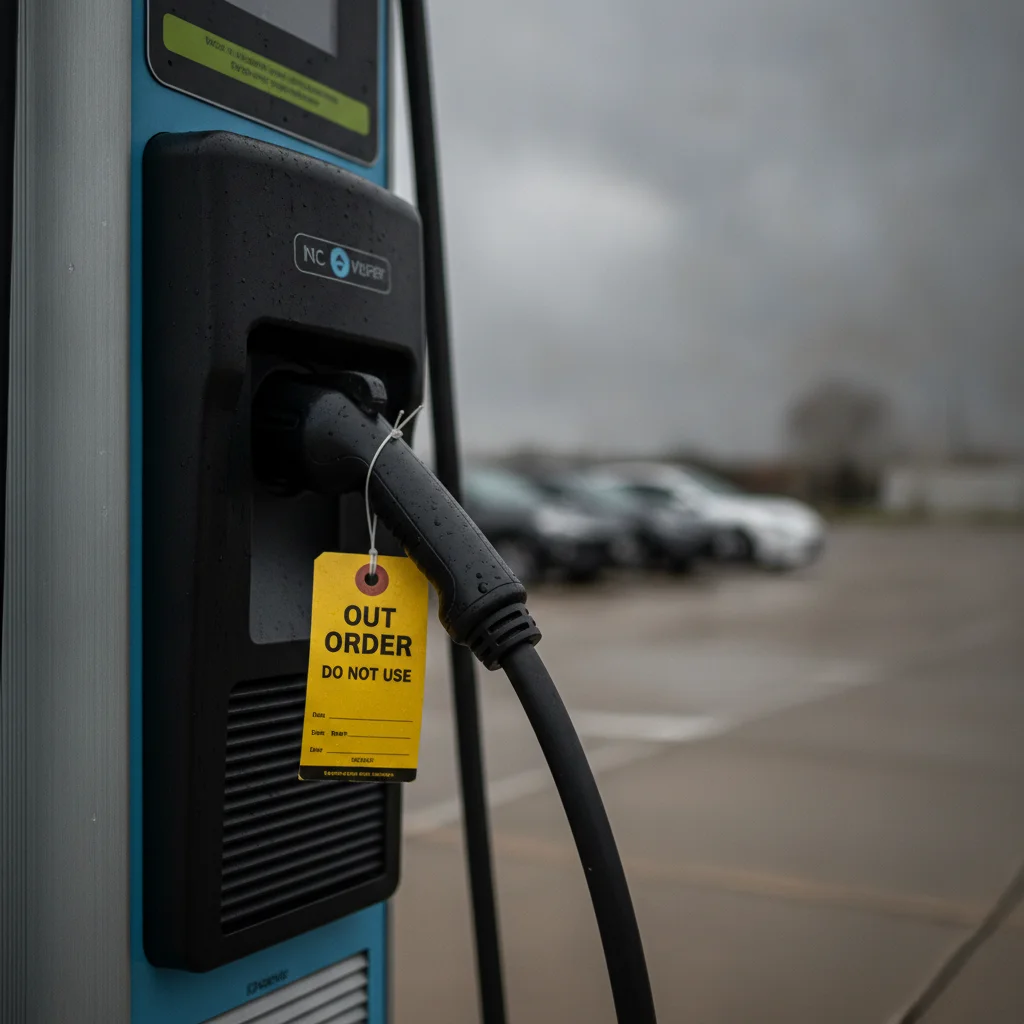
Public chargers are constantly broken — you can't rely on them.
Fact
Reliability has improved significantly, with major networks reporting uptime rates above 90–95%; broken chargers remain a real concern but are not the norm.
Charger reliability earned its bad reputation legitimately. A 2022 study by J.D. Power found that roughly 21% of public charging sessions ended in failure due to equipment issues — a figure that shocked the industry and generated significant negative press. That data point is still frequently cited as current, even though network operators and the DOE have since made reliability a funding and compliance priority.
By 2024, major networks including Electrify America and Tesla reported average uptime rates above 95% for DC fast chargers. Independent assessments by Plug In America and ChargerHelp corroborate the improvement trend, though they note meaningful station-to-station variance. Rural or lower-traffic stations tend to see worse maintenance response times than busy urban corridors.
The honest summary: broken chargers are a real risk you should plan around, not assume away. Checking real-time station status via apps before arriving — and knowing a backup option exists — is good practice. But the narrative that public chargers are predominantly unreliable no longer reflects the data. For a detailed look at why outages still happen and what's being done, see why public EV chargers still go down.
Myth
You need to carry multiple network apps and memberships — it's too complicated.
Fact
Most DC fast chargers now accept credit card payment without an app; plug-and-charge authentication is becoming standard on newer EVs.
The early public charging ecosystem did require managing multiple memberships, RFID cards, and network-specific apps — a genuine friction point that contributed to poor first experiences. The industry recognized this as a barrier and has moved decisively toward interoperability.
Since 2023, federal NEVI program requirements have mandated that NEVI-funded stations accept credit and debit card payment without requiring a network membership. Plug-and-charge (ISO 15118), which allows a vehicle to authenticate and initiate billing automatically on plug-in — no app, no card, no interaction — is now supported by Electrify America, EVgo, and an increasing number of Supercharger locations for compatible vehicles.
Apps remain useful for checking real-time availability, finding stations, and sometimes accessing member pricing discounts. But the requirement to pre-enroll in multiple networks before you can charge has effectively been eliminated at most modern installations. First-time users still benefit from knowing which apps add value, but lack of an app is no longer a blocking issue.
Myth
Road trips in an EV require constant charging stops and add many hours to any journey.
Fact
On major U.S. interstates, DC fast-charge stops of 20–30 minutes every 150–200 miles add roughly the same time most drivers already spend on rest breaks.
This myth contains a real tradeoff but overstates it significantly. The comparison that matters isn't EV charging versus instant gasoline fill-ups — it's EV road trips versus how people actually drive on long journeys. AAA data consistently shows that most drivers on long-haul trips stop every 2–3 hours for fuel, food, or restrooms. A 150–200 mile fast-charge interval aligns almost exactly with that cadence at typical highway speeds.
The meaningful difference is that gasoline fill-ups take 5–10 minutes versus 20–30 for a DC fast charge. On a 600-mile trip requiring two stops, that's an additional 20–40 minutes total. For many drivers, those minutes are absorbed by a sit-down meal or a longer restroom break anyway. The trip-time impact is real but modest — not the hours-long ordeal the myth implies.
Where the myth has genuine force: vehicles with lower DC fast-charge acceptance rates (some older or entry-level EVs cap at 50–75 kW) do require longer stops and more of them. Buyers evaluating EVs for frequent long-distance travel should pay careful attention to peak charging speed and real-world charge curve, not just rated range.
Myth
Apartment renters and condo owners can't really own an EV because they have no home charging.
Fact
Public charging networks, workplace charging, and improving multi-unit dwelling (MUD) charging regulations are making EV ownership workable for renters, though home charging remains the most convenient setup.
This one has the most nuance of any myth on this list — it's not entirely wrong, but it's far more solvable than it appears. The home charging advantage is real: waking up to a full battery every morning without leaving the house is a genuine quality-of-life upgrade that public charging cannot fully replicate. Apartment dwellers don't have that by default.
But the alternatives are expanding. Workplace charging has grown substantially — the DOE estimates over 13,000 workplace charging sites in the U.S., and many employers offer free or subsidized charging as a benefit. Destination charging at gyms, grocery stores, and shopping centers extends the opportunity to charge during time already being spent elsewhere. And an increasing number of states have passed "right to charge" laws requiring landlords and HOAs to permit EV charging installation in dedicated parking spaces.
For low-mileage urban drivers — people driving under 30 miles per day in cities with good public charging density — apartment EV ownership is already viable. For high-mileage renters in areas with limited public infrastructure, it remains challenging. The answer isn't that EVs don't work for renters; it's that the calculus depends on individual circumstances in a way it doesn't for homeowners with a garage.
170,000+
Public EV charging ports in the U.S.
According to the U.S. Department of Energy's Alternative Fuels Station Locator as of early 2025, up from fewer than 50,000 in 2019.
95%+
Reported uptime for major DC fast-charge networks
Electrify America and Tesla both reported average station uptime above 95% in 2024 disclosures, a significant improvement from the 79% reliability documented in J.D. Power's 2022 study.
80–90%
Share of EV charging done at home
Multiple surveys, including data from the Edison Electric Institute and Plug In America, consistently find that most EV owners charge at home the vast majority of the time.
20–30 min
Typical DC fast-charge session time
At 150–350 kW charging speeds, most drivers add 150–200 miles of range in under 30 minutes, roughly matching a standard highway rest-stop break.
$7.5B
Federal NEVI funding for EV charging infrastructure
The National Electric Vehicle Infrastructure program, part of the 2021 Bipartisan Infrastructure Law, allocated $7.5 billion to expand public charging across all 50 states through 2026.
Road Trips: What Public Charging Actually Looks Like in Practice
Understanding the network on paper is one thing. Understanding what a road trip actually feels like is another. Here's the honest picture for a coast-to-coast drive or a long-weekend getaway in 2025.
Planning Is Still Required — But It's Minimal
Unlike gasoline driving, where you can reliably find a station every few miles on virtually any state highway, long-distance EV driving benefits from a quick route check before departure. Apps like PlugShare, ChargePoint, and the built-in navigation in most modern EVs now plan charging stops automatically, factoring in real-time charger availability and your vehicle's current state of charge.
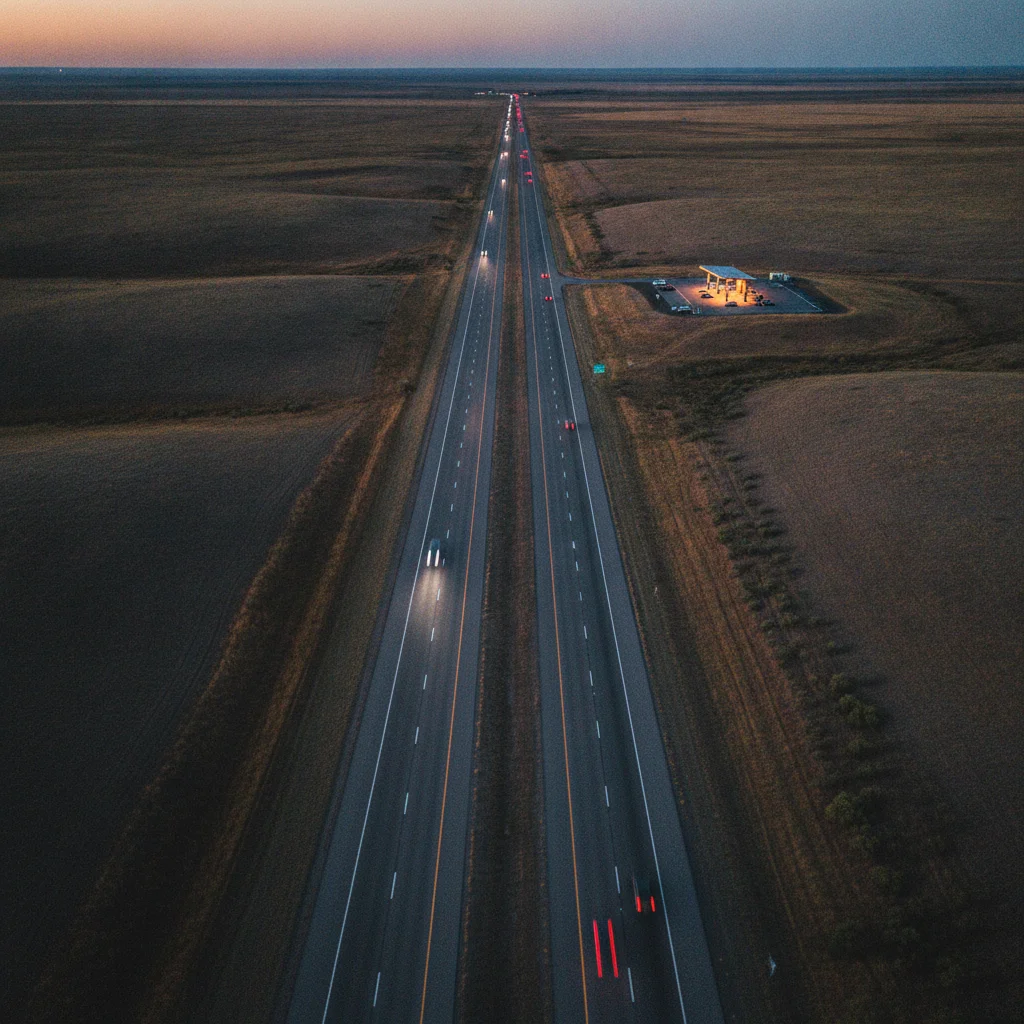
On major interstate corridors — I-95, I-80, I-40, I-10 — DC fast chargers are spaced close enough that a driver with a 250-mile-range vehicle faces no meaningful coverage gaps. For off-interstate routes, some stretches in the Mountain West and rural South still require more deliberate planning. See the state-by-state public charging coverage breakdown for a data-driven look at where gaps genuinely persist.
The Charging Stop as a Rest Stop
A 20–30 minute DC fast-charge stop at 150–350 kW, adding 150–200 miles of range, aligns almost exactly with the rest-stop cadence most drivers already follow on long trips. The psychological shift isn't about waiting — it's about timing. Drivers who plan their charging stop to coincide with a meal, a restroom break, or a coffee refuel report minimal friction. Drivers who expect the same spontaneity as gas-station fill-ups report frustration.

Backup Options Matter
On any given route, redundancy has improved. Level 2 chargers at hotels, restaurants, and shopping centers add backup options that didn't exist at scale five years ago. Even if a preferred fast charger is down — a real possibility worth acknowledging — a Level 2 option nearby can bridge the gap. For a frank discussion of why outages still happen, see why public EV chargers still go down.
Don't Rely on a Single Charger Without a Backup Plan
Even on well-served corridors, individual stations can go offline without warning due to equipment failure, grid outages, or vandalism. Before any long trip, check real-time station status on PlugShare or your vehicle's native navigation and identify a backup Level 2 option within range of each planned stop. This takes five minutes and prevents the most common road-trip charging frustration.
Older EVs May Have Slower Charge Acceptance Rates
Not all EVs benefit equally from DC fast-charging infrastructure. Some first-generation models cap charging acceptance at 50 kW, meaning a "fast charger" still takes over an hour to meaningfully refill the battery. If you're buying used or evaluating older EV models, check the vehicle's peak DC fast-charge rate — not just its range — before assuming highway charging will be quick and convenient.
Commuters: Why Public Charging Is Largely Irrelevant for Daily Use
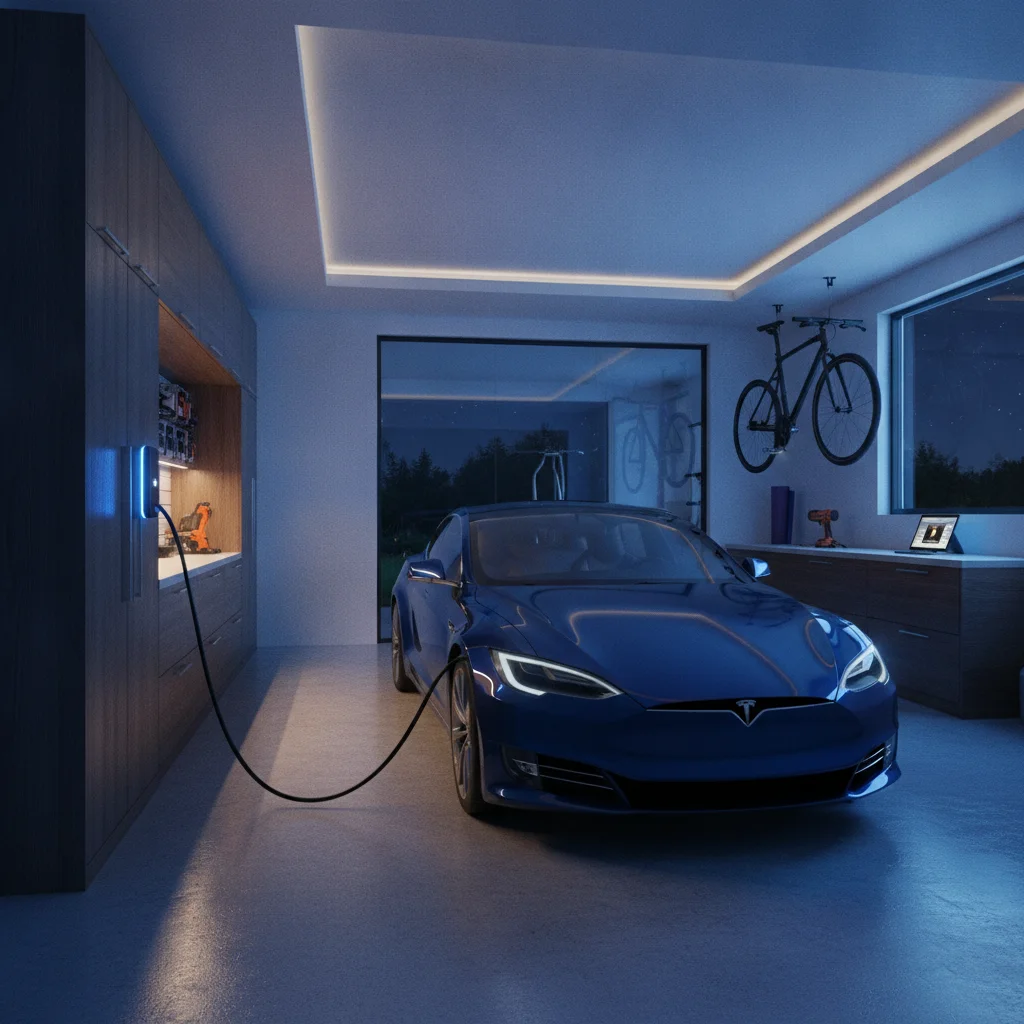
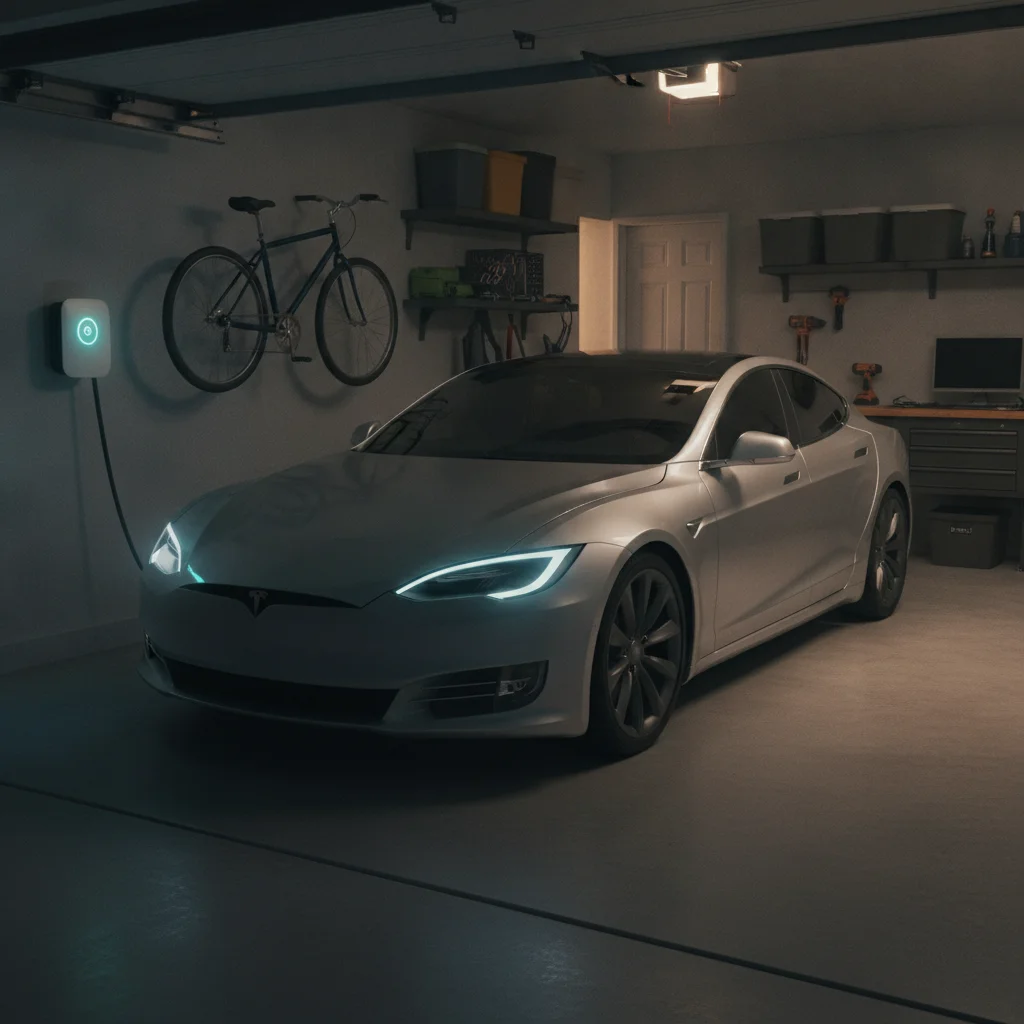
One of the most under-discussed aspects of public charging myths is that they're largely irrelevant for the majority of EV owners' daily routines. Studies consistently show that EV owners do 80–90% of their charging at home, overnight, using a standard Level 2 wall charger or even a 120V outlet for low-mileage drivers.
The average American commute is approximately 27 miles round-trip — a figure that hasn't shifted dramatically in decades. An EV with 250 miles of rated range loses roughly 10% of that charge on a typical daily commute. Plugging in at home each night keeps the battery full without ever touching a public charger.
Public charging, for most commuters, is a convenience layer — useful for topping up during a long shopping trip or when you've had an unusually busy week. It is not a daily dependency. The anxiety over public charging is often rooted in a mental model borrowed from gasoline: the assumption that you must leave home with a full tank and refuel at external stations. EVs invert that model entirely. If you're evaluating home charging options, the home charging setup hub walks through equipment choices and installation realities.
This doesn't mean every living situation is equal. Apartment dwellers and renters without dedicated parking face real barriers to home charging that public infrastructure must compensate for. That is a genuine gap in the current ecosystem — but it's a different problem than the one most prospective buyers are imagining when they worry about charger availability.
Apartment Renters Face Real — Not Imagined — Barriers
Unlike homeowners with a garage, renters without dedicated EV-ready parking face a genuine challenge that public charging only partially offsets. Before purchasing an EV, renters should confirm workplace charging availability, audit their daily mileage needs against nearby public fast-charging options, and check whether their state has a right-to-charge law that could enable in-unit installation. Entering EV ownership without a reliable charging plan is the leading cause of buyer dissatisfaction — not the vehicle itself.
First-Time Users: Avoiding the Learning Curve Pitfalls
Many of the most frustrating public charging experiences aren't caused by infrastructure failure — they're caused by unfamiliarity with how the system works. First-time users frequently encounter avoidable friction: arriving at a charger with the wrong connector type assumption, not having an account pre-registered, or plugging in without initiating the session correctly.
These aren't permanent barriers. They're a one-time learning curve that resolves quickly with experience. But they do reinforce negative perceptions when the first public charging experience is a fumbling, confusing one. The most common mistakes first-time public charger users make covers these pitfalls in detail — reading it before your first session saves real aggravation.
The practical advice: download the major network apps (ChargePoint, Electrify America, EVgo) before you need them, add a payment method, and understand your vehicle's connector type (CCS, NACS, or CHAdeMO). Most modern non-Tesla EVs now ship with or offer adapters for NACS — the connector Tesla opened up — which dramatically expands compatible station access.
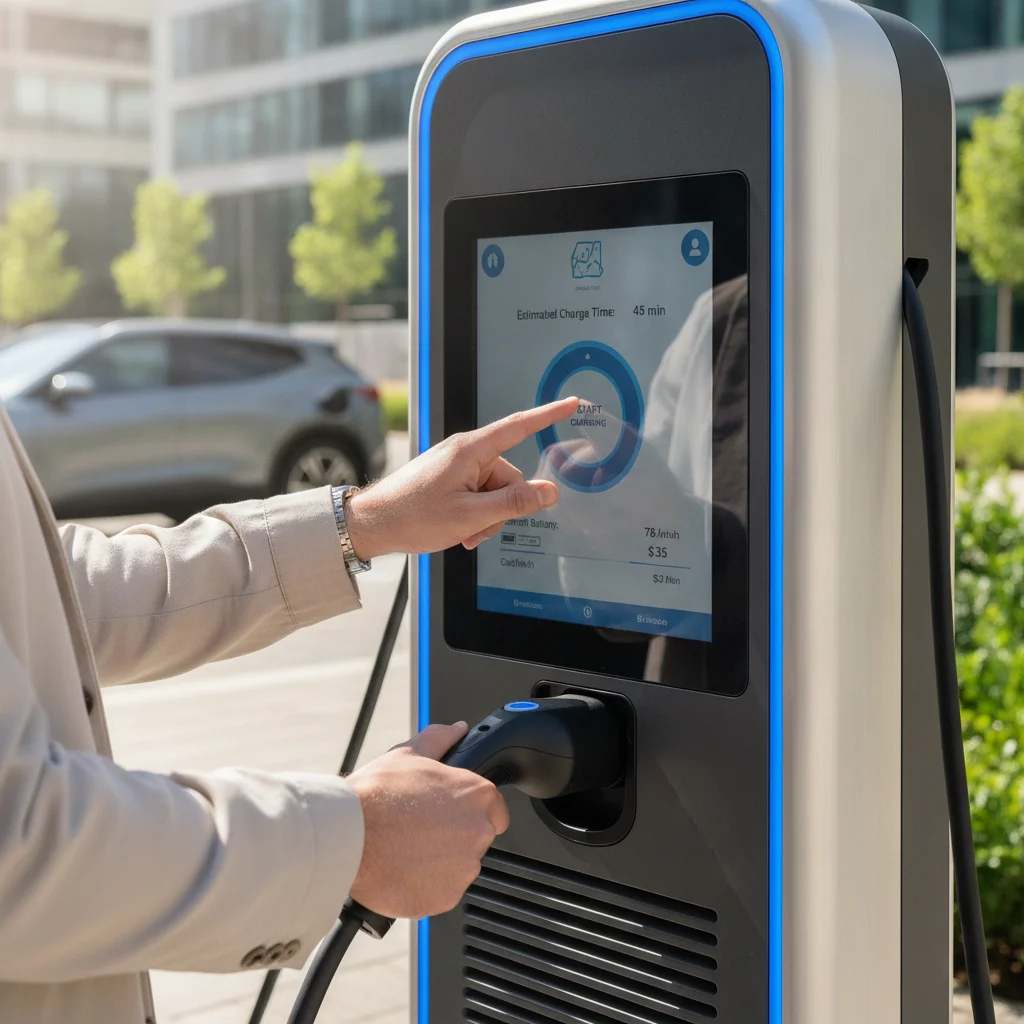
Charging costs at public stations vary more than many buyers expect and are worth understanding before you assume public charging is always cheap. For a grounded look at the cost side of the equation, see charging cost myths that trip up new EV owners and explore the broader charging costs and savings hub.
The Bottom Line: Accurate Expectations Make for Better EV Owners
Public EV charging in 2025 is neither perfect nor as broken as its reputation suggests. The honest assessment: it works well for the majority of drivers on the majority of routes, with real but narrowing gaps in rural coverage and ongoing — though improving — reliability challenges at individual stations.
The buyers who thrive with EVs are those who enter ownership with accurate expectations rather than either utopian or catastrophic ones. They know they'll charge mostly at home. They know long road trips require a glance at a route-planning app. They know an occasional out-of-service charger is possible and have a plan for it. And they know that the network available to them today is meaningfully better than the one that earned the bad reputation still shaping public perception.
The myths documented here aren't harmless misunderstandings — they're actively keeping some drivers from a vehicle category that would genuinely serve them well. Replacing those myths with data is the first step toward a decision that's actually grounded in reality.
All claims are backed by peer-reviewed research. Sources on request.