Key Takeaways
Why Smaller Networks Deserve More Attention
When most EV drivers think about public charging, five names dominate the conversation: Tesla Supercharger, Electrify America, EVgo, ChargePoint, and Blink. Those networks collectively represent thousands of stations and billions of dollars in infrastructure investment. But they don't cover everything — not by a long stretch. Coverage gaps persist across wide swaths of the US, particularly in rural communities, tribal lands, smaller cities, and recreation-oriented destinations.
That's where a second tier of charging networks has quietly taken root. Some are regional specialists. Others have built entire business models around demographics or use cases the big five have deprioritized. A few have secured significant federal funding and are expanding fast. Understanding who they are — and what they actually offer — can make the difference between a confident road trip and a stressful range-anxiety spiral.
This guide isn't a ranking of who's best. It's an objective map of networks that fill real, documented gaps in the American charging landscape. If you've already compared the major networks side by side, these are the providers worth adding to your mental toolkit next.
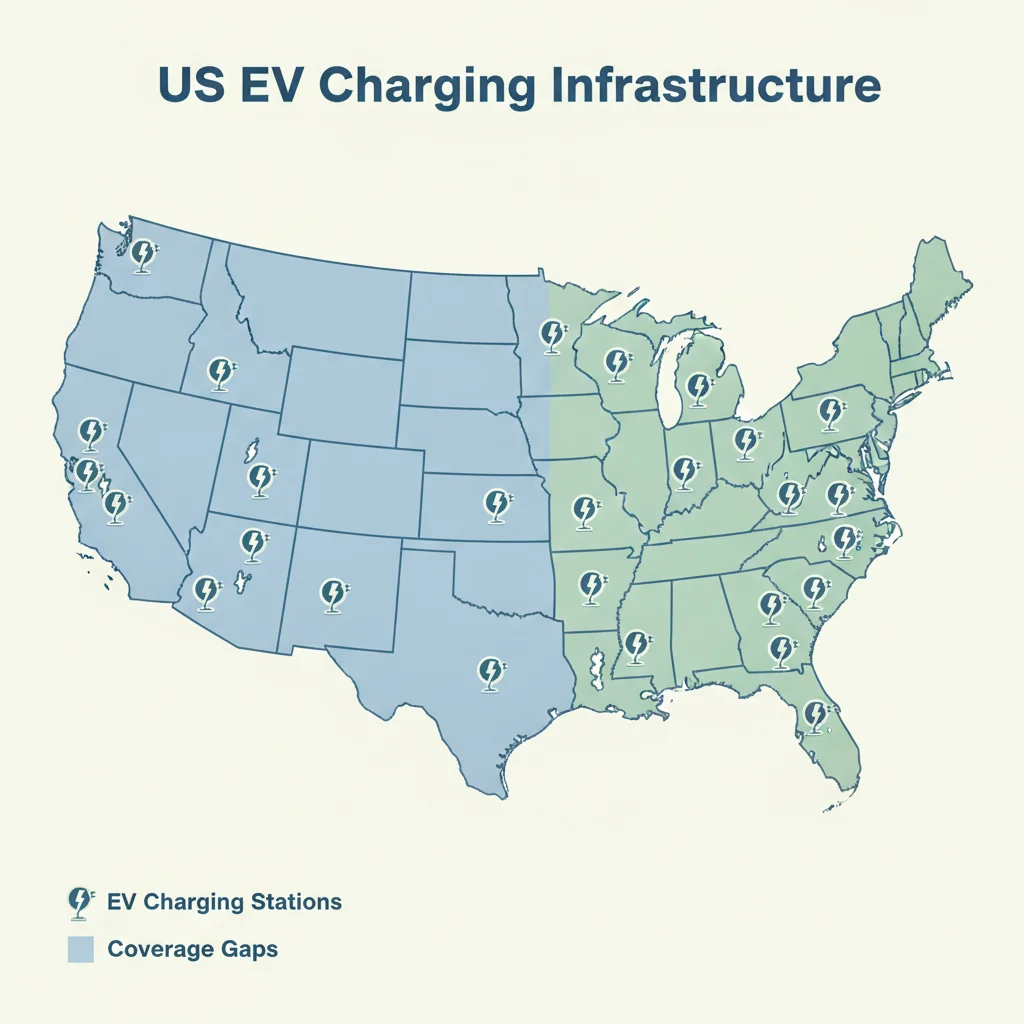
Francis Energy: Rural Oklahoma and the Great Plains
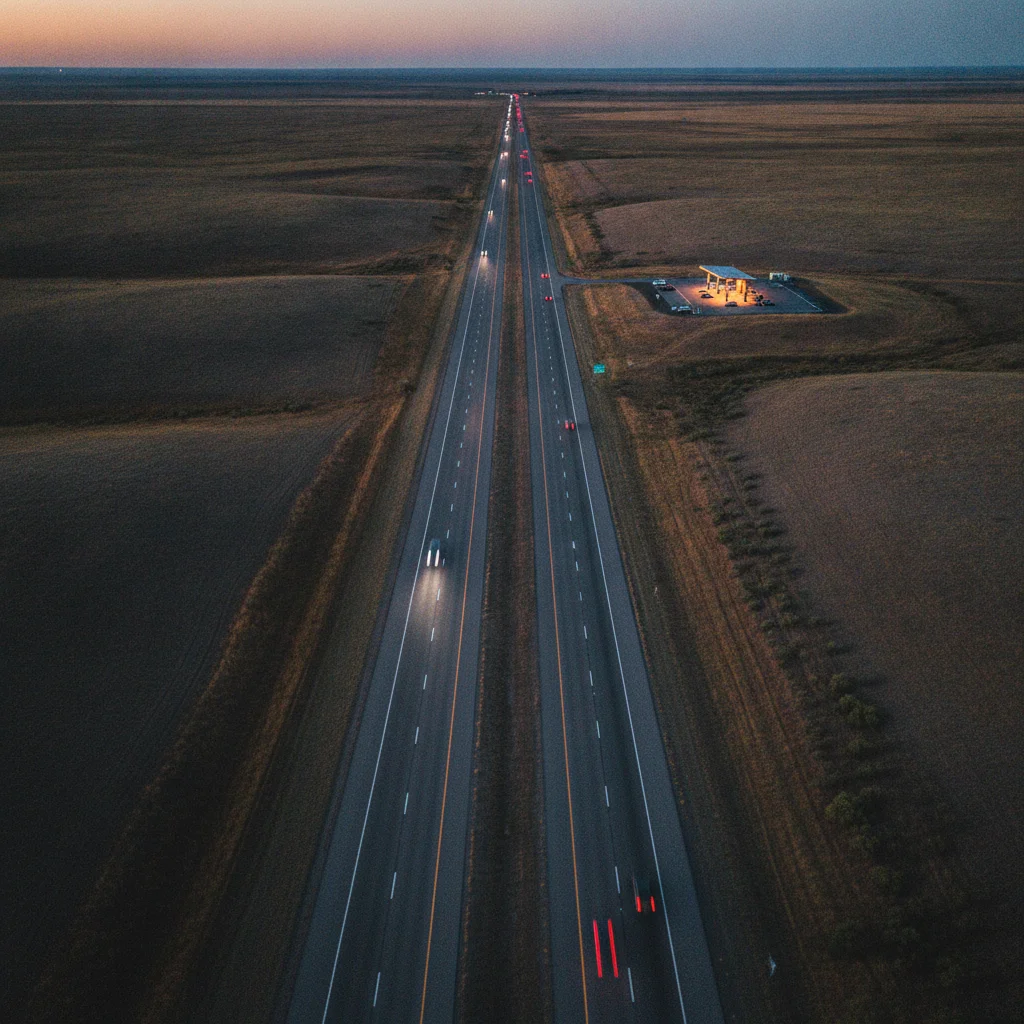
Francis Energy launched in 2018 with a deliberate mission: bring fast charging to the rural communities of Oklahoma and surrounding states that the major networks had largely bypassed. Based in Tulsa, the company has deployed DC fast chargers across Oklahoma, Kansas, Arkansas, Missouri, and parts of neighboring states — often in towns where no public charging previously existed.
The network's approach is infrastructure-first. Rather than clustering stations near dense urban corridors where utilization rates are easiest to justify, Francis Energy has accepted lower short-term utilization in exchange for strategic coverage. That means chargers in communities of a few thousand people, at tribal nation facilities, and along state highways that connect rural agricultural regions.
Charging speeds on the Francis Energy network typically range from 50 kW to 150 kW DC fast charging, with some newer installations capable of higher output. Payment can be made via credit card at the station, and no dedicated app or membership is required — a significant usability advantage in areas where EV ownership is still relatively new and unfamiliar.
For drivers crossing the southern Great Plains — particularly those without access to the Tesla Supercharger network — Francis Energy stations frequently represent the difference between a feasible route and a dead end. Among networks with genuine rural reach, Francis Energy ranks among the most purposeful in its geographic strategy.
Francis Energy built its network around communities the big five bypassed — and that deliberate strategy makes it irreplaceable in the southern Great Plains.
Rivian Adventure Network: Off the Highway, Into the Wild
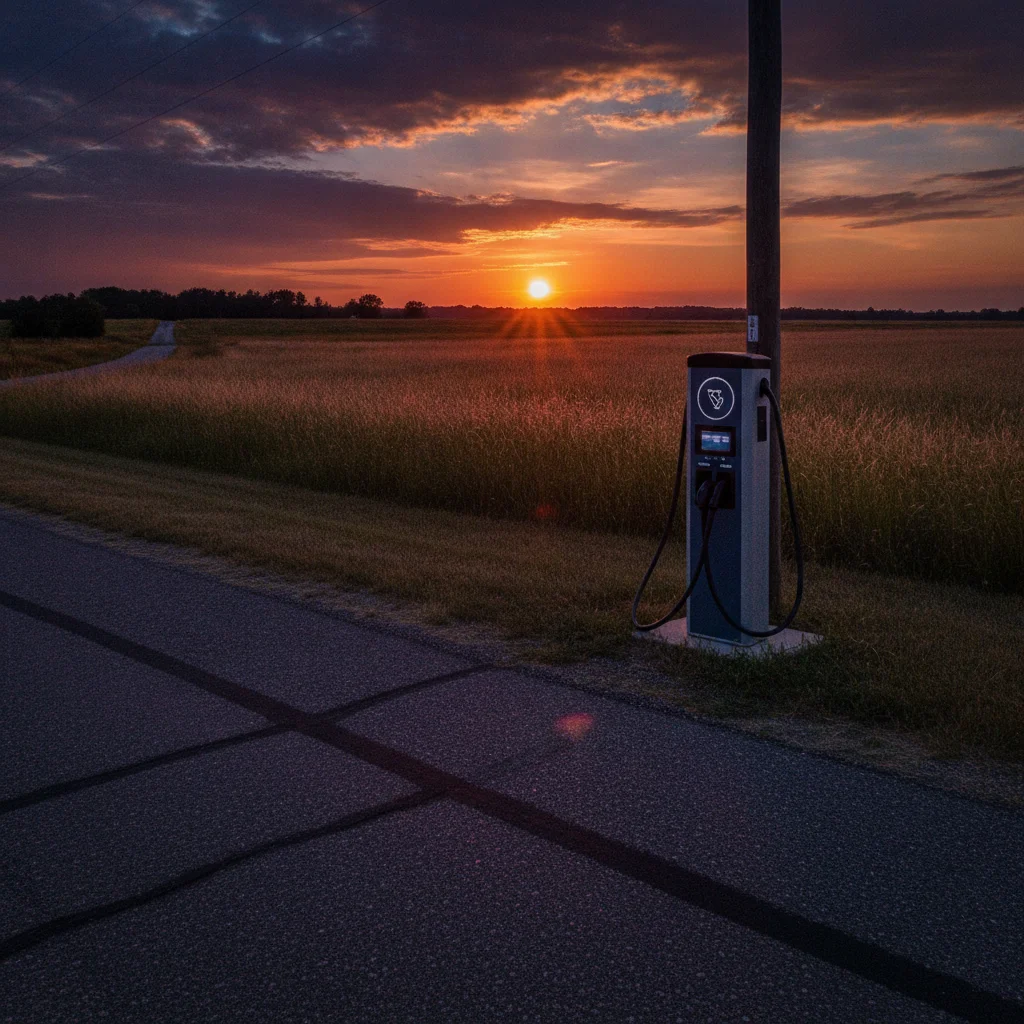
Rivian's Adventure Network stands apart from nearly every other charging provider in the US because it was designed around a specific use case: getting an electric truck or SUV to remote trailheads, national park entrances, ski resorts, and campgrounds that highway-focused networks have no business serving.
As of mid-2024, Rivian had opened its Adventure Network to non-Rivian vehicles equipped with a CCS connector or NACS adapter, which significantly expands its relevance for the broader EV market. Speeds at Adventure Network stations typically reach 200 kW, though real-world throughput depends on the number of vehicles sharing a station's total capacity.
The network's site selection is genuinely distinctive. You'll find Rivian chargers at the entrance to Moab's canyon country, in small gateway towns near national forests, and at coastal destinations that attract outdoor recreation traffic. These aren't locations where Electrify America or EVgo have staked out territory, which makes the Adventure Network complementary rather than redundant to the major fast-charging providers.
For Rivian owners, the in-vehicle navigation integrates seamlessly with Adventure Network stations, automatically routing through them and pre-conditioning the battery before arrival. Non-Rivian drivers can use the Rivian app to locate stations and initiate sessions. The experience is polished — which matters when you're already dealing with the logistical complexity of backcountry travel.
Rivian's Adventure Network targets the outdoor destinations that highway-focused charging providers have consistently left blank on the map.
Volta: Free and Ad-Supported Charging at Retail Locations
Volta operates on a fundamentally different business model than almost any other charging network in the US. Its stations are typically installed at retail shopping centers, grocery stores, and entertainment venues — and a significant portion of the charging is free to drivers. The cost is underwritten by digital advertising displayed on large screens mounted to each charging unit.
Acquired by Shell in 2023, Volta has gone through strategic shifts, but its core footprint of Level 2 stations at high-traffic retail locations remains intact in major markets across California, New York, Florida, and other populous states. DC fast charging units have been added at some locations, though Level 2 (roughly 19–25 miles of range added per hour) remains the network's dominant hardware type.
The value proposition for commuters and errand-runners is real: if you're spending 45–90 minutes at a shopping center anyway, free Level 2 charging is a meaningful cost reduction. Estimating your actual charging cost savings reveals how even modest free sessions add up over a year of regular use. The tradeoff is that Volta stations are generally unsuitable for road-trip use — they're slow by design and concentrated in areas you'd already need to stop.
Reliability has been a documented concern with Volta's network, a criticism that applies to Level 2 public charging broadly. Checking PlugShare for recent user check-ins before relying on any specific location is advisable.
Volta's ad-supported model makes free Level 2 charging at retail locations viable — a meaningful perk for urban commuters who aren't focused on speed.
POWERFLEX (formerly PowerFlex): Workplace and Multifamily Focus
Not every charging need happens on the open road. A substantial portion of EV energy consumption occurs at predictable, repeated locations — workplaces and apartment complexes, specifically. POWERFLEX (now part of EDF Renewables North America) has built its business around smart Level 2 charging for exactly these environments.
What distinguishes POWERFLEX from a typical Level 2 installer is its energy management software. Rather than simply plugging in chargers and billing for sessions, the system dynamically manages power distribution across multiple vehicles and integrates with building electrical loads to avoid demand charge spikes — a major cost driver for commercial properties. For employers and property managers, this translates to lower electricity bills even as more EVs charge simultaneously.
For drivers, workplace and multifamily POWERFLEX installations often mean access to subsidized or free charging as an employee or resident benefit. That changes the calculus of home charging setup costs significantly — if your employer covers daytime charging, the urgency of installing a Level 2 charger at home diminishes.
The network isn't designed for road trip use and doesn't compete on coverage geography in the way that a Rivian or Francis Energy does. But for the specific challenge of making EV ownership practical for apartment dwellers and office commuters, POWERFLEX represents a thoughtful infrastructure solution that the residential-focused charging market hasn't fully solved.
POWERFLEX's smart energy management makes workplace and multifamily charging economically viable at scale — a genuine solution for EV drivers without home charging access.
Greenlots (Now Shell Recharge): A Network in Transition
Greenlots was acquired by Shell in 2019 and has since been rebranded as Shell Recharge in the US market. It's worth knowing both names because a meaningful number of stations still appear under the Greenlots label in aggregator apps, and the network's composition reflects Greenlots' original approach: a mix of Level 2 and DC fast charging at a wide range of location types, from transit centers to retail to highway corridors.
Shell Recharge in North America encompasses not only the former Greenlots footprint but also stations acquired through Shell's purchase of Volta. The combined network runs to thousands of individual ports, though quality and consistency vary considerably across the inherited infrastructure. Some locations feature modern 150–350 kW DC fast chargers; others have aging Level 2 equipment with a less reliable track record.
For drivers, the practical implication is to verify specific station details — hardware generation, recent check-in reports, and available speeds — before routing through a Shell Recharge location you're unfamiliar with. The Shell Recharge app provides session management and payment, and RFID cards are available for drivers who prefer tap-to-start access.
Shell's backing gives the combined network financial resources that independent operators can't match, and the company has signaled continued investment in upgrading older hardware. Whether that translates into a consistently competitive experience on par with EVgo or Electrify America remains an open question as the rebranding continues.
Shell Recharge's inherited Greenlots footprint means wide geographic spread, but hardware quality varies enough that per-station verification is always worth the effort.
SemaConnect (Now Blink): Understand What Got Absorbed
SemaConnect was one of the more established Level 2 network operators in the Mid-Atlantic and northeastern US before being acquired by Blink Charging in 2022. Understanding this acquisition matters for a practical reason: many SemaConnect-branded stations remained physically in place after the acquisition, sometimes with signage, apps, and pricing structures in transition.
If you encounter a SemaConnect charger that isn't responding to the Blink app or RFID card, it may still be operating on legacy SemaConnect software. The technical integration of acquired networks takes time, and drivers caught between systems during transition periods often face unnecessary friction.
Blink's broader network strategy and pricing is covered in depth elsewhere, but the SemaConnect context is worth keeping in mind when using PlugShare or ABRP: if a location shows SemaConnect branding, check for recent user reports to understand the current operational status before relying on it.
The broader lesson applies across the industry: EV charging networks acquire, merge, and rebrand frequently. A station that appeared under one name last year may operate differently today. Staying current with network changes — even for providers you thought you understood — is part of navigating the still-evolving American charging landscape.
Network acquisitions like SemaConnect-into-Blink create real operational friction for drivers — always verify current status at legacy-branded stations before routing through them.
Electrify Commercial: Fleet-Focused Infrastructure With Public Access
Electrify Commercial is the fleet-services arm of Electrify America, targeting commercial vehicle operators — transit agencies, delivery fleets, corporate campuses — rather than individual drivers. But a subset of Electrify Commercial installations are accessible to the public, and understanding this distinction can open up charging options that don't appear on consumer-focused maps.
Depots and transit facilities with Electrify Commercial hardware occasionally permit public access during off-peak hours, particularly in markets where Electrify America has worked with local governments on public-private charging agreements. These aren't guaranteed or consistent across locations, but they represent pockets of high-power charging infrastructure that standard network apps may not surface prominently.
For drivers operating commercial EVs — or managing a small business fleet — Electrify Commercial's managed charging software offers load balancing, driver authentication, and energy cost reporting at a more sophisticated level than most consumer networks provide. The integration with Electrify America's consumer billing infrastructure also means fleet accounts can access the broader public network when drivers are away from depot locations.
As electric fleet adoption accelerates among logistics companies and municipal transit operators, the distinction between fleet-only and public charging infrastructure will matter more. Drivers in urban commercial districts may find themselves passing Electrify Commercial-equipped facilities that are accessible — or soon will be — to personal EVs as operators seek additional utilization revenue.
Electrify Commercial's fleet-focused footprint occasionally overlaps with public access, creating charging options that consumer-focused apps don't always surface.
Xcel Energy and Utility-Owned Networks: Regional Champions Worth Tracking
Several large electric utilities have built their own public charging networks rather than relying exclusively on third-party operators. Xcel Energy's EV charging program in Colorado and Minnesota is one of the more developed examples, with fast chargers deployed along key highway corridors through a program called Colorado Electric Vehicle Fast Charging Stations.
Utility-owned networks carry a structural advantage that private operators don't: the utility already controls the electrical infrastructure and can negotiate electricity costs that third-party operators must buy at retail rates. That cost structure can translate into competitive per-session pricing — and utility programs often receive direct rate relief or incentives from state public utility commissions as part of decarbonization mandates.
Beyond Xcel, Dominion Energy, Duke Energy, and Pacific Gas & Electric have all run or proposed substantial EV charging programs in their service territories. The coverage and public accessibility of these programs varies significantly by state regulatory environment, but in the regions where they operate, utility-backed charging often provides reliable, cost-competitive sessions that complement the private network landscape.
Tracking utility charging programs requires a bit more research effort than finding a ChargePoint or Electrify America location, but for frequent travelers within a single utility's territory, the investment pays off. State energy office websites and the Alternative Fuels Station Locator maintained by the Department of Energy's Clean Cities program are the most reliable sources for locating utility-owned stations.
Utility-owned charging networks leverage structural electricity cost advantages that private operators can't match, often delivering competitive pricing in their service territories.
How to Use These Networks Effectively
Knowing these networks exist is only half the job. Using them efficiently requires a bit of strategy, particularly for multi-state road trips where you may cross the service areas of several different operators in a single day.
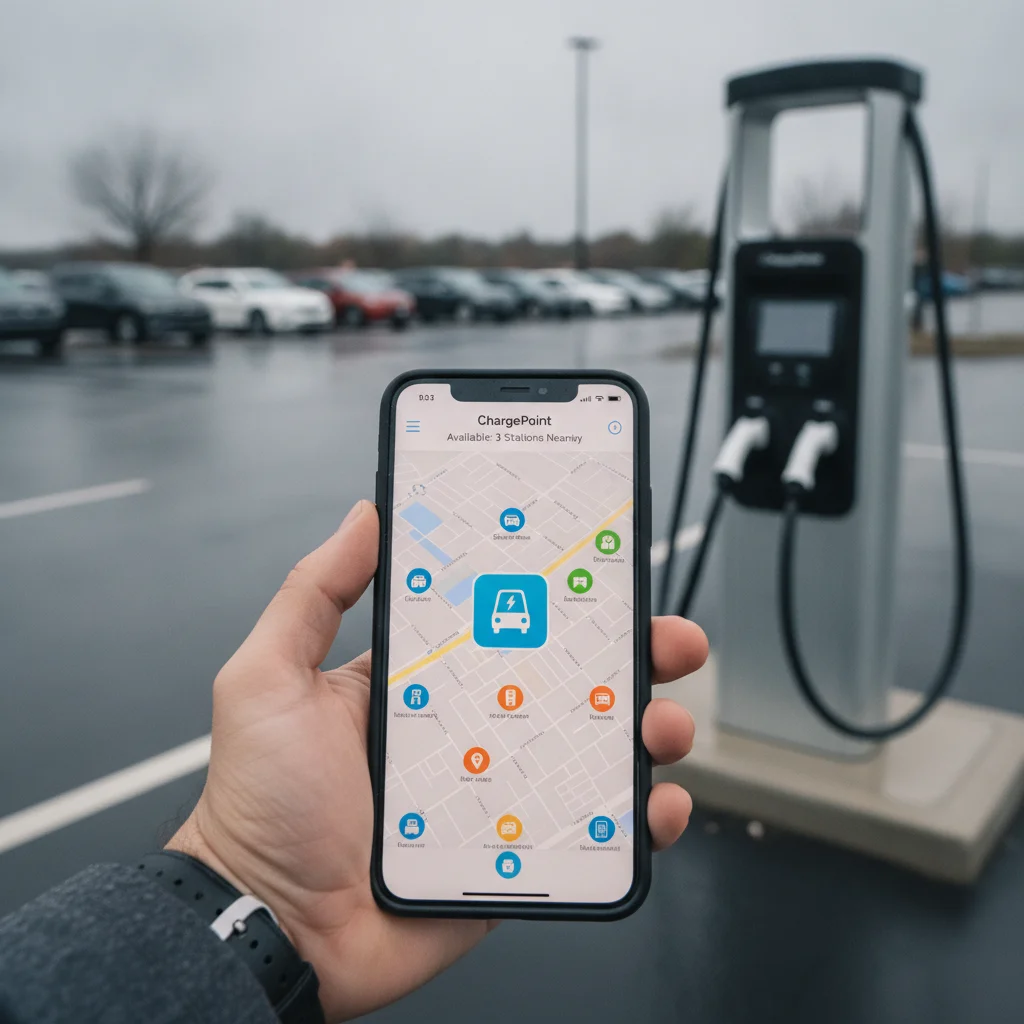
The most practical tool is a multi-network aggregator app. PlugShare remains the most widely used option, pulling real-time station availability data from dozens of networks — including most of the providers on this list. A Better Route Planner (ABRP) goes further by integrating your vehicle's specific consumption profile and battery state to suggest which stations to stop at and for how long. Comparing charging network apps in detail reveals meaningful differences in how each handles real-time reliability data and payment.
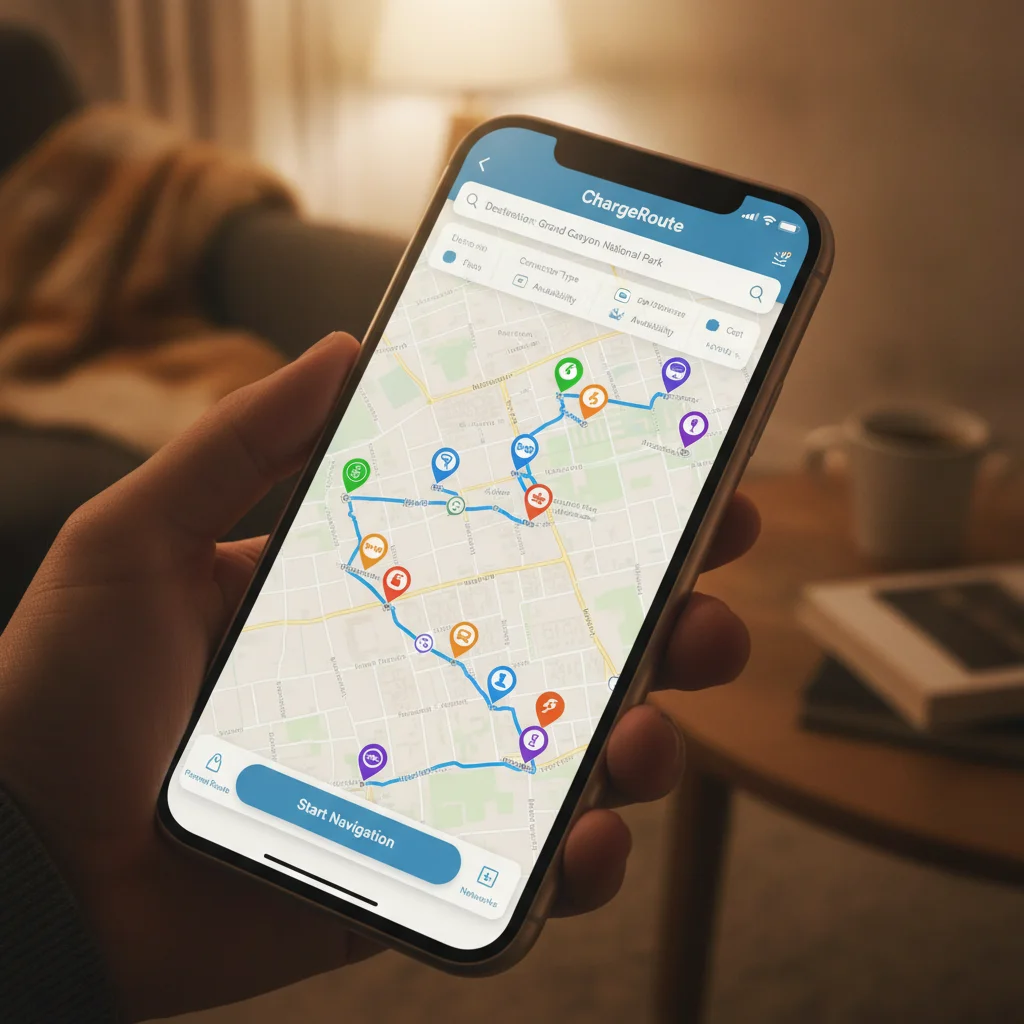
Create Accounts Before You Need Them
For any network you expect to use on a planned trip, create an account and add a payment method at least a day in advance. Some networks require email verification or RFID card delivery before your first session can begin. Discovering that at a charging station in rural Kansas is not ideal. Most network apps are free to download and carry no membership fee for occasional use.
Payment is another consideration. Some smaller networks require a dedicated account or RFID card, while others accept credit cards directly at the station. Before a long trip, it's worth creating accounts with any network you expect to use — or confirming that plug-and-charge or credit card tap-to-pay is available at that specific station. The cost picture also varies significantly by network, with some offering free sessions and others charging per kWh at rates comparable to or higher than the big players.
Finally, don't overlook how NEVI funding is reshaping this landscape. The National Electric Vehicle Infrastructure program is funneling $5 billion through state DOTs, and several smaller networks have successfully competed for those contracts. Understanding what NEVI means for public charging helps explain why some of these providers are growing faster than their current footprint might suggest.
NEVI Funding Is Reshaping the Field
The National Electric Vehicle Infrastructure program requires funded stations to be located within one mile of Interstate highways, spaced no more than 50 miles apart, with at least four 150 kW DC fast charging ports per site. Several smaller networks — including some regional operators not yet at national scale — have won NEVI contracts in their states, which means their footprints are likely to expand significantly by 2026. Checking your state DOT's NEVI implementation plan can reveal which networks are slated for buildout in specific corridors near you.
Station Reliability Data Is User-Generated
For smaller networks without large operations teams monitoring uptime in real time, PlugShare check-ins from other drivers are often the most current source of reliability information. A station that shows as available on the operator's own app may have been broken for days without a formal status update. Getting in the habit of checking PlugShare user comments — not just station status icons — can save significant frustration, particularly at rural or lower-traffic locations.
All claims are backed by peer-reviewed research. Sources on request.