Key Takeaways
Why Battery Health Deserves More Attention Than Most EV Owners Give It
When people worry about EV ownership, range anxiety gets most of the attention. But the quieter, longer-term concern — one that directly affects your EV's resale value, daily usability, and total cost of ownership — is battery degradation. Every lithium-ion pack loses some capacity over time. The question is how fast, and how much of that rate is within your control.
The answer, backed by real-world data from large EV fleets and owner surveys, is: quite a lot. Recurrent Auto analyzed data from over 15,000 EVs and found that battery degradation varies significantly by owner behavior, not just age or mileage. Owners who practiced consistent charging hygiene retained meaningfully more range than those who routinely pushed pack limits. That's not a small edge — over a five-year ownership period, it can translate to 20 or more miles of preserved range.
If you want to understand what degrades a battery first, learn which charging habits quietly accelerate wear — this article is about what to do instead. And for context on how battery chemistry shapes all of these dynamics, see our primer on NMC versus LFP battery chemistry.
The Science Behind Degradation (Without the PhD)
You don't need an electrochemistry degree to protect your battery, but a basic mental model helps. Inside every lithium-ion cell, lithium ions shuttle between a cathode and an anode during charging and discharging. Degradation happens through several mechanisms: lithium plating (ions deposit as metallic lithium on the anode, reducing capacity and sometimes creating safety risks), electrolyte decomposition (the liquid medium breaks down at extreme temperatures or voltages), and SEI layer growth (a passive film forms on the anode and gradually thickens, consuming lithium ions permanently).
All three processes accelerate under three conditions: high state of charge, very low state of charge, and elevated temperature. That's the science behind nearly every best practice in this article. The habits below aren't arbitrary rules — they're direct interventions against these known degradation mechanisms.
“Battery degradation is not a mystery. It follows predictable electrochemical rules. The owners who understand those rules — even at a basic level — consistently preserve more capacity over time than those who treat their EV like a smartphone and just plug it in whenever.”
— Venkat Srinivasan, Director, Argonne Collaborative Center for Energy Storage Science (ACCESS)
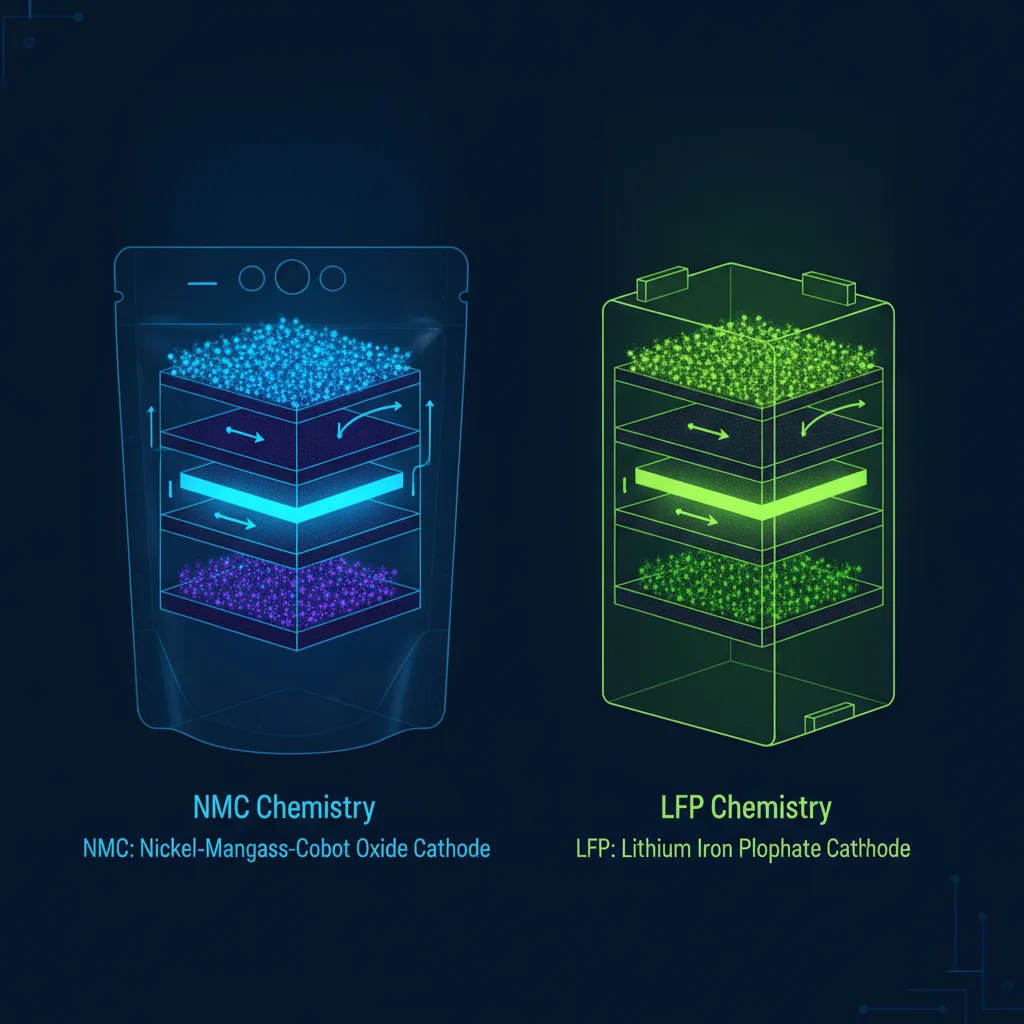
It's also worth noting that not all EV batteries are equal starting points. LFP (lithium iron phosphate) chemistry, used by Tesla in its Standard Range models and many Chinese-manufactured EVs, is inherently more tolerant of full charges and deep discharges than NMC (nickel manganese cobalt) packs. If you own an LFP vehicle, your manufacturer may actually recommend charging to 100% regularly. Always defer to your owner's manual on chemistry-specific guidance.
LFP Chemistry Changes the Charging Rules
If your EV uses lithium iron phosphate (LFP) battery chemistry — common in Tesla Standard Range models, many BYD vehicles, and some Ford and Rivian configurations — the 80% daily limit rule may not apply. LFP cells are chemically more stable at full charge and manufacturers often recommend charging to 100% regularly to maintain accurate state-of-charge calibration. Check your owner's manual or the manufacturer's app for chemistry-specific guidance before adjusting your charge limits.
Degradation Compounds Your Charging Costs Over Time
A battery that has lost 15% of its original capacity doesn't just give you shorter range — it also means more frequent charging sessions to cover the same weekly miles. Over a five-year ownership period, that additional charging cost can add up to hundreds of dollars even if electricity rates stay flat. Preserving capacity now is also preserving your long-term fuel budget. <a href="/electric-vehicles/charging-infrastructure/charging-costs-savings/how-battery-degradation-affects-long-term-ev-charging-costs">See the full cost projection here</a>.
Core Practices That Preserve Battery Capacity Long-Term
These aren't abstract tips. Each practice below targets a specific degradation mechanism and is actionable today. Implement two or three consistently and you'll be ahead of most EV owners in terms of long-term battery preservation.
Set your daily charge limit to 80% and stick to it as your default
Lithium-ion cells experience the greatest stress at the top and bottom of the voltage range. Keeping your battery between 20% and 80% dramatically reduces the electrochemical strain on cells during daily use, slowing SEI layer growth and electrolyte decomposition. Most EVs let you set a charge limit directly in the car or app — use it.
Reserve DC fast charging for road trips, not daily routines
DC fast charging delivers high-current electricity that heats cells rapidly and accelerates degradation at the electrode level. Studies of taxi fleets that fast-charged daily showed measurably faster capacity loss than those using Level 2 charging. Fast charging occasionally is fine — it's what the technology is designed for — but making it a daily habit adds years' worth of wear.
Avoid consistently draining the battery below 10–15% before charging
Deep discharges stress the anode and can trigger irreversible capacity loss, particularly in NMC chemistry packs. The cells experience voltage instability at very low states of charge, accelerating lithium plating risk on subsequent charges. Treating 15–20% as your practical floor mimics how battery manufacturers test for cycle longevity.
Pre-condition your battery before fast charging in cold weather
Charging a cold lithium-ion pack at high current dramatically increases lithium plating risk, permanently consuming lithium that would otherwise contribute to capacity. Most modern EVs include a battery pre-conditioning feature that warms the pack to optimal temperature before you arrive at a fast charger. Using it adds a few minutes to your trip but protects cells from one of the most damaging charging scenarios.
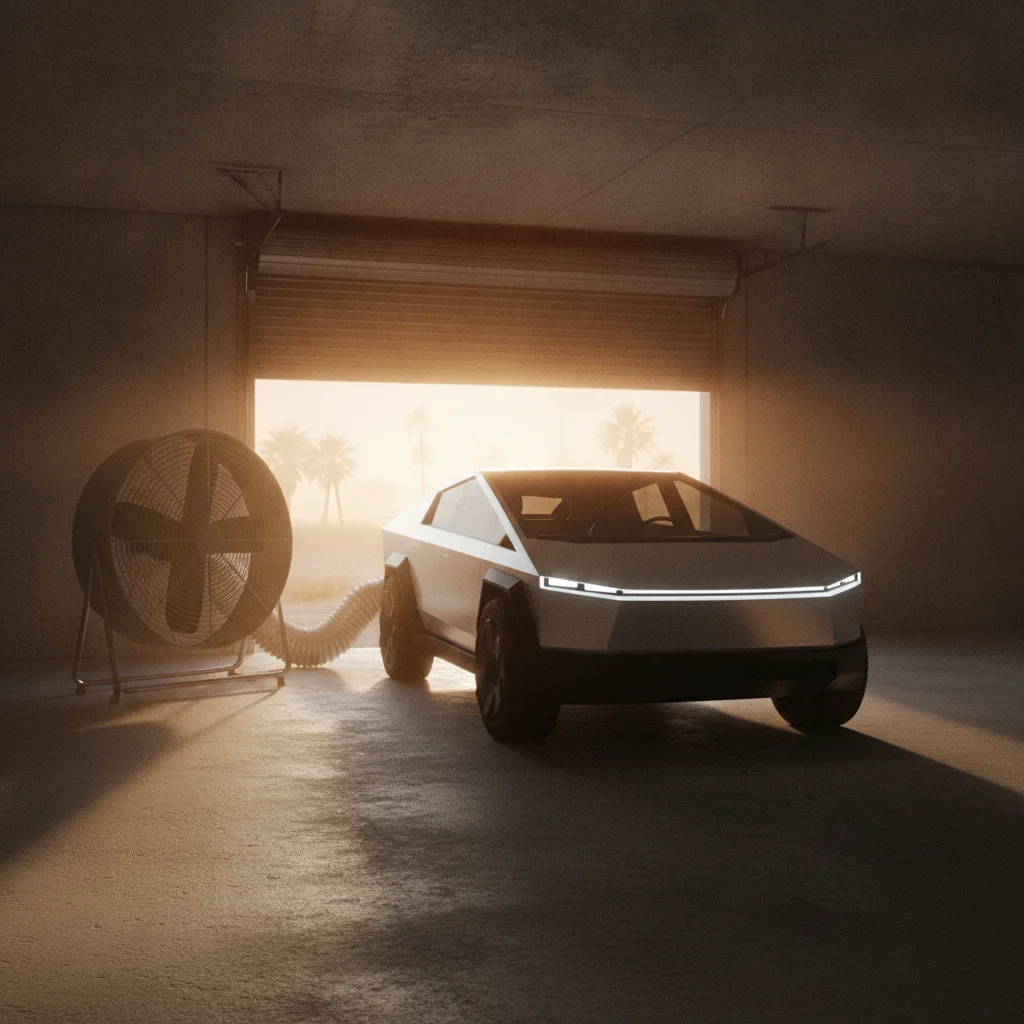
Park in shade or a garage during extreme heat whenever possible
Elevated pack temperature is the most damaging long-term condition for lithium-ion batteries. Ambient heat forces the thermal management system to work harder and still allows cells to experience elevated temperatures during rest, accelerating all degradation mechanisms simultaneously. Passive cooling through parking choice is free and effortless.
Keep firmware and software updated to benefit from BMS improvements
EV manufacturers regularly issue over-the-air updates that refine battery management system logic — adjusting charging curves, thermal thresholds, and cell balancing algorithms. Skipping updates means potentially missing out on capacity improvements or degradation protections that your hardware is already capable of but hasn't been instructed to implement.
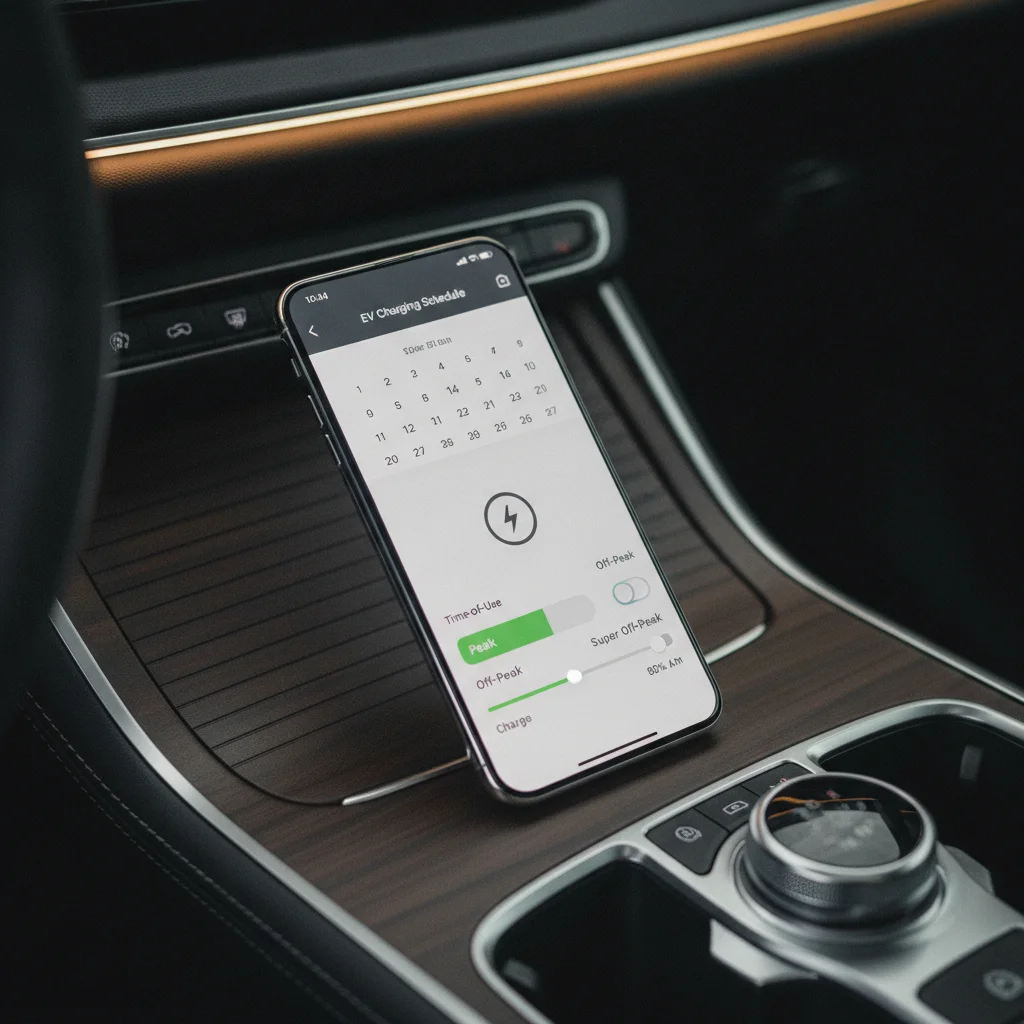
Use scheduled charging to finish just before your departure time
A battery sitting at 100% state of charge for hours loses capacity faster than one that reaches a full charge and immediately begins discharging. Scheduling your charge to complete 30–60 minutes before you leave minimizes the time cells spend at peak voltage. This is especially relevant if you ever do charge to 100% for a long trip.
Monitor your battery's State of Health annually using diagnostic tools
You can't manage what you don't measure. Tracking your pack's SoH each year gives you a concrete record of degradation rate — helping you identify if a change in habits or climate is accelerating wear, and giving you documentation if a warranty capacity claim becomes necessary.
~2.3%
Average annual EV battery capacity loss
Recurrent Auto's analysis of over 15,000 EVs found median annual degradation of roughly 2.3%, meaning most packs retain substantial capacity over 8–10 years.
70%
Federally mandated minimum capacity retention
U.S. federal law requires EV manufacturers to warranty battery capacity at or above 70% of original rating for at least 8 years or 100,000 miles.
Up to 10%
Extra degradation from frequent fast charging
Research published in the journal Joule found that packs relying heavily on DC fast charging experienced up to 10% more capacity loss over equivalent cycles versus Level 2 charging.
15–20°F
Pack temperature reduction from shaded parking
Thermal testing by automotive engineers has shown that shaded or covered parking can reduce battery pack ambient temperatures by 15–20°F during peak summer heat.
Quick Wins You Can Put in Place This Week
Not every protective habit requires reconfiguring your routines from scratch. Some of the highest-impact changes take less than five minutes to set up and then run in the background indefinitely.
For a broader look at how these habits fit into your overall EV maintenance picture, read our full EV maintenance guide — it covers everything from battery care to brake fluid and tire rotation schedules.
Temperature Management: The Factor Most Owners Underestimate
Of all the variables that determine how fast your battery ages, ambient and pack temperature is the most powerful — and the one least discussed in casual EV ownership conversations. Heat accelerates every degradation mechanism simultaneously. Studies consistently show batteries operated in hot climates (think Phoenix, Las Vegas, Houston) degrade noticeably faster than identical packs in cooler regions, even with identical charging habits.
Pre-Conditioning Is Free Energy Well Spent
Running your EV's climate control and battery pre-conditioning while still plugged in uses grid electricity, not stored battery capacity. This means you start every drive with a full, thermally optimal pack without having consumed range to warm or cool the cabin. Set it up as a departure schedule in your vehicle's app and you'll never think about it again.
Check Your Battery's SoH Before the Warranty Expires
Many owners never check their battery's State of Health until something obviously goes wrong. If your EV is approaching the end of its factory warranty period, run a diagnostic check beforehand. If capacity has dropped below the warranty threshold, you have a legitimate claim — but only if you document it in time. Don't let the clock run out on a warranty repair you're entitled to.
Cold weather matters too, but differently. Cold temperatures don't permanently degrade cells — they temporarily reduce available capacity and slow charging speeds. What hurts batteries in cold climates is charging at very low temperatures without preconditioning. Lithium plating risk spikes when you fast-charge a cold pack.
Most modern EVs include a thermal management system (TMS) that actively heats or cools the battery pack. Your job is to work with it, not around it. Pre-condition the cabin and battery before departure while still plugged in — this costs grid electricity instead of pack capacity and ensures the cells are at optimal temperature before you start drawing power or charging.
If you're parking your EV for weeks or months at a time, temperature management during storage is equally critical. Our EV storage preparation guide covers the right state of charge, ideal environments, and what to check when you return to the vehicle.
Charging Infrastructure and Costs: The Battery Health Connection
Battery health doesn't exist in isolation — it directly shapes your charging economics over time. A pack that has degraded 15% requires more frequent charging sessions to cover the same weekly miles, gradually increasing your per-mile energy cost even if electricity rates stay flat. See how degradation compounds into higher long-term charging costs for the full picture.
LFP Chemistry Changes the Charging Rules
If your EV uses lithium iron phosphate (LFP) battery chemistry — common in Tesla Standard Range models, many BYD vehicles, and some Ford and Rivian configurations — the 80% daily limit rule may not apply. LFP cells are chemically more stable at full charge and manufacturers often recommend charging to 100% regularly to maintain accurate state-of-charge calibration. Check your owner's manual or the manufacturer's app for chemistry-specific guidance before adjusting your charge limits.
Degradation Compounds Your Charging Costs Over Time
A battery that has lost 15% of its original capacity doesn't just give you shorter range — it also means more frequent charging sessions to cover the same weekly miles. Over a five-year ownership period, that additional charging cost can add up to hundreds of dollars even if electricity rates stay flat. Preserving capacity now is also preserving your long-term fuel budget. <a href="/electric-vehicles/charging-infrastructure/charging-costs-savings/how-battery-degradation-affects-long-term-ev-charging-costs">See the full cost projection here</a>.
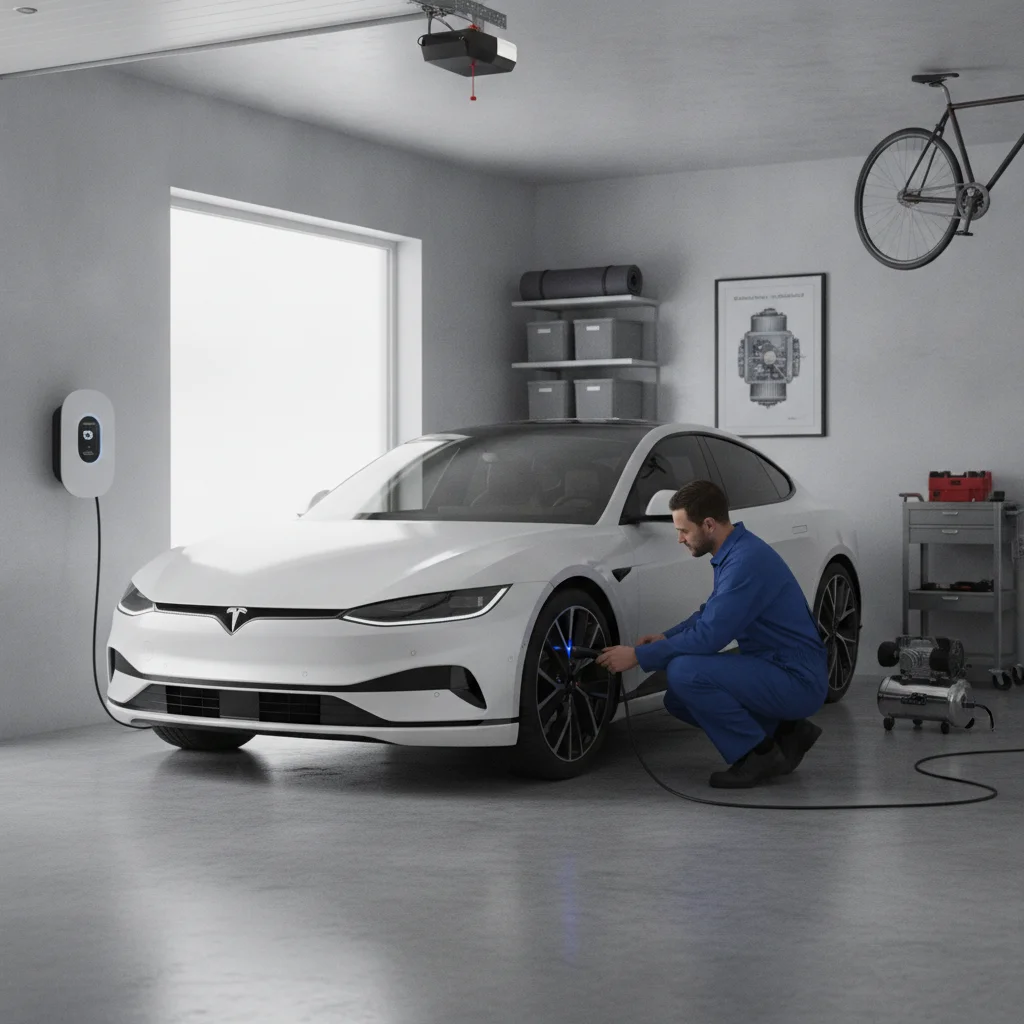
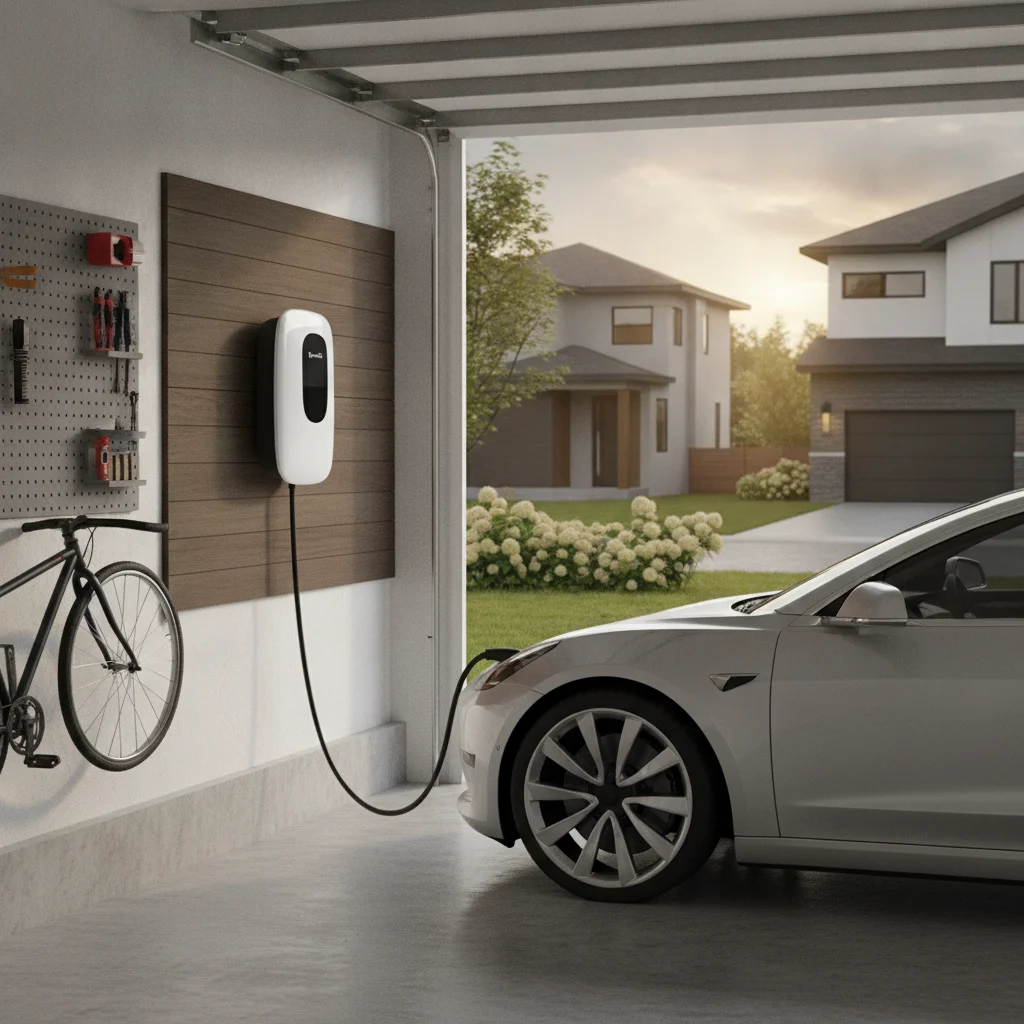
On the infrastructure side, your home charging setup plays a role in battery health too. A well-maintained Level 2 charger with a stable power supply delivers clean, consistent current that's gentle on cells. Inconsistent or degraded home wiring can create power fluctuations. Maintaining your home EV charger properly is a low-effort way to protect both your equipment and your battery simultaneously.
For a broader look at estimating and reducing what you spend on electrons, the Charging Costs & Savings hub covers time-of-use rate strategies, public charging cost comparisons, and tools for calculating your actual per-mile fuel cost.
Monitoring, Software, and Knowing When to Act
Passive good habits take you a long way, but active monitoring helps you catch problems early and verify that your practices are actually working. Here's what to track:
- Estimated range at full charge: Most EVs display this prominently. Track it over months — a gradual decline is normal, but a sudden drop warrants investigation.
- Charging completion time: If your battery takes noticeably longer to charge to your set limit than it used to at similar temperatures, capacity loss may be accelerating.
- Third-party diagnostic apps: Apps like Tessie (Tesla), Torque Pro with OBD-II adapter, or manufacturer-specific tools can show State of Health (SoH) — the pack's current capacity relative to original spec. Knowing your SoH gives you a real number instead of a guess.
Pre-Conditioning Is Free Energy Well Spent
Running your EV's climate control and battery pre-conditioning while still plugged in uses grid electricity, not stored battery capacity. This means you start every drive with a full, thermally optimal pack without having consumed range to warm or cool the cabin. Set it up as a departure schedule in your vehicle's app and you'll never think about it again.
Check Your Battery's SoH Before the Warranty Expires
Many owners never check their battery's State of Health until something obviously goes wrong. If your EV is approaching the end of its factory warranty period, run a diagnostic check beforehand. If capacity has dropped below the warranty threshold, you have a legitimate claim — but only if you document it in time. Don't let the clock run out on a warranty repair you're entitled to.
Software updates are underrated battery health tools. Manufacturers regularly push BMS firmware improvements that recalibrate charge curves, adjust thermal thresholds, and extend cycle life. Tesla, Rivian, Hyundai, and others have issued over-the-air updates that measurably improved battery management on existing vehicles. Keeping your vehicle's software current isn't just about feature access — it's substantive battery care.
Finally, understand your warranty baseline. Federal law requires EV manufacturers to warranty the battery for at least 8 years or 100,000 miles, and many states (following California's standards) require that coverage to include capacity retention — typically a 70% threshold. If your battery drops below that threshold within the warranty period, you're entitled to a replacement or repair. Know what your specific warranty covers before that period ends. For the full spectrum of EV ownership considerations from day one to resale, understanding how range and efficiency interact gives you the baseline framework every EV owner needs.

All claims are backed by peer-reviewed research. Sources on request.