Key Takeaways
Option A
NMC (Nickel Manganese Cobalt) Lithium-Ion
The high-performance chemistry built for range and power.
Best for: Drivers prioritizing maximum range and fast charging in passenger EVs and performance vehicles.
Option B
LFP (Lithium Iron Phosphate)
The durable, safer workhorse built for longevity and value.
Best for: Buyers who want lower long-term costs, frequent charging flexibility, and less battery anxiety.
If you regularly drive long distances or take frequent road trips
NMC (Nickel Manganese Cobalt) Lithium-Ion
NMC's superior energy density gives you more miles per charge, and its faster peak charging rates mean shorter highway stops at DC fast chargers.
If you mostly commute locally and charge at home every night
LFP (Lithium Iron Phosphate)
LFP handles daily 100% charges without significant degradation, making it ideal for predictable, short-range daily drivers who want longevity over peak range.
If you're buying an EV primarily for low total cost of ownership
LFP (Lithium Iron Phosphate)
LFP packs are cheaper to manufacture, typically priced into more affordable vehicles, and retain capacity longer — reducing replacement risk over a 10-year ownership window.
If you're buying a high-performance or luxury electric vehicle
NMC (Nickel Manganese Cobalt) Lithium-Ion
Performance EVs almost universally use NMC chemistry because it delivers the energy density and discharge rates needed for sports-car acceleration and 300-plus-mile ranges.
If battery safety and thermal stability are your top concerns
LFP (Lithium Iron Phosphate)
LFP is intrinsically more thermally stable than NMC and far less prone to thermal runaway, making it the safer choice in extreme heat or in applications with less sophisticated cooling systems.
Why Battery Chemistry Actually Matters to Car Buyers
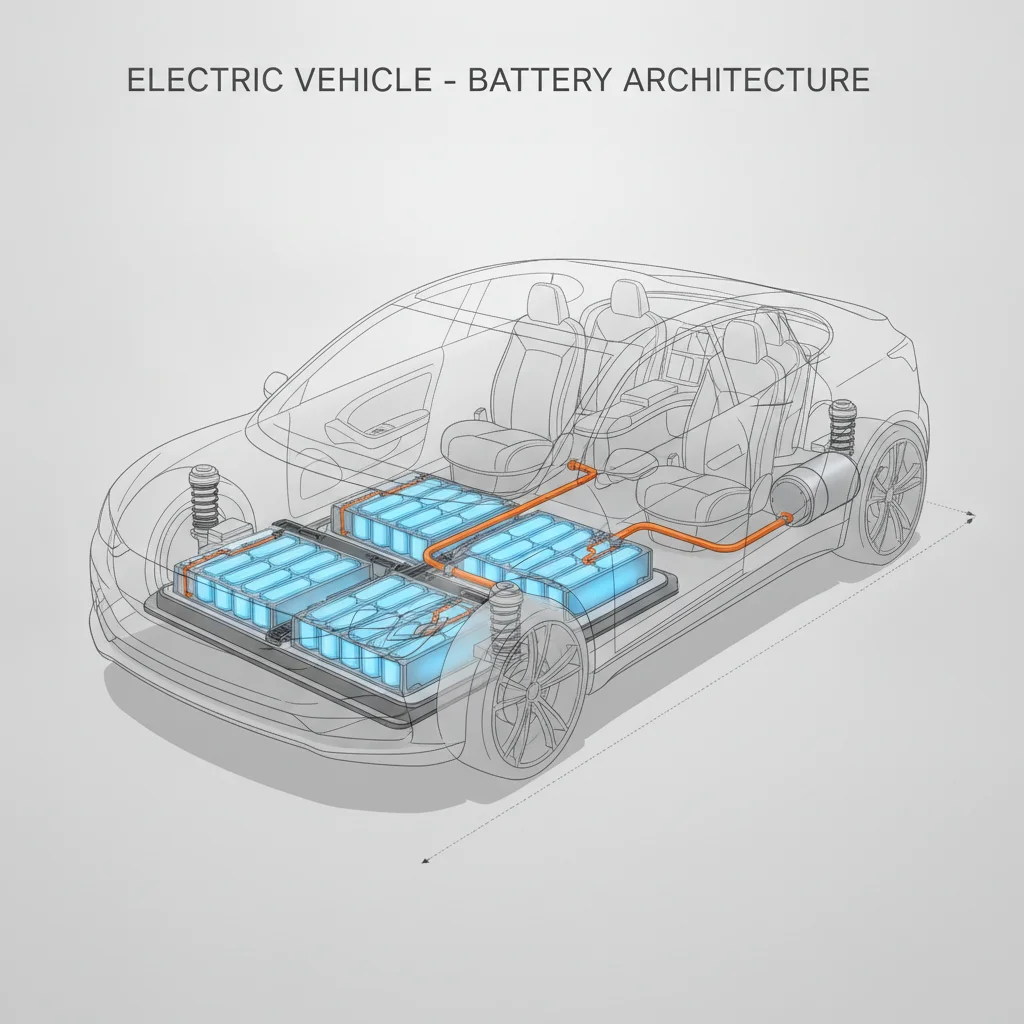
When you're shopping for an EV, it's tempting to focus entirely on the headline range number and move on. But two EVs with identical EPA-rated range can behave completely differently over years of ownership — and battery chemistry is a big reason why. The chemistry inside your battery pack determines how far you can go, how fast you can charge, how long the pack lasts, and what happens in a worst-case thermal event.
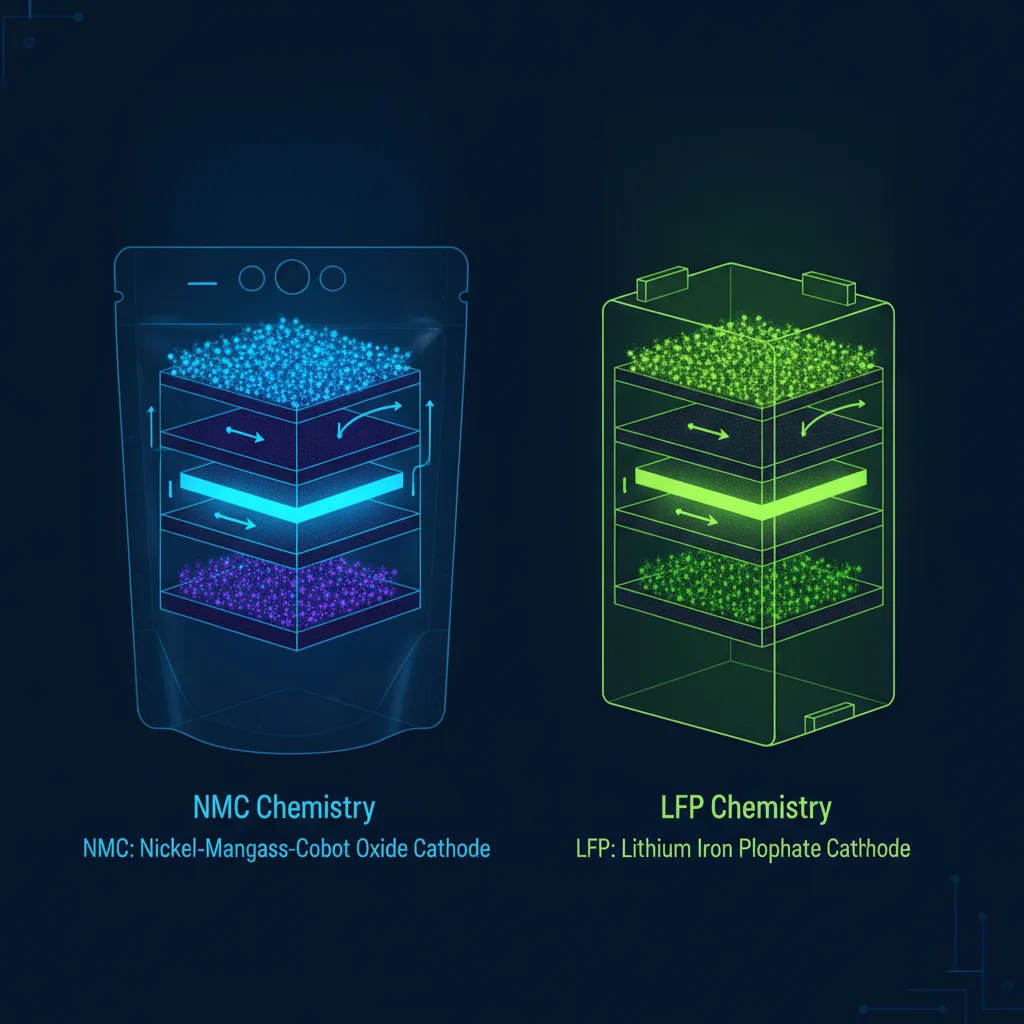
There are two dominant lithium-based chemistries in production EVs today: NMC (Nickel Manganese Cobalt oxide) and LFP (Lithium Iron Phosphate). Both are lithium-ion technologies in the broad sense — they use lithium ions moving between electrodes to store and release energy — but their cathode materials are fundamentally different, and those differences cascade into real-world trade-offs you'll feel every time you drive and charge.
Understanding these chemistries doesn't require an engineering degree. It requires knowing what questions to ask and which trade-offs match your lifestyle. This breakdown is designed to give you exactly that. For a deeper look at how the specs on a window sticker translate to real ownership experience, see what to look for in an EV's battery specs before you buy.
NMC vs. LFP: Head-to-Head Comparison
The table below summarizes the key differences across the criteria that matter most to everyday EV buyers. Keep in mind these are general characteristics — specific vehicles can vary based on pack design, thermal management, and software tuning.
| Criterion | NMC Lithium-Ion | LFP (Lithium Iron Phosphate) |
|---|---|---|
| Energy Density | 200–300 Wh/kg (higher) | 120–160 Wh/kg (lower) |
| Typical Range | Higher — 250–400+ miles | Moderate — 180–300 miles |
| Cycle Life | 1,000–2,000 cycles | 2,000–4,000+ cycles |
| Safe Charging Limit (Daily) | 80–90% recommended | 100% charge is fine |
| Thermal Stability | Moderate — ~150–200°C threshold | High — ~270°C threshold |
| Cold Weather Performance | Better cold resilience | More range loss in freezing temps |
| Raw Material Cost | Higher (contains cobalt) | Lower (no cobalt) |
| Typical Vehicle Segment | Mid-range to premium EVs | Affordable and commercial EVs |
| Fast Charging Speed | Generally faster peak rates | Slightly slower peak rates |
| State-of-Charge Accuracy | More precise BMS reading | Flatter voltage curve, less precise |
4,000+
LFP cycle life (to 80% capacity)
Industry-standard LFP cell testing routinely demonstrates 3,000–4,000+ cycles before significant degradation, versus 1,000–2,000 for typical NMC cells.
~40%
Share of global EV batteries using LFP in 2023
According to BloombergNEF, LFP crossed the 40% share threshold of global EV battery deployments in 2023, driven largely by Chinese domestic production.
270°C
LFP thermal runaway threshold
LFP cathodes remain stable up to roughly 270°C, compared to approximately 150–200°C for NMC, giving LFP a substantially wider thermal safety margin.
20–30%
Winter range loss for LFP in extreme cold
Real-world testing and owner data suggest LFP-equipped EVs can lose 20–30% of range in temperatures below 20°F, more than typical NMC vehicles in similar conditions.
One nuance worth calling out: LFP's state-of-charge estimation is less precise than NMC's. Because the voltage curve in LFP cells is relatively flat, the battery management system has a harder time pinpointing exactly how much charge remains. This is why automakers using LFP — including Tesla on its Standard Range models and BYD across its lineup — often recommend a periodic full charge to help the system recalibrate. It's a minor workflow adjustment, but worth knowing before you buy.
NMC Is an Umbrella Term — Not One Chemistry
NMC itself covers a family of cathode formulations: NMC 111, NMC 532, NMC 622, and NMC 811 (the numbers refer to the ratio of nickel, manganese, and cobalt). Higher nickel ratios boost energy density but can reduce thermal stability slightly. NCA (Nickel Cobalt Aluminum) is another closely related chemistry used by Tesla in some older models. For shopping purposes, treating all NMC/NCA variants as the 'high energy density' category versus LFP's 'high durability' category is a reasonable simplification.
Manufacturer Terminology Can Be Confusing
BYD markets its LFP technology as 'Blade Battery,' while CATL calls its LFP product 'CTP' (cell-to-pack). Tesla simply labels trim levels as 'Standard Range' without always specifying chemistry upfront. When comparing vehicles, it's worth asking the dealer directly which chemistry is in the specific trim you're considering — especially since some models have shifted chemistry between model years.
Energy Density and Real-World Range
NMC has a clear edge in energy density. Measured in watt-hours per kilogram (Wh/kg), NMC cells typically land in the 200–300 Wh/kg range, while LFP cells run closer to 120–160 Wh/kg. That gap is significant: to get the same amount of usable energy, an LFP pack needs to be heavier and physically larger than an NMC pack. For a compact sedan, that extra weight and volume is a meaningful constraint.
This is why long-range models — the Tesla Model S Long Range, the BMW iX, the Mercedes EQS — almost universally use NMC chemistry. When you need 300+ miles in a vehicle that also has to carry passengers, cargo, and drivetrain hardware, you need the energy density that NMC delivers.
LFP vehicles tend to offer more modest range figures. The base Tesla Model 3 with LFP chemistry has an EPA rating around 272 miles — respectable, but well below the 358-mile figure for the Long Range AWD variant that uses NMC. Affordable EVs like the Chevy Equinox EV in its entry trims and many commercial vans and buses lean on LFP for the same reason: total cost matters more than maximum range.
That said, range anxiety is frequently overstated. Studies consistently show the majority of U.S. drivers travel fewer than 40 miles per day. For that use case, the range difference between NMC and LFP is largely academic — you'd never come close to depleting either pack on a typical weekday.
Longevity, Degradation, and the 100% Charging Question
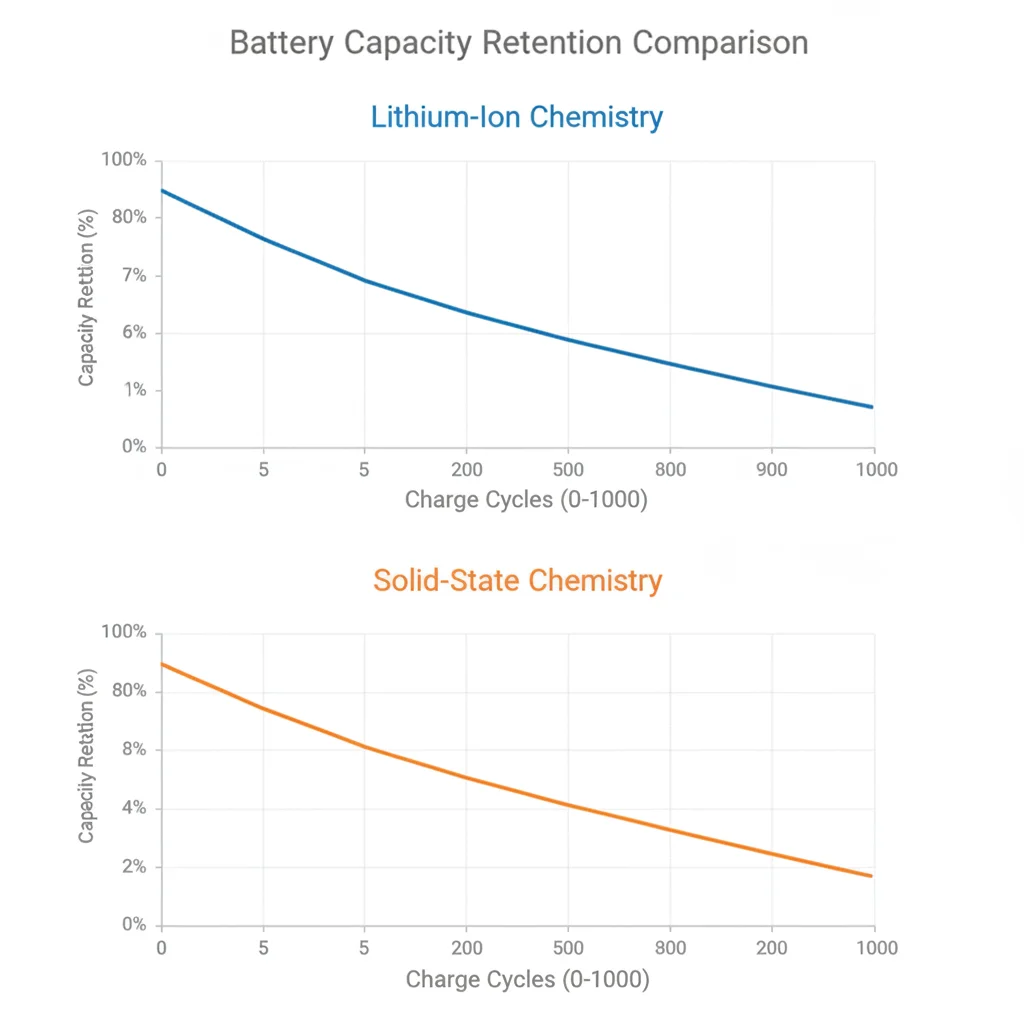
This is where LFP wins decisively for many buyers. Cycle life — the number of full charge-discharge cycles a battery can endure before losing significant capacity — is substantially higher in LFP chemistry. LFP cells are commonly rated for 2,000–4,000+ cycles before dropping to 80% of original capacity, compared to 1,000–2,000 cycles for typical NMC cells.
Translated into years of ownership: an LFP-equipped EV driven 12,000 miles a year and charged daily is likely to retain usable range for well over a decade. NMC packs degrade faster, particularly when routinely charged to 100% or subjected to frequent DC fast charging. This is why most NMC vehicle manufacturers recommend keeping the daily charge limit at 80–90% — a constraint that effectively reduces your usable range from day one.
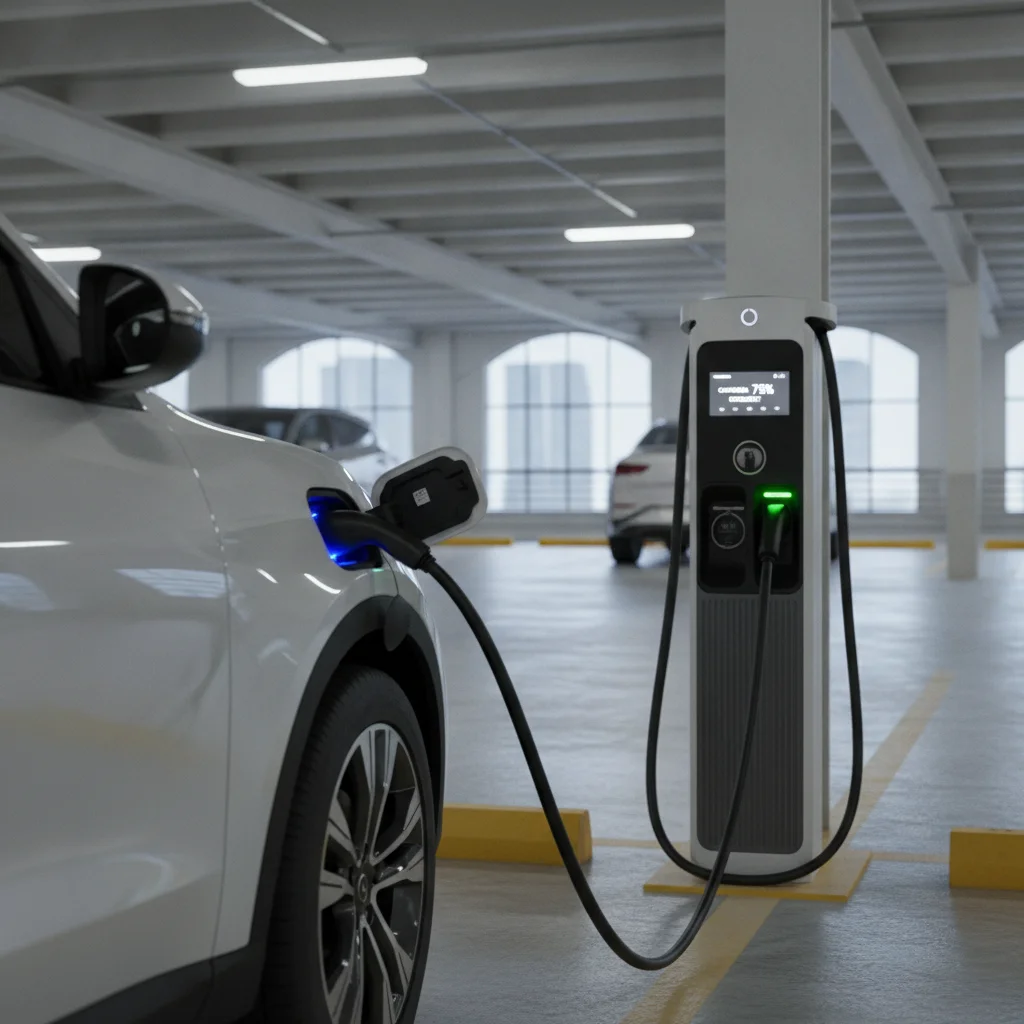
LFP flips this entirely. Manufacturers including Tesla explicitly encourage LFP owners to charge to 100% regularly, both because the chemistry tolerates it and because a full charge helps the battery management system calibrate state-of-charge accurately. For anyone with a home charger who plugs in every night, this is a genuine quality-of-life advantage — you get your full rated range every morning without worrying about degradation.
For practical strategies to protect whichever battery chemistry you end up with, EV battery health habits that preserve long-term capacity covers the charging and driving behaviors that matter most.
Thermal Stability, Safety, and Temperature Performance
Battery safety is not a minor footnote. Thermal runaway — the chain reaction that can cause a lithium battery to catch fire — is a real phenomenon, and chemistry matters enormously here.
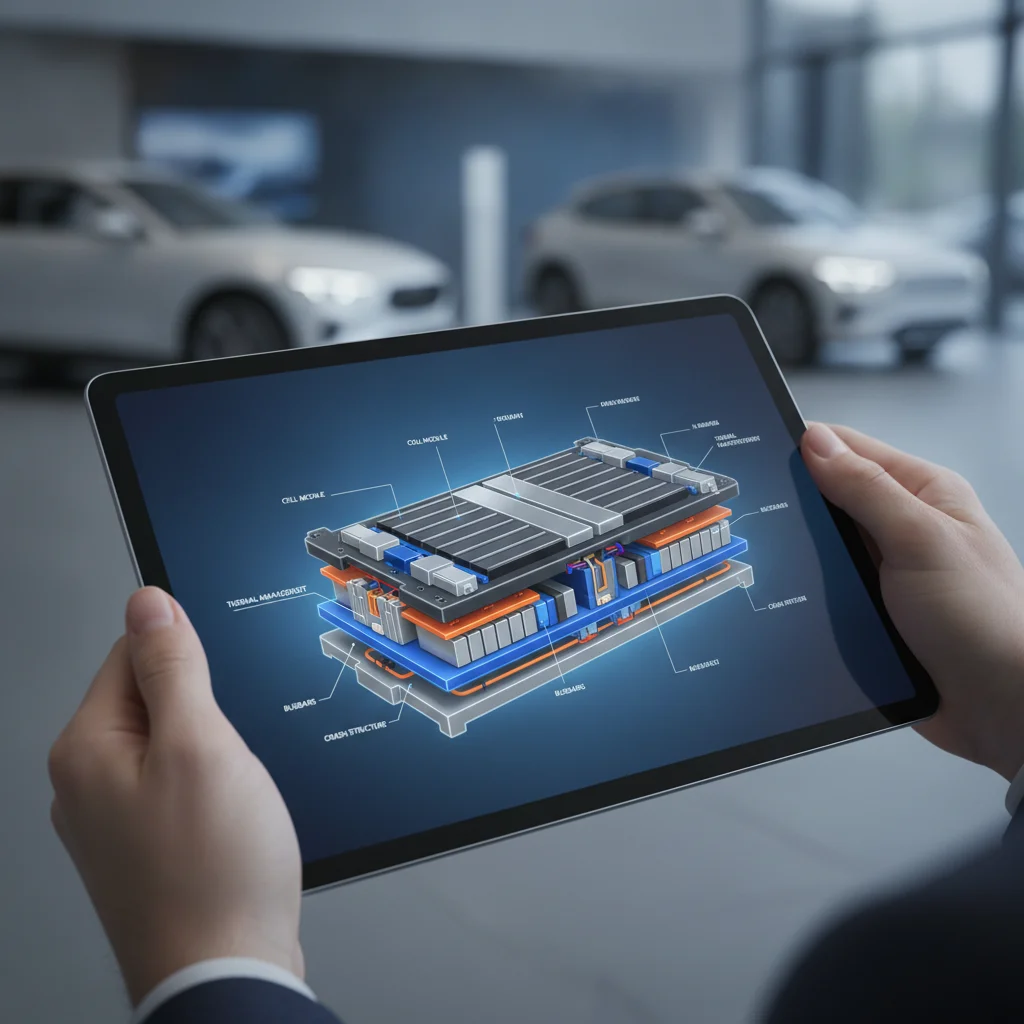
LFP has a strong structural advantage: the iron-phosphate bond in its cathode is extremely stable and requires significantly more energy to break down. LFP cells begin to experience thermal issues around 270°C (518°F), compared to approximately 150–200°C (302–392°F) for NMC cells. This doesn't mean NMC EVs are unsafe — modern battery management systems and thermal management hardware do an excellent job of keeping cells within safe operating ranges — but LFP has a wider margin for error.
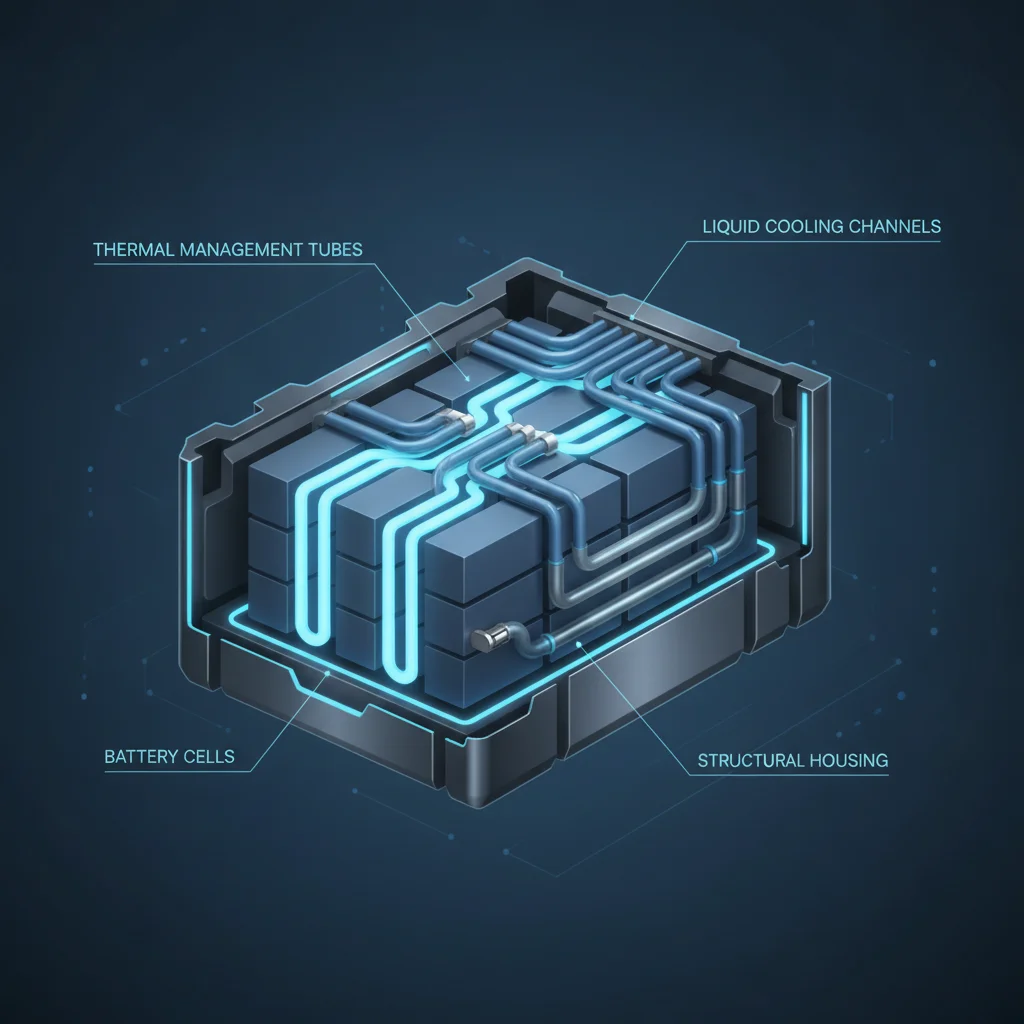
Cold-weather performance is a different story. LFP chemistry loses available capacity more sharply in freezing temperatures than NMC does. Owners in Minnesota, Montana, or other cold-climate states often see LFP range drop 20–30% in winter conditions, while NMC tends to handle cold better (though all lithium-ion batteries lose range in the cold). Thermal management systems — including battery heaters, liquid cooling loops, and heat pumps — can mitigate this significantly. To understand how these systems work across chemistry types, see the thermal management systems keeping your EV battery alive.
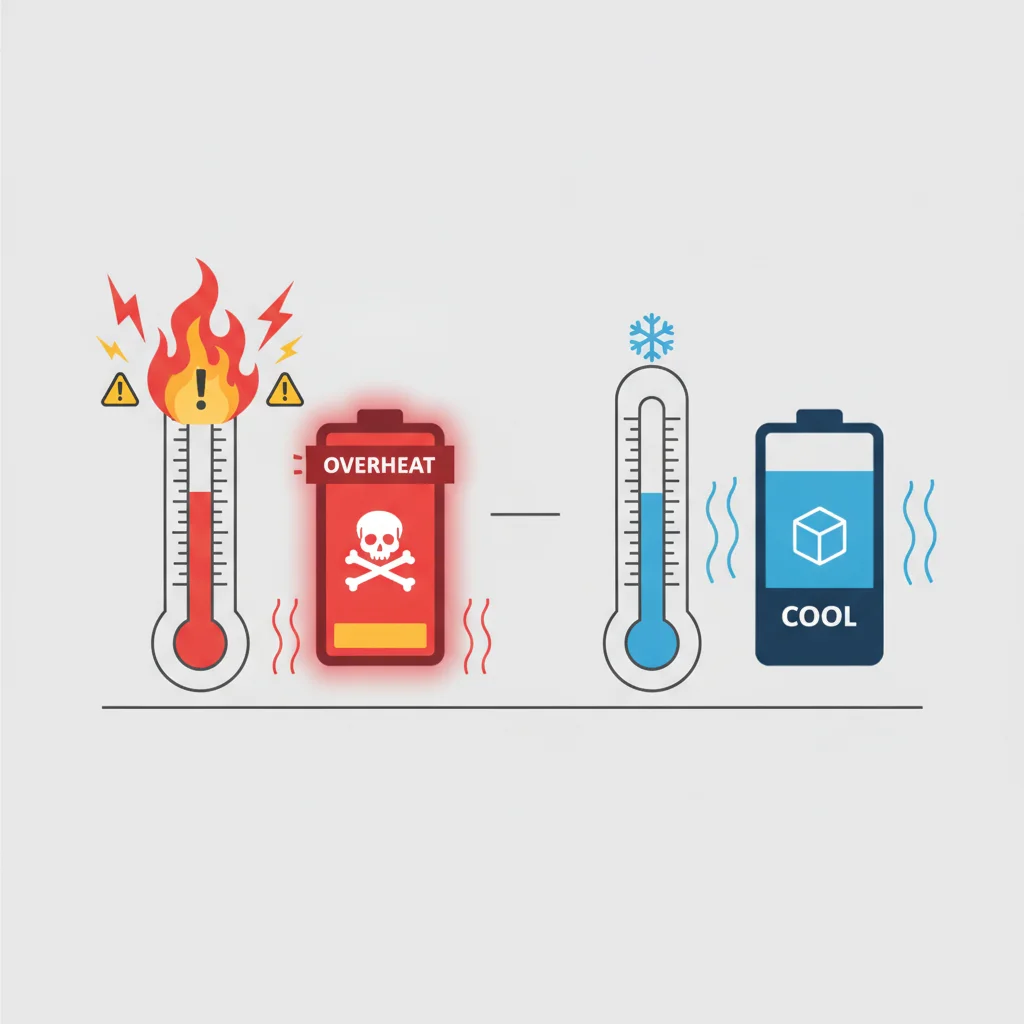
The upshot: if you live in a warm-to-moderate climate and value safety margin, LFP is hard to argue against. If you live somewhere that regularly drops below 10°F, NMC's cold-weather performance advantage becomes a real consideration — especially if your vehicle lacks a robust battery heating system.
Cost, Market Position, and What to Expect on the Lot
LFP is cheaper to produce. Cobalt — a key ingredient in NMC cathodes — is expensive, geopolitically sensitive, and subject to supply chain volatility. Removing cobalt from the equation (which LFP does entirely) meaningfully reduces raw material costs, and those savings typically flow into vehicle pricing. This is a significant reason why LFP has become the go-to chemistry for budget-oriented EVs globally, and why Chinese manufacturers like BYD — which uses its own proprietary LFP Blade Battery — have been able to price aggressively.
In the U.S. market, you'll find LFP in the base Tesla Model 3 and Model Y Standard Range trims, the Chevy Equinox EV's entry configurations, and most commercial electric fleet vehicles. NMC dominates the mid-to-premium segment: Ford F-150 Lightning, Rivian R1T and R1S, Tesla Model S/X/Cybertruck, Hyundai IONIQ 6 Long Range, BMW i4, and most other vehicles where range and performance are core selling points.
From a resale and insurance standpoint, NMC vehicles sometimes carry a slight resale premium on the basis of perceived range desirability — but LFP's superior longevity increasingly shows up in used-market pricing as buyers become more educated. For the full picture of EV categories and how chemistry fits into different vehicle types, understanding where each chemistry tends to land helps set realistic expectations before you set foot in a showroom.
One forward-looking note: solid-state batteries are positioned as the next step beyond both NMC and LFP, promising higher energy density without the same thermal trade-offs. For context on where that technology stands today, solid-state batteries vs. today's lithium-ion packs is worth a read — but for anything you can buy in 2024 or 2025, NMC and LFP are your choices.

All claims are backed by peer-reviewed research. Sources on request.