Key Takeaways
Why 'Set It and Forget It' Doesn't Quite Work for Home EV Charging
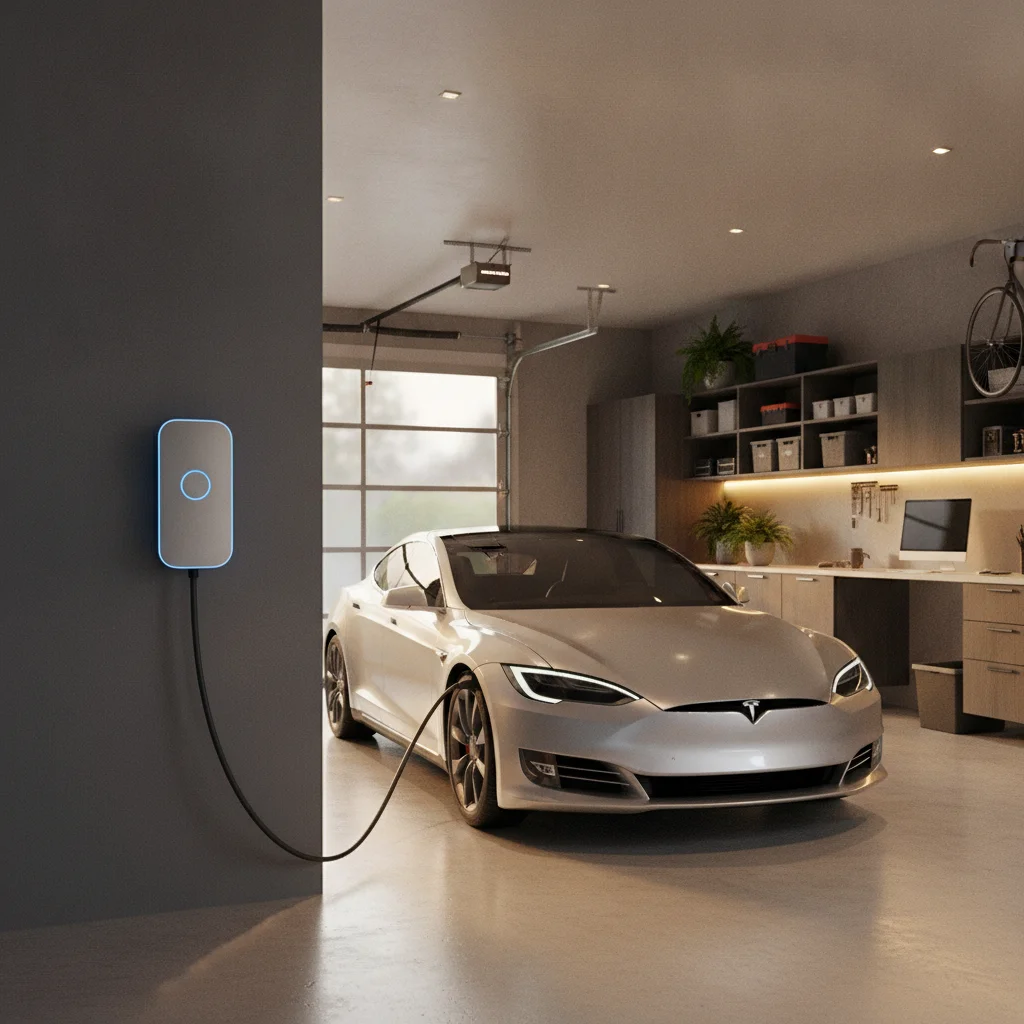
Installing a home EV charger — whether you went with a basic Level 1 setup or had a Level 2 unit hardwired in your garage — feels like a one-time project. Plug in, charge up, repeat. And for the most part, that's true. But the equipment involved is carrying significant electrical load on a near-daily basis, and like any high-use system in your home, it responds well to routine attention and poorly to neglect.
The risks aren't dramatic or immediate. You're unlikely to wake up to a fire because you skipped one monthly inspection. But gradual cable degradation, a loose terminal connection, or consistently charging to 100% every night are the kinds of quiet problems that accumulate — eventually shortening your battery's life, tripping breakers, or in rare worst-case scenarios, creating a genuine electrical hazard.
This guide covers the habits that keep your home charging setup running safely and efficiently over the years. If you haven't yet set up home charging at all, start with our complete home EV charging setup guide before returning here. These practices apply whether you have a simple 120V outlet or a dedicated 240V hardwired EVSE.
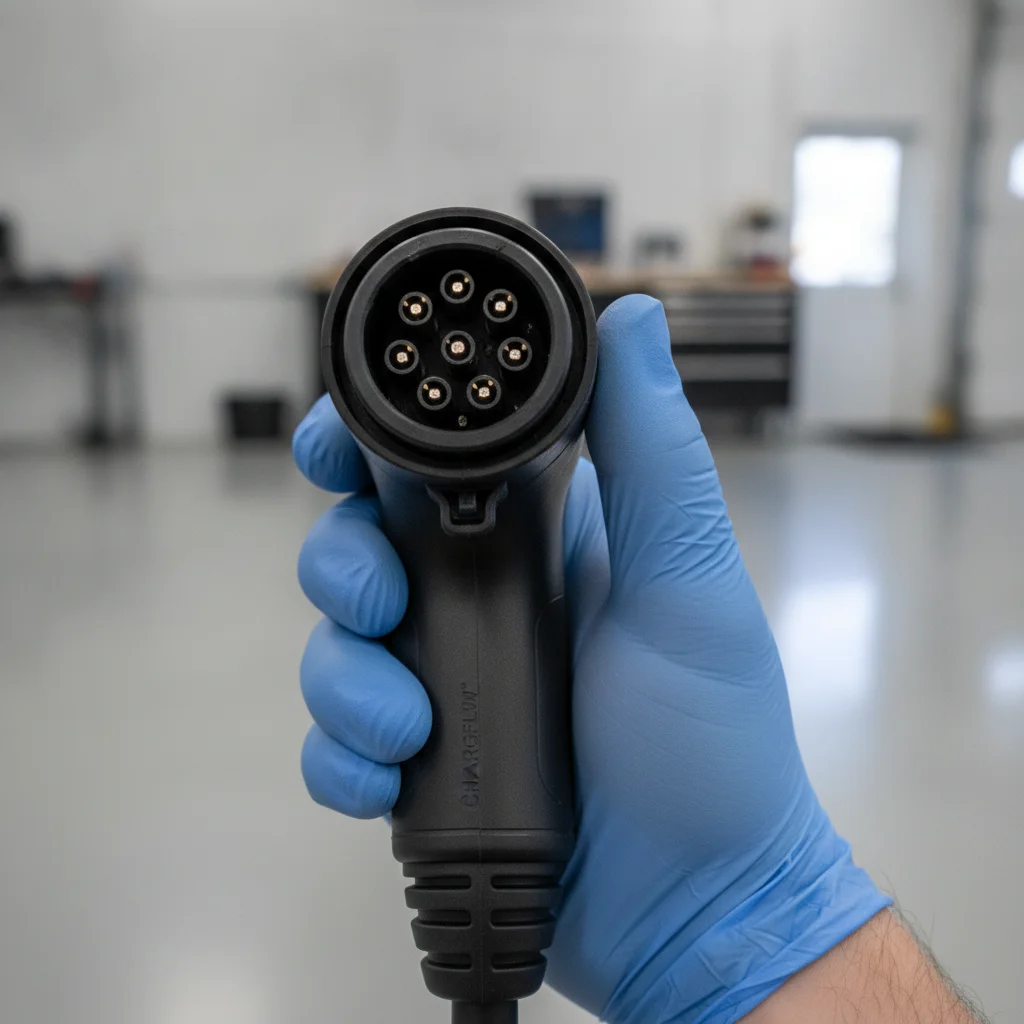
Cable and Connector Care: The Most Overlooked Habit
Your charging cable takes a beating. It's coiled, uncoiled, dragged across concrete, exposed to temperature swings, and connected and disconnected hundreds of times a year. Most EV owners treat it like an extension cord — which is understandable, because it looks like one. But the connector carries significantly more current than a typical extension cord, and physical wear has real consequences.
Inspect your charging cable and connector visually and by feel at least once a month.
Physical wear on the cable jacket or connector housing can allow moisture ingress or expose conductors, creating shock or fire risk. Early detection of cracks, scorch marks, or soft spots lets you replace the cable before a failure occurs.
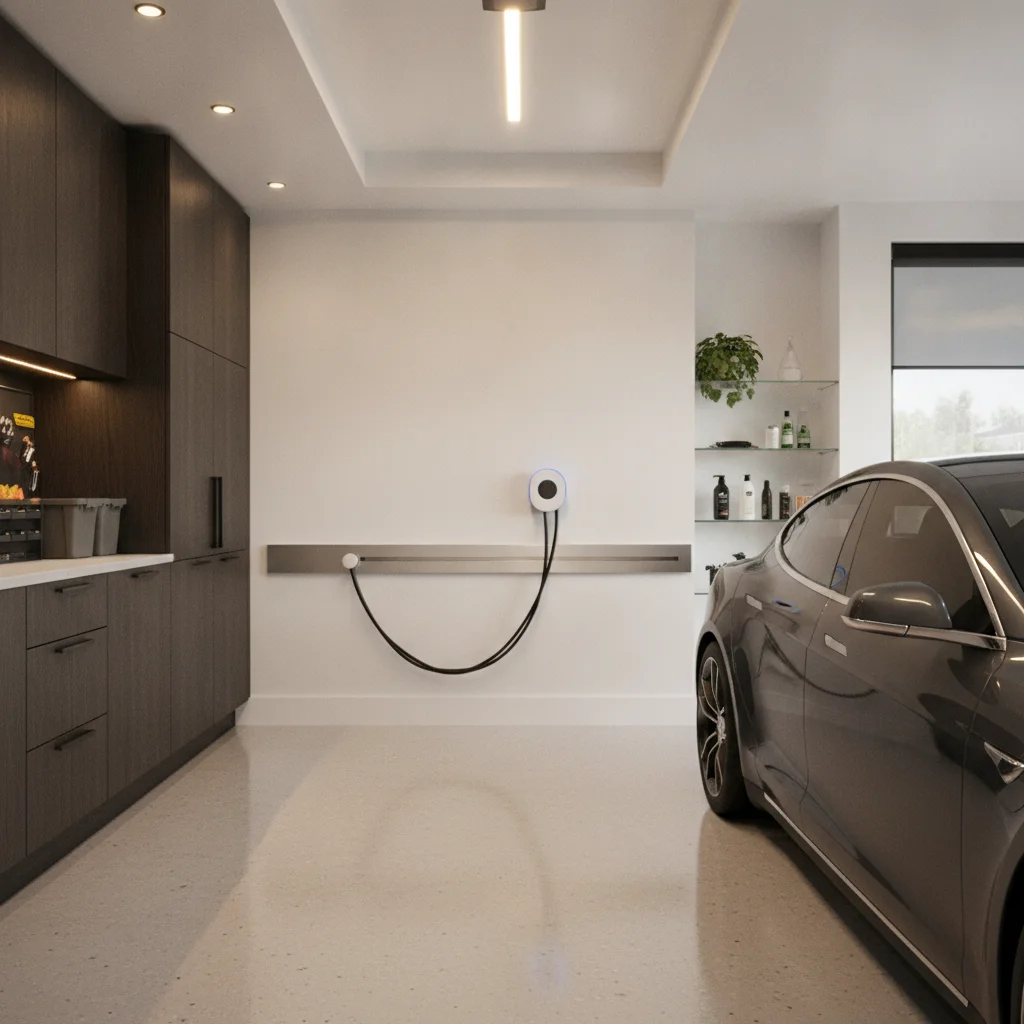
Store the charging cable off the floor using a dedicated hook, holster, or cable management system.
A cable left coiled on the floor is at risk of being driven over, developing sharp kinks, or sustaining UV and chemical damage from concrete surfaces. Proper storage extends cable life and prevents trip hazards.
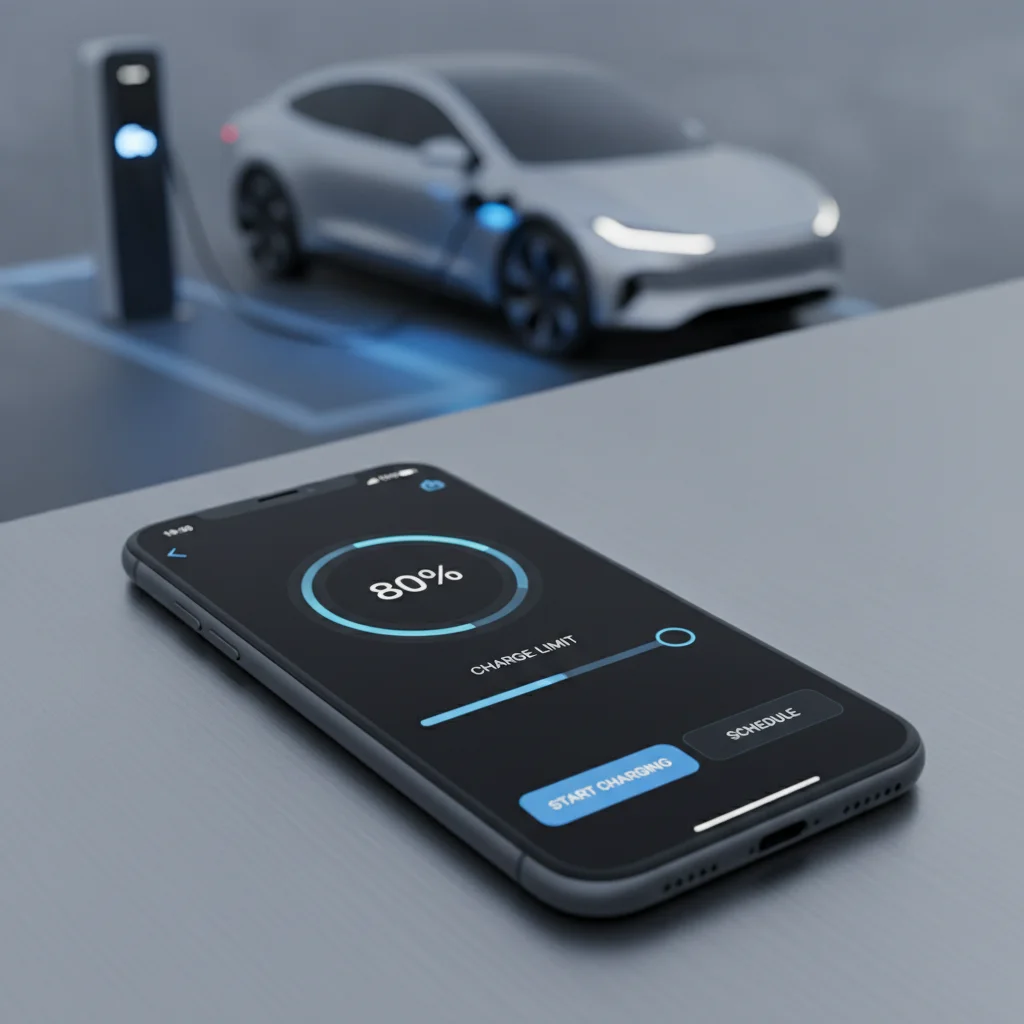
Set your vehicle's daily charge limit to 80% and reserve full charges for road trips only.
Lithium-ion batteries experience elevated internal stress when held at 100% state of charge. Daily full charges accelerate capacity loss over time, while keeping the battery in the 20–80% range significantly reduces that stress.
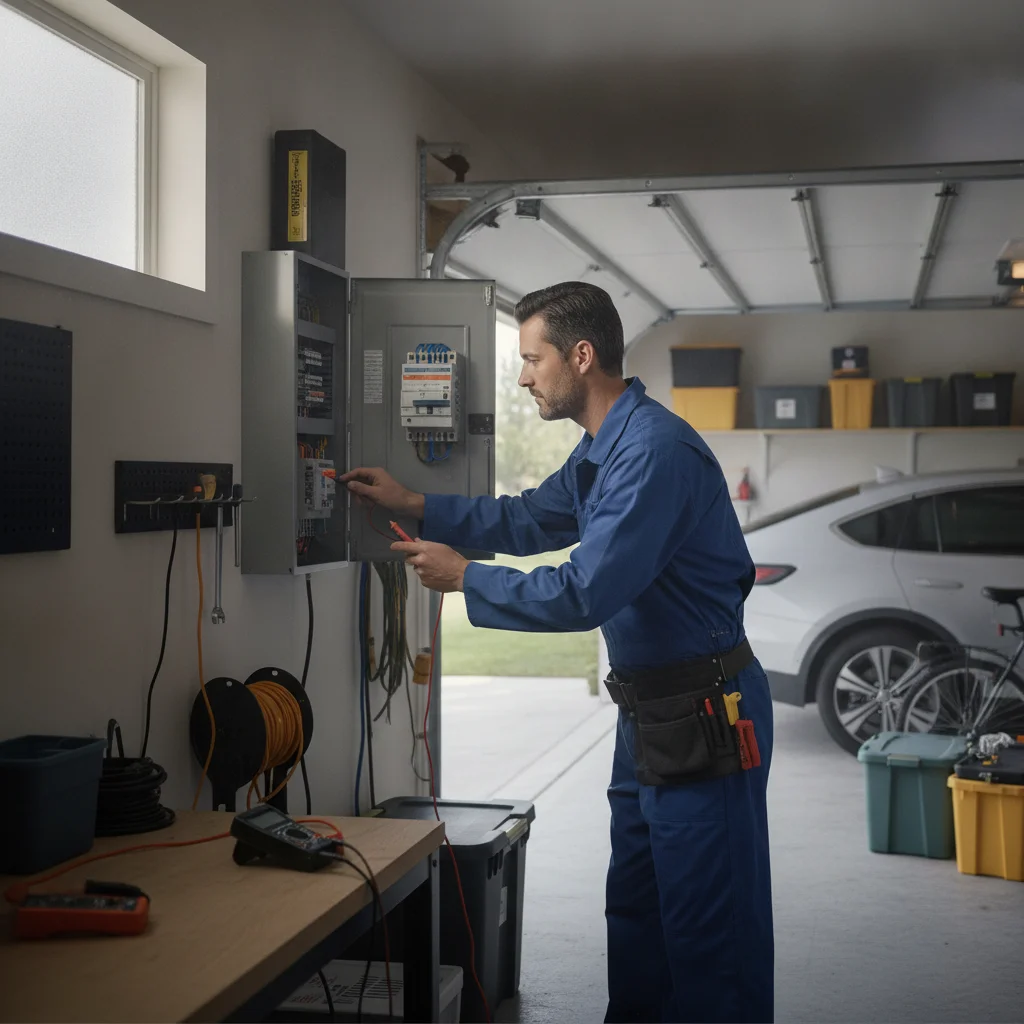
Schedule a licensed electrician to inspect your charging circuit every one to two years.
A Level 2 charger runs at sustained high current, causing thermal cycling in the circuit's connections. Over time this can loosen terminal screws or degrade wire insulation in ways invisible from the exterior, but detectable by a professional.
Enable off-peak charging schedules through your vehicle app or EVSE app.
Utilities in most U.S. states offer time-of-use rates where overnight electricity costs significantly less per kWh. Scheduling charges between 9pm and 6am reduces your monthly charging cost and extends equipment life by avoiding charge sessions during high-ambient-temperature afternoon hours.
Check your EVSE manufacturer's app quarterly for firmware updates and apply them promptly.
Networked chargers receive firmware updates that address safety vulnerabilities, improve charging communication with vehicles, and sometimes add new scheduling or load management features. Running outdated firmware means missing fixes your manufacturer has already issued.
Confirm outdoor charger weatherproofing integrity at the start of each season.
Cracked housing, failed gaskets, or gaps in conduit connections allow moisture and insects into the electrical components, accelerating corrosion and potentially causing arcing. Seasonal checks catch deterioration early before it becomes a safety issue.
The most common damage points are the connector head itself and the first six to twelve inches of cable nearest the plug, where repeated bending concentrates stress. Run your hand along the cable periodically and feel for soft spots, kinks, or any section where the outer jacket feels cracked or tacky. Discoloration around the connector pins — brown or blackened metal — is a sign of heat buildup, which means something is wrong with the connection. Stop using the cable immediately if you see that.
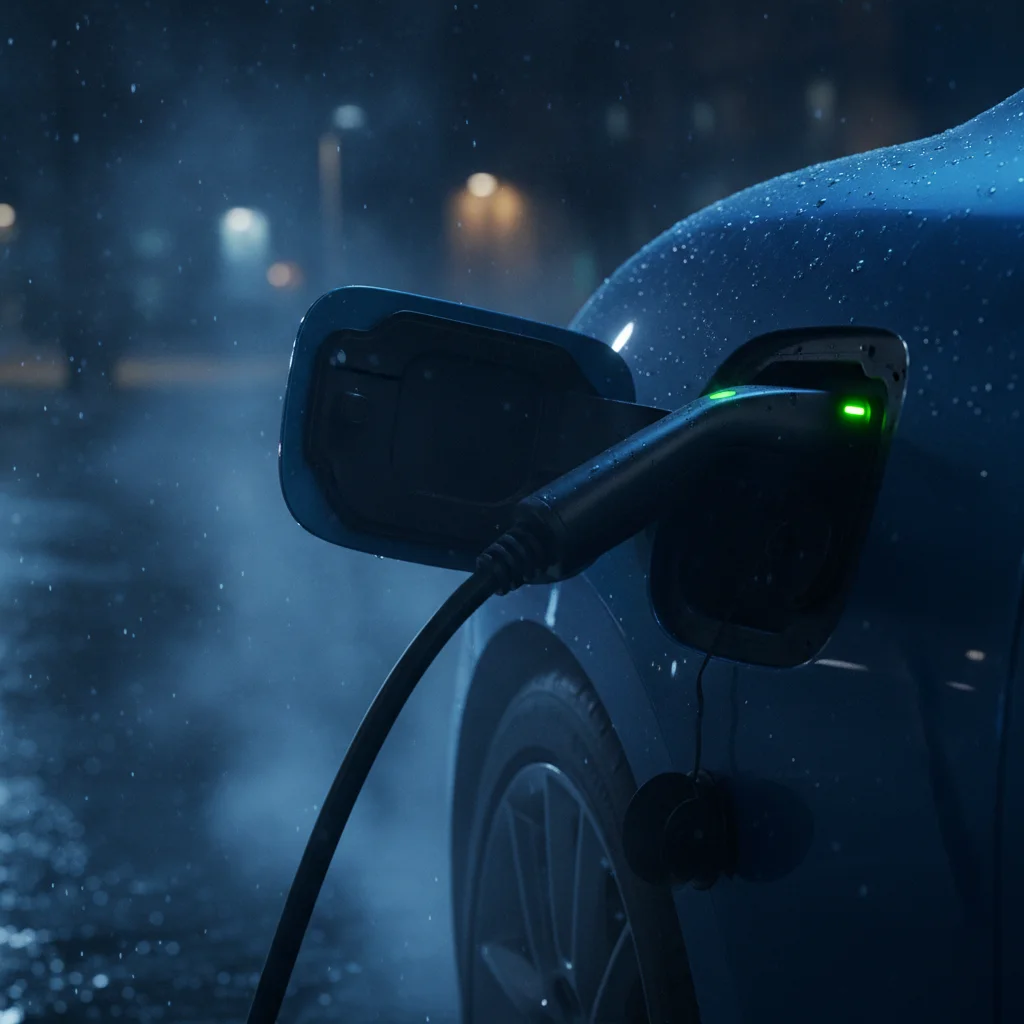
For outdoor installations, check that the cable isn't sitting in standing water and that the connector housing hasn't cracked from UV exposure or freeze-thaw cycles. A cracked housing lets moisture into the connector, which can cause arcing over time.
Use a Cable Holster — It's Not Optional
Most EV owners think of a cable holster as a convenience item. It's actually a durability tool. Cables left on concrete floors accumulate UV damage, oil stains that degrade rubber jacketing, and sharp kinks that can eventually compromise the insulation. If your EVSE didn't include a holster, a universal EVSE cable holder runs under $25 and installs in minutes.
Mild Warmth Is Normal; Hot Is Not
During a Level 2 charge session, it's normal for the cable and connector to feel slightly warm — you're pushing 30–40 amps through the wire for hours. What's not normal is a connector or wall outlet that feels hot to the touch, or any smell of burning plastic. If you notice either, stop the charge session, unplug the vehicle, and don't use the charger again until an electrician has inspected the circuit.
Charging Behavior That Protects Your Battery Long-Term
Your EVSE is only half the equation. How you charge directly affects how long your battery retains its original capacity — and most EVs sold today give you tools to manage this through the vehicle's app or infotainment system. The habits here don't require any special equipment, just consistent behavior.
~20%
Battery capacity loss from routine 100% daily charging
Studies on lithium-ion degradation, including data from Recurrent Auto's fleet analysis, show EVs regularly charged to 100% can lose around 20% more capacity over 100,000 miles compared to those charged to 80% daily.
Up to 60%
Electricity cost reduction on time-of-use EV rates
The U.S. Department of Energy estimates that EV owners who shift to overnight off-peak charging can reduce per-mile fuel costs by 40–60% compared to daytime charging at peak rates in states with TOU tariffs.
1 in 4
EV charging faults traced to cable or connector damage
Industry data from EVSE service providers suggests physical cable damage or connector wear accounts for a significant share of home charging failures reported to manufacturer support lines.
The most impactful change most EV owners can make is lowering their daily charge ceiling. Nearly every EV manufacturer recommends against regularly charging to 100% for daily driving. Lithium-ion cells experience more stress at full charge and at very low charge states. Staying in the 20–80% range dramatically reduces that stress. Set your vehicle's charge limit in the app tonight if you haven't already — it takes about sixty seconds.
Full 100% charges aren't forbidden. They're appropriate the night before a long road trip or when you know you'll need maximum range. The problem is making it the default. Similarly, don't make a habit of letting the battery drop below 10–15% regularly. Occasional deep discharges are fine; routine ones accelerate degradation.
For a deeper look at how charging behavior affects long-term battery health, see EV battery health habits that preserve long-term capacity. And if you want to know which specific behaviors to cut out, charging habits that quietly degrade your EV battery over time covers the patterns owners often don't realize are harmful.
Electrical System Checkups: Don't Skip the Circuit
Your EVSE is only as safe as the circuit it's connected to. A Level 2 charger pulls 24–48 amps continuously — that's a sustained, significant load that most home circuits never see. Over time, wire connections can loosen slightly from thermal expansion and contraction, breakers can weaken, and the outlet or junction box can develop issues invisible from the outside.
Level 1 Chargers Aren't Maintenance-Free Either
If you're using a 120V Level 1 EVSE (the portable unit that plugs into a standard outlet), the same cable inspection habits apply. The additional concern with Level 1 is the outlet itself — standard 120V outlets aren't designed for sustained high-current loads. If your outlet is warm to the touch after a charge session, or shows any discoloration around the plug prongs, have an electrician inspect it. A dedicated 20A outlet is safer for regular Level 1 charging than a standard 15A general-purpose outlet.
When Your Charger Is on a GFCI Circuit
Level 2 chargers are required by the NEC to have GFCI protection, either built into the unit or provided by a GFCI breaker. GFCI devices can and do trip — and they can also fail over time. If your charger suddenly stops working or throws a ground fault error, test the GFCI breaker or outlet by pressing the test and reset buttons. If the circuit trips frequently for no obvious reason, that warrants an electrician visit — nuisance tripping can indicate a wiring issue or a failing GFCI device.
Cold Weather Slows Charging — That's Normal
In temperatures below about 20°F (-7°C), you'll notice your EV charges more slowly than usual, even on Level 2. This is the battery management system protecting cold lithium-ion cells by limiting charge current. It's not a sign that anything is wrong with your charger. Parking in a garage — even an unheated one — significantly reduces this effect and is worth doing in winter months.
Plan for an electrician to inspect the dedicated charging circuit every one to two years. This doesn't mean a full electrical panel overhaul — it means having someone qualified open the junction box or outlet box, check that wire connections are tight, confirm there's no heat discoloration on the terminals, and verify the breaker is still performing to spec. It's typically a short service call, not an expensive undertaking.
In between professional inspections, pay attention to two signals: breaker trips and heat. If your charger is tripping the breaker with any regularity, that's a problem to address immediately — don't just reset and ignore it. And if the outlet, EVSE body, or cable feels noticeably warm during a charge session (not slightly warm, but hot to the touch), stop charging and get an electrician involved before using it again.
Firmware, App Settings, and Scheduling
Networked Level 2 chargers — brands like ChargePoint, Wallbox, Emporia, and others — connect to your home Wi-Fi and receive firmware updates. These updates aren't optional cosmetic changes. They often include safety fixes, communication protocol updates, and efficiency improvements. Treating your EVSE firmware the same way you'd treat a router update is the right mental model.
Check for firmware updates in your charger's companion app every few months, or enable automatic updates if the option exists. Most modern units handle this quietly in the background, but it's worth confirming the feature is turned on during initial setup.
“The grid is going to have to evolve alongside EV adoption, and smart charging — using vehicle and charger software to shift load to off-peak hours — is one of the most practical tools consumers have right now to reduce both their costs and their impact on grid stability.”
— Loren McDonald, EV industry analyst and founder of EVAdoption
Beyond firmware, your charger's scheduling features are one of the most underused tools available. Setting a charging window during off-peak hours — typically 9pm to 6am in most utility territories — does two things simultaneously: it reduces your electricity cost, often substantially, and it reduces stress on the local grid during peak demand periods. Check whether your utility offers a time-of-use (TOU) rate specifically for EV charging. Many do, and the savings over a year of charging can be meaningful.
For a full breakdown on how to estimate and reduce what you're paying to charge at home, the charging costs and savings hub is a practical starting point.
Outdoor Charger Weatherproofing and Seasonal Maintenance
If your charger is installed outside — on an exterior wall, in an open carport, or in a detached garage without full weatherproofing — it faces exposure that indoor units don't. Sun, rain, freezing temperatures, and humidity all degrade equipment faster than a climate-controlled garage environment, and outdoor installs require a few additional maintenance habits.
Start with the physical enclosure. Most outdoor-rated EVSEs are rated NEMA 4 or NEMA 3R, which provides protection against rain and hose-directed water, but that rating assumes the enclosure stays intact. Check for cracks in the housing, confirm the door or cover closes and latches properly, and make sure the gasket seal around the face hasn't dried out and cracked. A compromised enclosure turns a weather-resistant charger into a moisture risk.
The cable conduit — the rigid or flexible conduit running from your electrical panel to the charger — should also be inspected for gaps where it connects to the wall or enclosure. Gaps let water and insects in, both of which can cause problems in the junction box over time.
In cold climates, check that the cable remains flexible in freezing temperatures. Some cables become stiff and prone to cracking below 14°F (-10°C). If you're in a region with hard winters and notice your cable stiffening significantly, store it in a slightly warmer location between charges if possible, or investigate cold-weather cable options from your EVSE manufacturer.
Level 1 Chargers Aren't Maintenance-Free Either
If you're using a 120V Level 1 EVSE (the portable unit that plugs into a standard outlet), the same cable inspection habits apply. The additional concern with Level 1 is the outlet itself — standard 120V outlets aren't designed for sustained high-current loads. If your outlet is warm to the touch after a charge session, or shows any discoloration around the plug prongs, have an electrician inspect it. A dedicated 20A outlet is safer for regular Level 1 charging than a standard 15A general-purpose outlet.
When Your Charger Is on a GFCI Circuit
Level 2 chargers are required by the NEC to have GFCI protection, either built into the unit or provided by a GFCI breaker. GFCI devices can and do trip — and they can also fail over time. If your charger suddenly stops working or throws a ground fault error, test the GFCI breaker or outlet by pressing the test and reset buttons. If the circuit trips frequently for no obvious reason, that warrants an electrician visit — nuisance tripping can indicate a wiring issue or a failing GFCI device.
Cold Weather Slows Charging — That's Normal
In temperatures below about 20°F (-7°C), you'll notice your EV charges more slowly than usual, even on Level 2. This is the battery management system protecting cold lithium-ion cells by limiting charge current. It's not a sign that anything is wrong with your charger. Parking in a garage — even an unheated one — significantly reduces this effect and is worth doing in winter months.
Habits for Multi-EV Households and Shared Setups
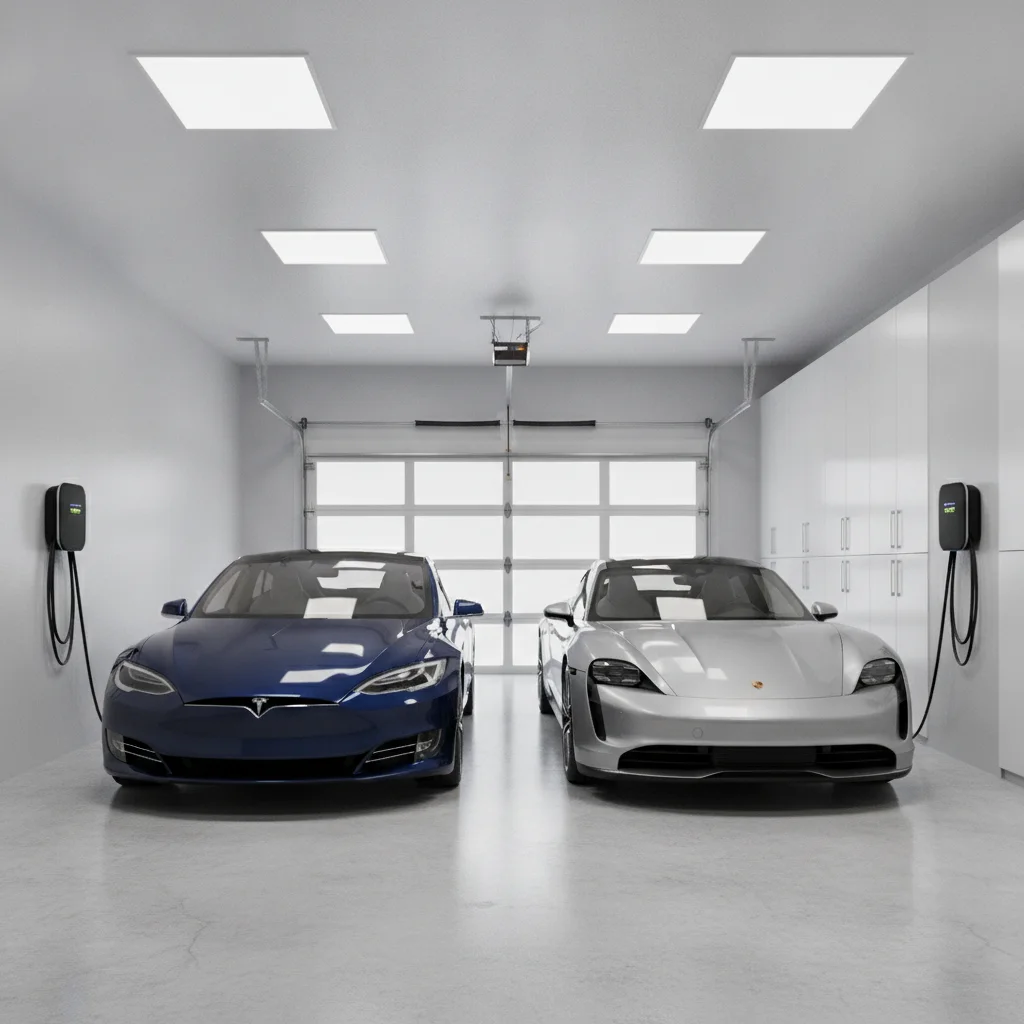
If your household has more than one EV, or you share a charging setup with a family member, neighbor, or housemate, the maintenance equation shifts slightly. More vehicles mean more connector cycles, more cable handling by different people, and potentially more load management complexity.
In shared setups, establish clear expectations about cable handling — returning the cable to its holster or hook, not leaving it on the floor where it can be driven over or tripped on, and reporting any damage immediately rather than leaving it for the next person to discover mid-charge. A cable damage log (even a simple notes app entry) helps track when issues started.
Power management is the other key concern. Running two Level 2 chargers simultaneously can push a typical home's electrical system hard, especially on older panels. If your EVSE has load-sharing capability — many newer units do — configure it so the two units coordinate and stay within a safe combined draw. If yours don't have that feature and you frequently charge two vehicles at once, that's worth discussing with your electrician.
The charging etiquette and best practices for shared home setups article covers the fairness and scheduling side of this in more detail.
Fitting Charging Maintenance Into Your Overall EV Ownership Routine
Home charging maintenance doesn't need its own separate calendar. The most effective approach is to fold it into the rhythm of regular EV ownership tasks — the same way you'd check tire pressure during a seasonal rotation or glance at fluid levels when you open the hood on a gas car.
A simple cadence to consider: monthly, do a visual check of the cable and connector while you're plugging in. Quarterly, open your charger's app and confirm it's on the latest firmware and review your charging session history for anything unusual. Annually or bi-annually, schedule an electrician for the circuit inspection, especially if your charger is more than three years old or sees heavy daily use.
These habits slot into everything that goes into maintaining an electric vehicle over its lifetime — a broader look at EV upkeep from purchase through resale. Home charging maintenance is one piece of a larger picture, and keeping it in view alongside battery care, tire wear, and software updates gives you the full picture of what low-maintenance actually means for an EV in practice.
For the EV maintenance basics overview — covering how routine upkeep for an EV differs from a gas vehicle — that hub is a useful bookmark for new and prospective EV owners alike.

All claims are backed by peer-reviewed research. Sources on request.