Key Takeaways
Start here
Why EV Insurance Isn't Just Standard Auto Coverage
Core risk
The Battery Coverage Gap Most Owners Miss
Often overlooked
Charging Equipment: What's Covered and What Isn't
Cost reality
Why EVs Cost More to Insure — and When They Don't
Emergency prep
Roadside Assistance and the 'Out of Charge' Problem
Take action
How to Shop Smart for Your First EV Policy
Why EV Insurance Isn't Just Standard Auto Coverage
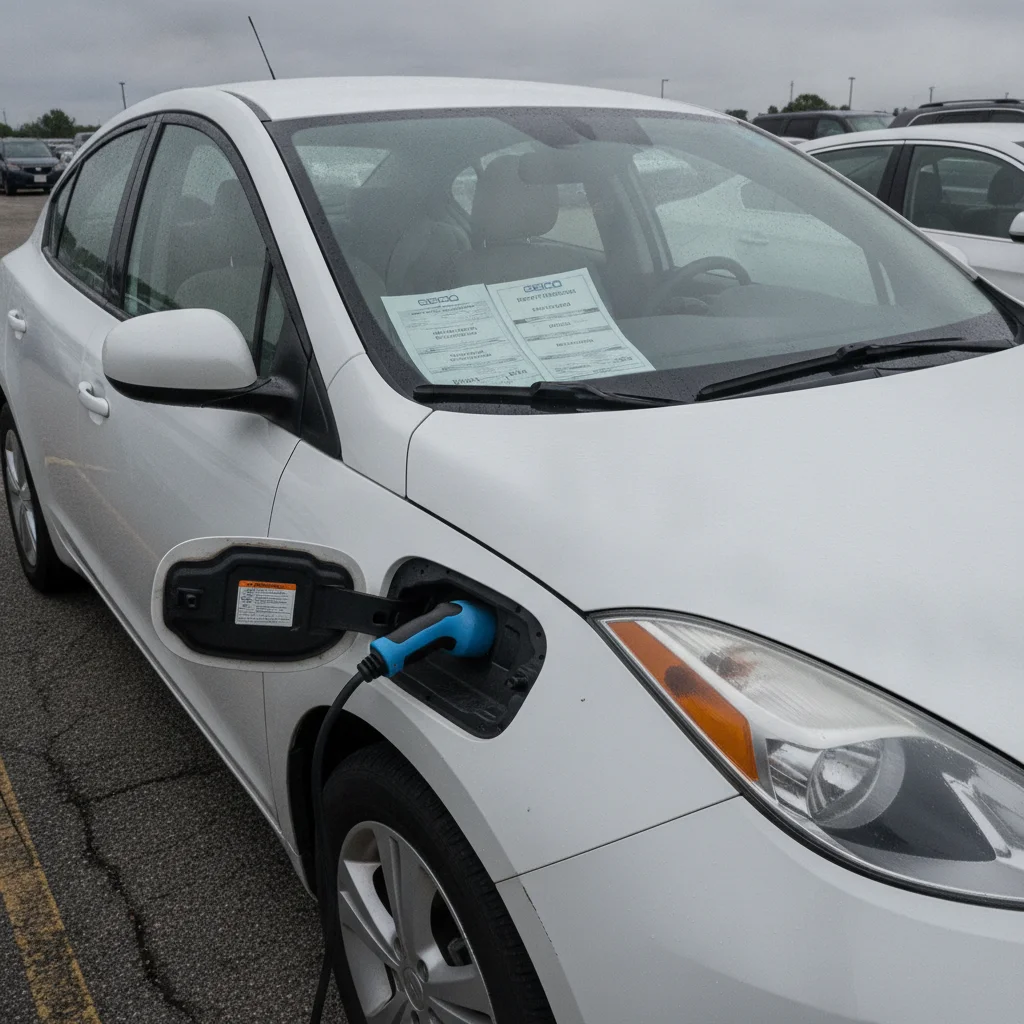
When you sign the paperwork on your first electric vehicle, the excitement of owning a clean, tech-forward machine can make the follow-up task — finding the right insurance — feel like a formality. It isn't. Electric vehicles introduce a set of coverage considerations that genuinely don't exist in the world of gas-powered cars, and the standard auto policy your insurer has offered for decades wasn't designed with them in mind.
That gap matters financially. The battery pack alone in a midrange EV can cost $10,000–$20,000 to replace. Specialized electric drivetrains require technicians trained on high-voltage systems. Home charging equipment is a new category of property that sits awkwardly between auto and homeowners coverage. And running out of charge on the freeway isn't a problem that a gas can in the trunk will solve.
To understand why EVs behave differently on paper, it helps to have a clear picture of what makes them mechanically distinct. If you're new to the technology, the EV basics hub covers electric motors, battery packs, and drivetrains in plain language — background that will make the coverage questions in this guide much clearer.
Battery pack
The large assembly of lithium-ion cells that stores electrical energy and powers an EV's motor. It's the most expensive single component in the vehicle, often representing 30–50% of the car's total value.
Battery degradation
The gradual loss of a battery's maximum energy capacity over time and repeated charging cycles. This is a natural process, not a defect, and is never covered by auto insurance.
Level 2 charger
A 240-volt home or public charging unit that can replenish an EV battery in 4–12 hours depending on the vehicle. It's faster than a standard wall outlet and requires professional installation at home.
Comprehensive coverage
The portion of an auto policy that covers damage to your vehicle from non-collision events such as fire, theft, flooding, or falling objects. Relevant for EV battery and charging equipment damage.
Policy endorsement
An optional add-on rider that modifies or expands the standard coverage of an insurance policy. EV owners may need endorsements to explicitly cover battery packs or charging equipment.
OEM parts
Original Equipment Manufacturer parts — components made by or to the specifications of the vehicle's maker. EV repairs with OEM parts typically cost more but maintain the vehicle's designed safety and performance standards.
Total loss
An insurer's determination that repairing a damaged vehicle would cost more than its current market value. EVs are totaled more frequently than gas vehicles because battery replacement alone can exceed the repair cost threshold.
Regenerative braking
A system that recaptures energy during deceleration and returns it to the battery. It reduces brake pad wear significantly compared to gas vehicles, which can be a factor in lower mechanical complexity and insurance risk.
This guide focuses on the surprises — the coverage gaps, cost drivers, and policy quirks that consistently catch first-time EV owners off guard. By the time you finish, you'll know what questions to ask, what terms to scrutinize, and what a genuinely protective EV policy should look like.
The Battery Coverage Gap Most Owners Miss
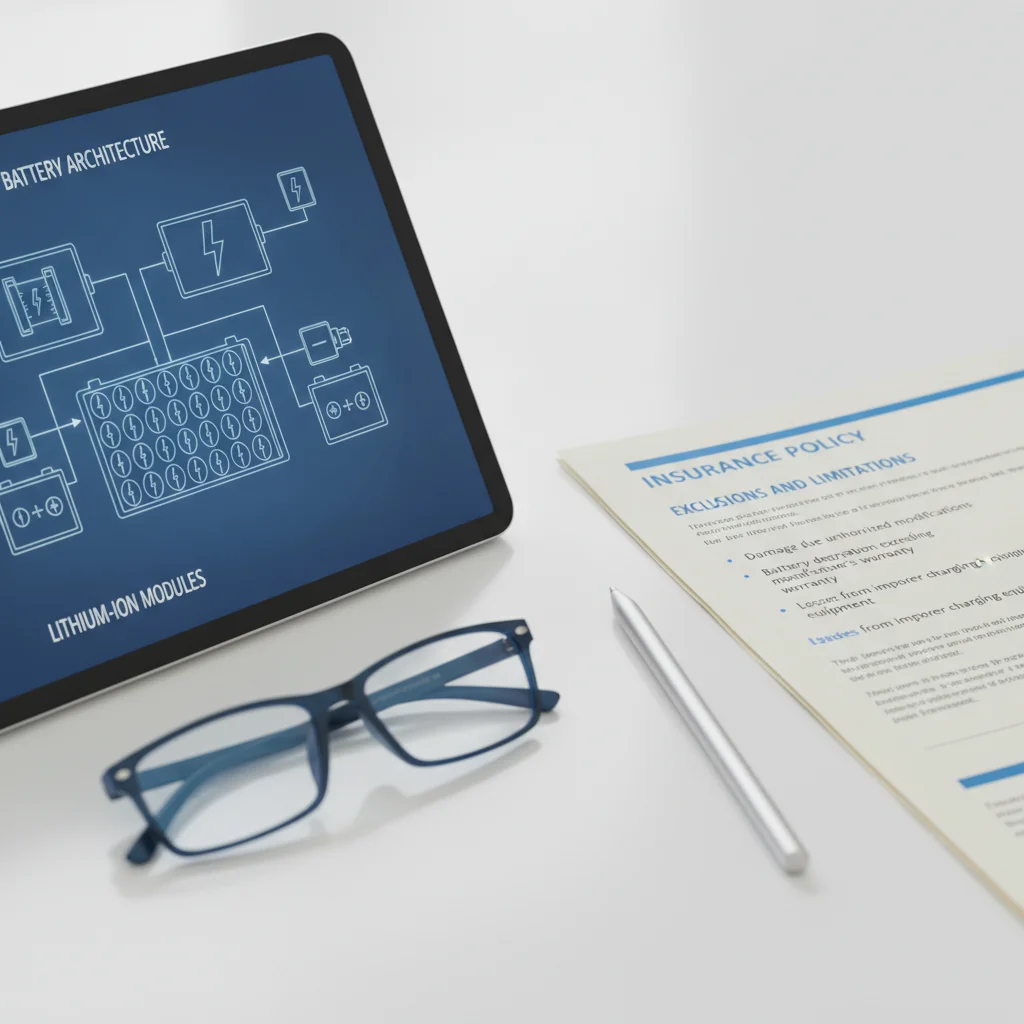
The single biggest coverage blind spot for new EV owners is the battery pack. It's the most expensive component in the vehicle, and its relationship with a standard auto policy is more complicated than most buyers realize until they need to file a claim.
What collision and comprehensive usually cover
Most auto policies that include comprehensive and collision coverage will pay for battery damage caused by a covered event — a collision, a fire, theft, or flooding. If a crash ruptures or destroys the battery pack, your insurer should treat it the same way it treats a destroyed engine in a gas vehicle, subject to your deductible and the policy's stated value for the car.
What they typically don't cover
Where policies diverge sharply is on battery degradation — the gradual, natural reduction in a battery's energy capacity over time and charging cycles. No auto insurance policy covers this. That's expected. What surprises owners is that some policies use vague language that could exclude battery claims even after an accident if the insurer argues the battery was already in diminished condition.
Watch for Vague Battery Exclusion Language
Some policies include phrases like 'pre-existing damage' or 'mechanical breakdown' in their exclusion clauses that an insurer could invoke to deny a battery-related claim even after a legitimate collision. If the policy language is ambiguous, ask your agent to clarify in writing whether battery replacement is covered following a covered accident — before you purchase the policy.
Don't Assume Roadside Plans Are EV-Ready
Many bundled roadside assistance programs — including those offered as credit card perks — haven't updated their protocols for EV-specific emergencies. Dispatching a standard tow truck to a vehicle that needs a flatbed, or towing to a gas station, can leave you stranded and potentially damage your vehicle. Always verify EV-specific provisions with your actual roadside provider.
A smaller but real risk involves battery failure unrelated to a crash — a manufacturing defect that causes a cell to short, for example. This falls into warranty territory rather than insurance territory, but the line gets blurry when an older vehicle's warranty has expired. For owners of used EVs with degraded battery packs and lapsed warranties, the exposure is particularly acute. The article on insuring a used EV addresses those scenarios in detail.
How to protect yourself
Before signing any policy, ask for the battery coverage language in writing. Specifically ask: Does this policy cover the full cost of battery replacement following a covered collision? Are there any exclusions related to prior battery condition? Some insurers now offer endorsements — optional add-ons — that explicitly extend coverage to battery-related losses. These are worth considering, especially as your vehicle ages past its manufacturer battery warranty.
Charging Equipment: What's Covered and What Isn't
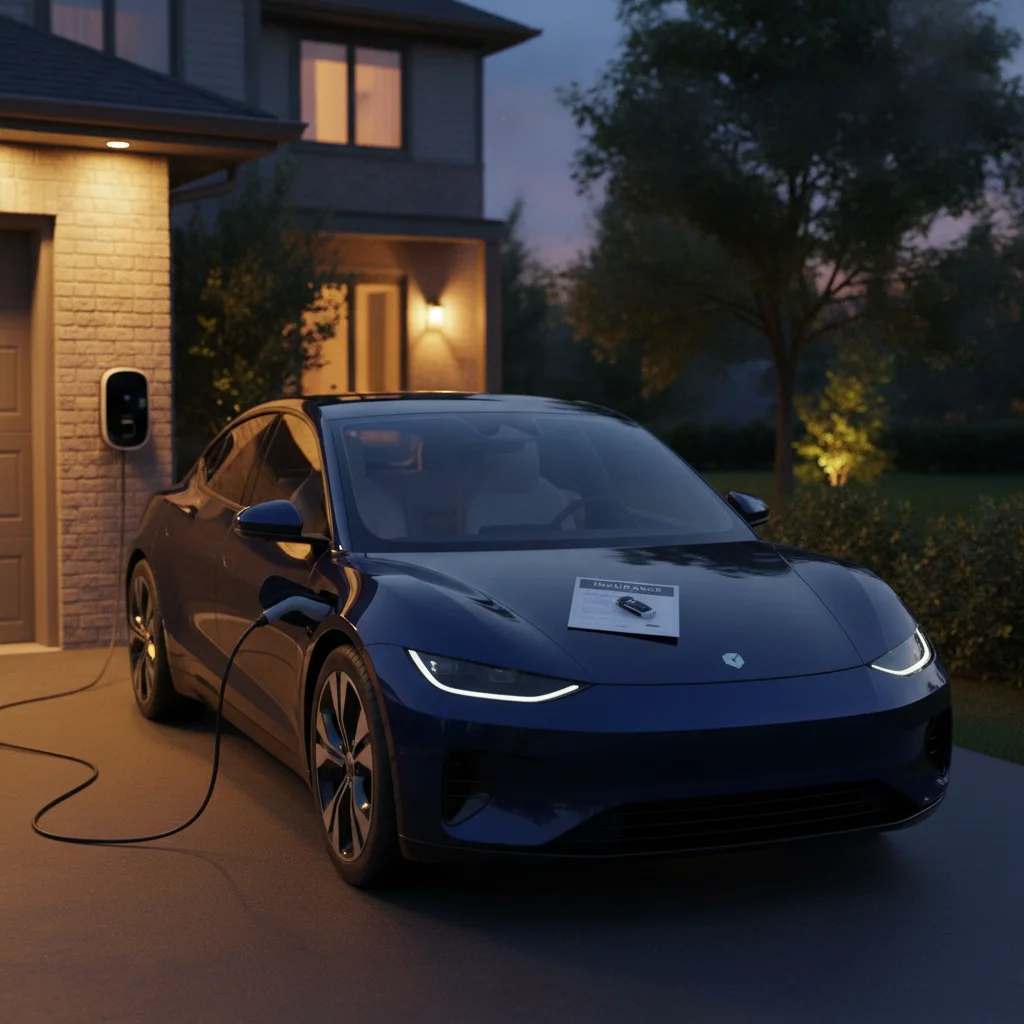
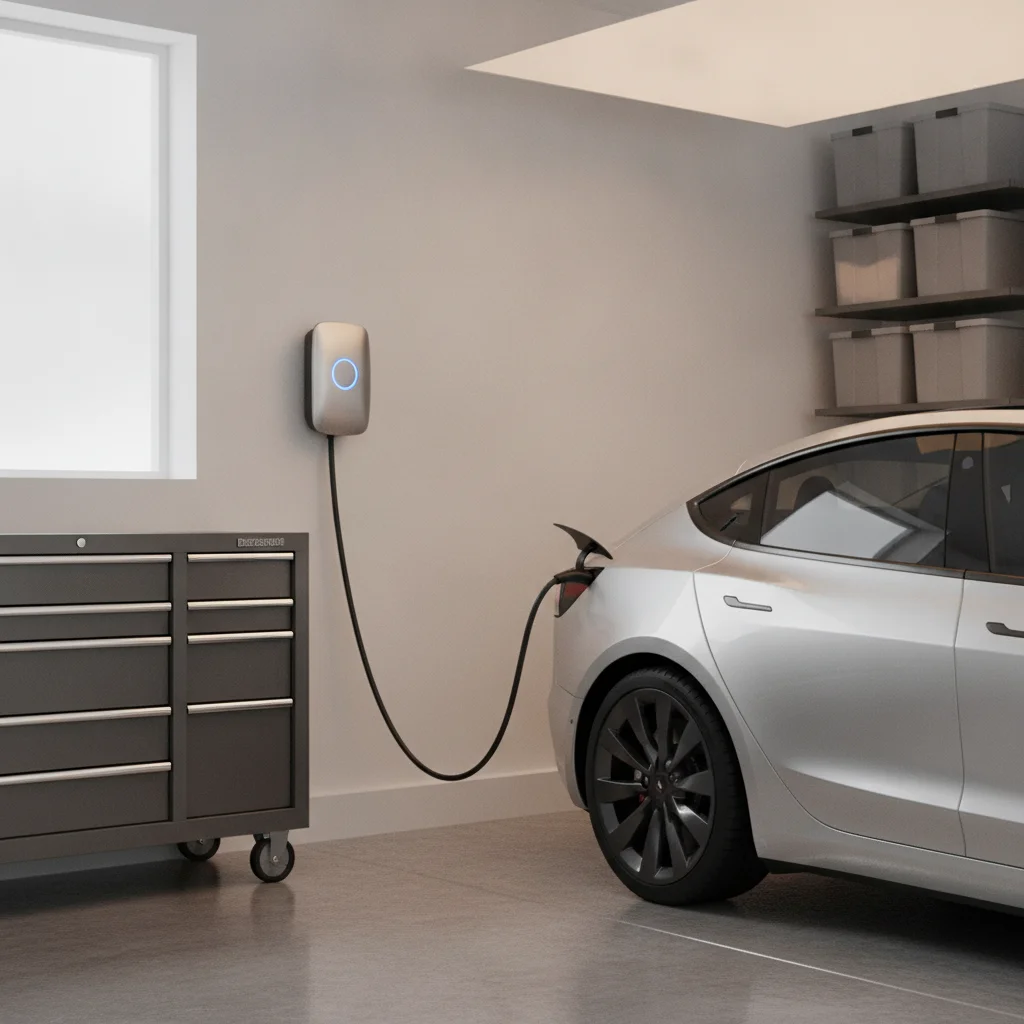
Most EV owners install a Level 2 charging station at home — a 240-volt unit hardwired into the garage that can fully replenish a vehicle overnight. That piece of equipment typically costs $500–$1,500 for the hardware alone, plus installation. And yet a surprising number of new EV owners never think to ask whether it's insured.
The homeowners vs. auto policy ambiguity
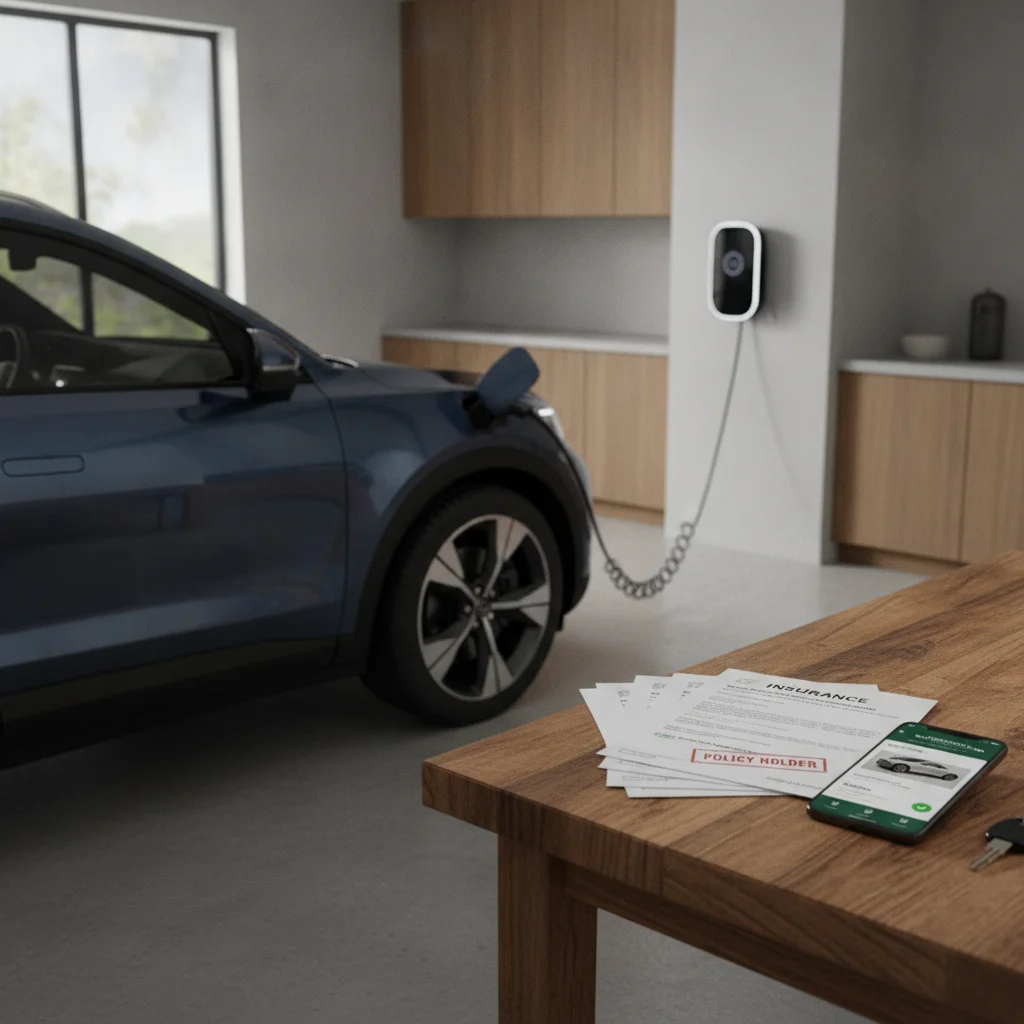
A hardwired Level 2 charger is generally considered a permanent fixture of your home, similar to a built-in appliance. That classification puts it under the scope of your homeowners or renters insurance policy — not your auto policy. If the charger is damaged by fire, a power surge, or a storm, you'd typically file a claim with your home insurer, not your auto insurer.
But there's a catch: most homeowners policies weren't written with EV charging equipment explicitly in mind, and coverage limits vary. If your charger costs $1,200 to replace and your home policy has a $1,000 deductible for personal property, you're paying out of pocket. Some home insurers offer equipment breakdown riders that cover electrical systems damage including EV chargers — worth asking about during your next home policy renewal.
Portable charging cables and public charging accessories
The Level 1 cable that ships with your EV — the one that plugs into a standard household outlet — and any portable Level 2 adapters are a different story. These are personal property, not fixtures. They may be covered under a homeowners or renters policy for theft or certain perils, but likely only up to the policy's personal property sub-limits.
Used EVs Present Different Coverage Challenges
If you're purchasing a pre-owned electric vehicle rather than a new one, the insurance picture changes in several important ways. An out-of-warranty battery, uncertain charge history, and lower vehicle value all affect how you should structure coverage. The guidance in this article applies primarily to new EV buyers — used EV owners should review the specific considerations covered in the related article on used EV insurance.
Public Charging Damage Is a Gray Area
Damage caused by a malfunctioning public charging station — such as a power surge that damages your vehicle's onboard charger — is technically the liability of the charging network operator. However, pursuing that claim can be slow, and coverage isn't guaranteed. Ask your auto insurer whether your comprehensive policy covers charging equipment damage from external sources, which can provide a faster resolution path.
Manufacturer Roadside Assistance Has Limits
Factory roadside assistance programs from automakers like Tesla, Rivian, or GM vary significantly in what they cover and for how long. Many expire after the vehicle's bumper-to-bumper warranty period ends. Know your manufacturer program's expiration timeline and plan to either extend it or replace it with insurer-provided or third-party EV roadside coverage.
If you charge at a public station and the station's equipment malfunctions and damages your car's charging port, liability falls on the charging network operator, not your insurer. In practice, pursuing that claim can be slow and frustrating. Some auto insurers now offer coverage for charging equipment damage as part of comprehensive, which is worth asking about specifically.
Why EVs Cost More to Insure — and When They Don't
Industry data consistently shows that EVs carry higher insurance premiums than comparable gas-powered vehicles — often 10–25% more. Understanding the reasons helps you evaluate whether a quoted premium is fair and identify where you might save.
The primary cost drivers
- Higher vehicle purchase price: Comprehensive and collision premiums are tied to the car's value. EVs at every segment tend to cost more than their gas equivalents, pushing base premiums up.
- Expensive repair components: Body panels on many EVs are made from aluminum or advanced composites. Sensors, cameras, and lidar-adjacent systems integrated into the body increase the cost of even minor repairs significantly.
- Limited repair network: Not every body shop or dealership can work on high-voltage EV systems. Fewer qualified shops means less competitive pricing for parts and labor — and longer repair times, which increases rental car costs billed to your policy.
- Battery replacement risk: Even when a crash doesn't visibly destroy the battery, insurers may total a vehicle rather than risk a compromised pack. A total-loss payout on a $45,000 EV is a larger claim than on a $30,000 gas vehicle.
When premiums are lower or comparable
Not all EVs are expensive to insure. Smaller, less expensive models like the Chevrolet Equinox EV or Nissan LEAF carry premiums much closer to gas vehicle equivalents. Additionally, an increasing number of insurers now offer EV-specific discounts — typically 2–8% — that reward owners for reduced mechanical complexity (no oil changes, fewer brake replacements due to regenerative braking) and lower accident frequency data that some EV owners demonstrate.
Ask Every Insurer About EV Discounts
EV-specific discounts are real, but they're rarely applied automatically — you typically have to ask. When gathering quotes, explicitly request any green vehicle, low-mileage, or EV-specific discount the insurer offers. Even a 5% discount on a higher-than-average EV premium adds up meaningfully over the life of a policy.
Compare Policy Language, Not Just Price
Two policies with identical quoted premiums can have dramatically different battery coverage terms. Always request the actual policy document — not just the declarations page — before committing. Pay particular attention to battery exclusion clauses, parts sourcing language, and the definition of 'covered perils' as applied to the battery pack.
The comprehensive EV insurance guide breaks down all premium factors in detail, including how your ZIP code, annual mileage, and driving record interact with vehicle-specific cost variables.
Roadside Assistance and the 'Out of Charge' Problem
Roadside assistance is often treated as an afterthought — a checkbox on a policy, rarely used. For EV owners, it deserves real scrutiny before a breakdown happens.
Why standard roadside plans fall short
Running out of charge on the road is not the same as running out of gas. A gas vehicle can be refueled roadside in five minutes with a portable can. A depleted EV battery requires a flatbed tow to a charging location — not a standard tow truck, and not just any service station. Many legacy roadside assistance programs still dispatch the wrong equipment, leaving EV owners stranded longer or, worse, damaging the vehicle during transport.
There's also the question of where the tow goes. An EV needs to reach a location with a compatible fast charger — ideally a DC fast charger — not a gas station or a general repair shop. Standard roadside assistance dispatchers may not have that routing capability.
What to look for in EV-specific roadside coverage
Before finalizing any policy, confirm that roadside assistance explicitly covers:
- Flatbed towing (not wheel-lift) to the nearest compatible charging station
- Mobile charging or battery jump service where available in your area
- Extended tow distance if the nearest compatible charger is more than a few miles away
- 24/7 dispatch with EV-trained operators who understand charge-state emergencies
For a full breakdown of what a well-constructed EV roadside plan should include, the article on EV-specific roadside assistance covers each requirement in detail. Some automakers — Tesla, Rivian, and others — bundle proprietary roadside assistance into vehicle ownership, which can supplement or replace insurer-provided coverage. Know what you have before you buy additional coverage you don't need, or assume you're covered when you're not.
Used EVs Present Different Coverage Challenges
If you're purchasing a pre-owned electric vehicle rather than a new one, the insurance picture changes in several important ways. An out-of-warranty battery, uncertain charge history, and lower vehicle value all affect how you should structure coverage. The guidance in this article applies primarily to new EV buyers — used EV owners should review the specific considerations covered in the related article on used EV insurance.
Public Charging Damage Is a Gray Area
Damage caused by a malfunctioning public charging station — such as a power surge that damages your vehicle's onboard charger — is technically the liability of the charging network operator. However, pursuing that claim can be slow, and coverage isn't guaranteed. Ask your auto insurer whether your comprehensive policy covers charging equipment damage from external sources, which can provide a faster resolution path.
Manufacturer Roadside Assistance Has Limits
Factory roadside assistance programs from automakers like Tesla, Rivian, or GM vary significantly in what they cover and for how long. Many expire after the vehicle's bumper-to-bumper warranty period ends. Know your manufacturer program's expiration timeline and plan to either extend it or replace it with insurer-provided or third-party EV roadside coverage.
How to Shop Smart for Your First EV Policy
Armed with an understanding of the specific risks EVs introduce, the shopping process becomes more focused. You're not just comparing premiums — you're comparing how well each policy addresses the EV-specific gaps that matter most.
Start with EV-experienced insurers
Not all insurers have updated their underwriting models and policy language for the EV market. Prioritize carriers that explicitly advertise EV coverage products or that have EV-specific endorsements available. Some major insurers — including several that partnered with Tesla in its early growth years — have more developed EV claims infrastructure than others. Ask any prospective insurer directly: How many EV claims have you processed, and do you have EV-trained adjusters?
Gather quotes with identical parameters
When comparing quotes across insurers, hold the coverage parameters constant: same liability limits, same deductible, same comprehensive and collision limits. Then compare both the premium and the policy language for battery coverage, parts sourcing, and roadside assistance terms. A lower premium that comes with a battery exclusion or a parts-aftermarket clause may cost you far more after a claim.
Ask Every Insurer About EV Discounts
EV-specific discounts are real, but they're rarely applied automatically — you typically have to ask. When gathering quotes, explicitly request any green vehicle, low-mileage, or EV-specific discount the insurer offers. Even a 5% discount on a higher-than-average EV premium adds up meaningfully over the life of a policy.
Compare Policy Language, Not Just Price
Two policies with identical quoted premiums can have dramatically different battery coverage terms. Always request the actual policy document — not just the declarations page — before committing. Pay particular attention to battery exclusion clauses, parts sourcing language, and the definition of 'covered perils' as applied to the battery pack.
Ask about discounts specific to EVs
Discounts vary by insurer and aren't always advertised upfront. Ask specifically about:
- Low-mileage discounts (EVs are often used for shorter, predictable commutes)
- Green vehicle or EV-specific discounts
- Bundling discounts if you're insuring home charging equipment through the same carrier
- Telematics programs — some insurers offer usage-based pricing that rewards smooth, low-risk driving patterns common among EV owners
Use a checklist before you commit
Before signing, run through a structured verification of the policy's EV-specific provisions. The EV insurance policy checklist is designed exactly for this moment — it covers battery coverage verification, charging equipment protection, rental reimbursement, OEM parts language, and more. Similarly, the list of questions to ask your insurance agent ensures you don't leave that conversation with unanswered gaps.
Revisit coverage as the vehicle ages
An EV policy that made sense at purchase may need adjustment after three or four years. As the vehicle depreciates and its manufacturer battery warranty narrows toward expiration, the calculus on comprehensive coverage limits and battery endorsements changes. Build a habit of reviewing your EV policy annually alongside your renewal, not just accepting the auto-renewed terms.

Finally, consider how your insurance choices fit into the overall cost picture of EV ownership. The real cost of underinsuring an EV illustrates in concrete financial terms what's at stake when coverage gaps go unaddressed — a useful reality check before you decide where to cut corners on premiums.
EV Insurance Policy Checklist Before You Sign
A structured checklist to verify battery coverage, charging equipment protection, rental reimbursement, and OEM parts language before you commit to any EV policy.
Questions to Ask an Insurance Agent Before Buying EV Coverage
A curated list of the most important questions to ask your insurer — covering battery claims, parts sourcing, and charging coverage — so you don't leave with unanswered gaps.
Roadside Assistance for EVs: What Your Policy Should Include
Running out of charge requires different roadside protocols than running out of gas. This resource explains exactly what to verify in your EV roadside coverage.
The True Cost of Underinsuring an Electric Vehicle
A financial breakdown of what happens when EV coverage gaps go unaddressed — useful context for anyone weighing whether to reduce coverage to lower premiums.
EV Tax Credits Hub
Federal and state incentives that reduce the purchase price of EVs — background context for understanding your vehicle's effective value when structuring coverage limits.
EV Insurance From Start to Finish
A thorough reference covering all EV insurance coverage types, premium factors, battery protection options, and insurer comparisons for new and experienced EV owners.
All claims are backed by peer-reviewed research. Sources on request.