
Key Takeaways
Summary
28 items · 30–60 minutes
Why EV Insurance Deserves a Dedicated Review
Buying an electric vehicle forces a genuine rethink of what an auto insurance policy needs to do. The battery pack alone can represent 40–60% of the vehicle's total replacement cost, yet most standard policy language was written with internal combustion engines in mind. Gaps that would be trivial on a conventional car — such as ambiguous wording around "powertrain components" — can translate into five-figure denied claims on an EV.
The insurance industry has been catching up, with carriers like Tesla Insurance, Nationwide, and several regional insurers now offering EV-tailored endorsements. But tailored does not mean complete. Policy language varies enough between carriers that two policies marketed as "EV-friendly" can differ dramatically in what they actually pay out after a total loss, a battery degradation dispute, or a charging equipment theft.
This checklist is designed to be worked through before you sign — ideally with the actual policy declarations page and endorsements in hand, not just a quote summary. If you haven't yet narrowed down your carrier options, comparing EV policies the right way is the right starting point. Once you have a policy draft in front of you, come back here and go line by line.
The 28 items below are organized into six functional areas: battery coverage, charging equipment, valuation and total loss, rental reimbursement, roadside assistance, and discounts and telematics. Each item flags whether it is a must-verify point, a should-verify point, or a nice-to-have enhancement. Do not skip the must items — they represent the most common and most expensive coverage gaps EV owners encounter.
Tools and Documents You'll Need
Before working through the checklist, gather the following. Having everything in one place will cut your review time significantly and prevent you from accepting vague verbal assurances in place of written policy language.
Policy Declarations Page
Lists your coverage types, limits, deductibles, and premium — the primary document to cross-reference against every checklist item.
Policy Endorsements and Riders
Separate attachments that modify the base policy; battery endorsements and EVSE coverage are often found here rather than in the main document.
Vehicle Window Sticker or Build Sheet
Confirms OEM battery capacity and pack specifications so you can verify the insurer's replacement cost assumptions are accurate.
EVSE Purchase and Installation Receipt
Documents the cost basis for your Level 2 home charging equipment in case of a coverage dispute or claim.
OEM Battery Warranty Documentation
Specifies exactly what the manufacturer covers and for how long, helping you identify where insurer coverage needs to begin.
Current Lender or Lease Agreement
May specify required coverage minimums or gap insurance obligations that must be met by your policy.
Competing Carrier Quote Sheets
Provides a benchmark for comparing EV-specific terms across policies — not just total premium figures.
State Insurance Commissioner Website
Allows you to verify a carrier's complaint ratio and licensing status in your state before committing.
If you are unfamiliar with any policy terms you encounter — agreed value, battery endorsement, subrogation, OEM parts clause — the EV insurance glossary defines each one in plain language. Keep it open in a separate tab as a quick reference while you work through the items below.
The Full EV Insurance Policy Checklist
Work through each group in order. Check off items as you confirm them in writing — not based on what an agent tells you verbally. If a policy cannot satisfy a must item, that is a substantive gap worth negotiating or walking away from.
Battery Pack Coverage
Charging Equipment Protection
Valuation and Total Loss Settlement
Rental Reimbursement and Loss of Use
EV-Specific Roadside Assistance
Discounts, Telematics, and Policy Terms
Verbal Assurances Are Not Coverage
Insurance agents can explain a policy, but they cannot bind coverage through verbal statements that contradict written policy language. If an agent tells you the battery is 'definitely covered' but the policy document is ambiguous, ask for a written endorsement that makes the coverage explicit. Undocumented assurances will not hold up in a claim dispute.
Quote Summaries Omit Critical Details
Online quote tools and insurance comparison platforms display premium totals and broad coverage categories — they almost never surface EV-specific exclusions, battery sub-limits, or EVSE coverage gaps. Always request and read the full policy document, not just the summary or declarations page, before making a final decision.
Repair Network Gaps Can Delay Claims
Not every insurer has EV-certified repair shops in their direct repair program. Before signing, confirm that the insurer's preferred repair network includes certified EV technicians in your area — otherwise, a covered collision claim could sit unrepaired for weeks waiting for network authorization.
Once you've completed the checklist, take note of any items marked must that you couldn't confirm from policy documents. Those become the basis for a direct conversation with your agent or broker. For a structured list of questions to raise in that conversation, see questions to ask an EV insurance agent.
Battery Replacement Cost Is the Central Risk
A high-voltage battery pack replacement on a current mid-range EV can cost between $10,000 and $22,000 depending on the make, model, and capacity. This is not a peripheral risk — it is the single largest potential out-of-pocket exposure in EV ownership. Any policy that does not provide clear, unambiguous battery coverage in writing is not a complete EV policy, regardless of how it is marketed. Do not sign until battery coverage terms are explicit and documented.
Total Loss Valuation Disputes Are Common on EVs
EV total loss settlements are disproportionately disputed because ACV databases frequently lag real-world resale prices for electric models — sometimes by thousands of dollars. If your policy settles on ACV, document your vehicle's current market value using multiple sources (Carfax, Edmunds, and dealer listings) at the time of policy inception, and retain that documentation. It becomes your evidence baseline if a settlement offer comes in below market value.
Reading the Battery Coverage Section Carefully
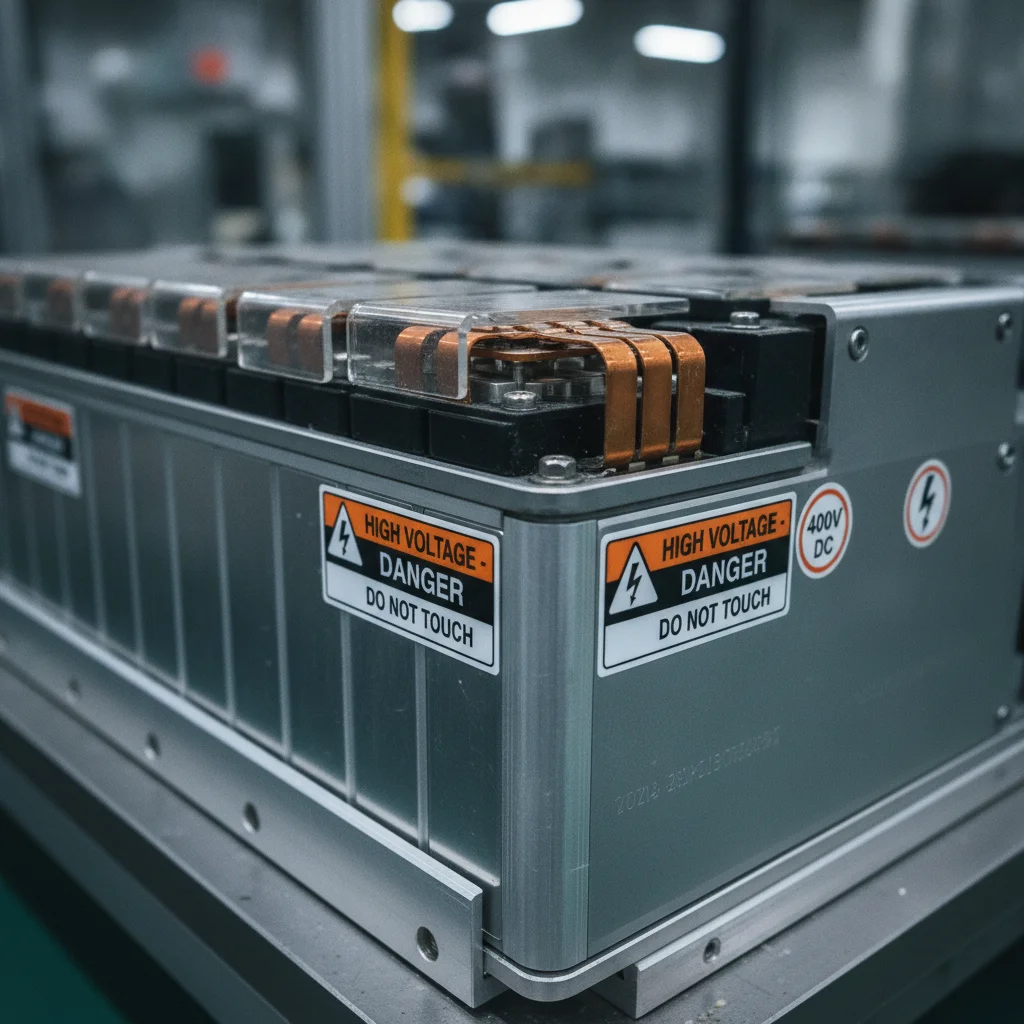
Battery coverage language deserves its own focused read because it is where most EV-specific disputes originate. The core question is whether the policy covers the battery pack as part of the vehicle — with no exclusions or sub-limits — or whether the battery is treated as a separate component subject to different terms.
Three specific exclusions appear repeatedly in disputed EV battery claims:
- Gradual degradation exclusions: Most policies will not cover capacity loss that occurs gradually over time, which is expected and normal. The risk is that an insurer may attempt to classify a sudden failure as gradual degradation. Your policy should clearly define what constitutes a covered sudden failure versus normal degradation.
- Improper charging exclusions: Some policies exclude battery damage resulting from use of non-approved charging equipment or protocols. This is particularly relevant if you regularly use third-party DC fast chargers or older infrastructure.
- Manufacturer warranty interaction: If the battery is still under the OEM warranty (typically 8 years/100,000 miles for the main pack on most current EVs), the insurer may argue the warranty is primary. Understand clearly which coverage responds first in a battery claim scenario.
If you cannot get clear answers from the policy document itself, these agent questions specific to battery claims will help you push for written clarification before signing.
Charging Equipment and Home Installation Coverage
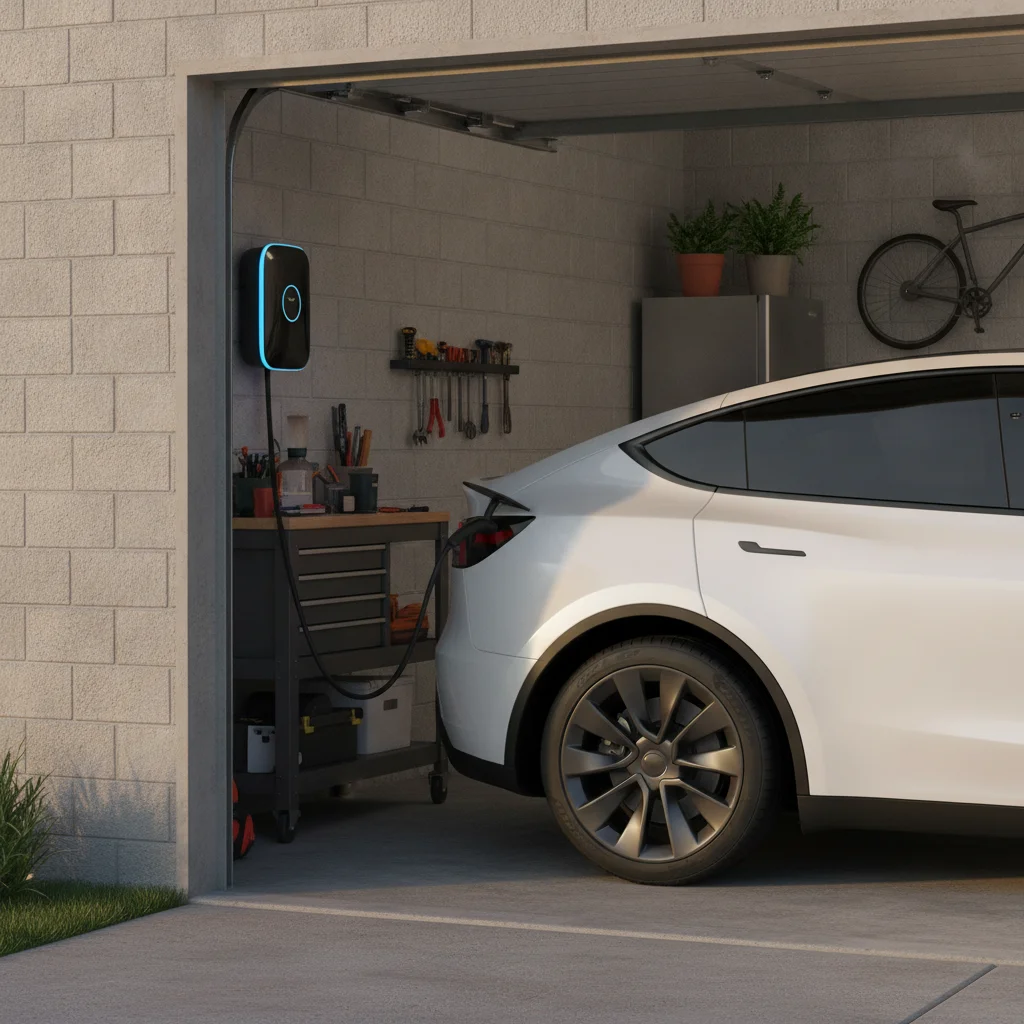
A Level 2 home charging station (EVSE) typically costs $400–$900 for the unit itself, plus another $200–$1,000 or more for professional installation depending on panel capacity and wiring distance. That is a real asset sitting in your garage or on your exterior wall, and its insurance treatment is not automatic.
Most homeowners or renters insurance policies will cover a permanently installed Level 2 charger as a structural attachment — but coverage limits, deductibles, and named peril versus open peril distinctions vary. Your auto policy is unlikely to cover the home charger at all unless it has a specific EVSE endorsement. The overlap zone — charging cable theft from the vehicle while parked — is where the most ambiguity tends to live.
Portable Level 1 chargers (the convenience cable shipped with the vehicle) are usually covered as personal property under a comprehensive auto policy, the same way a charging cable left in your car would be. Confirm this explicitly rather than assuming.
For drivers who travel frequently and rely on public charging infrastructure, a pre-road-trip EV charging checklist addresses the operational side of charging preparedness — complementary to what your insurance should cover when things go wrong.
Valuation, Roadside Assistance, and Final Verification
Two areas that affect the financial outcome of a claim more than most EV owners realize are how the vehicle is valued at total loss and what happens if the car becomes immobile between charges.
Agreed Value vs. Actual Cash Value
Actual cash value (ACV) settlement means the insurer pays what the vehicle was worth at the moment of loss, accounting for depreciation. For EVs — especially those with significant battery capacity — depreciation can be steep and contested. Agreed value policies lock in a settlement figure at policy inception, eliminating depreciation disputes. They cost more in premium but provide certainty that matters most on high-value EVs.
If your policy uses ACV, confirm whether battery capacity is factored into the depreciation calculation and how the insurer sources comparable vehicle valuations. Some insurers use databases that lag the actual EV resale market by several months, which can undervalue a recent-model EV at total loss.
EV-Specific Roadside Assistance
Running out of charge is fundamentally different from running out of gas. A gas vehicle can be refueled from a portable can; an EV needs either a mobile charger capable of delivering enough range to reach a station, or a flatbed tow to an appropriate charging location. Standard roadside plans typically send a fuel truck — useless for an EV. EV roadside assistance requirements are covered in detail separately, but at minimum your policy should specify flatbed towing (not dolly towing, which can damage EV drivetrains) and either mobile charging or destination charging coverage.
Final Verification Steps
After completing the checklist, compare your findings against the standard auto insurance checklist benchmarks — particularly around liability limits and uninsured motorist coverage, which apply to EVs and ICE vehicles equally. the auto insurance comparison checklist provides a useful cross-reference for those foundational coverage elements.
If you have recently purchased the vehicle and are still evaluating EV-related financial incentives, confirm your eligibility status using the EV tax credit verification checklist — that process is separate from insurance but equally time-sensitive before your first filing year.

Sign only when every must item on this checklist has a confirmed, written answer. EV insurance gaps are not theoretical — they are the difference between a covered claim and an out-of-pocket battery replacement that runs $10,000–$20,000 or more on most current EVs.
All claims are backed by peer-reviewed research. Sources on request.