Key Takeaways
Our Verdict
Specialty EV insurers bring genuinely tailored coverage — battery protection, charging equipment riders, and EV-fluent claims teams — that can pay dividends when something goes wrong. Major carriers counter with financial muscle, bundling savings, and wider agent networks that make day-to-day policy management easier. For most EV owners, the right call depends less on brand loyalty and more on reading the fine print around battery and charging coverage before signing.
| Best for | Recommended |
|---|---|
| Owners of high-value EVs with large battery packs | Specialty EV Insurers |
| Drivers who bundle home and auto for maximum discounts | Major Carriers |
| EV owners who charge primarily at home with installed equipment | Specialty EV Insurers |
| Those who prioritize financial strength and claims volume capacity | Major Carriers |
Why EV Insurance Is a Different Animal
Insuring an electric vehicle isn't simply a matter of swapping out one set of policy numbers for another. EVs carry a fundamentally different risk profile than internal combustion engine vehicles — one that most insurance pricing models were not originally built to handle. Battery packs alone can account for 30–50% of a vehicle's total value. Repair labor requires specialized technicians. And the ecosystem surrounding the car — home charging equipment, public charging networks, vehicle software — creates liability scenarios that simply don't exist for gas-powered cars.
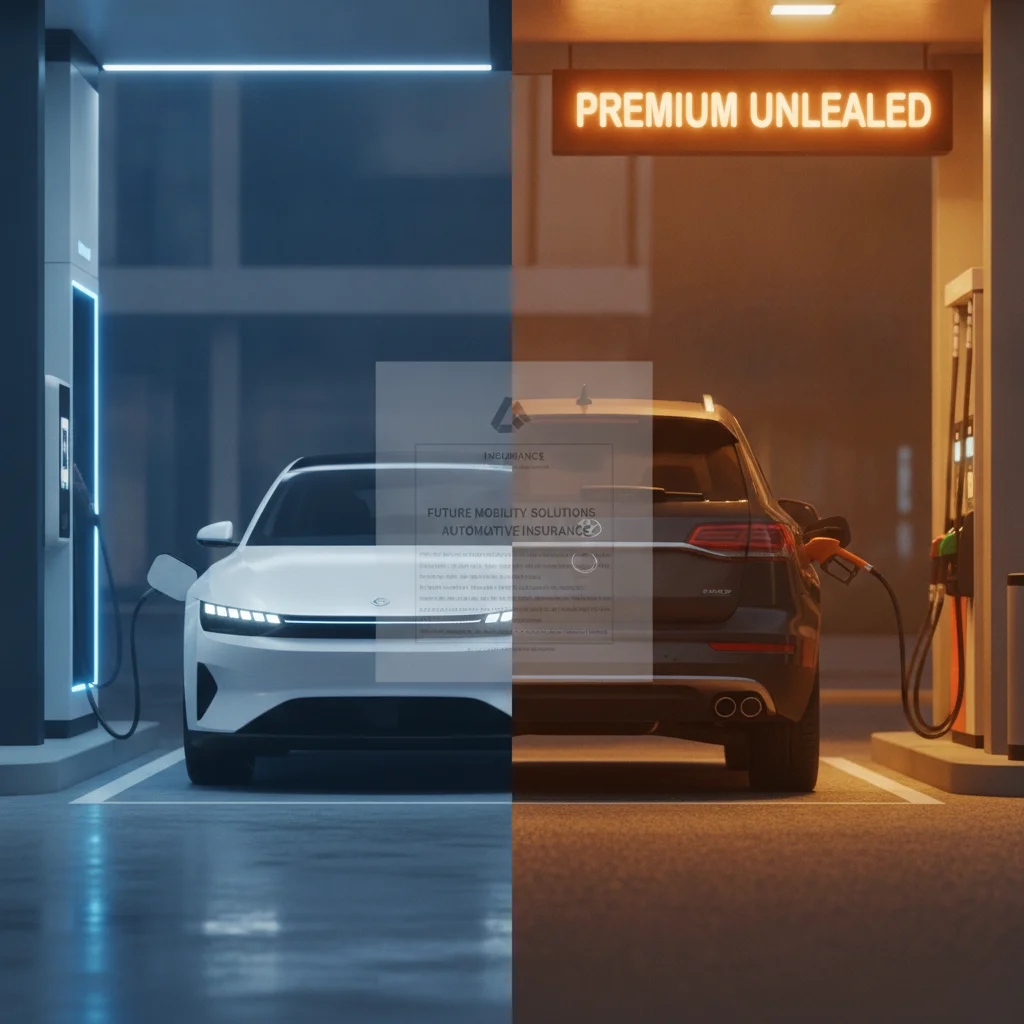
EVs cost more to repair and carry a distinct risk profile that affects how insurers price them, and that pricing difference has created a fork in the market. On one side are major carriers — household names like State Farm, Progressive, GEICO, and Allstate — that have adapted existing auto policies to accommodate EVs. On the other are specialty EV insurers, a younger category of companies that were built from the ground up to serve electric vehicle owners specifically.
Understanding what separates these two approaches matters because the gap between them isn't cosmetic. It shows up at claim time, in your premium structure, and in whether your $15,000 battery replacement gets covered or denied.
What Specialty EV Insurers Actually Offer
The most prominent players in EV-specific insurance include companies like Tesloop-adjacent programs, as well as platforms like Zūm and newer InsurTech entrants that have structured their underwriting around electric vehicle data. Tesla's own insurance program — available in roughly a dozen states — is perhaps the most recognizable example of a manufacturer-linked specialty offering, using real-time driving behavior data pulled directly from the vehicle.
What distinguishes these policies isn't just marketing language. The coverage architecture itself tends to reflect EV realities more accurately:
- Battery degradation and replacement coverage: Some specialty policies treat significant battery capacity loss — say, below 70% of original range — as a covered event rather than ordinary wear and tear. This distinction is enormous given that battery replacement can run $10,000–$20,000 or more on many popular models.
- Charging equipment protection: Home Level 2 charger units and associated wiring can cost $1,500–$3,000 to install. Specialty policies often cover damage to this equipment under the auto policy rather than requiring a separate homeowners rider.
- Roadside assistance calibrated to EVs: Standard roadside programs weren't designed for EVs. Specialty insurers typically offer mobile charging dispatch or flatbed transport to the nearest compatible charger, rather than a gas can delivery that serves no purpose.
- OEM parts requirements: Some EV-specialist policies contractually require original manufacturer parts rather than aftermarket alternatives — critical when you're dealing with proprietary battery modules and software-integrated components.
EV policies differ from conventional auto coverage in cost, structure, and what they protect, and specialty insurers have generally done the most work to address those structural differences.
Request EV Coverage Details in Writing
When getting quotes, specifically ask each carrier to confirm battery replacement coverage and charging equipment protection in writing — not just verbally. Many agents are unfamiliar with EV-specific exclusions and may give inaccurate verbal assurances. Having the confirmation documented protects you at claim time and makes policy comparison more accurate.
Run the Bundling Math Separately
Before switching your auto policy to a specialty EV insurer, calculate your current bundling discount from your major carrier explicitly. If home and auto bundling saves you $400–$600 annually, that's a real cost that needs to offset any coverage advantages a specialty policy provides. Get quotes that isolate each variable rather than comparing all-in premiums that bundle different coverage levels.
What Major Carriers Bring to the Table
It would be a mistake to dismiss large traditional carriers as ill-equipped for EV coverage. Over the past three years, companies like Progressive, Nationwide, and USAA have made meaningful additions to their EV policy frameworks, and several now offer explicit EV endorsements or riders that address the most common gaps.
Major carriers have advantages that newer specialty players simply cannot match yet:
- Financial stability: AM Best ratings of A or A+ are standard among the major carriers. A carrier's ability to pay claims matters as much as coverage terms, and for EV claims that can run six figures in total vehicle losses, that financial depth is not trivial.
- Bundling discounts: Combining home, auto, and umbrella policies with one carrier routinely yields 10–25% multi-policy discounts. Most specialty EV insurers don't offer home coverage, eliminating this savings avenue entirely.
- Agent networks and claims infrastructure: A major carrier with thousands of adjusters and decades of claims data can often process a total loss or major repair claim faster than a startup still scaling its operations team.
- EV-specific add-ons: Optional coverage riders like gap insurance, new car replacement, and enhanced roadside assistance are widely available through major carriers and can be layered onto an EV policy at relatively modest cost.
The tradeoff is that these add-ons are often exactly that — additions to a framework that was designed for gas-powered cars. A major carrier's EV coverage may adequately protect you, but you'll need to read the exclusions carefully to confirm the battery, charging equipment, and software-related scenarios you actually care about are included.
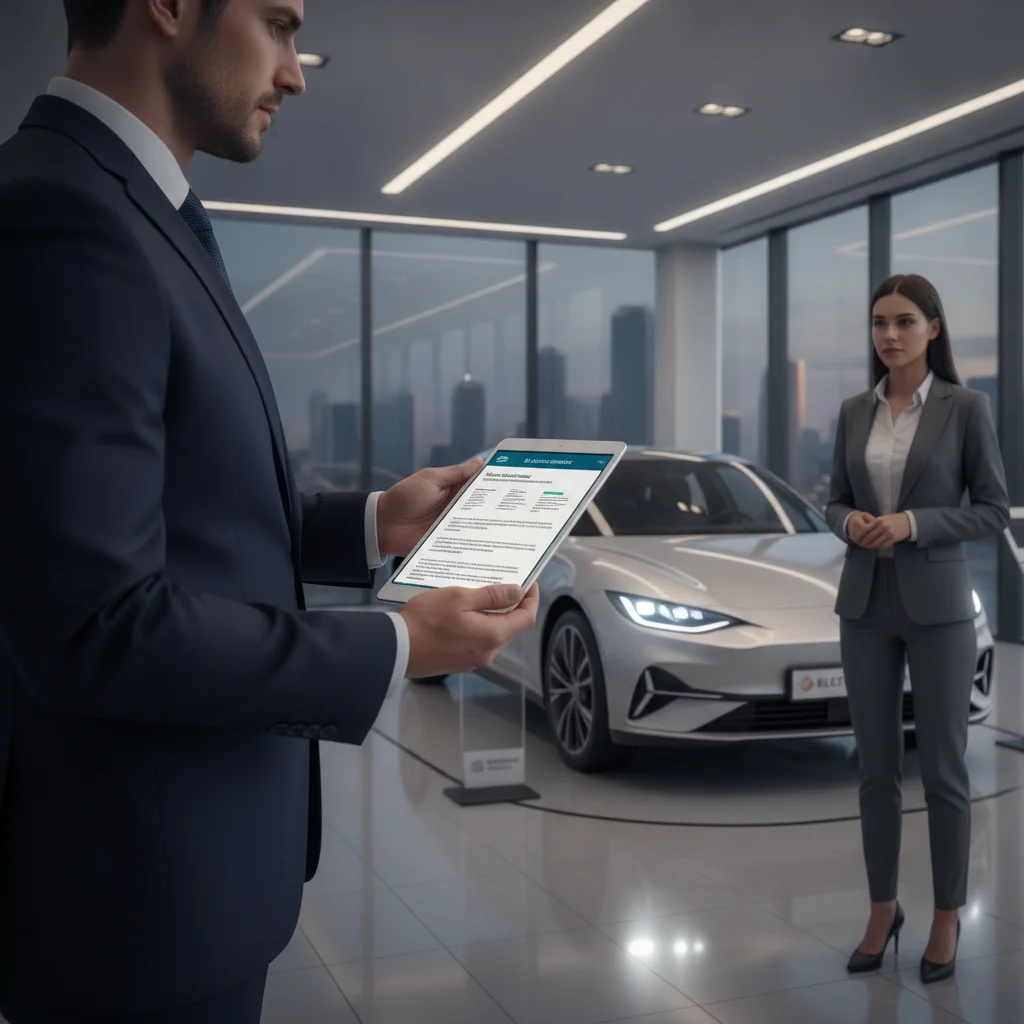
| Specialty EV Insurers | Major Carriers | |
|---|---|---|
| Battery degradation coverage | Often included or available | Rarely covered; wear-and-tear exclusion |
| Charging equipment protection | Typically under auto policy | Usually requires homeowners rider |
| EV-specific roadside assistance | Mobile charging or flatbed standard | Generic roadside; EV add-ons vary |
| OEM parts requirement | More commonly contractual | Varies; aftermarket often permitted |
| Bundling discounts | Limited; auto-only focus | Significant; home + auto savings |
| Financial strength ratings | Variable; newer companies may be lower | A to A+ ratings standard |
| Premium pricing | Competitive; telematics can reduce cost | Competitive; EV discounts available |
| Claims handling experience | Deep EV expertise; smaller volume | Broad infrastructure; less EV specialization |
The Battery Coverage Problem
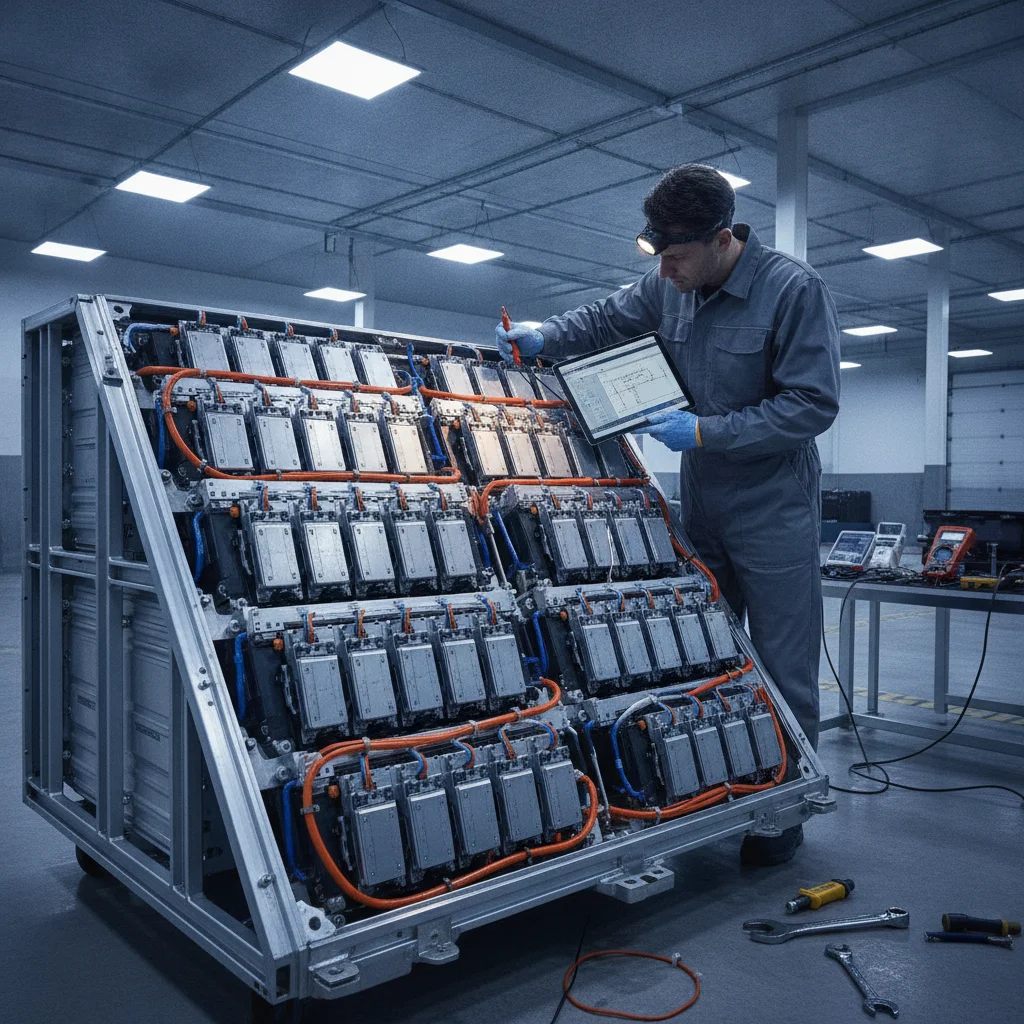
No issue better illustrates the specialty versus major carrier divide than battery coverage. A lithium-ion traction battery is not like a 12-volt starter battery. It degrades over time, it can be damaged in accidents in ways that aren't immediately apparent, and it can fail catastrophically in rare circumstances. Each of these scenarios is treated differently by different insurers.
In a collision, a damaged battery pack may need to be replaced entirely even when the vehicle body damage appears minor — because high-voltage battery diagnostics require specialist inspection and any structural compromise can render the pack unsafe. This is a known phenomenon with Tesla Model 3 and Model Y vehicles in particular, where relatively modest rear impacts have led to total loss declarations due to battery pack involvement.
20–30%
EV repair cost premium over ICE vehicles
According to CCC Intelligent Solutions' 2023 Crash Course report, EV collision repairs average 20–30% more than equivalent gas-powered vehicles.
$10,000–$20,000
Typical EV battery pack replacement cost
Battery replacement quotes collected across major EV models in 2023–2024 consistently fall in this range before labor costs.
26%
Higher total loss rate for EVs vs. ICE vehicles
Mitchell International's Industry Trends Report found EVs are declared total losses at a rate roughly 26% higher than comparable combustion vehicles after accidents.
The critical policy question is: does your insurer cover battery replacement after a covered collision? Most do. The harder question is whether your policy covers battery failure or significant degradation that occurs outside of an accident event. Standard major carrier policies almost universally exclude this as mechanical breakdown or wear and tear. Some specialty EV policies treat capacity loss below a defined threshold as a covered event — essentially an extended battery warranty wrapped into the insurance product.
Before committing to any policy, ask the carrier directly: "If my battery pack fails outside of a collision, is replacement covered?" The answer will tell you more about EV coverage depth than any marketing material.
Wear-and-Tear Exclusions Can Be Costly
Almost every auto insurance policy — specialty or major carrier — contains a wear-and-tear exclusion. For gas-powered cars, this means brake pads and timing belts. For EVs, insurers sometimes apply this exclusion to battery capacity loss, which can mean a $15,000 replacement isn't covered even if degradation was accelerated by a charging malfunction or documented defect. Read the battery exclusion language specifically before assuming your battery is protected.
Newer Specialty Insurers Carry Stability Risk
Several EV-focused InsurTech startups that launched with promising coverage features have subsequently scaled back coverage or exited markets as claims costs exceeded projections. Before committing to a specialty insurer, verify its AM Best or Demotech financial strength rating and check its state licensing status. A policy that becomes uncollectable due to insurer insolvency is worse than an imperfect policy from a stable carrier.
Cost Comparison: Premiums, Discounts, and Total Value
EV insurance premiums run higher than comparable ICE vehicle premiums across both carrier categories, primarily because repair costs are elevated and replacement parts are often more expensive and harder to source. The national average annual premium for an EV policy currently runs approximately $2,100–$2,400 versus $1,600–$1,900 for comparable conventional vehicles, though these figures vary significantly by model, location, and driver profile.
Within the EV insurance market, specialty insurers don't always charge more than major carriers — and sometimes charge less, particularly for vehicles they've underwritten extensively. Tesla Insurance, for example, uses real-time driving behavior data that can produce premiums meaningfully below market rates for cautious drivers, though it also creates transparency concerns around data collection that some owners find uncomfortable.
For a fair cost comparison, the relevant variables include:
- Base premium: Get quotes from at least two major carriers and at least one specialty option for the same coverage limits.
- Available discounts: Major carriers often have EV discounts (0–10%), good driver programs, and bundling savings. Specialty insurers may offer telematics-based pricing that rewards efficient driving habits.
- What the premium actually covers: A lower premium that excludes battery replacement coverage may ultimately cost far more than a higher premium that includes it.
- Deductibles on battery-specific claims: Some specialty policies carry separate deductibles for battery-related claims. Confirm the full deductible structure before comparing apples to apples.
Premium price isn't the only metric that matters when comparing EV policies — coverage depth, claims handling reputation, and long-term cost of ownership should all factor into the comparison.
How to Decide: A Framework for EV Owners
Rather than a blanket recommendation, the right carrier type depends on a handful of specific factors unique to your situation. Work through these questions before making your final decision:
What's your vehicle's battery value?
If your battery pack is worth more than $15,000 — as is the case with most mid-range and premium EVs including the Tesla Model S, Rivian R1T, and many Hyundai IONIQ 6 configurations — battery coverage should be a non-negotiable. If your battery is less replaceable cost-wise, a major carrier's standard collision coverage may be sufficient.
Do you charge primarily at home?
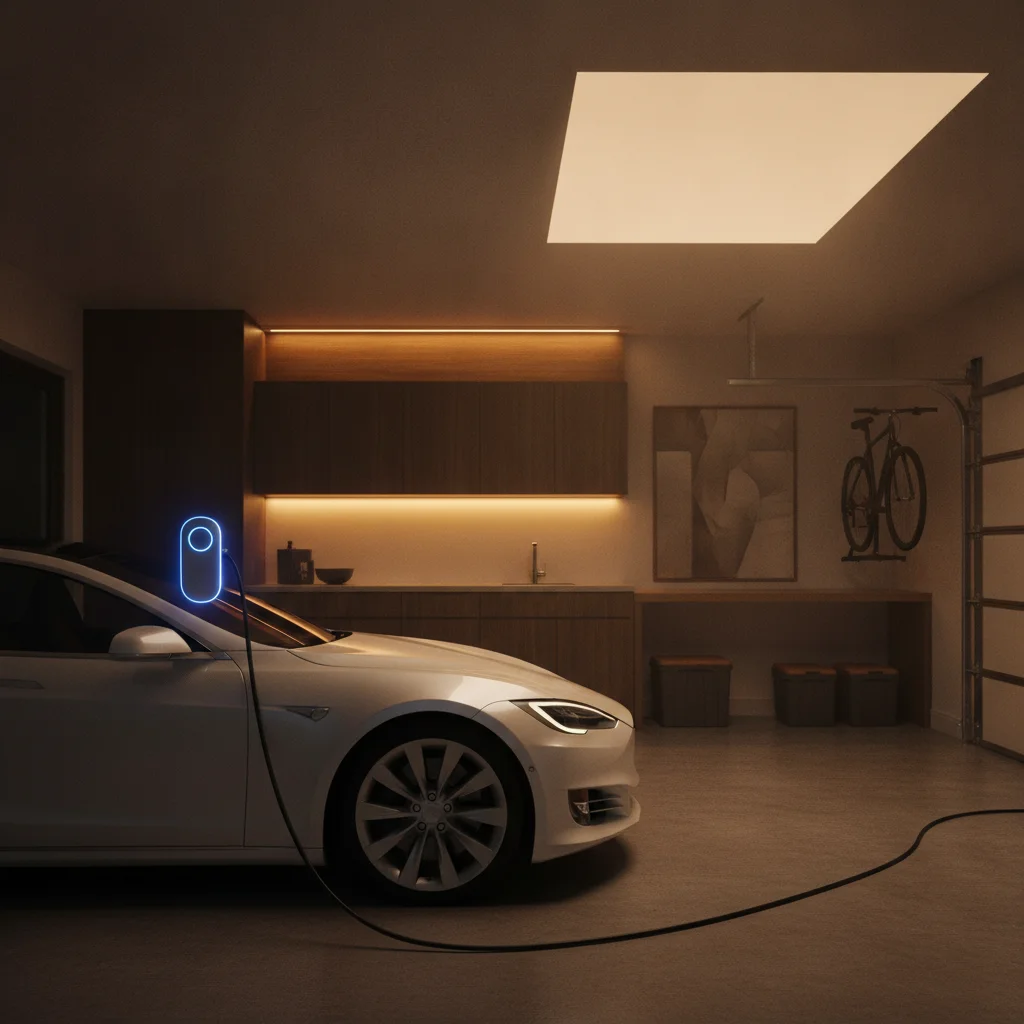
Owners with installed Level 2 home charging equipment have an asset worth protecting. If your major carrier's homeowners policy explicitly covers the charger and wiring, this is a non-issue. If not, a specialty insurer that includes this under the auto policy may represent better total-household coverage.
Do you bundle other policies?
If you're already bundling home and auto with a major carrier and saving significantly, the math may not support switching the auto portion to a specialty insurer — even if the specialty coverage is technically more comprehensive. Run the numbers with both bundled and unbundled scenarios.
How important is claims handling certainty to you?
If you drive high annual mileage or operate in high-traffic urban environments where accident frequency is elevated, the claims processing depth of a major carrier may outweigh the coverage nuances of a specialty insurer. New and seasoned EV owners alike benefit from understanding all available coverage options before a claim arises rather than after.
For BEV, PHEV, and HEV owners, the calculus also shifts based on vehicle type — a plug-in hybrid with a modest battery may need less specialized coverage than a pure BEV with a 100 kWh pack.

Request EV Coverage Details in Writing
When getting quotes, specifically ask each carrier to confirm battery replacement coverage and charging equipment protection in writing — not just verbally. Many agents are unfamiliar with EV-specific exclusions and may give inaccurate verbal assurances. Having the confirmation documented protects you at claim time and makes policy comparison more accurate.
Run the Bundling Math Separately
Before switching your auto policy to a specialty EV insurer, calculate your current bundling discount from your major carrier explicitly. If home and auto bundling saves you $400–$600 annually, that's a real cost that needs to offset any coverage advantages a specialty policy provides. Get quotes that isolate each variable rather than comparing all-in premiums that bundle different coverage levels.
What to Ask Any Insurer Before You Sign
Regardless of whether you lean toward a specialty EV insurer or a major carrier, the same set of pointed questions will reveal how genuinely EV-literate a policy actually is. Don't rely on marketing language — get specific answers in writing or recorded in your policy documents.
- Is battery replacement covered after a covered collision, and is there a separate deductible?
- Does the policy cover battery replacement for non-collision failure or significant capacity loss?
- Are home charging equipment and installation wiring covered under this policy or under homeowners?
- Does the roadside assistance program include mobile charging or EV-specific flatbed service?
- Does the policy require OEM parts for repairs, or can aftermarket parts be used for EV-specific components?
- How does the policy handle software-related damage or a recall that requires costly battery or software remediation?
- What is the carrier's financial strength rating, and how many EV claims has it processed in the last 12 months?
A carrier that can answer all of these questions clearly and specifically — regardless of whether it's a specialty insurer or a household name — is one that actually understands what it's covering. Vague answers or redirects to general policy language should be treated as yellow flags.
Wear-and-Tear Exclusions Can Be Costly
Almost every auto insurance policy — specialty or major carrier — contains a wear-and-tear exclusion. For gas-powered cars, this means brake pads and timing belts. For EVs, insurers sometimes apply this exclusion to battery capacity loss, which can mean a $15,000 replacement isn't covered even if degradation was accelerated by a charging malfunction or documented defect. Read the battery exclusion language specifically before assuming your battery is protected.
Newer Specialty Insurers Carry Stability Risk
Several EV-focused InsurTech startups that launched with promising coverage features have subsequently scaled back coverage or exited markets as claims costs exceeded projections. Before committing to a specialty insurer, verify its AM Best or Demotech financial strength rating and check its state licensing status. A policy that becomes uncollectable due to insurer insolvency is worse than an imperfect policy from a stable carrier.
All claims are backed by peer-reviewed research. Sources on request.