Key Takeaways
Our Verdict
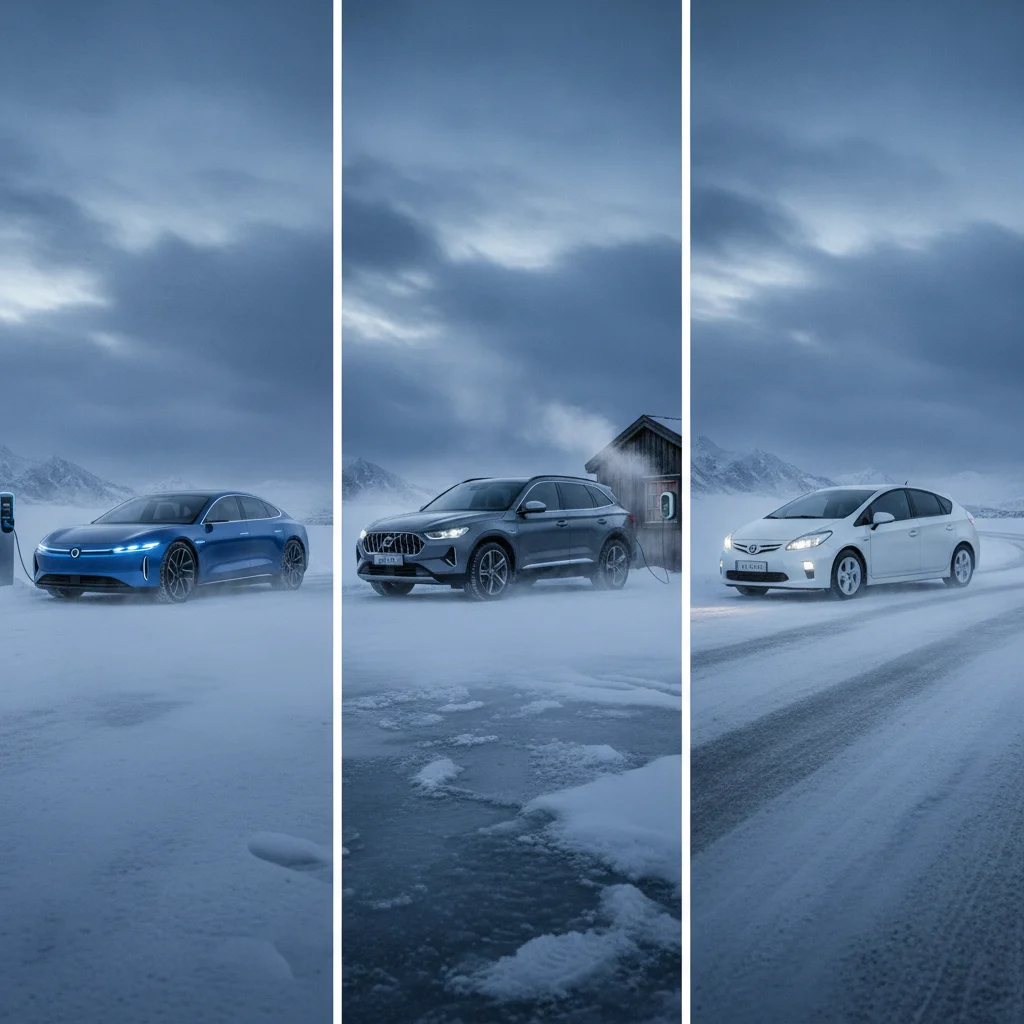
No electrified vehicle is completely immune to cold weather, but the severity of the impact varies dramatically by type. BEVs demand the most planning and behavioral adjustment in winter. PHEVs strike the best balance for drivers in cold climates who want electric efficiency without range anxiety. HEVs require the least lifestyle change and deliver the most predictable cold-weather performance.
| Best for | Recommended |
|---|---|
| Drivers in mild-to-moderate winter climates with home charging access | BEV |
| Drivers in cold climates who want electric driving with a gas safety net | PHEV |
| Drivers in severe winter climates who want fuel efficiency without cold-weather complications | HEV |
| Commuters with short daily routes who can pre-condition at home | BEV or PHEV |
Why Cold Weather Is an Electrified Vehicle Problem — Not Just a Battery Problem
Most people have heard that cold weather hurts EV range. Fewer understand why it happens, or how differently it plays out across the three main electrified vehicle categories: battery electric vehicles (BEVs), plug-in hybrid electric vehicles (PHEVs), and conventional hybrid electric vehicles (HEVs).
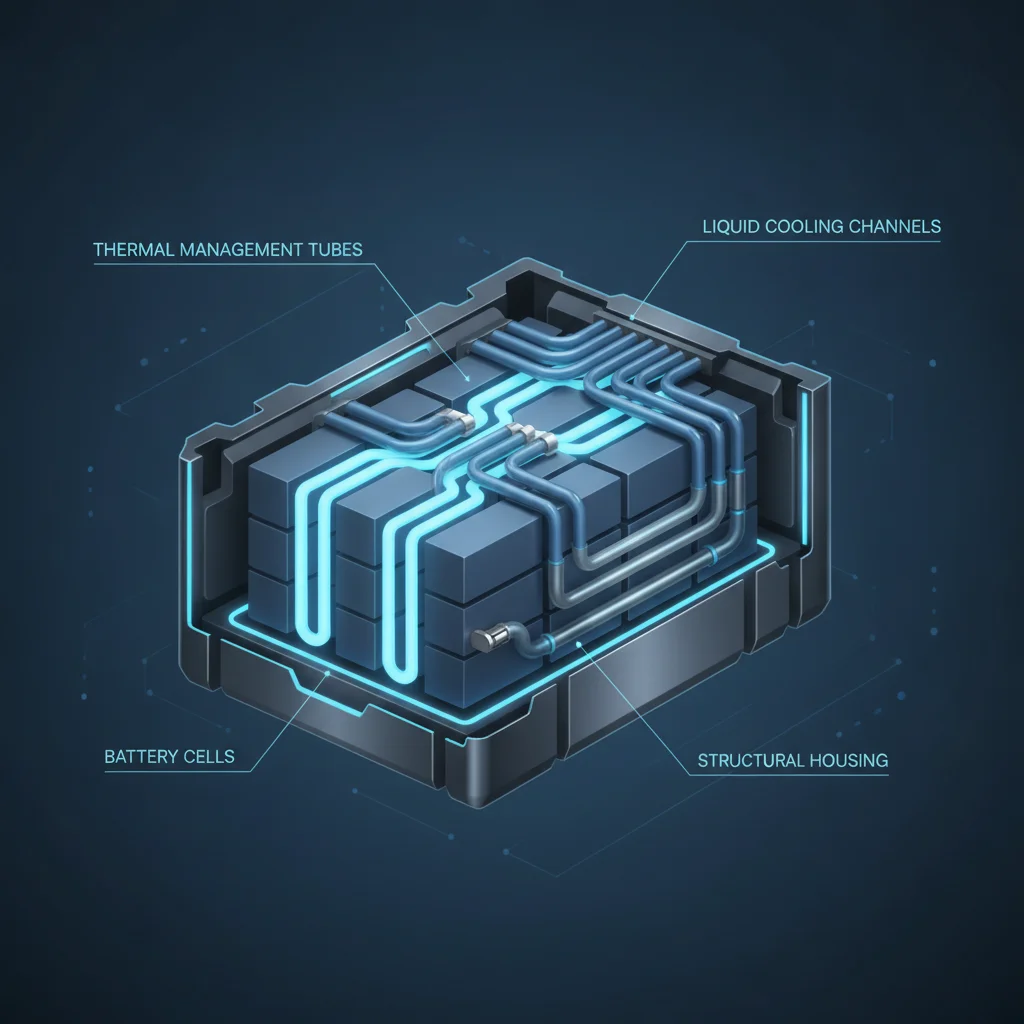
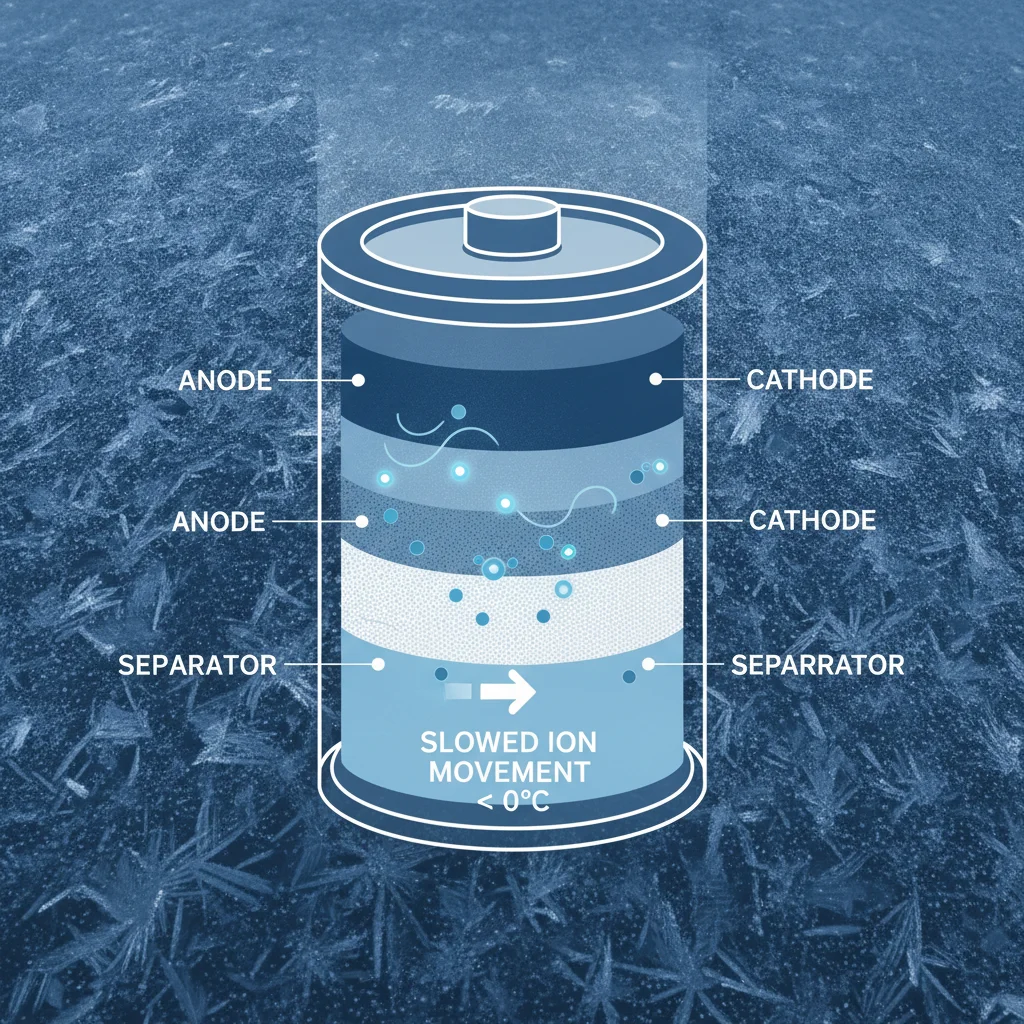
The root cause is the same across all three types: lithium-ion batteries lose electrochemical efficiency when temperatures drop. The chemical reactions that move ions between electrodes slow down, internal resistance climbs, and the battery delivers less usable energy per charge — even if the cells are theoretically full. On top of that, cold air is denser, increasing aerodynamic drag, and cabin heating demands draw additional energy that would otherwise go to the wheels.
But the degree to which these forces matter depends entirely on how much electrical work the vehicle is doing, how big the battery pack is, and whether there's a gas engine available to pick up the slack. That's where BEVs, PHEVs, and HEVs diverge sharply. Understanding those differences is key to making a smarter purchase decision if you live anywhere that sees serious winter weather.
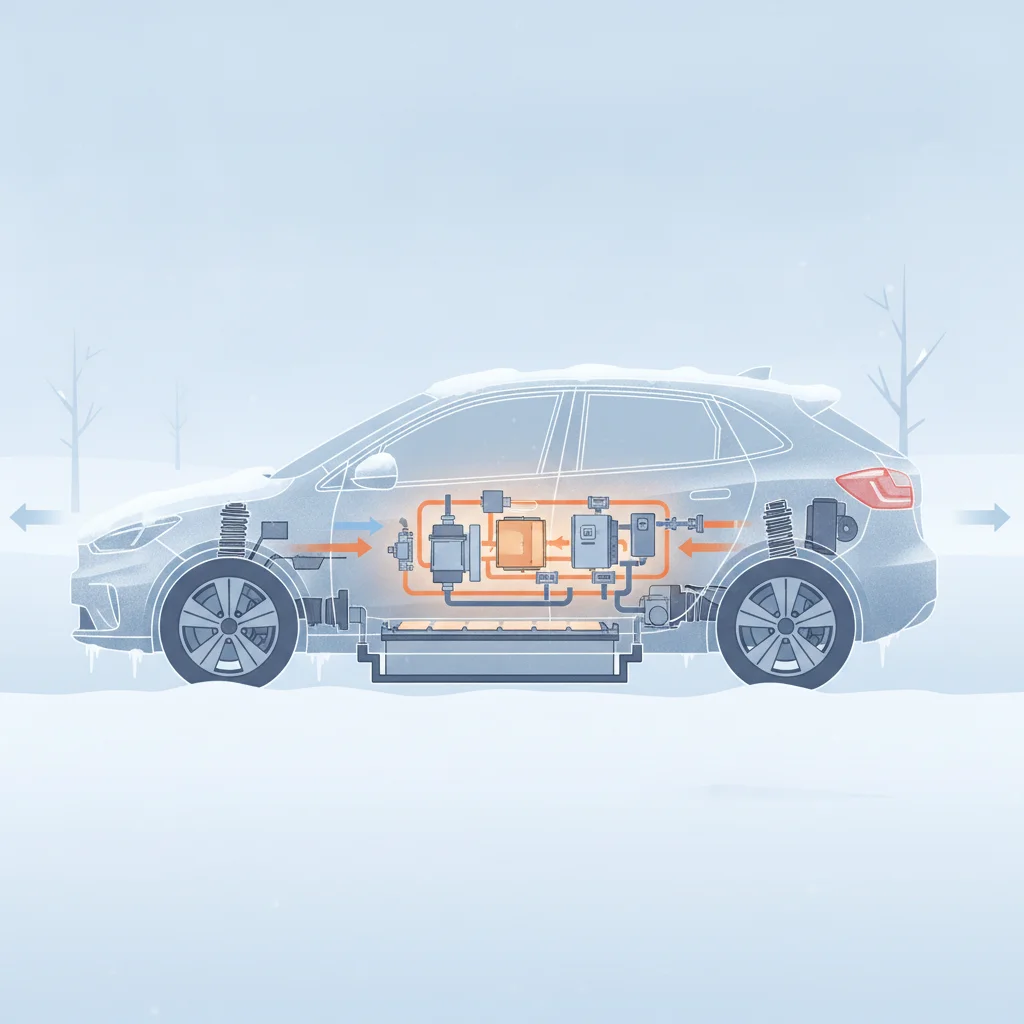
For a deeper look at how automakers engineer around this problem, see our piece on thermal management systems in EVs.
BEVs in Winter: The Biggest Exposure, the Most to Manage
Battery electric vehicles bear the full brunt of cold weather because they have no fallback power source. Every watt of energy — for propulsion, heating, defrosting, seat warmers, and battery conditioning — comes from one pack. When that pack is compromised by temperature, the effects compound quickly.
20–40%
Typical BEV range loss in freezing temps
AAA cold-weather EV range testing found most BEVs lose 20–40% of EPA-rated range when temperatures drop to around 20°F with climate control in use.
3–5 kW
Power draw from resistive cabin heating
Electric resistive heaters in BEVs without heat pumps can consume 3–5 kilowatts continuously — comparable to the energy used to maintain highway cruising speed.
~30%
Energy savings with a heat pump vs. resistive heating
Heat pump climate systems use roughly one-third the energy of resistive heating to achieve equivalent cabin warmth, according to automotive engineering analyses.
10–20%
HEV fuel economy loss in cold weather
Conventional hybrid vehicles typically see a 10–20% MPG reduction in cold weather — far less severe than the range losses experienced by BEVs and PHEVs.
50%
DC fast charge rate reduction for cold BEV batteries
A battery management system may limit DC fast charging to 30–50% of peak rated speed until the pack reaches an optimal operating temperature range.
According to testing by AAA and independent researchers, BEV range in sub-freezing temperatures typically falls between 20% and 40% below EPA-rated estimates. In extreme cold — below 0°F — some vehicles have shown losses closer to 50%. That's not a bug or a defective battery; it's chemistry. For a complete breakdown of the mechanisms, see the real impact of cold weather on EV battery range.
The heating system is the other major drain. Gasoline cars use waste engine heat to warm the cabin essentially for free. BEVs using resistive electric heating can consume 3–5 kW of power just to keep passengers comfortable — the equivalent of driving at highway speed in terms of energy demand. Vehicles equipped with a heat pump instead of resistive heating fare noticeably better, since heat pumps move heat rather than generate it, using roughly one-third the energy. Our article on heat pumps in EVs explains the efficiency difference in detail.
The practical implication: a BEV rated at 300 miles of range might realistically deliver 185–220 miles on a 20°F day with the heat running. That's still sufficient for the vast majority of daily commutes, but it significantly changes road trip planning and charging frequency. Pre-conditioning the cabin while plugged in is the single most effective habit a BEV owner in a cold climate can adopt — it warms the battery and cabin before departure without drawing down the pack.
Don't Fast-Charge a Deeply Cold BEV Battery
Plugging into a DC fast charger immediately after a cold soak — without pre-conditioning — can cause the battery management system to throttle charging severely, and in repeated cases may contribute to lithium plating on the anode, a form of permanent capacity loss. If you must fast-charge in extreme cold, allow the vehicle to run its battery warming cycle first, or use the navigation system to route to a charger, which triggers automatic battery preconditioning in many vehicles.
Advertised Electric Range Doesn't Reflect Winter Reality
EPA range estimates for BEVs and PHEV electric modes are measured at approximately 70°F. In cold climates, treating those numbers as your actual winter range is a planning mistake that can leave you short. Budget for 25–35% less usable range than the sticker figure when temperatures drop below freezing, and plan your charging stops and daily logistics accordingly.
On the infrastructure side, DC fast chargers also deliver power more slowly to a cold battery. The battery management system limits charge rate to protect cold cells, which means a cold-soak BEV may charge at 30–50% of its rated peak speed until the pack warms up. Plan for longer charging stops in winter.
PHEVs in Winter: Cold-Weather Range Loss With a Built-In Safety Net
Plug-in hybrid electric vehicles carry both a battery pack and a gasoline engine, and that combination fundamentally changes the cold-weather math. When temperatures drop, a PHEV's electric range shrinks — but the gas engine is always there to prevent you from being stranded or significantly inconvenienced.
Most PHEVs offer between 20 and 50 miles of electric range under normal conditions. In freezing weather, that figure typically drops to 12–35 miles, depending on the vehicle, the temperature, and how aggressively climate control is used. That loss still matters — particularly for drivers who bought a PHEV specifically to cover their daily commute electrically and minimize fuel costs. If your commute is 30 miles each way and you're counting on electric-only mode, a cold winter day may force the gas engine on earlier than expected.
There's also a nuance specific to PHEVs: many are designed to run the gas engine proactively in very cold weather, even if battery charge is available, because the engine produces heat that warms the cabin faster and protects the battery from thermal stress. This is smart engineering, but it can confuse owners who expect pure EV operation and instead hear the engine start on a cold morning.
Pre-Condition Before You Leave, Not After
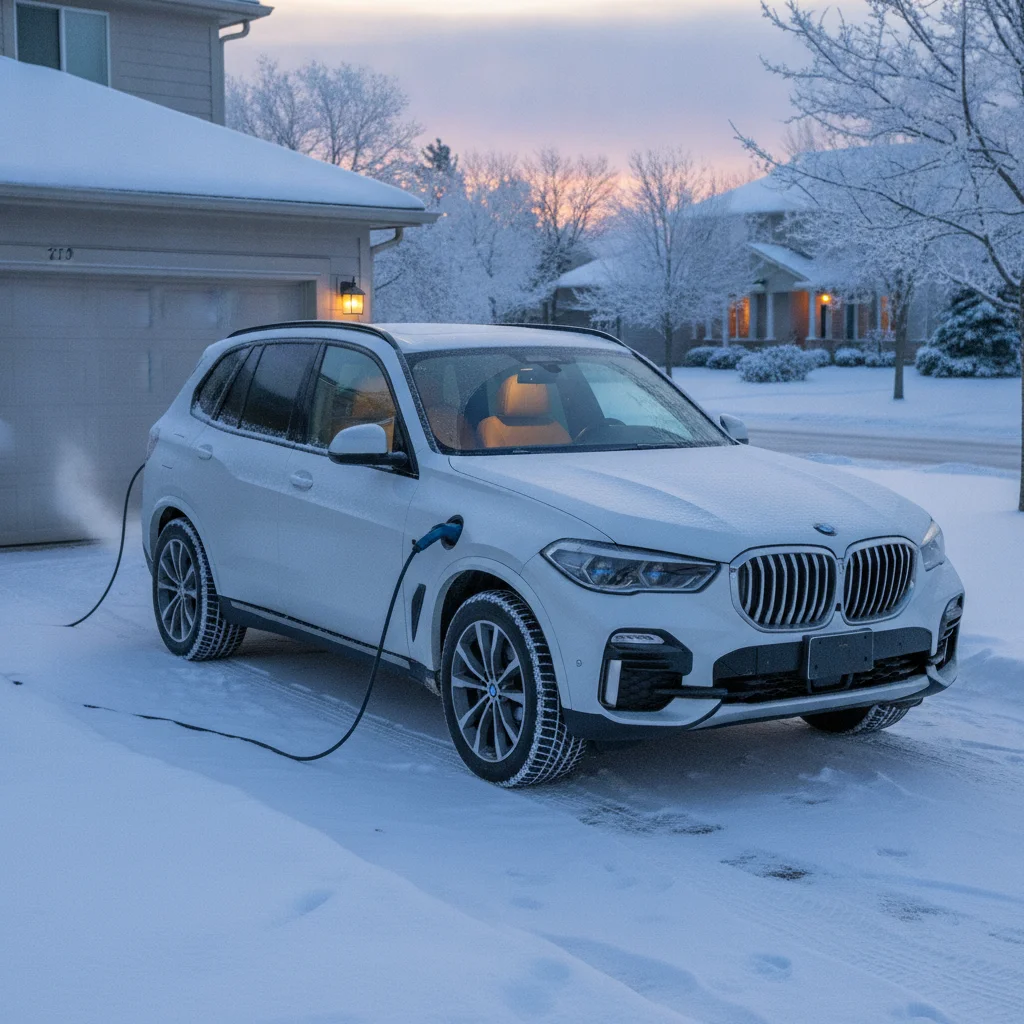
The highest-impact habit for BEV and PHEV owners in cold climates is pre-conditioning the vehicle while it's still plugged in. This warms both the battery and the cabin without drawing down your driving range. Most modern EVs support scheduled departure times through a companion app — set it and forget it, and you'll consistently start every cold morning with a warm cabin and an optimally-tempered battery.
Choose a PHEV With a Larger Battery for Cold Climates
If you're buying a PHEV specifically to maximize electric-only driving in winter, prioritize models with 30+ miles of rated electric range. Cold-weather losses are percentage-based, so starting with more range means you lose fewer absolute miles to temperature effects. A PHEV with 40 miles of electric range losing 30% in cold still delivers more electric operation than one with 15 miles losing the same percentage.
Use Seat Warmers to Reduce Cabin Heating Load
Seat and steering wheel heaters warm the occupants directly and draw only a few hundred watts — a fraction of the 3–5 kW that full cabin heating can consume. Setting the cabin thermostat to 63–65°F and using seat warmers instead of pushing 72°F can extend BEV range by several miles on cold days. This strategy works on PHEVs too when you want to maximize electric-only miles.
PHEVs with larger battery packs — think the Jeep Wrangler 4xe, Ford Escape PHEV, or Hyundai Tucson PHEV — are generally better winter choices than those with smaller packs, because the cold-weather percentage loss translates to a smaller absolute mile reduction. A vehicle with 40 miles of electric range losing 30% still gives you 28 miles of electric operation; one with 15 miles of range losing 30% leaves you with only about 10.
For drivers in legitimately cold climates — Minnesota, Michigan, Colorado high country — PHEVs often represent the most pragmatic compromise: meaningful electric-only operation most of the year, with a gasoline engine that erases range anxiety when winter makes EV efficiency worse.
HEVs in Winter: The Most Predictable Cold-Weather Performer
Conventional hybrid electric vehicles — vehicles like the Toyota Camry Hybrid or Honda CR-V Hybrid that charge their batteries through regenerative braking and engine operation rather than plugging in — are the most resilient electrified option in cold weather. The reason is structural: the battery pack in a conventional HEV is small (typically 1–2 kWh usable), and the vehicle is never expected to operate on electricity alone for more than a few seconds at low speeds.
Because the HEV battery is always backed by the combustion engine, cold-induced capacity loss has limited practical impact. The engine warms up quickly, provides cabin heat via traditional means, and the hybrid system simply adjusts how aggressively it uses electric assist based on available battery output. Fuel economy in a conventional hybrid will drop in cold weather — typically 10–20% below warm-weather figures — but this is comparable to what a conventional gasoline vehicle experiences, and far less severe than what BEV and PHEV owners face.
For context on how cold weather affects overall fuel economy across vehicle types, see our overview of fuel economy across every season.
The tradeoff is obvious: HEVs don't plug in, so you never get the low cost-per-mile advantage of grid electricity. But if you live in a climate where temperatures regularly drop below 20°F and you're skeptical about managing a BEV, a conventional hybrid delivers meaningful efficiency gains — around 40–50 MPG in many cases — without the behavioral overhead of cold-weather EV ownership.
| BEV | PHEV | HEV | |
|---|---|---|---|
| Cold-weather range loss | 20–40% typical; up to 50% in extreme cold | 25–40% of electric range; gas range unaffected | 10–20% fuel economy reduction only |
| Cabin heating source | Electric (resistive or heat pump) | Electric + gas engine waste heat | Gas engine waste heat (same as ICE) |
| Risk of being stranded | Higher if range not planned carefully | Low — gas engine always available | Very low — engine always running |
| Cold-weather charging impact | Significant — slower DC fast charging in cold | Moderate — Level 2 home charging unaffected | Not applicable — no plug charging |
| Pre-conditioning benefit | High — major range and comfort improvement | Moderate — primarily comfort and battery temp | Minimal — engine heats quickly anyway |
| Long-term battery risk from cold | Moderate — large pack, fast-charge dependency | Low to moderate — smaller pack, engine backup | Low — tiny pack, always engine-supported |
| Best cold-weather use case | Short commutes with home charging | Mixed commutes in cold climates | Any commute, especially severe climates |
| Driver behavioral adjustment required | High — planning, pre-conditioning, charging | Medium — monitor electric vs gas mode | Low — drive like a normal gas car |
HVAC, Pre-Conditioning, and the Habits That Close the Gap
Across all three vehicle types, how you use the climate control system has an outsized effect on cold-weather efficiency. Heating and cooling are among the largest energy draws in any electrified vehicle, and winter is when this matters most. Our dedicated article on how HVAC use affects EV range covers this in depth, but here are the practices with the biggest payoff:
- Pre-condition while plugged in: For BEVs and PHEVs, warming the battery and cabin before departure — while still connected to the charger — preserves driving range. Most modern EVs allow this via a smartphone app or scheduled departure setting.
- Use seat and steering wheel heaters first: These warm you directly and draw far less power than heating the entire cabin to 70°F. Dropping the cabin setpoint from 72°F to 65°F while using seat warmers can meaningfully extend range.
- Minimize cold soaks: A BEV that sits unplugged in a cold garage or outdoor lot for hours before use will have a colder, less efficient battery. Keeping the vehicle plugged in overnight maintains battery temperature conditioning in vehicles that support it.
- Reduce highway speeds: Cold air is denser, which increases aerodynamic drag. Driving 65 mph instead of 75 mph on a cold day provides a measurable range benefit on top of reduced drag at lower speeds.
For BEV owners specifically, understanding the full picture of what drives range loss is essential. The reasons your EV never hits advertised range are multiple and compound in winter — cold battery chemistry, heating load, dense air, and slower charging all stack at the same time.
Pre-Condition Before You Leave, Not After
The highest-impact habit for BEV and PHEV owners in cold climates is pre-conditioning the vehicle while it's still plugged in. This warms both the battery and the cabin without drawing down your driving range. Most modern EVs support scheduled departure times through a companion app — set it and forget it, and you'll consistently start every cold morning with a warm cabin and an optimally-tempered battery.
Choose a PHEV With a Larger Battery for Cold Climates
If you're buying a PHEV specifically to maximize electric-only driving in winter, prioritize models with 30+ miles of rated electric range. Cold-weather losses are percentage-based, so starting with more range means you lose fewer absolute miles to temperature effects. A PHEV with 40 miles of electric range losing 30% in cold still delivers more electric operation than one with 15 miles losing the same percentage.
Use Seat Warmers to Reduce Cabin Heating Load
Seat and steering wheel heaters warm the occupants directly and draw only a few hundred watts — a fraction of the 3–5 kW that full cabin heating can consume. Setting the cabin thermostat to 63–65°F and using seat warmers instead of pushing 72°F can extend BEV range by several miles on cold days. This strategy works on PHEVs too when you want to maximize electric-only miles.
Long-Term Battery Health: Does Cold Weather Cause Permanent Damage?
Short-term range loss from cold weather is temporary — once the battery warms up, performance returns. The more legitimate long-term concern is whether repeated cold-weather operation accelerates battery degradation.
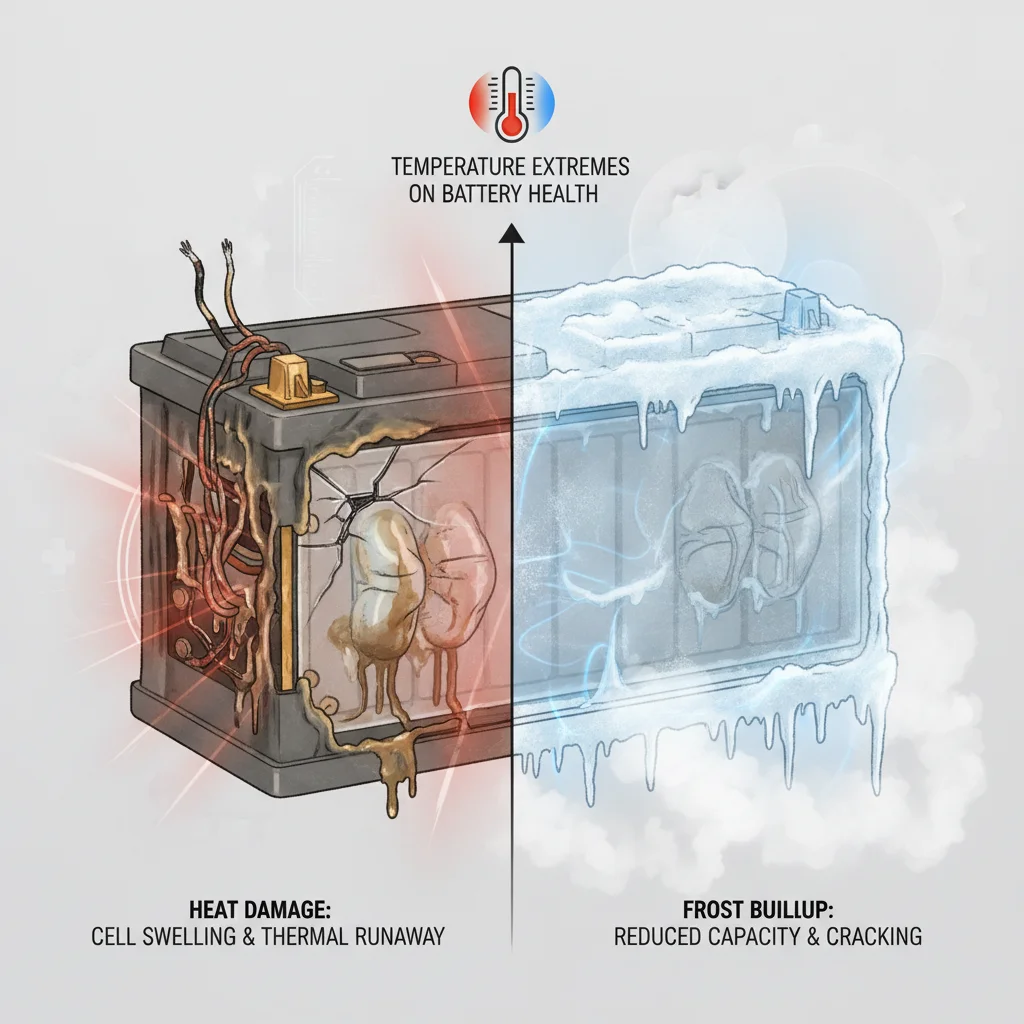
The answer is nuanced. Operating a lithium-ion battery in cold temperatures is generally safer than operating it in extreme heat — high heat is the primary driver of permanent lithium-ion degradation. However, there are two cold-weather scenarios that can cause lasting harm:
- Charging a cold battery at high rates: Fast-charging a battery pack that hasn't warmed up can cause lithium plating on the anode — a form of degradation that permanently reduces capacity. This is why BMS systems throttle charge rates in cold weather, and why pre-conditioning before DC fast charging is recommended.
- Repeatedly deep-discharging a cold battery: Running a cold battery to near-zero repeatedly puts additional electrochemical stress on the cells. Maintaining charge between 20% and 80% in winter is a sound practice.
For PHEVs and HEVs, the smaller battery packs and the presence of an engine that supports thermal management make long-term cold-weather degradation less of a concern than it is for large-pack BEVs. See our seasonal ownership guide — owning an EV in winter — for actionable maintenance steps that protect battery health across the cold months.
Tires are also worth mentioning in any cold-weather EV discussion. EV-specific tires are often optimized for low rolling resistance, which can compromise winter grip. Running winter tires on a BEV or PHEV is strongly recommended in snow-belt climates — and yes, winter tires do reduce range slightly due to higher rolling resistance, but the safety benefit far outweighs the efficiency cost.
Choosing the Right Electrified Vehicle for Your Climate
The practical question for most buyers isn't "which EV type handles cold best in a lab" — it's "which one fits my actual life in the place where I live." Here's how to frame that decision:
If you live in the Sun Belt or mild coastal regions (think Pacific Northwest lowlands, Southern California, Texas, Florida): Cold weather is a minor, occasional factor. A BEV is the most cost-efficient choice over time, and range anxiety from cold is a rare concern. Focus your evaluation on charging infrastructure and total cost of ownership instead.
If you live in the Northern tier, Mountain West, or Upper Midwest (Minnesota, Wisconsin, Montana, Colorado, Michigan, New England): Cold weather is a serious and recurring factor for 4–6 months per year. A PHEV is often the most balanced option unless you have a robust charging setup, a shorter-than-average commute, and a BEV with a genuine 250+ mile warm-weather range. An HEV is the lowest-friction choice for those who don't want to think about cold-weather charging management.
If you primarily do short urban commutes (under 25 miles per day): Even in cold climates, a BEV's winter range loss may leave you with more than enough range for daily needs. The daily commute use case is where BEVs shine even in winter — provided you can charge at home. The EV range and efficiency hub has more tools and articles to help you assess your specific situation.
If you frequently take long highway trips in winter: This is the scenario where BEVs require the most advance planning. Charging networks have expanded significantly, but cold weather adds charging time and reduces the miles-per-stop figure. A PHEV with sufficient gas range or a well-equipped BEV with a heat pump and large battery is the more practical choice for this use pattern. The EV maintenance basics hub covers what ownership really looks like season to season.
Don't Fast-Charge a Deeply Cold BEV Battery
Plugging into a DC fast charger immediately after a cold soak — without pre-conditioning — can cause the battery management system to throttle charging severely, and in repeated cases may contribute to lithium plating on the anode, a form of permanent capacity loss. If you must fast-charge in extreme cold, allow the vehicle to run its battery warming cycle first, or use the navigation system to route to a charger, which triggers automatic battery preconditioning in many vehicles.
Advertised Electric Range Doesn't Reflect Winter Reality
EPA range estimates for BEVs and PHEV electric modes are measured at approximately 70°F. In cold climates, treating those numbers as your actual winter range is a planning mistake that can leave you short. Budget for 25–35% less usable range than the sticker figure when temperatures drop below freezing, and plan your charging stops and daily logistics accordingly.

All claims are backed by peer-reviewed research. Sources on request.