Key Takeaways
Seasonal Fuel Economy
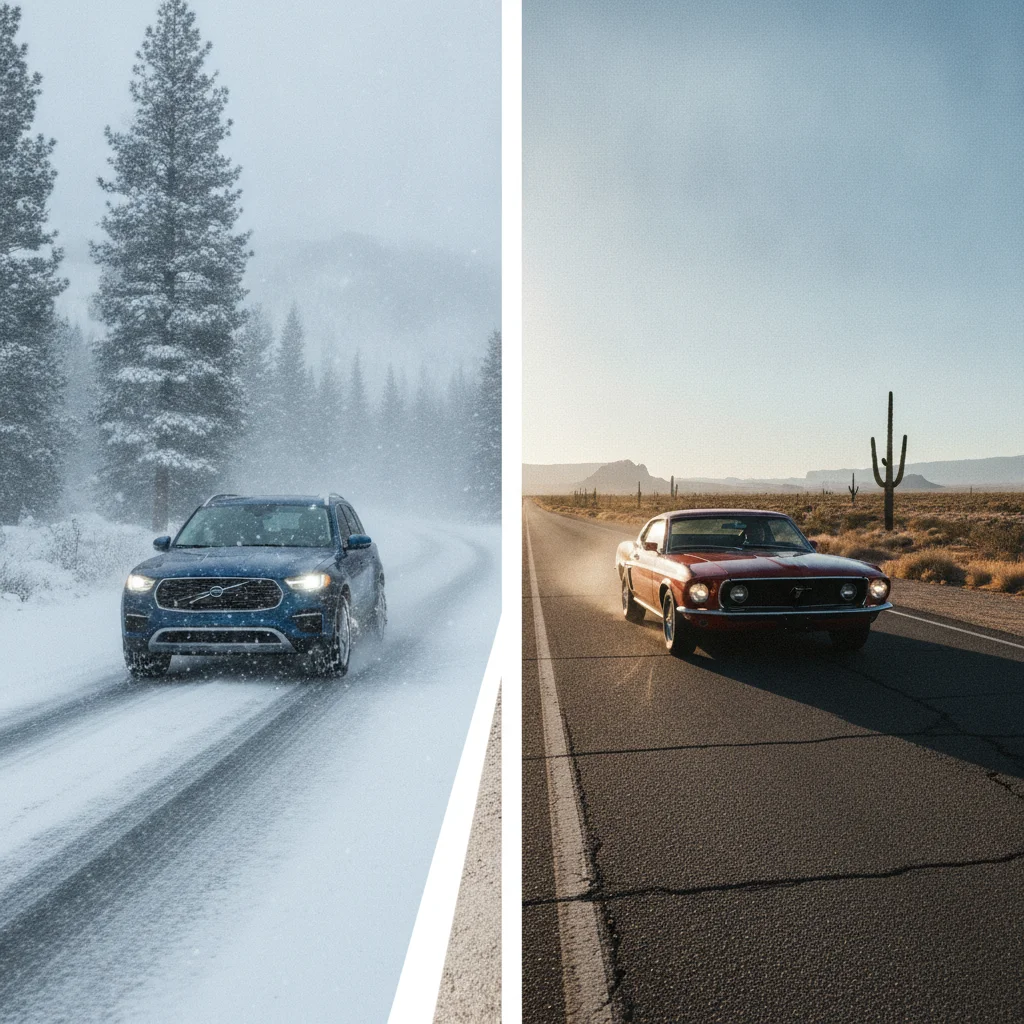
Seasonal fuel economy refers to how outside temperature affects the number of miles your vehicle travels per gallon of gasoline. Cold winters and hot summers both create physical and mechanical conditions that force your engine to work harder, consume more fuel, and deliver fewer miles per gallon than you'd get in mild weather. The gap between your EPA rating and what you see at the pump is often at its widest during seasonal extremes.
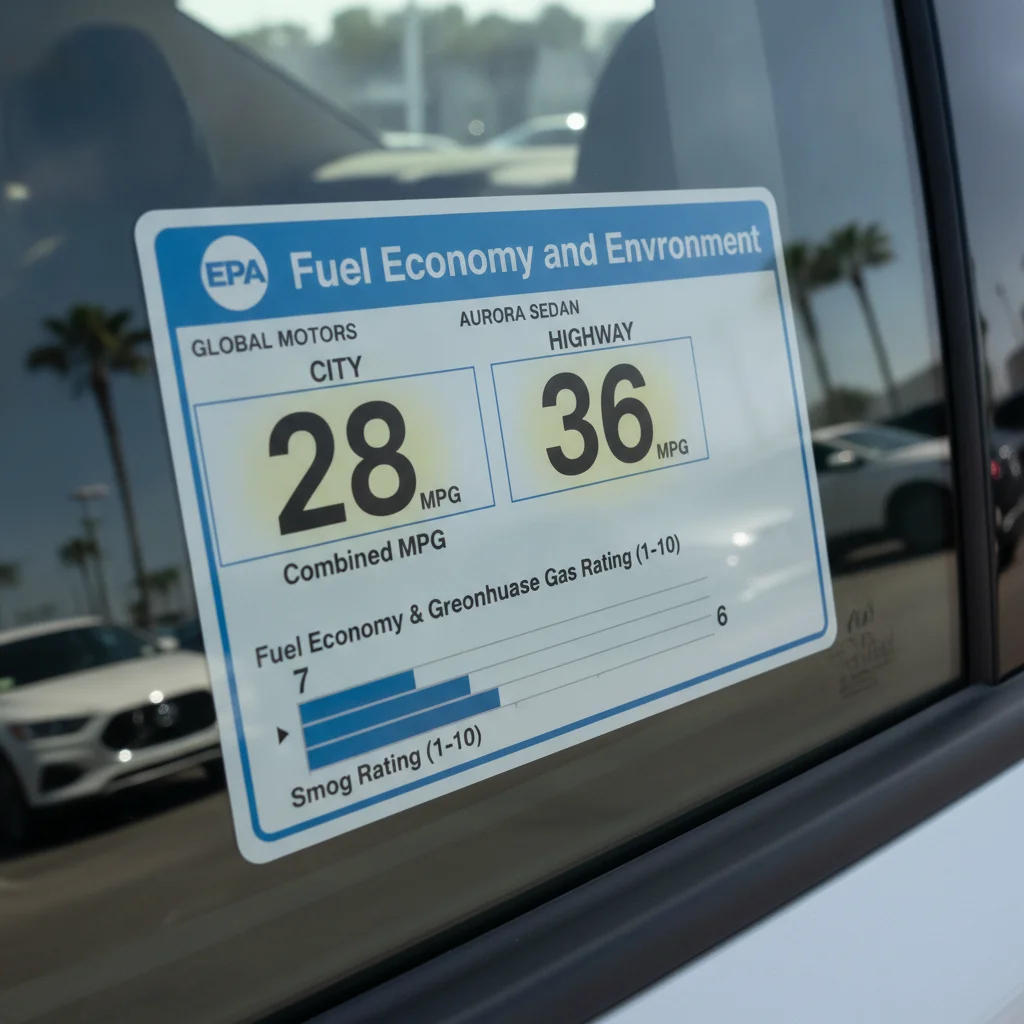
The EPA's fuel economy estimates are conducted at approximately 68–86°F — conditions rarely seen year-round in most of the U.S. — which is why real-world MPG consistently diverges from the sticker in cold winters and extreme summer heat.
Why Temperature Is One of the Biggest MPG Variables You Can't See
Most drivers know that aggressive acceleration and highway speeds affect gas mileage. Fewer realize that the weather outside your window is working just as hard — sometimes harder — against your fuel economy. Temperature doesn't just make driving uncomfortable. It changes the physical behavior of your engine oil, your tires, your fuel blend, and your electrical systems in ways that add up at the gas pump every single week.
The gap between what the EPA promises and what you actually get is rarely bigger than during a January cold snap or a July heat wave. And that's not a coincidence — it's physics. Understanding what's happening under the hood makes it much easier to take practical steps that actually move the needle on efficiency.
If you've ever wondered why your EPA fuel economy estimates seem unreachable in certain months, seasonal temperature effects are almost certainly part of the answer.
What Cold Weather Does to Your Gas Mileage
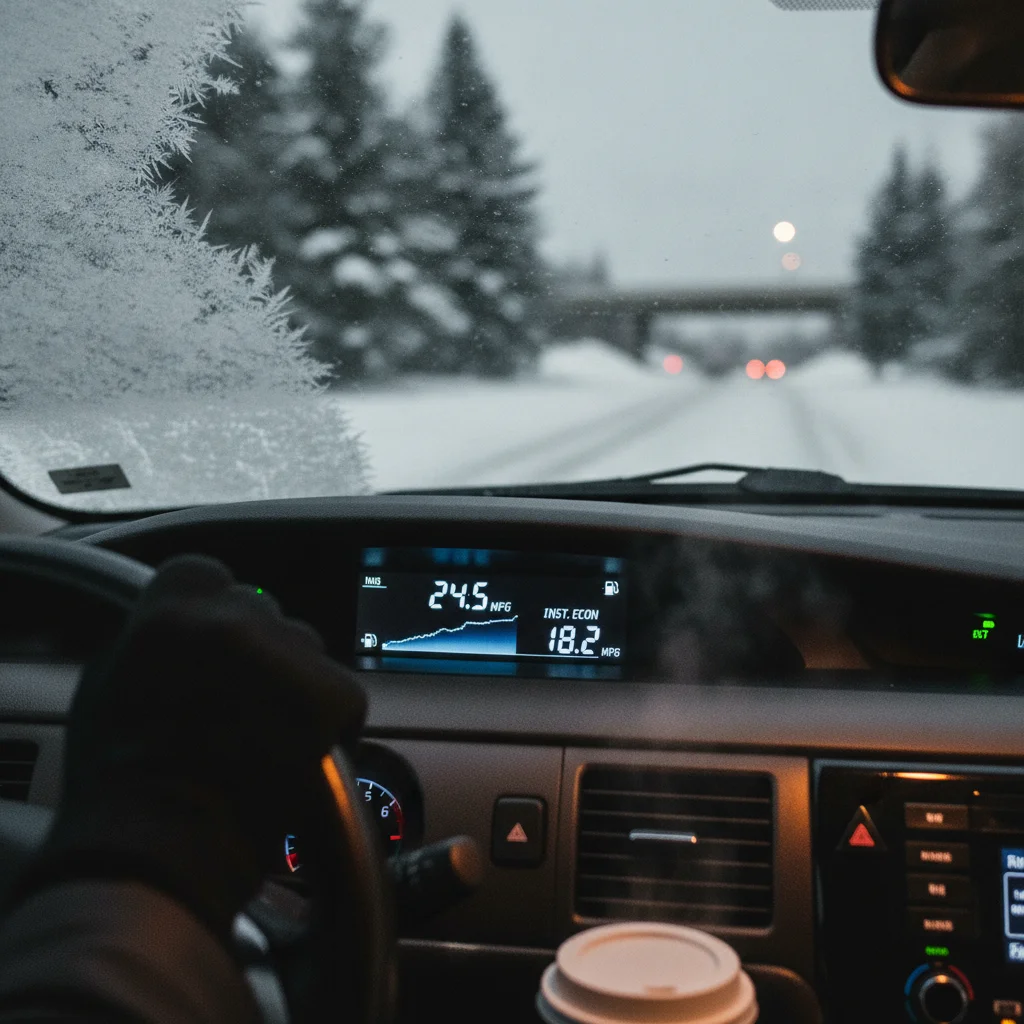
Cold temperatures attack fuel economy from several angles simultaneously, which is why the effects can feel so dramatic — especially on short daily commutes.
Engine Warm-Up Penalties
Your engine operates at peak efficiency only once it reaches its designed operating temperature, typically around 195–220°F. In cold weather, reaching that temperature takes significantly longer. During that warm-up period, your engine runs a richer fuel mixture — more fuel, less efficient combustion — and fuel economy suffers accordingly. For a 5-mile errand on a 15°F morning, you may spend 60–70% of the trip still in the warm-up phase.
Thicker Engine Oil
Cold temperatures increase the viscosity of your engine oil, meaning it flows more slowly and creates more internal friction during those critical first minutes of driving. Even with modern multi-grade oils designed to minimize this effect, there's still a measurable energy cost to moving thicker fluid through your engine. Switching to the manufacturer's recommended winter-grade oil can help reduce this penalty.
Tire Pressure Loss
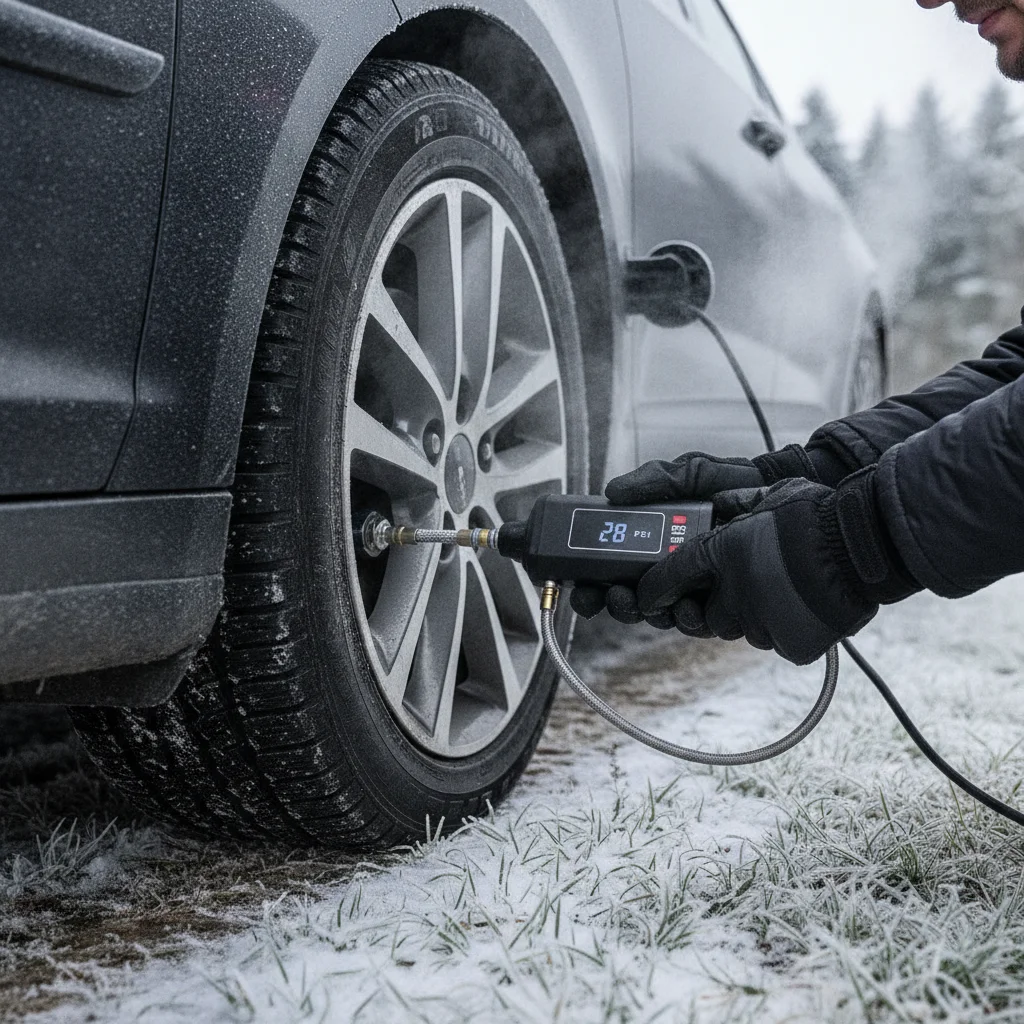
Tires lose roughly 1 PSI of pressure for every 10°F drop in outside temperature. Under-inflated tires have more rolling resistance, which means your engine must work harder to maintain speed. A tire that's 6 PSI low — easy to achieve in a cold snap — can reduce fuel economy by about 2–3%. It's a small number per tire, but it multiplies across four wheels every mile you drive.
Winter-Blend Gasoline
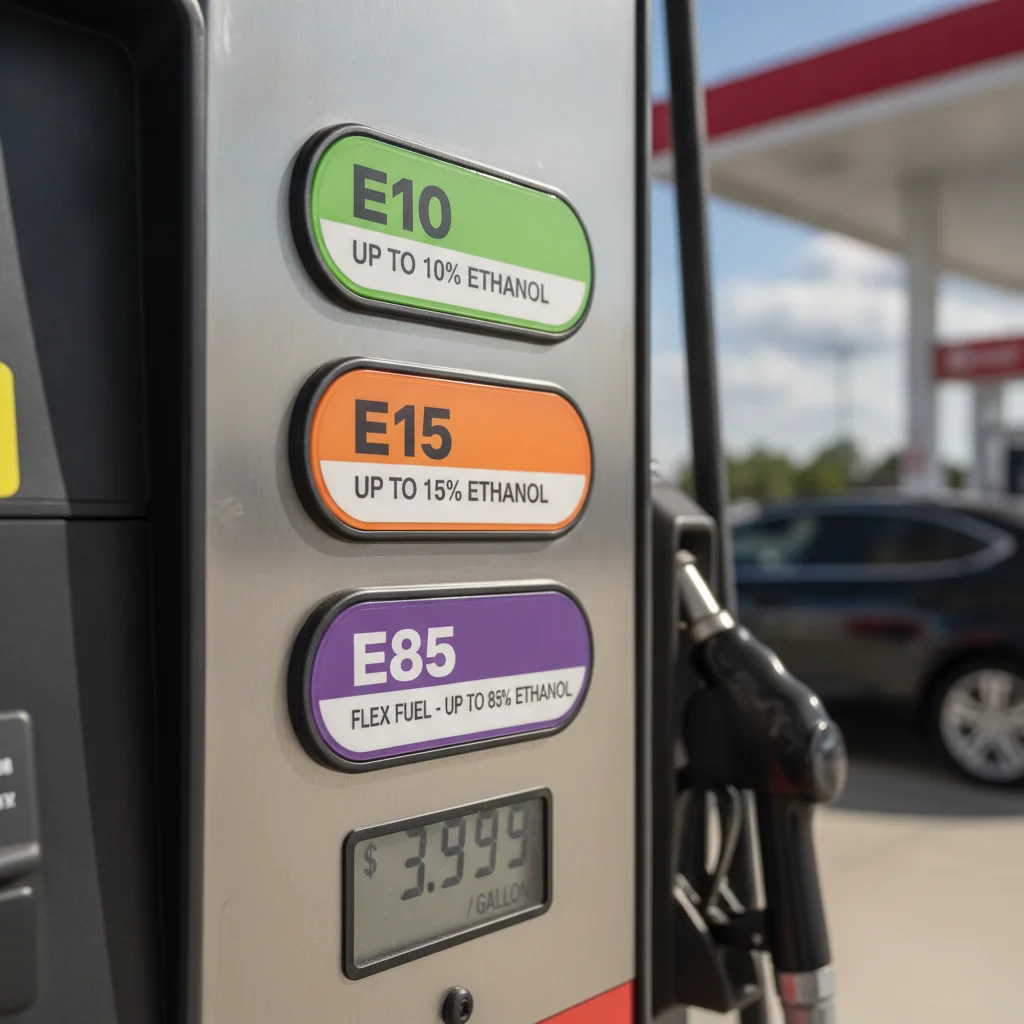
The gasoline sold at the pump in winter months isn't identical to summer fuel. Winter-blend gasoline is formulated with more volatile compounds that evaporate more easily in cold air, reducing cold-start emissions and making engines easier to start. But that formulation stores slightly less energy per gallon — about 1–3% less — so you burn slightly more of it to travel the same distance. This is a completely invisible effect most drivers never account for. See our guide to ethanol blends and fuel economy for related context on how fuel composition affects efficiency.
Aerodynamic Drag from Denser Air
Cold air is denser than warm air. At highway speeds, your vehicle pushes against that denser air with more resistance than it would on a warm summer day. This aerodynamic drag effect is most noticeable above 50 mph and contributes to highway MPG losses even when everything else about your driving remains identical.
Cold Starts vs. Extended Short Trips
The efficiency penalty of a cold start is largely fixed — it happens once per trip regardless of length. This means a 2-mile cold-start trip is proportionally far more expensive in fuel economy terms than a 15-mile cold-start trip. Combining errands and short outings into a single longer trip is one of the most effective ways to reduce winter fuel waste without spending anything.
Summer Heat and Fuel Economy: The Air Conditioning Problem
Heat affects fuel economy differently than cold, and many drivers are surprised to learn that summer can be just as costly at the pump — even if the mechanism is less intuitive.
Air Conditioning Is the Main Culprit
Running your car's air conditioning system places a direct load on the engine. The AC compressor is belt-driven and can consume 5–10% of your engine's total output when running at full blast. In stop-and-go city traffic on a hot day, that penalty grows significantly — the Department of Energy estimates that AC can reduce city fuel economy by up to 25% under maximum use conditions. At steady highway speeds, the effect is smaller, around 5–15%, because engine output is already higher and the relative burden of the compressor is proportionally less.
Up to 25%
City MPG reduction from maximum AC use
According to the U.S. Department of Energy, air conditioning can cut city fuel economy by as much as 25% under maximum load conditions in stop-and-go traffic.
10–25%
Winter MPG drop for conventional gas vehicles
The EPA and Department of Energy estimate that cold weather reduces fuel economy by 10–25% on short trips for conventional gasoline-powered vehicles.
20–40%
Winter range reduction for battery-electric vehicles
Real-world testing by AAA and others has consistently shown BEV range drops 20–40% in temperatures below 20°F, primarily due to battery chemistry and cabin heating energy demand.
1 PSI
Tire pressure lost per 10°F temperature drop
Tire manufacturers and the NHTSA confirm that tire pressure decreases approximately 1 PSI for every 10°F reduction in ambient temperature.
1–3%
Additional MPG loss from winter-blend gasoline
Winter-blend gasoline contains slightly less energy per gallon than summer-blend due to its higher-volatility formulation, resulting in a 1–3% MPG reduction independent of other cold-weather factors.
Why Opening Windows Isn't Always Better at Highway Speeds
The instinct to crack the windows instead of running the AC makes sense in the city, where your speed is low enough that the aerodynamic penalty of open windows is negligible. But above roughly 45–50 mph, open windows create enough aerodynamic drag that they can actually cost you more fuel than running the AC on a moderate setting. The practical sweet spot: use windows in city driving and at lower speeds; use the AC on the highway, but set it at a moderate temperature rather than maximum cold.
Fuel Evaporation and Refueling Habits
Gasoline evaporates more readily in summer heat. Modern vehicles have evaporative emissions systems that capture most of this vapor, but hot conditions still affect how fuel behaves in your tank and fuel lines. Fueling up during cooler morning or evening hours, when the ground-level fuel storage tanks are slightly cooler, can minimize fuel evaporation during fill-up — a small but real efficiency consideration.
Hot Pavement and Rolling Resistance
Very hot pavement can soften tire rubber slightly, modestly increasing rolling resistance compared to the same tires on cooler surfaces. This effect is subtle, but combined with the AC load and stop-and-go summer traffic patterns, it contributes to the overall summer efficiency picture.
Use Seat Heaters Over Cabin Heat When Possible
Seat heaters warm the occupant directly and draw a fraction of the energy required to heat the entire passenger cabin. If your vehicle has seat heaters, using them at a lower cabin thermostat setting in cold weather is a practical and comfortable way to reduce heating energy demand — and protect winter MPG in the process.
Set AC to Recirculate for Maximum Efficiency
Switching your vehicle's AC to recirculated air mode means the system cools already-cooled cabin air rather than continuously drawing in hot outside air. This reduces how hard the compressor must work and can meaningfully reduce the summer AC fuel economy penalty — especially during longer drives on very hot days.
How Hybrids and EVs Experience Seasonal Efficiency Differently
If you drive a hybrid or electric vehicle, temperature swings hit you harder than they do conventional gas drivers. Understanding why helps you manage expectations — and plan accordingly.
For conventional hybrid vehicles, the electric motor and battery pack are both sensitive to cold. Cold batteries hold less charge and deliver power less efficiently, which means the gas engine must compensate more often and the fuel economy advantage that makes a hybrid worth owning shrinks considerably in winter. Some hybrids see 20–40% MPG reductions in severe cold — a larger swing than most gas-only vehicles experience.
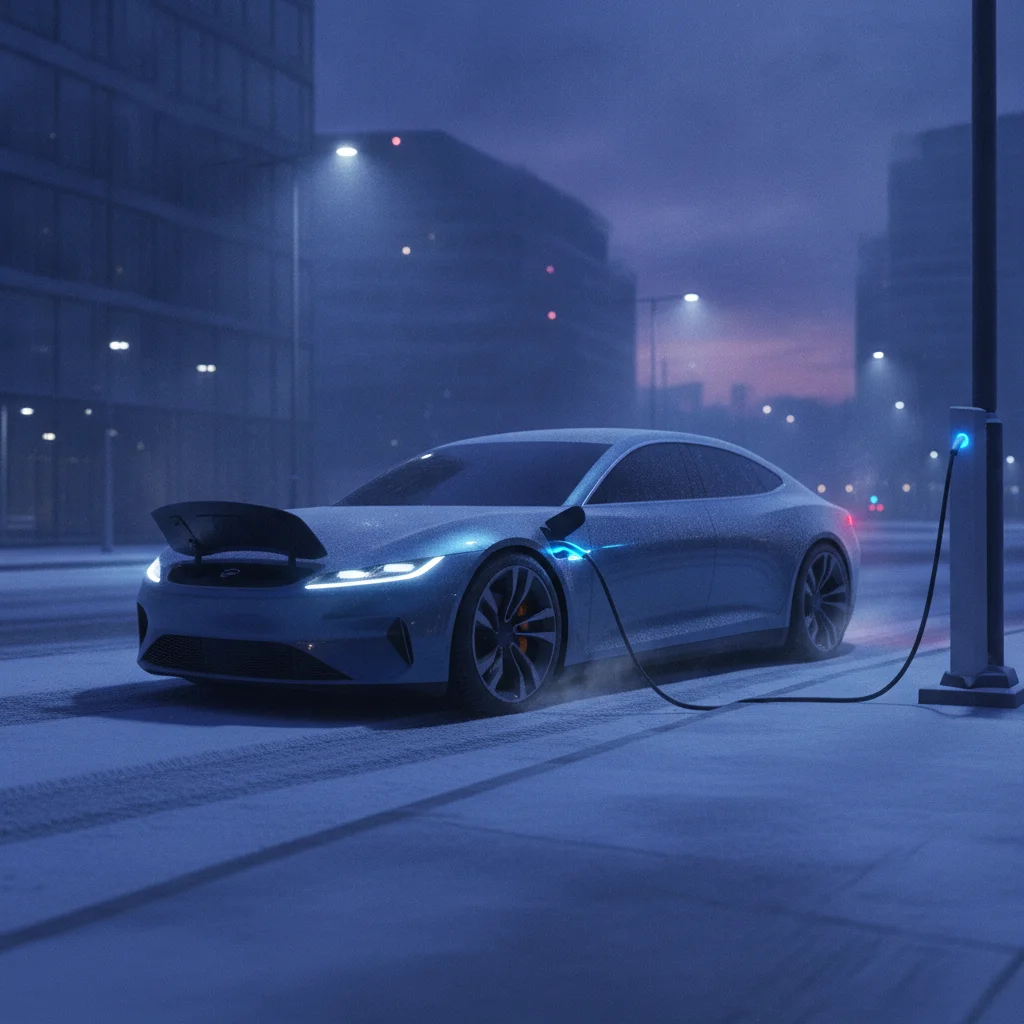
For plug-in hybrids and full battery-electric vehicles, the impact is even more pronounced. EV range drops 20–40% in genuinely cold weather, driven by battery chemistry slowdowns and the massive energy cost of heating the cabin from a cold start — a job that waste engine heat handles for free in a gas car. Our in-depth look at how cold weather affects EV battery range covers this in detail.
In summer, EVs and hybrids face a different problem: battery thermal management systems must actively cool the pack to prevent overheating, which draws power. The AC load in an EV comes directly from the battery rather than engine waste heat, making summer air conditioning proportionally more expensive in an EV than in a gas car.
For a complete breakdown of how each electrified vehicle type handles cold, see the guide to cold weather effects on BEV, PHEV, and HEV performance.
“Temperature is one of the most significant real-world variables affecting fuel economy, yet it's almost never mentioned on the window sticker. Consumers deserve to understand that the number they see in the showroom is essentially a best-case scenario for mild weather.”
— Jake Fisher, Senior Director of Auto Testing, Consumer Reports
Practical Steps to Protect Your MPG Year-Round
Knowing what's happening is useful. Knowing what to do about it is better. These habits won't make temperature effects disappear, but they'll meaningfully reduce the fuel cost of seasonal extremes.
In Cold Weather
- Park in a garage or sheltered space whenever possible. Even a few degrees warmer at start-up shrinks your warm-up penalty and helps the battery deliver power more efficiently.
- Limit engine idling. Thirty seconds is enough for a modern fuel-injected engine. Driving gently warms the engine faster and burns less fuel than extended idling. This is a case where the old habits many of us learned are genuinely counterproductive — our piece on fuel efficiency myths goes into this directly.
- Check tire pressure every two to four weeks in winter. Cold weather deflates tires continuously, and most drivers only check pressure when the dashboard warning light appears — which triggers only after significant pressure loss.
- Use the seat heater instead of the cabin heater when possible. Seat heaters warm you directly and use substantially less energy than heating the entire cabin to 72°F.
- Combine short trips into one outing. Every cold start from a fully cold engine carries a warm-up efficiency penalty. One extended outing means one cold start instead of three or four.
In Hot Weather
- Pre-cool your car while still plugged in (for EVs and PHEVs). Using grid power to pre-condition the cabin before departure means your battery isn't drained doing what a gas car's engine would handle for free.
- Use recirculated air mode on your AC. Cooling already-cooled cabin air takes less energy than continuously pulling in hot outside air and cooling it from scratch.
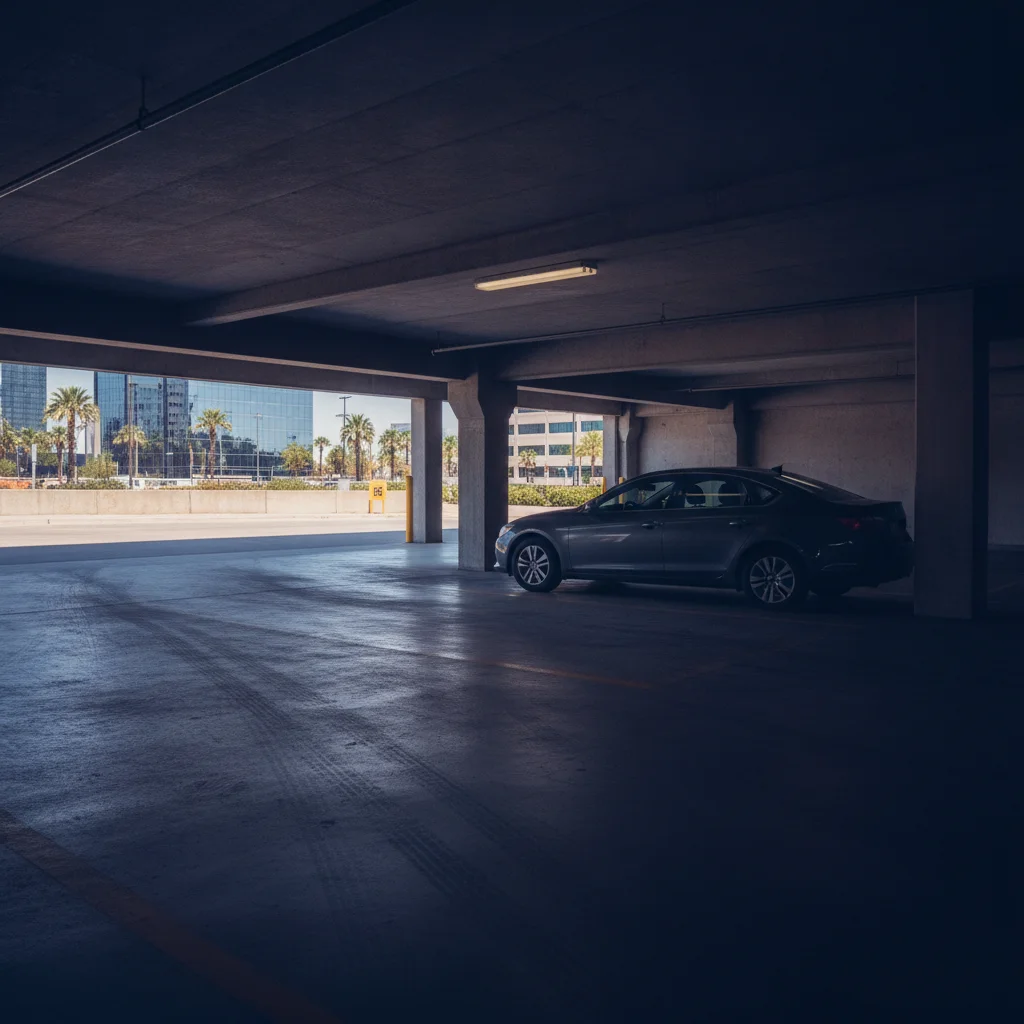
- Park in shade or use a windshield sunshade. A cooler cabin at start-up means less work for the AC in the first critical minutes of driving.
- Use the AC strategically. At low city speeds, open windows. Above 45 mph, moderate AC is more efficient than the aerodynamic drag of open windows.
Use Seat Heaters Over Cabin Heat When Possible
Seat heaters warm the occupant directly and draw a fraction of the energy required to heat the entire passenger cabin. If your vehicle has seat heaters, using them at a lower cabin thermostat setting in cold weather is a practical and comfortable way to reduce heating energy demand — and protect winter MPG in the process.
Set AC to Recirculate for Maximum Efficiency
Switching your vehicle's AC to recirculated air mode means the system cools already-cooled cabin air rather than continuously drawing in hot outside air. This reduces how hard the compressor must work and can meaningfully reduce the summer AC fuel economy penalty — especially during longer drives on very hot days.
When a Seasonal MPG Drop Signals a Maintenance Issue
It's worth knowing the difference between normal seasonal efficiency changes and drops that signal something is actually wrong with your vehicle. Normal seasonal drops follow the patterns described above — gradual, predictable, and roughly correlated with temperature change. If your MPG falls sharply and suddenly in a way that doesn't match the season, or doesn't recover when temperatures moderate, a maintenance issue is likely the real cause.
Worn spark plugs, a dirty air filter, a failing oxygen sensor, or underperforming fuel injectors can all masquerade as seasonal fuel economy loss — especially in winter, when the baseline drop gives the problem cover. If you suspect your MPG drop is beyond what weather alone explains, a systematic diagnostic approach is the most efficient way to find the cause. Our fuel economy audit guide walks through exactly that process.
The seasonal context matters for diagnosis too: if a vehicle that normally loses 12% MPG in winter is suddenly losing 30%, that extra 18% is worth investigating — it won't go away when spring arrives.
The Bottom Line on Seasonal Fuel Economy
Temperature swings are one of the most consistent, predictable, and underappreciated sources of real-world fuel economy loss. Winter cold compounds multiple inefficiency factors simultaneously — engine warm-up, thicker oil, low tire pressure, denser air, and less energetic fuel. Summer heat trades those problems for a new set led by air conditioning load. Neither season leaves your MPG entirely unaffected.
The reassuring part is that most of the practical countermeasures are simple and free: park wisely, maintain your tire pressure, limit cold idling, and use your climate controls strategically. None of these tips require spending money or changing how you drive dramatically. They just require awareness of what's happening and a few small adjustments to routine.
Temperature will always cost you something at the pump. But with the right habits, that cost stays as small as it can be — season after season.

All claims are backed by peer-reviewed research. Sources on request.