Key Takeaways
Our Verdict
Workplace and destination Level 2 chargers win on cost, battery longevity, and convenience for any driver who parks long enough to use them. DC fast chargers are indispensable on long-distance routes and in emergency top-up situations, but their higher per-kWh rates and thermal stress on battery cells make them a poor default choice for routine charging. The smartest EV drivers treat DCFC as a road-trip tool, not a daily habit.
| Best for | Recommended |
|---|---|
| Daily commuters with access to workplace charging | Workplace Level 2 Charging |
| Shoppers, hotel guests, or diners parked for 2–4 hours | Destination Level 2 Charging |
| Road trippers needing to add 100+ miles in under 30 minutes | DC Fast Charging |
| Drivers balancing battery health and long-term ownership costs | Workplace or Destination Level 2 Charging |
The Three Charging Contexts Every EV Driver Faces
Public EV charging isn't a single experience — it's three distinct use cases wearing the same label. When you plug in at your employer's parking garage, you're doing something fundamentally different from plugging into a 350 kW charger at a highway rest stop. And both of those differ from topping up at a hotel lot while you sleep. Treating all public charging as interchangeable is one of the most common and expensive mistakes new EV owners make.
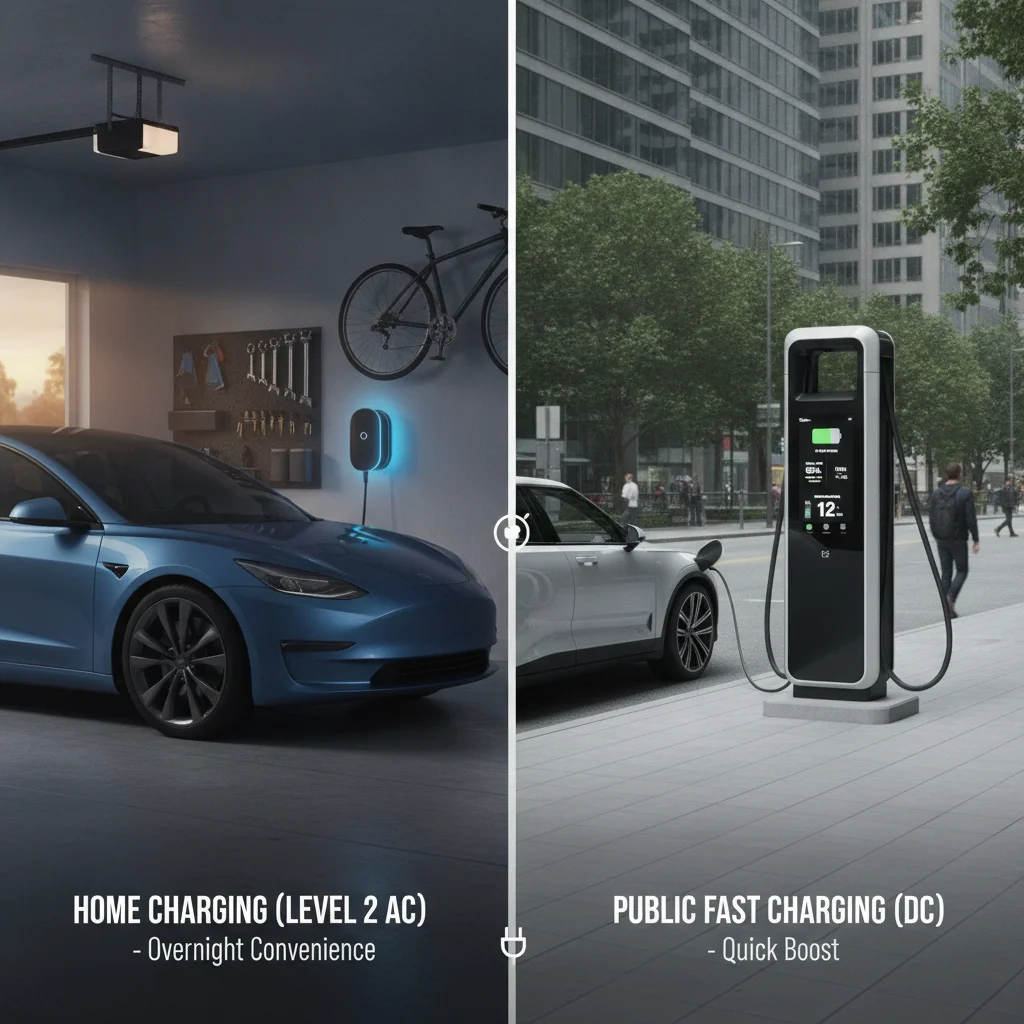
The core split is between AC Level 2 charging — the technology behind workplace and destination chargers — and DC fast charging (DCFC), the high-voltage systems that can push hundreds of kilowatts directly into a battery pack. Understanding when each option is appropriate requires knowing what each actually does inside your vehicle. For a deeper look at the physics involved, see how AC and DC charging differ at the hardware level.
This guide maps each charging context — workplace, destination, and fast charging corridors — to the scenarios where it delivers the best combination of speed, cost, and battery care.
Workplace Charging: The Underrated Daily Driver
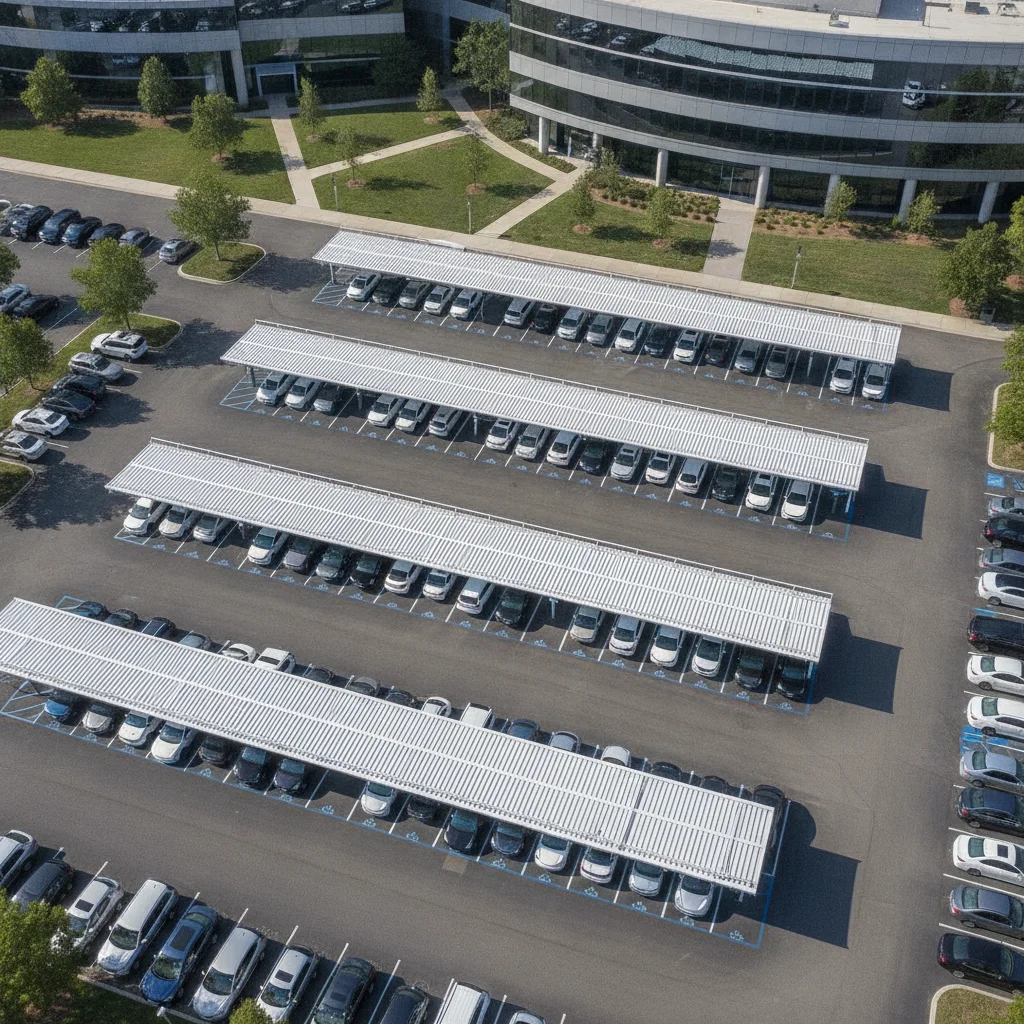
For the roughly 26 million Americans who commute by personal vehicle to workplaces with EV charging infrastructure, plugging in at the office is the closest public analog to home charging. Workplace chargers are almost exclusively Level 2 — typically 7.2 kW to 11.5 kW — which means an eight-hour workday can reliably add 50 to 90 miles of range depending on the vehicle's onboard charger capacity and ambient temperature.
That math works because the dwell time is long and predictable. A commuter who drives 35 miles each way doesn't need a fast charger — they need electrons over time, and workplace Level 2 provides exactly that. Employer-subsidized or free workplace charging amplifies the value further: drivers who charge at work for free can effectively eliminate a meaningful portion of their fueling costs. The annual dollar value of free workplace charging can exceed $600 for average commuters in high electricity-cost states.
Precondition Before Every DCFC Stop
Most modern EVs allow you to precondition the battery before arriving at a DC fast charger — either automatically through built-in navigation or manually via the vehicle app. A battery warmed to its optimal temperature window (typically 65–95°F) can accept significantly higher charging rates and experiences less thermal stress. On a road trip, always route through your vehicle's native navigation to activate this feature automatically.
Use Charging Apps to Check Pricing Before You Plug In
Charging costs at destination Level 2 stations vary widely — some are free, others charge rates approaching DCFC pricing. Apps like PlugShare and ChargePoint allow you to see real-time pricing and user reviews before committing to a stall. This 60-second check can prevent bill shock and help you prioritize the most cost-effective stop available near your destination.
Workplace charging does have friction points. Stall availability during peak morning arrival windows, etiquette around moving a car once charged, and inconsistent hardware quality across employers are real-world limitations. Some workplaces use managed charging systems that throttle power during peak grid hours, which can reduce effective throughput below nameplate ratings. That said, when it works, it works better than any other public charging option for routine daily needs.
One underappreciated benefit: because workplace Level 2 sessions typically start around 80–90% state of charge after an overnight home charge, you're often topping off a battery that's already healthy — a gentler profile than arriving depleted at a fast charger.
66,000+
Public Level 2 outlets in the U.S.
According to the U.S. Department of Energy Alternative Fuels Station Locator, public Level 2 outlets outnumber DC fast charging locations by more than 6 to 1 as of late 2024.
$985
Annual cost difference: DCFC vs. Level 2
A driver covering 15,000 miles per year in an average efficiency EV can save roughly $985 annually by using Level 2 charging instead of relying primarily on DC fast chargers.
5–8%
Additional capacity loss from habitual DCFC
Battery research analysis suggests EVs charged primarily via DC fast charging may experience 5–8% more capacity loss over 100,000 miles compared to Level 2-primary charging strategies.
68 miles
Range added in 5 minutes at peak DCFC
A 2024 Hyundai IONIQ 6 accepting up to 239 kW of DC fast charging can add approximately 68 miles of range in just five minutes under optimal battery temperature conditions.
$600+
Annual savings from free workplace charging
EV drivers with access to free employer-provided Level 2 charging can save over $600 per year in fueling costs depending on local electricity rates and commute distance.
Destination Charging: Charging While You Live Your Life
Destination charging refers to Level 2 infrastructure installed at hotels, restaurants, shopping centers, airports, and other venues where EV drivers spend extended time. The defining characteristic isn't the hardware — it's the intent. You're not stopping to charge; you're charging while doing something else.
This distinction matters because it reframes how you think about speed. A 7.2 kW charger at a hotel delivering 40 miles of range overnight is not slow — it's appropriately calibrated to a 7-hour dwell time. Expecting DC fast-charge speeds at a destination charger is a category error.
Network operators like ChargePoint, Blink, and EVgo's Level 2 arms, along with automaker-affiliated networks, have expanded destination coverage aggressively. Tesla's destination charger network — now open to non-Tesla vehicles via the Magic Dock adapter at select sites — is among the densest, with over 10,000 connectors at hotels and resorts across North America. Meanwhile, third-party operators have pushed into airports, stadiums, and shopping malls, where dwell times of two to four hours are common.
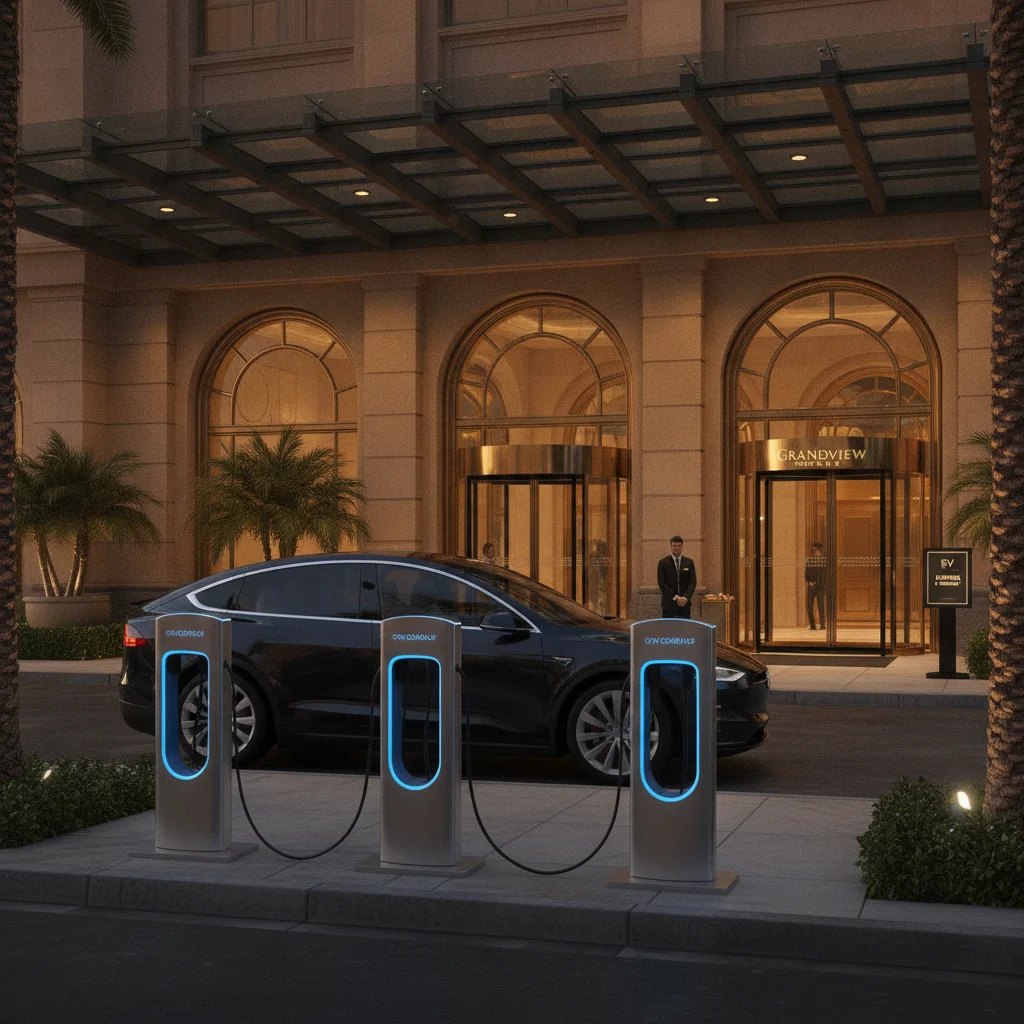
Pricing at destination chargers varies more than any other charging type. Some venues offer free Level 2 as an amenity (similar to Wi-Fi). Others charge flat session fees or per-kWh rates that can range from $0.10 to $0.35 per kWh — often cheaper than DCFC but sometimes not much less. Always check the network app before assuming a destination charger is free.
Free Destination Chargers Aren't Always What They Seem
Some destination charging venues advertise free EV charging but impose session time limits, require venue patronage validation, or have hardware that frequently goes offline. Always confirm the charger's status in a network app before planning around it. Relying on a single unreliable destination charger without a backup plan can leave you scrambling for alternatives in unfamiliar areas.
Habitual DCFC Use Has a Real Battery Cost
Using DC fast charging as your primary or exclusive charging method — even if it fits your schedule — will accelerate battery degradation over time. This shows up as reduced range per charge and lower resale value as the vehicle ages. If you have access to Level 2 at home or work, reserve DCFC for road trips and genuine range emergencies rather than routine top-ups.
From a battery health standpoint, destination charging on Level 2 is about as gentle as home charging. The low charging rates don't stress the battery thermally, and if you're charging from a partially depleted state, the cells experience minimal voltage extremes. For anyone thinking long-term about battery longevity and resale value, destination charging is a smart habitual choice whenever time allows.
DC Fast Charging: Power When Time Is the Constraint
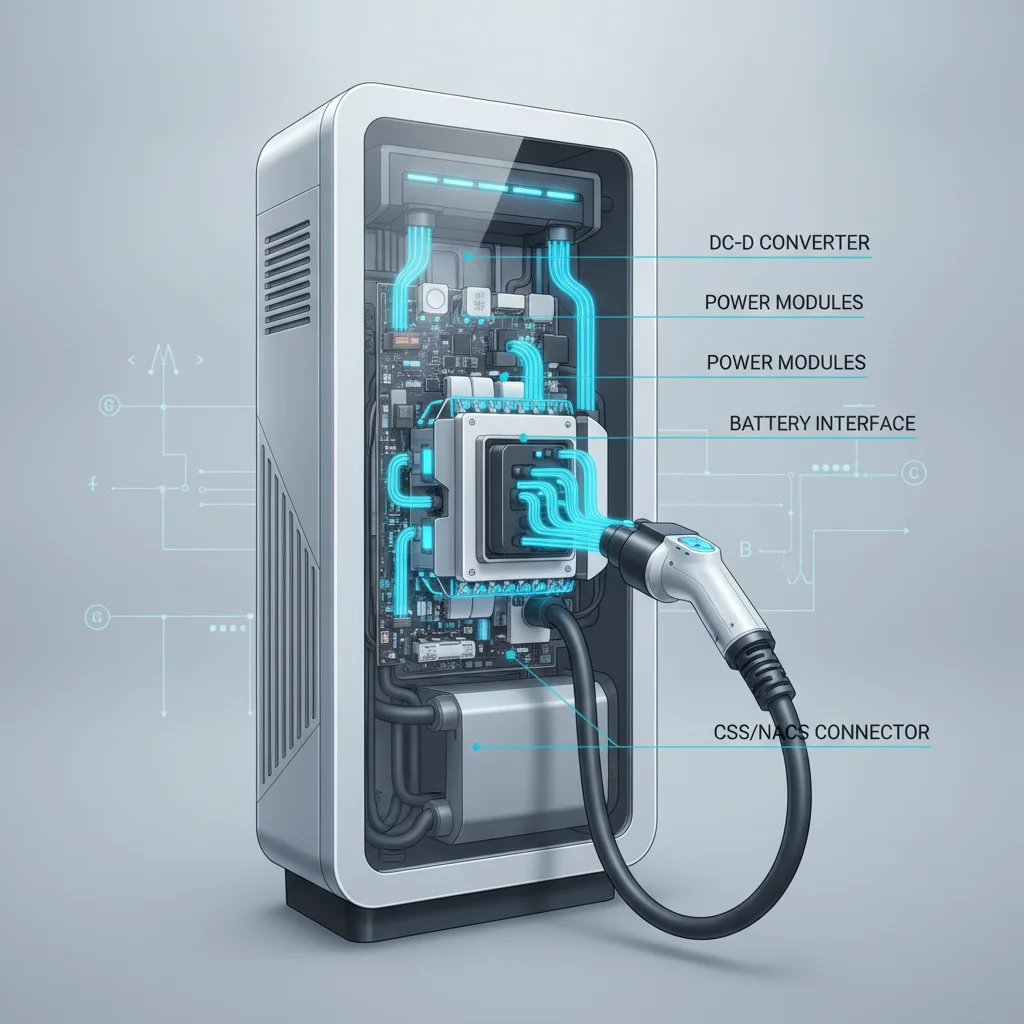
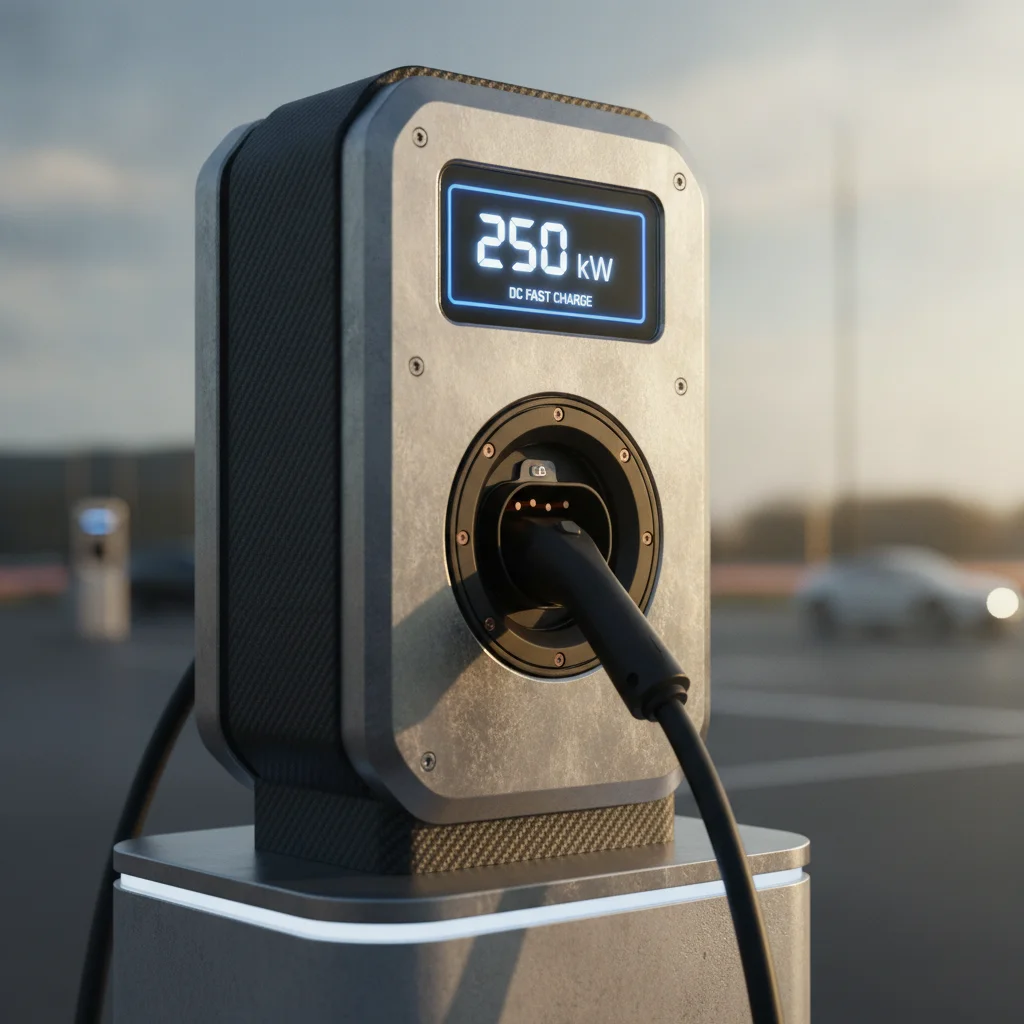
DC fast charging operates on a different premise entirely. Instead of feeding AC power through the vehicle's onboard converter, DCFC delivers rectified DC current directly to the battery at voltages between 400V and 1,000V and power levels ranging from 50 kW at older CHAdeMO units to 350 kW at the latest CCS and NACS (Tesla Supercharger-compatible) stations. The result is dramatic: a 2024 Hyundai IONIQ 6 can accept up to 239 kW and add roughly 68 miles in 5 minutes under ideal conditions.
For a complete explanation of what's happening inside the charger hardware and why thermal management limits peak speed, see DC fast charging explained.
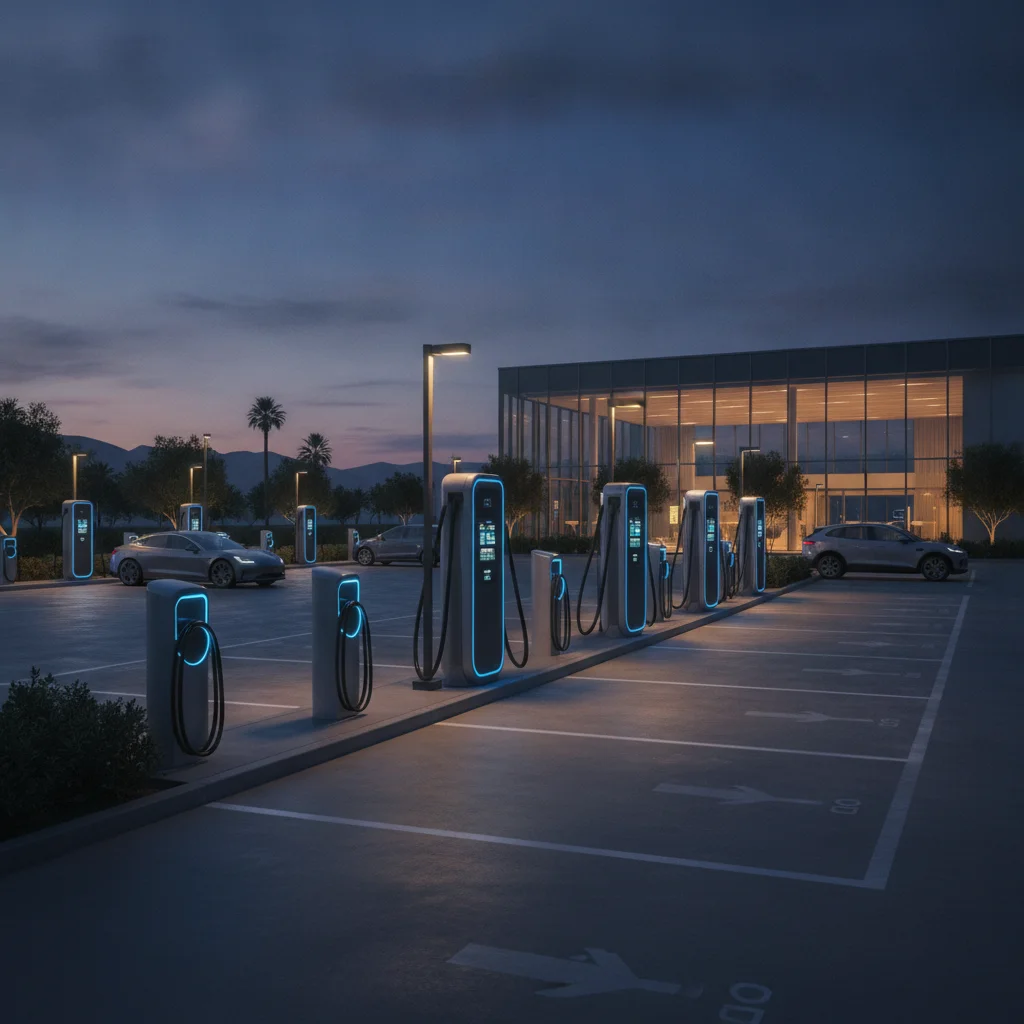
DCFC is purpose-built for two scenarios: long-distance road trips and emergency top-ups. On a highway corridor, stopping for 25–35 minutes at a fast charger — enough time for a restroom break and coffee — can add 150–200 miles of range on most current EVs. That's a viable substitute for a gas station stop on a road trip in a way that Level 2 simply cannot replicate during typical travel dwell times.
| Workplace Level 2 | Destination Level 2 | DC Fast Charging | |
|---|---|---|---|
| Typical power output | 7.2–11.5 kW | 6.2–11.5 kW | 50–350 kW |
| Miles added per hour | 20–35 miles/hr | 18–35 miles/hr | 100–300+ miles/hr |
| Typical cost per kWh | Free–$0.25 | $0.10–$0.35 | $0.28–$0.65 |
| Ideal dwell time | 4–9 hours | 2–8 hours | 15–45 minutes |
| Battery stress level | Very low | Very low | Moderate to high |
| Best use case | Daily commuters | Shoppers, hotel guests | Road trips, emergencies |
| Availability (US stations) | ~8,000+ employer sites | ~58,000+ outlets | ~10,000+ locations |
| Connector compatibility | J1772 / NACS | J1772 / NACS | CCS / NACS / CHAdeMO |
The tradeoffs are significant enough that they should discourage routine use of DCFC for drivers who have Level 2 alternatives. First, there's cost. Public DCFC rates typically range from $0.28 to $0.65 per kWh, compared to $0.10–$0.30 for Level 2 at the same networks. On a vehicle with a 75 kWh usable battery, a full charge from near-empty at a high-rate DCFC station can cost $40–$50 — approaching gasoline parity or exceeding it in some markets. Public charging costs compared to home charging break down that math in detail.
Second, thermal stress is real. Repeated high-power DC fast charging — particularly in hot climates or when the battery management system hasn't had time to precondition — accelerates capacity loss. Studies by Recurrent Auto analyzing real-world fleet data suggest that vehicles relying exclusively on DCFC show measurably faster capacity degradation than those using primarily Level 2. Most automakers cap DC fast charging at 80% state of charge by default specifically to reduce this stress at the upper end of the voltage curve.
How to Match Your Charging Stop to Your Situation
The decision tree is simpler than most EV guides suggest. It comes down to two questions: How long will you be stopped? And how many miles do you need to add?
- Stopped for 2+ hours with Level 2 available: Always prefer Level 2. You'll pay less, stress the battery less, and likely get enough range for your immediate needs.
- Stopped for under 30 minutes on a long-distance trip: DCFC is your only viable option. Plan your stops around high-power corridors (Electrify America, Tesla Supercharger, EVgo fast locations) and use your vehicle's built-in navigation to precondition the battery beforehand.
- Emergency range anxiety top-up in an unfamiliar city: DCFC makes sense even if it costs more, because the alternative is being stranded. A 15-minute charge adding 40–50 miles can reset your planning horizon.
- Daily commute with workplace access: Rely on home and workplace Level 2. Reserve DCFC for trips that exceed your round-trip range.
Precondition Before Every DCFC Stop
Most modern EVs allow you to precondition the battery before arriving at a DC fast charger — either automatically through built-in navigation or manually via the vehicle app. A battery warmed to its optimal temperature window (typically 65–95°F) can accept significantly higher charging rates and experiences less thermal stress. On a road trip, always route through your vehicle's native navigation to activate this feature automatically.
Use Charging Apps to Check Pricing Before You Plug In
Charging costs at destination Level 2 stations vary widely — some are free, others charge rates approaching DCFC pricing. Apps like PlugShare and ChargePoint allow you to see real-time pricing and user reviews before committing to a stall. This 60-second check can prevent bill shock and help you prioritize the most cost-effective stop available near your destination.
Route planning tools have become sophisticated enough to automate much of this decision-making. PlugShare, A Better Routeplanner (ABRP), and built-in navigation in vehicles like the Rivian R1T and BMW iX will calculate optimal charging stops factoring in real-time stall availability, pricing, and battery state. Using these tools consistently eliminates the guesswork and generally produces the most cost-efficient charge strategy for any given trip.
If you're still deciding what type of EV to buy, your access to these different charging tiers should heavily influence that choice — how charging access should shape your EV type decision walks through how BEV, PHEV, and HEV buyers should weigh infrastructure availability before signing anything.
Cost and Battery Health: The Numbers Behind the Choice
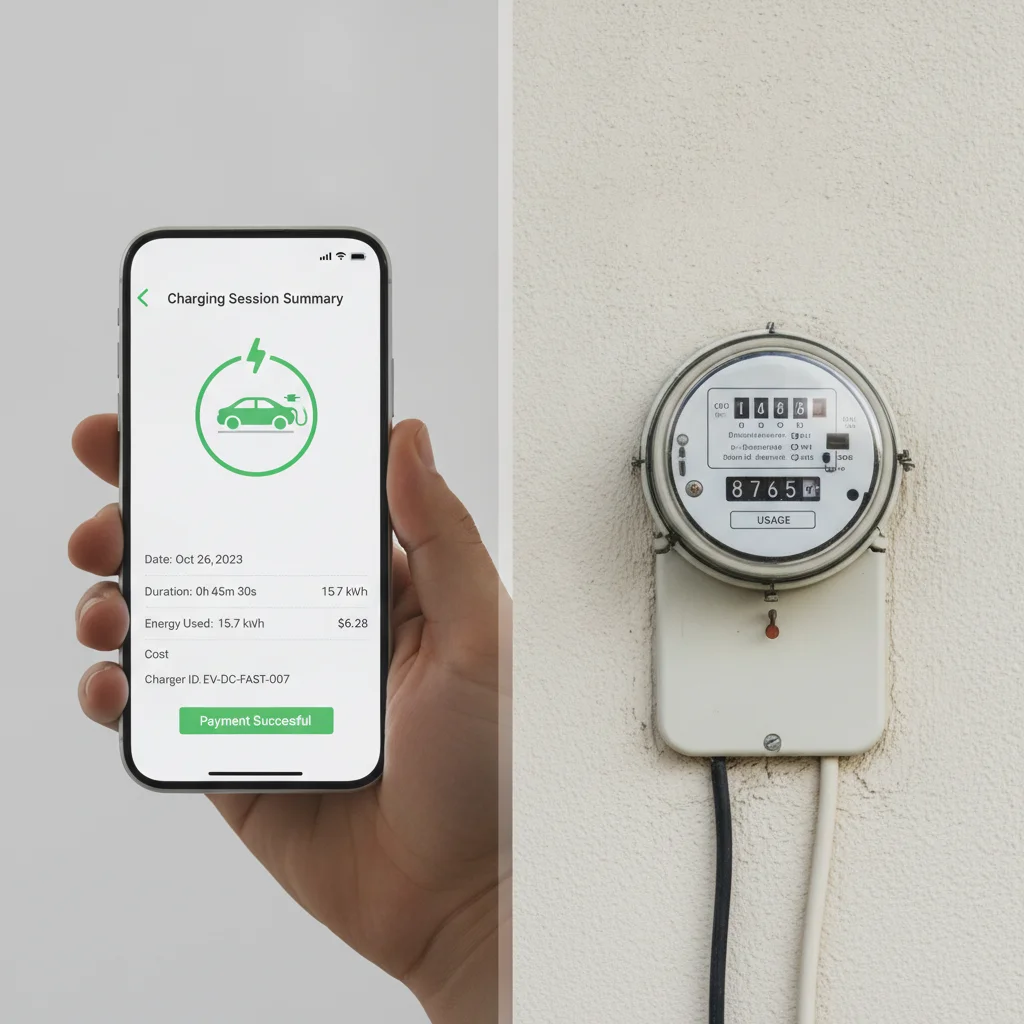
Running the numbers on charging cost differences between Level 2 and DCFC reveals how quickly those per-kWh gaps compound. Consider a driver who covers 15,000 miles per year in a vehicle averaging 3.5 miles per kWh — roughly in line with a 2024 Tesla Model 3 Long Range. That's approximately 4,285 kWh of electricity annually.
- At a home rate of $0.13/kWh: ~$557/year
- At workplace/destination Level 2 averaging $0.20/kWh: ~$857/year
- At DCFC averaging $0.43/kWh: ~$1,842/year
The gap between exclusively using DCFC versus Level 2 is over $985 annually — enough to offset a significant portion of an EV's ownership advantage over an equivalent gasoline vehicle. For a full breakdown of how these tiers compare, see Level 1, Level 2, and DC fast charging costs compared.
On battery longevity, the research points consistently in one direction: high-power DC fast charging degrades capacity faster than AC charging when used habitually. The degradation mechanism is primarily lithium plating and elevated internal temperatures during rapid ion movement. The practical consequence for owners: a vehicle relying heavily on DCFC may see 5–8% more capacity loss over 100,000 miles compared to one primarily charged on Level 2, according to analysis from battery research groups. That translates directly to reduced range and lower resale value.
Most automakers respond to this by programming battery management systems to limit DCFC acceptance above 80% SoC and to throttle charging speeds when the battery is outside its optimal temperature window. Some vehicles — notably the Porsche Taycan and Hyundai IONIQ 5/6 on 800V architecture — manage thermal stress better than 400V counterparts, reducing but not eliminating the degradation premium of frequent fast charging.
Free Destination Chargers Aren't Always What They Seem
Some destination charging venues advertise free EV charging but impose session time limits, require venue patronage validation, or have hardware that frequently goes offline. Always confirm the charger's status in a network app before planning around it. Relying on a single unreliable destination charger without a backup plan can leave you scrambling for alternatives in unfamiliar areas.
Habitual DCFC Use Has a Real Battery Cost
Using DC fast charging as your primary or exclusive charging method — even if it fits your schedule — will accelerate battery degradation over time. This shows up as reduced range per charge and lower resale value as the vehicle ages. If you have access to Level 2 at home or work, reserve DCFC for road trips and genuine range emergencies rather than routine top-ups.
Charging costs and savings resources can help you build a personalized estimate based on your driving patterns, local electricity rates, and available charging infrastructure before committing to a charging strategy.
Infrastructure Gaps and the Urban vs. Highway Divide
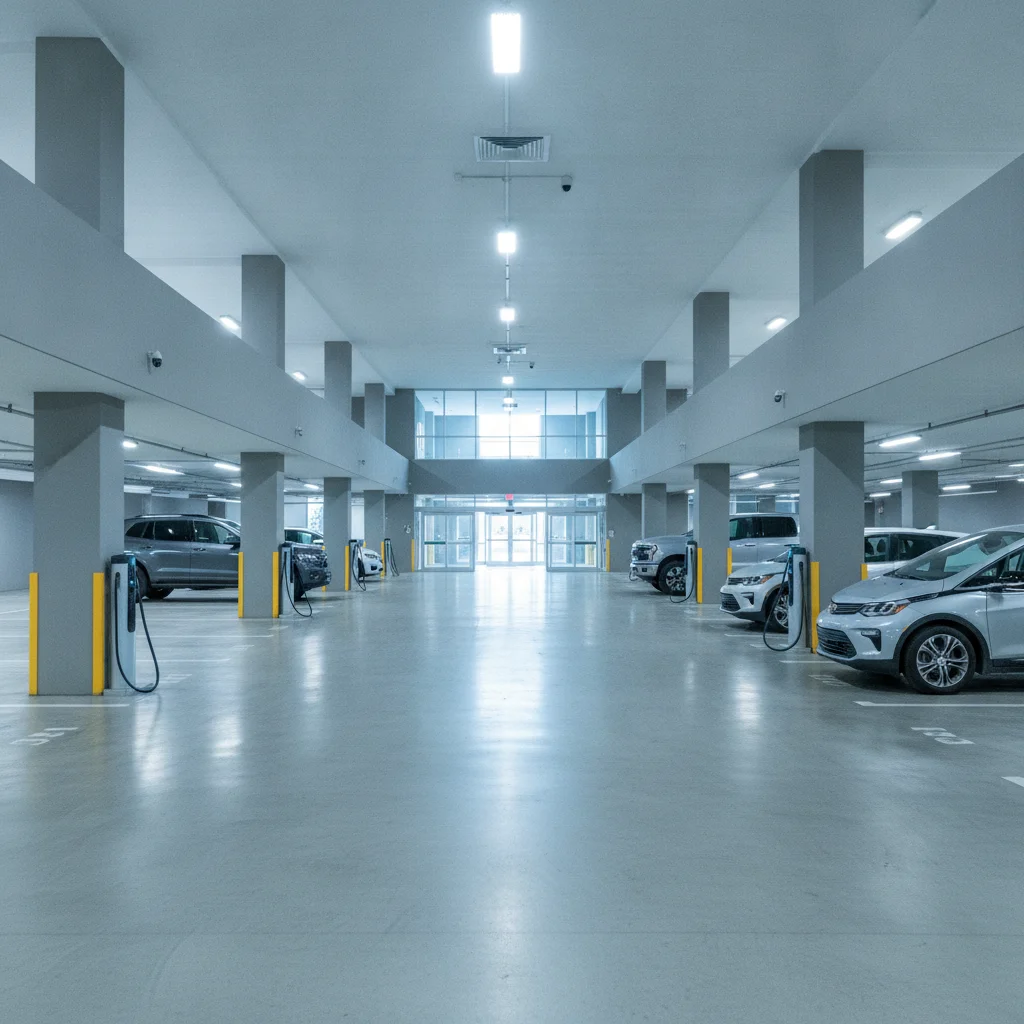
One practical complication: the distribution of Level 2 versus DCFC infrastructure is uneven, and it shapes what choices are actually available to you. Urban cores tend to be saturated with Level 2 destination chargers — parking garages, retail corridors, and hotel lots — but may have fewer DCFC sites per capita than suburban highway interchanges, where fast charger deployments target road-trip traffic.
This geographic pattern means urban drivers often have excellent Level 2 access but may find it harder to locate a fast charger quickly in an emergency. Suburban and rural drivers face the inverse: adequate highway DCFC corridors but thinner destination charging coverage at their everyday stops. Urban versus highway charging infrastructure examines how public networks are tackling both gaps differently.
The industry trajectory is toward greater DCFC density everywhere, but Level 2 destination networks are also expanding rapidly as commercial properties recognize EV charging as a customer retention tool. The U.S. Department of Energy's Alternative Fuels Station Locator counted over 66,000 public Level 2 outlets and approximately 10,000 DC fast charging locations as of late 2024 — a ratio that underscores the continued dominance of slower charging in the public network by sheer station count, even as fast charger investment accelerates.
66,000+
Public Level 2 outlets in the U.S.
According to the U.S. Department of Energy Alternative Fuels Station Locator, public Level 2 outlets outnumber DC fast charging locations by more than 6 to 1 as of late 2024.
$985
Annual cost difference: DCFC vs. Level 2
A driver covering 15,000 miles per year in an average efficiency EV can save roughly $985 annually by using Level 2 charging instead of relying primarily on DC fast chargers.
5–8%
Additional capacity loss from habitual DCFC
Battery research analysis suggests EVs charged primarily via DC fast charging may experience 5–8% more capacity loss over 100,000 miles compared to Level 2-primary charging strategies.
68 miles
Range added in 5 minutes at peak DCFC
A 2024 Hyundai IONIQ 6 accepting up to 239 kW of DC fast charging can add approximately 68 miles of range in just five minutes under optimal battery temperature conditions.
$600+
Annual savings from free workplace charging
EV drivers with access to free employer-provided Level 2 charging can save over $600 per year in fueling costs depending on local electricity rates and commute distance.
For drivers without home charging — apartment dwellers, urban renters — the calculus shifts. Workplace and destination Level 2 becomes the primary substitute for the home charger, while DCFC fills the gap when those slower options aren't accessible. This group generally faces higher per-mile charging costs than homeowners, reinforcing the value of advocating for workplace charging programs as a meaningful financial benefit.
All claims are backed by peer-reviewed research. Sources on request.