Key Takeaways
Why Charging Access Is the First Question, Not an Afterthought
Most EV shopping guides start with range, price, or tax credits. Those things matter — but they're secondary to a more fundamental question: can you actually charge this vehicle in the way it needs to be charged? Buy the wrong electrified vehicle for your charging situation and you'll either pay more per mile than you should, or you'll be stranded waiting at a charger you didn't plan for.
The three electrified vehicle categories — battery-electric vehicles (BEVs), plug-in hybrid electric vehicles (PHEVs), and hybrid electric vehicles (HEVs) — have completely different relationships with charging infrastructure. BEVs are entirely dependent on it. PHEVs benefit enormously from it but can survive without it. HEVs need none of it at all.
Before you decide which category fits your life, you need an honest assessment of your charging reality: where you park overnight, what public charging looks like on your daily routes and long-distance corridors, and whether your home or apartment can support a Level 2 charger. See our home charging setup guide for a detailed breakdown of what installation actually entails.
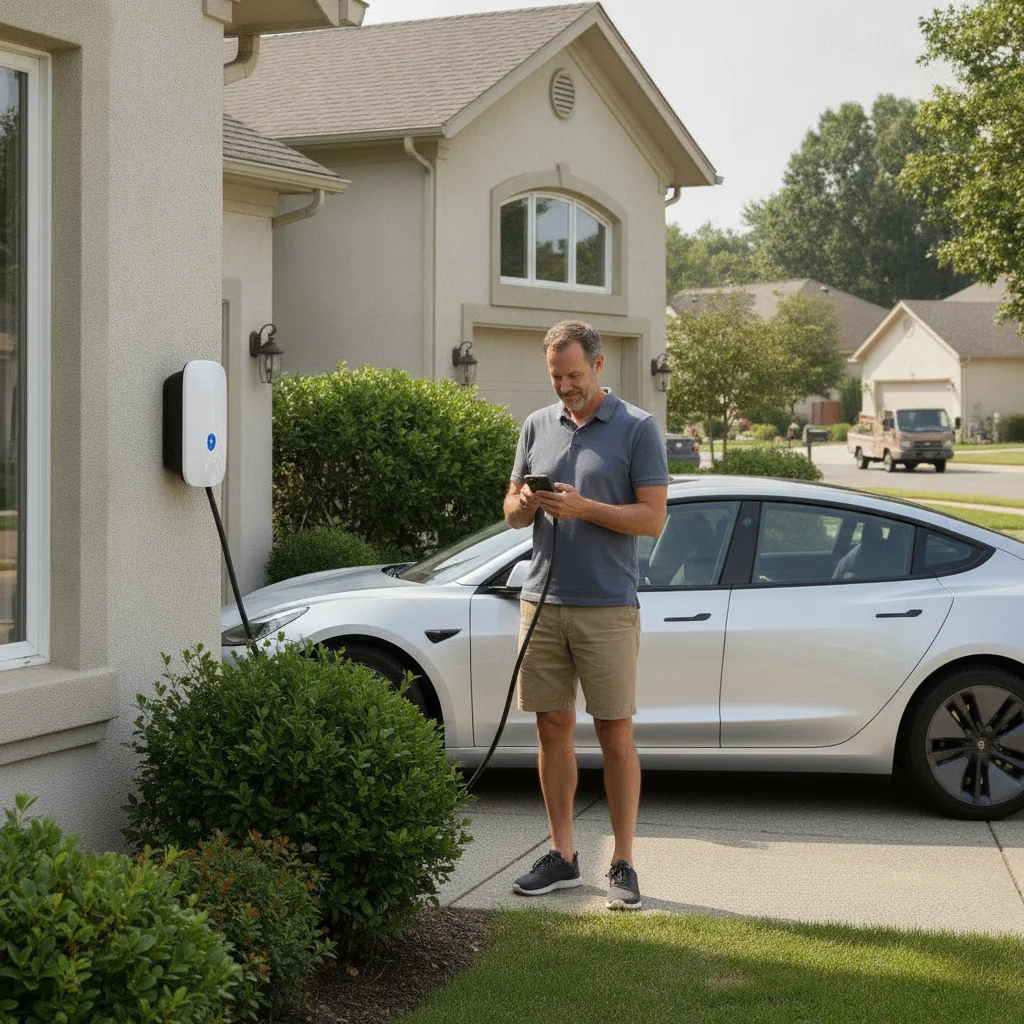
This article walks through the best practices for mapping your charging access to the right EV type — so your vehicle works with your life, not against it.
Understanding the Three Charging Levels and What They Mean for Each Vehicle Type
Charging speed determines how practical each electrified vehicle type becomes in the real world. Here's what each level delivers:
- Level 1 (120V outlet): Adds roughly 3–5 miles of range per hour. This is a standard household outlet. It's usable for PHEVs (which typically have 20–50 miles of electric range) but painfully slow for most BEVs unless you drive very little and park for 10+ hours daily.
- Level 2 (240V, 16–80 amps): Adds roughly 10–30 miles of range per hour depending on the charger and vehicle. This is the practical minimum for BEV ownership — a full charge overnight for most models. PHEVs can fully recharge in 1–3 hours at Level 2.
- DC Fast Charging (DCFC): Can add 100–200+ miles in 20–40 minutes on a capable BEV. PHEVs generally do not support DC fast charging due to smaller battery packs. HEVs never plug in.
“The biggest mistake EV buyers make is treating charging infrastructure as something they'll figure out after purchase. Charging access should be the first line of your decision framework, not a footnote.”
— Britta Gross, Director of Transportation Energy at RMI (Rocky Mountain Institute)
What this means in practice: if your home or apartment only offers Level 1 access and your commute is 50+ miles round-trip, a long-range BEV is a poor match unless your workplace has Level 2 chargers. A PHEV could cover most of that electric range on a Level 1 overnight charge. An HEV sidesteps the problem entirely.
For a deep dive on public charging network coverage and reliability by region, visit our public charging networks hub.
80%
EV charging that happens at home
According to the U.S. Department of Energy, approximately 80% of all EV charging events in the U.S. occur at home, underscoring how central home charging access is to BEV practicality.
3–5 mi/hr
Range added per hour on Level 1
A standard 120V Level 1 outlet adds only 3–5 miles of range per hour, making it insufficient for most BEV owners but adequate for PHEV daily charging needs.
~64,000
Public EV charging stations in the U.S.
As of early 2024, the U.S. had approximately 64,000 public EV charging stations, but coverage is heavily concentrated in California, the Northeast, and the Pacific Northwest.
Best Practices for Matching Your Charging Situation to the Right EV Type
The following practices are grounded in real consumer scenarios and the practical realities of U.S. charging infrastructure as it stands today. Work through them in order — each one narrows your decision.
Audit your overnight parking situation before evaluating any specific EV model.
Your overnight parking determines whether you can charge at home at all, and at what speed. This single factor has more impact on total cost of ownership than almost any other variable. Skipping this step leads buyers to purchase BEVs they end up charging almost exclusively on expensive public networks.
Match your daily electric range needs to your available charging speed, not your maximum charging capability.
Many buyers overestimate how much charging they'll realistically do. Level 1 at home can support a PHEV with 30–40 miles of EV range for most daily commuters, but it cannot meaningfully support a 300-mile BEV. Planning around your floor-level charging access prevents costly lifestyle mismatches.
Verify DC fast-charging coverage along your specific road trip routes before purchasing a BEV.
National averages for DCFC coverage are misleading because the network is dense in some corridors and nearly nonexistent in others. Buying a BEV based on average coverage data rather than your actual routes is one of the most common and preventable mistakes in EV buying.
Consider workplace or destination charging as a substitute for — not a supplement to — home Level 2 access.
Many buyers in multi-unit housing overlook workplace charging as a legitimate pathway to BEV ownership. If your employer offers Level 2 charging and you commute most weekdays, you may accumulate enough charge to make a BEV fully practical even without home Level 2 access.
If your region has unreliable or sparse public charging, default to a PHEV or HEV for your primary vehicle.
Public charging reliability remains inconsistent even in well-covered markets — broken chargers, busy stations, and network outages are real occurrences. In underserved regions, these risks compound. PHEVs and HEVs eliminate this dependency entirely and still deliver meaningful fuel savings.
Price in the cost of a Level 2 home charger installation when comparing total BEV and PHEV purchase costs.
A Level 2 EVSE installation typically costs $500–$2,000 including equipment and electrician labor, depending on your panel situation. This is a real upfront cost that affects the BEV vs. PHEV payback timeline and should be included in your comparison, not treated as optional.
The Home Charging Advantage — and What Happens Without It
Home charging is the single biggest variable in EV cost of ownership. A BEV owner who charges at home on a Level 2 EVSE pays roughly $0.04–$0.14 per kWh in most U.S. markets — the equivalent of $1–$3 per gallon of gasoline in energy cost terms. That math only works if you can actually charge at home.
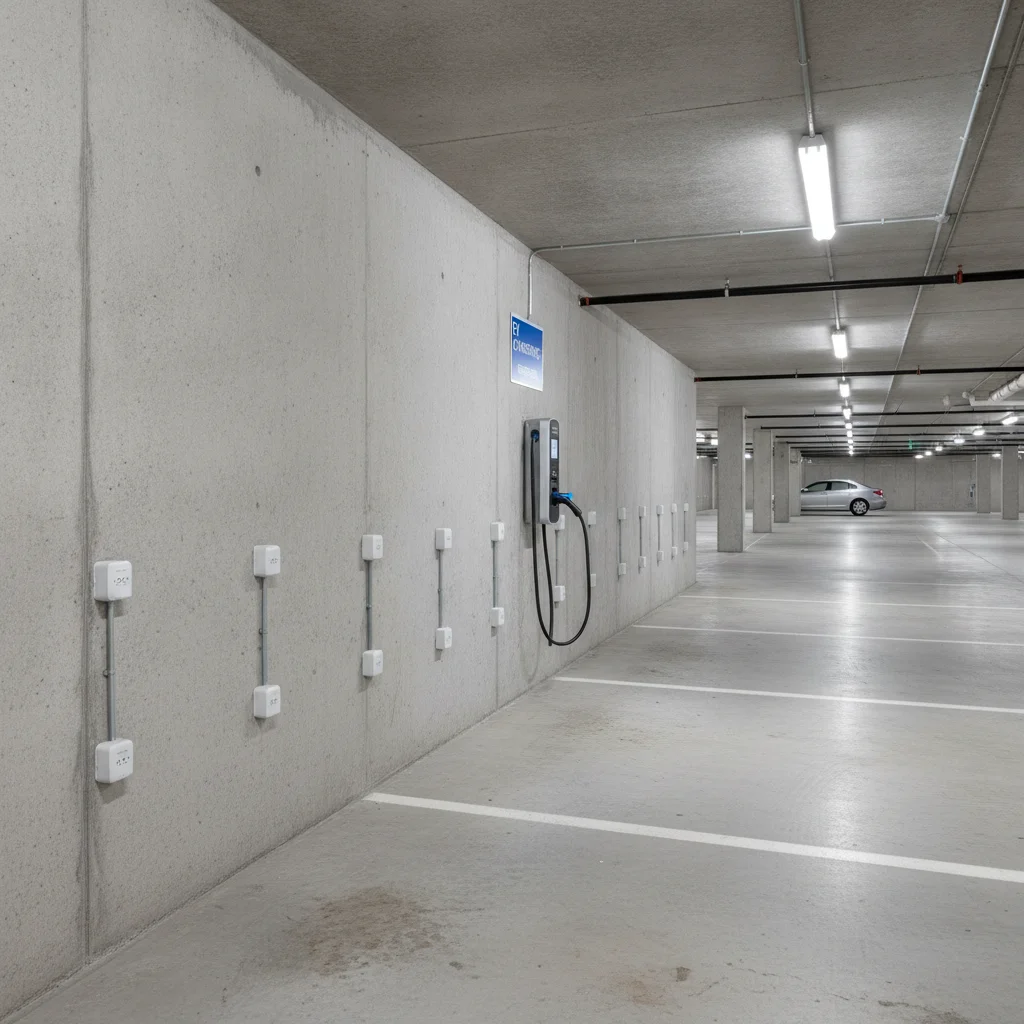
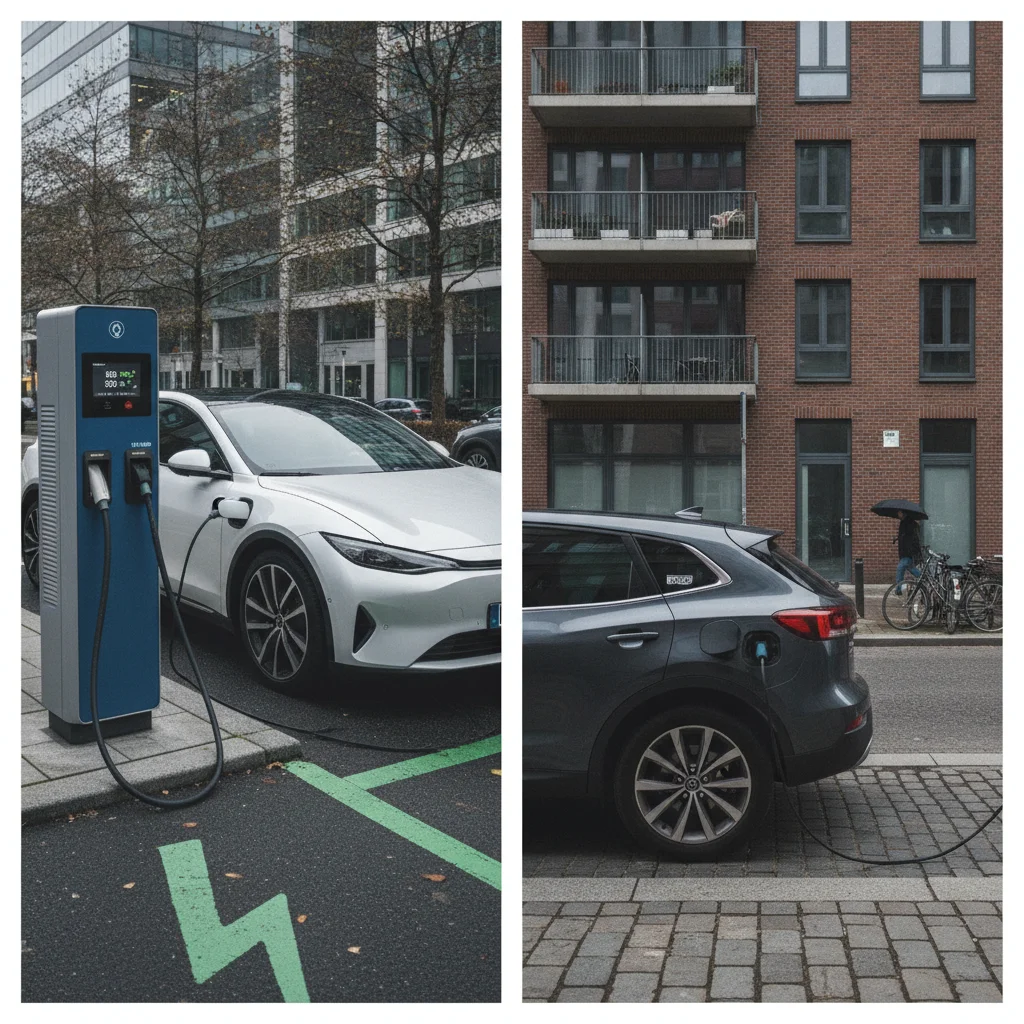
Renters, condo owners, and anyone in a multi-unit dwelling often face real barriers: no dedicated outlet near their parking spot, HOA restrictions, or landlord reluctance. If this describes you, read our article on BEV vs. PHEV when you can't reliably charge at home — the calculus shifts significantly.
Check HOA and Landlord Rules Early
Before assuming you can install a Level 2 charger, verify with your HOA or landlord. California and several other states have laws giving residents the right to install EV chargers in their own parking spaces, but most states do not. Getting this answer early avoids a costly assumption. Even if you're blocked from hardwiring, a long-run outdoor-rated extension cord to a 240V dryer outlet may be a legal workaround worth exploring.
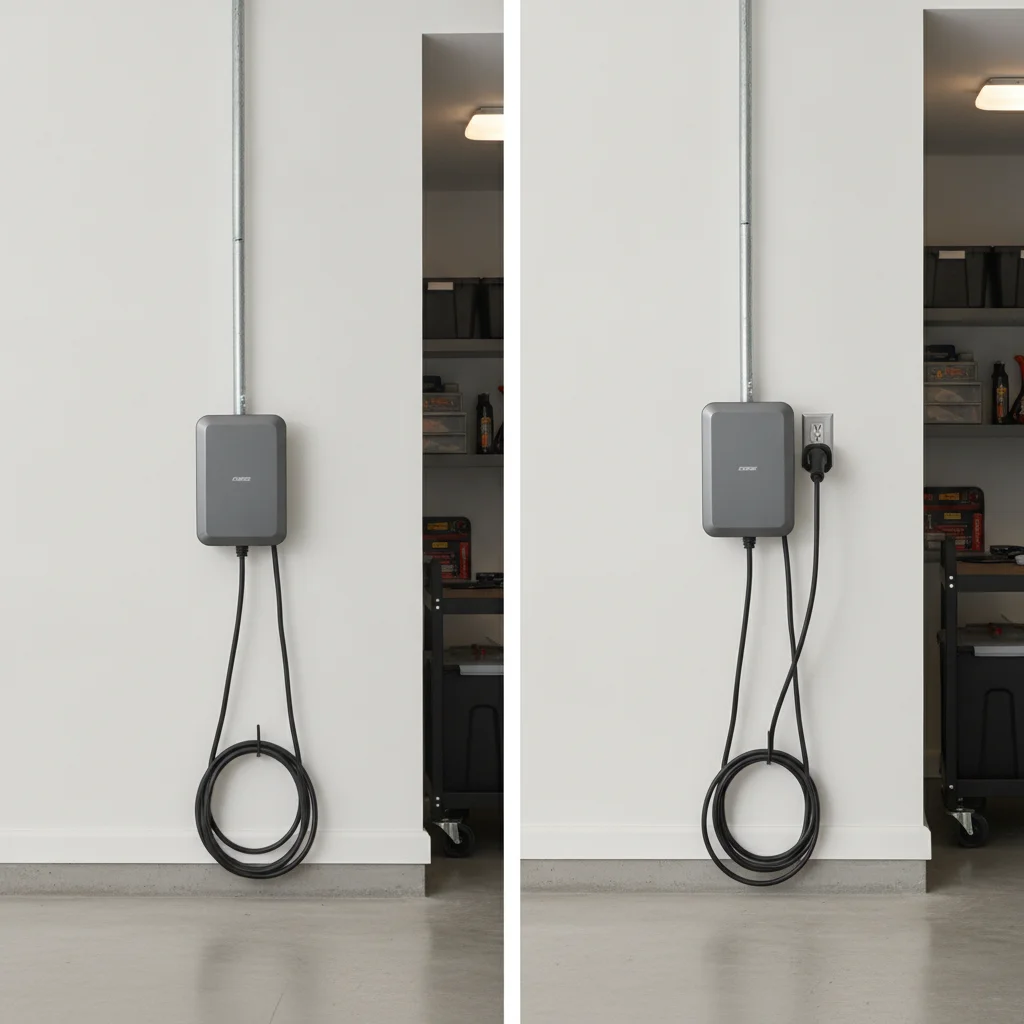
If you do have access to a garage or dedicated parking and you're willing to install a Level 2 charger, the economics of a BEV become much more compelling. The hardwired vs. plug-in Level 2 charger comparison is a practical next step — installation costs and flexibility vary more than most buyers expect.
For PHEV buyers, even Level 1 at home is enough to capture most of the fuel-savings benefit. If your PHEV has 30 miles of EV range and you drive 25 miles a day, a standard outlet overnight fully covers your daily electric needs. That's a meaningful edge for buyers who can't justify a Level 2 install.
Long-Distance Driving and DC Fast-Charging Network Coverage
Range anxiety on road trips is real — but it's solvable if you plan correctly. The key is knowing which DC fast-charging networks actually cover your corridors before you sign anything.
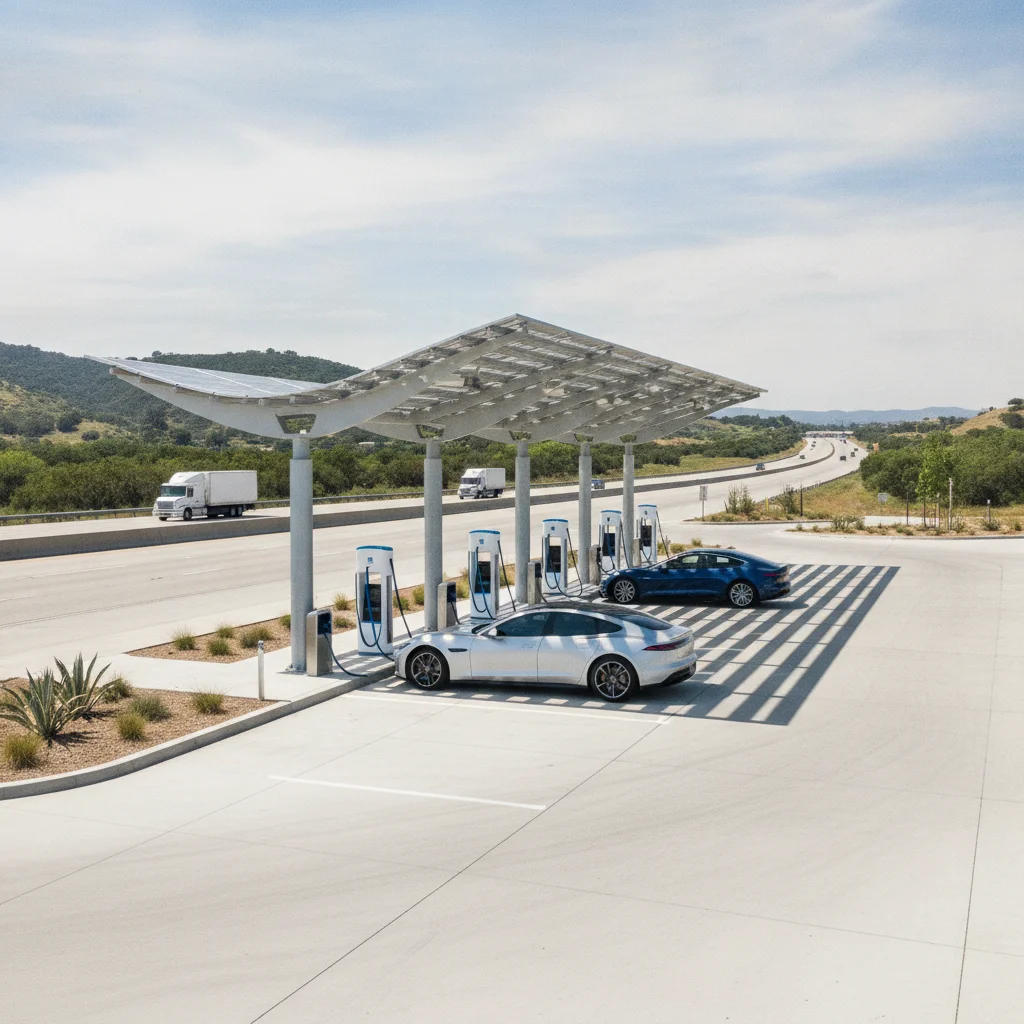
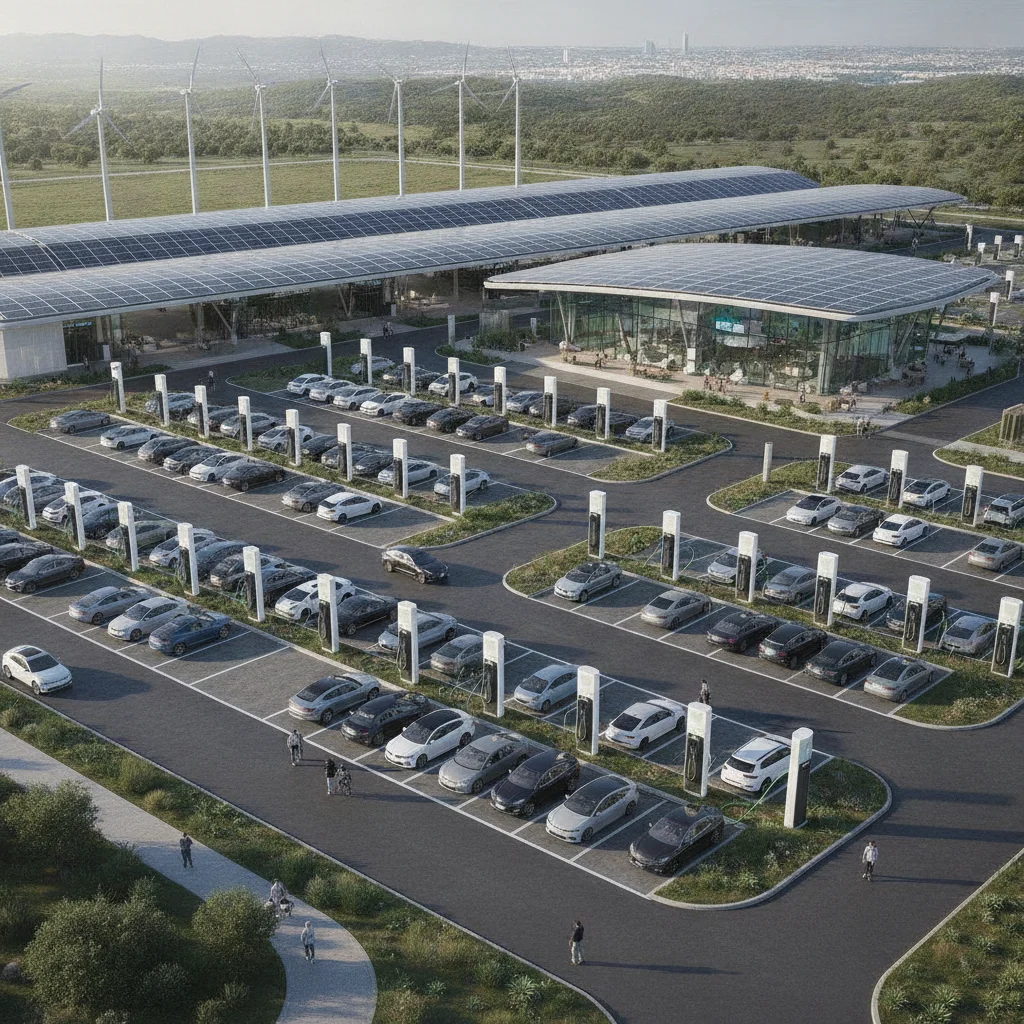
Tesla's Supercharger network remains the most reliable and densely deployed in the U.S., but it's increasingly open to non-Tesla vehicles. Electrify America, EVgo, and ChargePoint cover major interstate corridors reasonably well, but coverage thins dramatically in rural areas, mountain regions, and the Southeast.
DC Fast Charging Is Not Universal Across EV Types
Not all electrified vehicles can use DC fast chargers. PHEVs almost universally lack DC fast-charging capability due to their smaller battery packs — they are limited to Level 1 and Level 2 AC charging. HEVs never plug in at all. DC fast charging is effectively a BEV-exclusive feature in the current market, which is one reason BEV total cost of ownership on road trips depends heavily on network reliability and pricing.
If your regular driving includes stretches where DC fast chargers are 100+ miles apart, a BEV demands more trip planning discipline than many buyers anticipate. A PHEV eliminates this concern entirely — the gas engine provides backup range whenever needed. An HEV is simply agnostic to charging network coverage.
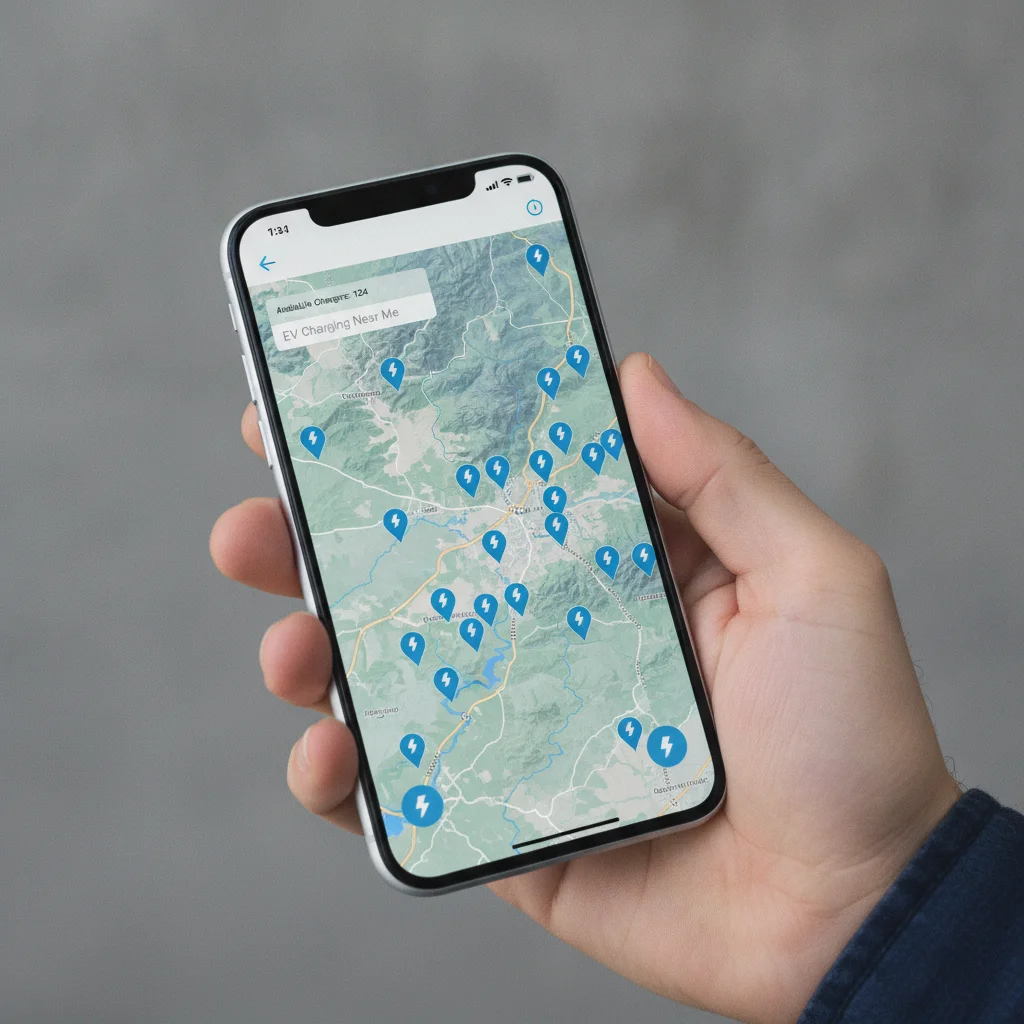
Use tools like PlugShare or the Department of Energy's Alternative Fuels Station Locator to map your actual corridors — not just your home city — before committing to a BEV. The public charging networks comparison hub also breaks down reliability data and pricing by network.
Questions to Ask Before You Commit
Narrowing down your vehicle type based on charging access is ultimately a self-assessment exercise. The following questions help surface the details that matter:
- Where do you park overnight? Private garage with an outlet, shared parking lot, street parking, or apartment structure? Your answer defines your Level 1 vs. Level 2 reality.
- What's your daily round-trip commute? Under 30 miles favors PHEVs on Level 1. 30–80 miles favors PHEVs or BEVs on Level 2. 80+ miles strongly favors BEVs with Level 2 or workplace charging.
- Does your employer offer workplace charging? Workplace Level 2 access can substitute for home charging and unlock BEV practicality even for renters.
- How often do you take long road trips? Frequent long-distance drivers need reliable DCFC networks along their routes — or a PHEV/HEV to sidestep the issue.
- What's the DCFC infrastructure like in your region? Urban coastal areas are well-served. Rural Midwest and South often are not.
For a structured walkthrough of all the self-assessment questions — including budget, incentives, and driving patterns — see Questions to Ask Yourself Before Deciding Which EV Type to Buy.
If you want a more comprehensive decision model that incorporates daily mileage alongside charging access, Choosing Between Electrified Vehicle Types: A Practical Decision Framework lays out the full picture.
The Bottom Line: Let Your Charging Reality Drive the Decision
The EV market has matured enough that there is a genuinely good vehicle for nearly every charging situation. The mistake isn't buying electric — it's buying the wrong type of electric for where you actually live, park, and drive.
- Reliable Level 2 at home + decent DCFC on your corridors? A BEV is likely your most cost-effective long-term choice.
- Level 1 only at home, or no home charging? A PHEV captures most of the fuel savings without the infrastructure dependency.
- Rural location with sparse public charging and no ability to install home charging? An HEV delivers real-world efficiency gains with zero infrastructure risk.
None of these is the "wrong" choice in absolute terms — they're only wrong relative to a mismatched charging situation. Do the honest assessment first, and the vehicle decision will follow logically.

All claims are backed by peer-reviewed research. Sources on request.