Key Takeaways
Why Amperage Is the Lever That Controls Charging Speed
When people shop for a home EV charger, they often fixate on brand names or smart-app features. The number that actually governs how fast your car charges is the amperage—how much electrical current the charger delivers. Get this wrong in either direction and you either leave performance on the table or spend money on capacity your car can't use.
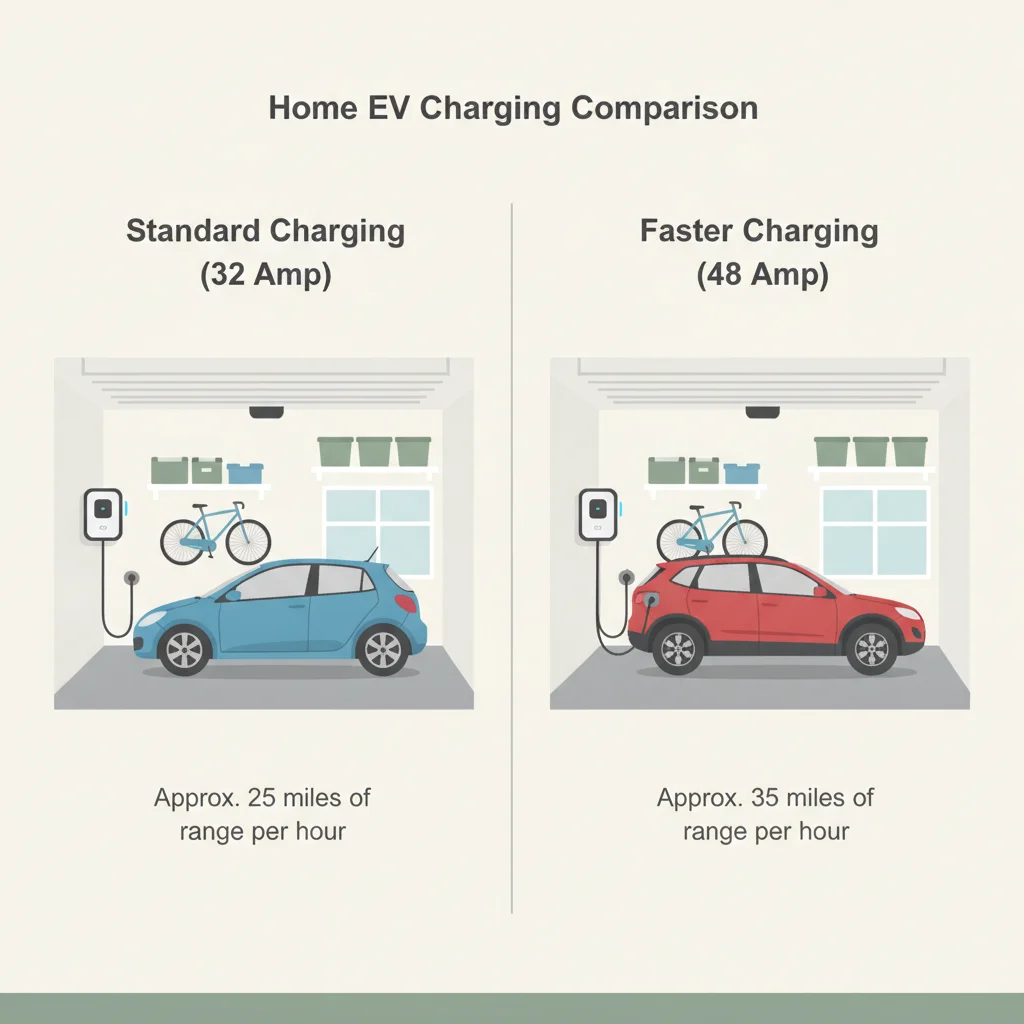
Home Level 2 chargers operate on 240V circuits, and the math is straightforward: kilowatts = volts × amps ÷ 1,000. A 32A charger on a 240V circuit delivers about 7.7 kW. A 48A charger delivers about 11.5 kW. That difference translates directly into miles of range recovered per hour of charging.
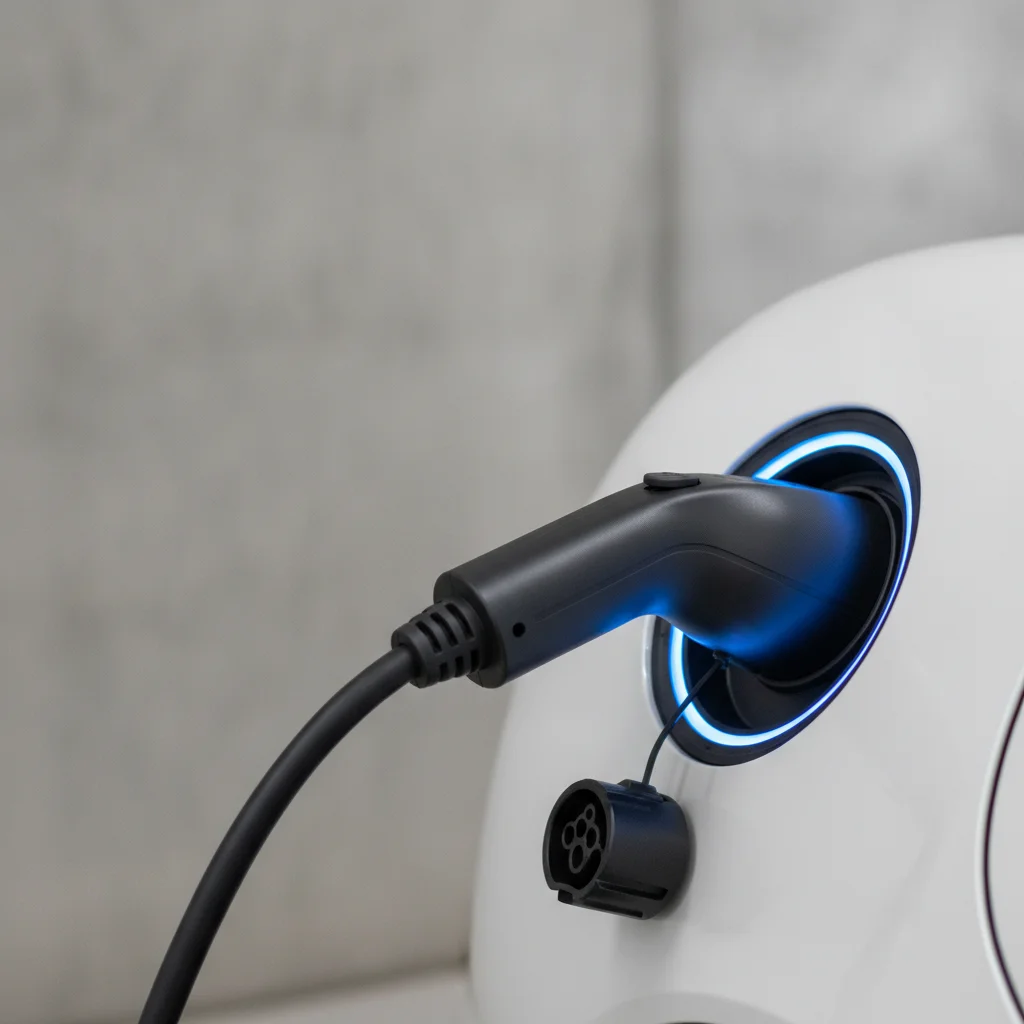
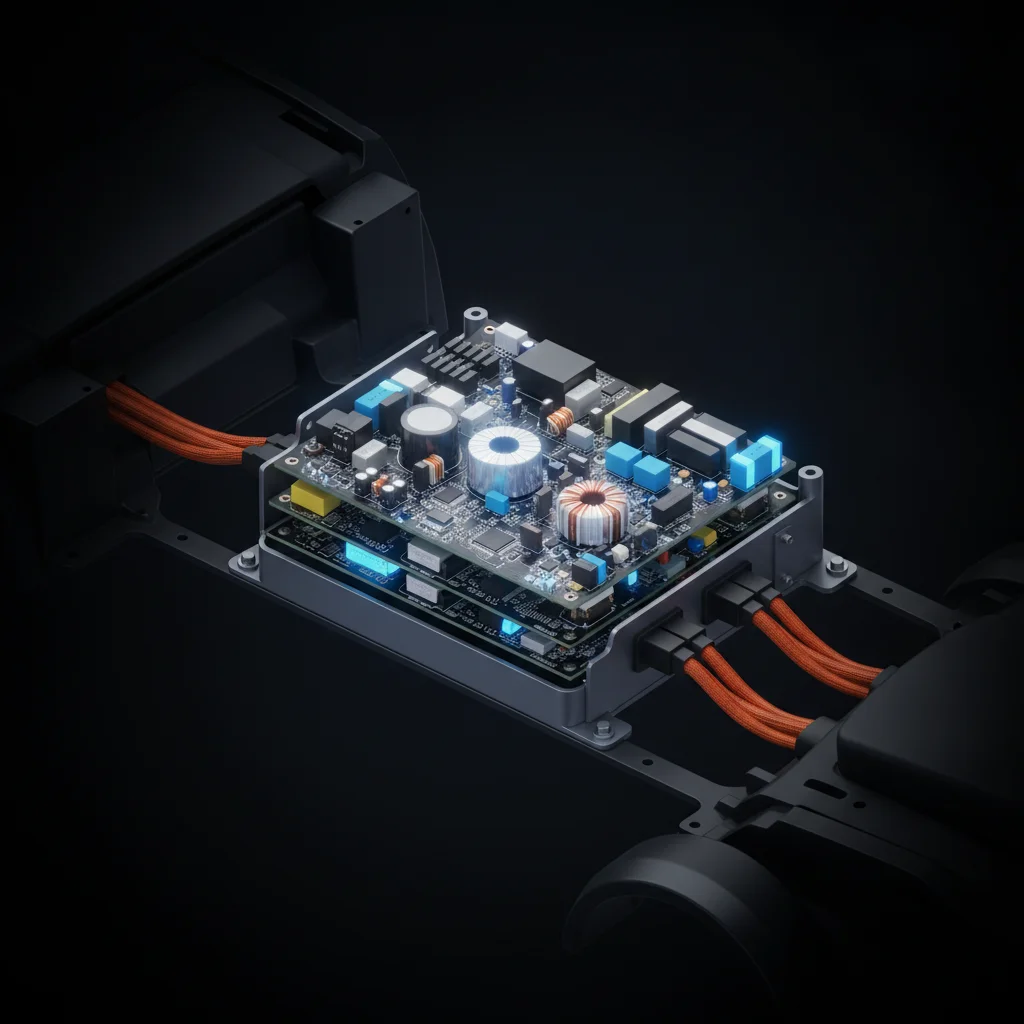
But here's the critical nuance most marketing materials gloss over: your car's onboard charger—the converter built into the vehicle itself—is the real ceiling. If your car's onboard charger is rated at 7.2 kW (common in many mainstream EVs), installing a 48A wall unit won't make it charge faster. The vehicle simply won't accept more power than its onboard charger can process. Understanding your onboard charger's kilowatt rating is the essential first step before you buy any EVSE hardware.
Level 1 charging—plugging into a standard 120V outlet—delivers roughly 1.2–1.5 kW, or about 4–5 miles of range per hour. That's adequate if you drive fewer than 40 miles a day and charge overnight, but it leaves most modern long-range EVs perpetually undercharged. New EV owners evaluating every home charging option should understand the gap between Level 1 convenience and Level 2 performance before committing to either.
What You Need Before Choosing an Amperage
Picking the right amperage isn't a product decision in isolation—it's the intersection of three things: what your car can accept, what your electrical panel can supply, and what your daily driving actually demands. Work through each before you contact an electrician or order hardware.
What you will need
Start with your vehicle's onboard charger rating. This is listed in your owner's manual under charging specifications, or on the manufacturer's website. Common ratings you'll encounter:
- 7.2 kW (32A equivalent): Most mid-range EVs, including many Chevrolet, Hyundai, Kia, and Volkswagen models
- 11.5 kW (48A equivalent): Higher-end trims and vehicles designed for faster AC charging, including some Tesla models, BMW EVs, and others
- 19.2 kW (80A equivalent): A small number of vehicles, most notably the Tesla Model S and X on certain configurations—typically requires a commercial-grade install
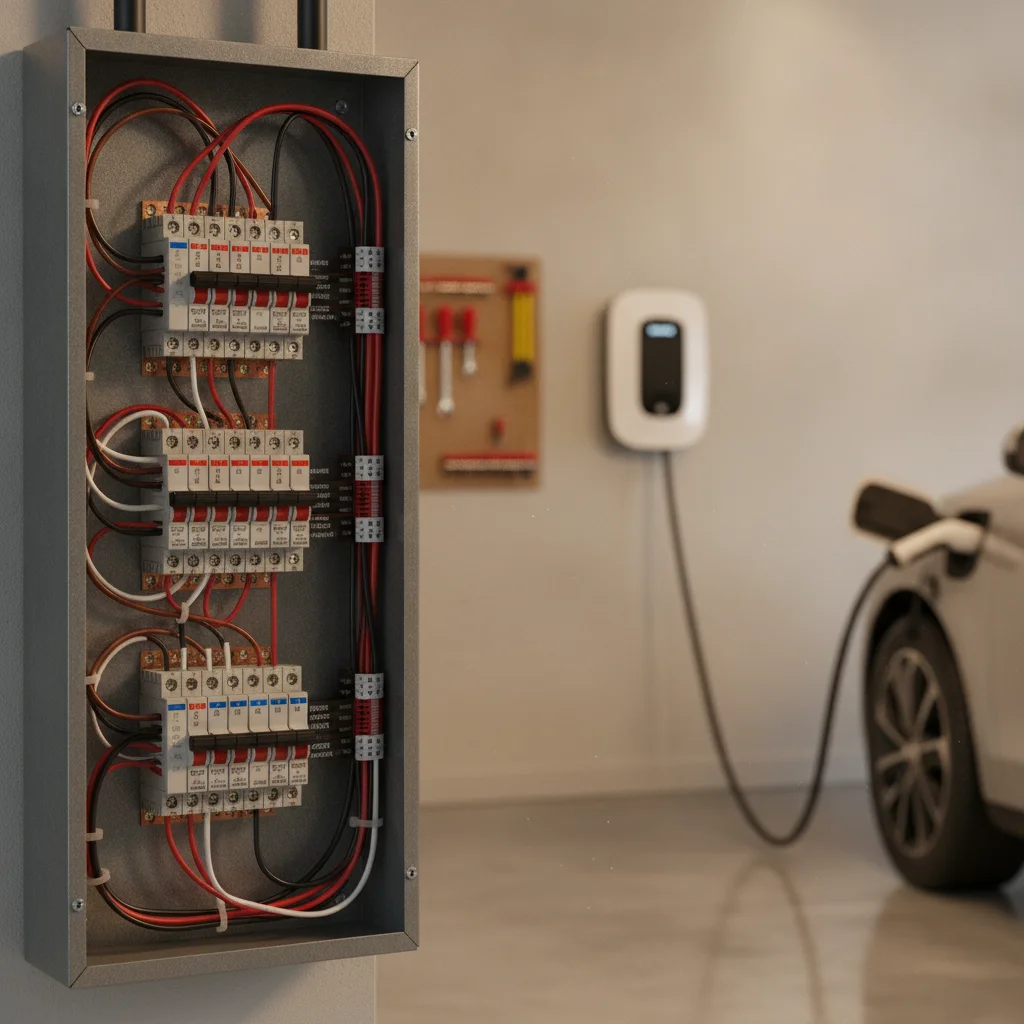
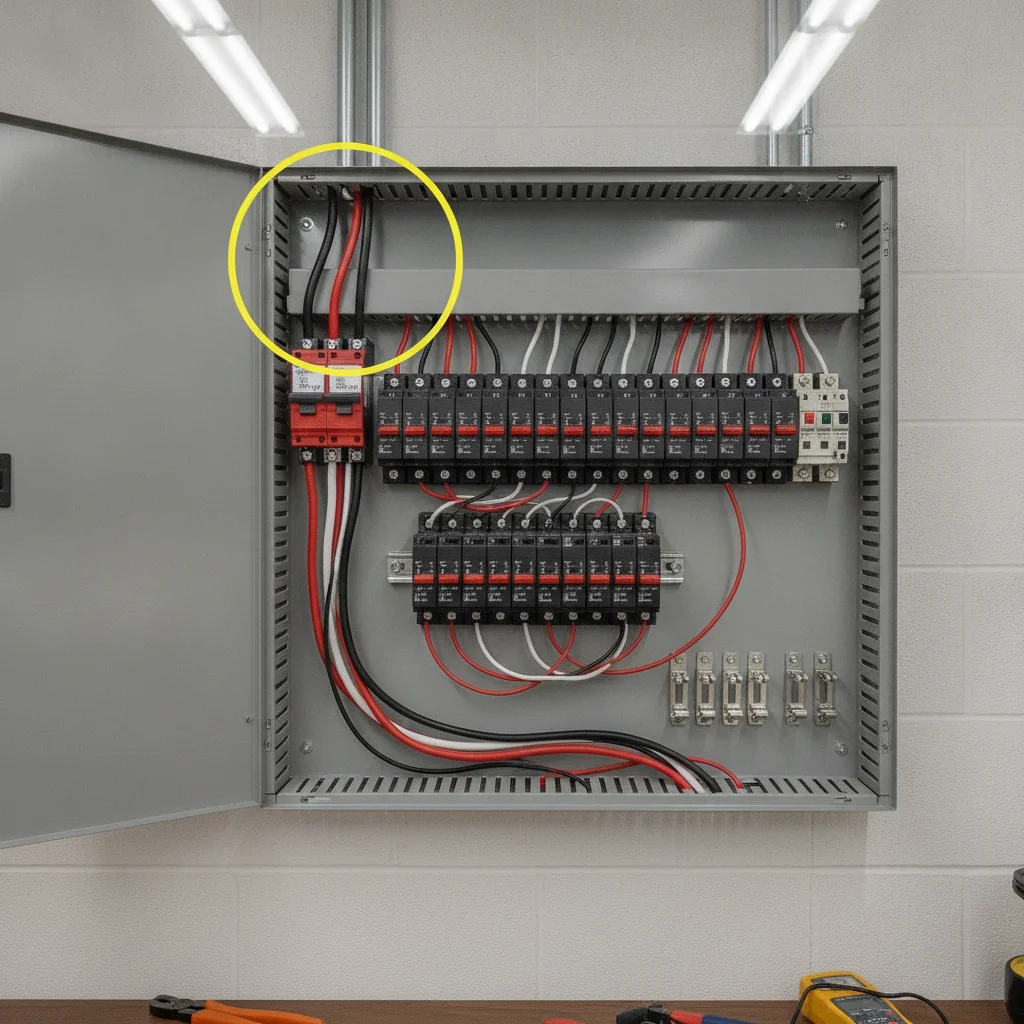
Next, assess your home's electrical panel. A 200-amp service panel is standard in most homes built after the 1980s, but available capacity—what's actually free after your existing loads—is what matters. Your electrical panel's role in home EV charging is more nuanced than simply reading the panel's rated amperage. An electrician can perform a load calculation to determine how much headroom you have.
EV Owner's Manual or Manufacturer Spec Sheet
Identifies your vehicle's onboard charger rating in kW, which sets the maximum useful charging rate at home.
Licensed Electrician
Performs a load calculation on your panel, confirms available capacity, and installs the circuit to code.
Home Electrical Panel Access
Allows you or your electrician to assess breaker slots, existing loads, and available amperage headroom.
EVSE Compatibility Checker (Manufacturer Website)
Confirms that a specific charger model is compatible with your vehicle before purchase.
Utility Rate Schedule
Identifies time-of-use pricing windows, which can influence whether faster charging delivers measurable cost savings.
Finally, think honestly about your driving habits. How many miles do you average per day? Do you drive a predictable commute, or do you have occasional long days that push 100+ miles? The answers shape whether a 32A setup is genuinely sufficient or whether you'll regret not sizing up.
Step-by-Step: Choosing the Right Amperage
Follow these steps in order. Skipping ahead—especially to purchasing hardware before checking your panel—is the most common and costly mistake home charger buyers make.
Look Up Your Vehicle's Onboard Charger Rating
Find your EV's onboard charger (OBC) rating in kilowatts. This is listed in your owner's manual under "Charging Specifications" or "Electric Drive" specs, and on the manufacturer's website product page. Write down the exact number.
Convert to amps if needed: Amps = (kW × 1,000) ÷ 240V. A 7.2 kW OBC ≈ 30A draw; an 11.5 kW OBC ≈ 48A draw. This number is your performance ceiling—no home charger can push current through faster than the OBC accepts it.
Determine Your Average Daily Mileage
Review the past 30–60 days of your driving to establish a realistic daily average. Be honest—include occasional longer days, not just your typical commute. A useful formula: hours available for charging × (charger kW × vehicle efficiency in miles/kWh) = miles recovered.
If you drive 40 miles per day and have 8 hours to charge overnight, a 32A charger recovers roughly 200 miles in that window—far more than you need. If you regularly drive 80–100 miles and want a full charge by morning, the math may support a higher-amp setup.
Assess Your Home Electrical Panel's Available Capacity
Locate your main electrical panel and note the total rated amperage (printed on the main breaker). Then identify how many open breaker slots remain. Open slots alone don't confirm available capacity—you need to account for existing loads.
For a rough DIY estimate, add up the amperage of all breakers currently in use. The sum of all circuit loads typically doesn't run simultaneously, but a licensed electrician can run a proper NEC load calculation to determine true available headroom. This step is non-negotiable before committing to a 40A or 48A charger.
Apply the 80% Continuous-Load Rule to Size Your Breaker
EV chargers are classified as continuous loads under the National Electrical Code (NEC 625.42). This means the charger's rated output cannot exceed 80% of the dedicated circuit's breaker rating during extended operation.
Work backward from your target charger amperage:
- 32A charger → minimum 40A dedicated breaker
- 40A charger → minimum 50A dedicated breaker
- 48A charger → minimum 60A dedicated breaker
Confirm your panel can accommodate the required breaker size with available capacity before purchasing any hardware.
Match Charger Amperage to Your OBC Rating
With your OBC rating and panel capacity confirmed, select the charger amperage tier that matches or slightly exceeds your vehicle's OBC—there's no benefit to exceeding it significantly.
If your OBC is 7.2 kW (≈30A), a 32A charger is the right match. If it's 11.5 kW (≈48A), a 48A charger maximizes your vehicle's charging speed. If your panel can only support a 40A breaker right now, a 32A charger is a sensible compromise that keeps you within code and leaves headroom for other loads.
Get Electrician Quotes and Confirm Permit Requirements
Contact at least two licensed electricians for quotes. Provide them with your chosen amperage target, the location of your panel, and where you want the charger mounted. Ask each one specifically about: dedicated circuit cost, conduit routing complexity, wire gauge needed, and permit fees.
Most municipalities require a permit for a new 240V circuit installation. Your electrician typically handles permit filing, but confirm this and ask to receive the final inspection paperwork once the job is complete. Keep it with your home records.
Once you've completed all steps, you'll have a specific amperage target backed by real data from your vehicle specs and your home's electrical capacity. At that point, the full scope of what a home charging installation involves becomes the relevant next read—covering permitting, installation timelines, and what to expect on the day your electrician shows up.
Don't Skip the Panel Load Calculation
Adding a 60A dedicated circuit to an already-stressed panel can trip the main breaker, damage appliances, or create sustained overload conditions. This isn't a theoretical risk—it's a documented failure mode in homes where EV chargers were installed without proper load assessment. Have a licensed electrician perform a load calculation before committing to any amperage above 32A.
NEMA 14-50 Outlets Are Not a Permanent Solution for High-Amp Charging
Plugging a 40A or 48A charger into a NEMA 14-50 outlet rated for 50A is technically within code limits, but repeated high-current cycling on outlet connections can cause contact degradation over time. For chargers above 32A used daily, hardwired installations are the more reliable long-term choice.
Your Onboard Charger Is the Real Speed Limit
No wall-mounted EVSE can charge your car faster than the vehicle's onboard charger permits. Installing a 48A charger on a car with a 7.2 kW onboard charger will not increase charging speed—it will cost more to purchase, require a larger circuit, and deliver identical real-world performance to a 32A unit. Always confirm your OBC rating before selecting charger amperage.
Unpermitted EV Charger Wiring Is a Serious Risk
A 240V, 60A circuit carries enough current to cause severe electrical fires if improperly installed. Beyond the physical safety risk, unpermitted wiring can void your homeowner's insurance policy for fire-related claims, flag your property during a home sale inspection, and expose you to liability. Always pull the required electrical permit—your electrician should handle this as a standard part of the job.
The 32A vs. 40A vs. 48A Decision in Plain Terms
Once you've confirmed your vehicle's onboard charger rating and your panel has room, the remaining choice usually comes down to three common amperage tiers. Here's how to think about each:
| Charger Amperage | Circuit Breaker Needed | Power Output | Miles Added Per Hour* | Best For |
|---|---|---|---|---|
| 32A | 40A | ~7.7 kW | ~25–30 miles | Most daily commuters; vehicles capped at 7.2 kW OBC |
| 40A | 50A | ~9.6 kW | ~28–35 miles | Mid-range option; good if panel has room and budget allows |
| 48A | 60A | ~11.5 kW | ~34–44 miles | Vehicles with 11.5 kW OBC; high-mileage drivers |
The 80% continuous-load rule is why your breaker must always be rated higher than your charger's draw. The National Electrical Code (NEC) treats EV chargers as continuous loads, meaning the circuit can't run above 80% of the breaker's rated capacity for extended periods. A 48A charger therefore requires a minimum 60A dedicated circuit (48 ÷ 0.80 = 60). This isn't negotiable—it's code, and any inspector will flag a violation.
Consider a Hardwired Install Over a Plug-In
Many EVSE units come in both plug-in (NEMA 14-50) and hardwired versions. Hardwired installations are generally considered more reliable, look cleaner, and are required for some higher-amperage units. If you're already having an electrician install a dedicated circuit, the marginal cost of going hardwired is usually small. Ask about it during your quote.
Lock In Your Wiring While the Walls Are Open
If you're doing any renovation or drywall work near your garage or panel, this is the ideal time to run a larger conduit and heavier wire than you currently need. The incremental material cost is modest; the future labor savings if you upsize your charger can be substantial. Tell your contractor or electrician what you're planning.
Smart Chargers Can Optimize Around Your Rate Schedule
If your utility offers time-of-use rates, a Wi-Fi-enabled smart charger lets you schedule charging to start automatically during off-peak hours. This doesn't change the amperage decision, but it means a faster charger finishes its job during the cheapest window and avoids running into peak-rate morning hours.
If your vehicle's onboard charger is capped at 7.2 kW, installing a 48A charger gives you zero additional charging speed. You'd be paying for a larger circuit, a more expensive unit, and a bigger breaker for no practical benefit. Match the charger to the vehicle first, then size up only if your next vehicle might justify it and your panel can handle it without costly upgrades. Panel upgrades are not always necessary, but when they are, understanding the cost upfront helps you decide whether to size up now or wait.
For deeper help making sense of the numbers on a charger's product page, reading an EV charger spec sheet clearly will save you from being misled by marketing specs that don't translate to real-world performance.
Future-Proofing Without Overspending
One legitimate reason to size up—even if your current car doesn't need it—is future-proofing. If you plan to own another EV in 5–7 years, or if your household might add a second EV, running a larger conduit and wiring during the initial install costs little extra at the time. Retrofitting later can easily cost $500–$1,500 more in labor alone, especially if drywall or conduit work is involved.
A practical approach: even if you're only activating a 32A charger today, ask your electrician to run a 60A circuit and install a 60A breaker from the start. You can plug in a 32A charger now, and if you upgrade vehicles or add a second charger, the infrastructure is already there. Some electricians refer to this as "homerun wiring"—running the wire back to the panel in one shot rather than piecing it together later.
That said, don't let future-proofing arguments pressure you into a panel upgrade you don't actually need. If your panel has genuine capacity constraints, the comprehensive home EV charging setup guide walks through the full range of decisions—including when a panel upgrade is the right call and when load management or a lower-amp charger solves the problem more economically.
Also factor in how amperage choice affects your long-term charging costs. A higher-amp charger finishes the job faster but doesn't necessarily cost more to run—you're drawing the same total kilowatt-hours either way. The difference is time, not energy consumption. Where cost optimization matters is in your utility rate structure: if you have time-of-use rates, charging faster overnight at off-peak rates is an advantage a higher-amp charger can exploit.
Common Mistakes to Avoid
The amperage decision sounds technical, but the mistakes people make are almost always the same handful of avoidable errors. Here's what to watch for:
- Buying a charger before checking the onboard charger rating. A 48A charger on a car with a 7.2 kW OBC is wasted money. Confirm vehicle specs first.
- Assuming your panel has capacity without checking. A 200A panel doesn't mean you have 200A available. Load calculations exist for a reason. Get one.
- Skipping the permit. Unpermitted electrical work can void your homeowner's insurance coverage in the event of a fire and create problems when you sell the house. It's not a bureaucratic formality—it's protection.
- Undersizing the breaker to save money. Fitting a 48A charger on a 50A breaker violates the 80% rule and is a code violation. Don't do it.
- Choosing a charger based on brand recognition alone. Most reputable EVSE brands—JuiceBox, ChargePoint, Wallbox, Enel X, Grizzl-E—make solid products. The amperage tier matters more than the logo.
- Ignoring the location of your panel relative to the garage. Long conduit runs add labor cost and may affect wire gauge requirements. Get your electrician to assess this during the quote.
Consider a Hardwired Install Over a Plug-In
Many EVSE units come in both plug-in (NEMA 14-50) and hardwired versions. Hardwired installations are generally considered more reliable, look cleaner, and are required for some higher-amperage units. If you're already having an electrician install a dedicated circuit, the marginal cost of going hardwired is usually small. Ask about it during your quote.
Lock In Your Wiring While the Walls Are Open
If you're doing any renovation or drywall work near your garage or panel, this is the ideal time to run a larger conduit and heavier wire than you currently need. The incremental material cost is modest; the future labor savings if you upsize your charger can be substantial. Tell your contractor or electrician what you're planning.
Smart Chargers Can Optimize Around Your Rate Schedule
If your utility offers time-of-use rates, a Wi-Fi-enabled smart charger lets you schedule charging to start automatically during off-peak hours. This doesn't change the amperage decision, but it means a faster charger finishes its job during the cheapest window and avoids running into peak-rate morning hours.
When in doubt, get two or three electrician quotes. Not just for price comparison—each quote is also a free consultation. A good electrician will flag panel issues, conduit routing challenges, and local permit requirements you might not have considered. The best charger choice is the one that fits your vehicle, your panel, and your actual driving life—not the one with the highest number on the spec sheet.

All claims are backed by peer-reviewed research. Sources on request.