
Key Takeaways
Real money saved when programs are used consistently
Workplace Level 2 charging alone can save $230–$460 annually depending on local electricity rates, making it a meaningful reduction in annual ownership costs.
Automaker credits reduce early-ownership charging costs significantly
Bundled network credits from brands like Hyundai, Kia, and Tesla can offset hundreds of dollars in public charging costs during the first one to three years of ownership.
Destination charging adds range with zero additional effort
Plugging into a free hotel or retail Level 2 charger during a stop you're already making costs nothing in time and returns 20–50 miles of free range per visit.
Municipal stations provide genuine no-cost public charging
Government-funded public chargers in many urban areas offer free Level 2 access as a public good, with no membership, credit card, or app required in most cases.
Referral and loyalty credits require no behavior change to earn
Network sign-up credits and referral bonuses are essentially passive income for EV owners who are already using those platforms.
Automaker credits expire—often before full value is captured
Two-year or 250 kWh caps mean drivers who charge primarily at home may use only a fraction of available credits before the window closes, leaving value on the table.
Free chargers are slow and may require significant detours
Most non-DC-fast free charging is Level 2, adding 20–25 miles of range per hour. Routing out of your way to access it often erases the financial benefit.
Idle fees can turn free sessions into paid ones
Networks including Tesla and Electrify America charge per-minute idle fees after charging completes, even during promotional free-energy periods—these fees can reach $10–$20 per session.
Employer charging tax treatment is underexplored
The IRS's treatment of employer-provided EV charging as a fringe benefit is nuanced, and high-value workplace charging arrangements may technically constitute taxable income in some situations.
Network program terms change without notice
Promotional credits, referral bonuses, and partnership deals are contractually unstable—networks have altered, suspended, or eliminated programs with minimal advance warning to enrolled users.
Destination charger reliability is inconsistent
Hotel and retail chargers are often installed as amenities rather than managed infrastructure, leading to higher outage rates and frequent ICE-ing by non-EV vehicles.
Our Verdict
Free EV charging is real, but it rarely covers the full picture. The most valuable no-cost charging comes from workplaces and automaker bundled credits, yet both carry expiration dates or eligibility hoops. Savvy EV owners treat free charging as a supplement—not a foundation—for their overall energy budget.
Best for EV owners who commute to an employer offering Level 2 charging or who purchased a vehicle with a bundled network credit and can consistently route trips to take advantage of it.
The Landscape of 'Free' EV Charging
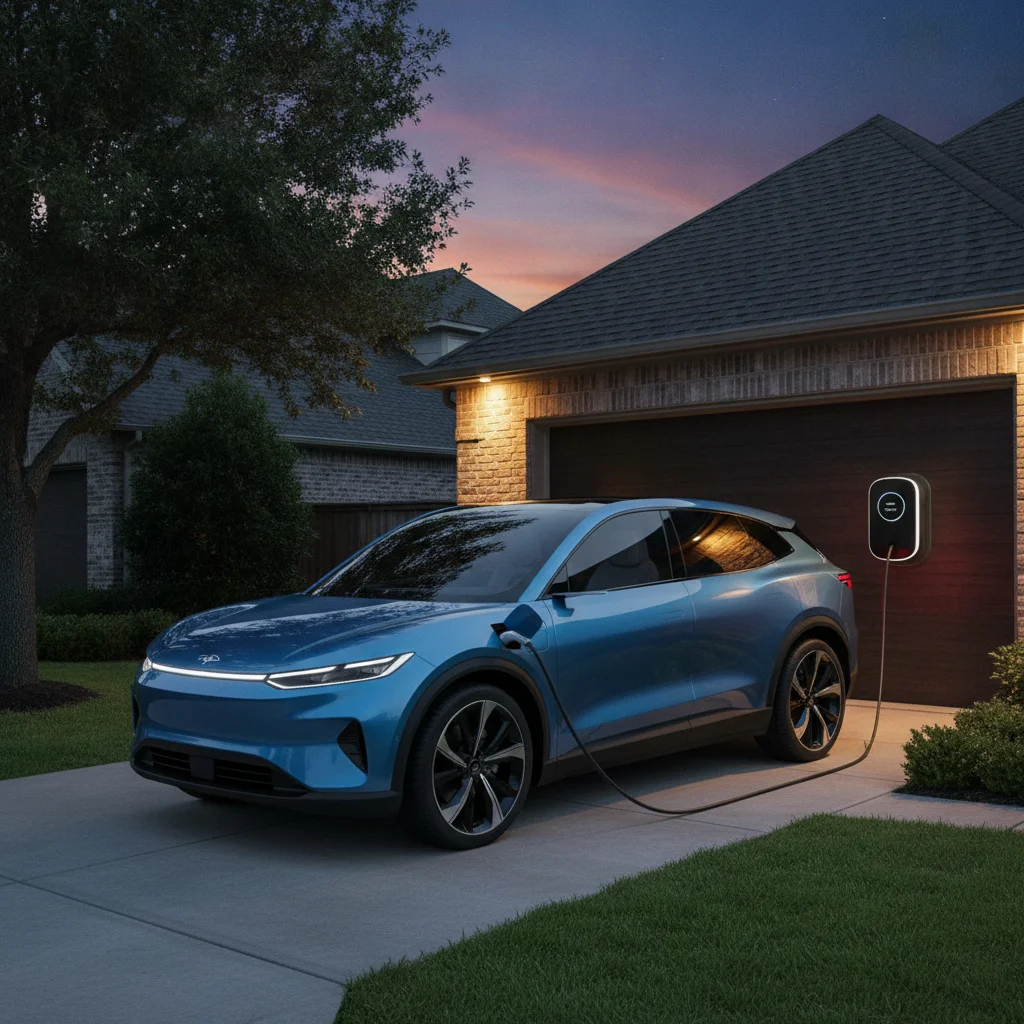
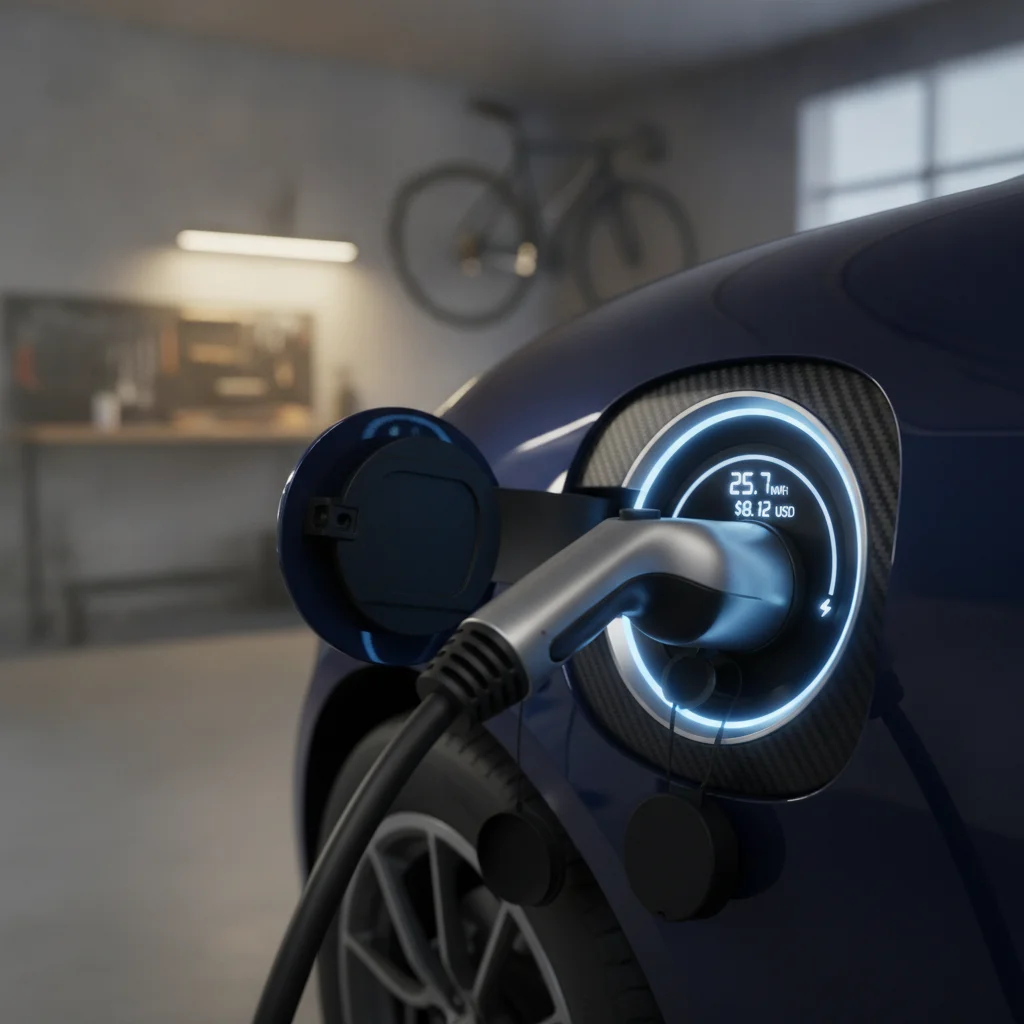
The word free does a lot of heavy lifting in EV marketing. Automakers advertise complimentary charging sessions. Charging networks offer trial credits. Hotels list EV plugs as an amenity. Employers install Level 2 stations in the garage. On paper, it sounds like a new EV owner might never pay for electricity. In practice, every one of these programs comes with a catch—and understanding those catches is the difference between smart energy budgeting and an unexpected bill.
Free charging falls into roughly five categories: automaker-bundled network credits, workplace charging, retail and hotel destination charging, referral and loyalty program credits, and municipally funded public stations. Each operates on a different economic model, serves a different use case, and comes with a distinct set of conditions. This guide breaks them all down so you can calibrate expectations before you swipe your charging card—or don't.
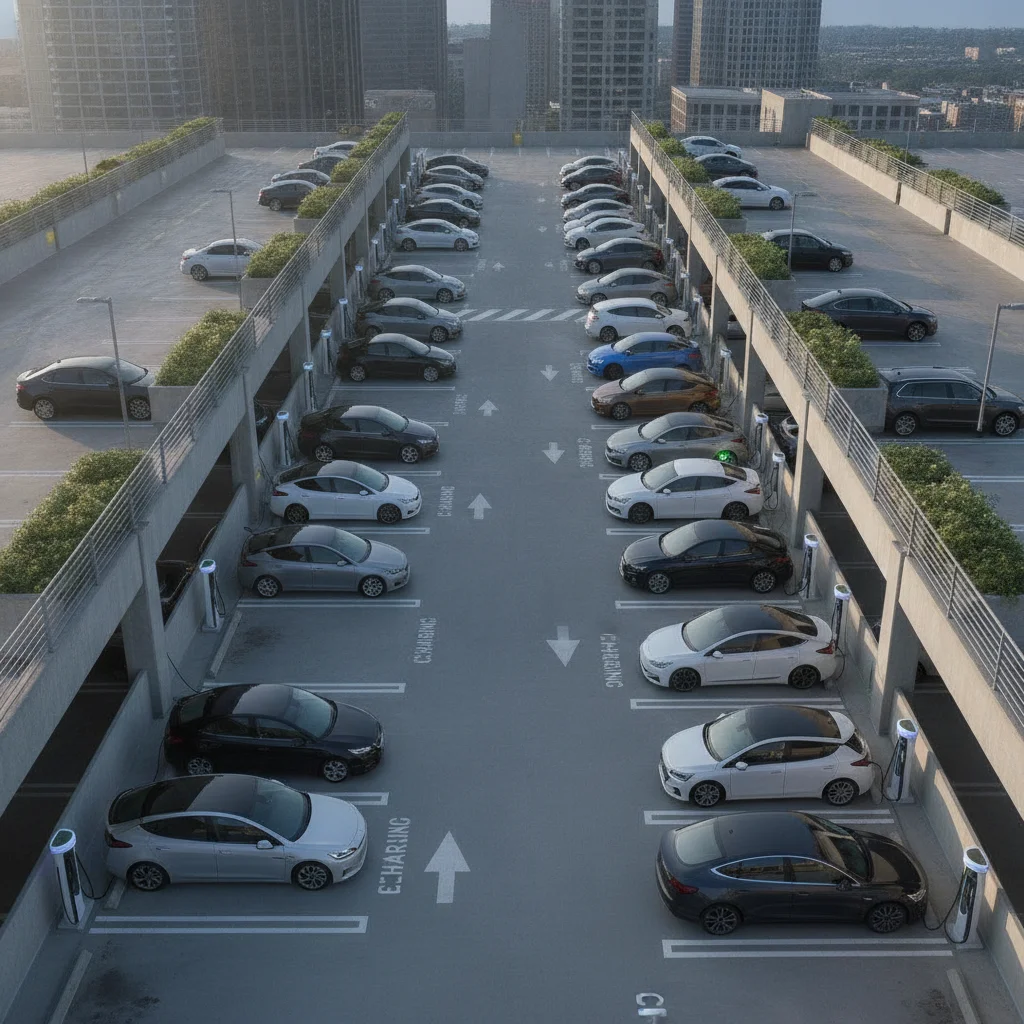
For a broader look at how all these charging decisions affect your annual energy spend, the end-to-end EV charging cost guide covers every variable worth tracking.
Automaker-Bundled Charging Credits: Time-Limited Generosity
Several automakers—most notably Tesla, Hyundai, Kia, and BMW—have at various points offered free public DC fast charging as a purchase incentive. The structure varies considerably by brand and model year, so reading the fine print before assuming you have unlimited free juice is essential.
How Bundled Credits Actually Work
Tesla's referral program has cycled in and out of offering Supercharger credits since the company's early days. Hyundai and Kia have offered complimentary Electrify America session credits tied to new vehicle purchases—typically 250 kWh or two years of free sessions, whichever comes first. Once those credits expire, you pay the standard network rate, which on Electrify America can reach $0.48 per kWh or more at 150+ kW chargers.
BMW and Mercedes-Benz have bundled ChargeForward and public network credits in certain trim packages. Rivian and Lucid have used charging credits as referral bonuses. In nearly every case, the credits are attached to the vehicle identification number (VIN), non-transferable, and subject to the charging network's own terms of service—meaning the network can change pricing structures mid-credit period.
Time-Value Trap for Bundled Credits
A two-year free charging window sounds generous, but if you charge primarily at home 90 percent of the time—as most EV owners do—you may use only a fraction of available credits before they expire. Track your credit balance quarterly to make sure you're capturing the value you were sold.
IRS Fringe Benefit Rules and Workplace Charging
The IRS generally treats employer-provided EV charging as a de minimis fringe benefit under IRC Section 132, meaning it's excluded from taxable income for most employees. However, arrangements where a substantial, measurable energy benefit is provided—especially if metered—may warrant review. Ask your tax preparer if your workplace charging situation is high-value or formally structured.
NEVI Funding and Free Public Charging
The National Electric Vehicle Infrastructure (NEVI) Formula Program has allocated $5 billion to build out public DC fast charging along US highway corridors. While NEVI-funded stations are not required to offer free charging, some states and municipalities use supplemental grant funding to keep locally operated chargers at no cost to the driver. Check your state's EV infrastructure program website for current free-charging locations.
The Time-Value Trap
A two-year free charging window sounds generous, but if you charge primarily at home 90 percent of the time—as most EV owners do—you may use only a fraction of available credits before they expire. Track your credit balance quarterly to make sure you're capturing the value you were sold.
What Happens After the Credits Expire
The transition from free to paid charging on a premium network is jarring. A driver who filled up at Electrify America for free during the ownership period and then begins paying $0.43–$0.48 per kWh is now effectively paying more per mile than a hybrid driver might for gasoline. For context, the full EV charging cost breakdown explains how per-kWh rates translate to real per-mile costs across different vehicle efficiencies.
$0.48/kWh
Peak Electrify America DC fast charge rate
Electrify America's standard per-kWh pricing at high-power 150+ kW stations, as of 2024—what drivers pay once bundled credits expire.
$260/yr
Estimated annual workplace charging value
Based on 200 workdays of Level 2 charging at the national average residential electricity rate of $0.16 per kWh.
90%
EV owners who charge primarily at home
According to the U.S. Department of Energy's Alternative Fuels Data Center, roughly 80–90% of EV charging in the US occurs at home.
$0.40–$1.00/min
Idle fee range at major DC fast chargers
Idle fees charged by Tesla Supercharger and Electrify America networks at busy stations after a vehicle reaches full charge.
250 kWh
Typical bundled automaker credit cap
Hyundai and Kia have offered approximately 250 kWh of complimentary Electrify America charging with new vehicle purchases, subject to expiration.
Workplace Charging: The Most Consistently Valuable Free Source
For commuters whose employers have installed Level 2 (or occasionally DC fast) chargers in the company lot, workplace charging is arguably the most financially meaningful source of free electricity available. It's structural—available every workday—and requires no detour, no app-based credit hunting, and no expiration countdown.
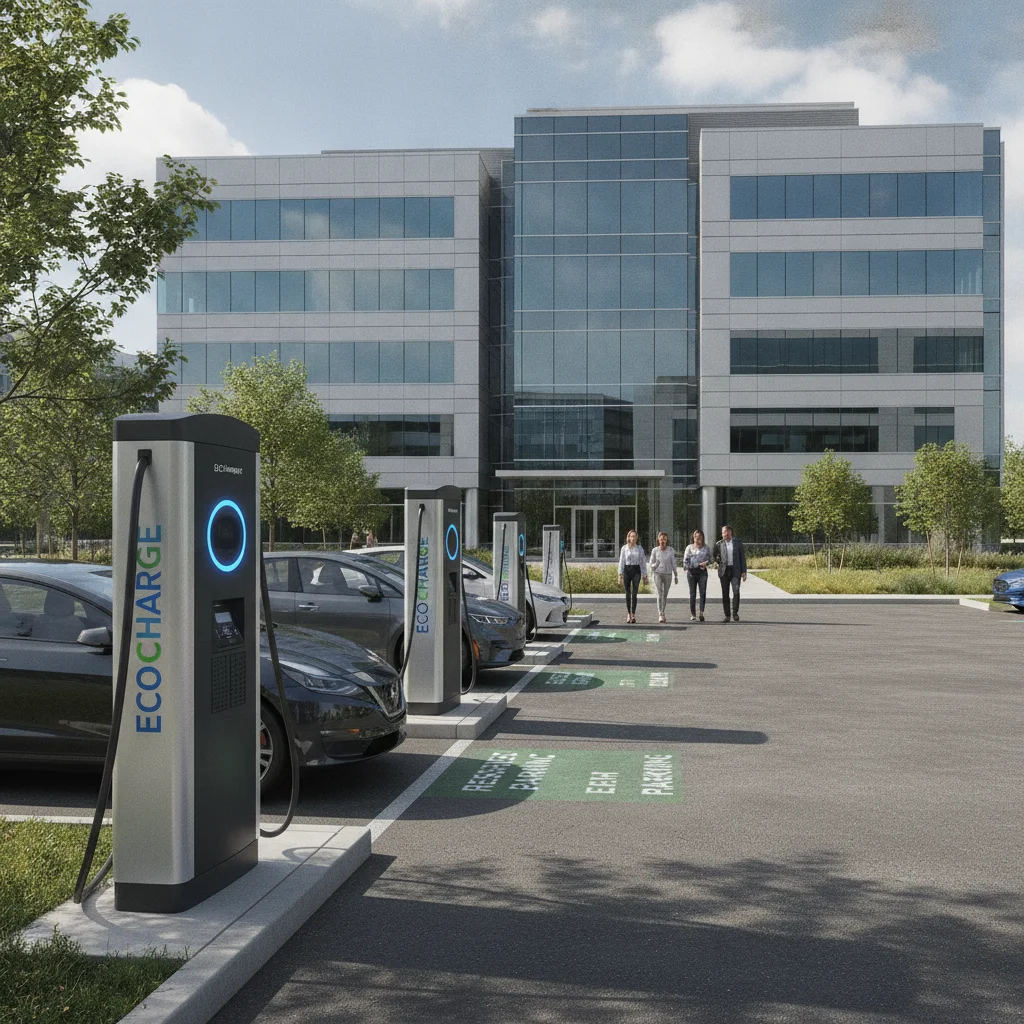
The math is compelling. An employee who plugs in for eight hours on a 7.2 kW Level 2 charger adds roughly 40–50 miles of range per workday at zero personal cost. At the national average residential electricity rate of around $0.16 per kWh, that's approximately $1.15 worth of electricity per day—or $230–$260 annually for a standard 200-day work year. In high-rate states like California or Hawaii, where residential rates can exceed $0.30 per kWh, the annual savings climb above $460.
The workplace charging dollar-value analysis goes deeper into how to calculate and even advocate for this benefit at your employer.
The Tax Question Nobody Raises at the Charger
There's a wrinkle most EV owners don't consider: the IRS treats employer-provided benefits above certain de minimis thresholds as taxable income. For most workplace EV charging scenarios, the value is low enough to fall under the radar—and many tax professionals consider it a fringe benefit under IRC Section 132. But employers who provide dedicated, metered, high-value charging access could theoretically be required to report it. If your employer charges you nothing and the benefit is substantial, it's worth a quick conversation with your tax preparer.
Real money saved when programs are used consistently
Workplace Level 2 charging alone can save $230–$460 annually depending on local electricity rates, making it a meaningful reduction in annual ownership costs.
Automaker credits reduce early-ownership charging costs significantly
Bundled network credits from brands like Hyundai, Kia, and Tesla can offset hundreds of dollars in public charging costs during the first one to three years of ownership.
Destination charging adds range with zero additional effort
Plugging into a free hotel or retail Level 2 charger during a stop you're already making costs nothing in time and returns 20–50 miles of free range per visit.
Municipal stations provide genuine no-cost public charging
Government-funded public chargers in many urban areas offer free Level 2 access as a public good, with no membership, credit card, or app required in most cases.
Referral and loyalty credits require no behavior change to earn
Network sign-up credits and referral bonuses are essentially passive income for EV owners who are already using those platforms.
Hotel and Retail Destination Charging: Free but Slow
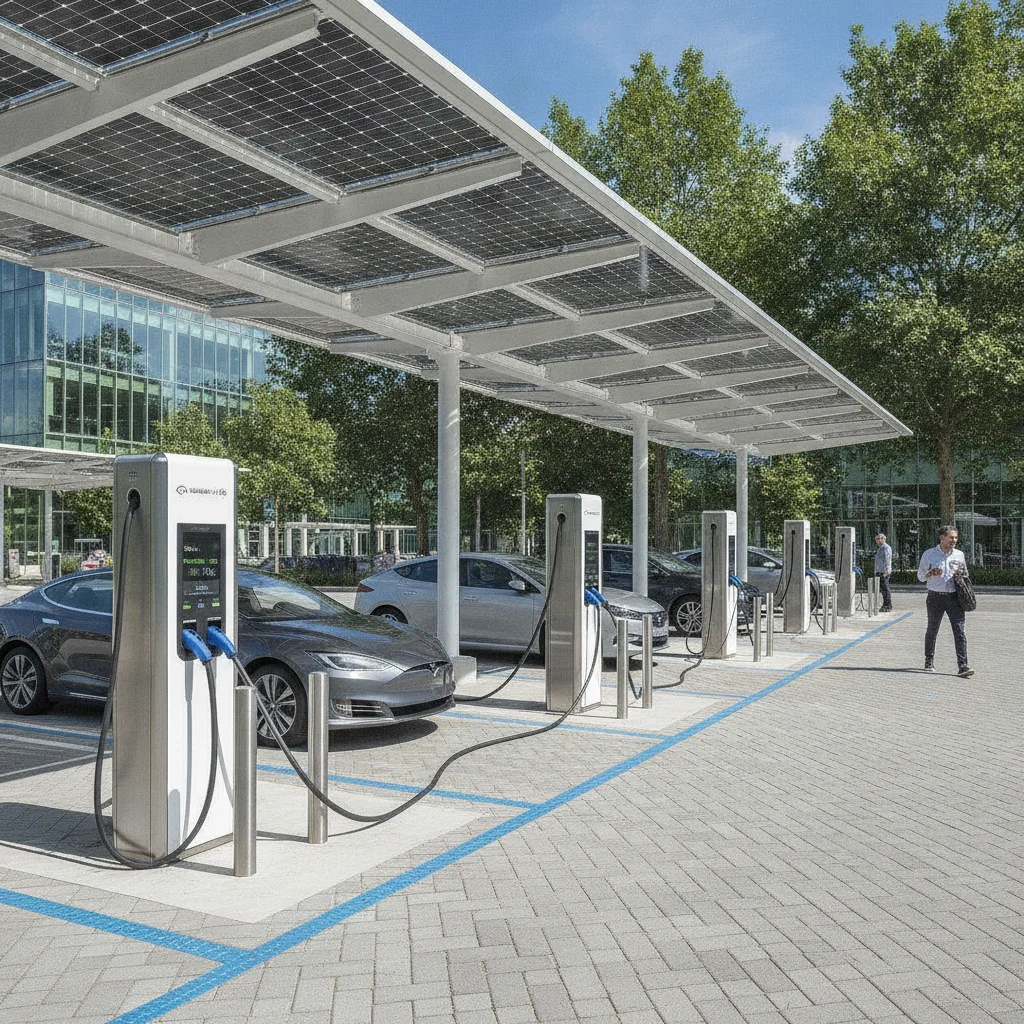
Marriott, Hilton, Whole Foods, IKEA, and hundreds of other retailers and hospitality brands have installed Level 2 destination chargers in their parking lots. These are typically managed through ChargePoint, Blink, or EVgo—and in most cases, they're genuinely free to use for customers or guests.
The catch isn't money—it's speed. A Level 2 charger at 6.2 kW adds about 20–25 miles of range per hour. If you're checking into a hotel for 10 hours, you might recover 200 miles—genuinely useful. If you're browsing IKEA for 90 minutes, you're adding roughly 30 miles, which is helpful as a topper but not a primary charging strategy for road-trippers.
Availability and Reliability Issues
Destination chargers are often installed as customer amenities rather than managed infrastructure. That means maintenance is inconsistent, chargers can be blocked by non-EV vehicles (ICE-ing), and the number of charging points at any given location rarely exceeds two to four. On a busy Saturday, a hotel's four Level 2 stalls may all be occupied before you check in.
The public charging network comparison hub has more detail on how destination networks compare to DC fast-charging infrastructure in terms of coverage and uptime statistics.
Automaker credits expire—often before full value is captured
Two-year or 250 kWh caps mean drivers who charge primarily at home may use only a fraction of available credits before the window closes, leaving value on the table.
Free chargers are slow and may require significant detours
Most non-DC-fast free charging is Level 2, adding 20–25 miles of range per hour. Routing out of your way to access it often erases the financial benefit.
Idle fees can turn free sessions into paid ones
Networks including Tesla and Electrify America charge per-minute idle fees after charging completes, even during promotional free-energy periods—these fees can reach $10–$20 per session.
Employer charging tax treatment is underexplored
The IRS's treatment of employer-provided EV charging as a fringe benefit is nuanced, and high-value workplace charging arrangements may technically constitute taxable income in some situations.
Network program terms change without notice
Promotional credits, referral bonuses, and partnership deals are contractually unstable—networks have altered, suspended, or eliminated programs with minimal advance warning to enrolled users.
Destination charger reliability is inconsistent
Hotel and retail chargers are often installed as amenities rather than managed infrastructure, leading to higher outage rates and frequent ICE-ing by non-EV vehicles.
Network Loyalty Credits and Referral Programs: Genuinely Free, Genuinely Limited
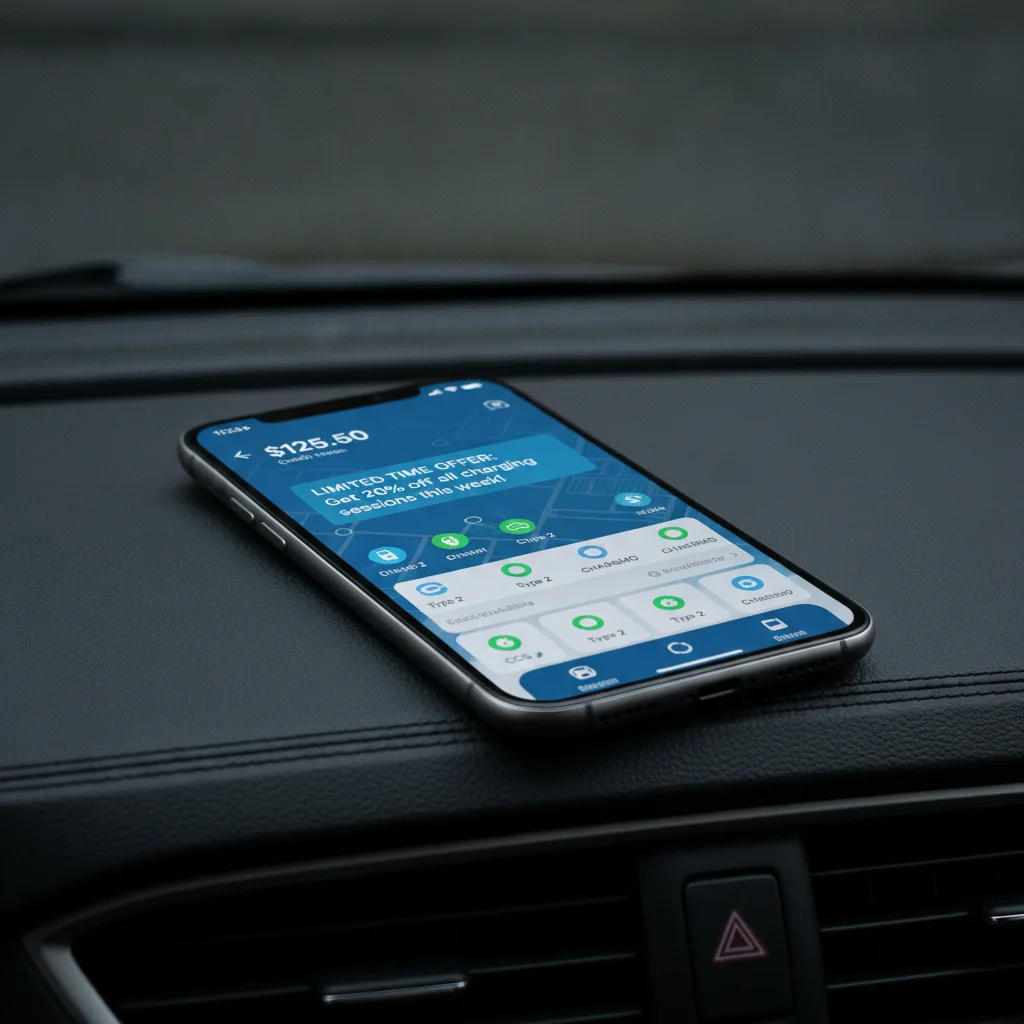
Charging networks including Electrify America, EVgo, ChargePoint, and Blink have all run referral programs, app-based promotions, or credit-back incentive structures. Electrify America has periodically issued credits through Volkswagen Group's settlement-funded stations. EVgo has offered free session credits to new account registrants. ChargePoint has run partner promotions tied to credit card rewards programs.
These are legitimate opportunities to reduce charging costs, but they share a common feature: they're unpredictable. Programs launch and expire without warning, credit amounts are modest (typically $5–$25), and the sessions they fund are often limited to specific station tiers or time windows. Counting on referral credits as a meaningful part of your charging budget is like counting on credit card sign-up bonuses to fund your grocery bill—useful when available, unreliable as a plan.
For a detailed look at which network membership plans—as opposed to credits—actually reduce long-term charging costs, the EV charging network membership analysis breaks down the math by usage volume.
Municipal and Government-Funded Public Stations
A smaller but genuinely free category: municipally owned public chargers, often Level 2, installed in city parking lots, transit hubs, or public libraries under federal or state grant funding. These are funded by programs such as the NEVI Formula Program or state-level transportation electrification initiatives. Charging is typically free or priced at cost recovery levels well below commercial network rates.
The challenge is density. Municipal chargers tend to cluster in urban cores and state capitals, leaving suburban and rural EV owners without reliable access. And as grant periods expire, some municipalities have begun introducing paid pricing to cover maintenance costs. Federal and state EV incentives covers which programs are currently funding free or subsidized public charging infrastructure in your state.
Hidden Costs Buried in 'Free' Charging
Even when the electricity itself is free, charging has costs that don't appear on any invoice. Time is the most significant. A free Level 2 charger an hour out of your way may cost you more in lost time—and extra miles of wear on the vehicle—than simply paying $0.30 per kWh at a nearby fast charger.
Idle Fees Are Real
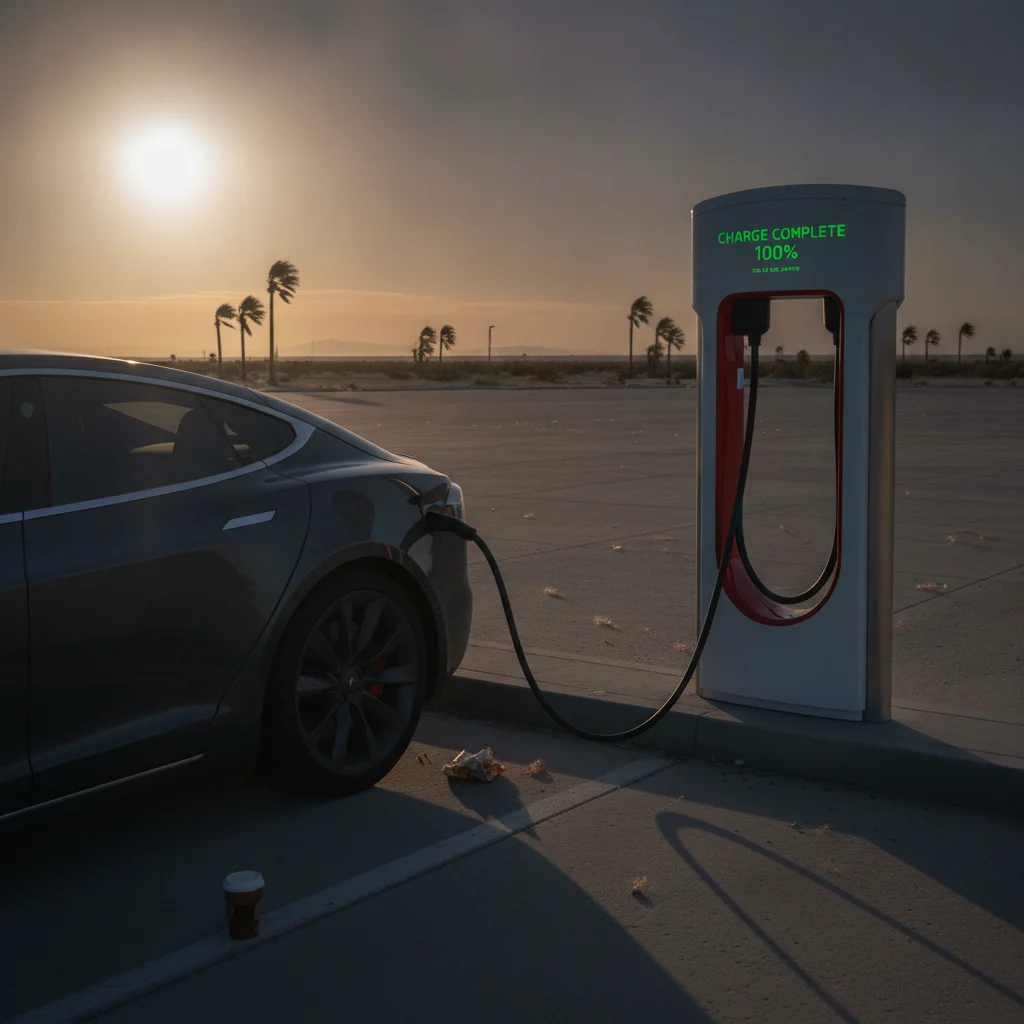
Tesla Superchargers charge idle fees once your vehicle reaches full charge and a stall is occupied. Even during promotional free-charging periods, idle fees may still apply—the 'free' applies to the energy cost, not the penalty for occupying a stall after charging completes. Electrify America has implemented similar fees at busy stations. These fees range from $0.40 to $1.00 per minute and can add $10–$20 to a 'free' session if you step away from your car.
The Detour Cost
Routing to a free charger adds miles to your trip. Those extra miles consume electricity, accelerate tire wear, and cost time. A rough rule of thumb: if a free charger adds more than 15 minutes of total detour time (driving plus waiting), a paid charger along your original route is almost always the better economic choice for most drivers.
Misunderstandings about what free charging really costs are common among new EV owners. The EV charging cost myths explainer addresses this and several related misconceptions in detail.
Long-Term Ownership Math
Free charging incentives that expire after two years represent a real but time-bounded benefit. When calculating the five-year ownership cost of your EV, assuming free charging indefinitely inflates the savings calculation significantly. The five-year EV ownership cost analysis builds a more accurate model that treats bundled charging credits as a depreciating asset rather than a permanent fixture.
How to Build a Realistic 'Free Charging' Strategy
None of this means free charging should be dismissed—it's real money, and smart EV owners should capture as much of it as possible. The key is treating each source honestly and building a layered approach that doesn't depend on any single program surviving indefinitely.
Tier Your Sources by Reliability
- Tier 1 – Structural (most reliable):
- Workplace Level 2 charging. Available every workday, no expiration, no network dependency. Prioritize negotiating this benefit if your employer doesn't already offer it.
- Tier 2 – Time-bounded (use actively before expiration):
- Automaker-bundled DC fast charging credits. Set a calendar reminder for 60 days before expiration and plan longer trips to maximize remaining credit value.
- Tier 3 – Opportunistic (capture when convenient):
- Hotel destination charging, retail Level 2 chargers, referral credits. Plug in when you're already stopping—don't detour for them.
- Tier 4 – Supplement (check availability in your area):
- Municipal public chargers. Useful if one is near your regular route; unreliable as a primary source.
Set a baseline charging budget using home electricity costs as your reference rate, then treat every free kWh you capture above that as a genuine discount. That mental model keeps your financial planning grounded even as free programs come and go.
For drivers focused on the insurance side of EV ownership costs, the EV insurance cost guide explains how coverage decisions interact with the broader ownership cost equation.
All claims are backed by peer-reviewed research. Sources on request.