Key Takeaways
Meaningful per-kWh savings for frequent public charger users
Member rates at major networks can be 20–40% lower than pay-as-you-go prices, translating to real dollar savings that accumulate quickly for high-mileage drivers who rely on public infrastructure.
Predictable charging costs for budgeting
A fixed monthly fee combined with a known discounted rate makes it easier to forecast monthly EV energy costs, particularly valuable for rideshare drivers or business owners managing a small EV fleet.
Session fee waivers add up on Level 2 networks
Some networks charge non-members a per-session initiation fee on top of energy costs; membership eliminates this, which benefits drivers who make multiple shorter charging stops rather than fewer long fast-charge sessions.
Access to member-exclusive perks and priority features
Certain memberships include idle-fee grace period extensions, early access to new station locations, or bonus kWh credits on signup — perks that have tangible value in high-demand urban markets.
Particularly valuable for drivers without home charging
EV owners in apartments or older housing without 240V outlet access use public charging for nearly all their energy needs, making the high monthly volume required to break even easily achievable.
Low-volume users rarely recoup the monthly fee
Drivers who charge primarily at home and use public chargers only occasionally may never reach the break-even threshold, effectively paying a monthly fee for a discount they don't use often enough to profit from.
Savings are locked to a single network's stations
A membership discount only applies when you use that specific network's chargers; if your route takes you to a competitor's station, you pay full non-member rates, diluting the overall value of the subscription.
Pricing structures change without warning
Networks have revised member and non-member rates multiple times in recent years, which can erode or eliminate the discount you calculated when you first subscribed — especially problematic on annual plans.
Stacking multiple memberships rarely makes financial sense
Subscribing to two or three networks to cover different corridors multiplies your fixed costs, and most drivers cannot generate enough volume on each individual network to justify more than one subscription simultaneously.
Annual commitment risk if usage habits change
Life changes — a move, a new workplace with free charging, or a shift to a plug-in hybrid — can dramatically reduce your public charging volume mid-year, leaving you paying for a membership you no longer benefit from.
Per-minute plans obscure the true cost savings
When a network charges by the minute rather than per kWh, the member discount's real value depends on your car's charging speed — a variable that's hard to predict and easy to miscalculate when comparing plans.
Our Verdict
Charging network membership plans are a genuine money-saver for drivers who rely heavily on public infrastructure — specifically those logging more than 60–80 kWh of public charging each month. For the average EV owner who tops up primarily at home and uses public chargers sporadically, the monthly fee typically outpaces the discount. The math is straightforward once you know your habits, and doing that calculation before subscribing is the only way to know which side of the break-even line you land on.
Best for EV drivers without reliable home charging, frequent long-distance road trippers, and commercial EV operators who use public DC fast chargers multiple times per week.
What Charging Network Memberships Actually Offer
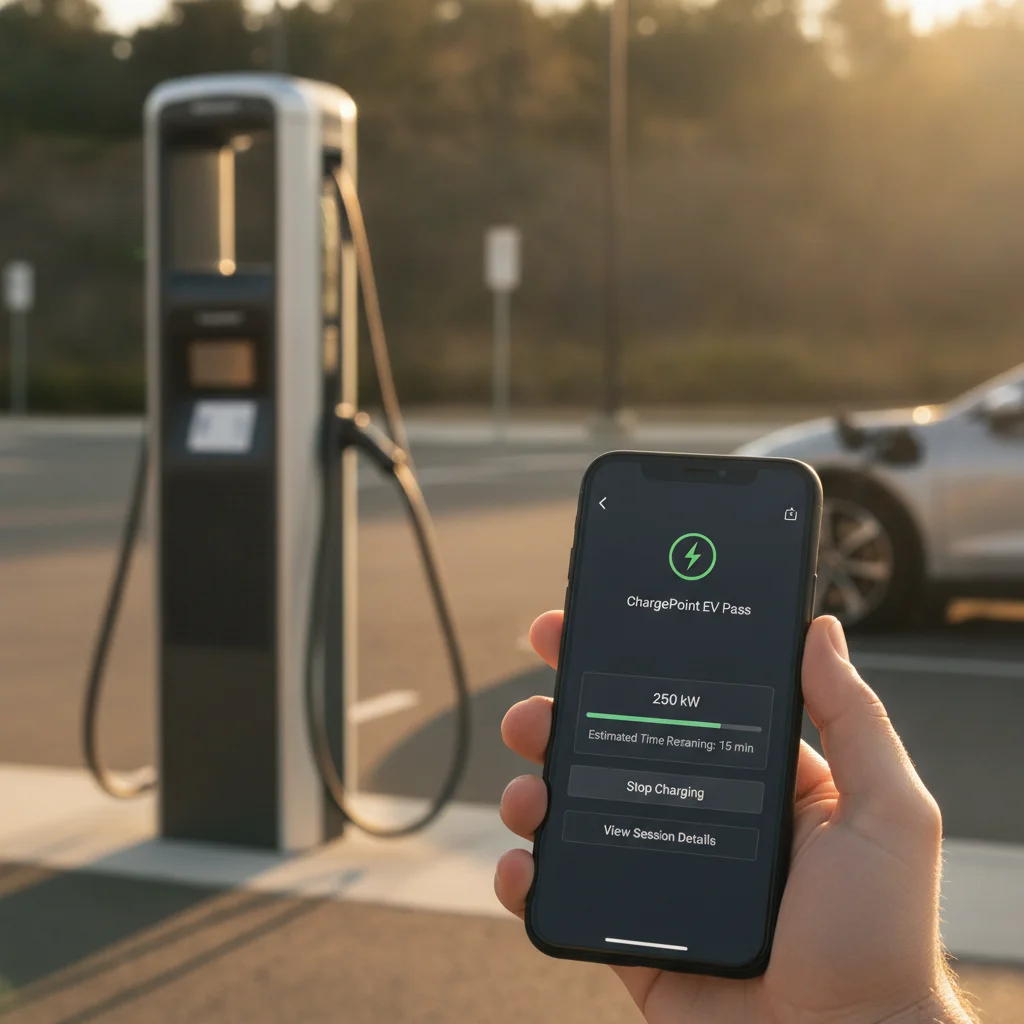
Public EV charging in the United States is sold through a patchwork of competing networks — ChargePoint, Blink, EVgo, Electrify America, and dozens of regional operators among them. Most of these companies now offer a tiered access model: a pay-as-you-go rate available to anyone, and a discounted member rate available to subscribers who pay a recurring monthly or annual fee.
The membership proposition is simple in concept. You pay a flat monthly fee — typically between $4 and $10 — and in exchange you receive a reduced rate on every charging session. Some networks cut their per-kWh price by as much as $0.10–$0.15/kWh for members. Others reduce per-minute fees by 20–30%, or waive session initiation charges that non-members pay each time they plug in.

Beyond rate discounts, memberships sometimes bundle in additional perks: priority access to high-demand stations, extended idle-fee grace periods, or bonus credits applied to your account. Understanding exactly what you're buying — and what the non-member alternative costs — is the starting point for any honest evaluation. For a deeper look at how the underlying pricing structures work, see how charging pricing models work across major networks.
Pricing Data Changes Frequently
The specific rate figures cited in this article reflect publicly available network pricing as of mid-2024 and are used for illustrative purposes. Charging networks adjust their member and non-member rates regularly — sometimes without advance notice. Always verify current pricing directly in the network's app or website before making a subscription decision.
Some EVs Include Free or Discounted Network Access
Certain vehicle purchase agreements include complimentary charging credits or discounted membership access to specific networks — Hyundai, Kia, and BMW have all offered Electrify America session credits as purchase incentives. Before subscribing to a paid plan, check whether your vehicle came with any bundled network benefits that might cover a portion of your public charging needs.
The Break-Even Calculation: When a Membership Pays Off
The core question is arithmetic, not brand loyalty. For any given network, the break-even point is the monthly charging volume at which the member discount exactly offsets the subscription fee. Beyond that threshold, every kilowatt-hour makes you money. Below it, the membership costs you more than it saves.
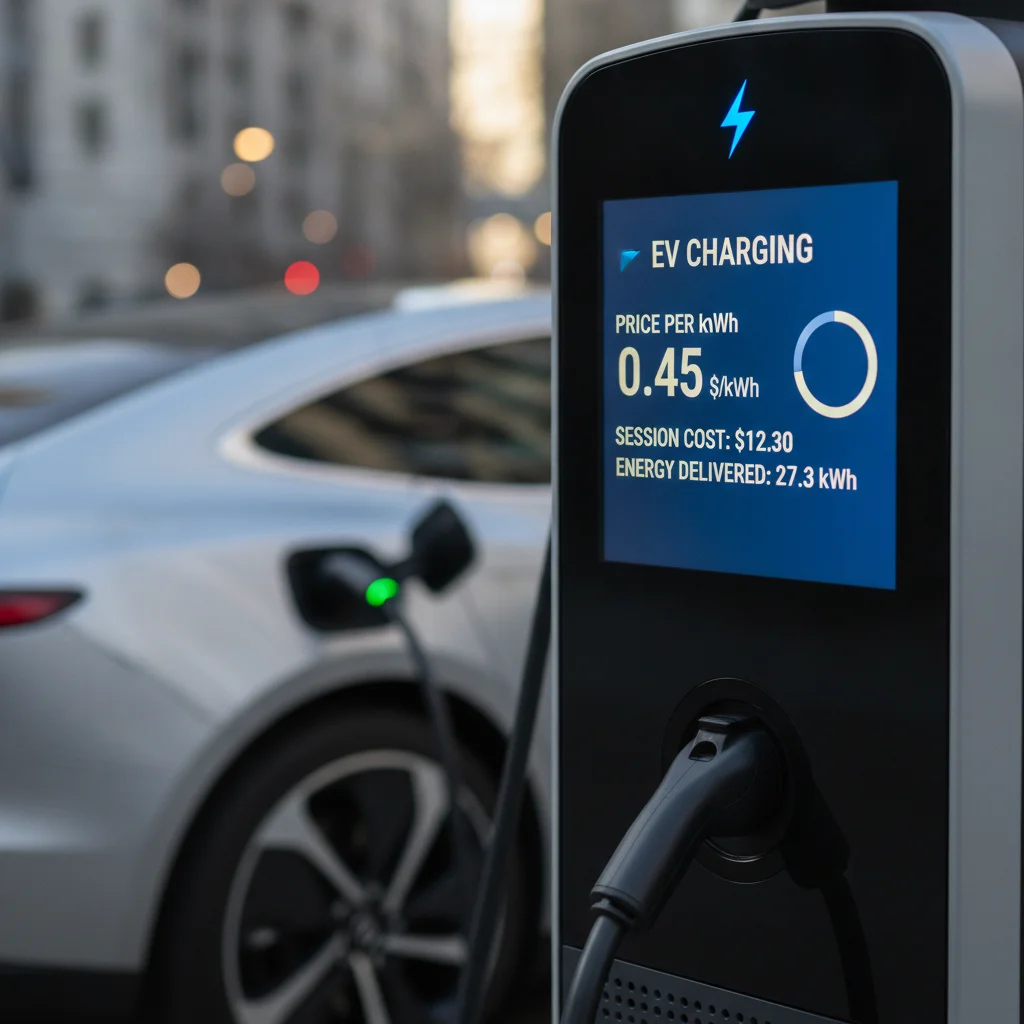
Consider a simplified example using Electrify America's structure. At time of writing, non-members pay roughly $0.48/kWh at DC fast chargers. Pass+ members pay $0.36/kWh after a $4/month subscription. The discount per kWh is $0.12. Divide the monthly fee ($4) by the per-kWh savings ($0.12), and you get a break-even threshold of approximately 33 kWh per month on that network specifically.
~$0.12/kWh
Typical member vs. non-member rate discount
Analysis of major network pricing tiers in 2024 shows member discounts of $0.08–$0.15/kWh at DC fast chargers, depending on the network and location.
33–83 kWh
Monthly kWh needed to break even on membership
Break-even thresholds vary by network fee and discount size; a $4/month fee at $0.12/kWh savings requires ~33 kWh, while a $10/month fee at the same discount requires ~83 kWh.
$4–$10
Typical monthly membership fee range
ChargePoint, EVgo, Electrify America, and Blink all offer monthly subscriber plans priced between $4 and $10 as of mid-2024.
30%
U.S. EV owners without home charging access
A 2023 J.D. Power survey estimated roughly 30% of U.S. battery-electric vehicle owners lack consistent access to overnight home charging, making them primary candidates for network memberships.
20–40%
Rate reduction for members vs. pay-as-you-go
Network membership discounts across the major U.S. public charging operators range from 20% to 40% off non-member per-kWh or per-minute rates, based on published 2024 tariff data.
That sounds manageable — 33 kWh is roughly enough to add 100–130 miles of range to a midsize EV. But the critical phrase is on that network specifically. If you split your public charging across three or four networks, the 33 kWh figure must come entirely from Electrify America stations for the math to work. Distributed charging habits dilute the benefit of any single membership.
Per-minute pricing adds complexity. Networks like Blink that charge by the minute rather than by the kilowatt-hour make the break-even calculation dependent on your vehicle's actual charging speed. A slower-charging vehicle pays more per kWh on a per-minute plan, so its break-even threshold for a membership is lower — the discount is proportionally more valuable. Calculate your specific break-even numbers before committing to a subscription.
Pros of Charging Network Membership Plans
For the right driver profile, membership plans offer meaningful and predictable advantages that compound over time.
Meaningful per-kWh savings for frequent public charger users
Member rates at major networks can be 20–40% lower than pay-as-you-go prices, translating to real dollar savings that accumulate quickly for high-mileage drivers who rely on public infrastructure.
Predictable charging costs for budgeting
A fixed monthly fee combined with a known discounted rate makes it easier to forecast monthly EV energy costs, particularly valuable for rideshare drivers or business owners managing a small EV fleet.
Session fee waivers add up on Level 2 networks
Some networks charge non-members a per-session initiation fee on top of energy costs; membership eliminates this, which benefits drivers who make multiple shorter charging stops rather than fewer long fast-charge sessions.
Access to member-exclusive perks and priority features
Certain memberships include idle-fee grace period extensions, early access to new station locations, or bonus kWh credits on signup — perks that have tangible value in high-demand urban markets.
Particularly valuable for drivers without home charging
EV owners in apartments or older housing without 240V outlet access use public charging for nearly all their energy needs, making the high monthly volume required to break even easily achievable.
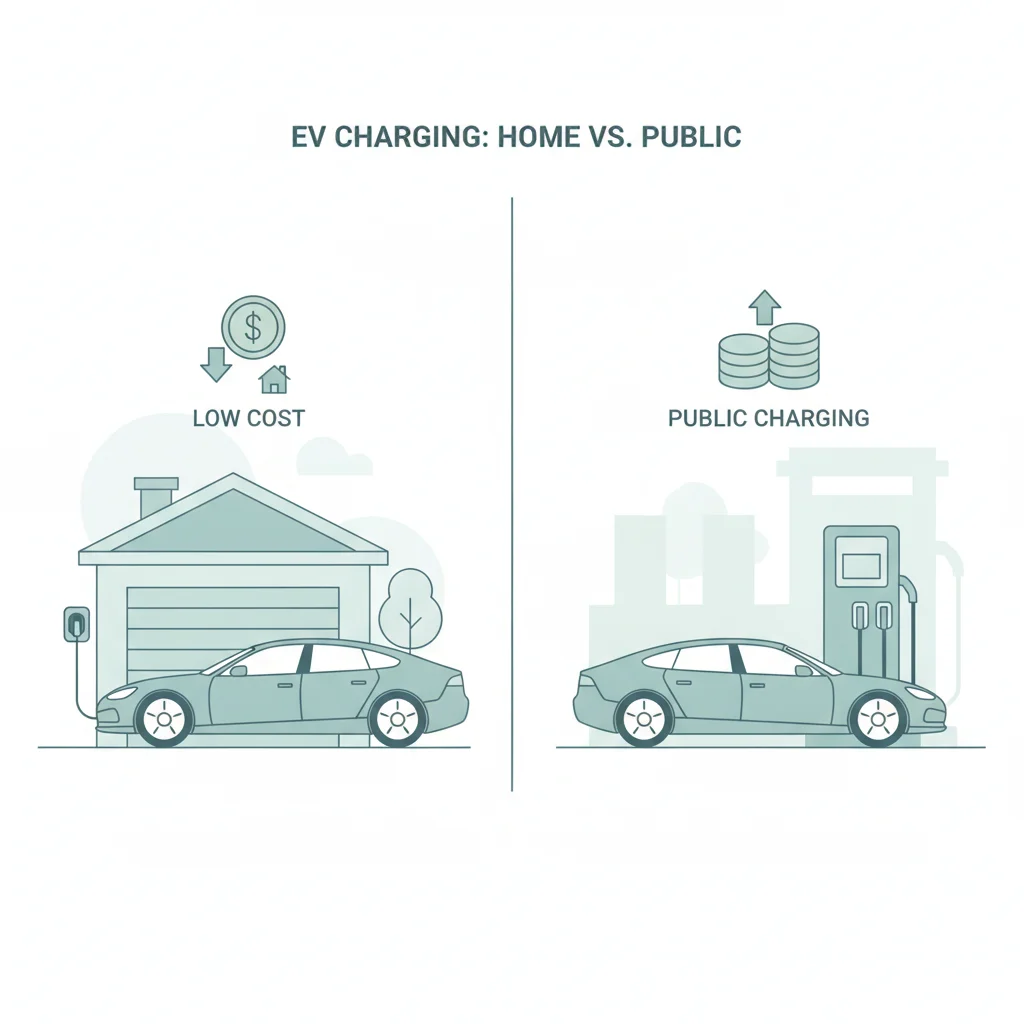
The financial case strengthens considerably for drivers who have no access to home charging — apartment renters, condo residents without dedicated parking, or those in older housing stock that can't support a 240V circuit. For these drivers, all charging is public charging, and the volume required to clear the break-even threshold is almost always reached. The real per-mile cost difference between home and public charging is already significant; a membership at least narrows the gap.
Cons of Charging Network Membership Plans
The disadvantages are equally concrete, and they disproportionately affect drivers who underestimate how often they actually use a given network's stations.
Low-volume users rarely recoup the monthly fee
Drivers who charge primarily at home and use public chargers only occasionally may never reach the break-even threshold, effectively paying a monthly fee for a discount they don't use often enough to profit from.
Savings are locked to a single network's stations
A membership discount only applies when you use that specific network's chargers; if your route takes you to a competitor's station, you pay full non-member rates, diluting the overall value of the subscription.
Pricing structures change without warning
Networks have revised member and non-member rates multiple times in recent years, which can erode or eliminate the discount you calculated when you first subscribed — especially problematic on annual plans.
Stacking multiple memberships rarely makes financial sense
Subscribing to two or three networks to cover different corridors multiplies your fixed costs, and most drivers cannot generate enough volume on each individual network to justify more than one subscription simultaneously.
Annual commitment risk if usage habits change
Life changes — a move, a new workplace with free charging, or a shift to a plug-in hybrid — can dramatically reduce your public charging volume mid-year, leaving you paying for a membership you no longer benefit from.
Per-minute plans obscure the true cost savings
When a network charges by the minute rather than per kWh, the member discount's real value depends on your car's charging speed — a variable that's hard to predict and easy to miscalculate when comparing plans.
There's also a strategic problem: the EV charging landscape is still in rapid flux. Network pricing, station density, and even business models can change faster than annual subscription commitments allow. Electrify America, for instance, has revised its member pricing structure multiple times in recent years. A membership that made strong financial sense when you signed up may become less competitive if the network adjusts its non-member rate downward or restructures its tiers. Staying flexible is a legitimate defensive strategy — especially when free charging options remain available through some employers, destinations, and vehicle purchase incentives.
Who Benefits Most — and Who Probably Shouldn't Subscribe
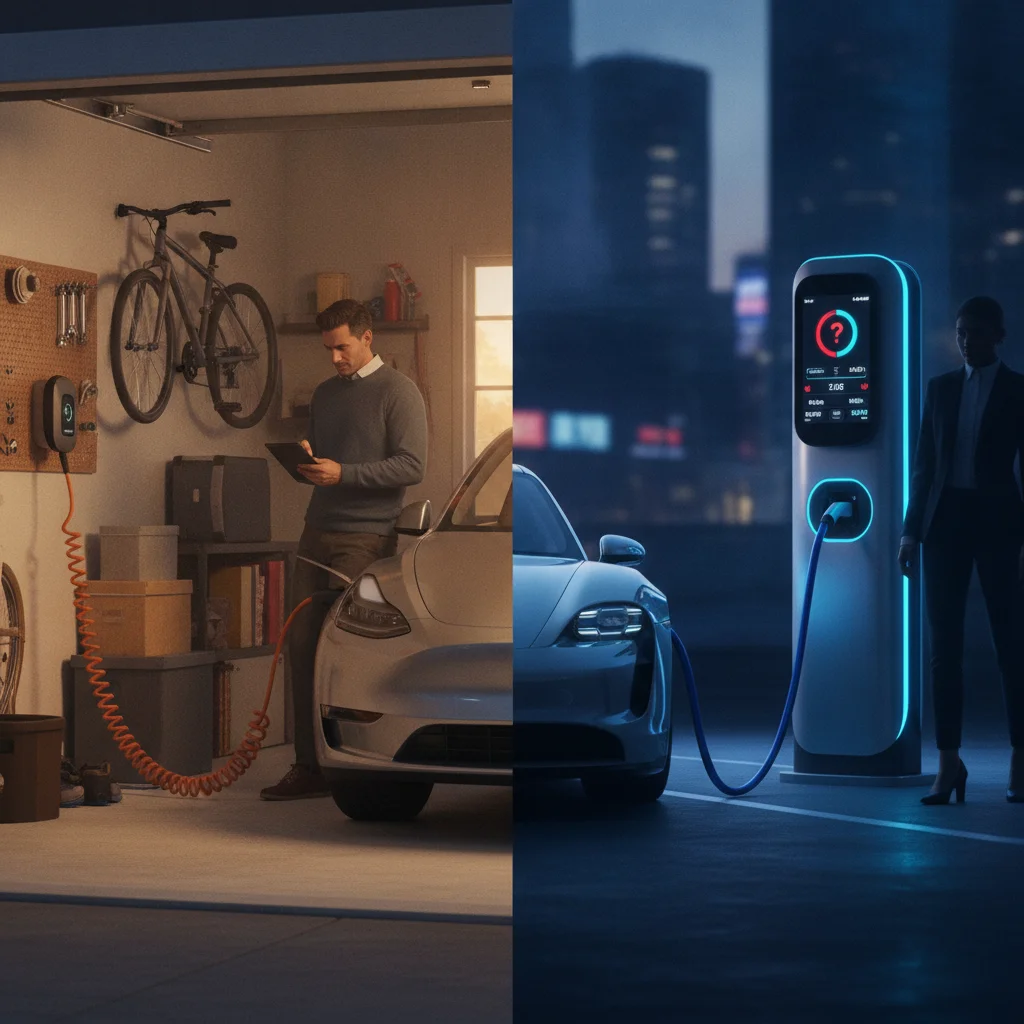
Driver profiles matter enormously here. Two EV owners with identical vehicles can face completely different membership math based on where they live, how far they drive, and how their home charging situation is set up.
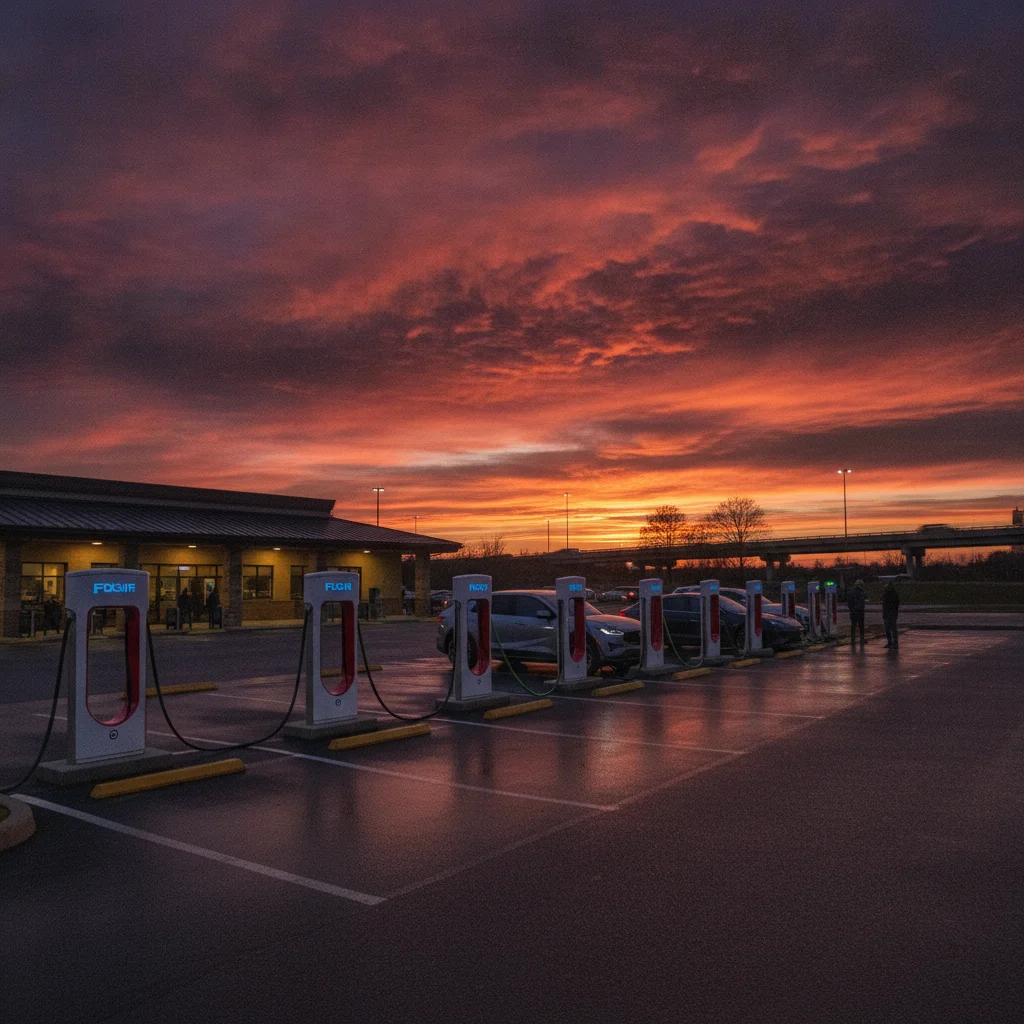
Strong candidates for membership
- Apartment and condo dwellers who rely on public charging for the majority of their energy needs
- Long-distance commuters using DC fast chargers two or more times per week on a consistent corridor
- Road trippers covering 500+ miles in a single journey, who will inevitably use a major fast-charging network repeatedly
- Commercial and rideshare EV drivers who accumulate charging sessions the way taxi fleets burn fuel
Poor candidates for membership
- Home charger owners who use public charging only on occasional weekend trips
- Urban drivers with short commutes who rarely deplete enough range to need a public top-up
- Multi-network users whose public charging is spread thinly across several competing operators
- Drivers in areas where Tesla Supercharger access (now open to non-Tesla vehicles) or free destination charging covers most needs
If you fall into the second category but still want to reduce public charging costs, optimizing your home rate through time-of-use electricity pricing will almost always deliver greater savings than a network membership.
Evaluating Specific Networks: Key Variables to Compare
No two network memberships are structured identically, and comparing them requires looking beyond the headline discount. The following variables determine real-world value:
- Member vs. non-member rate differential
- The dollar-per-kWh or cents-per-minute gap. A larger differential means a lower break-even threshold.
- Monthly fee
- Lower fees shrink the break-even requirement. A $4/month fee at a $0.10/kWh discount breaks even at 40 kWh; a $10/month fee at the same discount requires 100 kWh.
- Annual vs. monthly commitment
- Some networks offer annual memberships at a discount — worthwhile only if you're confident your usage pattern will hold across twelve months.
- Station density in your geography
- A network with excellent member rates but sparse stations in your region offers theoretical savings you'll rarely realize.
- Idle fees and session fees
- Some memberships waive session initiation fees or extend the idle-fee window before per-minute overstay charges kick in — perks with real dollar value in busy metro areas.
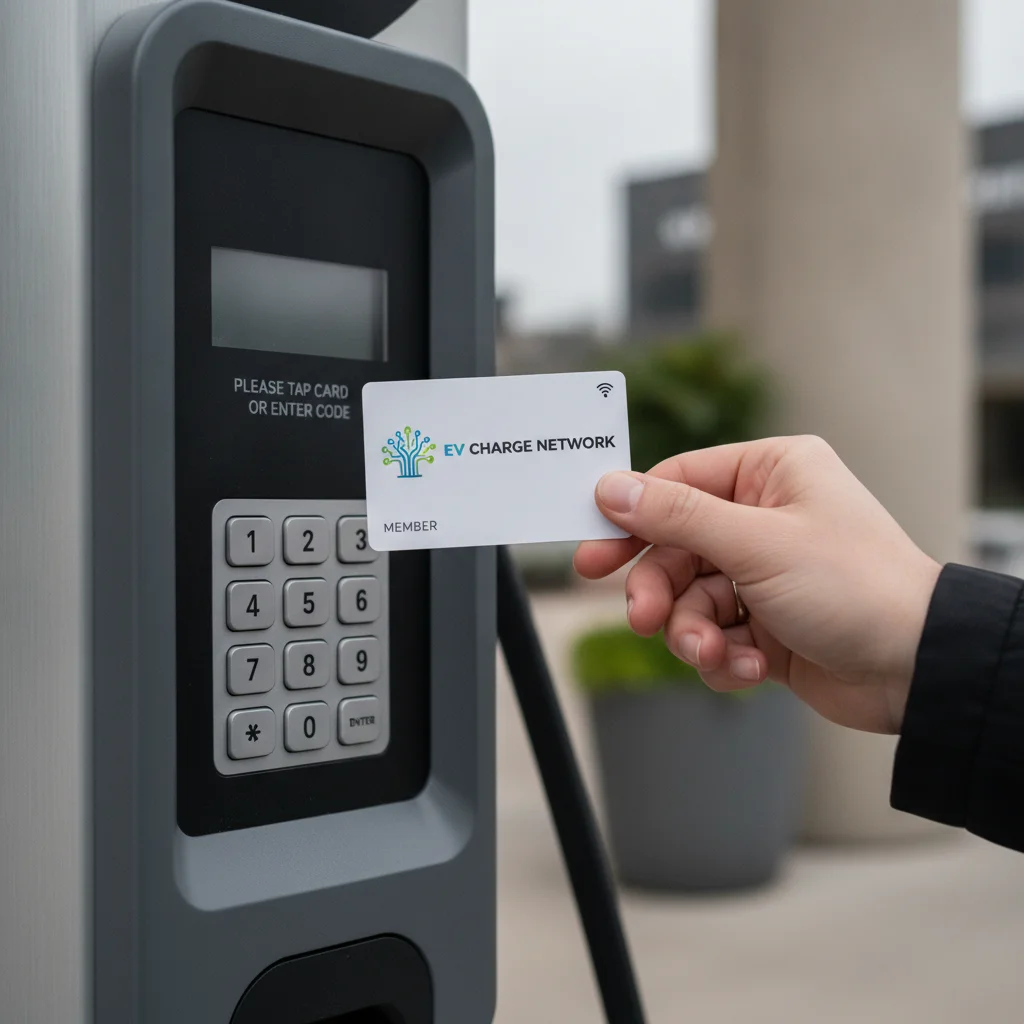
A practical approach: pull your last three months of charging data from your vehicle's app or your existing network account. Identify which network's stations you used, how many kWh you pulled from each, and what you paid. Then model the member rate against those same sessions. The difference is your prospective monthly savings — set it against the membership fee to confirm or reject the value case.
Can You Stack Memberships Across Multiple Networks?
The multi-network question comes up frequently, and the answer is almost always the same: stacking is rarely worth it for a single driver. The math that justifies one membership — consistent high-volume use of a single network — typically cannot be replicated across two or three networks simultaneously unless you're driving extraordinary distances.
There are narrow exceptions. A driver who commutes on a corridor served primarily by ChargePoint Level 2 stations and takes monthly road trips along an Electrify America fast-charging corridor might legitimately justify two memberships. But this requires disciplined tracking to ensure both break-even thresholds are hit month after month. More commonly, drivers who subscribe to multiple networks find that their usage naturally consolidates toward one as they optimize for cost — at which point the secondary memberships become pure overhead.
A more practical multi-network strategy is to subscribe to one network for a trial month, track your break-even performance rigorously, and only add a second subscription if a clear and persistent usage pattern emerges. Many networks offer no-commitment monthly billing precisely because they want the low barrier to trial — use that to your advantage rather than committing annually upfront.
For a comprehensive framework on reducing overall EV charging costs, the calculus always starts with understanding your baseline: how much you charge, where, and at what rate. Memberships are one lever in that optimization, not the whole strategy.
Making the Decision: A Practical Framework
Before signing up for any charging network membership, walk through these four steps:
- Audit your public charging history. Look at the past 90 days. Which network's chargers did you use? How many kWh did you pull in total from each?
- Calculate the break-even threshold. Divide the monthly membership fee by the per-kWh (or per-minute) discount to find the usage volume you must hit. If that figure exceeds your 90-day average, the membership won't pay off at your current habits.
- Check station density, not just the app map. Confirm that the network has sufficient coverage along your actual driving routes — both daily and for road trips — so the discounted rate is accessible when you need it.
- Start monthly, not annually. Lock in an annual subscription only after two or three months of membership confirm the break-even math is holding.
Charging network memberships are a legitimate savings tool — but only when applied with the same discipline you'd apply to any subscription service. The networks design their pricing to be profitable; your job is to verify that the math works in your favor before the billing cycle starts.
All claims are backed by peer-reviewed research. Sources on request.