Key Takeaways
Usage-Based Insurance (UBI)
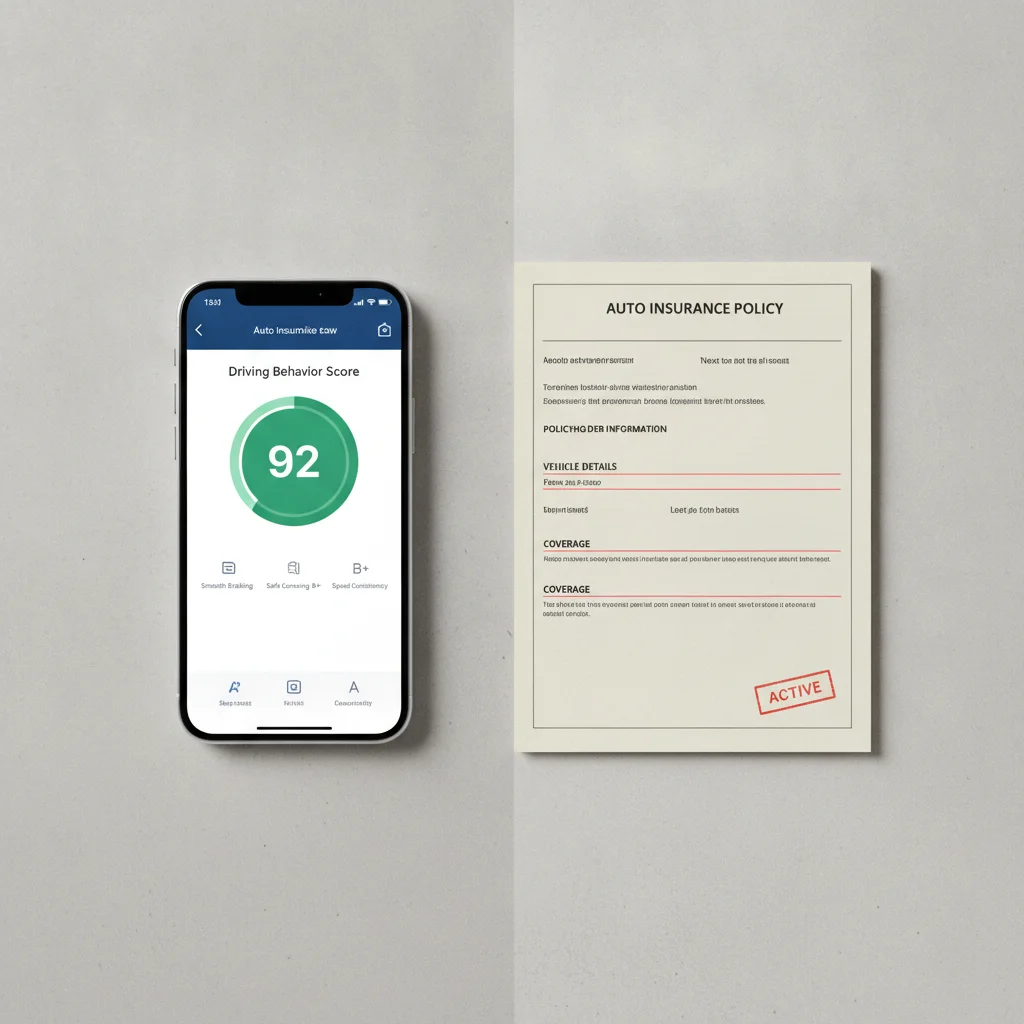
Usage-based insurance, also called telematics insurance, is an auto insurance pricing model where your premium is partly determined by how you actually drive rather than solely by demographic factors like age, ZIP code, or credit score. Insurers collect driving data — typically through a smartphone app or a plug-in device — and reward low-risk behaviors such as smooth braking, moderate speeds, and limited late-night driving with premium discounts.
UBI programs fall into two broad categories: behavior-based programs that adjust rates based on driving quality metrics, and pay-per-mile programs that charge a flat base rate plus a per-mile fee. Some insurers blend both elements into a single product.
What Is Telematics Insurance and How Does It Work?
For most of auto insurance's history, your rate has been set using a statistical profile built from factors you can't change in the short term: your age, your ZIP code, your credit score, your vehicle, and your claims history. Usage-based insurance flips part of that equation. Instead of inferring risk from demographics, the insurer measures your actual driving — and prices your policy accordingly.
The mechanics are straightforward. When you enroll in a UBI program, your insurer collects driving data through one of two channels:
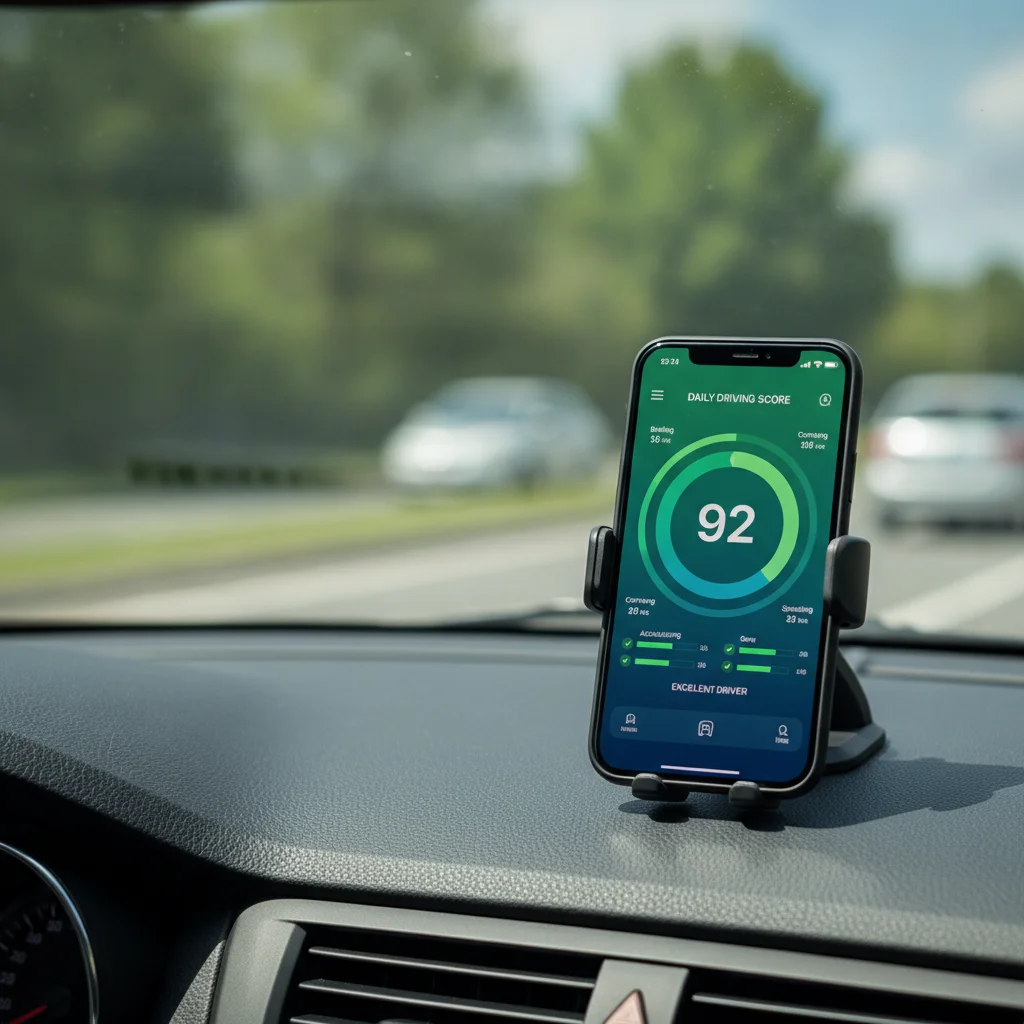
- A smartphone app — the more common approach today. The app runs in the background while you drive and uses your phone's accelerometer, GPS, and gyroscope to detect driving events.
- A plug-in OBD-II device — a small dongle that plugs into the diagnostic port under your dashboard (present in nearly all cars built after 1996). It transmits vehicle speed and behavior data directly to the insurer.
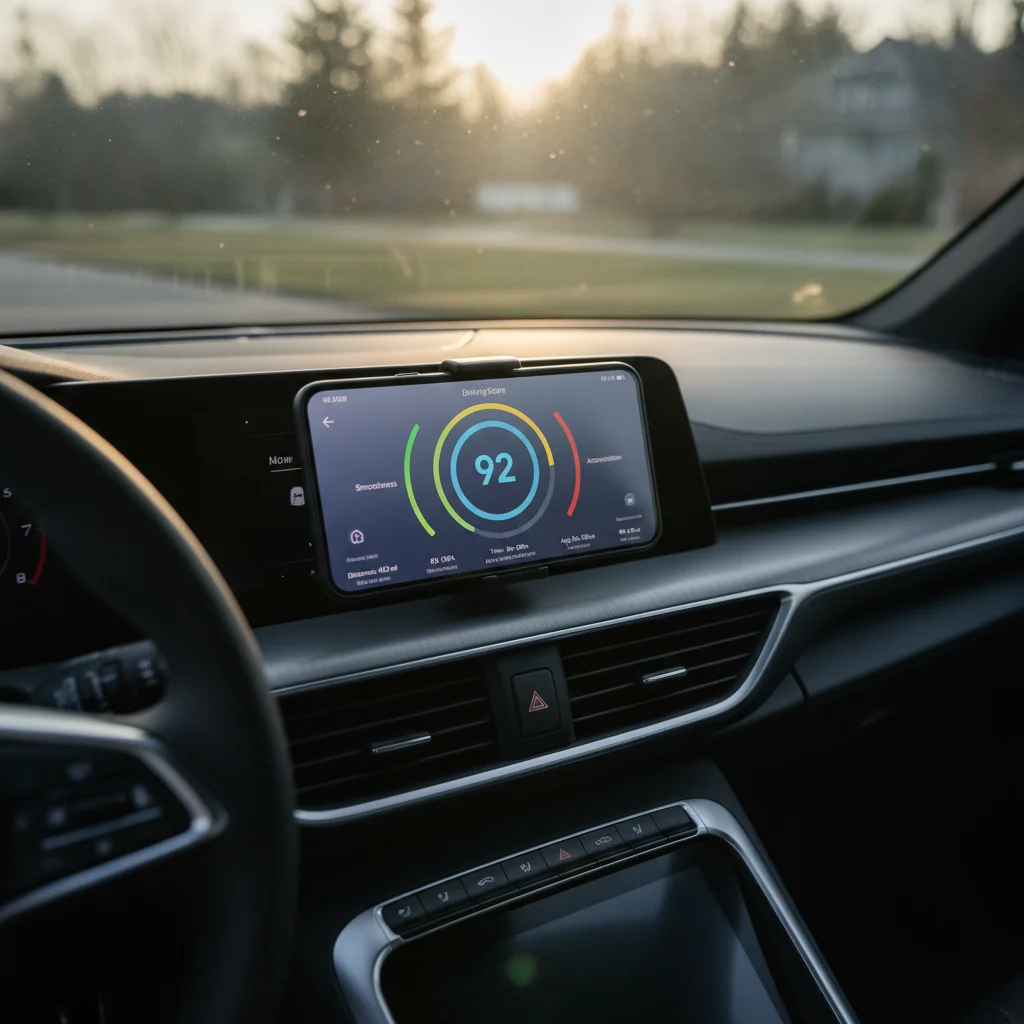
After a monitoring period — typically 90 days for the initial enrollment phase — the insurer calculates a driving score and applies a corresponding discount or adjustment to your next renewal premium. Some programs operate continuously, scoring every trip for as long as you remain enrolled.
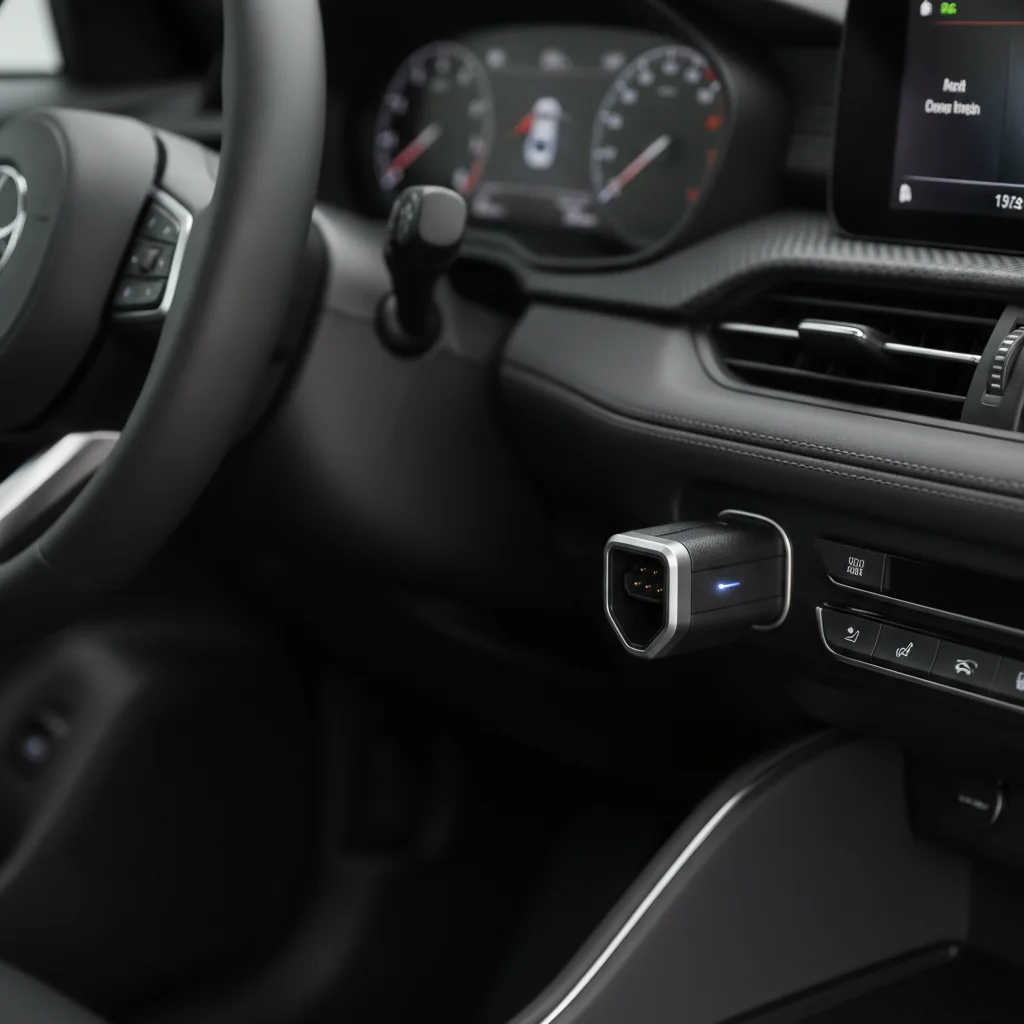
It's worth understanding that UBI programs are not one-size-fits-all. How UBI programs compare to traditional coverage is a separate question that depends on your mileage, your driving style, and how your insurer structures its scoring model.
What Telematics Programs Actually Measure
The specific signals tracked vary by insurer, but most behavior-based UBI programs score some combination of the following:
| Driving Signal | Why It Matters to Insurers | Typical Weight |
|---|---|---|
| Hard braking | Correlated with tailgating and inattention | High |
| Rapid acceleration | Associated with aggressive driving patterns | Medium |
| Time of day | Late-night miles carry higher accident risk | Medium–High |
| Speeding | Direct collision severity predictor | High |
| Phone distraction | Handheld use dramatically increases crash risk | High (growing) |
| Miles driven | More exposure means higher statistical risk | Medium |
| Cornering force | Indicates aggressive lane changes or curves | Low–Medium |
Hard braking is consistently the highest-weighted signal across most programs. A single panic stop won't tank your score, but a pattern of late braking events — especially in low-speed urban traffic — signals inattentive driving to the algorithm.
Scoring Algorithms Are Not Transparent
Insurers do not publish the exact weights assigned to each driving signal, and scoring models vary by state due to regulatory differences. Two drivers with seemingly similar habits may receive different scores depending on their route types, vehicle class, and the specific version of the program active in their state. When in doubt, ask your insurer which behaviors carry the most weight in your state's program before enrolling.
Data Retention Varies Widely by Insurer
Some insurers retain telematics data for the life of the policy; others purge it after a defined period. Your data may be accessible to claims adjusters investigating an accident, and in some states it can be subpoenaed in litigation. Review the privacy policy of your specific program — not just the marketing summary — before you opt in.
If you want a granular breakdown of how each metric is scored, see our article on what telematics actually measures. Understanding the scoring methodology before you enroll is one of the best ways to avoid an unpleasant surprise at renewal.
Up to 40%
Maximum discount available at some insurers
Allstate Drivewise and Nationwide SmartRide both advertise maximum discounts of up to 40% for top-scoring drivers in eligible states.
5%–10%
Typical guaranteed enrollment discount
Most major UBI programs offer an immediate premium reduction simply for signing up, before any driving data is collected.
20%
Average discount for safe-driver participants
According to industry analyses, the average UBI participant who completes the monitoring period earns approximately 15%–20% off their premium.
1 in 4
U.S. auto insurance policies with telematics
A 2023 LexisNexis Risk Solutions report estimated that roughly 25% of U.S. personal auto policies now involve some form of telematics or usage-based rating.
90 days
Typical initial monitoring period length
Most behavioral UBI programs use a 90-day window to generate an initial driving score before applying the performance discount at the first eligible renewal.
The Discount Structure: What You Can Realistically Expect
Telematics discounts are structured in layers. Most programs offer two distinct components:
- Enrollment discount: A guaranteed reduction — often 5%–10% — simply for agreeing to participate. This reward is yours before any data is collected.
- Performance discount: An additional discount applied at renewal based on your actual driving score over the monitoring period. Top-tier safe drivers at carriers like Progressive (Snapshot), State Farm (Drive Safe & Save), and Allstate (Drivewise) can earn discounts in the 20%–40% range.
That said, the headline figures are for ideal-case drivers. A realistic expectation for a careful driver who doesn't drive late at night, avoids highway rush hour, and has smooth braking habits is a combined discount in the 15%–25% range. That's meaningful — on a $1,400 annual premium, a 20% discount is $280 back in your pocket each year.
Start with a Discount-Only Program
If you're new to telematics and uncertain about your driving score, start with an insurer whose program cannot raise your rates based on telematics data — such as State Farm, Allstate, or Nationwide. You capture the enrollment discount and any performance discount, with no downside risk to your premium. Once you understand how these programs score, you can evaluate whether switching to a higher-ceiling program makes sense.
Treat the First 90 Days as Your Scoring Window
Even in programs that score continuously, your initial monitoring period typically carries the most weight in establishing your baseline discount. During this window, be especially deliberate about braking smoothly, avoiding late-night driving, and putting your phone away. Small behavioral adjustments during this period can lock in a meaningfully higher discount.
There's also the question of rate floors and ceilings. Some programs — Allstate's Drivewise being a prominent example — promise that your rate will never increase due to poor telematics data, only decrease or stay flat. Others, including Progressive's Snapshot, have historically applied surcharges for risky driving behavior. Read the fine print specific to your insurer and state, since program rules vary by jurisdiction.
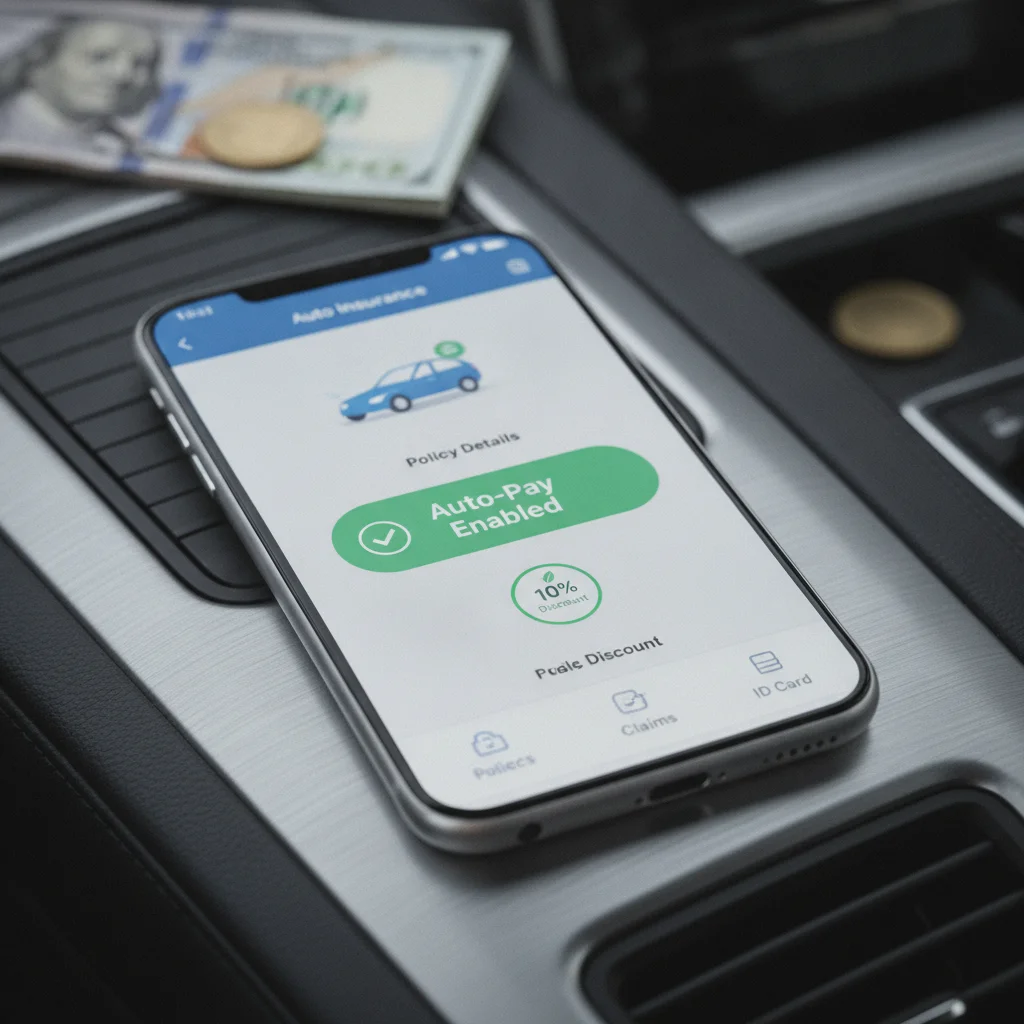
For context on how these discounts stack alongside other savings opportunities, see how paperless billing and auto-pay discounts can add up alongside a telematics enrollment discount.
Who Should — and Shouldn't — Opt In
Telematics programs are not universally beneficial. The right choice depends on your honest self-assessment of your driving patterns.
Strong candidates for UBI enrollment
- Low-mileage drivers — If you drive under 10,000 miles annually, the mileage component alone often produces meaningful savings. Drivers under 7,500 miles should also explore pay-per-mile insurance as an alternative.
- Remote workers and retirees — Driving primarily during off-peak daytime hours is algorithmically favorable. Avoiding the late-night risk window is one of the easiest ways to boost a telematics score.
- Young drivers with good habits — Base rates for drivers under 25 are high regardless of behavior. A UBI program gives a genuinely careful young driver a mechanism to demonstrate safety that traditional rating factors don't capture.
- City drivers with short commutes — Fewer total miles and predictable routes often produce favorable scores, as long as urban stop-and-go doesn't trigger excessive hard-braking events.
Drivers who should think twice
- Frequent highway drivers — Long-distance, late-night, or interstate drivers accumulate more risk flags. High-mileage commuters may see little discount benefit.
- Drivers who commute in heavy stop-and-go traffic — Bumper-to-bumper conditions generate hard-braking events even for attentive drivers, which can suppress your score unfairly.
- Anyone who drives professionally or irregularly — Rideshare drivers, shift workers with variable hours, or anyone with unpredictable schedules may find that their score is penalized by factors outside their control.

“Telematics is fundamentally a data asymmetry problem. The insurer gains enormous insight into your risk profile. The consumer gains a discount — but only if their behavior matches the algorithm's definition of safe. The exchange is worthwhile for the right driver, but you have to go in with your eyes open.”
— Robert Hartwig, Director, Risk and Uncertainty Management Center, University of South Carolina; former President of the Insurance Information Institute
Before opting in, it's worth reviewing how to participate in a telematics program wisely so you know which behaviors matter most and how to adjust your driving style during the scoring period.
Privacy Trade-Offs You Should Understand
Discounts are real, but so is the data exchange. Before enrolling, it's worth being clear-eyed about what you're agreeing to.
Telematics data is retained by the insurer and, depending on the privacy policy, may be shared with reinsurers, data analytics companies, or — under certain legal circumstances — law enforcement. If you're in an at-fault accident, the insurer may pull your telematics data to reconstruct the sequence of events. That data could work in your favor (proving you weren't speeding) or against it (showing a hard-braking event immediately before impact).
GPS data is particularly sensitive. Many programs log the routes you travel, not just the aggregate driving quality metrics. This means your insurer knows where you live, where you work, and where you regularly travel. Privacy-conscious drivers should read the data retention and sharing sections of the program's terms carefully before enrolling.
Scoring Algorithms Are Not Transparent
Insurers do not publish the exact weights assigned to each driving signal, and scoring models vary by state due to regulatory differences. Two drivers with seemingly similar habits may receive different scores depending on their route types, vehicle class, and the specific version of the program active in their state. When in doubt, ask your insurer which behaviors carry the most weight in your state's program before enrolling.
Data Retention Varies Widely by Insurer
Some insurers retain telematics data for the life of the policy; others purge it after a defined period. Your data may be accessible to claims adjusters investigating an accident, and in some states it can be subpoenaed in litigation. Review the privacy policy of your specific program — not just the marketing summary — before you opt in.
If you own an electric vehicle, the privacy calculus is worth examining separately. EVs already generate extensive onboard data, and pairing them with a UBI program adds another data layer. Our article on UBI and EVs covers the specific trade-offs for electric drivers.
Major Insurer Programs at a Glance
Each major carrier structures its UBI program differently. Here's a practical comparison of the most widely available options:
| Insurer | Program Name | Tracking Method | Max Discount | Can Rates Increase? |
|---|---|---|---|---|
| Progressive | Snapshot | App or plug-in device | Up to 30% | Yes (in most states) |
| State Farm | Drive Safe & Save | App or OnStar/SiriusXM | Up to 30% | No (discount-only) |
| Allstate | Drivewise | App | Up to 40% | No (discount-only) |
| Nationwide | SmartRide | App or plug-in device | Up to 40% | No (discount-only) |
| Liberty Mutual | RightTrack | App or plug-in device | Up to 30% | No (discount-only) |
Program availability varies by state, and insurer rules change — always verify current terms directly with your carrier. The surcharge risk at Progressive is a meaningful differentiator; if you're a higher-mileage driver or have any concern about your braking habits, a discount-only program from State Farm or Nationwide may be a safer starting point.
For a deeper look at how the data these programs collect translates into actual rate calculations, see how insurers use telematics data to price your policy.
Start with a Discount-Only Program
If you're new to telematics and uncertain about your driving score, start with an insurer whose program cannot raise your rates based on telematics data — such as State Farm, Allstate, or Nationwide. You capture the enrollment discount and any performance discount, with no downside risk to your premium. Once you understand how these programs score, you can evaluate whether switching to a higher-ceiling program makes sense.
Treat the First 90 Days as Your Scoring Window
Even in programs that score continuously, your initial monitoring period typically carries the most weight in establishing your baseline discount. During this window, be especially deliberate about braking smoothly, avoiding late-night driving, and putting your phone away. Small behavioral adjustments during this period can lock in a meaningfully higher discount.
How to Evaluate Whether a UBI Program Makes Sense for You
The decision to opt into telematics comes down to a few honest questions:
- How many miles do I drive annually? Under 10,000 miles is generally favorable. Under 7,500 miles, also model out a pay-per-mile program for comparison.
- What time of day do I typically drive? Daytime-only drivers have a significant scoring advantage over shift workers or frequent late-night drivers.
- How is my braking? Hard braking is the dominant signal in most scoring models. If you regularly drive aggressively or in high-density stop-and-go traffic, your score will reflect it.
- Do I use my phone while driving? An increasing number of programs now detect handheld phone use. If this is a habit, it's one to break before enrolling — or accept the score consequences.
- Does my insurer's program have a rate increase provision? This single question can change the calculus entirely. Discount-only programs carry no downside risk to your rate from telematics data.
If you run through those questions and feel confident in your profile, the enrollment discount alone is often worth it — you get a guaranteed reduction just for signing up. The performance discount on top of that is the meaningful upside for genuinely careful drivers.
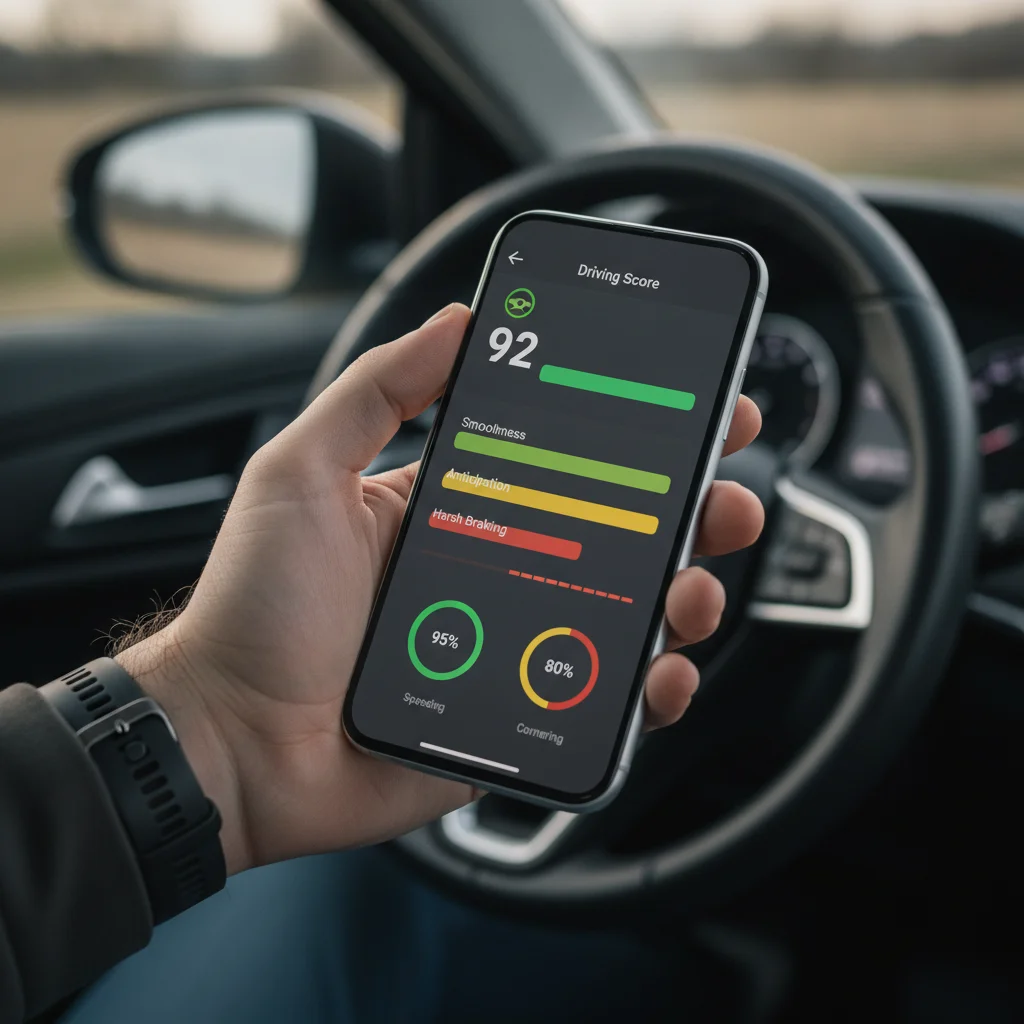
One final note: telematics discounts are stackable with other policy discounts in most cases. Combining a UBI enrollment with auto-pay and paperless billing discounts, a multi-policy discount, or a good-student discount can add up to meaningful annual savings without requiring you to change your coverage structure at all.

All claims are backed by peer-reviewed research. Sources on request.