Key Takeaways
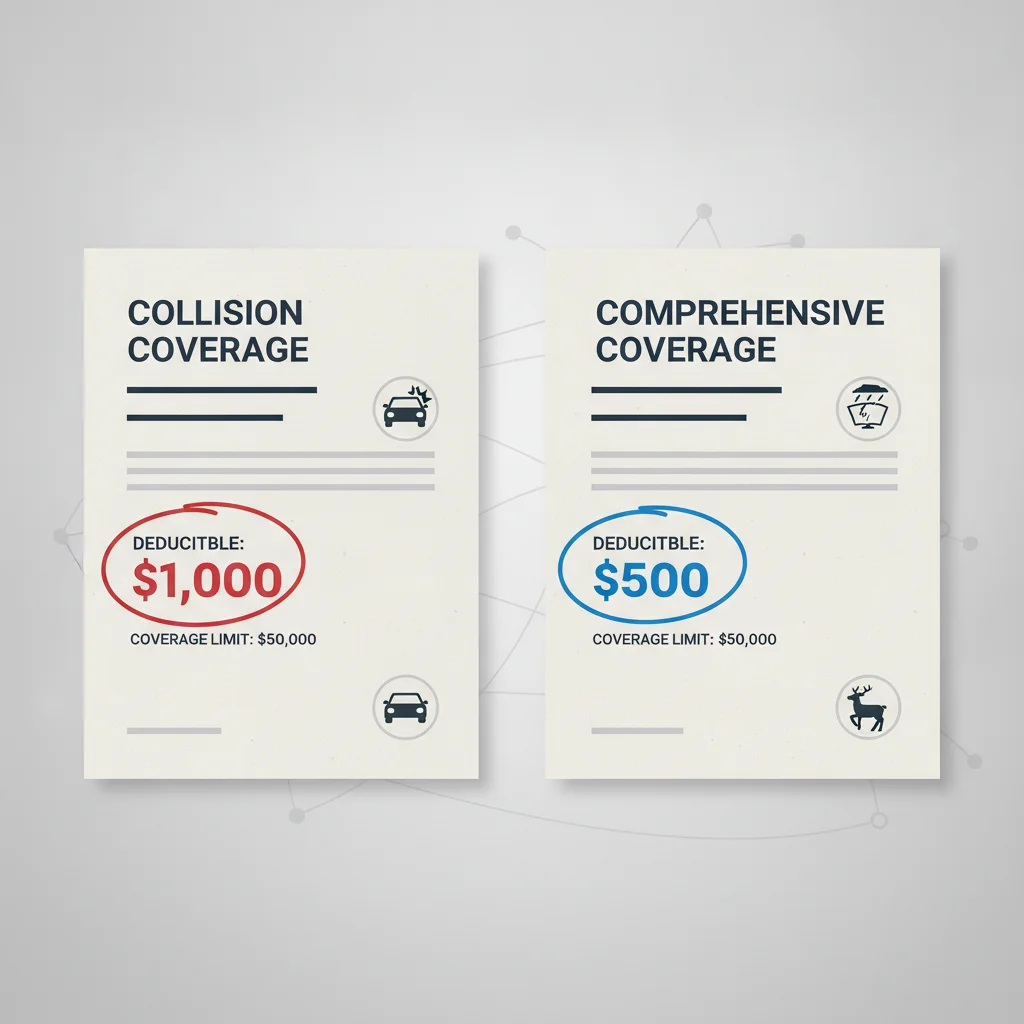
Option A
Collision Coverage
The coverage that kicks in when your car hits something — or something hits it.
Best for: Drivers who want protection after accidents involving another vehicle, a guardrail, a pothole, or any physical impact while driving.
Option B
Comprehensive Coverage
The coverage that steps in when damage happens outside of driving collisions.
Best for: Drivers who want protection from weather events, theft, vandalism, animal strikes, and other non-collision incidents beyond their control.
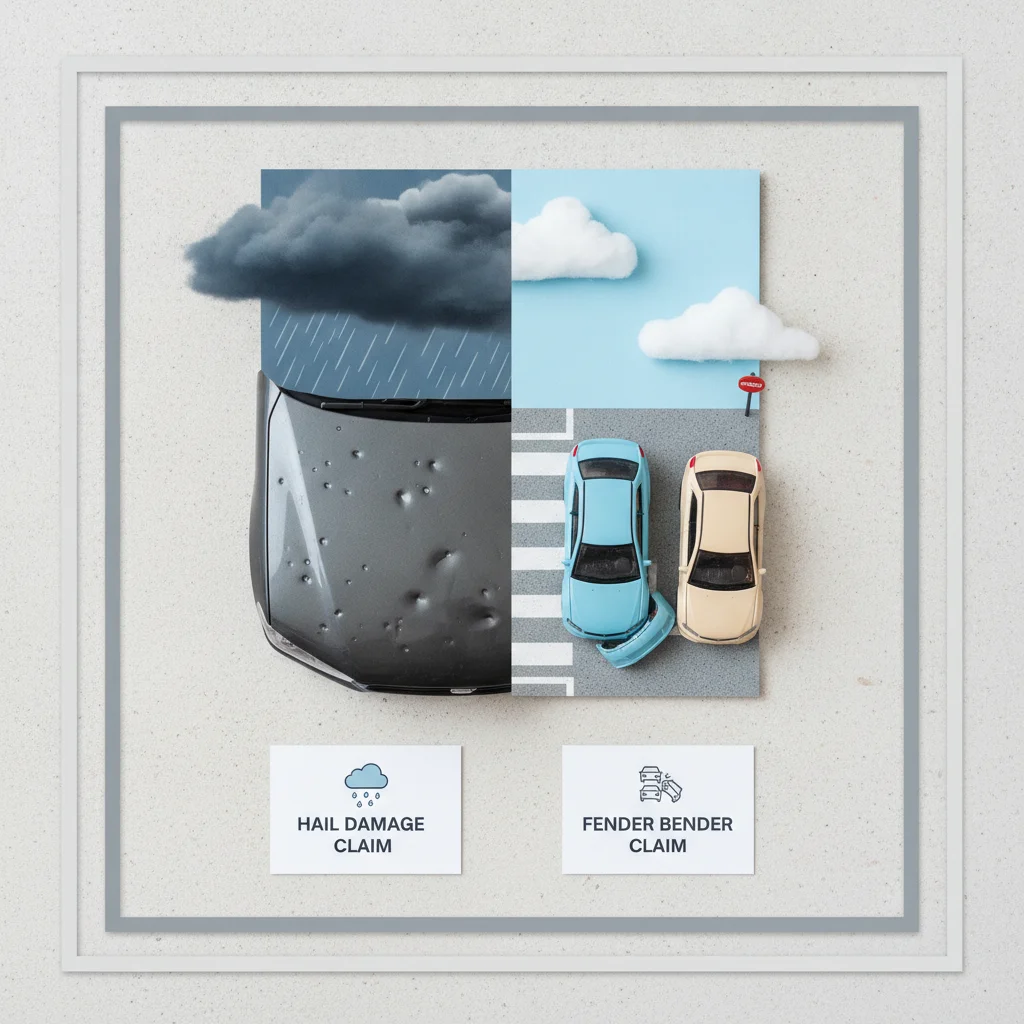
If you were in a fender bender or hit a guardrail
Collision Coverage
Any impact between your car and another object while driving is a collision claim. This includes parking lot dings, rollovers, and hitting an animal if you swerve and crash as a result.
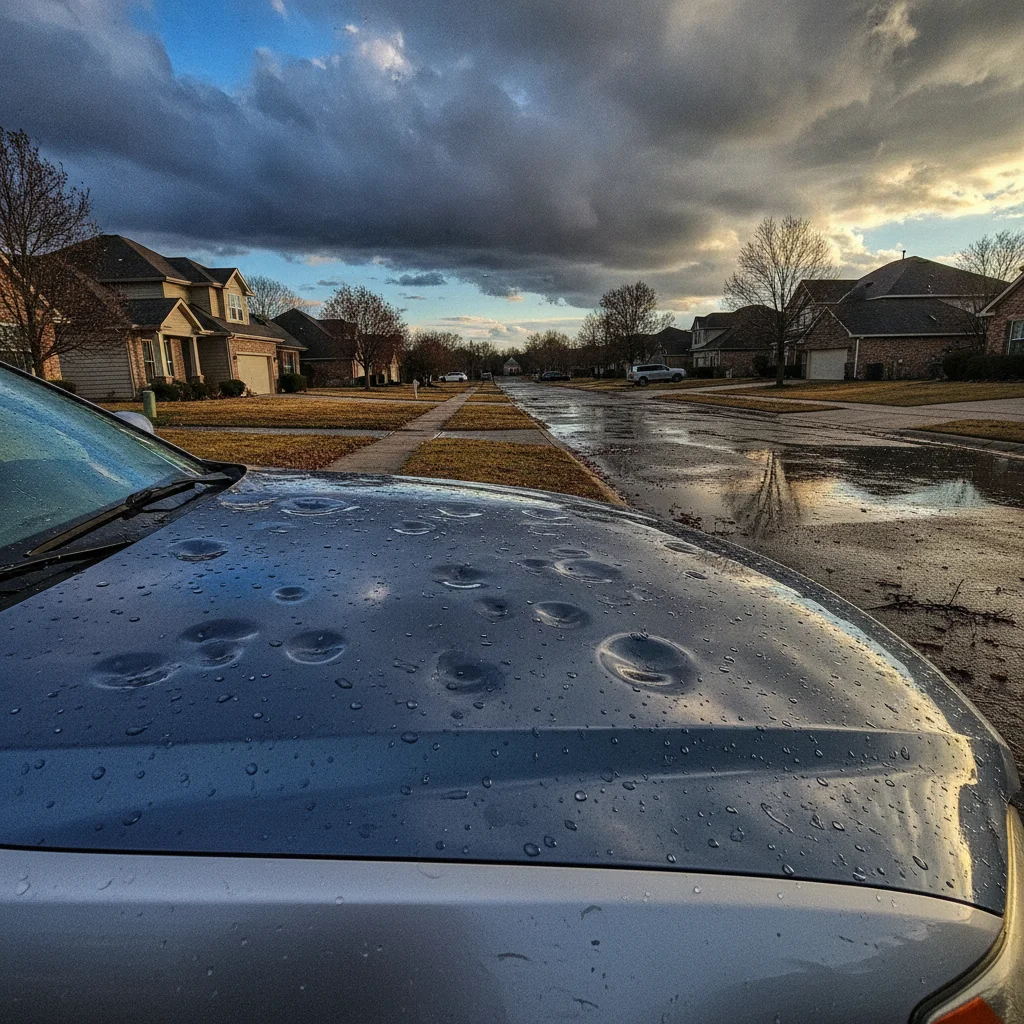
If a hailstorm, flood, or wildfire damaged your car
Comprehensive Coverage
Weather-related damage falls squarely under comprehensive. You weren't driving — the environment caused the damage, which is exactly what this coverage is designed for.
If your car was stolen or vandalized overnight
Comprehensive Coverage
Theft and vandalism are non-collision events. Collision coverage won't help at all in these situations — only comprehensive applies.
If you hit a deer or other animal directly
Comprehensive Coverage
A direct animal strike is considered a comprehensive claim in most states. However, if you swerved to avoid the animal and hit a tree or barrier, that's a collision claim.
If you're unsure which coverage applies
Collision Coverage
When the cause of damage is ambiguous, start by asking your insurer — they'll classify it. But if there was any physical impact involved, collision is the more likely starting point.
Why the Distinction Actually Matters
When something goes wrong with your car, the last thing you want is to spend twenty minutes on hold trying to figure out which type of claim to file. Yet that's exactly where many drivers end up — not because they lack the right coverage, but because they don't know which coverage applies to their situation.
The difference between collision and comprehensive isn't just administrative. It determines your deductible, your claims history, and in some cases, how quickly your insurer processes the repair. Understanding which type of damage triggers which coverage gives you real confidence when something goes wrong.
Collision and comprehensive coverage are often sold together as a package — sometimes called "full coverage" when bundled with liability — but they protect against entirely different risks. Think of them as two separate tools in your insurance toolbox. Using the right one for the right job matters.
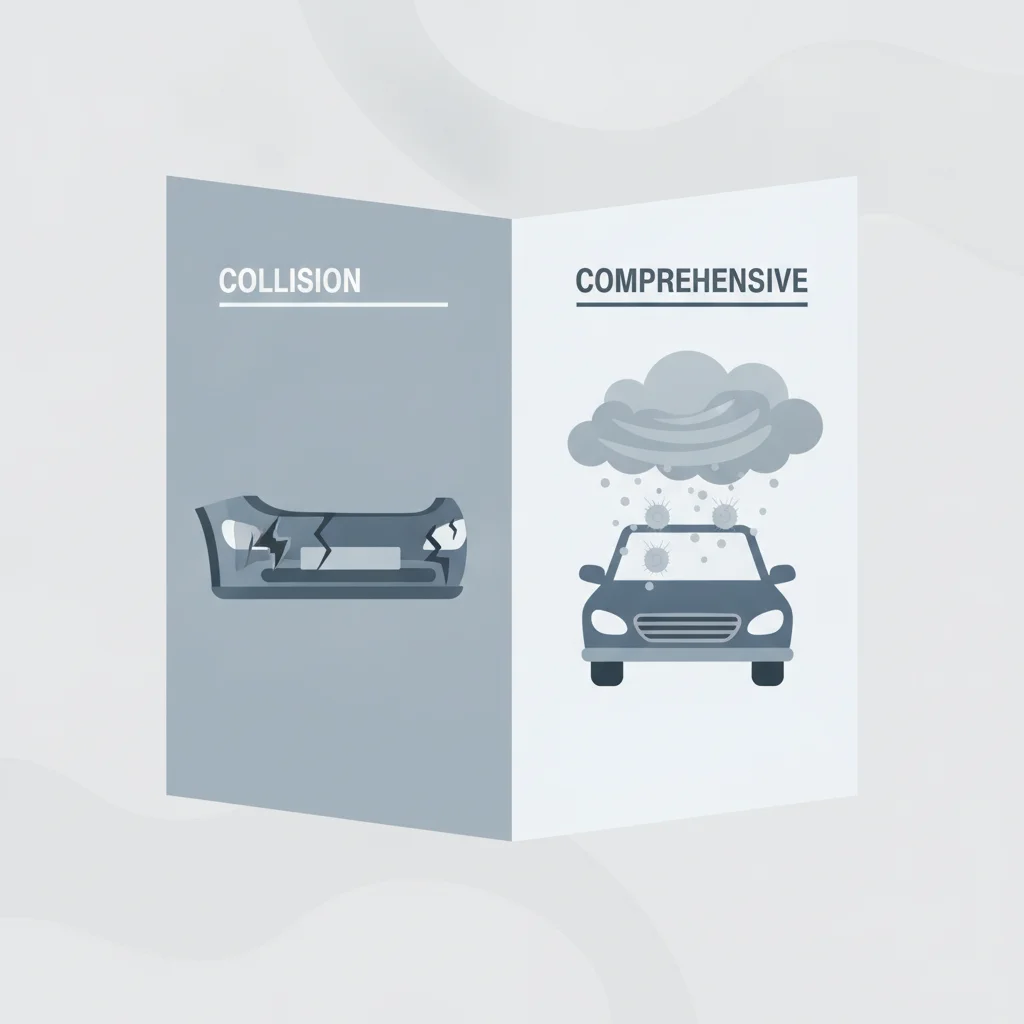
The simplest way to think about it: collision is about impact, and comprehensive is about everything else. That's a good starting point, but the real world has edge cases — like hitting a deer or getting caught in a flash flood — where the lines can feel blurry. This guide walks through the most common scenarios so you know exactly where you stand.
Collision vs. Comprehensive: Head-to-Head Comparison
Before diving into specific scenarios, it helps to see both coverages side by side across the dimensions that matter most to you as a driver and claimant.
| Criterion | Collision Coverage | Comprehensive Coverage |
|---|---|---|
| What triggers a claim | Physical impact with another object or vehicle | Non-collision events: weather, theft, fire, animals |
| Examples of covered events | Fender benders, guardrail hits, rollovers | Hail, flooding, vandalism, theft, deer strikes |
| Fault requirement | Covers regardless of fault | Fault is not applicable — event-based |
| Typical deductible range | $250–$1,500 | $100–$1,000 |
| Impact on premiums after claim | Often raises rates more significantly | May raise rates less; events seen as uncontrollable |
| Required by lenders? | Yes, typically required for financed vehicles | Yes, typically required for financed vehicles |
| Payout basis | Actual cash value (minus deductible) | Actual cash value (minus deductible) |
| Police report often needed? | For serious accidents or hit-and-run | Yes, especially for theft or vandalism claims |
One thing worth noting: both coverages operate with separate deductibles. You can set them independently — many drivers choose a higher deductible for collision (since those claims are more frequent) and a lower deductible for comprehensive (since events like theft or hail are harder to predict). See whether your deductibles have to match for a closer look at how to structure them.
~6 in 10
Drivers who carry both collision and comprehensive
According to the Insurance Research Council, approximately 60% of insured drivers in the U.S. carry both physical damage coverages.
$3,800
Average comprehensive claim payout
The Insurance Information Institute reports the average comprehensive claim is around $3,800 — well above most deductibles.
$5,100
Average collision claim payout
Collision claims average around $5,100 according to industry data, reflecting the higher severity of impact-related damage.
1 in 4
Drivers who file at least one claim every 10 years
Industry estimates suggest roughly one in four drivers will file a physical damage claim over any given decade.
Also important: filing a claim under either coverage means you'll pay your deductible first. If your deductible is $500 and the repair costs $800, your insurer pays $300. If the repair costs $400 — less than your deductible — filing may not make financial sense at all.
Common Damage Scenarios and Which Coverage Applies
Accidents and Collisions
If your car made physical contact with something while you were driving, you're almost certainly looking at a collision claim. That includes:
- Rear-ending another driver or being rear-ended
- Sideswipe accidents in traffic or parking lots
- Hitting a curb, pothole, or guardrail
- Rolling your vehicle
- Backing into a pole or another car
The key phrase is physical impact. It doesn't matter who's at fault — collision coverage applies regardless. If the other driver was at fault, you also have the option to file against their liability coverage instead of your own, which would avoid using your deductible. Filing directly with your insurer vs. going through the at-fault driver's policy is a real decision worth weighing.
Weather Damage
Hail, flooding, ice storms, fallen trees — these are comprehensive events, full stop. You weren't operating the vehicle when the environment caused the damage, and that's the defining distinction. If you're dealing with weather-related damage, what comprehensive covers for weather damage walks through the specifics of how those claims work.
Theft and Vandalism
Your car was stolen from the driveway overnight. Someone keyed it in a parking garage. A smashed window, missing parts, spray paint — all of these are comprehensive claims. Collision coverage plays no role here. Why comprehensive is the only coverage that helps with theft breaks down the full process if you're dealing with a stolen vehicle.
Animal Strikes — The Tricky One
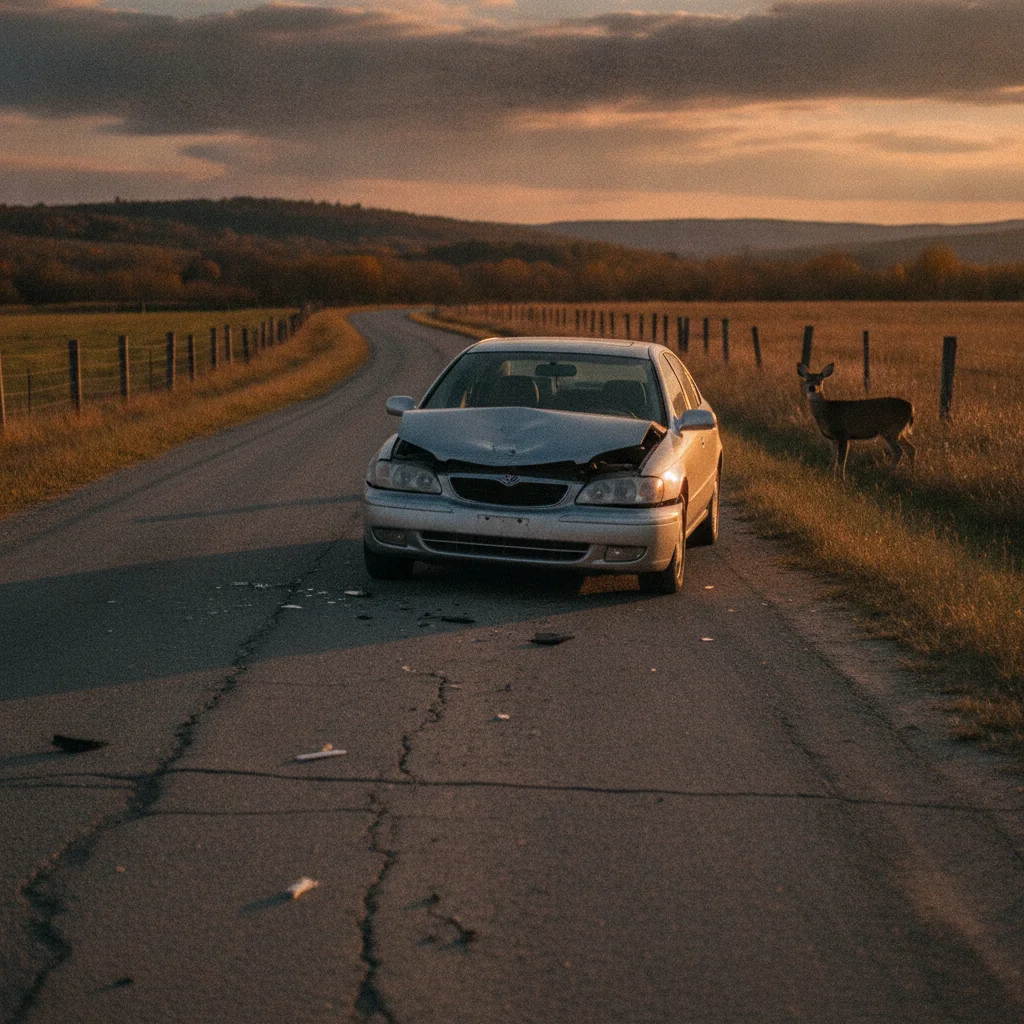
Here's where drivers often get confused. If a deer runs into the road and you hit it directly, that's a comprehensive claim — even though it feels like a collision. The logic: you didn't crash into a fixed object or another vehicle; an animal caused the damage.
However, if you swerved to avoid the deer and hit a tree, that's a collision claim. The animal triggered the sequence of events, but the damage resulted from your vehicle making contact with a fixed object.
Fire and Explosion
A car fire — whether from an electrical fault, an external fire, or arson — falls under comprehensive coverage. If you're in an accident and the vehicle catches fire as a result, the claim would typically still be filed under collision since the fire was a consequence of the impact.
When Fire Follows a Collision
If your car catches fire as a direct result of a crash — say, the fuel line ruptures on impact — the claim is typically still filed under collision, not comprehensive. The fire is treated as a consequence of the collision event. If a fire starts independently (electrical fault, arson, wildfire), that's comprehensive. When in doubt, your adjuster will make the call based on the sequence of events you describe.
Falling Objects
A tree branch falls on your hood during a windstorm. A garage ceiling tile collapses onto your roof. These are comprehensive events — the damage came from an external object falling, not from your car moving. Same goes for damage caused by riots or civil disturbances.
What Happens If You're Not Sure Which Coverage Applies?
Honestly? Don't stress over getting the classification exactly right before you call your insurer. That's their job. When you report a claim, your insurer's claims adjuster will ask you to describe what happened — not to quiz you, but to properly categorize the event and apply the correct coverage.
What you can do to make the conversation easier:
- Document everything immediately. Take photos of the damage from multiple angles, photograph the surrounding environment, and note the date, time, and location. This documentation matters regardless of which coverage applies.
- Write down a clear sequence of events. Even a few notes on your phone help — "I was driving on Route 9, the deer ran from the right, I braked and swerved left, my front bumper hit the barrier." That sequence tells your adjuster exactly what happened.
- File a police report if applicable. For theft, vandalism, hit-and-run, or significant accidents, a police report strengthens your claim. Some insurers require one before they'll process a theft claim.
One more thing worth knowing: a comprehensive claim typically has less impact on your future premiums than a collision claim, since comprehensive events are generally considered outside your control. That's not a universal rule, but it's a meaningful distinction to understand. Everything you need to know about collision and comprehensive insurance covers the full picture, including how claims affect your rates over time.
If your claim is denied after filing, it's worth understanding why before accepting the outcome. Why collision claims get denied and what to do about it outlines the most common reasons and your options for responding.
How Deductibles and Payouts Work in Each Scenario
No matter which type of claim you file, the mechanics of the payout work the same way. You pay your deductible first — whatever amount you chose when you set up your policy — and your insurer pays the rest, up to the actual cash value of the vehicle.
That last phrase matters: actual cash value (ACV), not what you paid for the car. ACV accounts for depreciation, which means a three-year-old car will be valued lower than what you paid new. If your vehicle is totaled, your payout will reflect the current market value of a comparable vehicle — not the original purchase price.
How actual cash value vs. replacement cost affects your payout goes deeper on this if you want to understand exactly how depreciation factors into a settlement.
A few practical points to keep in mind:
- If your repair estimate is close to or below your deductible, it may not be worth filing. You'd pay more out of pocket than you'd receive, and the claim still goes on your record.
- If you're financing or leasing, your lender almost certainly requires both collision and comprehensive coverage — often with maximum deductible limits. Whether carrying both coverages makes sense for you helps you think through the cost-benefit.
- Rental car reimbursement is a separate add-on and isn't automatically included in either collision or comprehensive coverage. If you need a rental while your car is being repaired, check your policy before assuming it's covered.
What filing a comprehensive claim actually looks like gives a step-by-step walkthrough if you're navigating that process for the first time.
A Quick Reference: Coverage by Event Type
If you want a fast answer for your specific situation, use this breakdown as your go-to reference. These cover the most common scenarios drivers encounter:
| What Happened | Coverage That Applies |
|---|---|
| Rear-end collision (you or the other driver) | Collision |
| Parking lot fender bender | Collision |
| Hit a guardrail, curb, or pothole | Collision |
| Rollover accident | Collision |
| Hail damage | Comprehensive |
| Flood or water damage | Comprehensive |
| Fallen tree or branch | Comprehensive |
| Car theft | Comprehensive |
| Vandalism or keying | Comprehensive |
| Direct animal strike (deer, etc.) | Comprehensive |
| Swerved to avoid animal, hit a tree | Collision |
| Fire or explosion (non-accident) | Comprehensive |
| Earthquake or landslide | Comprehensive |
| Riot or civil disturbance damage | Comprehensive |
If your situation isn't on this list, or the cause of damage is genuinely unclear — say, your parked car was damaged and you don't know whether someone hit it or a storm knocked debris onto it — your insurer will investigate and make the determination. That's what they're there for.
For a broader look at how the two coverages compare before you even get to a claim, comprehensive vs. collision — what each one actually protects is worth a read. And if you've recently been in an accident and want to understand the difference between minor and major damage, frame damage vs. minor collision repair can help you set realistic expectations for the repair process.

All claims are backed by peer-reviewed research. Sources on request.