Key Takeaways
Comprehensive Coverage
Comprehensive coverage is the portion of your auto insurance policy that pays for damage to your car caused by events other than a collision — including weather events like hail, flooding, ice, and wind. It's an optional add-on in most states, not required by law, but often mandated by lenders if you're financing or leasing your vehicle. When a storm batters your car, comprehensive is the coverage that steps in.
Comprehensive is classified as a physical damage coverage, alongside collision. It pays up to your vehicle's actual cash value (ACV) minus your chosen deductible.
Why Weather Is a Comprehensive Issue — Not a Collision One
When most people think about car insurance claims, they picture fender benders and parking lot scrapes. But one of the most frequent sources of auto insurance claims in the U.S. has nothing to do with another driver — it's the weather.
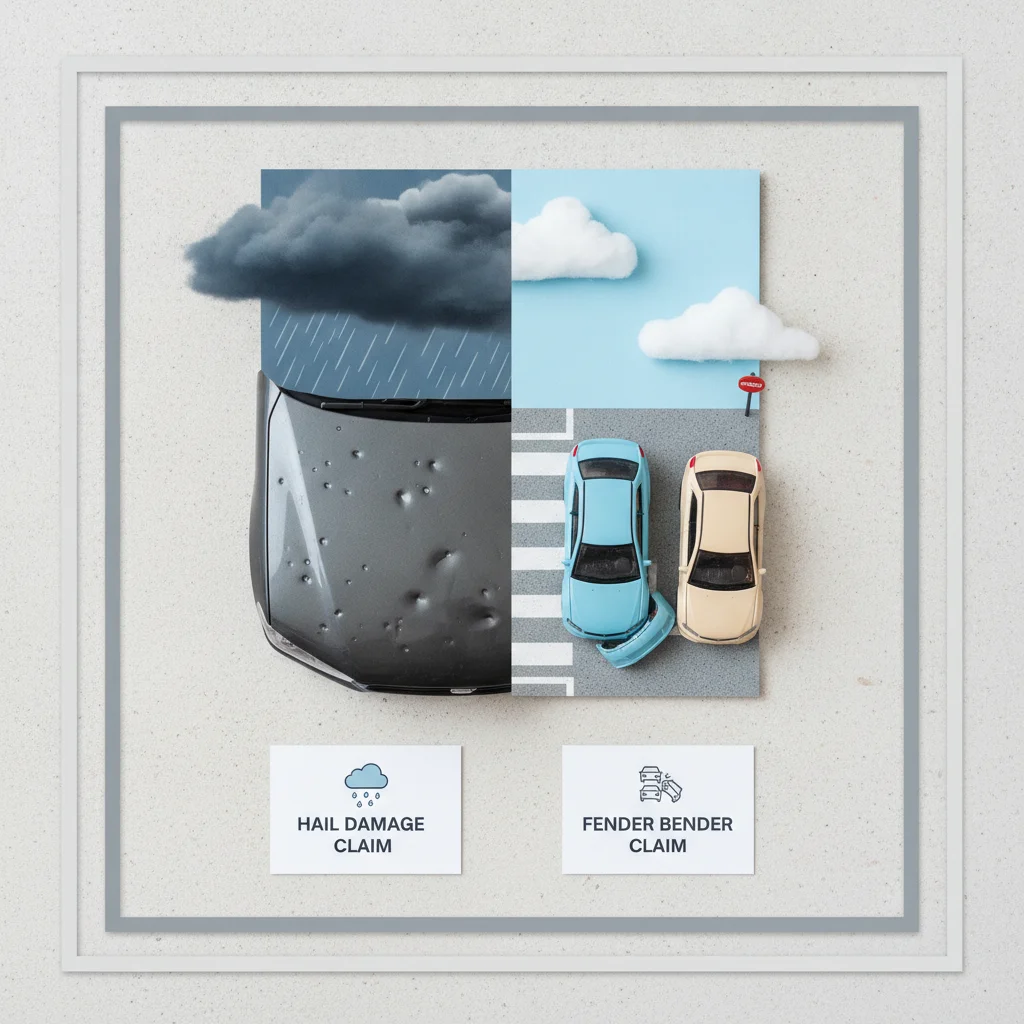
The confusion often comes down to terminology. Many drivers assume any physical damage to their car falls under one umbrella. In reality, auto policies split physical damage into two distinct coverages: collision and comprehensive. And the line between them is clear: if your car hits something — or something hits your car in a crash — that's collision. If an act of nature damages your vehicle, that's comprehensive.
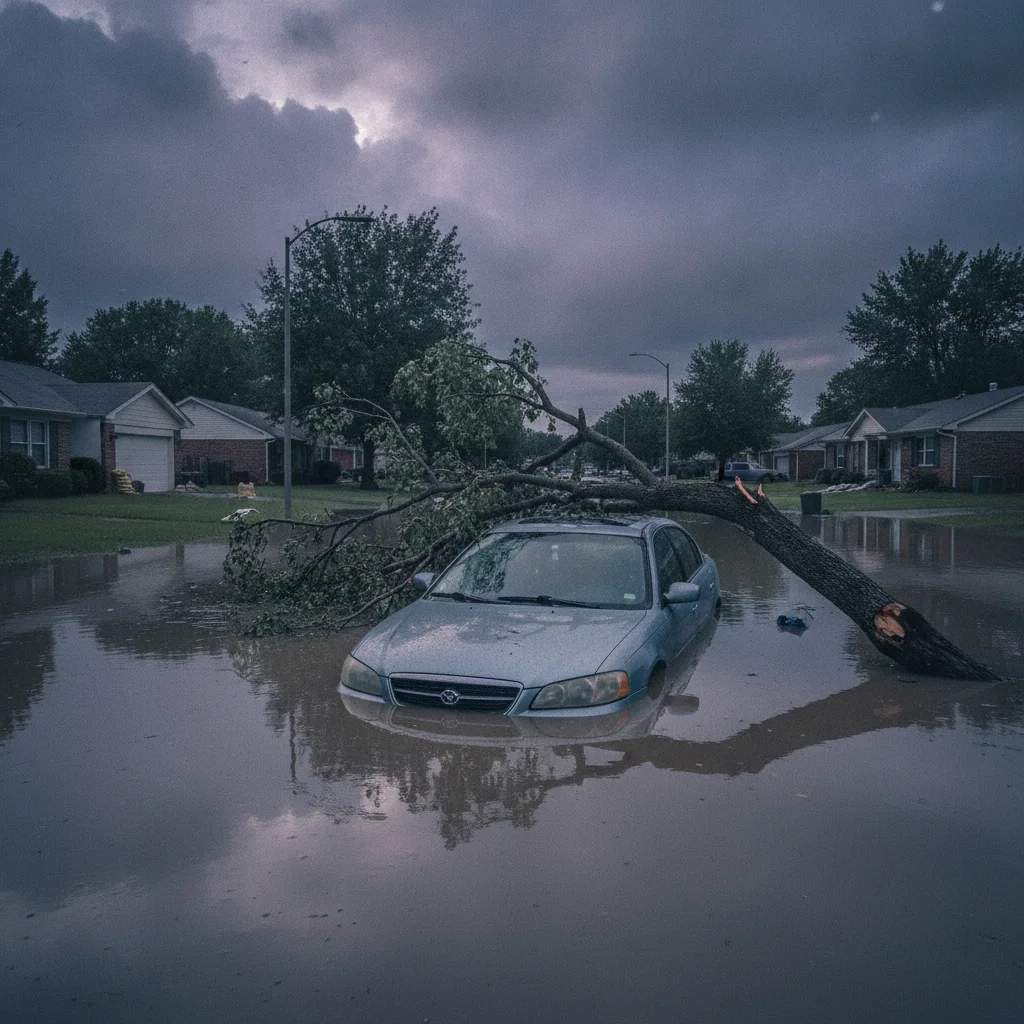
Hailstorms, hurricanes, flash floods, ice storms, tornadoes, wildfires, and even severe windstorms all fall squarely in comprehensive territory. So does a tree that a storm drops onto your roof or a flood that swamps your engine. Comprehensive coverage handles threats collision won't touch, and weather damage is perhaps the clearest example of that divide.
Understanding this distinction is more than academic. Filing under the wrong coverage type can slow your claim or create confusion with your adjuster. Knowing upfront that weather damage belongs to comprehensive helps you move efficiently when you need repairs most.
Comprehensive Is Optional — Until It Isn't
No U.S. state requires comprehensive coverage under law. However, virtually all auto lenders and lease agreements require it as a condition of financing. If you're carrying a loan or lease on your vehicle and drop comprehensive, you could be in breach of your financing agreement. Always check your loan documents before adjusting physical damage coverage.
Weather Data Works In Your Favor
Insurers routinely cross-reference claims with third-party weather data to verify that reported events actually occurred in your area. This cuts both ways: it helps legitimate claims get approved faster, and it also flags inconsistencies. Keeping records of severe weather alerts or news reports from the storm date adds extra documentation support to your claim.
What Weather Events Comprehensive Actually Covers
Comprehensive is broad, but it's not unlimited. Here's a breakdown of the weather-related events that are consistently covered under standard comprehensive policies:
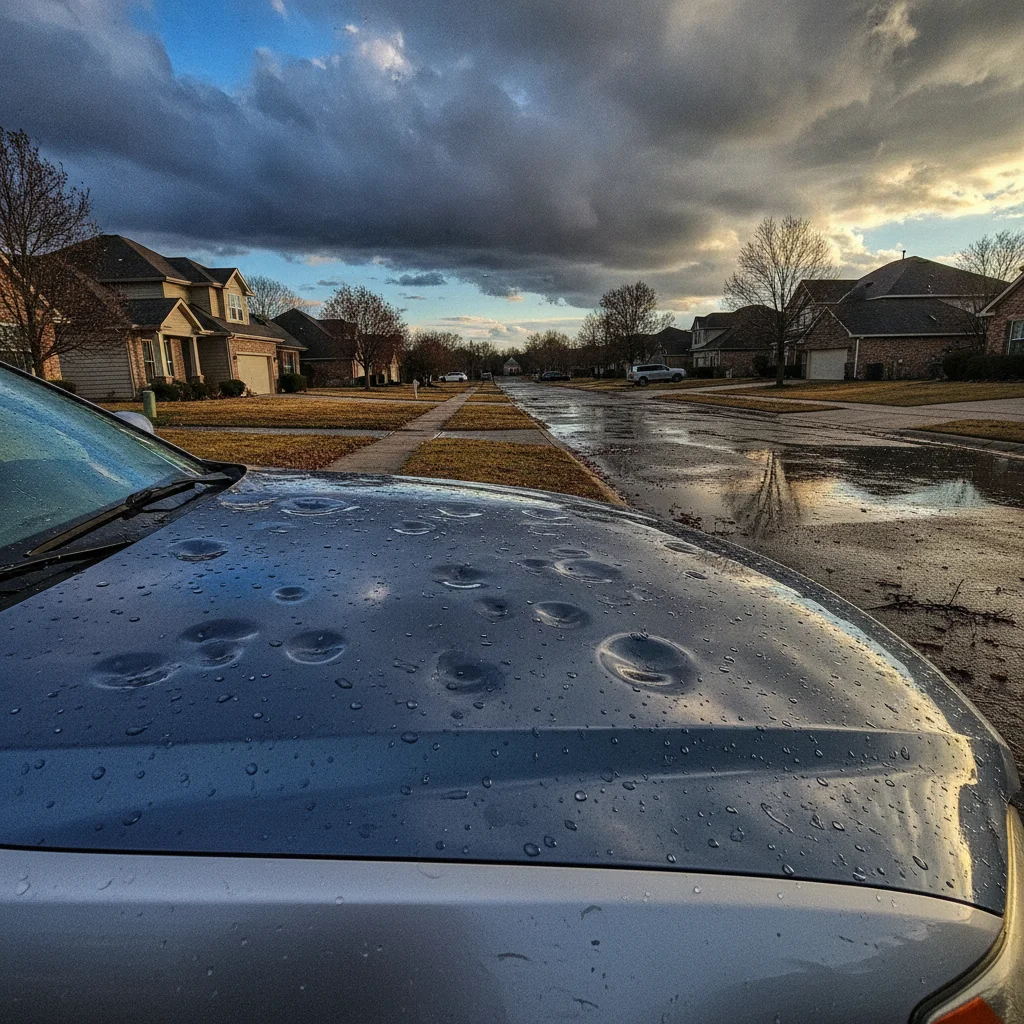
- Hail: Dents, dings, cracked glass, and paint damage from hailstones are among the most common comprehensive claims, particularly in the Great Plains and Midwest.
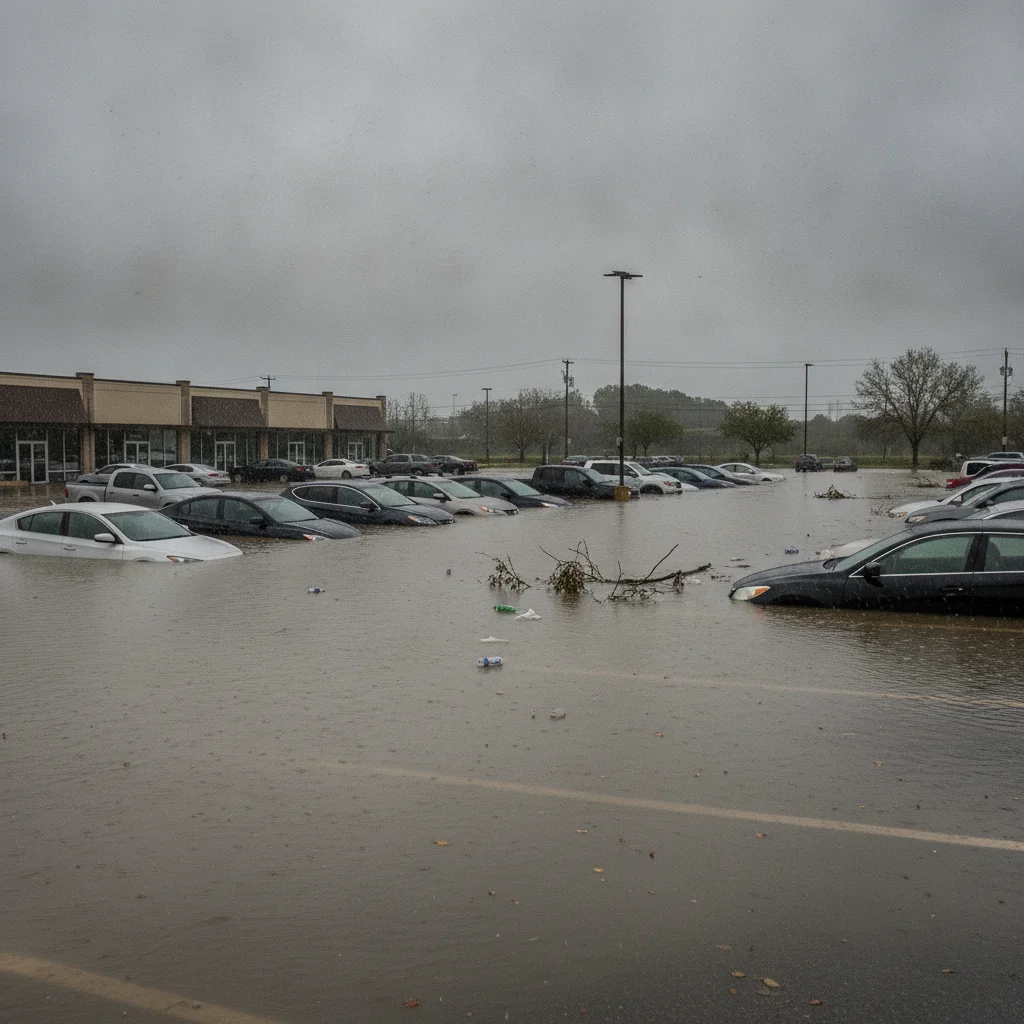
- Flooding: Water damage from storm surge, flash floods, or rising rivers is covered. This includes damage to the engine, electrical systems, upholstery, and structural components. The car must be totaled or repaired, not abandoned.
- Wind damage: Damage caused by high winds — including flying debris, overturned vehicles, or structural collapse from gusts — qualifies under comprehensive.
- Tornadoes and hurricanes: Damage from these major weather events, whether from the wind, debris, or flood water they carry, is covered comprehensively.
- Ice and snow: Damage caused by the weight of accumulated snow or ice — a caved-in roof, broken windshield, or collapsed carport — is covered. Skidding on ice into a guardrail, however, would be a collision claim.
- Wildfire: If your car is damaged or destroyed by a wildfire, comprehensive covers it. With wildfire risk increasing across the western U.S., this has become an increasingly relevant coverage.
- Lightning strikes: Direct strikes or resulting electrical fires fall under comprehensive.
~$16B
Annual U.S. insured losses from hail alone
According to the National Oceanic and Atmospheric Administration (NOAA), hail causes billions in insured property losses annually, with vehicles accounting for a significant share.
1 in 50
Cars that file a comprehensive claim each year
The Insurance Information Institute estimates roughly 2% of insured vehicles generate a comprehensive claim in any given year, making it one of the most-used auto coverages.
$1,953
Average comprehensive claim payout
According to the Insurance Research Council, the average comprehensive claim in recent years has settled near $2,000 before deductible, though weather catastrophes can push individual claims significantly higher.
The common thread in all of these: your car was stationary or the damage source was environmental, not another moving vehicle. That's the practical test for whether comprehensive applies.
For situations where you're uncertain which coverage applies, this breakdown of collision vs. comprehensive claims walks through specific scenarios to help you determine the right category.
The Deductible Factor: What You'll Actually Pay Out of Pocket
Comprehensive coverage doesn't mean your insurer absorbs every dollar of weather damage. Your deductible — the amount you agree to pay before your insurance kicks in — applies to every comprehensive claim you file.
Common deductible amounts range from $250 to $1,500, with $500 being a typical choice. The higher your deductible, the lower your monthly premium — but the more you'll owe when damage occurs.
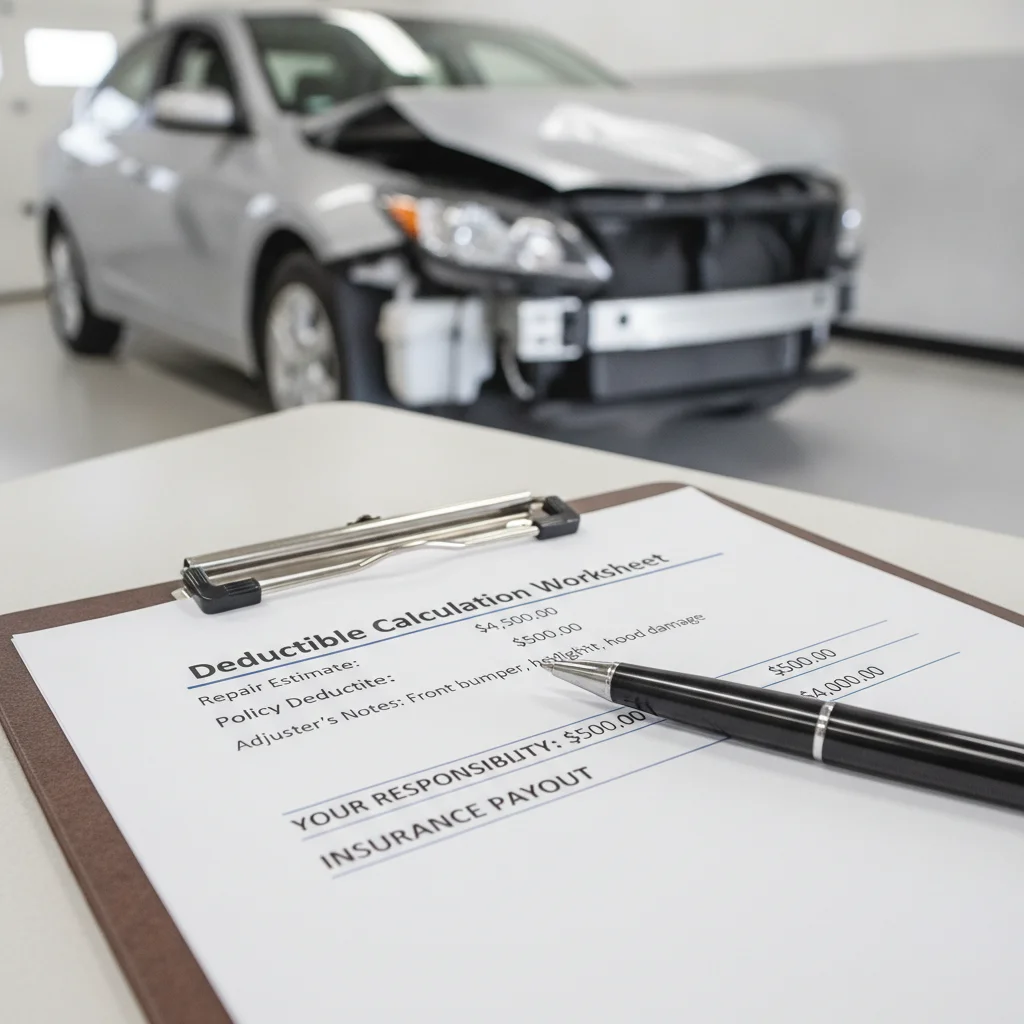
Here's how the math works in practice: If a hailstorm causes $2,800 in damage to your car and your deductible is $500, your insurer pays $2,300. If repairs come in at only $600 and your deductible is $500, your insurer only pays $100 — which may not be worth filing a claim for at all.
Know Your Deductible Before Filing
Before you file a comprehensive weather claim, compare your deductible to the estimated repair cost. If damage is only slightly above your deductible, you may come out ahead by paying out of pocket and avoiding the claim entirely. Even comprehensive claims can affect your rate at renewal, particularly if multiple claims appear in a short window.
Review Glass Coverage Separately
Many insurers offer a glass endorsement or rider that covers windshield repair and replacement with a zero-dollar deductible. If you live in a hail-prone region, adding this endorsement is often inexpensive and removes the friction of a deductible on one of the most common weather-related repairs. Check your policy's declarations page or call your agent before storm season.
One important note: comprehensive coverage pays up to your vehicle's actual cash value (ACV), not its replacement cost. ACV accounts for depreciation. If your five-year-old sedan suffers catastrophic flood damage, the insurer will pay what that specific car was worth the day before the storm — not what it would cost to buy a new equivalent model today.
If the repair estimate exceeds your car's ACV, the insurer will typically declare it a total loss and cut a check for the ACV minus your deductible. At that point, you can use the payout toward a replacement vehicle. This end-to-end guide on collision and comprehensive insurance explains the total-loss process in full detail.
How to Document and File a Weather Damage Claim Correctly
The way you document and report weather damage can meaningfully affect how smoothly your claim is processed — and how quickly you get paid. Here's the recommended approach:
- Photograph everything before moving the car. Capture the damage from multiple angles in natural light. Include context shots showing the surrounding environment (downed trees, standing water, hail on the ground). Timestamps on photos help establish the event timeline.
- Note the date, time, and nature of the weather event. Your insurer may cross-reference your claim against local weather data to verify conditions. A recorded severe weather event in your ZIP code strengthens your claim automatically.
- Contact your insurer promptly. Most policies require you to report claims within a reasonable timeframe. Don't delay — even if repairs can wait.
- Avoid unnecessary repairs before the adjuster inspects. Temporary protective measures (covering broken windows, preventing further water entry) are appropriate, but don't authorize permanent repairs until your insurer has documented the damage.
- Get independent repair estimates. You're entitled to your own assessment. If your insurer's estimate seems low, an independent body shop estimate gives you leverage to negotiate.
The full comprehensive claim process — from the initial adjuster visit to final settlement — involves more steps than most drivers expect. Reading through the process ahead of time can prevent costly mistakes.
“The biggest mistake drivers make after a weather event is waiting too long to file. Storm damage claims are time-sensitive — the longer you wait, the harder it is for adjusters to connect the damage to the specific event, especially if conditions change.”
— Janet Ruiz, Director of Strategic Communications, Insurance Information Institute
One thing many drivers overlook: the step-by-step claims filing process varies by insurer, but the documentation principles above apply universally. Being organized and proactive is your best tool.
When Comprehensive Might Not Cover What You Expect
Comprehensive is broad, but it has real exclusions. Understanding them prevents unpleasant surprises at claim time.
Personal Property Inside the Vehicle
If a flood or wildfire destroys items you had inside your car — a laptop, luggage, camera equipment — comprehensive does not cover them. Personal belongings are covered under your homeowners or renters insurance policy, subject to that policy's limits and deductible.
Maintenance-Related Damage
If your car suffers freeze damage because you neglected to use appropriate antifreeze, or if a poorly maintained seal allows water to enter during a storm, your insurer may dispute the claim. Insurers distinguish between sudden weather events and gradual deterioration or neglect.
Windshield Deductibles
Some policies apply your standard deductible to windshield repairs or replacements. Others offer a separate glass endorsement with a $0 deductible. If you live in a hail-prone region, checking this detail before storm season is worthwhile.
Flood vs. Mechanical Breakdown
If your car's engine seizes after you drove it through standing water and the damage stems from that decision, insurers may scrutinize the claim more carefully. Comprehensive covers the flood — but an insurer might argue that driving into known floodwater constitutes negligence. The line is sometimes contested, particularly in severe cases.
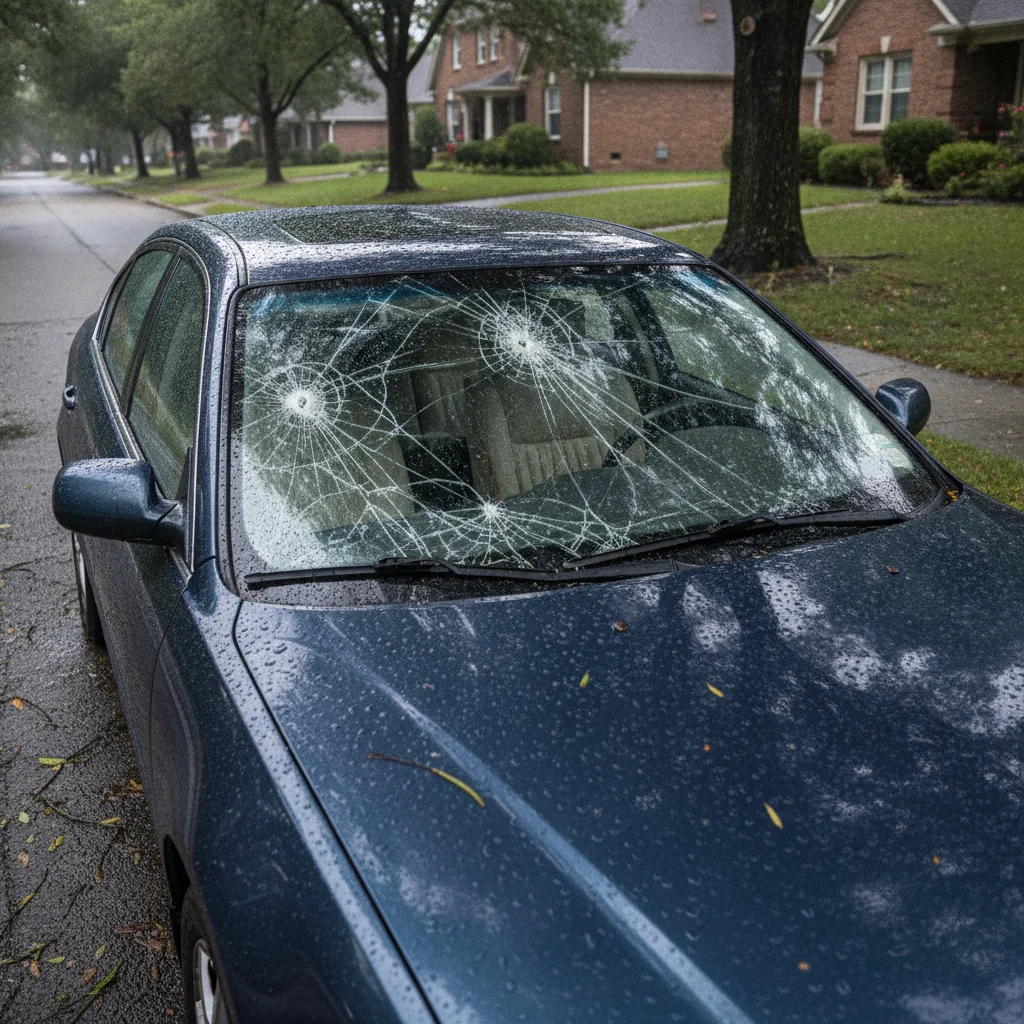
Comprehensive covers more scenarios than most drivers expect — but these exclusions are real. Reading your policy's declarations page carefully, especially the exclusions section, is the best protection against surprises.
Know Your Deductible Before Filing
Before you file a comprehensive weather claim, compare your deductible to the estimated repair cost. If damage is only slightly above your deductible, you may come out ahead by paying out of pocket and avoiding the claim entirely. Even comprehensive claims can affect your rate at renewal, particularly if multiple claims appear in a short window.
Review Glass Coverage Separately
Many insurers offer a glass endorsement or rider that covers windshield repair and replacement with a zero-dollar deductible. If you live in a hail-prone region, adding this endorsement is often inexpensive and removes the friction of a deductible on one of the most common weather-related repairs. Check your policy's declarations page or call your agent before storm season.
Is Comprehensive Coverage Worth It for Your Vehicle?
For drivers with financed or leased vehicles, the question is largely moot — lenders require comprehensive. But for drivers who own their cars outright, it's a genuine cost-benefit calculation.
The standard benchmark: if your annual comprehensive premium plus your deductible exceeds 10% of your car's actual cash value, you may be paying more for the coverage than you'd likely collect in a claim. That's a rough threshold, not a hard rule — your risk tolerance, local weather exposure, and replacement fund matter too.
Consider where you live. Drivers in hail corridors like Texas, Colorado, Kansas, and Nebraska face meaningfully higher weather risk than those in mild coastal climates. The same goes for flood-prone areas, wildfire-adjacent regions, and hurricane zones. Geographic risk should anchor your coverage decision more than any general rule of thumb.
If you're on the fence, it's also worth asking your insurer for a quote with different deductible levels. Raising your deductible from $500 to $1,000 often lowers your premium noticeably — and can make comprehensive economical even on an older vehicle.
For a broader look at how comprehensive fits into your overall physical damage strategy, this complete guide to collision and comprehensive insurance covers when each coverage makes sense across different vehicle ages, loan situations, and risk profiles.

All claims are backed by peer-reviewed research. Sources on request.