Key Takeaways
Dealer Pre-Test Drive Preparation
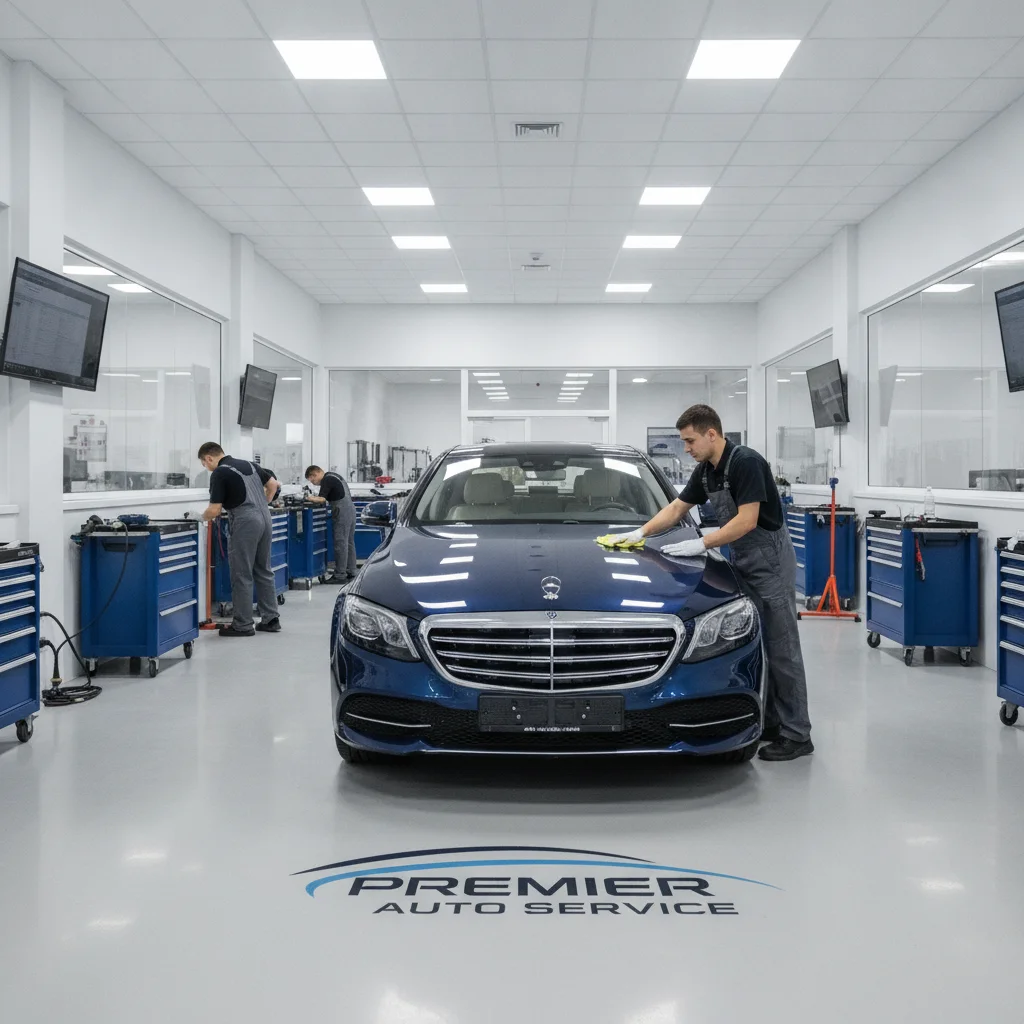
Before handing over the keys, dealerships run a standard set of steps to make a car look, smell, and drive its best. This typically includes professional detailing, topping off fluids, inflating tires, and sometimes warming up the engine. The goal is a positive first impression — which is entirely legal, but can temporarily mask underlying mechanical or cosmetic issues a buyer needs to know about.
Some dealerships also use code readers to clear stored diagnostic trouble codes (DTCs) before a test drive, which causes the check engine light to go dark even when a fault condition still exists in the powertrain control module.
What Dealers Actually Do Before You Arrive
Every dealership has a reconditioning process — a sequence of steps designed to make a car as presentable as possible before it hits the lot or gets offered for a test drive. Understanding those steps isn't cynical. It's practical due diligence.
Here's the standard sequence for a used vehicle entering dealer inventory:
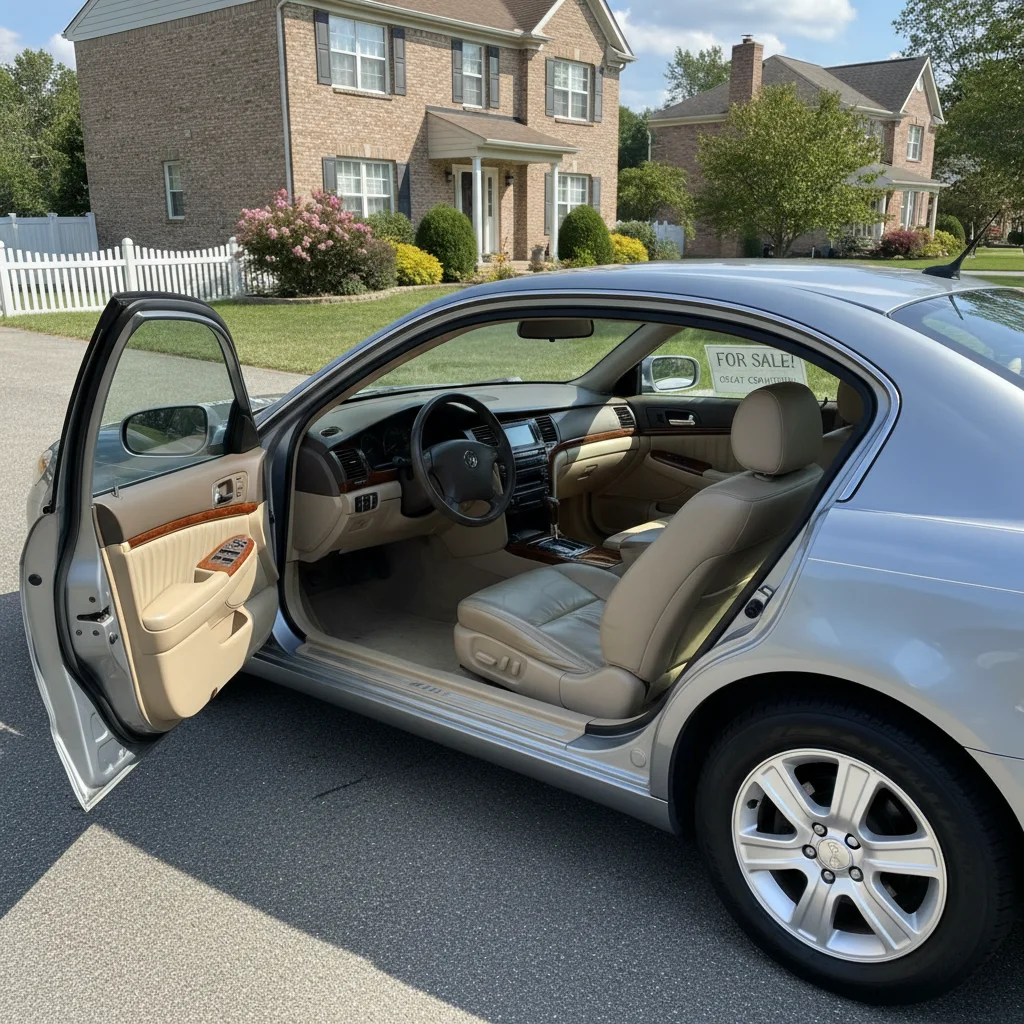
- Detail inside and out. Most franchised dealers contract with professional detail teams. The car gets machine-polished paint, steam-cleaned upholstery, odor-neutralized carpets, and tire-dressed rubber. The result looks genuinely excellent.
- Fluid top-offs. Engine oil, coolant, brake fluid, power steering fluid, and windshield washer fluid are all checked and topped. This hides low-fluid conditions that might indicate slow leaks.
- Tire inflation. Tires are inflated to spec. Uneven wear remains visible, but proper inflation makes a car track straighter and feel more controlled than it might with the buyer's daily tires.
- Diagnostic scan and code clear. Many dealerships run a scan tool on every incoming vehicle. Depending on the car and the store's practices, trouble codes may be documented — or cleared — before the car is offered for sale.
- Engine warm-up. Before a scheduled test drive, service staff often move or start the car to warm the engine. This eliminates cold-start symptoms including rough idle, startup clatter from oil-starved components, and smoke from valve stem seals.
None of this is secret. It's standard retail preparation. The problem is that buyers rarely account for what these steps conceal.
What Fresh Detailing Conceals
Detailing is the most visible prep step and the one most buyers mentally file under "nice touch." In reality, professional detailing can obscure a significant list of problems.
Paint and Body Issues
Machine polishing removes light swirl marks and surface oxidation, but it also temporarily fills in light scratches with polish residue. A car that looks respectable under showroom lighting may show those scratches clearly in direct sunlight at a different angle. More importantly, quality detailing can temporarily smooth the appearance of texture differences between original panels and repainted ones — a key indicator of accident repairs.
What buyers actually notice first during a used car inspection includes paint depth and panel consistency — two things a good polish job can confuse.
Interior Odor Masking
Ozone treatment and spray-applied odor neutralizers are effective at killing surface smells, but they don't eliminate the source. A car with water intrusion, a history of heavy smoking, or a prior rodent infestation will smell fine for days or weeks, then revert. The tell: press your face close to the carpet in the rear footwells and the trunk floor. Those are the hardest spots to fully treat and the first to release trapped odor.
Water and Flood Damage
Flooding is the hardest problem to detect in a freshly detailed car. Detailers extract standing water, dry out interiors, and can make a flood-damaged car smell and look acceptable. Check under the rear seat cushion by pulling it up — most buyers never do this. Look for waterline staining on the seatbelt fabric, corrosion on the metal seat rail bolts, and any fogging inside dashboard gauges.
Bring a UV Flashlight to Every Inspection
A small UV flashlight ($8–$15) reveals bodily fluid stains, pet urine on carpet and upholstery, and certain types of paint overspray that are completely invisible to the naked eye under showroom lighting. It fits in a jacket pocket and takes 60 seconds to sweep the interior. Worth every dollar.
Request the Pre-Sale Inspection Report
Most franchised dealerships perform a documented multi-point inspection before a used car enters certified inventory. You can ask for a copy of this inspection sheet. It won't reveal everything, but it tells you what the dealer's own technicians noted — and which items they chose to fix versus leave on the lot.
Line Up Your Mechanic Before You Visit
Identify a trusted independent mechanic within 10–15 miles of the dealership before you go. If you find a car worth pursuing, you can arrange the PPI the same day or the next morning rather than losing momentum to logistics. Most dealers will hold a car for 24–48 hours for a serious buyer pending an inspection.
Cosmetic Touch-Ups
Dealers routinely apply touch-up paint to stone chips, use black trim restorer on faded plastic, and dress rubber seals. These are fair cosmetic steps, but they can make a car appear lower-mileage or better-maintained than it is. The prep steps that lift buyer perception are exactly the same steps dealers use — so go in expecting them.
The Pre-Warmed Engine Problem
A warmed engine behaves differently than a cold one. That's not a dealership trick — it's physics. But it matters enormously to buyers because the cold-start phase is when the majority of mechanical problems announce themselves.
What You Miss When the Engine Is Already Warm
- Hard starts: Weak fuel injectors, failing fuel pumps, or low compression often only struggle when the engine is cold.
- Startup smoke: Blue smoke on startup typically indicates oil burning past valve stem seals — a problem that clears completely once the engine reaches operating temperature.
- Idle clatter: Hydraulic lifters and variable valve timing components that are oil-starved make ticking or rattling noises on cold starts. A warm engine with circulating oil is silent.
- Thermostat behavior: Watching a cold engine warm up to operating temperature confirms the thermostat is working correctly. If the gauge climbs to normal range in a reasonable timeframe, you know. A pre-warmed car gives you no reference point.
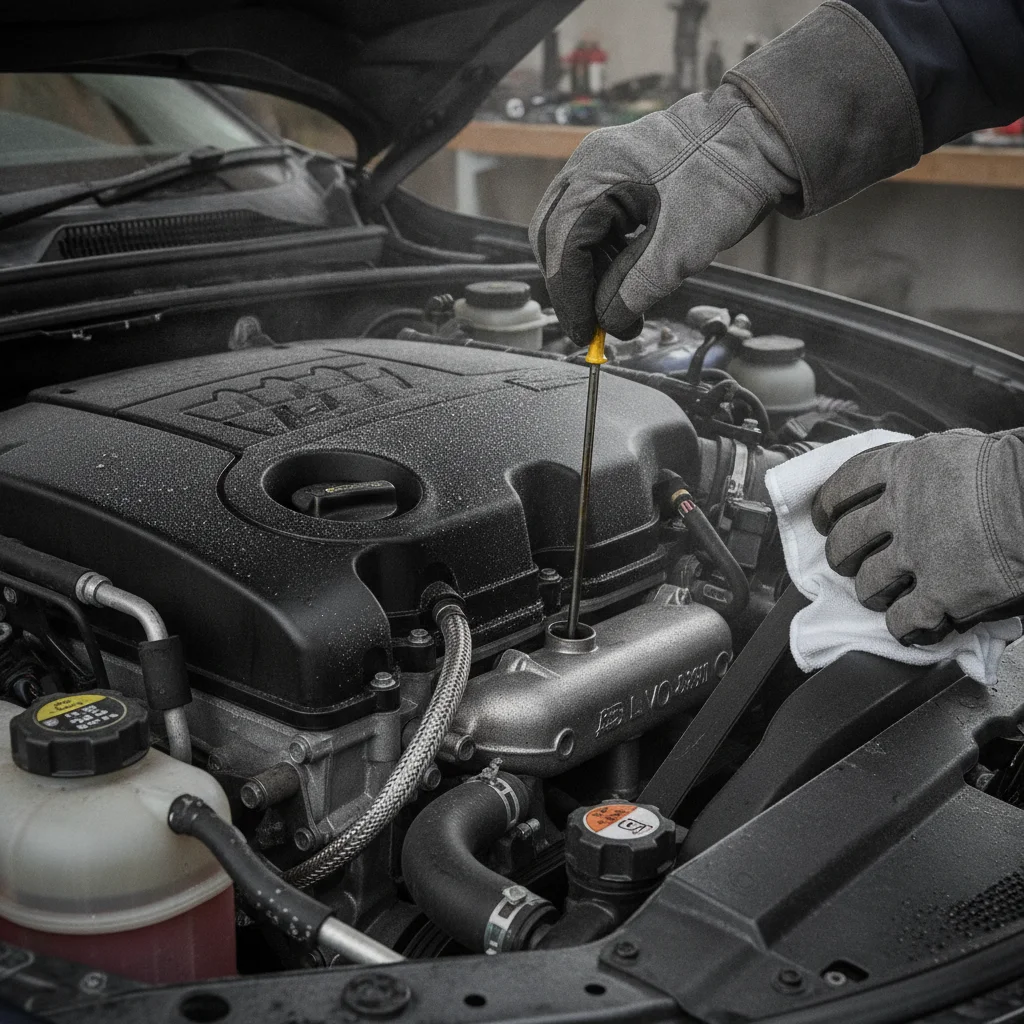
The fix is straightforward: schedule your test drive as early in the morning as possible and confirm with the dealer the night before that you want the car not started before you arrive. Most dealers will honor this request for a serious buyer. Test drive tactics for what to listen and feel covers this in more depth — including what to notice once the engine is warm and running under load.
Pre-Warmed Engines Are Standard Practice
Dealership staff routinely move vehicles around the lot and may start a car to bring it to the front before your arrival — this isn't necessarily deceptive. The concern is specifically when a car is idled for 20+ minutes immediately before a test drive, eliminating cold-start conditions. Calling ahead and asking for a cold car is a reasonable buyer request, not an accusation.
New Cars Are Prepped Too
New car prep isn't designed to hide defects — but it does include detailing, inflation, and systems checks that make every car feel equally fresh at delivery. For new car buyers, the concern shifts from hidden mechanical issues to checking for transit damage (paint chips, interior scratches, or dents from the carrier) that may have been touched up before delivery.
Readiness Monitors Vary by Vehicle
The number of readiness monitors and the drive cycle required to complete them varies by make and model. Some vehicles have 8 or more monitors; others have 5. The presence of any "not ready" monitors isn't automatically a red flag — but three or more incomplete monitors in combination with other warning signs is worth pursuing with a direct question to the sales manager.
Cleared Diagnostic Codes: The Invisible Red Flag
This is the preparation tactic most buyers don't know about and can't see at all without tools. Here's how it works.
Modern vehicles store diagnostic trouble codes (DTCs) in the powertrain control module when sensors detect out-of-range conditions. These trigger the check engine light. A dealer — or any seller — can plug in an OBD-II scan tool and clear those codes in about 30 seconds. The check engine light turns off. The car looks clean.
The problem: the underlying fault condition still exists. The code was cleared, not fixed. The light will return within 50–100 miles of normal driving once the ECU completes its readiness monitors.
How to Counter This
Buy a basic OBD-II reader ($25–$40 on Amazon) and plug it in before the test drive. Even if no codes are stored, a legitimate scan tool will show you the readiness monitors status. If multiple monitors show "Incomplete" or "Not Ready," that's a strong indicator the codes were recently cleared. The car hasn't had enough drive cycles to rerun its self-checks.
Alternatively, bring the car to a national auto parts chain — most offer free code reads — before you hand it back. Even a few minutes of idling in the parking lot won't trigger a reset, but it removes the dealer's home-court advantage.
50–100 mi
Miles before cleared OBD codes reset
After codes are cleared, most vehicles need 50 to 100 miles of normal driving to complete all onboard diagnostic readiness monitors and potentially reactivate a check engine light.
$100–$200
Typical pre-purchase inspection cost
Independent mechanic inspections at most U.S. independent shops and dealerships run between $100 and $200 — a fraction of the cost of common hidden defects.
1 in 4
Used cars with undisclosed prior damage
According to Carfax data, approximately 1 in 4 used vehicles has a history of damage that may not be fully disclosed at the point of sale.
$3,500+
Average transmission rebuild cost
A full automatic transmission rebuild at a qualified shop typically starts around $3,500 — one of the most common expensive surprises for used car buyers who skipped a pre-purchase inspection.
For context on what a dealer's own inspectors look for when a car comes in, see what dealers look for during a trade-in inspection — they pull diagnostic codes there too.
Your Pre-Drive Walkthrough Checklist
Before you sit in the driver's seat, give yourself 10 minutes to walk the car. This is not optional. Most buyers skip directly to the interior and the drive. That's exactly what dealer prep is designed to encourage.
“The best time to inspect a car is before you fall in love with it. Once you're emotionally committed to a purchase, you start explaining away problems instead of walking away from them.”
— Scotty Kilmer, Automotive mechanic and long-running consumer automotive educator
Exterior
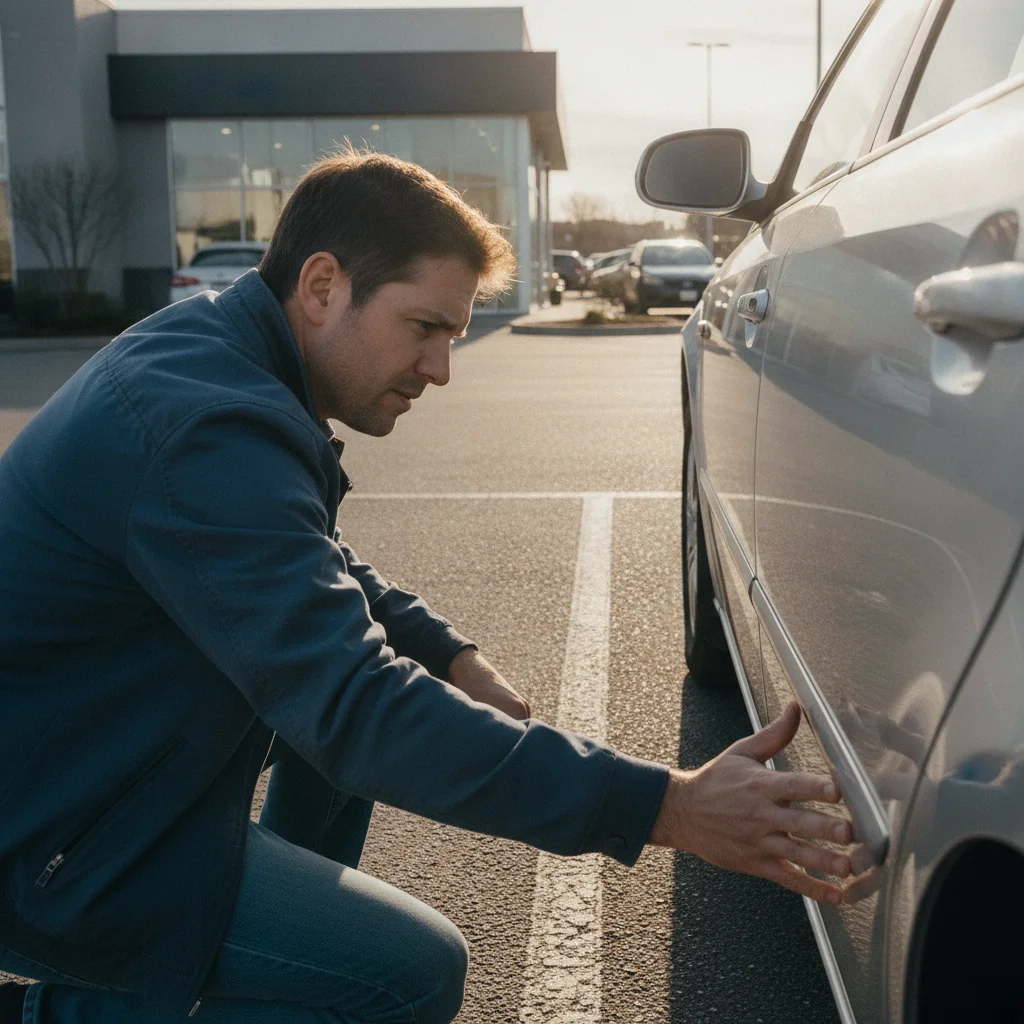
- View each panel from a low angle — look for waves, texture changes, or color variation that suggests a respray.
- Check panel gaps. Uneven gaps between the hood, fenders, and doors indicate a prior collision, even if the paint looks perfect.
- Crouch and look under the car. Fresh undercoating applied only to one section is a common signal of rust remediation or structural repair.
- Check all four tires for tread depth and wear pattern. Cupped wear = suspension issue. One-sided edge wear = alignment problem.
Engine Bay
- Look for wet spots around hoses and the oil pan — drips are easier to spot before the car is driven.
- Check the oil dipstick: milky or frothy oil indicates coolant intrusion (head gasket concern).
- Look for mismatched hose clamps or zip ties — signs of DIY repairs.
- A spotless engine bay on a high-mileage car is worth questioning. Engine bay cleanliness signals maintenance habits — but an engine that was steam-cleaned immediately before your visit can also hide fresh leaks.
Interior
- Pull up rear floor mats and press on the carpet with the back of your hand. Dampness is a flood-damage indicator.
- Check pedal wear against odometer reading. Worn-through rubber on brake and clutch pedals at 40,000 miles means the odometer has been rolled back.
- Work every switch, every window, the sunroof, the A/C, the heat, and every USB port.
- How to evaluate a car's interior like an inspector — including what worn trim and sticky switches actually indicate about a vehicle's history.
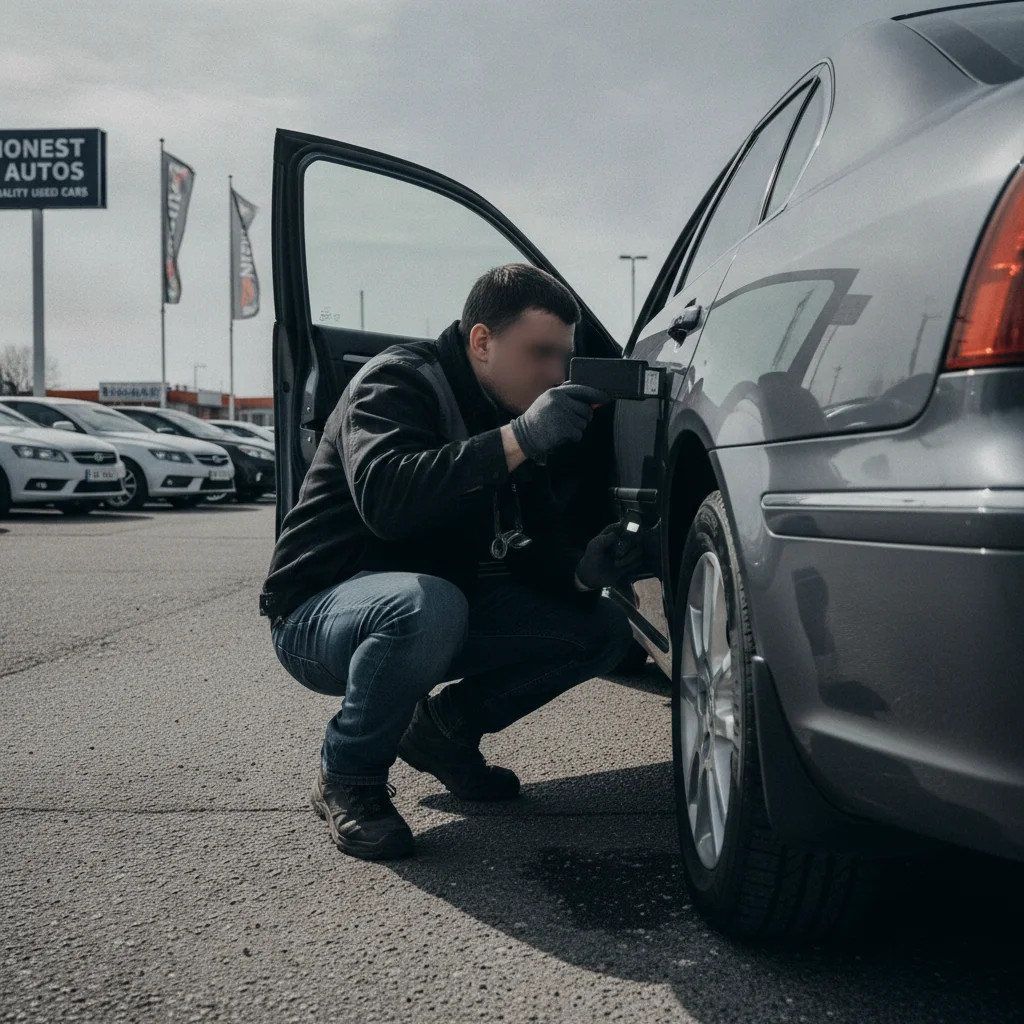
The pre-drive walkthrough most drivers skip takes under two minutes in a daily context but deserves the full ten minutes when you're evaluating a purchase.
During the Test Drive: What to Actually Evaluate
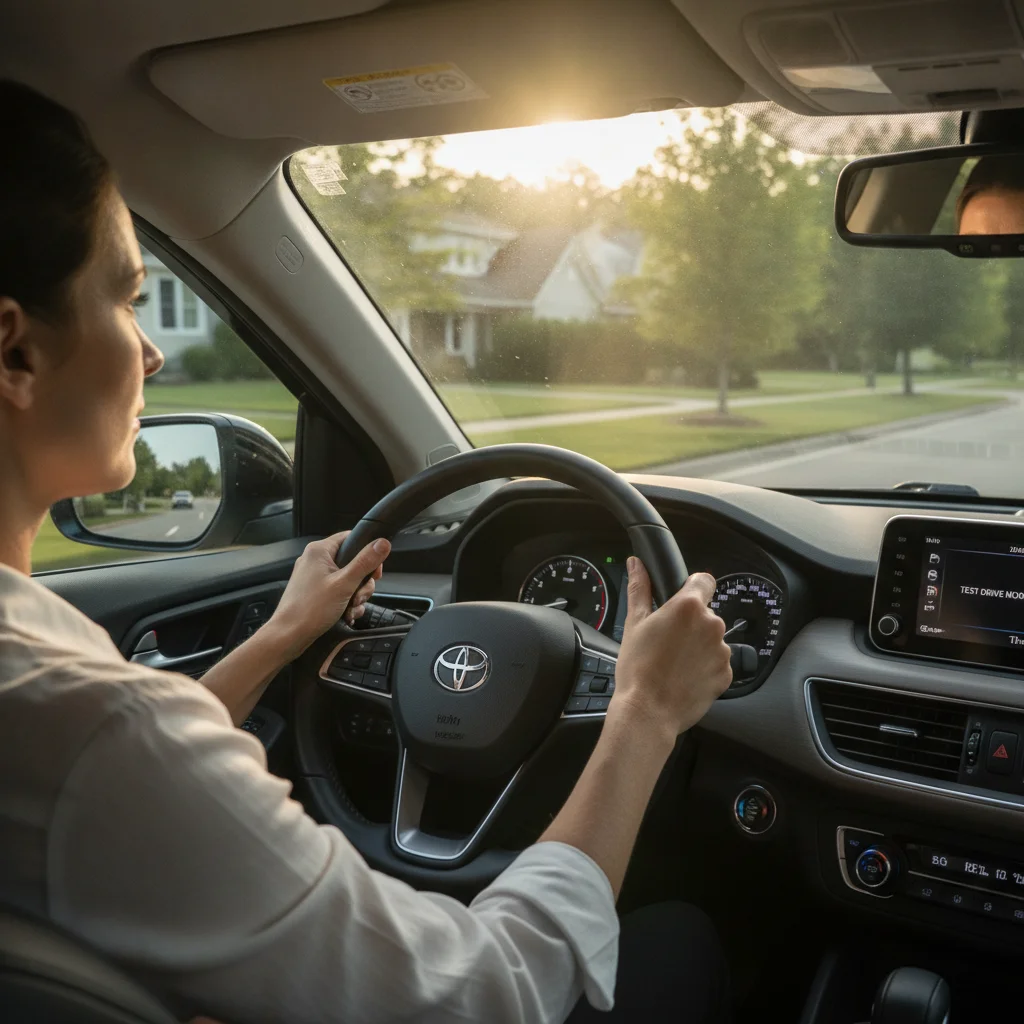
Once you're moving, the car's preparation starts to fade. Real driving conditions stress components in ways a warm idle doesn't.
Route Selection Matters
Do not let the dealership dictate a short loop around the block. You need:
- A stretch of highway at 60–70 mph (checks for vibration, drift, wind noise, and whether the transmission shifts smoothly at speed)
- A rough surface or potholed road (reveals suspension clunks, loose trim rattles, and steering vagueness)
- A full stop from 40 mph (brake feel and pulling)
- A hill start if possible (clutch condition on manuals, transmission hesitation on automatics)
Sensory Checklist While Driving
- Any vibration through the steering wheel at highway speed suggests wheel balance or tire issues.
- Brake pedal that sinks slowly indicates a caliper or master cylinder problem — press firmly and hold for five seconds.
- A transmission that hesitates before engaging, slips between gears, or surges during a shift is signaling service or rebuild territory.
- Wind noise from a specific location usually means a door seal or weatherstripping problem — easy fix, but worth noting in negotiation.
For a detailed breakdown of auditory and tactile signals behind the wheel, test drive tactics for what to listen, feel, and notice is worth reading before you show up.
Pre-Warmed Engines Are Standard Practice
Dealership staff routinely move vehicles around the lot and may start a car to bring it to the front before your arrival — this isn't necessarily deceptive. The concern is specifically when a car is idled for 20+ minutes immediately before a test drive, eliminating cold-start conditions. Calling ahead and asking for a cold car is a reasonable buyer request, not an accusation.
New Cars Are Prepped Too
New car prep isn't designed to hide defects — but it does include detailing, inflation, and systems checks that make every car feel equally fresh at delivery. For new car buyers, the concern shifts from hidden mechanical issues to checking for transit damage (paint chips, interior scratches, or dents from the carrier) that may have been touched up before delivery.
Readiness Monitors Vary by Vehicle
The number of readiness monitors and the drive cycle required to complete them varies by make and model. Some vehicles have 8 or more monitors; others have 5. The presence of any "not ready" monitors isn't automatically a red flag — but three or more incomplete monitors in combination with other warning signs is worth pursuing with a direct question to the sales manager.
When to Walk Away and When to Go Deeper
Not every imperfection is a dealbreaker. Some issues are worth negotiating over; others are reasons to leave. Here's how to separate them.
Negotiate, Don't Walk
- Minor cosmetic issues (stone chips, light scratches, worn floor mats) — use these for price reduction, not rejection.
- Tires with 30–40% tread remaining — a set of tires runs $400–$800. Factor it into your offer.
- One "not ready" monitor on the OBD reader — could be the dealer cleared codes, or the car sat for a while. Ask for a written promise to fix any check engine light that appears within 30 days.
Walk Away
- Evidence of flood damage: waterline stains, corrosion under the seat, fogged gauges.
- Mismatched panel gaps combined with repainted sections — indicates a collision history that may not be on the Carfax report.
- Transmission slipping or hard shifting during a normal test drive — budget repair starts at $1,500, full rebuild at $3,500+.
- Multiple "not ready" monitors combined with any other red flag — the pattern matters.
- Dealer refuses an independent pre-purchase inspection. This alone is disqualifying.
Before you walk into any negotiation, having your homework done matters. Preparation before stepping into a dealership covers how to walk in with your numbers, research, and leverage already organized.
And if you want to understand the psychology of the transaction from the other side of the desk, what salespeople are trained to notice is useful context for staying composed during the test drive itself.
The One Step That Beats Every Prep Tactic
Everything in this article helps you look past dealer presentation. But nothing replaces an independent pre-purchase inspection (PPI) from a mechanic you chose and pay directly.
A qualified mechanic will put the car on a lift, check brake rotor thickness with calipers, inspect the CV boots and axles, examine the exhaust system for patches, check the frame and subframe for repairs, and pull live diagnostic data with a professional scan tool. A good PPI takes 60–90 minutes and costs $100–$200.
That's the best $150 you'll spend on a used car purchase. Dealers who refuse to allow a PPI are telling you something more valuable than anything their detailing team can cover up.
Bring a UV Flashlight to Every Inspection
A small UV flashlight ($8–$15) reveals bodily fluid stains, pet urine on carpet and upholstery, and certain types of paint overspray that are completely invisible to the naked eye under showroom lighting. It fits in a jacket pocket and takes 60 seconds to sweep the interior. Worth every dollar.
Request the Pre-Sale Inspection Report
Most franchised dealerships perform a documented multi-point inspection before a used car enters certified inventory. You can ask for a copy of this inspection sheet. It won't reveal everything, but it tells you what the dealer's own technicians noted — and which items they chose to fix versus leave on the lot.
Line Up Your Mechanic Before You Visit
Identify a trusted independent mechanic within 10–15 miles of the dealership before you go. If you find a car worth pursuing, you can arrange the PPI the same day or the next morning rather than losing momentum to logistics. Most dealers will hold a car for 24–48 hours for a serious buyer pending an inspection.
For additional context on how flaws get handled — or hidden — during car prep, mistakes sellers make when trying to hide a car's flaws gives you the seller's perspective on why concealment usually fails anyway. And the used car buyer's pre-drive checklist consolidates the exterior, interior, and under-hood checks into a single printable reference.

All claims are backed by peer-reviewed research. Sources on request.