Key Takeaways
Why Cheap Prep Outperforms Expensive Prep
There's a common misconception among private sellers: that meaningful prep means spending real money. New tires, a professional detail, touch-up paint, maybe a tune-up. The logic makes intuitive sense — invest in the car, raise the price. But in reality, the prep steps that move the needle most for buyers are almost always the ones that cost next to nothing.
Here's why: buyers aren't evaluating your car like a mechanic. They're reading it like a story. Every detail — the smell when they open the door, whether the floor mats are clean, how the glove box looks when they open it — tells them something about how this car was treated. And how it was treated is exactly what they're trying to figure out before they hand over thousands of dollars.
That means a $4 bottle of interior cleaner applied thoughtfully beats a $200 detail that hides a car's real condition. It means a folder of service records creates more trust than a fresh coat of wax. It means the small, honest signals of care are worth far more than the expensive signals of presentation.
If you're wondering where more intensive prep dollars might or might not pay off, our guide on detailing vs. minor repairs breaks that down in practical terms. But first, let's focus on what you can do today for almost nothing.
The Low-Cost Prep Steps That Actually Move Buyers
Eliminate odors before anything else
Smell is the first thing a buyer notices when they open the door — and it triggers an almost instant emotional judgment. A car that smells musty, smoky, or stale immediately puts a buyer on guard. A car that smells neutral or faintly clean feels safe and well-kept before they've sat down.
The good news is that odor removal doesn't require an ozone machine or a professional. Start by removing every physical source: old receipts, forgotten food wrappers, gym bags, pet accessories. Vacuum the seats and carpet thoroughly, including under the seats. Sprinkle baking soda on fabric surfaces, let it sit for 15–30 minutes, then vacuum it out. For persistent pet or smoke odors, a $6–$8 activated charcoal odor absorber left in the car overnight makes a real difference.
Skip the hanging air fresheners — they signal cover-up, not cleanliness. A neutral-smelling car is always more reassuring than a heavily perfumed one.
A neutral-smelling car is always more reassuring than a heavily perfumed one.
Deep-clean the interior surfaces with what you already own
You don't need specialty detailing products to make an interior look well-cared-for. A microfiber cloth — a pack of 10 costs about $8 — and a basic all-purpose cleaner handle the vast majority of interior surfaces effectively. The key is thoroughness, not product quality.
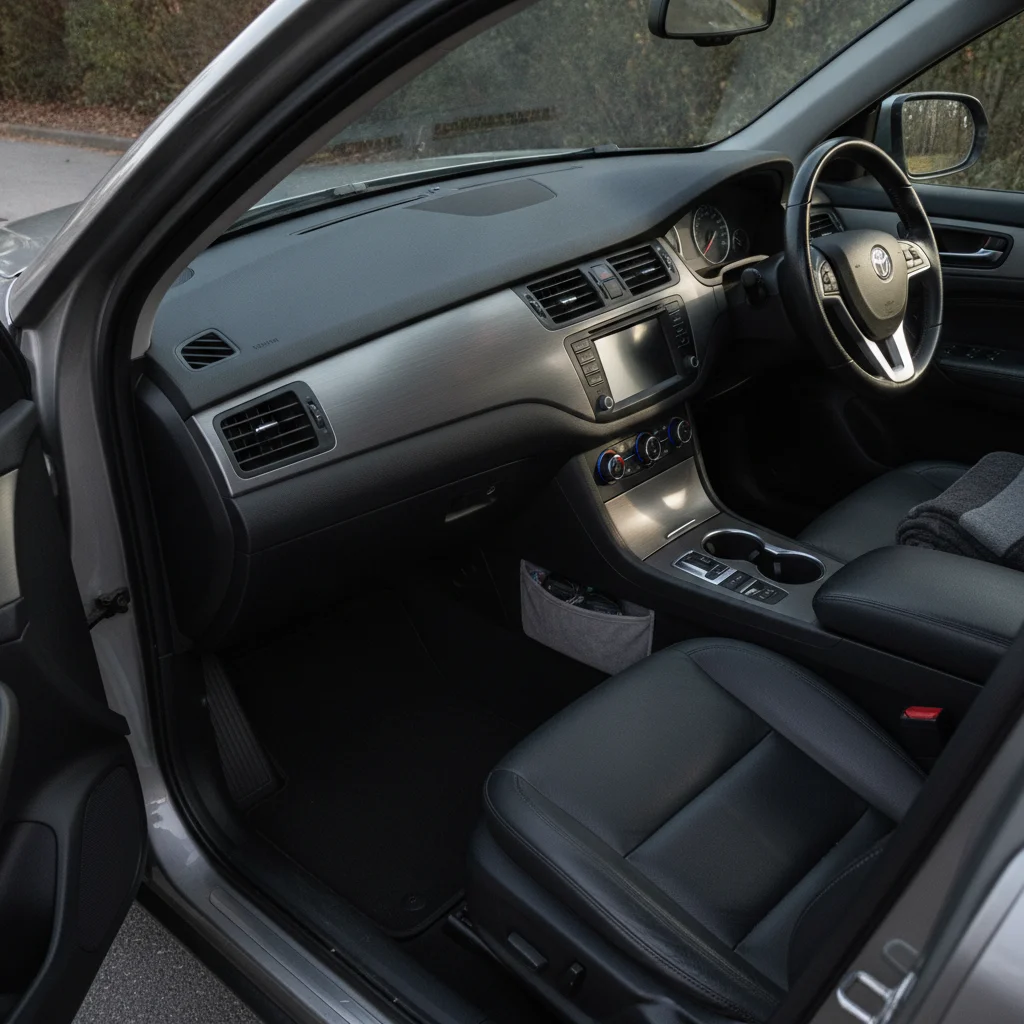
Wipe down the dashboard, center console, door panels, and steering wheel. Pay particular attention to the areas buyers actually touch: the gear shifter, door handles, and armrests. Grime concentrated in those spots reads as neglect. While you're at it, clean the inside of the windows — interior glass films over time and a smudgy windshield makes the whole car feel dirty even if everything else is spotless.
Don't overlook the cup holders, which are almost universally ignored and almost universally noticed. A cotton swab dipped in cleaner handles the ridges. It takes three minutes and leaves a strong impression.
[in_content_images:1]Grime concentrated in high-touch areas reads as neglect more than anything else in the interior.
Restore the floor mats to as-new as possible
Floor mats absorb more wear than any other interior surface, which is exactly why buyers look at them. Worn, stained, or dirty mats signal high use — but clean mats, even older ones, signal care. This is one of the highest-return prep steps for the time it takes.
Remove the mats entirely and shake them out. If they're rubber, rinse them with a hose and scrub with dish soap. If they're carpet, vacuum thoroughly and spot-treat any visible stains with a fabric cleaner or even a small amount of dish soap worked in with a brush. Let them dry completely before reinstalling.
If the mats are truly beyond saving, a set of universal-fit replacement mats costs $15–$20 at any auto parts store and makes the interior feel substantially fresher. That's one of the few cases where spending a small amount on a replacement part is clearly worth it.
Clean mats — even older ones — tell buyers the car was consistently cared for, not just prepped for sale.
Clear out every personal item and excess clutter
A car full of your belongings doesn't feel like an asset — it feels like someone's storage unit. Buyers have difficulty visualizing owning a car that still looks like it belongs to someone else. Clearing out personal items is free, takes 20 minutes, and removes one of the most common psychological barriers to a buyer committing.
Go through the glove box, center console, door pockets, trunk, and any storage compartments. Remove everything that isn't part of the car. This includes registration and insurance documents that belong to you (keep the owner's manual and any remaining warranty paperwork). A decluttered glove box that contains only the manual and service records projects organization. An overstuffed one with old fast food napkins and expired insurance cards projects chaos.
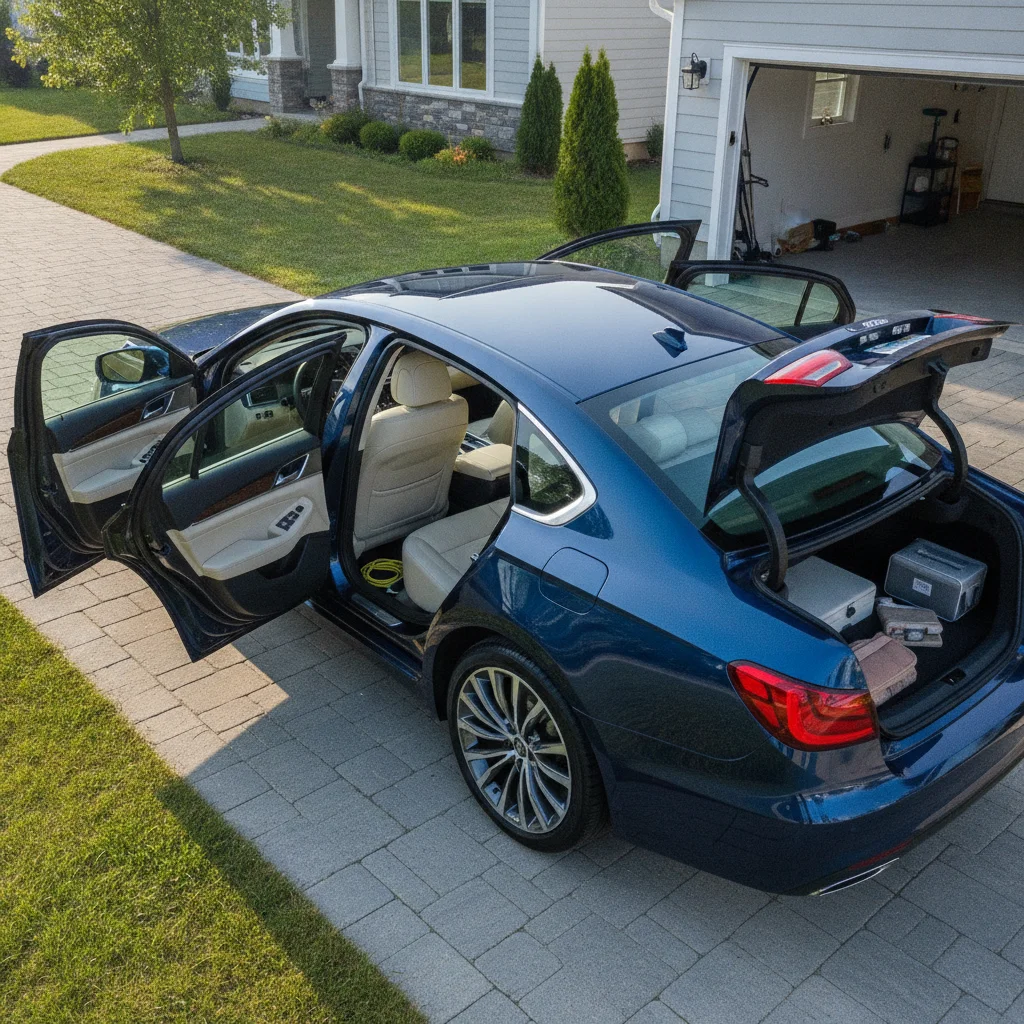
The trunk deserves special attention. Buyers almost always open it. A clean, empty trunk with a properly stored spare and working jack reads as thorough. A trunk full of sports equipment and old grocery bags does not.
Buyers can't picture owning a car that still looks like it belongs to someone else.
Compile your service records into a simple folder
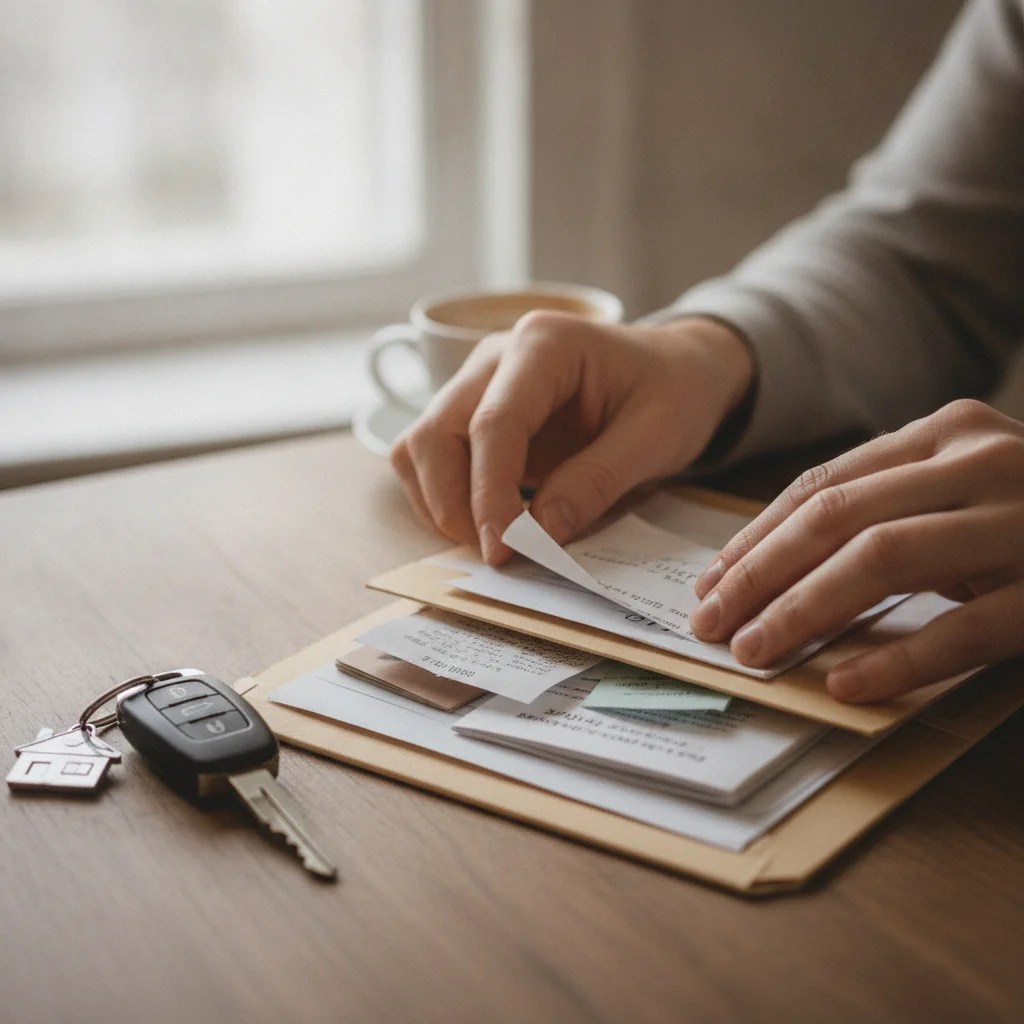
This step costs nothing and may be the single most powerful trust signal you can offer a private-party buyer. A buyer looking at a used car is trying to answer one central question: was this car taken care of? A folder of service records answers that question more directly than anything else.
Gather any oil change receipts, inspection records, repair invoices, or dealership service documents you have. Even partial records are better than none. Organize them chronologically in a basic manila folder or clear plastic sleeve. If your records exist digitally — in an email archive or an app — print the relevant ones.
Buyers who see a service history folder relax visibly. They feel like they're getting the full picture rather than a sales pitch. This contrasts sharply with the kind of presentation polish dealers use that can actually obscure a car's history — something our article on how dealers prepare cars for test drives covers in detail. As a private seller, transparency is your competitive advantage.
A folder of service records answers the buyer's central question before they even ask it.
Address warning lights before the test drive
A check engine light or any other dashboard warning light is a deal-breaker for many buyers — not necessarily because the issue is serious, but because it signals unknown risk. When a buyer sees a warning light, they immediately start imagining expensive repairs and walk away or negotiate aggressively downward.
Before you list, address any active warning lights. Start with the simple ones: a loose gas cap triggers an emissions warning on most cars and costs nothing to fix. Tire pressure warnings are resolved with a $1 pump at any gas station. For a check engine light, a basic OBD-II scanner — available for $20–$25 at auto parts stores — lets you read the error code yourself. Many auto parts chains will also read the code for free.
If the underlying issue is genuinely minor, fix it. If it's more complex, know what the code says so you can speak to it honestly. Buyers respect sellers who can say "here's what that light indicates and here's the estimate I got" far more than sellers who say nothing and hope the buyer doesn't notice.
[in_content_images:2]Buyers don't fear warning lights as much as they fear not knowing what a warning light means.
Give the exterior a careful hand wash and tire treatment
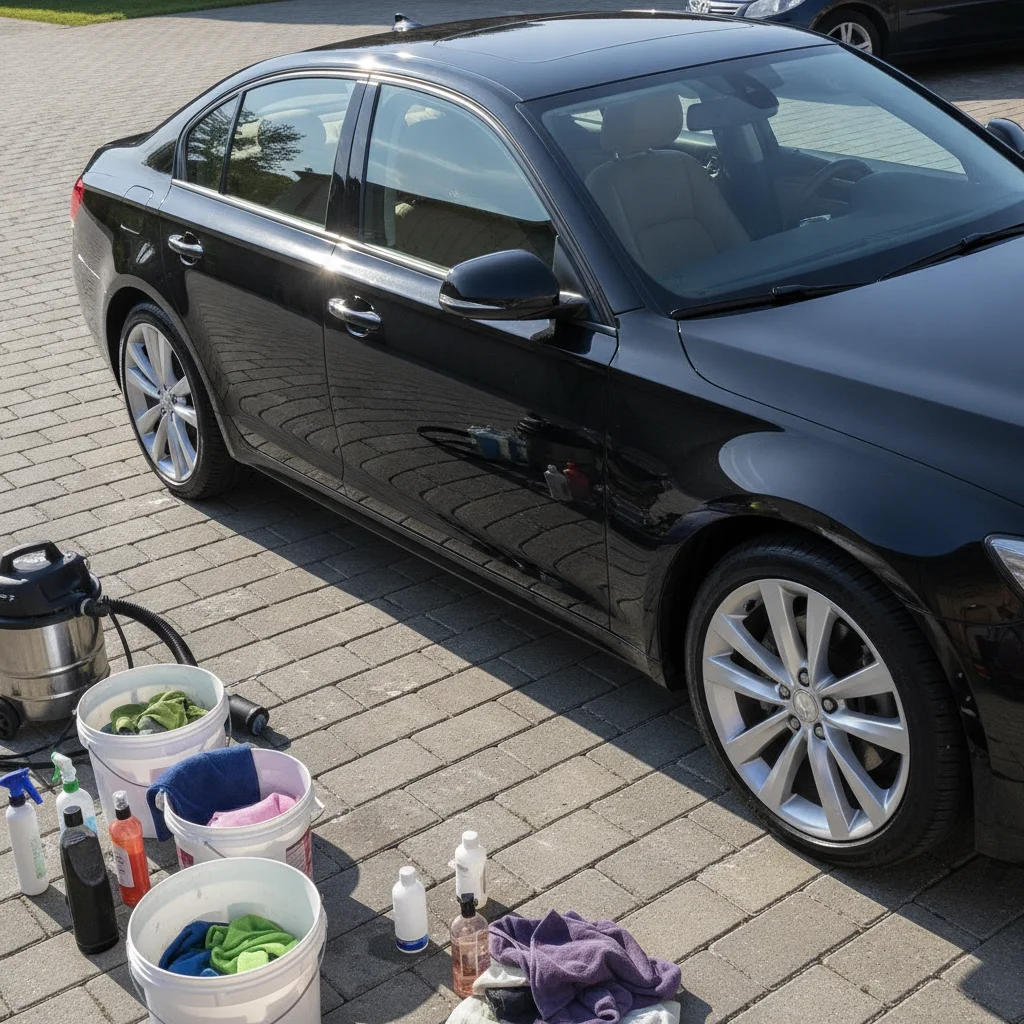
A professional detail isn't necessary before a private sale — but a thorough hand wash is. Bird droppings, road grime, and water spots are easy to miss when you see the car every day, but a buyer notices them immediately. A bucket, car wash soap, a wash mitt, and a microfiber drying cloth handle this for under $15 if you don't already have them.
After washing, apply a tire dressing product to the sidewalls. A $5–$8 spray makes tires look darker and newer, which dramatically improves curb appeal in listing photos and in person. It's one of those small details that buyers interpret as overall vehicle care even though it's purely cosmetic.
If there are minor surface scratches that catch the light, a $10 scratch-removal polish applied with a microfiber cloth reduces their appearance significantly on most clear-coat finishes. You won't eliminate deep scratches, but you can make light swirl marks much less visible — enough to stop a buyer from flagging them as a negotiating point.
For sellers with higher-mileage vehicles, our guide on prepping high-mileage cars for sale explains which surface-level prep steps are worth prioritizing when buyers will be scrutinizing harder.
Tire dressing is a $6 product that adds thousands of dollars of perceived care to a car's curb appeal.
Check and top off all fluids visibly
Popping the hood during a showing is standard practice for any engaged buyer. What they see when they look under the hood — even if they're not mechanically knowledgeable — shapes their confidence. A clean engine bay with clearly filled fluid reservoirs looks maintained. Low windshield washer fluid, a coolant reservoir running near empty, or a dipstick that shows dark, old oil are small things that leave big impressions.
Top off the windshield washer fluid (under $3 a gallon), check and top up coolant if it's low, verify the power steering fluid and brake fluid are at appropriate levels, and check the oil. If the oil is very dark and past its change interval, a fresh oil change before selling is a worthwhile $30–$50 expense — not because it changes how the car runs, but because a buyer who checks the dipstick and sees clean, amber oil immediately feels better about the car's maintenance history.
This is also the moment to wipe down any dusty plastic covers in the engine bay with a damp cloth. You're not trying to create a showroom engine — you're simply removing the visual clutter that makes buyers wonder when anyone last looked under the hood.
Clean oil on the dipstick is a silent endorsement of the car's entire maintenance history.
Take your listing photos right after prep
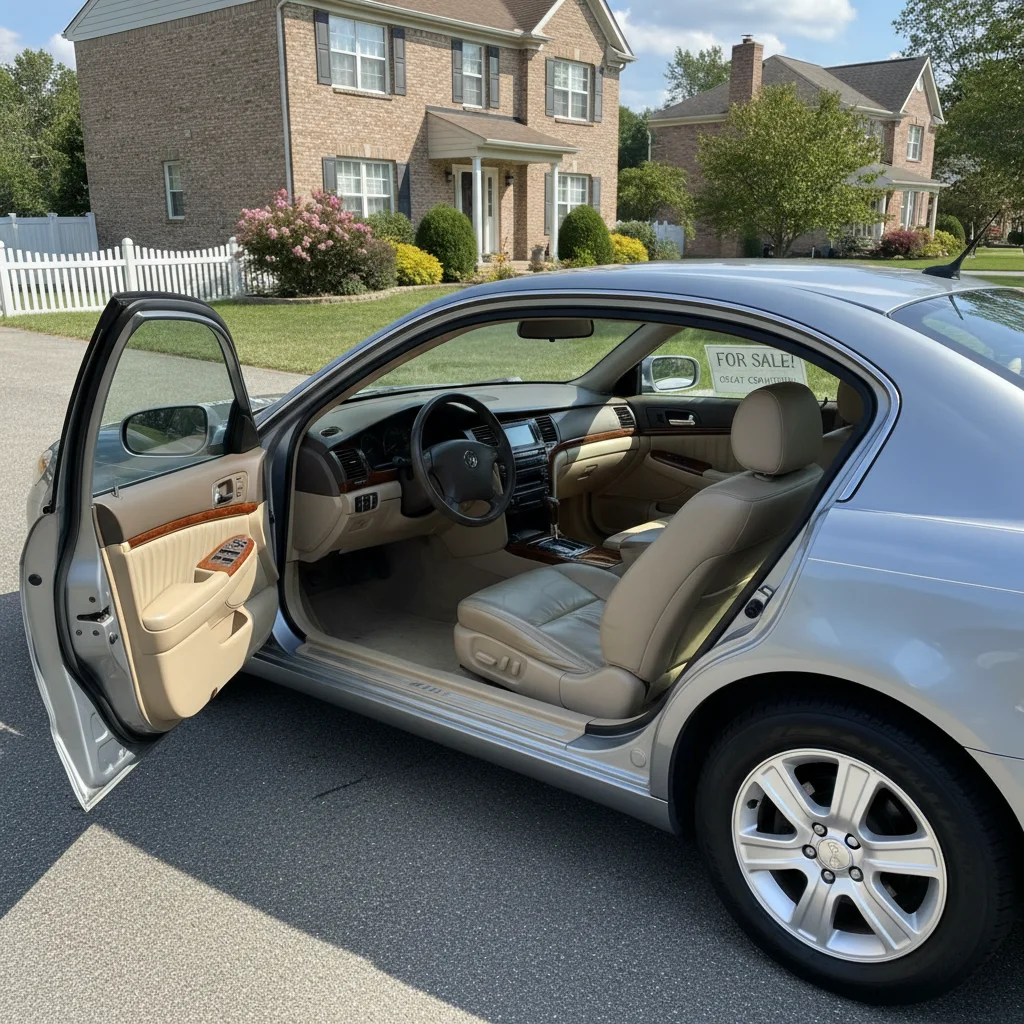
Timing matters more than people realize. Photograph the car immediately after washing and drying, while tire dressing is still fresh and surfaces are dust-free. Shoot in open shade — not direct sunlight, which creates harsh reflections — in the late morning or mid-afternoon. Photos taken right after prep capture the car at its honest best, and good photos set realistic expectations that buyers are pleasantly surprised to see met in person.
Use a 'buyer walk-around' test before listing
Once you've finished your prep, do a slow walk around the car as if you were a buyer seeing it for the first time. Open every door, check the trunk, sit in the back seat, open the glove box. You'll catch the small things you missed — a forgotten receipt, a smudged window corner, a low tire — before a real buyer does. Five minutes of this exercise is worth more than an extra hour of cleaning.
Prep doesn't mean disguise
There's an important distinction between presenting your car well and concealing its condition. Thorough cleaning, organized records, and addressed minor issues are honest prep. Repainting over rust, masking mechanical problems with fresh fluids, or clearing a check engine light without fixing the underlying issue crosses into misrepresentation. Buyers who discover concealed problems can — and sometimes do — pursue legal remedies after a private sale. Honest prep protects both parties.
If you're considering an instant offer instead
Not every seller wants to go the private-party route. If the prep process feels like too much or you're prioritizing speed over maximum return, online buying platforms offer a streamlined alternative. Our <a href="/selling-your-car/sale-channels/instant-offer-platforms">instant offer platforms hub</a> compares the main services on payout, speed, and convenience so you can decide whether it's the right path for your situation.
Putting It All Together Before You List
None of these steps require a free weekend or a big budget. Most can be done in an afternoon with supplies you either already own or can pick up for under $20 total. The goal isn't to transform your car — it's to let its actual condition speak clearly, without visual clutter or minor distractions getting in the way.
Buyers who feel confident about a car's history and care tend to negotiate less aggressively and close faster. That confidence comes from the cumulative effect of small, honest signals — not from a showroom shine that raises questions about what's underneath.
If you want a more structured approach to working through every part of the car before listing, our pre-sale prep checklist walks you through exterior, interior, engine bay, and trunk zone by zone. And if you're curious about how much a professional detail actually adds to your sale price on average, the real ROI of detailing before you sell gives you honest numbers to work with.
Prep well, price fairly, and let the car's genuine condition do the selling. That's the approach that gets you to a clean transaction — with less negotiation, less anxiety, and a buyer who feels good about what they bought.

All claims are backed by peer-reviewed research. Sources on request.