Key Takeaways
Why Sellers Try to Hide Flaws — and Why It Usually Backfires
Selling a used car is stressful. You know the vehicle's history better than anyone, and that knowledge — a check-engine light you reset, a fender-bender you didn't report, a slow oil leak you've been managing — can feel like a negotiating liability. The temptation to minimize, mask, or simply not mention those issues is understandable. But the strategies sellers reach for most often are the ones that create the biggest problems.
Buyers today come armed. They bring diagnostic tools, UV lights, paint-thickness gauges, and mechanic contacts. They've read guides on spotting flood damage and they know what fresh undercoating smells like. The information gap between seller and buyer has never been smaller, which means concealment attempts that might have slipped through a decade ago now frequently get flagged — sometimes before the buyer has even sat in the driver's seat.
More importantly, when a cover-up is discovered, it doesn't just cost you the sale. It signals deception. A buyer who uncovers one hidden issue will assume there are more. The negotiation dynamic shifts completely, and you're no longer the credible seller who priced their car fairly. You're the person who tried to hide something.
This article walks through the most common concealment mistakes private sellers make, why each one tends to fail, and what to do instead. The good news: legitimate preparation — the kind that actually makes a car more appealing — is usually cheaper and less stressful than the alternative.
The Most Costly Mistakes Sellers Make When Concealing Car Flaws
Each of the errors below follows a similar pattern: a seller identifies a problem, decides disclosure feels too risky, attempts a workaround, and ends up in a worse position than if they'd simply been upfront. Recognizing these patterns is the first step toward avoiding them.
Resetting the check-engine light without fixing the underlying problem.
Why it happens: Sellers assume the light won't return quickly, or that a buyer won't think to check for stored codes. It feels like a low-effort way to present a clean dashboard.
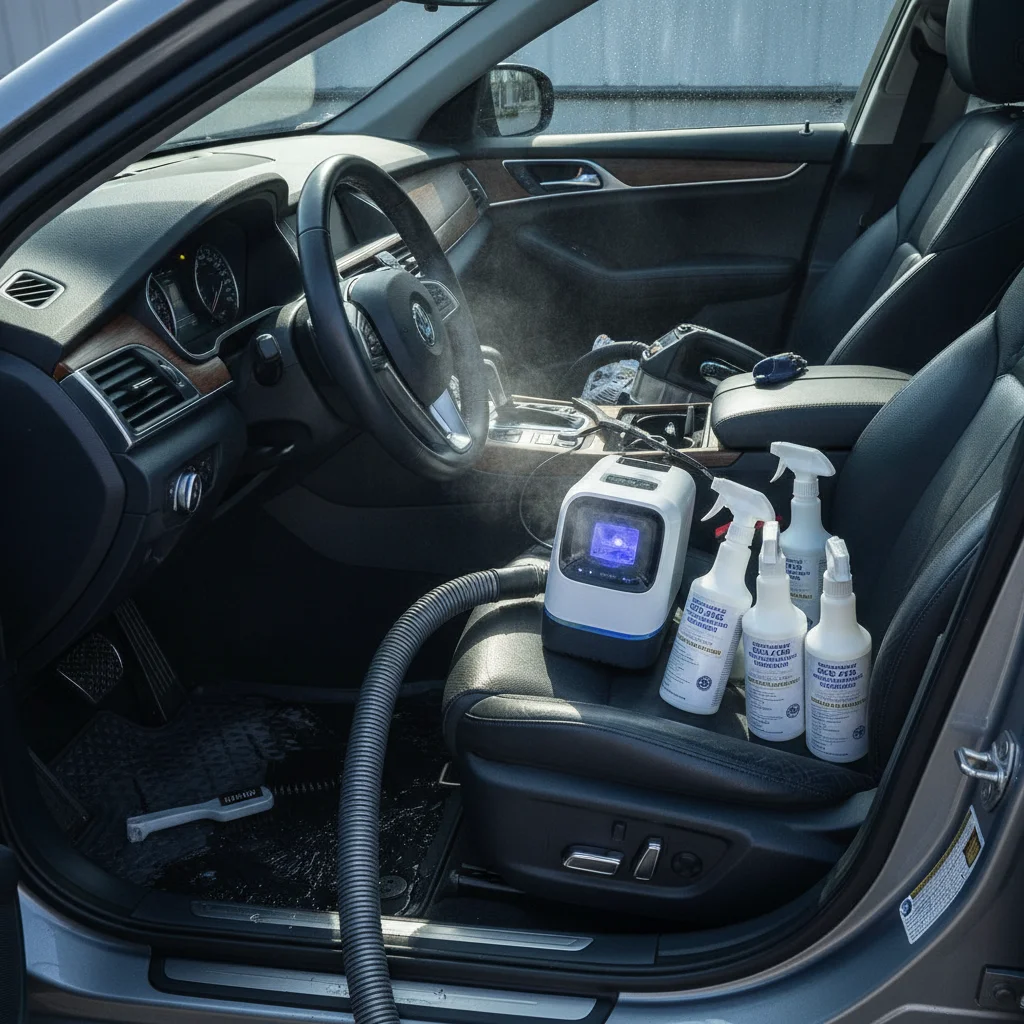
Using air fresheners or odor sprays to mask smoke or pet smells.
Why it happens: The logic seems sound: a strong pleasant scent should neutralize a bad one. In reality, it does the opposite — buyers immediately associate an overpowering air freshener with something being concealed.
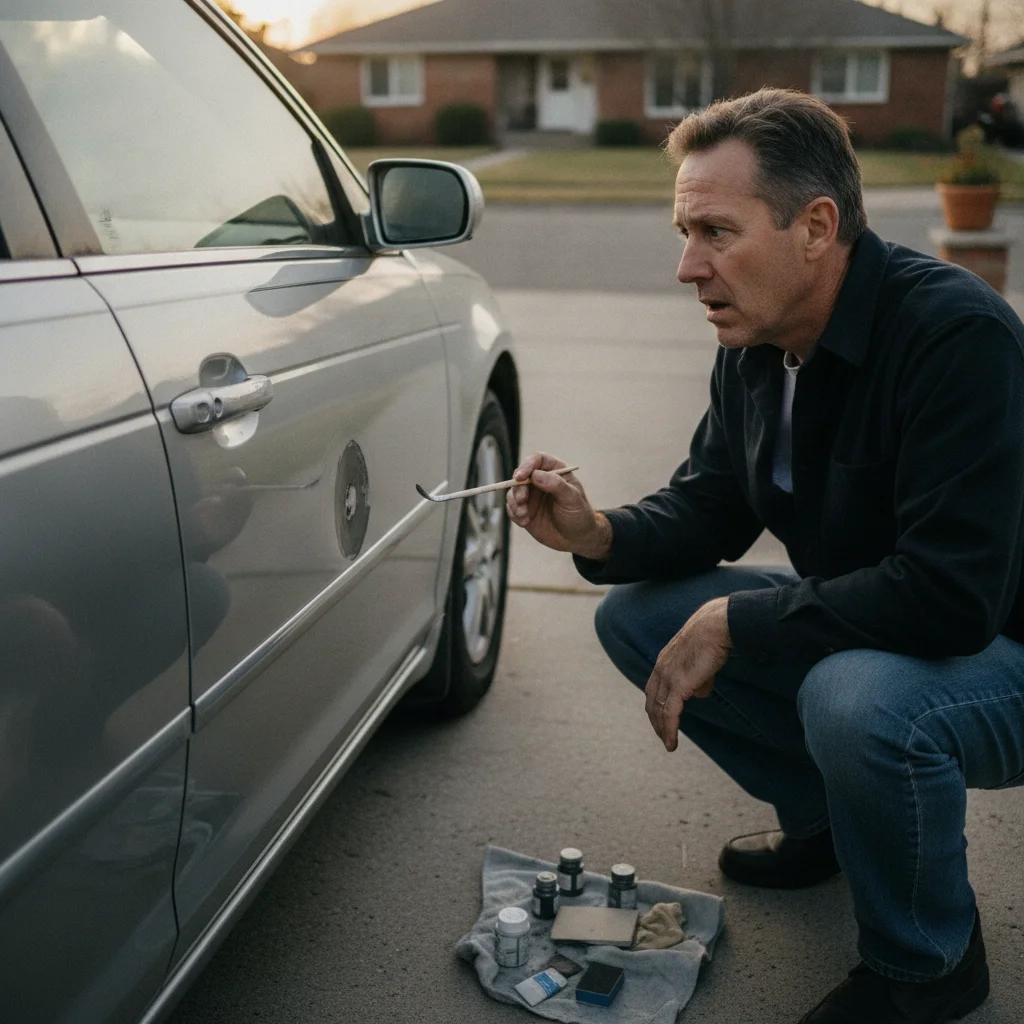
Applying touch-up paint to rust spots or deep scratches without proper surface preparation.
Why it happens: Touch-up paint looks like a quick, cheap solution to an obvious visual flaw. Sellers apply it hoping it will blend and go unnoticed.
Parking on an angle or in dim lighting to hide body damage or panel misalignment.
Why it happens: Sellers hope a buyer will be dazzled by the interior or the test drive before they get a close look at the bodywork. It's a stalling tactic more than a real concealment strategy.
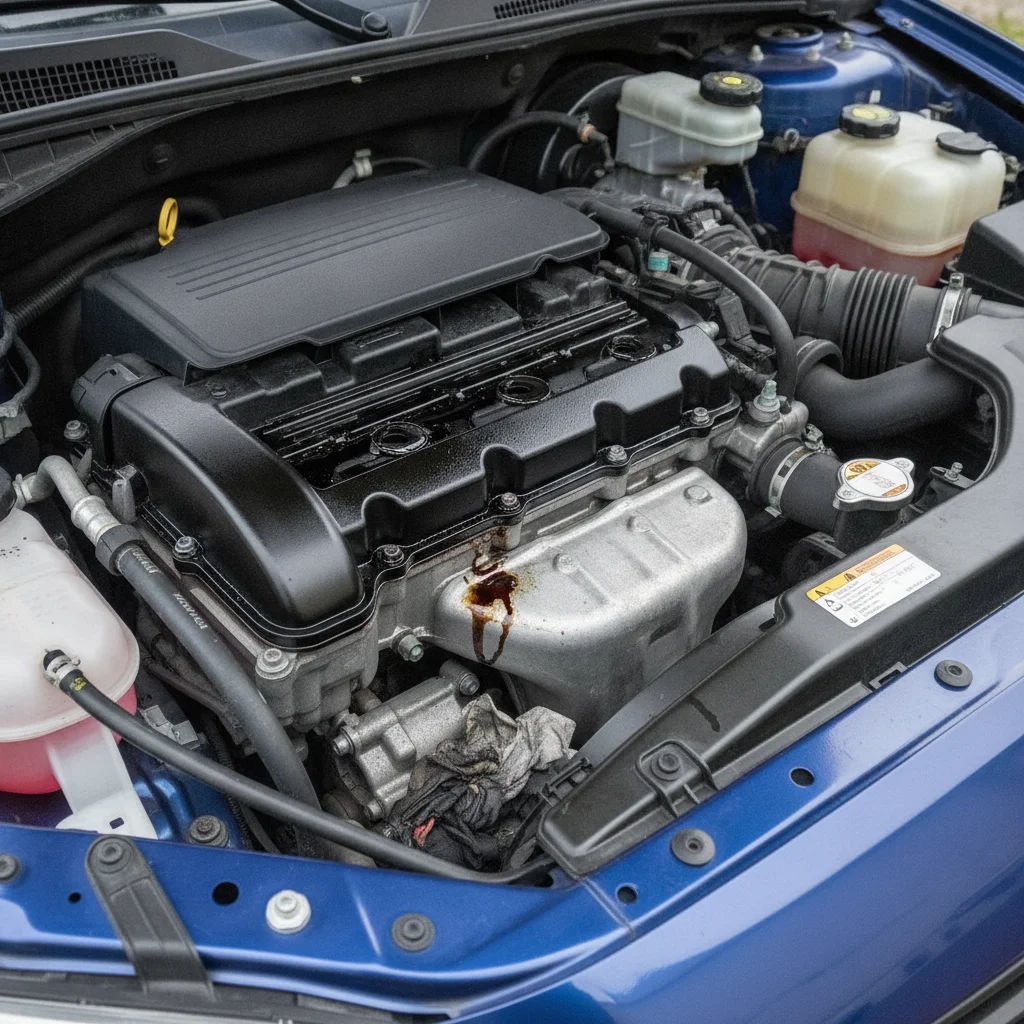
Topping off fluids to hide slow leaks without disclosing the leak itself.
Why it happens: Fresh oil, coolant, and brake fluid make the engine bay look maintained and prevent obvious low-fluid warnings during a test drive.
Withholding accident or flood history that appears in vehicle history reports.
Why it happens: Sellers worry that a reported accident — even a minor one — will crater their asking price, so they stay silent and hope the buyer doesn't run a report.
Pressure-washing the undercarriage to disguise signs of rust or structural repair.
Why it happens: A clean undercarriage looks better in photos and at an inspection, and sellers assume buyers won't notice the difference between clean-because-maintained and clean-because-just-washed.
For a deeper look at how buyers are coached to see through presentation tactics, see our article on how dealers prepare cars for test drives. If buyers know what professional detailers do, they'll certainly notice when an amateur attempt goes wrong.
The Legal Risk Sellers Underestimate
Most sellers think of hiding a car flaw as a negotiating strategy. What they don't always realize is that it can cross into legal territory. In the majority of U.S. states, private sellers are required to disclose known material defects — issues that would meaningfully affect the vehicle's value or safety. Concealing them isn't just ethically questionable; it can expose you to claims of misrepresentation or fraud after the sale.
Concealment Can Have Legal Consequences
In most U.S. states, knowingly hiding a material defect from a private buyer can expose you to misrepresentation or fraud claims even after the sale is complete. An "as-is" bill of sale offers some protection, but it does not shield you from liability for defects you knew about and deliberately concealed. When in doubt, disclose in writing — it's the cleanest protection available to a private seller.
Discovery Costs More Than Disclosure
When a buyer discovers a hidden flaw, the immediate financial hit — a collapsed deal, a renegotiated price, or a post-sale dispute — is almost always larger than the price adjustment you would have made by disclosing it upfront. Transparency paired with honest pricing is the most reliable path to a clean close. Treat disclosure not as a concession, but as the strategy that actually protects your outcome.
The legal exposure varies by state, but the general principle is consistent: if you knew about a problem and took steps to hide it, that knowledge can be used against you in a dispute. A buyer who discovers a concealed transmission issue three weeks after purchase has a far stronger case than one who finds a flaw you clearly disclosed in writing.
1 in 3
Used cars sold with undisclosed prior damage
Carfax's 2023 Used Car Market Report found that roughly one in three used vehicles on the market has undisclosed damage history — a figure that fuels buyer skepticism.
$1,500+
Average buyer discount demanded after discovering hidden flaws
Consumer automotive research consistently shows buyers discount offers by $1,500 or more when they discover a concealed mechanical or structural issue during inspection.
78%
Buyers who walk away after uncovering a cover-up
A J.D. Power survey found that nearly 78% of private-sale buyers who discovered a seller had concealed information abandoned the transaction entirely.
The practical fix here is straightforward. Get into the habit of documenting what you know and what you've disclosed. A simple written statement — even a few bullet points — given to the buyer and signed at handover provides meaningful protection for both parties. Our guide on what to disclose to a private buyer walks through exactly what needs to be said, even when it feels uncomfortable.
Also worth reading before your sale closes: understanding the paperwork and contracts involved in a private sale. The language in an as-is bill of sale matters, and knowing what it does and doesn't protect you from is worth fifteen minutes of your time.
"As-Is" Doesn't Mean You're Fully Protected
Many sellers assume that selling a car "as-is" provides a complete legal shield against any post-sale complaints. It limits liability for unknown defects, but courts in multiple states have ruled that it does not protect sellers who deliberately concealed known problems. Document what you've disclosed and have the buyer acknowledge it in writing at the time of sale.
Beware of Cover-Up Signals That Flag Worse Problems
Some concealment attempts don't just fail — they signal to experienced buyers that the car may have serious undisclosed history. Fresh paint over an isolated panel, new undercoating on one section of the frame, or mismatched interior panels can all suggest prior collision or flood damage. A buyer who sees these signals may walk away from a car that's actually fine, simply because it looks like something is being hidden.
What Actually Works: Legitimate Prep That Builds Buyer Confidence
The irony of concealment attempts is that the money and effort sellers invest in them would deliver far better returns if spent on real preparation. Buyers aren't looking for a perfect car — they know used cars have history. What they're looking for is a seller who respects their intelligence and a vehicle that matches what the listing promised.

A few areas where legitimate prep pays consistent dividends:
- Odor elimination: Smoke, pet hair, and mildew smells are among the top deal-breakers in any used car transaction. Covering them with air freshener is one of the most easily detected concealment attempts there is. Proper odor removal — enzymatic treatments, ozone, deep carpet cleaning — actually solves the problem. See our breakdown of which odor-removal methods actually work.
- Cosmetic honesty on wheels and trim: Scuffed alloy wheels are extremely common, but sellers who try to spray-paint over curb rash often create a worse impression than the original damage. Understanding how curb rash affects perceived value helps you decide when refinishing is genuinely worthwhile versus when an honest price adjustment is the smarter move.
- Headlight clarity: Foggy, yellowed headlights are one of the highest-ROI prep items a seller can address. A DIY restoration kit costs under $30 and takes less than an hour. Our guide on restoring foggy headlights before your listing goes live makes it straightforward.
- Engine bay cleanliness: An engine bay that looks neglected causes buyers to mentally question every other aspect of the car's maintenance. Addressing it is far more valuable than topping off fluids to hide a slow leak. Why a dirty engine bay spooks buyers explains what buyers actually read into it.
- Interior stains: Many stains can be significantly reduced without resorting to concealment. Knowing what treatments work for which stain types is the difference between genuine improvement and a temporary cover that lifts at first cleaning. See our realistic guide to carpet and upholstery stain removal.
For a broader look at what actually moves the needle in buyer negotiations, why buyers negotiate hard on cosmetic flaws is worth reading alongside this piece. And if you're weighing whether to sell privately or trade in, check the trade-in pitfalls experienced sellers still fall into before making that decision.
Framing Flaws Honestly — Without Tanking Your Price
There's a skill to disclosing a car's issues without unnecessarily undermining your negotiating position. It starts with understanding the difference between disclosing and volunteering every negative thought you've ever had about the vehicle.
Disclosure means communicating material facts a buyer needs to make an informed decision: known mechanical issues, accident history, flood exposure, odometer irregularities. It does not mean leading with every scratched panel and worn button before the buyer has even looked at the car.
Here's a simple framework that works for most private sellers:
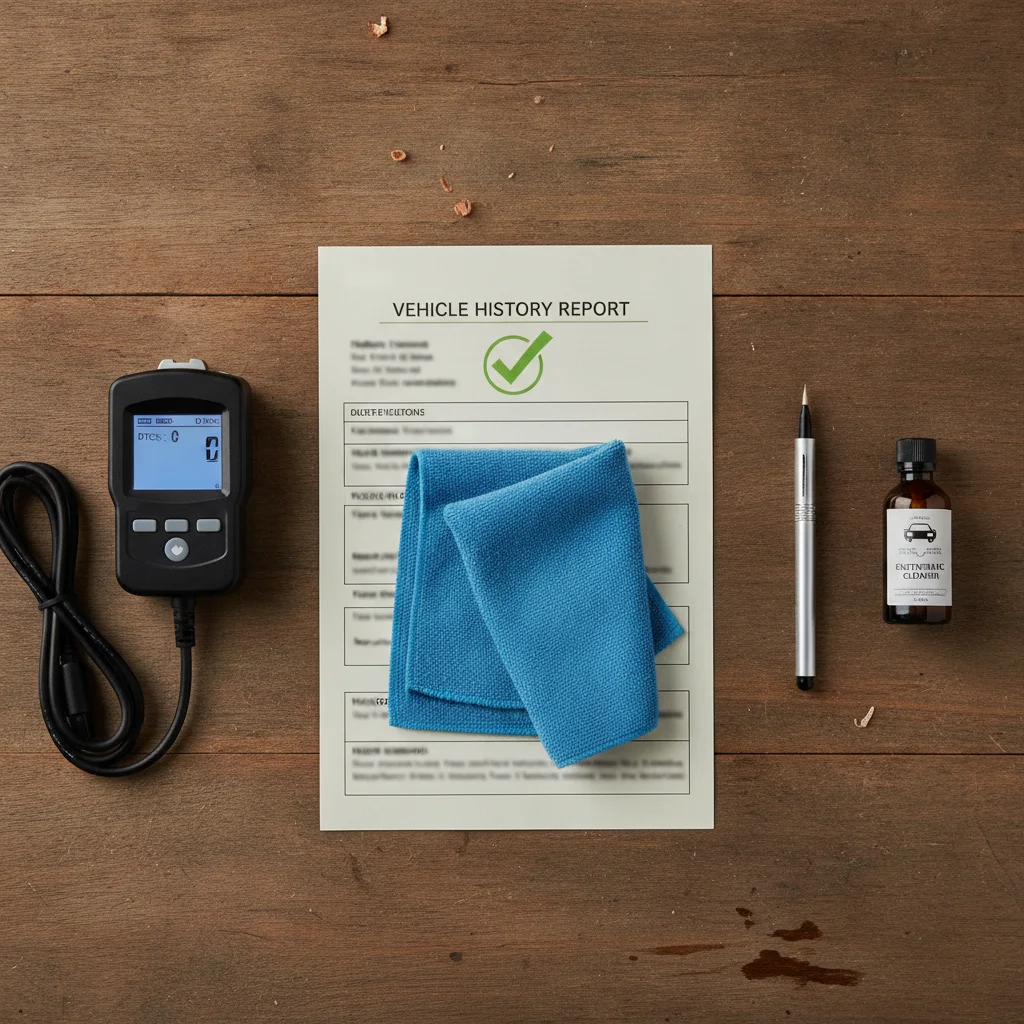
- Pull the vehicle history report yourself, first. Know what's on it before the buyer sees it. Address any discrepancies between the report and the car's actual condition proactively.
- Price the car with its condition already factored in. A fair listing price that accounts for known flaws removes most of the sting from disclosure. Buyers negotiate hard when they feel a price doesn't reflect reality; they negotiate less when they trust the pricing logic.
- State known issues plainly in the listing. "Minor oil seep at the valve cover gasket — addressed in price" is far more confidence-inspiring than a spotless listing that a buyer then discovers has an oil seep.
- Offer a pre-purchase inspection. Inviting a buyer to bring their mechanic is one of the strongest signals of good faith available to a private seller. Most buyers who have this offered to them feel significantly less need to assume hidden problems.
The private party sales process works best when the seller and buyer both feel they're operating with the same information. Sellers who structure their listing and conversations around that principle consistently report smoother negotiations and fewer post-sale disputes.
Also worth avoiding: detailing shortcuts that cause more problems than they solve. Detailing myths that cost sellers time and money covers the most common prep missteps that backfire at viewings.
The Bottom Line for Sellers Who Want a Clean Close
Selling a used car with known flaws doesn't have to be an adversarial process. The sellers who close deals cleanly and quickly are almost never the ones who hid the most — they're the ones who prepared honestly, priced fairly, and gave buyers enough information to feel confident saying yes.
Concealment attempts shift the dynamic in the wrong direction. They turn a routine sale into a discovery process, where the buyer is hunting for problems rather than evaluating a fairly-presented vehicle. Every minute a buyer spends looking for what you're hiding is a minute they're not spending talking themselves into the purchase.
Concealment Can Have Legal Consequences
In most U.S. states, knowingly hiding a material defect from a private buyer can expose you to misrepresentation or fraud claims even after the sale is complete. An "as-is" bill of sale offers some protection, but it does not shield you from liability for defects you knew about and deliberately concealed. When in doubt, disclose in writing — it's the cleanest protection available to a private seller.
Discovery Costs More Than Disclosure
When a buyer discovers a hidden flaw, the immediate financial hit — a collapsed deal, a renegotiated price, or a post-sale dispute — is almost always larger than the price adjustment you would have made by disclosing it upfront. Transparency paired with honest pricing is the most reliable path to a clean close. Treat disclosure not as a concession, but as the strategy that actually protects your outcome.
Think of the effort you'd put into hiding a flaw and redirect it toward fixing or fairly pricing it. That's not just the ethical approach — it's the one that consistently produces better financial outcomes for sellers. A buyer who trusts you will negotiate less aggressively, move faster, and be far less likely to resurface with complaints after the sale.
If you're in the early stages of preparing your car for sale, the private party sales hub is a solid starting point for understanding the full process from listing through to handover.

All claims are backed by peer-reviewed research. Sources on request.