Key Takeaways
Used Car First Impression
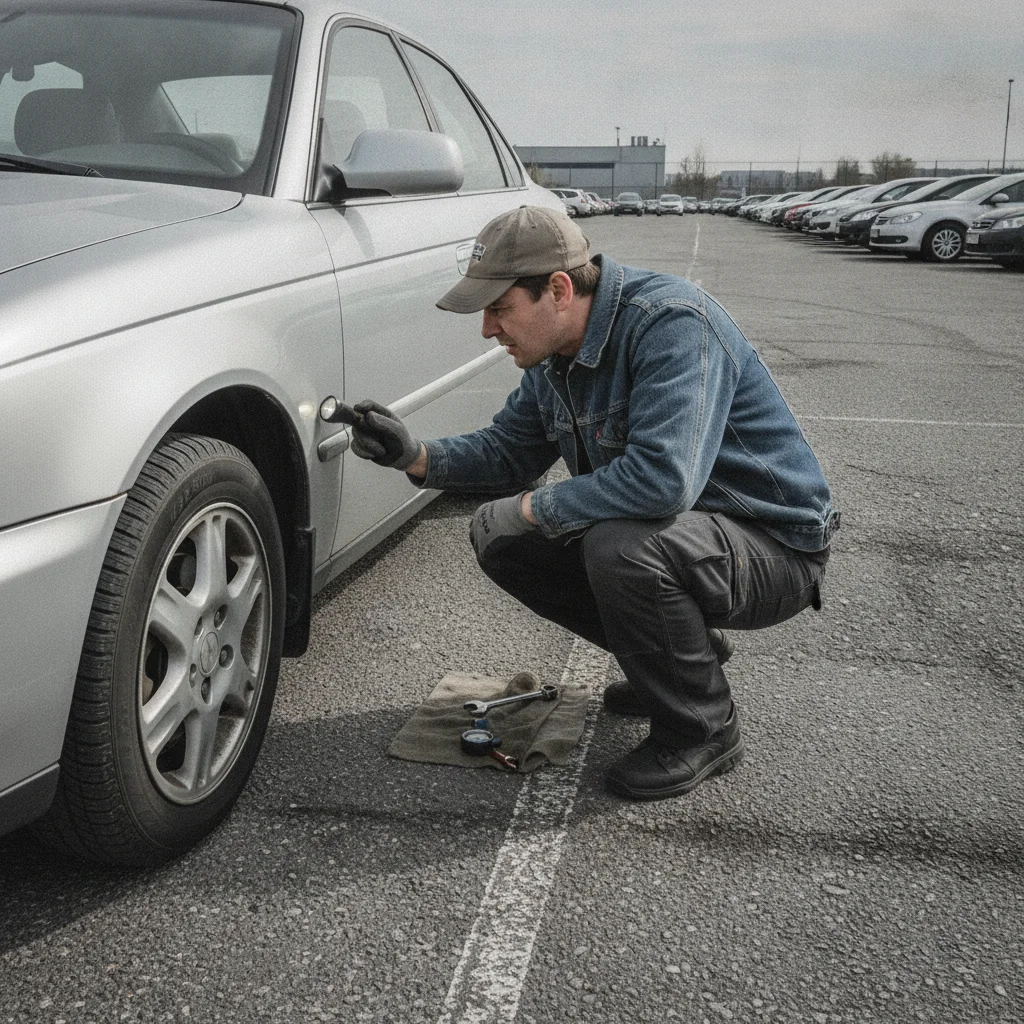
A "used car first impression" refers to the immediate visual and tactile judgments a buyer forms within the first few minutes of seeing and touching a pre-owned vehicle. These snap assessments — paint condition, odor, panel alignment, tire wear — often shape whether a buyer stays interested or walks away. Unlike a formal inspection, first impressions happen instinctively and are difficult to override once formed.
Research on consumer decision-making suggests that initial appraisals in high-stakes purchases like vehicles are anchored within roughly 30–90 seconds of first contact with the product, and subsequent information is frequently interpreted through that lens.
The 30-Second Walk-Around: What Buyers Are Already Processing
Most buyers don't arrive at a used car with a clipboard and a methodical plan. They walk up, take one slow loop around the car, and form a feeling — a gut sense of whether this vehicle was cared for or just used up. That feeling is assembled from a rapid sequence of visual cues, most of which the buyer can't fully articulate in the moment.
Understanding what feeds that gut sense is valuable whether you're the one selling or the one buying. For sellers, it identifies where a small investment in prep time pays the biggest dividend. For buyers, it's a reminder that your initial instinct is worth paying attention to — but also worth interrogating.
Buying a used car involves a fundamentally different mindset than shopping new. You're not evaluating a product; you're evaluating a history. And first impressions are where that history announces itself most loudly.
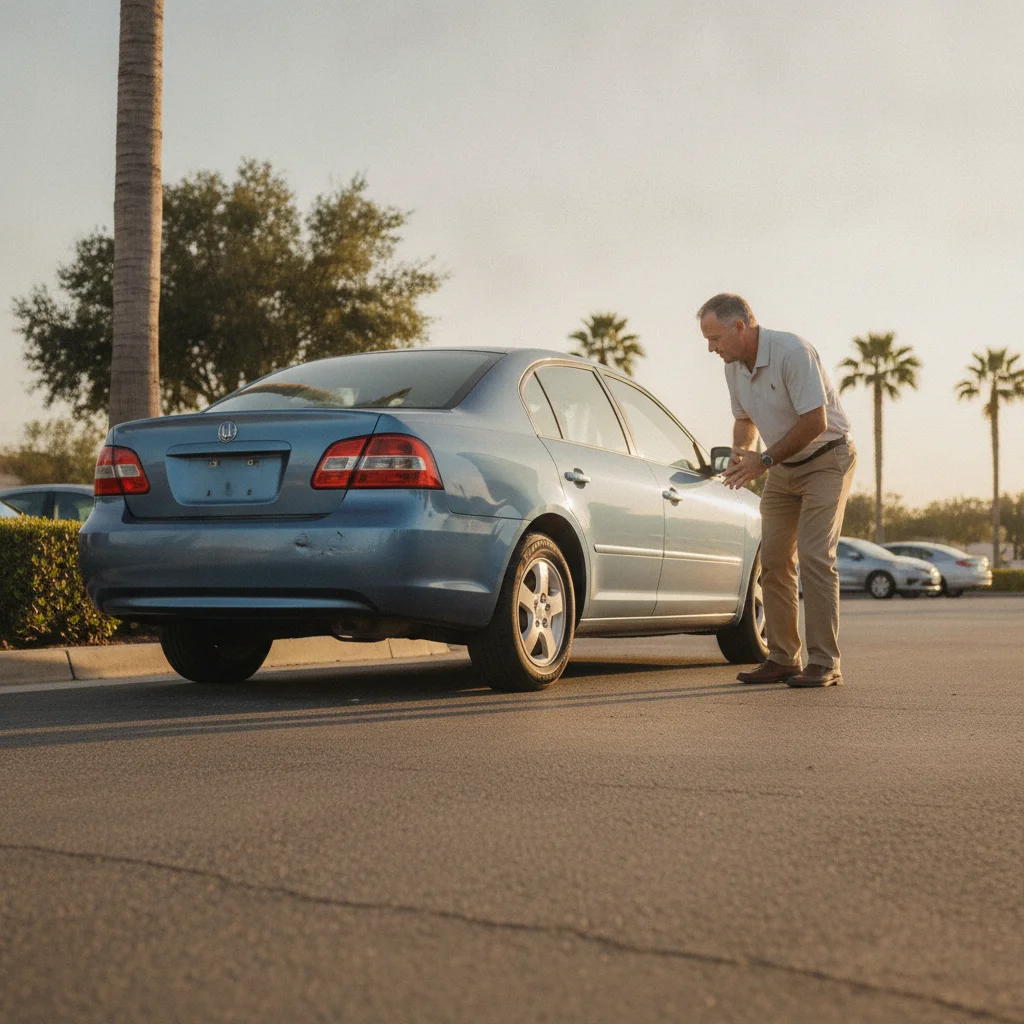
Here's what's actually happening during that initial walk-around, in roughly the order most buyers process it.
Paint and Body: The Loudest Signal in the Lot
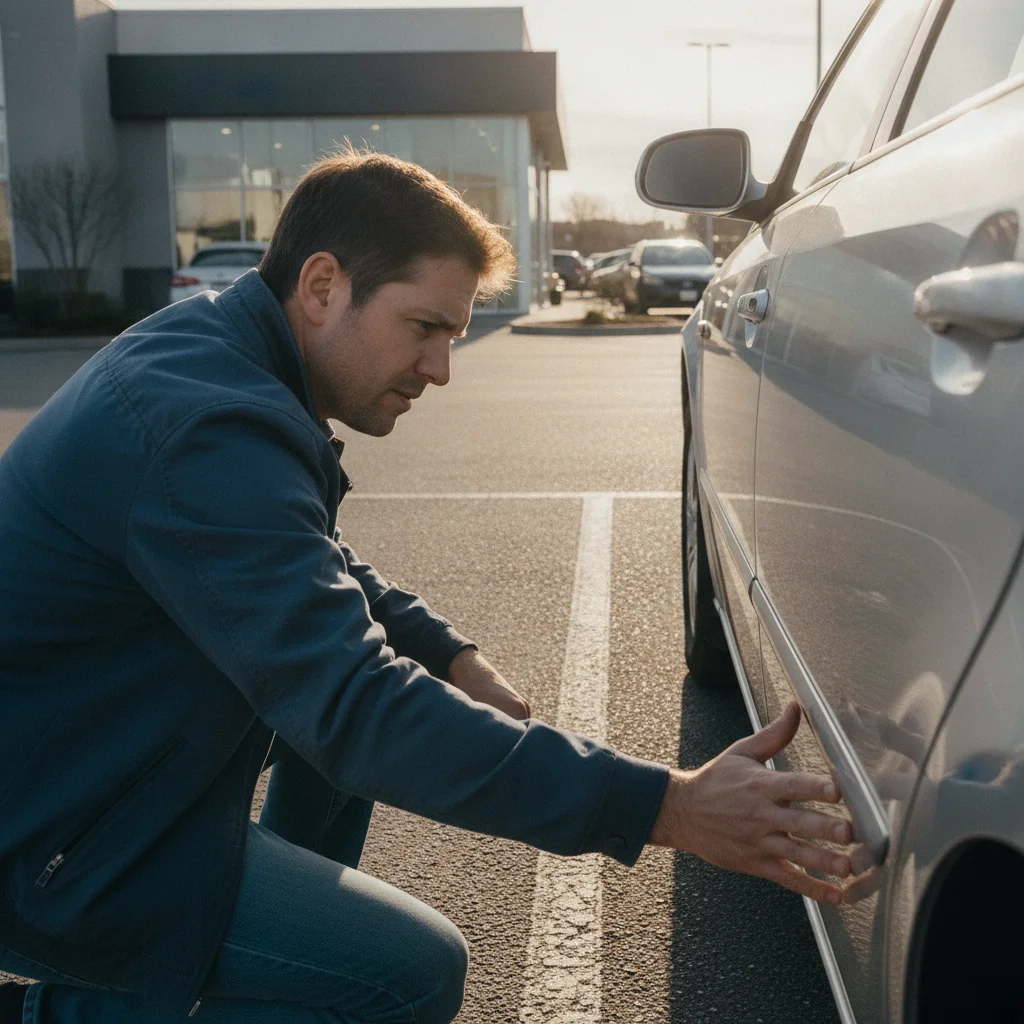
Paint condition is the single most immediate visual input. Before a buyer has consciously decided to inspect anything, their eyes are already parsing the body panels for color consistency, depth, and surface flaws. Faded clearcoat on the roof or hood, mismatched panel colors after a repaint, and visible swirl marks under direct sunlight all register instantly — and each one quietly lowers the buyer's confidence ceiling.
Panel gaps come next. Buyers who have done any research at all know that uneven gaps between doors, fenders, and quarter panels can indicate accident repair. Even buyers who haven't done the research often notice when something looks subtly off, even if they can't name it. A door that sits slightly higher than its frame, or a hood that doesn't center cleanly, creates unease.
7 seconds
Time to form a first impression of a product
Consumer psychology research broadly places initial product appraisals within 7–30 seconds of first visual contact, with high-value purchases like vehicles trending toward the longer end.
~60%
Used car buyers who cite condition as top concern
A recurring finding in used vehicle consumer surveys is that physical condition outranks price as the primary concern for a majority of private-party used car buyers.
$150–$300
Typical full detail cost for a used car
A professional interior and exterior detail, including odor treatment, typically costs between $150 and $300 depending on vehicle size and market — often recovering multiples of that cost in negotiated sale price.
Top 3
Paint ranked in buyer inspection priorities
Industry analysis of buyer inspection behavior consistently places exterior paint condition among the top three items buyers assess before asking any questions about the vehicle's mechanical history.
93%
Of buyers who notice tire condition during a walk-around
According to automotive consumer research, nearly all serious used car shoppers evaluate tire tread depth during an initial inspection, making it one of the most universally assessed visual cues.
What sellers can do affordably: A professional machine polish ($80–$150 at most detail shops) removes light swirl marks and restores clearcoat depth significantly. Touch-up paint on stone chips costs very little and removes obvious focal points that invite further scrutiny. These steps don't deceive buyers — they present the car accurately by removing the noise of neglect.
For buyers: Always inspect paint in direct sunlight, not in a shaded lot or garage. Move around the car at a low angle to catch surface irregularities the overhead light won't reveal. A thorough pre-purchase inspection checklist will walk you through the exterior systematically so nothing gets missed.
Fresh Prep Isn't the Same as Concealment
There's an important distinction between presenting a car at its best and hiding known defects. Polishing paint, cleaning the interior, and replacing worn wiper blades are legitimate preparation steps — they remove visual noise without changing what the car actually is. Clearing dashboard warning codes without fixing the underlying issue, or using heavy sealant to temporarily stop an active oil leak, crosses into misrepresentation. Sellers should be aware of their disclosure obligations under state law, and buyers should still commission an independent pre-purchase inspection regardless of how good a car looks.
Sunlight Reveals What Shade Hides
Many used car lots and private driveways are partially shaded, which can make paint condition look significantly better than it is. Whenever possible, move the car — or view it — in direct sunlight before drawing conclusions about paint condition, panel gaps, or surface texture. What looks like a minor haze in the shade can reveal itself as significant clearcoat failure under a clear sky.
First Impressions Shape Negotiation Psychology
Buyers who form a positive first impression tend to negotiate less aggressively and are more likely to accept explanations for minor issues. Buyers who form a negative first impression often anchor on a lower number and interpret every subsequent detail as supporting evidence for that anchor. This psychological dynamic means that seller prep work doesn't just affect whether a car sells — it directly influences the price at which it sells.
The Interior Odor Test: The One Thing You Can't Unsee (Or Unsmell)
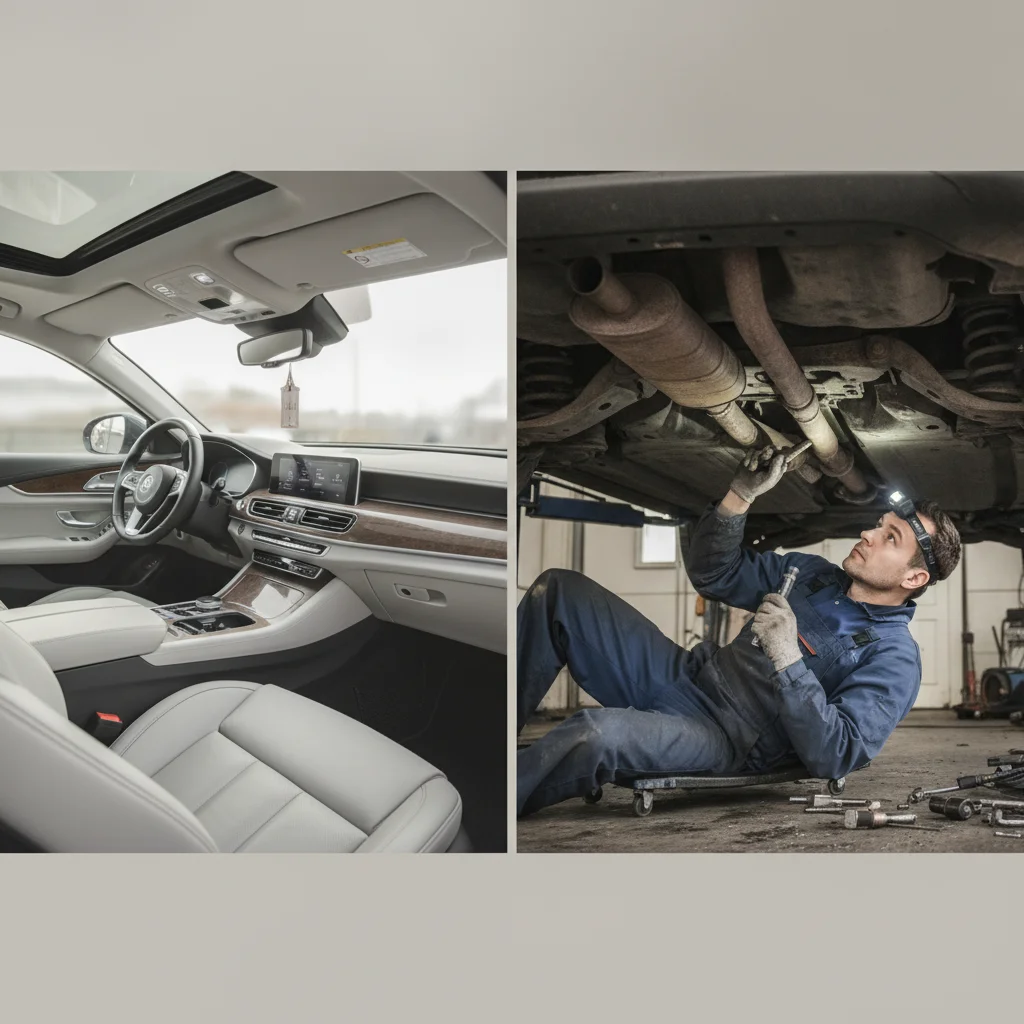
The moment a buyer opens the door, their nose takes over from their eyes. Interior odor is almost impossibly powerful in shaping immediate perception, and it's one of the hardest problems for sellers to fully solve once it's embedded in the headliner, seats, and carpet.
Pet odor, cigarette smoke, mildew from a slow leak, and food smell all fall into the same category: they make buyers feel like they're inheriting someone else's mess. Even buyers who aren't particularly sensitive to smell will often say a car "feels like too much work" when the interior has a persistent odor — without connecting their reluctance to the smell directly.
“The nose doesn't negotiate. If a car smells wrong to someone, no amount of good news about the engine is going to fully relax them. Smell works at a level below conscious reasoning — sellers who ignore it are leaving money on the table in almost every case.”
— Mark Valenti, Automotive detailing professional with 20+ years in pre-sale vehicle preparation
What sellers can do: Ozone treatment from a detail shop ($75–$200 depending on severity) is the most effective solution for embedded odors. It's not a masking agent — it neutralizes odor-causing compounds. Enzyme-based cleaners handle pet and food odors in fabric. Sellers should do this well in advance of showing the car, since ozone treatment leaves a brief smell of its own that dissipates within 24–48 hours.
Critically: do not apply air fresheners before a showing. Buyers interpret a strong air freshener as a red flag — it signals that something is being hidden. A neutral-smelling interior is far more reassuring than a heavily perfumed one.
Avoid Air Fresheners Before a Showing
A strong pine or vanilla air freshener hanging in a used car interior almost always raises a red flag for experienced buyers — it signals that something is being masked. If you've treated odor properly with an enzyme cleaner or ozone treatment, the interior should smell neutral without any additive. Let the absence of smell do the work.
Test Every Control Before the Buyer Does
Before any showing, sit in the driver's seat and methodically test every control: windows, mirrors, seat adjusters, climate controls, infotainment, and all exterior lights. If something is sticky, slow, or unresponsive, address it before a buyer discovers it. A buyer who finds a problem you didn't disclose will wonder what else you didn't notice — or didn't mention.
For buyers: Trust your nose during the pre-drive inspection. Sit in the car with the doors closed for 30 seconds before looking at anything else. If an odor bothers you, ask yourself honestly whether you'll still feel that way after owning the car for six months.
Tires, Glass, and Trim: The Details That Signal Maintenance Habits
Once a buyer has processed paint and smell, their attention moves to what might be called the "maintenance tells" — components that reveal how consistently the previous owner cared for the car over time.
Tires
Tire condition is one of the most information-dense things a buyer can look at quickly. Low tread depth signals near-term expense. But the pattern of wear tells a deeper story: inside-edge wear indicates alignment issues or worn suspension components. Cupping or scalloping suggests strut or shock absorber problems. A buyer who notices uneven wear is now thinking about a bill beyond just new tires.
Sellers who are preparing a car for sale should check tread depth honestly. If tires are borderline, replacing them before listing is often worth the investment — buyers will either negotiate heavily around the cost or use it to justify walking away. Fresh tires on a used car send a clear, positive signal.
Windshield and Glass
Chips and cracks in the windshield are noticed early and priced by buyers as both a repair cost and an indicator of how carefully the car was maintained. Many chips that have spread into cracks can't be repaired — they require full replacement. Sellers should address repairable chips before listing; mobile windshield repair typically costs $50–$100 and removes a visible objection point entirely.
Exterior Trim and Rubber Seals
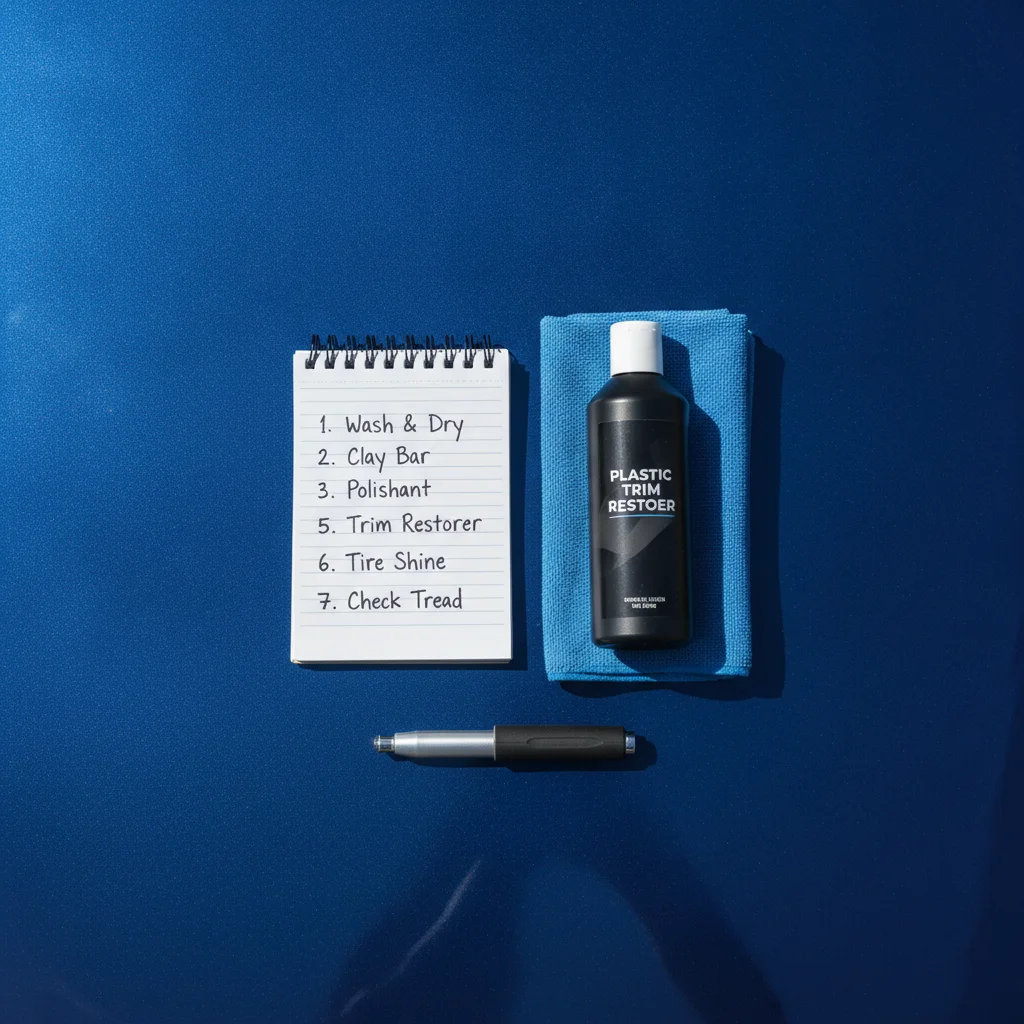
Cracked door seals, faded plastic trim, and missing or broken exterior pieces all read as deferred maintenance. They're often inexpensive to address — many plastic trim pieces can be restored with UV protectant products for under $20 — but left untreated, they signal a pattern of neglect that buyers project onto the mechanicals they can't see.
Inspecting a used car is fundamentally different from evaluating a new one — these small details carry weight that they simply don't on a showroom floor.
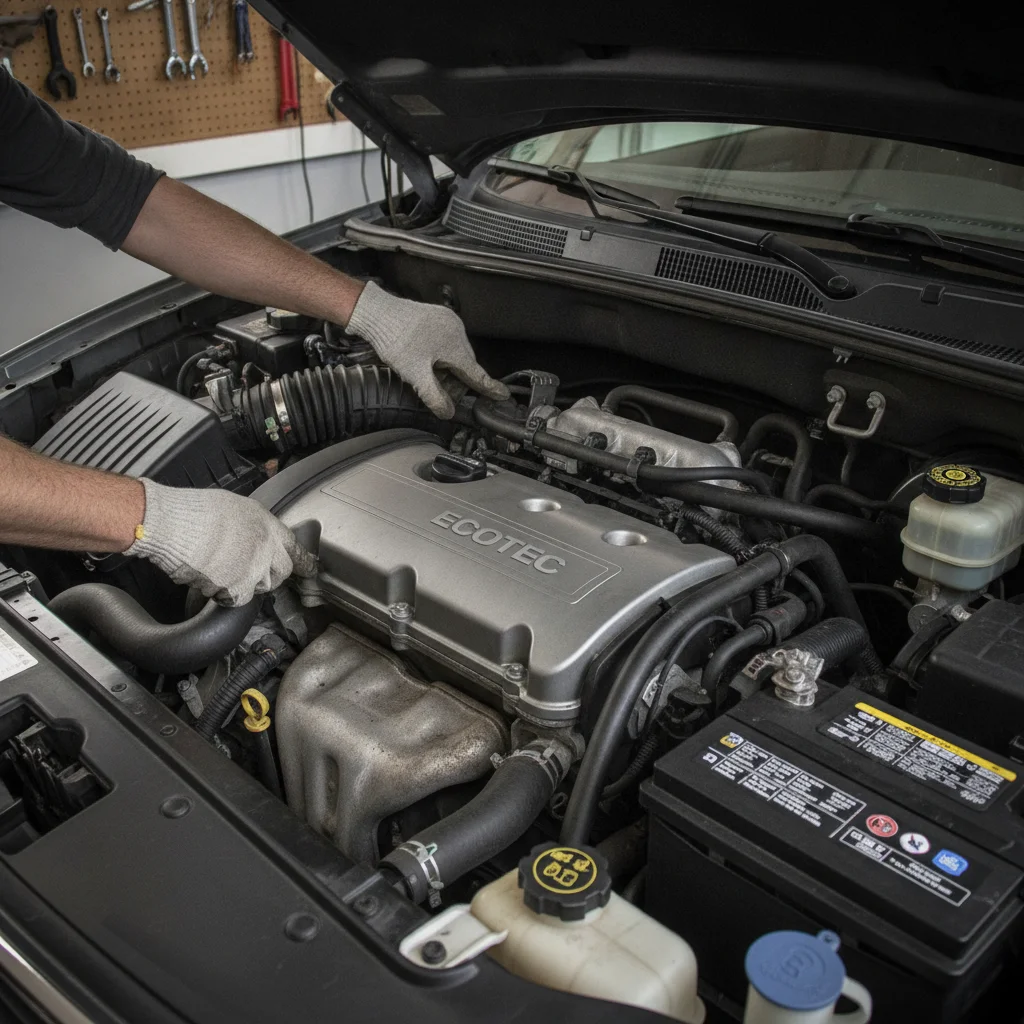
Under the Hood: A Quick Look That Tells a Long Story
Not every buyer pops the hood during a first look — but the ones who do are often the most serious buyers. What they find there either confirms or contradicts everything they've observed on the outside.
A visibly dirty engine bay covered in grime, cracked hoses, or accumulated oil residue reads as a car that hasn't been maintained on a schedule. A clean engine bay — not necessarily spotless, but tidy and free of obvious leaks — communicates that maintenance was taken seriously.
Sellers should consider a basic engine bay detail (compressed air, degreaser, careful wiping) before any showings. This doesn't need to be showroom-quality — an overly pristine engine bay can actually make some experienced buyers suspicious that a recent cleanup was masking something. The goal is clean and honest, not theatrical.
For buyers: Look for oil residue around the valve cover, coolant staining around hoses and the reservoir cap, and any belts that appear cracked or glazed. These are fast visual checks that take 60 seconds and surface real concerns before you've committed to a test drive. Dealers often prepare cars in ways that conceal condition — knowing what to look for helps you see past the presentation.
The Interior Walk-Through: Where Buyers Settle In — Or Check Out
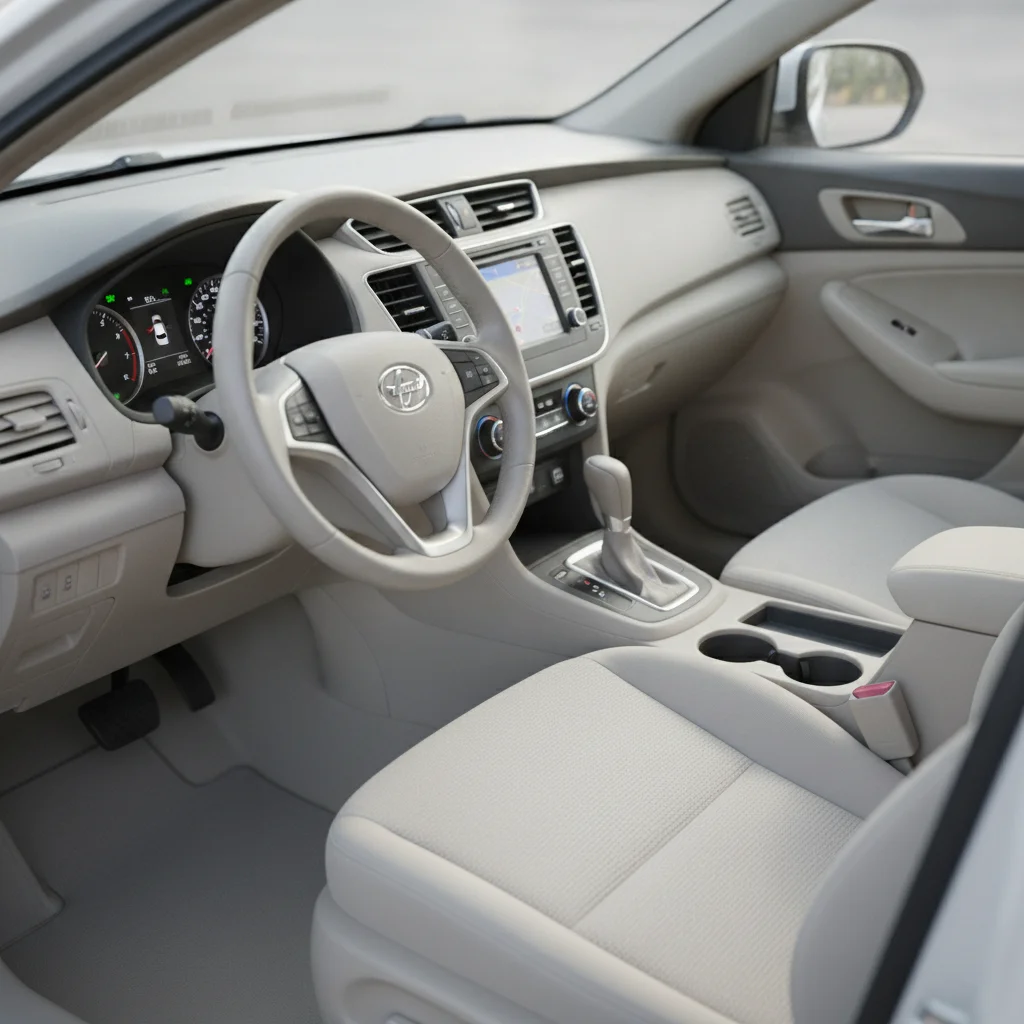
After the exterior and engine bay, buyers move inside. The interior evaluation is more tactile and more personal than the exterior — buyers are mentally placing themselves in this space for years. What they find either invites that projection or disrupts it.
Dashboard and Electronics
Warning lights on the instrument cluster are the single most alarming interior discovery. A check engine light, ABS warning, or TPMS indicator immediately signals hidden cost and triggers skepticism about everything else in the car. Sellers should address these before listing — not by clearing codes without fixing the underlying issue, but by actually resolving the cause.
Seat and Carpet Condition
Stained seats, torn bolsters, and worn carpet suggest high use that wasn't maintained. Seat covers can address surface staining affordably. Deep carpet cleaning and scotchguarding is a detail service that typically runs $100–$200 and dramatically changes how an interior feels and smells.
Controls and Switches
Buyers will instinctively click switches, test windows, and adjust the seat. Controls that feel loose, sticky, or unresponsive create doubt. Most of the time these are minor issues — but in a first impression context, they suggest a car that wasn't cared for carefully.
During the test drive itself, buyers will dig deeper into how the car behaves. But by the time they get behind the wheel, the first impression has already structured how they interpret every rattle, hesitation, and squeak they encounter.
Avoid Air Fresheners Before a Showing
A strong pine or vanilla air freshener hanging in a used car interior almost always raises a red flag for experienced buyers — it signals that something is being masked. If you've treated odor properly with an enzyme cleaner or ozone treatment, the interior should smell neutral without any additive. Let the absence of smell do the work.
Test Every Control Before the Buyer Does
Before any showing, sit in the driver's seat and methodically test every control: windows, mirrors, seat adjusters, climate controls, infotainment, and all exterior lights. If something is sticky, slow, or unresponsive, address it before a buyer discovers it. A buyer who finds a problem you didn't disclose will wonder what else you didn't notice — or didn't mention.
Prioritizing Prep: Where Sellers Get the Most Return
Not every seller has the time or budget to address every imperfection before listing a used car. The question is where to focus limited resources for the most meaningful impact on buyer perception.
The highest-leverage prep steps, ranked roughly by visibility and buyer impact:
- Professional interior detail with odor treatment — eliminates the most emotionally powerful objection a buyer can have
- Machine polish or paint correction — lifts the car's visual grade dramatically in direct sunlight
- Tire replacement (if needed) — removes a near-term cost objection and signals care
- Windshield chip repair — inexpensive and eliminates a specific negotiating chip
- Dashboard warning lights — the only mandatory fix; leaving these unaddressed makes every other prep effort less effective
- Engine bay tidy-up — takes an hour and pays dividends with serious buyers
- Exterior trim restoration — a $20 product application that changes visual age significantly
The goal of all of this isn't to deceive buyers — it's to present the car at its honest best, removing visual clutter that distracts from genuine value. Buyers who feel a car has been respected are more confident in the price and more likely to complete the purchase.
If you're on the buying side of this transaction, understanding how sellers prepare cars — and what that can conceal — helps you evaluate what you're seeing more objectively. And it's worth remembering that salespeople and sellers are also reading you — your reaction to the car in those first 90 seconds shapes the negotiation that follows.
Fresh Prep Isn't the Same as Concealment
There's an important distinction between presenting a car at its best and hiding known defects. Polishing paint, cleaning the interior, and replacing worn wiper blades are legitimate preparation steps — they remove visual noise without changing what the car actually is. Clearing dashboard warning codes without fixing the underlying issue, or using heavy sealant to temporarily stop an active oil leak, crosses into misrepresentation. Sellers should be aware of their disclosure obligations under state law, and buyers should still commission an independent pre-purchase inspection regardless of how good a car looks.
Sunlight Reveals What Shade Hides
Many used car lots and private driveways are partially shaded, which can make paint condition look significantly better than it is. Whenever possible, move the car — or view it — in direct sunlight before drawing conclusions about paint condition, panel gaps, or surface texture. What looks like a minor haze in the shade can reveal itself as significant clearcoat failure under a clear sky.
First Impressions Shape Negotiation Psychology
Buyers who form a positive first impression tend to negotiate less aggressively and are more likely to accept explanations for minor issues. Buyers who form a negative first impression often anchor on a lower number and interpret every subsequent detail as supporting evidence for that anchor. This psychological dynamic means that seller prep work doesn't just affect whether a car sells — it directly influences the price at which it sells.

All claims are backed by peer-reviewed research. Sources on request.