Key Takeaways
Certified Pre-Owned (CPO) Inspection
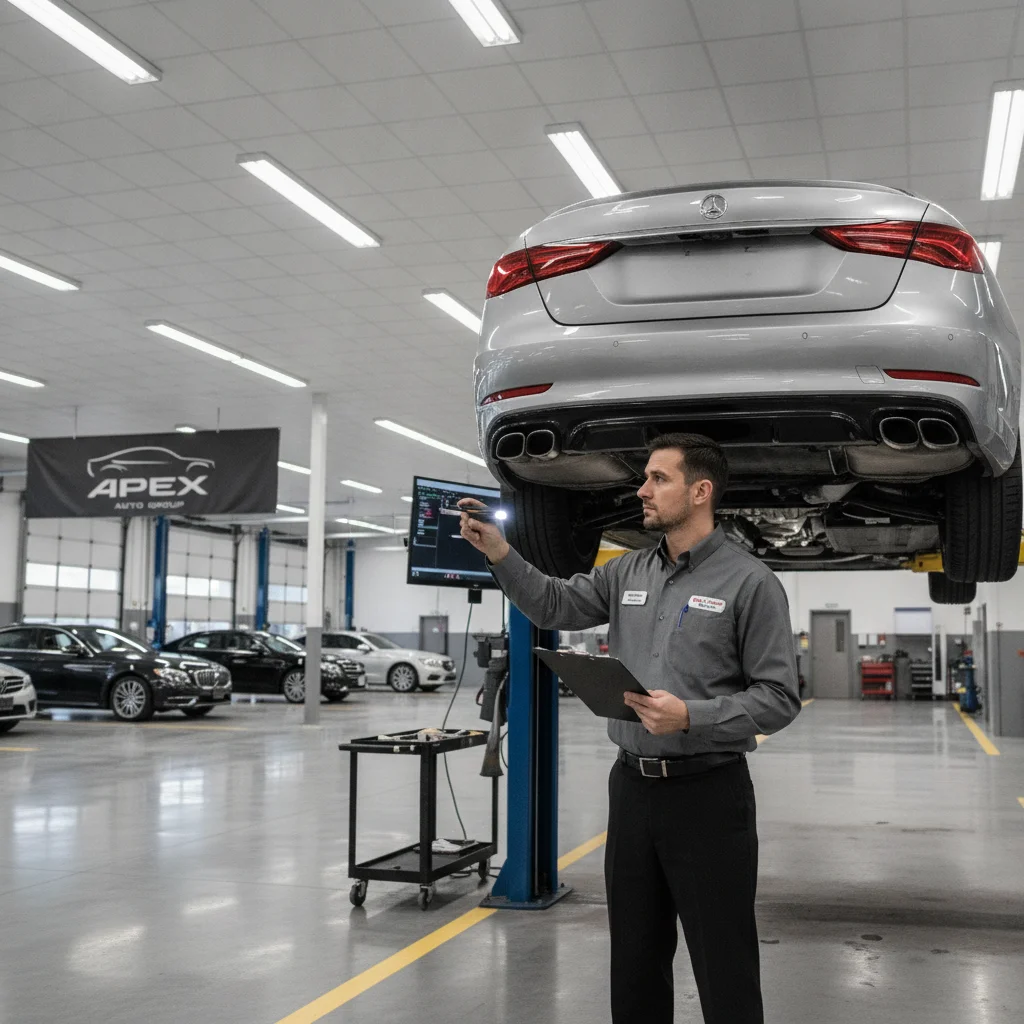
A certified pre-owned inspection is a formal mechanical and cosmetic evaluation that a manufacturer-authorized dealership performs on a used vehicle before affixing a CPO badge and extended warranty. The inspection uses a brand-specific checklist — often 100 to 200+ points — to confirm the car meets minimum condition standards. Vehicles that pass get access to enhanced warranty coverage and sometimes other perks like roadside assistance or free loaner cars.
CPO programs are manufacturer-sponsored, not dealer-invented — which means the inspection criteria, age limits, mileage caps, and warranty terms are set by the automaker and cannot be altered at the dealership level. However, inspection execution quality varies significantly between individual technicians and stores.
What a CPO Inspection Is — and What It Isn't
When a dealer slaps a CPO badge on a used car, it signals that a vehicle has cleared a formal inspection process set by the manufacturer. But here's what most buyers miss: that badge is a floor, not a ceiling. It means the car met the minimum requirements to qualify — not that it's in exceptional condition or that every system is functioning perfectly.
The inspection itself is a structured checklist — typically ranging from 100 to 200+ items depending on the brand. Technicians work through mechanical systems (engine, transmission, drivetrain), safety systems (brakes, tires, steering), electrical components, and cosmetics. Each item is evaluated against a pass/fail or graded threshold. Items that fail must either be repaired before certification or disqualify the vehicle outright.
What CPO inspections are not: a guarantee of zero problems, a substitute for vehicle history verification, or a replacement for an independent inspection. The process is designed to catch obvious deficiencies — it's not engineered to uncover every latent issue a vehicle might develop.

The distinction matters because many buyers treat the CPO badge as a blanket assurance of quality. A more useful mental model: think of it as a dealership-administered baseline check with an attached warranty safety net. Useful? Yes. Infallible? No.
For a full breakdown of what certified status gets you versus a standard used purchase, see our side-by-side comparison.
How the Inspection Process Actually Works
Once a vehicle arrives at a dealership — whether from a trade-in, lease return, or auction — a service advisor determines if it meets the program's basic eligibility criteria: model year, mileage cap, and clean title status. If it passes those gates, a certified technician performs the multi-point inspection using the manufacturer's official checklist.
The typical inspection workflow:
- Pre-inspection screening: Age and mileage eligibility confirmed. Salvage, flood, lemon law, and rebuilt titles are disqualifying in all manufacturer programs.
- Vehicle history pull: Automakers require a clean CARFAX or AutoCheck report in most programs. Some require no reported accidents; others allow minor accidents with full repairs.
- Multi-point mechanical inspection: Technician works through the checklist systematically. Fluid levels, tire tread depth, brake pad thickness, battery charge, compression tests on some programs — the depth varies.
- Reconditioning: Any items that don't pass threshold get repaired or replaced before the car can be certified. This is documented on the inspection form.
- Final sign-off: A service manager or lead technician reviews the completed checklist, confirms repairs, and approves CPO status.
Inspection Quality Varies by Technician, Too
Even within the same brand's CPO program, execution quality can differ between dealerships and individual technicians. A busy service department under pressure to move inventory may rush an inspection in ways a less volume-pressured location wouldn't. The checklist sets the standard; human execution determines how closely it's followed. This is another reason an independent inspection is worth the cost even when you trust the brand's program.
Dealer-Certified Is Not the Same as Manufacturer-Certified
When a used car lot without a manufacturer franchise advertises "certified" vehicles, those certifications are dealer-invented — not manufacturer-backed. The inspection standards, warranty terms, and dispute resolution processes are entirely self-defined. Some are decent; many are not. Confirm whether any CPO claim is backed by an automaker's program before treating it as equivalent.
Know the Coverage Start Date
Many buyers assume CPO warranty terms run from the date they purchase the vehicle. In most manufacturer programs, coverage begins from the original in-service date — the day the first owner took delivery. A car with a 5-year CPO powertrain warranty that's already 3 years old only has 2 years of coverage remaining. Always clarify the coverage start date and confirm remaining term before factoring it into your valuation.
The completed inspection report is a document you can and should request. Dealers are required to have it on file. If a salesperson tells you it's unavailable or lost, that's a red flag — not an excuse. For more on what that checklist actually covers line by line, see what dealers really check on CPO cars.
2.7M+
CPO vehicles sold annually in the U.S.
According to Automotive News, the U.S. CPO market regularly exceeds 2.7 million units per year, making it a significant segment of the used car market.
$1,500–$3,500
Typical CPO price premium over non-certified equivalent
Industry analysis from iSeeCars and Edmunds consistently shows CPO vehicles commanding a meaningful markup, though the premium varies significantly by brand and model.
100–200+
Inspection points depending on brand
Manufacturer CPO programs range from roughly 100-point inspections at some brands to 200+ at others, though point count alone does not determine inspection quality.
60,000–80,000
Typical maximum mileage cap for CPO eligibility
Most manufacturer programs set upper mileage thresholds in this range, though luxury brands sometimes allow slightly higher limits.
~$150
Average cost of an independent pre-purchase inspection
Independent inspections from a trusted third-party mechanic typically run $100–$200, a small investment relative to the cost of a used vehicle purchase.
Where CPO Programs Differ — and Why It Matters
The term "certified pre-owned" is not standardized by any federal or state authority. Each automaker writes its own rulebook, and the quality gap between the best and worst programs is substantial.
“Certified pre-owned is only as good as the program behind the badge. Buyers owe it to themselves to read the actual inspection criteria, not just trust the label — because the standards vary more between brands than most people realize.”
— Phillip Reed, Senior consumer advice editor, Edmunds
Key variables that differ across programs:
- Mileage and age caps
- Most programs cap at 60,000–80,000 miles and 5–6 model years. Some luxury brands push this slightly higher. A car that's 7 years old cannot be manufacturer-certified under most programs, regardless of its condition.
- Warranty type and length
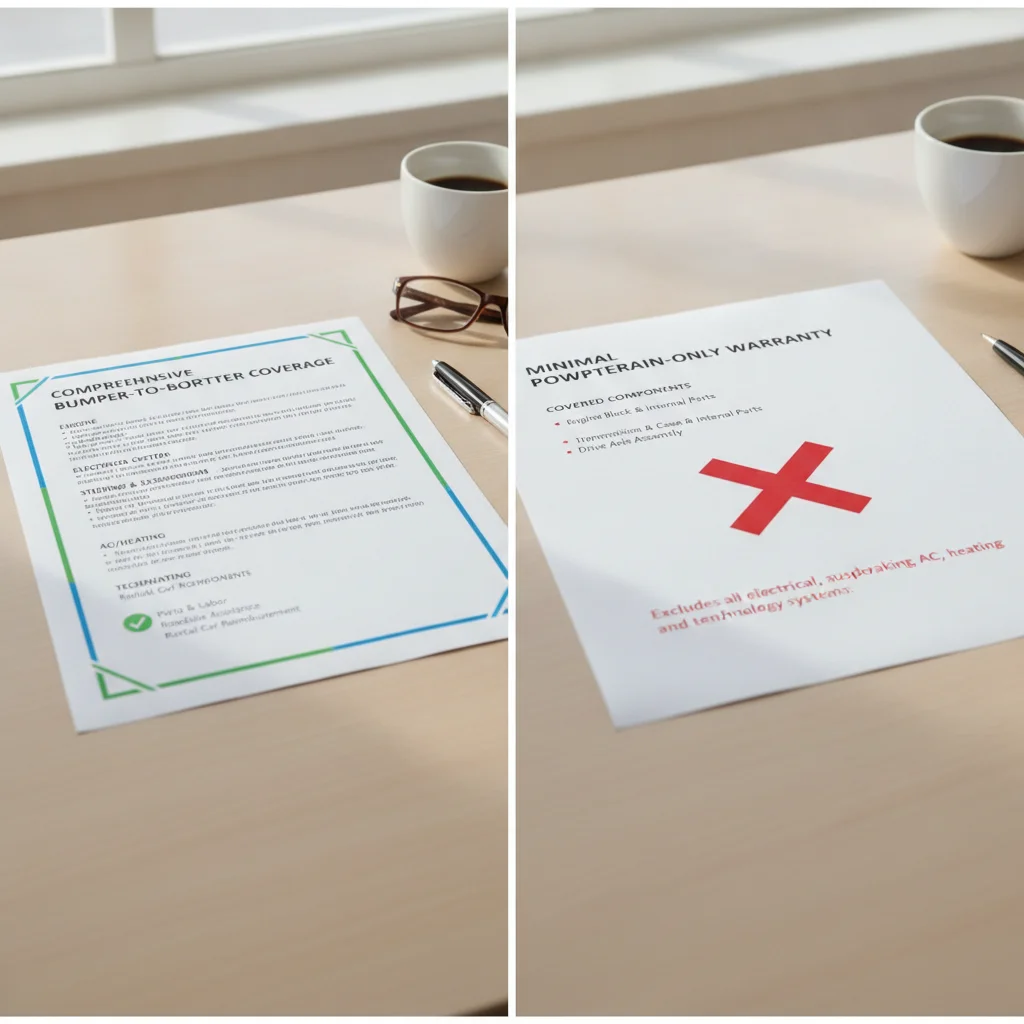
- The best programs offer 5–7 years of powertrain coverage from the original sale date, plus 1–2 years of near-bumper-to-bumper coverage. Weaker programs offer 3 months of powertrain only. This is the single biggest differentiator between a genuinely valuable CPO purchase and one that's barely worth the premium.
- Inspection depth
- A 100-point inspection and a 200-point inspection are not equivalent. More points don't automatically mean better — it matters what those points cover. Some programs require compression tests; others don't. Some check alignment; others only check tire tread.
- Accident history tolerance
- Some programs prohibit any reported accident history. Others allow prior accidents if repairs were performed to specification. Know which category the car you're looking at falls into.
For a direct comparison of which manufacturers run the strongest programs, see which automakers have the strongest CPO programs.
Always Request the Actual Inspection Checklist
The completed inspection form is a legal document that dealers are required to retain. Ask for it before the test drive — not after you've fallen in love with the car. If specific systems were flagged and repaired, you want to know what they were. A dealer who can't produce this document is a dealer you should walk away from.
Get an Independent Inspection Regardless of CPO Status
A $100–$150 visit to an independent mechanic before purchase is worth every cent, even on a CPO vehicle. Have the mechanic put the car on a lift, scan the OBD-II system for stored and pending codes, and check the items that CPO inspections routinely underweight — suspension wear, fluid contamination, and evidence of prior structural repairs. Most dealers will accommodate this; those who won't are telling you something important.
The Real Limits of CPO Inspections
Even a well-executed CPO inspection has structural blind spots. Understanding them is not an argument against buying CPO — it's an argument for staying clear-eyed about what you're actually getting.
What most CPO inspections won't catch:
- Intermittent electrical faults: A system that's functioning at the time of inspection but fails under specific conditions — cold weather, high load — won't trip a checklist point.
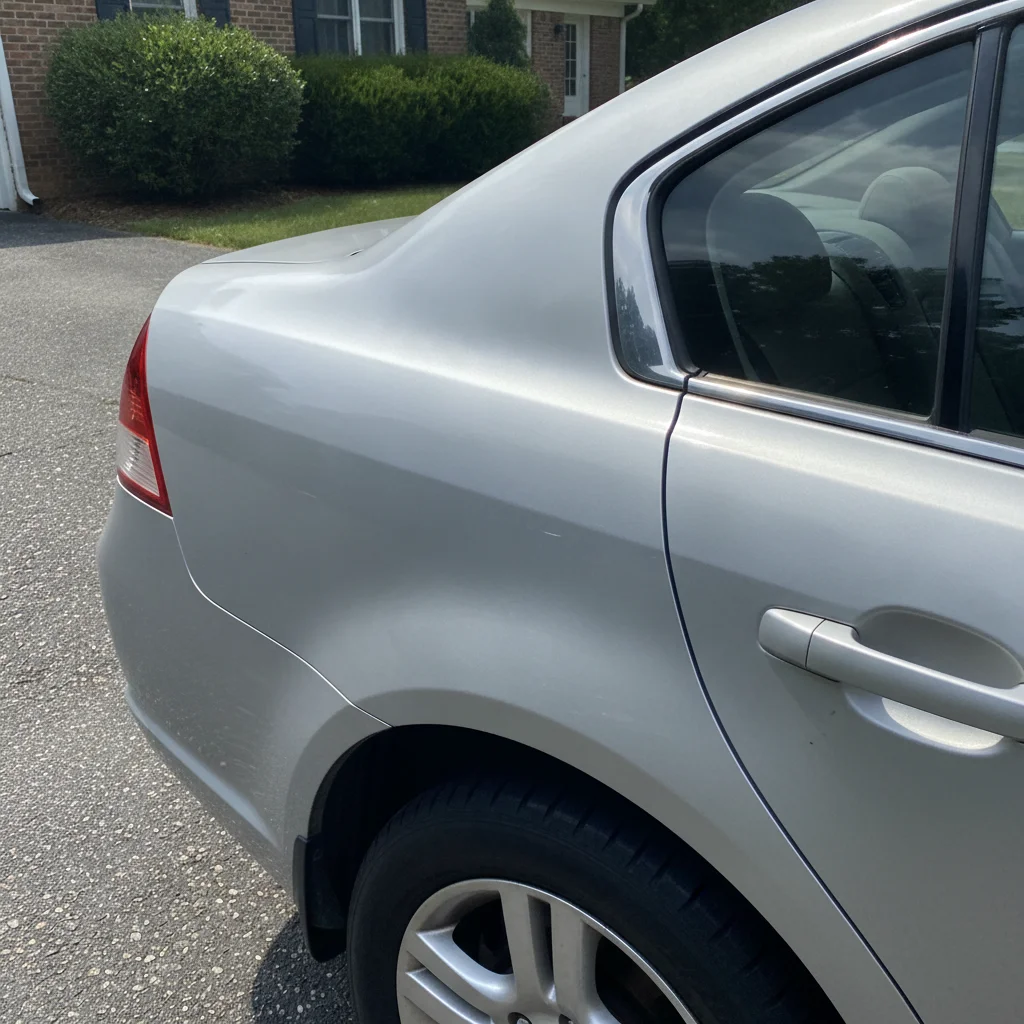
- Cosmetic damage covered by recent repairs: Repainted panels, filled dents, and sanded scratches that look fine under dealership lighting may reveal themselves in direct sunlight.
- Soft-failure components: Rubber seals, mounts, and bushings that are worn but not yet at the hard failure threshold will pass — and they'll fail on your watch.
- Transmission behavior under extended driving: A 10-minute test drive won't surface the hesitation or slip that emerges after 30 minutes at highway speed.
- Frame damage undetected by eye: Some prior structural repairs are invisible without specialized measuring equipment that most dealership bays don't use.
- Unreported accidents: If a prior owner had bodywork done without going through insurance, it won't show on a vehicle history report — and checklist inspection alone may not catch it.
For a deeper look at what routinely slips through, see CPO cars still have problems.
Always Request the Actual Inspection Checklist
The completed inspection form is a legal document that dealers are required to retain. Ask for it before the test drive — not after you've fallen in love with the car. If specific systems were flagged and repaired, you want to know what they were. A dealer who can't produce this document is a dealer you should walk away from.
Get an Independent Inspection Regardless of CPO Status
A $100–$150 visit to an independent mechanic before purchase is worth every cent, even on a CPO vehicle. Have the mechanic put the car on a lift, scan the OBD-II system for stored and pending codes, and check the items that CPO inspections routinely underweight — suspension wear, fluid contamination, and evidence of prior structural repairs. Most dealers will accommodate this; those who won't are telling you something important.
Your In-Person Evaluation Checklist
Don't walk onto a lot and let the CPO badge do your thinking for you. Run your own check in parallel with whatever the dealer claims to have done. This doesn't require a mechanic's knowledge — it requires methodical attention.
Before you even start the car:
- Pull the vehicle history report yourself using the VIN. Don't rely on one provided by the dealer.
- Look along each body panel from a low angle in natural light. Ripples, color mismatches, and overspray along trim edges indicate prior bodywork.
- Check door, hood, and trunk gaps for consistency. Uneven gaps often indicate frame misalignment or panel replacement.
- Inspect tire tread depth and wear pattern. Uneven wear across the tread face indicates alignment or suspension issues; uneven wear between front and rear suggests rotation neglect.
- Pop the hood and look for fluid residue around hoses, the valve cover, and coolant reservoir. Fresh cleanup on an otherwise dirty engine bay is a tell.
During the test drive:
- Start the car cold if possible. Cold starts reveal issues that warm engines mask.
- Drive at highway speed for at least 20–30 minutes. Vibrations, transmission hesitation, and brake fade show up under sustained load.
- Test every electronic feature — windows, sunroof, climate controls, backup camera, heated seats, infotainment.
- Listen for any clunk, squeak, or groan over road imperfections. These often signal worn bushings or struts.
- Brake firmly from 45 mph in a safe area. Pulling to one side, pulsing, or delayed response are disqualifying.
After the test drive:
- Request the completed CPO inspection checklist. Read every line — not just the summary.
- Ask specifically what repairs were made during reconditioning and get documentation.
- Verify the CPO status directly with the manufacturer using the VIN — don't take the dealer's word for it.
- Schedule an independent pre-purchase inspection at a shop of your choosing before signing anything.
CPO Warranty Coverage — The Other Half of the Equation
The inspection gets most of the attention, but the warranty is what you're actually paying a premium for. Two cars with identical CPO badges can have radically different coverage depending on the brand.
The core variables to evaluate:
- Powertrain vs. bumper-to-bumper: Powertrain coverage includes engine, transmission, and drivetrain. Bumper-to-bumper (or near-equivalent) adds electrical, HVAC, steering, and more. The latter is worth significantly more.
- Coverage term: Is it from the original in-service date, or from your purchase date? A car sold three years into a "5-year" coverage period only has two years left — from the original sale date.
- Deductible structure: Some programs have $0 deductibles; others charge $50–$200 per visit. Frequent repairs on a high-deductible plan can erode the warranty's value quickly.
- Transferability: If you sell the car privately before the warranty expires, does coverage transfer? Many do — which adds real market value at resale time.
- Roadside assistance: Most programs include it; confirm the coverage area and terms.
For a full breakdown of how CPO warranty coverage is structured and what the fine print typically limits, see how CPO warranty coverage actually works.
Also worth understanding: CPO certification affects how a car is priced relative to non-certified equivalents. For guidance on interpreting that premium, see CPO pricing vs. standard used car valuations.
When to Skip CPO — and When It's Worth It
CPO is not always the right call. There are situations where paying the premium makes clear financial sense, and others where you're better off buying a non-certified used car and investing the savings in your own independent inspection plus an extended third-party warranty.
CPO makes sense when:
- The manufacturer program offers long, comprehensive warranty coverage (5+ years powertrain, 1–2 years near-bumper-to-bumper).
- You're buying a vehicle with a complex or expensive-to-repair powertrain — turbocharged engines, all-wheel-drive systems, dual-clutch transmissions.
- The price premium over comparable non-certified used vehicles is modest — ideally under $1,500–$2,000 for the warranty value you're receiving.
- You want the simplicity of a single-source purchase with manufacturer backing.
CPO may not be worth it when:
- The program offers only basic powertrain coverage for 12–24 months — little more than a standard used car dealer warranty.
- The price premium is $3,000+ over a comparable non-CPO vehicle with similar history and condition.
- The vehicle is near the mileage ceiling of the program — meaning it may not have long enough to benefit from the coverage.
- You're buying a historically reliable, simple powertrain vehicle where mechanical risk is already low.
Inspection Quality Varies by Technician, Too
Even within the same brand's CPO program, execution quality can differ between dealerships and individual technicians. A busy service department under pressure to move inventory may rush an inspection in ways a less volume-pressured location wouldn't. The checklist sets the standard; human execution determines how closely it's followed. This is another reason an independent inspection is worth the cost even when you trust the brand's program.
Dealer-Certified Is Not the Same as Manufacturer-Certified
When a used car lot without a manufacturer franchise advertises "certified" vehicles, those certifications are dealer-invented — not manufacturer-backed. The inspection standards, warranty terms, and dispute resolution processes are entirely self-defined. Some are decent; many are not. Confirm whether any CPO claim is backed by an automaker's program before treating it as equivalent.
Know the Coverage Start Date
Many buyers assume CPO warranty terms run from the date they purchase the vehicle. In most manufacturer programs, coverage begins from the original in-service date — the day the first owner took delivery. A car with a 5-year CPO powertrain warranty that's already 3 years old only has 2 years of coverage remaining. Always clarify the coverage start date and confirm remaining term before factoring it into your valuation.
For an objective comparison of what certified status gets you versus a straight used purchase, see CPO vs. standard used: what the label actually gets you. And if you're ready to move forward with a purchase, the complete roadmap to buying a CPO car walks you through the full process from research to signature.

All claims are backed by peer-reviewed research. Sources on request.