Key Takeaways
Always calculate remaining warranty coverage in miles, not just years. A 3-year-old CPO car with 58,000 miles under a 7-year/100,000-mile warranty has only 42,000 miles of powertrain coverage left — which may disappear in 2–3 years of normal driving.
Buyers routinely focus on years remaining and overlook that mileage caps often trigger first, dramatically shortening effective coverage.
Before accepting the manufacturer's CPO financing, get a competing quote from your local credit union the same day. Credit unions frequently beat dealer rates — and having a written offer in hand strengthens your negotiating position even if you end up using the dealer's loan.
Studies by the Consumer Financial Protection Bureau consistently show that pre-arranged financing leads to lower total interest costs for auto buyers.
If the CPO vehicle you want has been sitting on the lot for more than 45 days, that's your best negotiating moment. Use CarGurus' 'days on market' filter to identify aging inventory before you walk in.
Dealer carrying costs (floor plan interest) increase with every day a vehicle sits unsold, creating real financial pressure to move aging inventory.
What 'Certified Pre-Owned' Actually Means
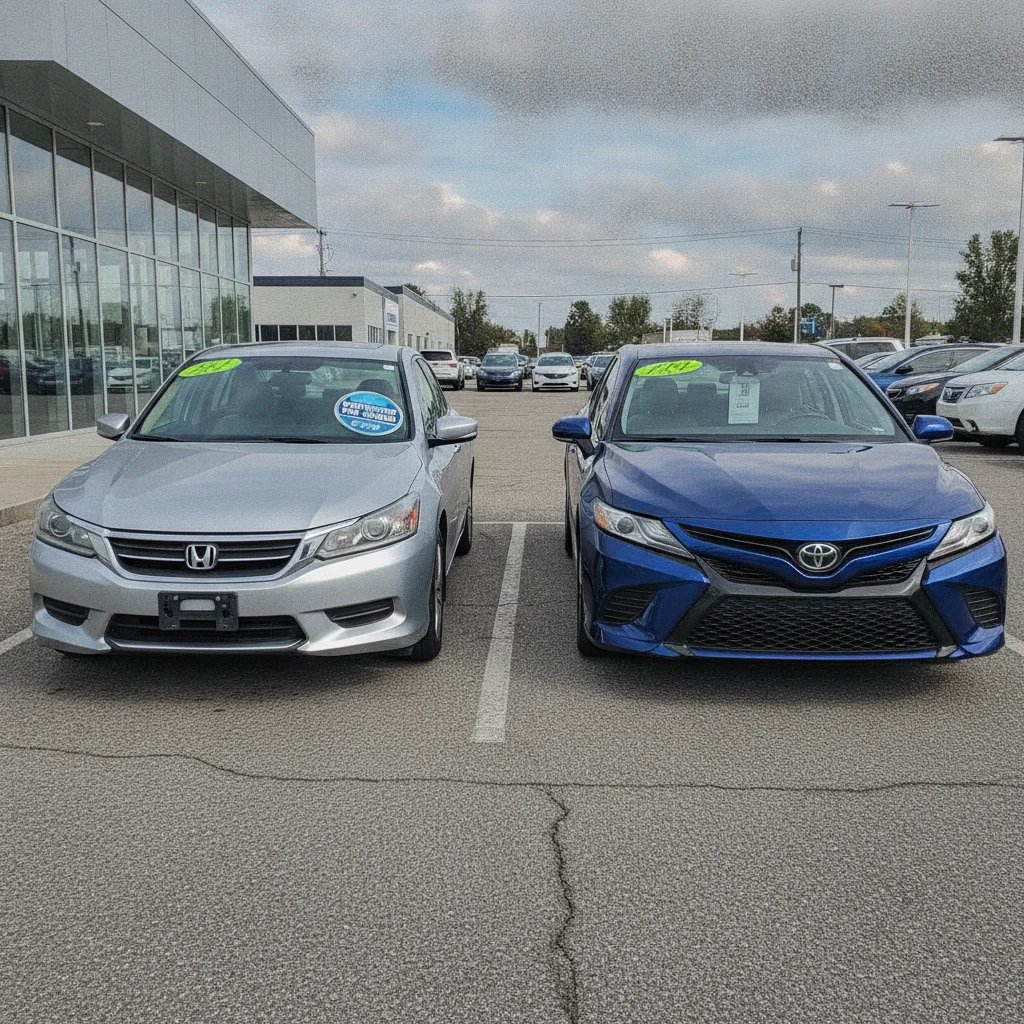
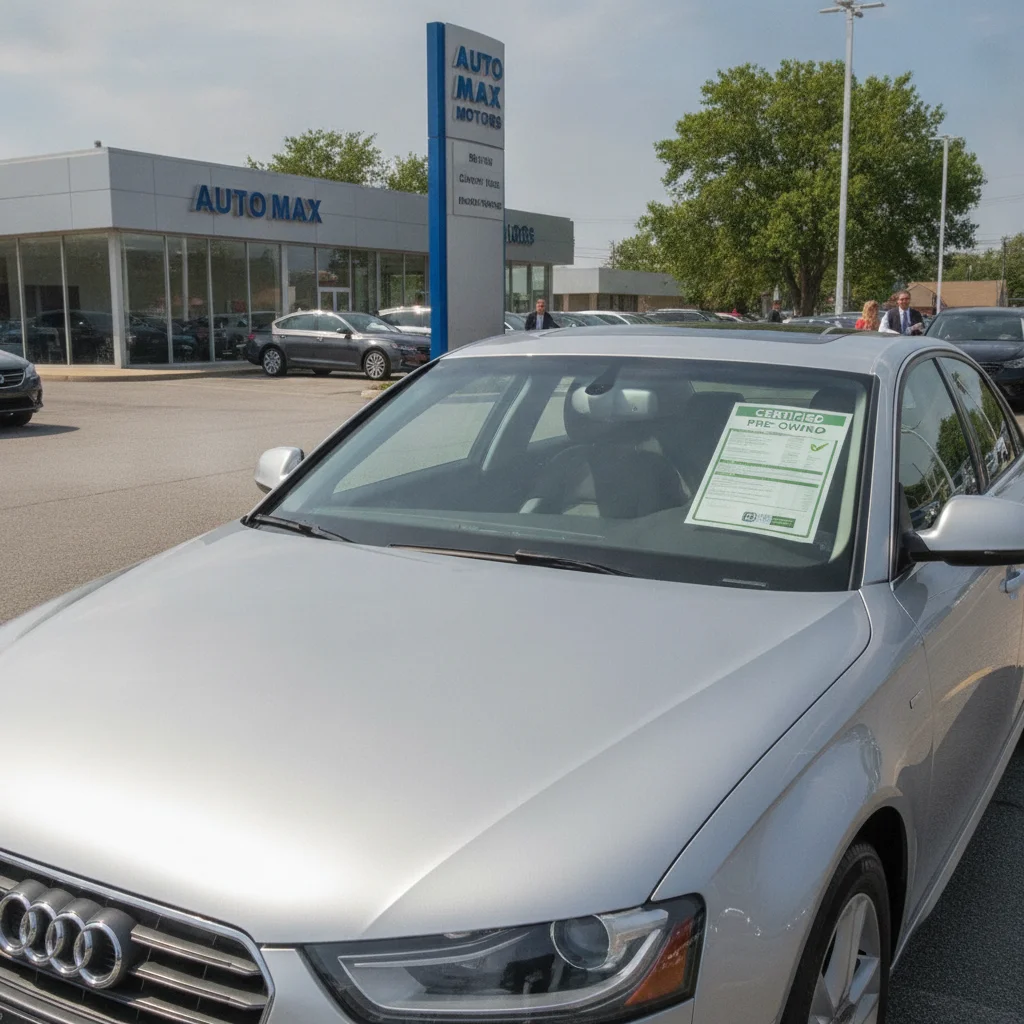
Walk onto a dealer lot and you'll see two kinds of used cars: plain used vehicles and ones wearing a Certified Pre-Owned (CPO) badge. That badge signals that the car has cleared a manufacturer-defined inspection process and comes backed by an extended warranty. But the word "certified" is doing a lot of heavy lifting — and not every certification is equal.
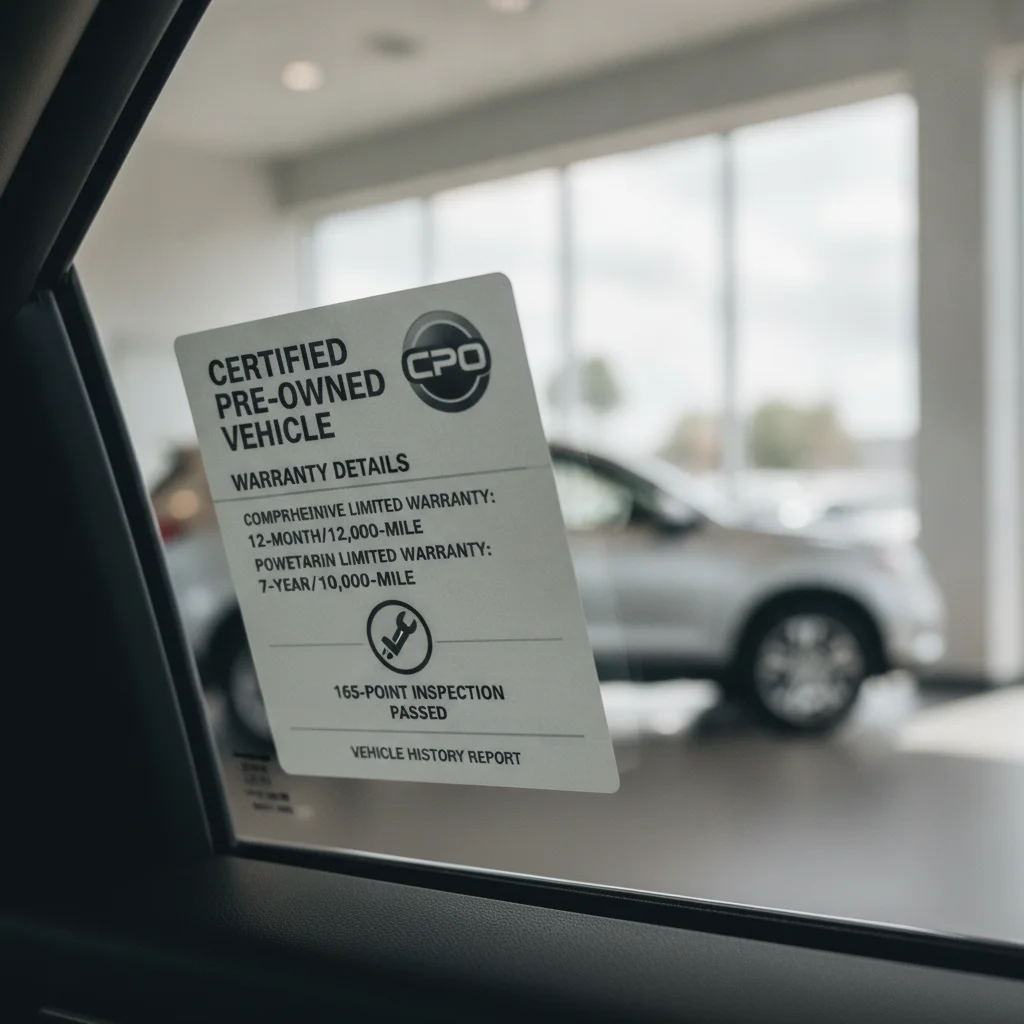
At its core, CPO is a structured program run either by a vehicle manufacturer (like Toyota, Honda, or BMW) or, less formally, by an individual dealership. Here's what a genuine manufacturer-backed CPO program typically promises:
- Age and mileage limits: Most programs cap vehicles at 5–7 years old and 60,000–80,000 miles. Cars outside those limits can't receive the certification, which filters out the highest-risk vehicles.
- Multi-point inspection: Technicians check dozens to hundreds of items — from brake pad thickness to HVAC function. Anything below standard must be repaired or replaced before certification.
- Extended warranty coverage: CPO cars carry a manufacturer-backed warranty that extends beyond the original factory coverage, often adding 1–2 years or 12,000–24,000 miles of powertrain protection.
- Vehicle history verification: Programs require a clean title and use history reports (Carfax or AutoCheck) to screen for accidents, flood damage, or odometer fraud.
The key distinction buyers need to internalize is the difference between a manufacturer-certified car and a dealer-certified car. A manufacturer CPO program has standardized rules enforced across every franchised dealership. A dealer-certified car — sometimes marked "dealership certified" or just "certified" — can mean almost anything. It might be a 150-point inspection, or it might be a basic wash and oil change.
For a deeper breakdown of what the label really gets you versus a standard used car, see our comparison of CPO vs. standard used cars.
How CPO Programs Differ by Manufacturer
Not all CPO programs are created equal. Understanding the differences between brands can shift your shortlist significantly — especially if long-term warranty coverage is a priority for you.
$1,000–$3,500
Typical CPO price premium over comparable used
Based on average pricing differentials observed across major manufacturer CPO programs in 2023–2024.
15%–25%
New-car value lost in first year
Edmunds depreciation data consistently shows the steepest drop occurs in year one, making 2–3 year old CPO vehicles the sweet spot.
7 yr / 100k mi
Best-in-class CPO powertrain warranty
Toyota and Honda lead mainstream brands with powertrain coverage running from the original in-service date.
2.9%
Promotional CPO financing rate (example)
Manufacturer captive lenders periodically offer near-new-car rates on CPO vehicles; availability varies by brand and season.
$4,000
Max federal tax credit for used EV purchases
Under the Inflation Reduction Act, qualifying used EVs — including CPO — may be eligible for up to $4,000 in federal tax credits.
What to Compare Across Programs
When you're evaluating a CPO program, look at these five variables:
- Powertrain warranty length: This covers the engine, transmission, and drivetrain — the most expensive components. Toyota's CPO program extends powertrain coverage to 7 years/100,000 miles from the original sale date, while other brands offer as little as 12 months.
- Comprehensive (bumper-to-bumper) coverage: Some programs extend near-full coverage for a year or two; others limit it to powertrain only from day one.
- Deductible: Some programs have a $0 deductible per repair visit; others charge $50–$200. Over several visits, that adds up.
- Roadside assistance: Most manufacturer CPO programs include 24-hour roadside assistance for towing, flat tires, and lockouts.
- Number of inspection points: Programs range from 100-point to 300-point inspections. More points don't automatically mean better coverage, but they often signal a more rigorous process.
Manufacturer Program Snapshot
| Brand | Powertrain Coverage | Bumper-to-Bumper | Deductible |
|---|---|---|---|
| Toyota | 7 yr / 100k mi | 1 yr / 12k mi added | $0 |
| Honda | 7 yr / 100k mi | 1 yr / 12k mi added | $0 |
| BMW | 1 yr unlimited mi | 1 yr unlimited mi | $50 |
| Ford | 7 yr / 100k mi | 1 yr / 12k mi added | $100 |
| Chevrolet | 6 yr / 100k mi | 1 yr / 12k mi added | $100 |
Luxury brands like BMW and Mercedes-Benz tend to offer shorter but more inclusive coverage (often bumper-to-bumper), while mainstream brands lean on long powertrain warranties. Neither approach is universally better — it depends on what kind of repairs worry you most and how long you plan to keep the car.
Always calculate remaining warranty coverage in miles, not just years. A 3-year-old CPO car with 58,000 miles under a 7-year/100,000-mile warranty has only 42,000 miles of powertrain coverage left — which may disappear in 2–3 years of normal driving.
Buyers routinely focus on years remaining and overlook that mileage caps often trigger first, dramatically shortening effective coverage.
Before accepting the manufacturer's CPO financing, get a competing quote from your local credit union the same day. Credit unions frequently beat dealer rates — and having a written offer in hand strengthens your negotiating position even if you end up using the dealer's loan.
Studies by the Consumer Financial Protection Bureau consistently show that pre-arranged financing leads to lower total interest costs for auto buyers.
If the CPO vehicle you want has been sitting on the lot for more than 45 days, that's your best negotiating moment. Use CarGurus' 'days on market' filter to identify aging inventory before you walk in.
Dealer carrying costs (floor plan interest) increase with every day a vehicle sits unsold, creating real financial pressure to move aging inventory.
To understand how rigorous the inspection process really is, read how CPO inspections work and their limits.
The Real Cost of Buying CPO vs. Standard Used
The CPO badge costs money. Understanding exactly how much — and what you're getting for it — is the central financial question of any CPO purchase.
The CPO Price Premium
On average, a certified pre-owned vehicle sells for $1,000 to $3,500 more than a comparable non-certified used car with similar mileage and condition. For a $25,000 vehicle, that's a 4%–14% premium. Whether that premium is justified depends on several factors.
Dealer-Certified ≠ Manufacturer-Certified
When a dealership uses the word 'certified' without a manufacturer brand attached, it is not the same as a manufacturer-backed CPO program. Dealer certifications have no standardized inspection requirements, no manufacturer oversight, and no captive-lender warranty backing. Always ask specifically: 'Is this vehicle certified under the manufacturer's official CPO program?' and get the answer in writing.
Warranty Start Date Can Surprise You
Most manufacturer CPO warranties run from the original purchase date — not the date you buy the car as a second owner. A 3-year-old vehicle purchased under a 7-year CPO warranty has only 4 years of coverage remaining, regardless of when you close the deal. Verify the exact start date and expiration milestone before finalizing the purchase.
The Depreciation Angle
Here's where CPO becomes genuinely interesting from a value standpoint. New cars lose roughly 15%–25% of their value in the first year alone. A CPO vehicle that's 2–3 years old has already absorbed that steepest part of the depreciation curve, so you're buying into a much flatter slope.
Example: A new $40,000 SUV might be worth $30,000 after two years — a $10,000 loss. That same vehicle as a 2-year-old CPO might be priced at $31,000–$32,000 with a remaining powertrain warranty. You've saved $8,000–$9,000 versus buying new, while still getting meaningful factory warranty protection.
Total Cost of Ownership Math
To decide if the CPO premium is worth it for you, run this quick calculation:
- Find the CPO price for your target vehicle.
- Find the price of a comparable non-certified used car (same year, similar mileage).
- Calculate the price difference (the CPO premium).
- Estimate how many years you'll own the car and roughly how many warranty claims you might make.
- Price out an equivalent extended warranty from a third-party provider for the non-CPO car.
If the third-party warranty costs more than the CPO premium and offers weaker terms, the CPO is the better deal. If a private third-party warranty runs cheaper with similar coverage, the plain used car may make more financial sense — though you lose the dealer-backed peace of mind.
Run the Third-Party Warranty Math
Before dismissing the CPO premium as too expensive, price out an equivalent third-party extended warranty for a non-certified version of the same car. Sites like Endurance, CARCHEX, and Olive provide instant quotes. If the third-party warranty costs more than the CPO premium and covers less, the CPO deal is likely the better financial choice.
Lock In Your Rate Before Visiting the Dealer
Get pre-approved by your bank or credit union before shopping. This gives you a real benchmark and means you can evaluate the dealer's financing offer from a position of knowledge rather than pressure. Credit unions often offer the most competitive rates for used and CPO vehicles.
For a head-to-head comparison of what the certified label actually delivers relative to a standard used car purchase, see our CPO vs. standard used breakdown. If you're also weighing a fully standard used car purchase process, our complete used car buying roadmap covers that path end to end.
How to Research and Compare CPO Vehicles
Effective CPO research starts before you ever walk into a dealership. Here's a step-by-step approach.
Step 1: Define Your Budget — Including All Costs
Before you start browsing inventory, set a realistic total budget. Factor in:
- Purchase price (including the CPO premium)
- Sales tax (typically 5%–10% depending on your state)
- Registration and title fees
- Auto insurance — CPO vehicles often cost more to insure than older used cars due to higher replacement value
- Financing costs if you're not paying cash
Step 2: Identify Your Target Vehicles
Narrow your search to 2–3 vehicle models that fit your needs and budget. Check reliability ratings from J.D. Power, Consumer Reports, and owner forums. Reliable vehicles (Toyota Camry, Honda CR-V, Subaru Outback) benefit less from CPO warranty coverage because they break down less often — meaning the premium is harder to recoup. Less reliable models may actually make the CPO premium more worthwhile.
Step 3: Search CPO Inventory Online
Most manufacturer websites have CPO inventory search tools. You can filter by model, year, mileage, and price. Third-party platforms like Cars.com, CarGurus, and Autotrader also list CPO vehicles with filters. The online car buying hub covers the full process of researching and comparing cars digitally if you prefer to handle most of this from home.

Step 4: Compare Specific Listings Side by Side
Once you have a shortlist of 3–5 specific vehicles, compare them on these dimensions:
- Remaining warranty coverage (check exactly when the original sale date was — CPO coverage often runs from that date, not the date you buy it)
- Mileage relative to the warranty mileage cap
- Trim level and options
- Number of previous owners
- Service history availability
CPO Eligibility Varies by Vehicle History
Even vehicles that meet age and mileage requirements can be disqualified from CPO certification due to prior salvage titles, flood damage designations, or manufacturer buyback (lemon law) status. A history report showing any of these flags should prompt you to walk away from that specific vehicle, not just the CPO consideration.
Warranty Coverage May Not Transfer
Some CPO warranties are fully transferable to a subsequent buyer, which adds resale value. Others are non-transferable or require a transfer fee. If you plan to sell the car before the CPO warranty expires, transferability is a meaningful feature worth confirming upfront.
Navigating the CPO Inspection and History Reports
The inspection report and vehicle history are the two documents that actually justify the CPO premium. Don't skip reading them carefully.
The Inspection Report
Ask the dealer for a copy of the completed inspection checklist before committing. This document lists every item checked, its condition, and what was repaired or replaced to pass certification. Look for:
- Brake pad and rotor condition: Were pads near-new at certification, or replaced? Near-new pads could wear out in 20,000–30,000 miles, meaning a repair bill soon.
- Tire tread depth: Tires should show at least 4/32" of tread. Less than that and you're looking at replacement soon.
- Battery health: A battery reading at 60%–70% capacity technically passes many inspections but will fail within a year or two.
- Fluids and filters: Were they freshened, or just inspected?
CPO Inspection Reports Have Real Limits
A multi-point inspection checks condition at a single moment in time and is performed by technicians who work for the selling dealer. Intermittent problems — electrical gremlins, suspension noise that only appears under load, early transmission hesitation — can easily pass undetected. An independent pre-purchase inspection by a mechanic of your choosing is the only way to get a genuinely unbiased assessment.
Gap Insurance Timing Matters
If you buy gap insurance through the dealership's F&I office, the cost is often rolled into your loan and accrues interest. Your own auto insurer typically offers gap coverage as an annual add-on for $20–$40 per year — a fraction of the dealer's one-time fee of $400–$900. Purchase it separately after closing unless the dealer's price is clearly competitive.
Vehicle History Reports
Every manufacturer CPO program requires a clean-title vehicle, but "clean title" doesn't mean accident-free. Run both a Carfax and an AutoCheck report — they pull from different databases and sometimes catch different incidents. Look for:
- Accident or damage reports (frame damage is a deal-breaker)
- Number of previous owners (fewer is generally better)
- Whether it was a rental, fleet, or lease vehicle
- Consistent service records at regular intervals
- Odometer consistency across reported dates
If the dealer can't provide both reports, that's a red flag regardless of the CPO badge.
Independent Pre-Purchase Inspection
Even with a CPO vehicle, paying $100–$200 for an independent mechanic inspection is money well spent. CPO inspections are performed by dealer technicians who have an incentive to certify and sell the car. An independent shop has no such conflict. Have them specifically check items the CPO inspection might gloss over — suspension wear, exhaust condition, and any signs of unreported body repair.
For a detailed breakdown of what CPO inspections cover and where their blind spots lie, read how certified pre-owned inspections work and their limits.
Financing a CPO Vehicle
One of the underappreciated benefits of buying certified pre-owned is financing access. Because manufacturer CPO programs are sponsored by the same financial arm that backs new-car loans, CPO buyers sometimes qualify for near-new-car interest rates.
“The real advantage of CPO financing is that it collapses the rate gap between new and used. When a manufacturer is offering 2.9% on certified vehicles versus 7% or 8% on standard used, that interest savings can easily exceed the CPO price premium — making certification free, or even a net positive.”
— Ivan Drury, Director of Insights, Edmunds
How CPO Financing Rates Work
Automakers run promotional financing through their captive lenders (Toyota Financial Services, Ford Motor Credit, BMW Financial Services, etc.). During promotions, CPO buyers can sometimes access rates as low as 1.9%–3.9% APR — significantly below the 6%–12% range typical for standard used car loans.
Example: On a $28,000 CPO vehicle over 60 months:
- At 2.9% APR: Monthly payment ≈ $502; total interest ≈ $1,120
- At 7.9% APR: Monthly payment ≈ $568; total interest ≈ $6,080
That's nearly $5,000 in interest savings — often more than the CPO premium itself. When promotional financing is available, it can flip the cost math decisively in favor of CPO.
Getting Pre-Approved Before You Shop
Even with manufacturer financing available, always get pre-approved through your bank or credit union first. This gives you a benchmark rate so you know if the dealer's offer is genuinely competitive. If the manufacturer rate is lower, use it. If not, you have leverage.
Down Payment Strategy
For a CPO vehicle, a down payment of 10%–20% of the purchase price is a smart target. This keeps your loan-to-value ratio healthy, lowers monthly payments, and reduces the risk of going underwater (owing more than the car is worth) as the vehicle continues to depreciate.
Run the Third-Party Warranty Math
Before dismissing the CPO premium as too expensive, price out an equivalent third-party extended warranty for a non-certified version of the same car. Sites like Endurance, CARCHEX, and Olive provide instant quotes. If the third-party warranty costs more than the CPO premium and covers less, the CPO deal is likely the better financial choice.
Lock In Your Rate Before Visiting the Dealer
Get pre-approved by your bank or credit union before shopping. This gives you a real benchmark and means you can evaluate the dealer's financing offer from a position of knowledge rather than pressure. Credit unions often offer the most competitive rates for used and CPO vehicles.
Negotiating the CPO Deal
Many buyers assume CPO prices are fixed — that the certification somehow puts the car above negotiation. That's a myth. CPO vehicles are negotiable, and there are specific angles to work.
What You Can Negotiate on a CPO Car
- Purchase price: The window sticker is a starting point, not a ceiling. Use competing listings and market data from tools like CarGurus (which shows how long a car has been listed) to justify a lower offer.
- Deductible reduction: Some dealers can adjust or waive the per-visit deductible on the CPO warranty. Always ask.
- Add-on products: Dealers will pitch extended warranties beyond the CPO coverage, paint protection packages, and gap insurance. Most of these are overpriced. Politely decline or negotiate them down significantly.
- Trade-in value: Negotiate the trade-in separately from the purchase price. Get an offer from CarMax or Carvana first to establish a floor.
Know Your Market Position
CPO inventory moves faster when manufacturer incentive programs are running. If a brand is offering 0.9% financing on CPO vehicles, demand spikes and your negotiating leverage shrinks. Conversely, if you're buying outside of a promotion window and the car has been on the lot for 45+ days, you have real room to negotiate.
Always calculate remaining warranty coverage in miles, not just years. A 3-year-old CPO car with 58,000 miles under a 7-year/100,000-mile warranty has only 42,000 miles of powertrain coverage left — which may disappear in 2–3 years of normal driving.
Buyers routinely focus on years remaining and overlook that mileage caps often trigger first, dramatically shortening effective coverage.
Before accepting the manufacturer's CPO financing, get a competing quote from your local credit union the same day. Credit unions frequently beat dealer rates — and having a written offer in hand strengthens your negotiating position even if you end up using the dealer's loan.
Studies by the Consumer Financial Protection Bureau consistently show that pre-arranged financing leads to lower total interest costs for auto buyers.
If the CPO vehicle you want has been sitting on the lot for more than 45 days, that's your best negotiating moment. Use CarGurus' 'days on market' filter to identify aging inventory before you walk in.
Dealer carrying costs (floor plan interest) increase with every day a vehicle sits unsold, creating real financial pressure to move aging inventory.
What Not to Negotiate Away
Don't let a dealer remove or downgrade the CPO certification as a cost-cutting measure. The warranty is the product. If they suggest selling you the car "without certification" at a lower price, you should evaluate that as a straight used car purchase — not a CPO deal.
Before You Sign: Final Checks
You've found the car, agreed on price, and the paperwork is being drawn up. This is the moment most buyers relax — which is exactly when they should be most alert.
Finance and Insurance (F&I) Office Pitfalls
The F&I office is where dealerships make substantial additional profit. You'll be presented with a menu of products — extended warranties, gap insurance, tire-and-wheel protection, paint sealant. Here's a quick guide:
- Extended warranty (beyond CPO coverage):
- Evaluate carefully. If the CPO powertrain coverage runs 7 years/100,000 miles and you plan to sell in 5 years, you likely don't need additional coverage. If you plan to keep the car longer, a factory-backed extension may be worth pricing out — but compare against third-party providers.
- Gap insurance:
- Useful if you're financing more than 80% of the car's value. Skip it if you made a substantial down payment. Your auto insurer may offer gap coverage at a lower annual cost than the dealer's one-time fee.
- Tire-and-wheel protection:
- Usually not worth it unless you live in a pothole-heavy urban area. The claim process is often burdensome.
Warranty Document Review
Before signing, read the actual warranty booklet — not just the salesperson's verbal summary. Confirm:
- The exact start date and whether it's from the original sale date or your purchase date
- Covered components list (and what's excluded)
- Whether coverage transfers if you sell the car
- The deductible amount and what triggers it
- Which repair facilities are authorized — can you use any franchised dealer, or only the selling dealer?
Use the detailed CPO buyer's pre-purchase checklist to make sure nothing slips through in the final stages.
Dealer-Certified ≠ Manufacturer-Certified
When a dealership uses the word 'certified' without a manufacturer brand attached, it is not the same as a manufacturer-backed CPO program. Dealer certifications have no standardized inspection requirements, no manufacturer oversight, and no captive-lender warranty backing. Always ask specifically: 'Is this vehicle certified under the manufacturer's official CPO program?' and get the answer in writing.
Warranty Start Date Can Surprise You
Most manufacturer CPO warranties run from the original purchase date — not the date you buy the car as a second owner. A 3-year-old vehicle purchased under a 7-year CPO warranty has only 4 years of coverage remaining, regardless of when you close the deal. Verify the exact start date and expiration milestone before finalizing the purchase.
Special Cases: CPO for EVs and Online Purchases
Two growing segments of the CPO market deserve their own attention: electric vehicles and online-only purchases.
CPO Electric Vehicles
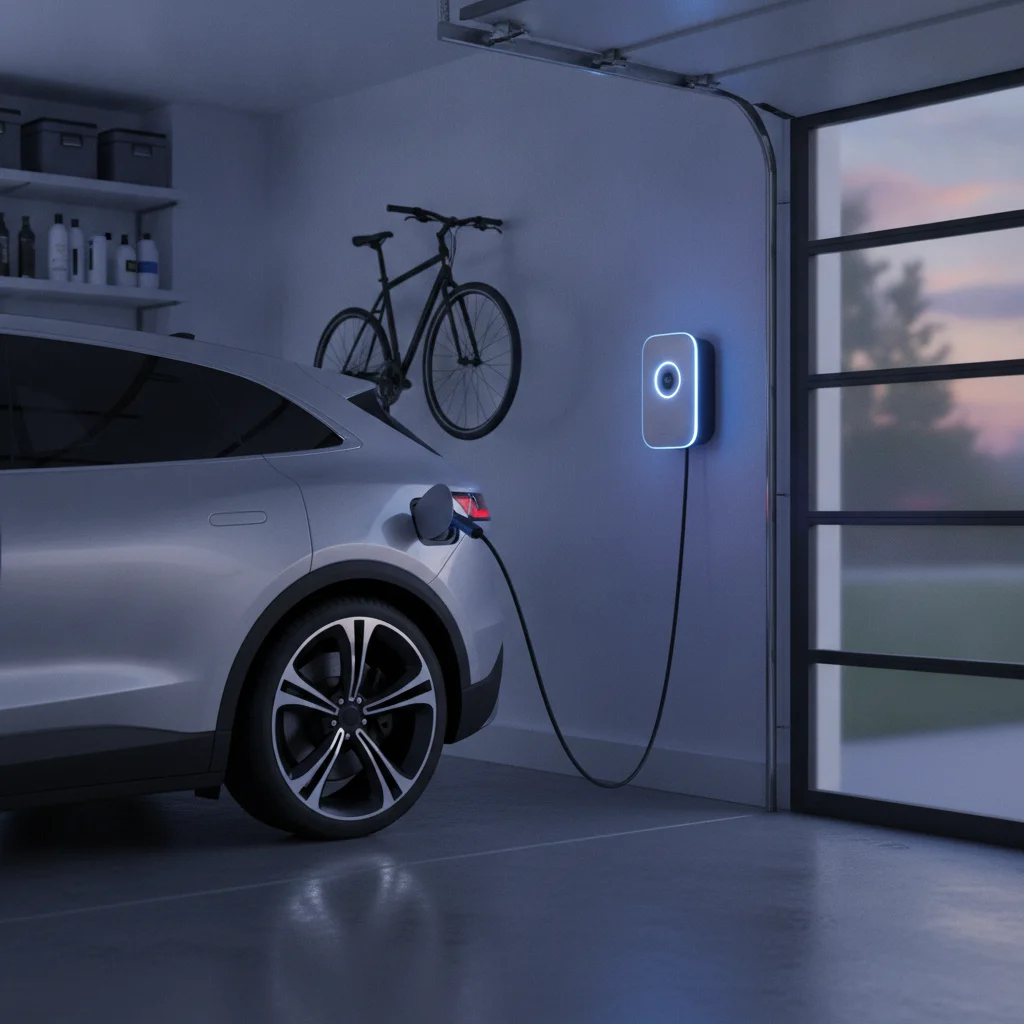
Buying a certified pre-owned EV involves a layer of evaluation that doesn't apply to gas-powered cars: battery health. An EV battery that has degraded to 75% of its original capacity will deliver proportionally less range. Most manufacturer EV CPO programs include a battery health minimum (often 70%–80% state of health), but you should independently verify the reading before purchase.
Other EV-specific considerations:
- Charging history: Frequent DC fast charging accelerates battery degradation. Ask for charging records if available.
- Federal tax credit eligibility: Used EVs may qualify for up to $4,000 in federal tax credits under the Inflation Reduction Act if the vehicle and buyer meet income and price limits. CPO EVs can qualify.
- Remaining battery warranty: Most manufacturers warrant EV batteries separately for 8 years/100,000 miles. Understand how much of that coverage remains.
Read the full breakdown of what makes EV CPO programs different before shopping for a certified used electric vehicle.
Buying CPO Online
Many manufacturers and third-party platforms now offer CPO vehicles fully online — with home delivery and a return window (typically 3–7 days). The convenience is real, but due diligence doesn't disappear. Confirm:
- The full warranty documents are available digitally before you sign
- A vehicle history report is provided, not just promised
- The return policy terms are in writing — what condition must the car be in, and who pays return shipping?
The online car buying hub covers platform-by-platform comparisons and best practices for digital vehicle purchases.
Maximizing Long-Term Value
Once you've made your CPO purchase, the work isn't done. Using your warranty coverage strategically — scheduling any covered repairs before coverage expires and maintaining the vehicle to protect resale value — determines how much return you actually get on the CPO premium you paid. Getting the most out of a CPO purchase over the long run walks through exactly how to do that.
CPO Buyer's Pre-Purchase Checklist
A step-by-step checklist covering warranty terms, inspection records, and title history to verify before signing any CPO deal.
CarGurus CPO Inventory Search
Search certified pre-owned listings with filters for price, mileage, days on market, and deal rating to identify the strongest opportunities.
Carfax Vehicle History Report
Pull a full accident, ownership, and service history report for any CPO vehicle using the VIN before committing to a purchase.
AutoCheck Vehicle History Report
A second history database that pulls from different sources than Carfax — running both catches incidents that either might miss.
Getting the Most Out of a CPO Purchase Over the Long Run
How to use your CPO warranty strategically, schedule coverage before it expires, and protect resale value over years of ownership.
EV CPO Programs: What's Different
Battery health verification, range degradation, and federal tax credit eligibility explained for certified pre-owned electric vehicle buyers.

All claims are backed by peer-reviewed research. Sources on request.