Key Takeaways
Why 'Certified' Doesn't Always Mean What You Think
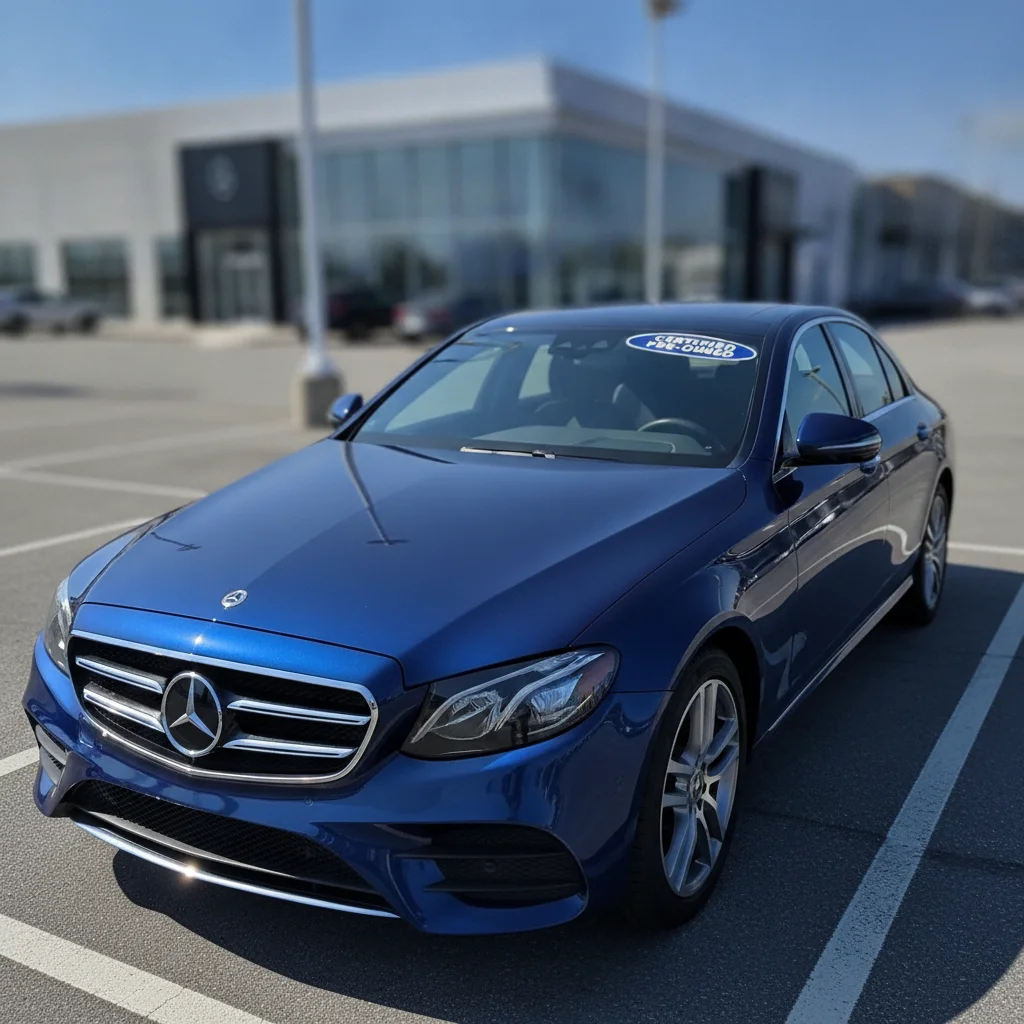
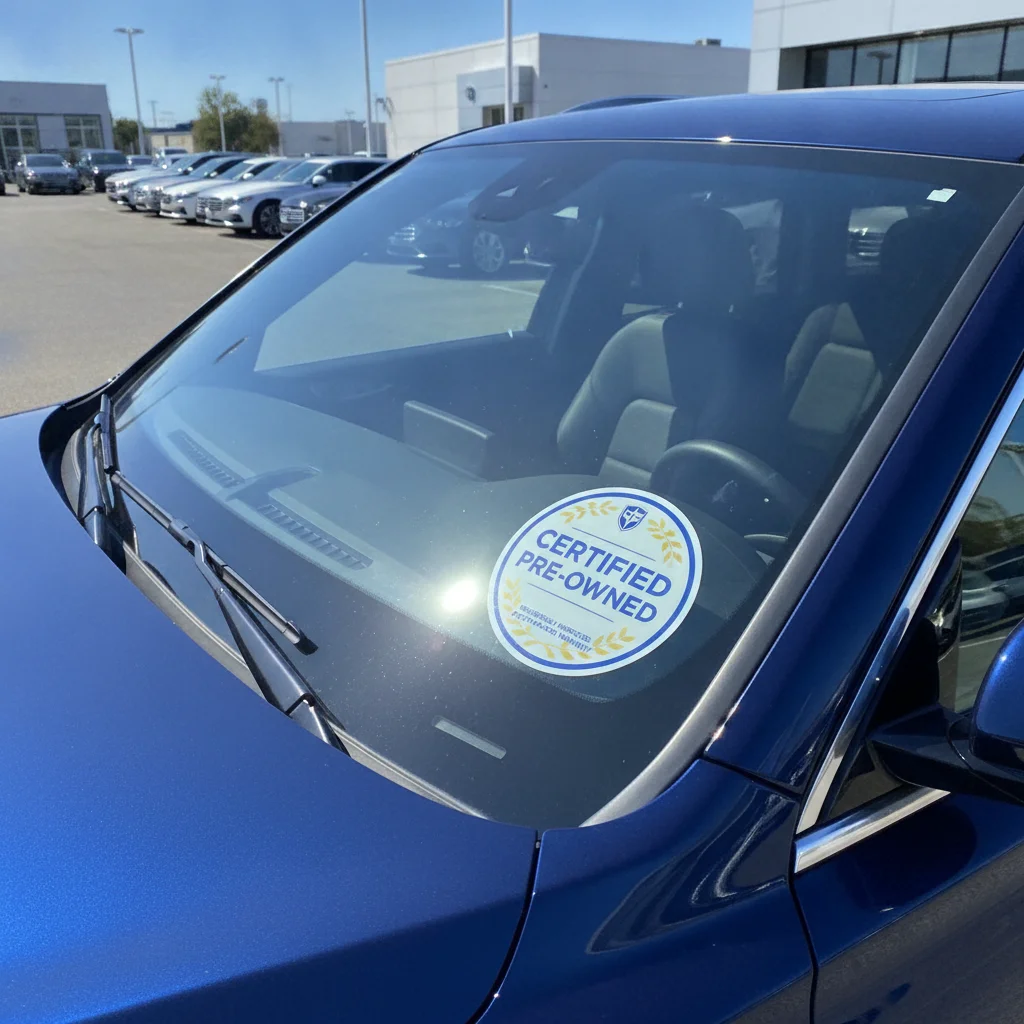
Walk onto almost any used-car lot and you'll see vehicles draped in "certified" window stickers. The word sounds official — implying inspections passed, warranties attached, and peace of mind included in the price. The reality is considerably more complicated.
Unlike terms such as "organic" on food labels or "energy efficient" on appliances, there is no federal standard governing what makes a car "certified pre-owned." Any dealer, at any time, can use that label. What separates a genuine manufacturer-backed CPO vehicle from a dealer's marketing exercise is documentation, program enrollment, and a warranty backed by someone with the financial scale to honor it.
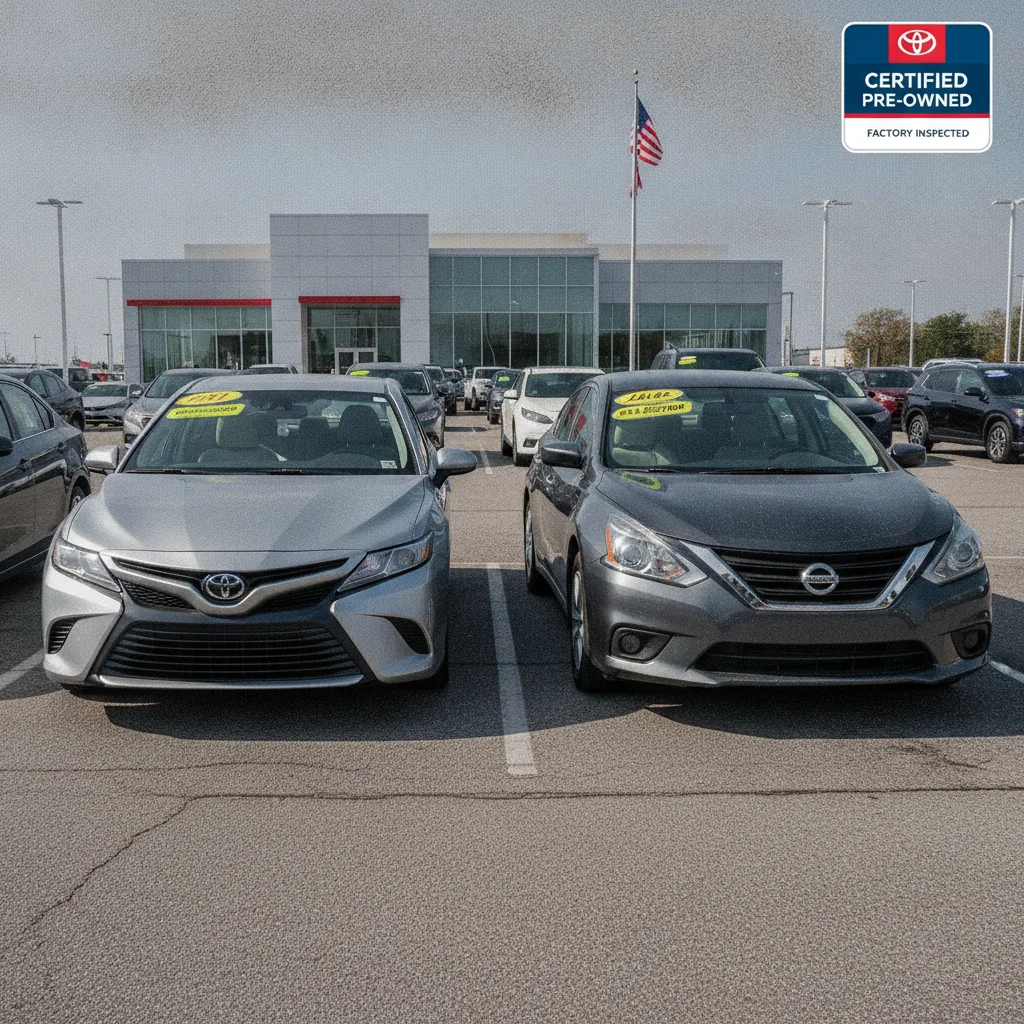
This gap matters financially. According to market data, CPO vehicles typically command a premium of $1,000 to $3,500 over comparable non-certified used cars. If you're paying that premium for a car that merely has a sticker and a handshake rather than a proper factory-backed program, you've overpaid — and you may have far less recourse if something goes wrong with the vehicle six months after purchase.
The steps in this guide give you a repeatable, methodical process to confirm — not assume — that a CPO vehicle is the real thing before any money changes hands.
What you will need
Before diving into the verification steps, gather the tools you'll need for the process:
Vehicle Identification Number (VIN)
Used to look up CPO status in the manufacturer's database and pull the vehicle history report.
Manufacturer's CPO Lookup Tool or Customer Hotline
Directly confirms whether a specific VIN is enrolled in the brand's official CPO program.
Carfax or AutoCheck Vehicle History Report
Reveals accident history, title problems, odometer rollbacks, and prior ownership that could disqualify a car from CPO.
NHTSA VIN Decoder (vp.nhtsa.dot.gov)
Confirms the vehicle's factory specifications and checks for any open safety recalls before purchase.
Independent Pre-Purchase Inspection (PPI)
A licensed mechanic physically inspects the car to catch issues that inspection reports may have missed.
CPO Inspection Checklist from the Manufacturer
The brand's official multi-point checklist lets you compare what was inspected against the car's condition.
Follow These Steps to Confirm CPO Status
Work through each step in order. Don't skip ahead to the inspection report or the warranty documents before you've confirmed basic status with the manufacturer — the later steps only matter if the first one checks out.
Locate and record the vehicle's VIN
Before you can verify anything, you need the 17-character Vehicle Identification Number (VIN). Find it in one of three places:
- Dashboard corner: Visible through the windshield on the driver's side, printed on a small plate at the base.
- Driver-side door jamb: On the sticker affixed to the door frame that also shows tire pressure and build date.
- Vehicle title or registration: If the dealer has those documents available.
Write down or photograph the full VIN. Double-check every character — the letters I, O, and Q are intentionally excluded from VINs, so anything that looks like one of those is actually a 1, 0, or another numeral. A transcription error will send you down the wrong search path entirely.
Identify which CPO program the dealer is claiming
Not all CPO programs are created equal, and this distinction is financially meaningful. There are two fundamentally different types:
- Manufacturer-certified programs (e.g., Toyota Certified Used Vehicles, BMW Certified Pre-Owned, Ford Blue Advantage Gold) — backed by the automaker, with standardized inspections and factory-backed warranties.
- Dealer-certified programs — created and administered by an individual dealership, with no automaker involvement and far less rigorous or consistent standards.
Ask the salesperson directly: "Is this vehicle certified through [Manufacturer Name]'s official program, or is this the dealership's own certification?" If they can't give you a clear answer, assume the weaker option. As a rule, only manufacturer-backed CPO programs justify paying a premium. You can learn more about the underlying distinctions in what CPO actually means.
Run the VIN through the manufacturer's official lookup tool
Most major automakers provide a free online tool where you can enter the VIN and confirm CPO enrollment. Here are lookup starting points for common brands:
- Toyota: toyota.com/certified — use the "Search Inventory" feature with VIN input
- Honda: hondacertified.com has a VIN search function
- BMW: bmwusa.com/certified includes VIN-based status verification
- Ford: fordblueadvantage.com allows VIN search by certified tier
- Chevrolet/GMC/Buick/Cadillac: gmc.com, chevrolet.com, and cadillac.com each have certified inventory search tools
If the brand doesn't have a public-facing lookup tool, call the manufacturer's customer care line — the number is always on the official brand website. Give the representative the VIN and ask them to confirm:
- Whether the vehicle is currently enrolled in the CPO program
- The warranty start date and current remaining coverage (months and miles)
- Whether there are any open recalls on that VIN
Document the representative's name, the date and time of the call, and exactly what they confirmed. This record becomes important if there's a dispute later.
Request and review the completed inspection report
A genuine manufacturer CPO vehicle must pass a multi-point inspection — typically ranging from 100 to 200 inspection points depending on the brand. You are entitled to see the completed inspection report before signing anything. Ask for it explicitly.
When reviewing the report, look for:
- Checkmarks vs. written notes: Legitimate reports show pass/fail or a measurement for each item. A report that's mostly blank or uses vague language like "inspected" without specifics is a warning sign.
- Items marked as repaired: Note what was replaced or reconditioned. Brake pads replaced at 2mm remaining is very different from rotors that were waived through without comment.
- Inspector's signature and date: Confirms who performed the inspection and when. If the inspection was six months ago and the car has been sitting on the lot, some items (battery, tire pressure, fluid levels) may no longer be current.
- Missing pages: Some multi-point inspections run several pages. If a report looks suspiciously short for a 172-point inspection, ask for the complete document.
Cross-reference the inspection findings with how CPO inspections work and their limits to understand what a thorough report should look like — and where even official programs have gaps.
Pull an independent vehicle history report
Even if the manufacturer confirms CPO status, you should independently verify the vehicle's history using Carfax or AutoCheck. Enter the VIN on either service's website — most dealers provide a free Carfax report, but it's worth running your own if there's any doubt about completeness.
Focus on these sections:
- Accident and damage records: Manufacturer CPO programs typically disallow vehicles with severe structural damage history. If the report shows frame or unibody damage, question whether this car should have qualified.
- Title history: Look for salvage, rebuilt, lemon law buyback, or flood titles. These automatically disqualify a vehicle from most manufacturer CPO programs.
- Odometer readings: A history of reported mileages that jumps backward or has a sudden large unexplained gap suggests odometer fraud.
- Service records: Regular, documented maintenance at franchise dealerships strengthens confidence in the vehicle's condition.
- Number of previous owners: Most CPO programs cap eligible vehicles at one or two prior owners, though this varies.
Check for open recalls using the NHTSA database
An open safety recall is a problem the automaker is required to fix at no cost to you. Go to vp.nhtsa.dot.gov/vin and enter the VIN. The tool will show any active recalls and whether they've been remedied.
Why does this matter for CPO verification specifically? Because many manufacturer CPO programs require all open recalls to be addressed before a vehicle can be certified. If the NHTSA database shows an open recall on a car the dealer claims is CPO-certified, one of two things is true: the recall remedy wasn't completed and the vehicle was certified improperly, or the recall was issued after certification and the dealer should be scheduling the fix.
In either case, do not take delivery of a vehicle with an open safety recall until the dealer confirms — in writing — that the recall repair has been scheduled and completed at no cost to you.
Confirm warranty terms in writing before signing
Verbal warranty claims from a salesperson are not binding. Before you sign a purchase agreement, obtain a written warranty document — either the manufacturer's CPO warranty certificate or a written addendum to the contract — that specifies:
- Warranty type (bumper-to-bumper, powertrain, or both)
- Coverage start date and whether it runs from the original in-service date or the CPO purchase date
- Mileage cap for each coverage tier
- Deductible amount per repair visit (common amounts are $0, $50, or $100)
- Which components are excluded — virtually every warranty has exclusions, and knowing them upfront avoids surprises
- Whether coverage is transferable if you sell the vehicle
Compare these written terms against the manufacturer's official CPO warranty description on their website. Discrepancies between the dealer's paperwork and the published program terms should be resolved before you sign. Use the CPO buyer's pre-purchase checklist to make sure you haven't missed any critical verification step.
Once you've completed all seven steps, you'll have independently verified the car's certified status, reviewed its history, confirmed there are no open safety issues, and locked the warranty terms in writing. That's the foundation of a purchase you can make with confidence rather than hope.
Never Accept Verbal CPO Confirmation Alone
A salesperson saying "yes, it's certified" is not verification. Manufacturer CPO status must be confirmed directly with the automaker — either through an online VIN lookup tool or by speaking with a manufacturer customer service representative who can check their enrollment database. Written documentation of the inspection and warranty coverage must be in your hands before you sign. Verbal claims have no legal weight once you've taken delivery.
What to Do If Verification Fails at Any Step
If the manufacturer's database shows the VIN isn't enrolled, if the inspection report is incomplete, if the history report reveals a disqualifying title issue, or if the warranty terms don't match what's published — you have options beyond walking away empty-handed.
Negotiate on price
If the car itself meets your needs but the CPO claim can't be substantiated, the vehicle should be priced as a non-certified used car. Use that as a negotiation anchor. A dealer who won't adjust the price when the certification can't be confirmed is asking you to pay for something that doesn't exist.
Request proper certification
If the dealer claims the vehicle qualifies for CPO status but hasn't been enrolled yet, ask them to complete the certification process before you take delivery. Dealers can sometimes certify a qualifying vehicle if it hasn't been enrolled yet — but insist on manufacturer confirmation before signing.
Get an independent pre-purchase inspection
Even if CPO status is confirmed, a third-party inspection by a licensed mechanic adds a layer of verification that no paper trail can fully replace. Expect to pay $100–$200 for a thorough inspection. That's inexpensive insurance relative to the size of the purchase. Understanding the limits of CPO inspections helps you brief your mechanic on what to look for beyond what the dealer's checklist covers.
Dealer Add-Ons Are Not CPO Coverage
Watch for dealers who bundle aftermarket service contracts, paint protection plans, or extended warranties into the deal and describe them as "part of the certified package." These are separate products with separate costs — often rolled quietly into the financing. A manufacturer CPO warranty comes at no additional charge beyond the vehicle's selling price. If a dealer asks you to pay extra for the warranty, ask precisely what manufacturer program it belongs to and get the program name in writing.
Walk away
No car is so perfect that it's worth compromising on verified documentation. The used-car market is large. Another comparable vehicle with clean credentials will appear — it may just require patience.
Bookmark the Manufacturer's CPO Page Before You Shop
Before visiting any dealership, look up the official CPO program details for every brand you're considering. Save the manufacturer's warranty terms page so you have a reference document with you during negotiation. This prevents dealers from overstating or reframing coverage in the moment — you'll have the published terms to compare against in real time.
Timing Your CPO Purchase Can Save You Money
CPO inventory tends to increase at the end of a model year when lease returns flow back to dealerships in larger volumes. Shopping in the fall — typically September through November — often means more certified inventory at more competitive prices, simply because dealers have more units to move. You're less likely to pay a premium just because supply is tight.
Understanding the Financial Logic Behind CPO Verification
Buyers often focus on the sticker price difference between a CPO car and a non-certified equivalent. But the financial case for CPO — when genuine — runs deeper than that initial premium.
A manufacturer-backed CPO program typically extends your coverage window significantly past what the factory warranty would have provided. For example, a Toyota Certified Used Vehicle purchased with 36,000 miles on it might carry a 12-month/12,000-mile bumper-to-bumper warranty plus a powertrain warranty extending to 7 years/100,000 miles from the original in-service date. On a vehicle that originally sold for $35,000, a single transmission replacement — which can cost $3,500 to $5,000 — could more than offset the entire CPO premium you paid.
Conversely, if the "certified" label is merely decorative, you're carrying all of that repair risk yourself while still having paid the premium. That's the worst possible outcome, and it's exactly what the verification steps in this guide are designed to prevent.

The math also works in reverse: once you've confirmed genuine CPO status, you can negotiate from a position of knowledge. You know the warranty coverage remaining, you know the inspection was completed properly, and you know there are no title landmines. That information lets you evaluate whether the dealer's asking price is fair relative to the specific coverage you're getting — rather than accepting the premium as a fixed cost of the transaction.
For a comprehensive view of what you should be checking beyond CPO status before you commit, review the full CPO pre-purchase checklist. It covers title verification, financing terms, and dealer add-on products that often get bundled into CPO transactions without buyers realizing it.

All claims are backed by peer-reviewed research. Sources on request.