Key Takeaways
Why CPO Program Quality Varies So Dramatically
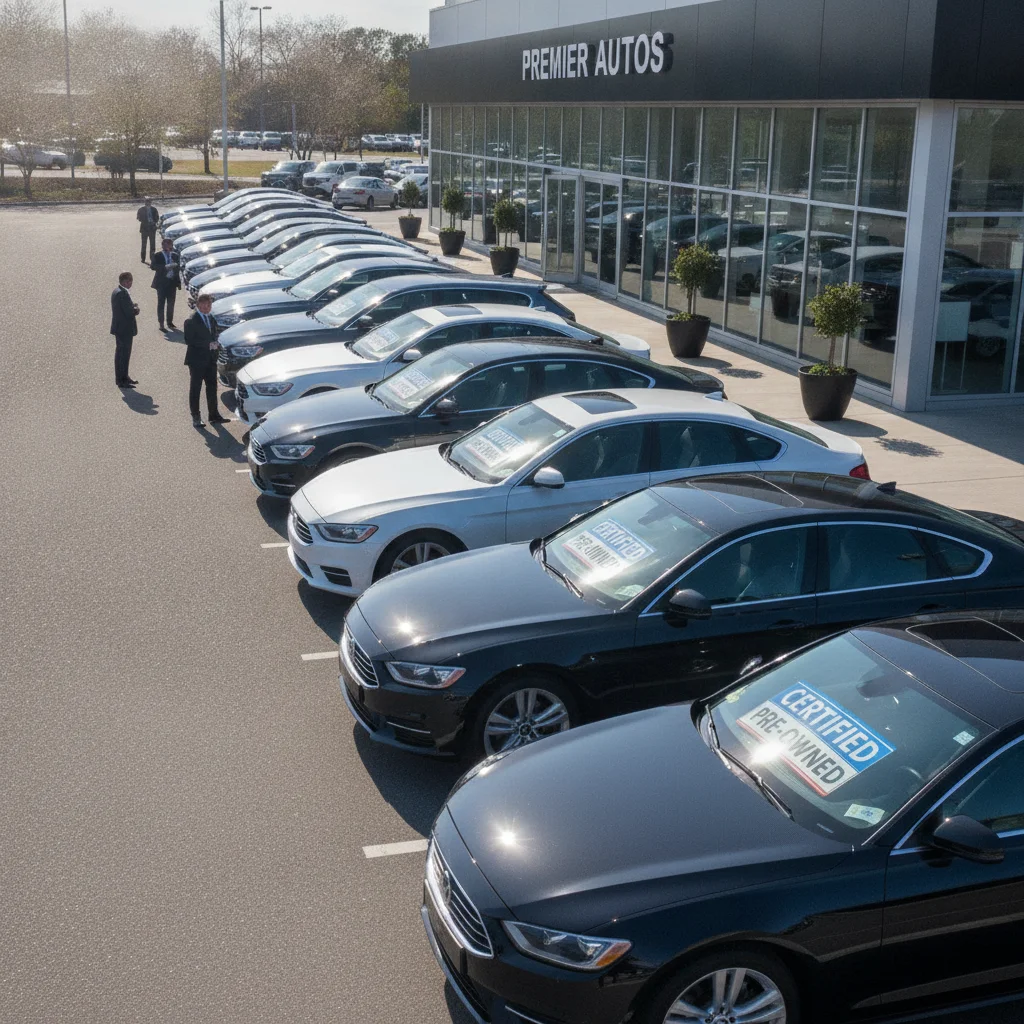
Walk into any franchised dealership and you'll see the certified pre-owned badge prominently displayed. But that badge means something very different depending on who manufactured the car. A Toyota CPO and a Chrysler CPO are not interchangeable products — they differ in warranty length, inspection rigor, and the fine print that determines whether your repair claim gets approved or denied.
The core structure of every CPO program rests on three pillars: the inspection standard (how many points are checked and what happens when something fails), the warranty coverage (which systems are covered, for how long, and with what deductible), and the added perks (roadside assistance, loaner cars, trip interruption coverage). Manufacturers compete on these dimensions because a strong CPO program supports resale values and keeps buyers loyal to the brand ecosystem.
For you as a buyer, understanding these differences is the difference between paying a $2,000–$4,000 CPO premium for genuine protection and paying it for little more than a sticker. This guide breaks down which automakers actually deliver on their CPO promises — and which ones are trading on brand reputation more than substance.
Manufacturer vs. Dealer CPO: A Critical Distinction
The programs listed here are all manufacturer-backed CPO programs administered by the automaker's captive warranty division. Some dealers offer their own 'certified' programs using third-party warranty contracts — these are not equivalent. Manufacturer-backed CPO is honored at any franchised dealer nationwide; dealer-certified programs may restrict you to a single location or administrator. Always confirm which type you're buying before signing.
CPO Eligibility Rules Change Periodically
Automakers adjust CPO eligibility criteria — age limits, mileage caps, and warranty terms — based on inventory levels, interest rates, and competitive pressure. The terms described in this article reflect typical program structures, but you should always verify current terms directly with the manufacturer or a franchised dealer before making a purchase decision.
Deductibles Compound Over Time
A $50 or $100 deductible per repair visit may seem trivial, but on a vehicle that needs three or four warranty visits over two years, that's $150–$400 in out-of-pocket costs that erodes the value of the CPO premium you paid. Programs with zero deductibles — like Lexus and Porsche — deliver meaningfully more net value than their nominal warranty terms suggest.
To understand what CPO warranty language actually means in practice — including the deductibles and exclusions buried in the contract — see our guide on how CPO warranty coverage actually works.
Lexus: The Gold Standard for Coverage Depth
Lexus consistently ranks at or near the top of CPO program evaluations, and the reasons are concrete. Every Lexus CPO vehicle must be no more than six model years old and have fewer than 80,000 miles. The program includes a two-year/unlimited-mile comprehensive warranty layered on top of any remaining new-car warranty — meaning a Lexus ES with one year left on its original coverage gets three full years of comprehensive protection from the CPO certification date.
The inspection checklist runs to 161 points and covers not just mechanical systems but also electrical components, infotainment, and interior trim. Critically, Lexus publishes a detailed version of this checklist so you can ask the dealer to show you documented results for each point — a level of transparency most manufacturers don't offer.
[in_content_images:0]Perks include roadside assistance for the duration of the CPO warranty, trip interruption coverage, and no deductible on covered repairs. For a luxury sedan with complex electronics and advanced driver-assistance systems, that zero-deductible provision alone can be worth several hundred dollars over the life of the program.
The trade-off: Lexus CPO vehicles carry a meaningful price premium, often $1,500–$3,000 above comparable non-certified inventory. Whether that premium is justified depends on the specific vehicle's remaining warranty time and your risk tolerance. For more on how brand reliability affects long-term CPO value, see why some CPO cars are a better long-term investment than others.
Lexus offers unlimited-mileage comprehensive coverage for two years, with zero deductible on covered repairs.
Mercedes-Benz: Long Coverage Windows with Flexible Terms
Mercedes-Benz CPO vehicles must be under 100,000 miles with no model-year age limit — a notable exception to the industry norm. The program's headline feature is a one-year/unlimited-mile comprehensive warranty that can be extended up to two additional years through Mercedes-Benz Certified Pre-Owned Extended Limited Warranty plans, giving buyers a real choice about how much protection they want to purchase.
The 165-point inspection covers the full vehicle including electrical, HVAC, and safety systems. Mercedes-Benz is one of the few manufacturers that requires a full detail and reconditioning of the vehicle before certification, which matters if you're buying sight-unseen or across state lines.
Financing is where Mercedes-Benz CPO adds a less-discussed layer of value. The manufacturer often extends special low APR rates to CPO buyers — rates that can be 1–2 percentage points below standard used-car financing from a bank or credit union. On a $40,000 vehicle financed over 60 months, a 1.5-point rate advantage saves roughly $1,800 in interest — a tangible dollar benefit that partially offsets the CPO price premium.
Perks include 24-hour roadside assistance, trip interruption coverage, and a complimentary loaner vehicle when covered repairs require an overnight stay at the dealership. CPO roadside assistance and perks like these are often underweighted by buyers focused solely on warranty terms.
Mercedes-Benz CPO financing rates can be 1–2 points below standard bank rates, saving close to $1,800 on a typical loan.
Toyota: Strongest Value Proposition in the Non-Luxury Segment
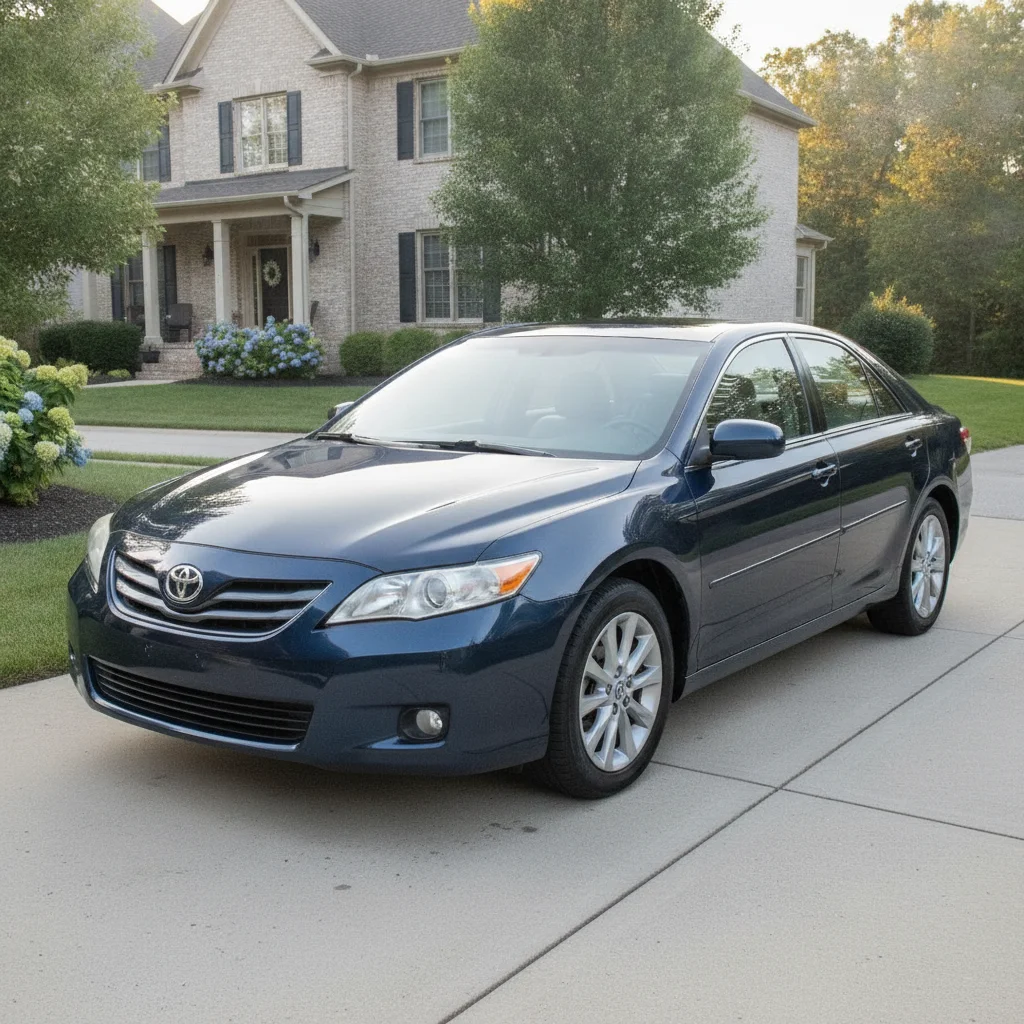
Toyota's CPO program is the benchmark for mainstream (non-luxury) brands. Eligible vehicles must be within the last seven model years and under 85,000 miles. The program delivers a 12-month/12,000-mile comprehensive warranty plus a 7-year/100,000-mile powertrain warranty calculated from the original sale date.
That powertrain provision deserves attention. If you buy a two-year-old Toyota Camry with 28,000 miles, you're getting five more years of powertrain coverage at no additional cost, covering the engine, transmission, and drive axle. On a vehicle as mechanically reliable as a Camry or Tacoma, that coverage has lower expected utilization — but it's there if you need it.
[in_content_images:1]Toyota's 160-point inspection is thorough, and dealers are required to repair or replace any deficient items before certification is granted — not after the sale. The program includes roadside assistance for the duration of the powertrain warranty and rental car reimbursement for covered repairs.
For buyers in the $20,000–$35,000 price range, Toyota CPO vehicles offer the most warranty coverage per dollar in the non-luxury segment. The CPO premium typically runs $500–$1,500 above equivalent non-certified inventory, which is modest relative to the protection received. The limits of CPO inspections still apply — no checklist catches everything — but Toyota's is among the more reliable in the industry.
Toyota's 7-year/100,000-mile powertrain warranty runs from the original sale date, giving used buyers years of remaining coverage.
Porsche: Best-in-Class for High-Performance Vehicles
Porsche's CPO program, called Porsche Approved, is purpose-built for a vehicle segment where repair costs are extreme. A single replacement of a Porsche PDK transmission can exceed $8,000; a Porsche Cayenne air suspension repair can run $4,000–$6,000. Against that backdrop, Porsche CPO's two-year/unlimited-mile comprehensive warranty with no deductible carries substantial dollar value.
Eligible vehicles must be under 100,000 miles. The inspection runs to 111 points — fewer than Lexus on paper, but focused exclusively on the systems that fail in performance vehicles: turbochargers, dual-clutch transmissions, sport exhaust components, and advanced driver-assistance calibration. Each inspection is conducted by Porsche-trained technicians at authorized dealers, not general service advisors.
Porsche Approved also includes 24-hour emergency roadside assistance worldwide — relevant if you're driving a Macan or Cayenne on extended road trips. The program requires that all CPO vehicles be reconditioned to as-new appearance standards, which reduces the risk of cosmetic surprises after purchase.
The honest caveat: Porsche CPO vehicles carry the highest absolute price premiums of any brand on this list, often $3,000–$6,000 above comparable non-certified inventory. That's a real upfront cost. But if you're buying a 911 or a Panamera with complex mechanical systems and you plan to keep it for three or more years, the expected value of two years of unlimited comprehensive coverage is likely positive — sometimes strongly so.
Porsche's zero-deductible comprehensive warranty is particularly valuable given the brand's high repair costs for transmissions and suspension.
Honda: Reliable Coverage with Transparent Inspection Standards
Honda's CPO program mirrors Toyota's structure but with slightly shorter terms. Eligible vehicles must be within the last five model years and under 80,000 miles. The program provides a 12-month/12,000-mile comprehensive warranty and extends Honda's original powertrain coverage to 7 years/100,000 miles from the original sale date.
Where Honda distinguishes itself is inspection transparency. The Honda CPO checklist is 182 points — the highest raw count on this list — and Honda provides buyers with a written copy of the inspection results at no charge. That document is meaningful: it tells you which items were repaired, which were replaced, and which passed without intervention. You can cross-reference it against a third-party pre-purchase inspection if you choose.
[in_content_images:2]The program includes roadside assistance for the full term of the powertrain warranty and rental reimbursement of up to $35 per day for covered repairs requiring extended shop time. Honda CPO vehicles are also eligible for manufacturer-subsidized financing rates, though these are less aggressive than Mercedes-Benz's offers.
For Civic, Accord, CR-V, and Pilot buyers, Honda CPO is a strong choice. The vehicles themselves depreciate slowly, parts are inexpensive, and the CPO premium — typically $500–$1,200 — is easy to justify when the alternative is buying non-certified and absorbing the first repair out of pocket. Read the CPO contract paperwork carefully before signing to confirm coverage terms match what the salesperson described.
Honda's 182-point inspection checklist — with written results provided to every buyer — is the most transparent in the industry.
BMW: Strong Coverage, but Watch the Deductibles
BMW's CPO program covers vehicles up to five years old with fewer than 60,000 miles — a tighter eligibility window than most competitors. The core offering is a one-year/unlimited-mile comprehensive warranty with the option to extend through BMW's Extended Vehicle Protection plans for up to two additional years.
Coverage depth is genuine. BMW CPO covers electronics, software, navigation, and driver-assistance systems — components that fail frequently in aging BMW models and carry steep repair costs. The 360-point inspection (BMW's claimed figure) is the highest-count on this list, though count alone doesn't tell you what each point involves or how thoroughly it's assessed.
The critical detail to understand: BMW CPO carries a $50 deductible per repair visit. That's modest compared to dealer rates, but it adds up if you bring the car in for multiple separate issues over the warranty term. On a vehicle as electronically complex as a 5 Series or X5, multiple visits aren't uncommon.
BMW CPO also includes roadside assistance and trip interruption coverage, and the manufacturer regularly offers competitive CPO financing. The tighter eligibility window (under 60,000 miles, under five years old) means fewer qualifying vehicles and less opportunity to buy at a steep discount off original MSRP — but it also means you're getting a younger, lower-mileage vehicle on average. If you want to understand how to evaluate the inspection results for any CPO vehicle before buying, how certified pre-owned inspections work and their limits is worth reading first.
BMW CPO covers electronics and driver-assistance software, but the $50 per-visit deductible can accumulate on complex vehicles.
Chevrolet and GMC: Decent Coverage, Stronger on Trucks
General Motors' CPO programs for Chevrolet and GMC follow the same structure: vehicles must be within the last five model years and under 75,000 miles. The warranty includes a 12-month/12,000-mile bumper-to-bumper limited warranty plus a 6-year/100,000-mile powertrain warranty from the original sale date — with a $100 deductible per visit.
That $100 deductible is the most significant structural weakness of GM's CPO programs relative to competitors like Toyota or Lexus. If you're buying a Silverado or Sierra for heavy use, the likelihood of needing multiple warranty visits is real, and those deductibles add up. Factor them into your total cost of ownership calculation before comparing sticker prices with Toyota CPO alternatives.
Where GM CPO programs shine is the truck and SUV segment. The Silverado, Sierra, Tahoe, Yukon, and Suburban are sold in enormous volumes, which means CPO inventory is deep and prices are competitive. You're less likely to pay a steep CPO premium simply because supply is high. GM also backs CPO vehicles with a 24-hour roadside assistance program and a vehicle history report (Carfax) provided at no charge.
The inspection covers 172 points and is conducted at GM-franchised dealers. Unlike Toyota or Honda, GM does not routinely provide buyers with written inspection results — you typically need to ask for documentation, and thoroughness varies by dealership. This is a meaningful transparency gap that buyers should account for.
GM CPO programs are best for truck and SUV buyers where deep inventory keeps premiums competitive, despite the $100 per-visit deductible.
Hyundai and Kia: Underrated Programs with Competitive Powertrain Terms
Hyundai and Kia run parallel CPO structures, both requiring vehicles to be under seven model years old and within 80,000 miles. The headline feature is a 10-year/100,000-mile powertrain warranty from the original sale date — the longest powertrain coverage in the industry. On a three-year-old Hyundai Sonata or Kia Sorento, that means seven more years of powertrain protection remaining at the point of CPO purchase.
The comprehensive warranty is shorter: 1-year/12,000-mile bumper-to-bumper coverage with a $50 deductible. That's a narrower window than Toyota or Honda, but the powertrain backstop is exceptional. Engine and transmission failures are the catastrophic repair events that CPO buyers most need protection from, and Hyundai/Kia's powertrain coverage is unmatched on duration.
Both brands conduct 150-point inspections. Inspection transparency is middling — results aren't routinely shared in writing, though dealers will provide them on request. Roadside assistance is included for the duration of the powertrain warranty, and both brands offer competitive CPO financing rates as the Korean automakers have aggressively grown their captive finance arms.
For budget-conscious buyers in the $15,000–$28,000 range who prioritize long-term mechanical protection over short-term comprehensive coverage, Hyundai and Kia CPO offer compelling value. The brands' reliability has improved substantially over the past decade, and the extended powertrain warranty reflects genuine manufacturer confidence in that improvement. Compare this against which CPO cars hold their value best before finalizing your brand choice.
Hyundai and Kia offer a 10-year/100,000-mile powertrain warranty — the longest coverage term in the entire CPO market.
Making Your Final Decision
No CPO program is objectively best for every buyer. The right program depends on the vehicle category, your intended ownership period, and which failure modes worry you most. The framework is straightforward:
- For luxury vehicles with complex electronics: Lexus and Porsche offer the deepest coverage with zero deductibles. Mercedes-Benz adds financing rate advantages.
- For mainstream sedans and crossovers: Toyota and Honda deliver the best warranty value per dollar of premium, with industry-leading inspection transparency.
- For trucks and large SUVs: GM CPO provides the deepest inventory and most competitive pricing, though the $100 deductible is a real cost to factor in.
- For budget-conscious buyers prioritizing long-term mechanical protection: Hyundai and Kia's 10-year powertrain coverage is unmatched anywhere in the market.
- For performance vehicles: Porsche's program is built specifically for high-cost repair scenarios and justifies its premium for buyers keeping the vehicle three or more years.
Whatever brand you're considering, always request the full CPO inspection report in writing, confirm whether the warranty clock starts at original sale or at your purchase date, and verify that the certifying dealer is a franchised manufacturer representative rather than an independent reseller using a third-party warranty product.
Ask for the Inspection Report in Writing
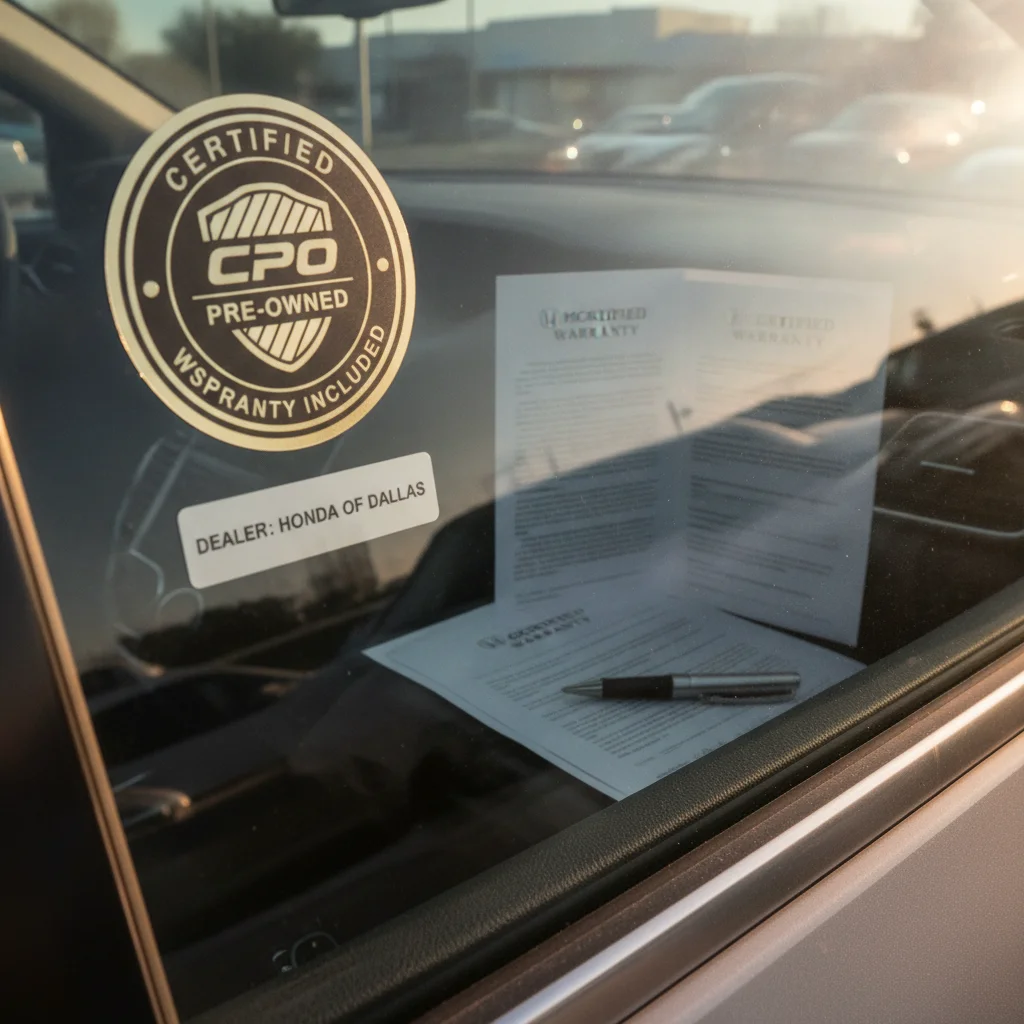
Regardless of brand, always request a printed or digital copy of the CPO inspection report before signing anything. This document tells you exactly what was checked, what was repaired, and what was replaced during certification. If a dealer refuses to provide it, treat that as a red flag about the thoroughness of the inspection itself.
Calculate the Real Dollar Value of Coverage
Before paying a CPO premium, estimate the dollar value of the remaining warranty. Look up the average repair cost for common failures on that specific model — transmission service, HVAC repair, electronics — and multiply by the probability of occurrence over the coverage term. If the expected value exceeds the premium, the CPO certification is financially justified.
Verify Coverage Starts Fresh, Not from Original Sale
Some CPO programs start warranty clocks from the original new-car sale date, not your purchase date. On a two-year-old vehicle with a six-year powertrain warranty, that means four years remain — not six. Always confirm the start date in writing before assuming you're getting the full stated term of coverage.
The perks bundled into CPO programs — roadside assistance, trip interruption coverage, and loaner vehicles — often go unread until buyers need them. Our breakdown of CPO roadside assistance and perks most buyers overlook explains what's typically included and how to use it. Once you own the vehicle, getting the most out of a CPO purchase over the long run will help you use every dollar of coverage strategically.

All claims are backed by peer-reviewed research. Sources on request.