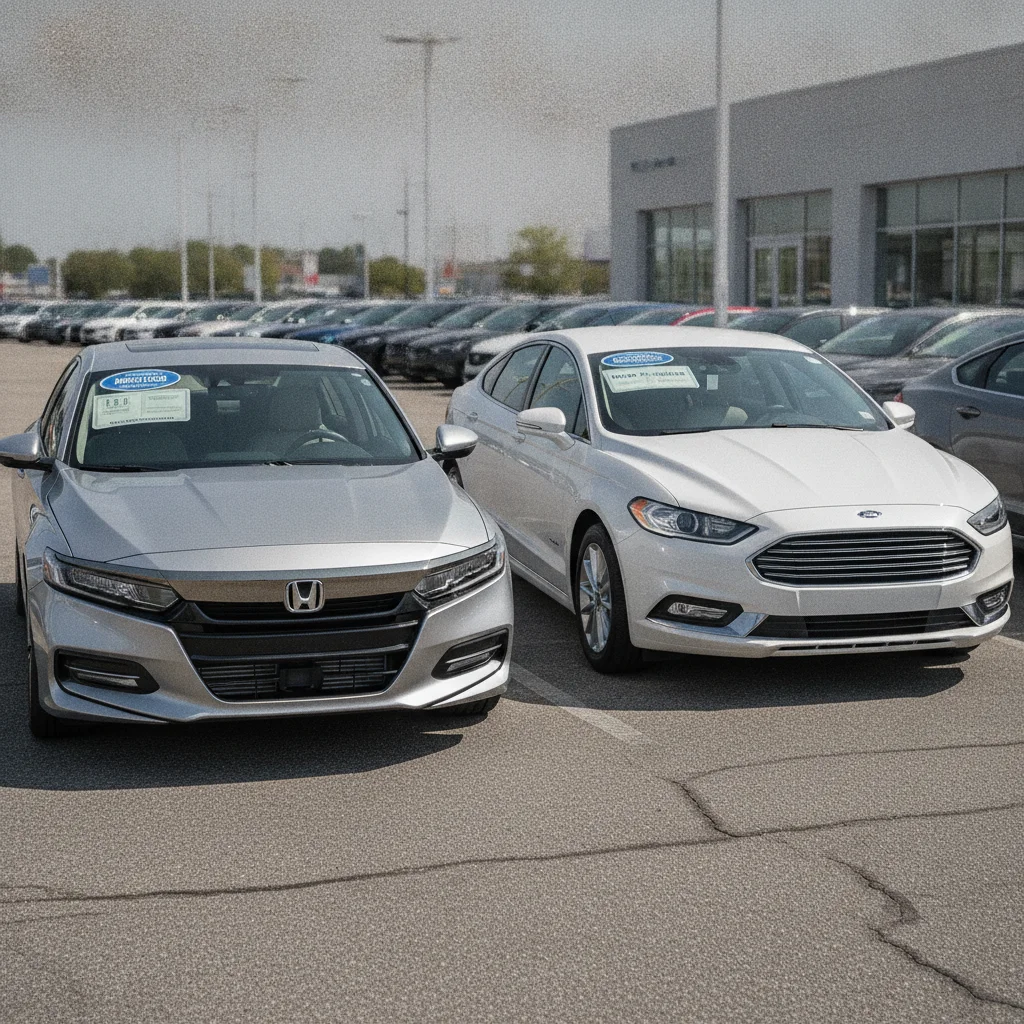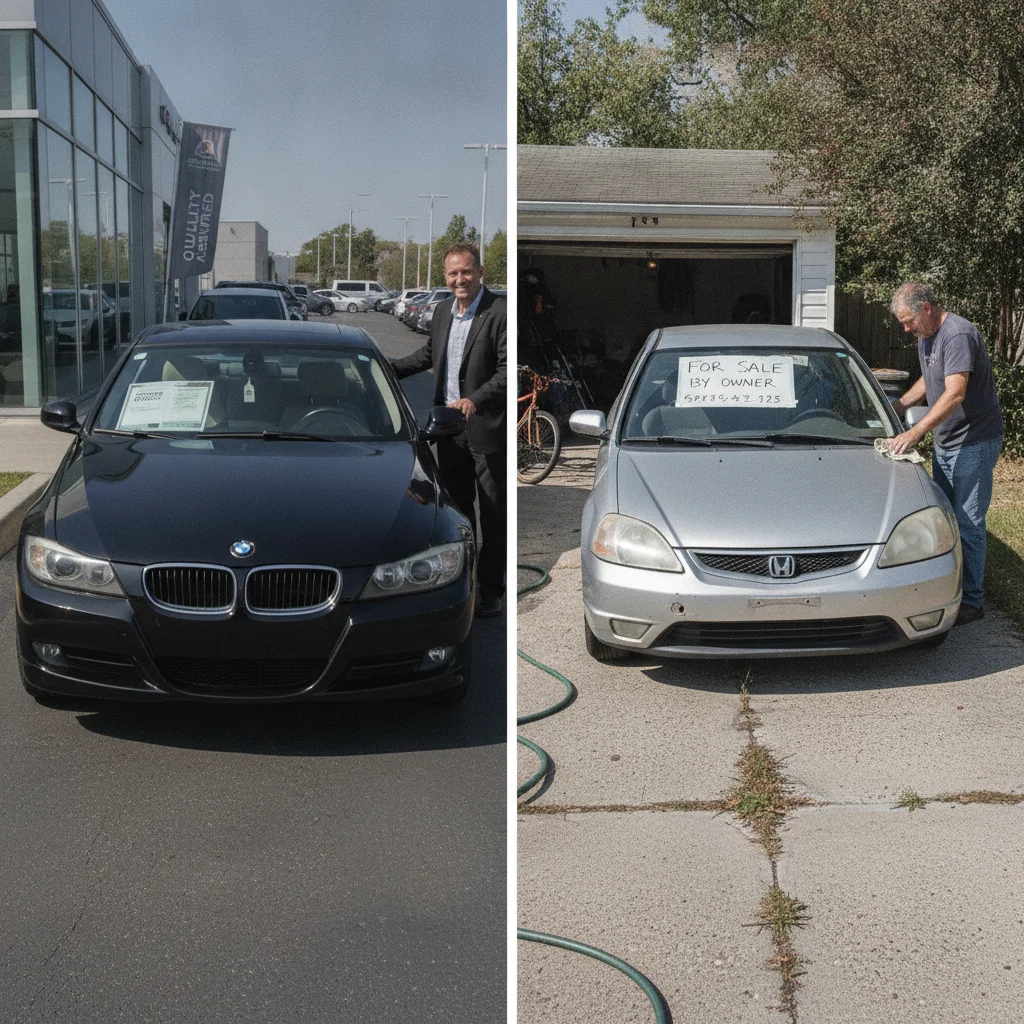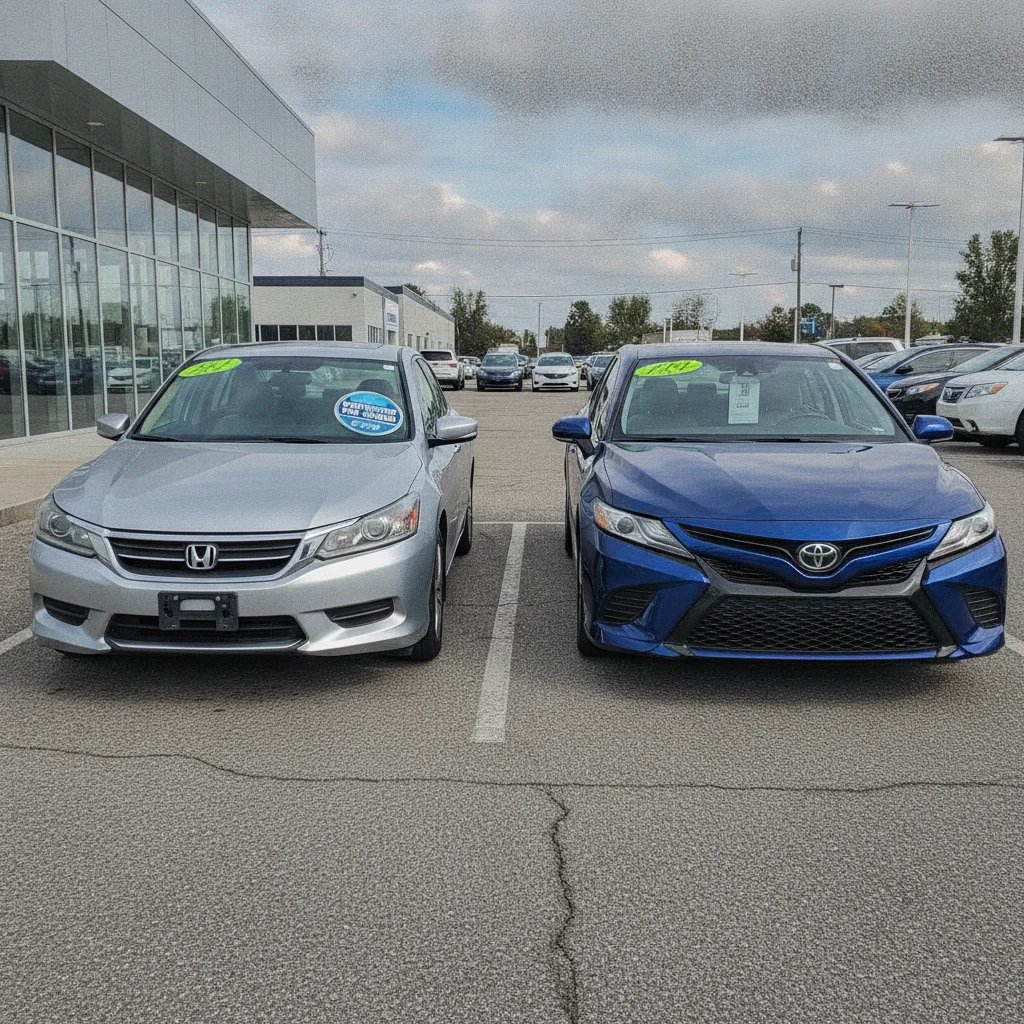
Key Takeaways
Option A
Certified Pre-Owned (CPO)
The manufacturer-backed used car with documented coverage.
Best for: Buyers who want a late-model used car with warranty protection and less risk tolerance for surprise repairs.
Option B
Standard Used Car
The straightforward used car sold as-is or with limited dealer coverage.
Best for: Buyers with mechanical savvy or a trusted mechanic who prioritize price savings over built-in coverage.
If you want peace of mind on a newer vehicle without buying new
Certified Pre-Owned (CPO)
Manufacturer-backed CPO programs provide multi-year powertrain coverage and roadside assistance that a standard used car simply cannot match out of the box.
If you're buying an older, higher-mileage vehicle
Standard Used Car
Most CPO programs cap eligibility at 5–6 years and 80,000 miles, so older vehicles won't qualify — and a third-party warranty can fill coverage gaps for less money.
If you have a trusted independent mechanic
Standard Used Car
A pre-purchase inspection at $100–$200 surfaces the same mechanical concerns a CPO inspection would, and the savings can fund any needed repairs.
If you're financing and want predictable monthly costs
Certified Pre-Owned (CPO)
CPO vehicles often qualify for manufacturer-subsidized financing rates that can narrow or eliminate the effective cost gap compared to a standard used car loan.
If you're buying a private-party vehicle
Standard Used Car
CPO programs are exclusive to franchised dealerships, so private-party purchases are always standard used — conduct thorough due diligence accordingly.
What the CPO Label Actually Means
The phrase "certified pre-owned" gets thrown around a lot, and not always honestly. At its most legitimate, CPO refers to a manufacturer-run program — think Toyota Certified Used Vehicles, Honda Certified Pre-Owned, or Mercedes-Benz Certified — where the automaker itself sets the inspection standards, backs the warranty financially, and controls which vehicles qualify. At its loosest, it means a dealer slapped a sticker on a car and called it certified.
That distinction matters enormously to your wallet. Manufacturer CPO programs and dealer-certified programs are not the same thing — and conflating the two is one of the most expensive mistakes used car buyers make.
A genuine manufacturer CPO program typically requires:
- A vehicle age cap — usually five to six model years old at purchase
- A mileage cap — commonly 60,000 to 80,000 miles
- A multi-point inspection (typically 100–200 checkpoints) performed by a franchised dealer technician
- Reconditioning of any components that fail inspection standards
- A manufacturer-backed powertrain warranty, often 1–2 additional years beyond the original factory coverage
- Roadside assistance and sometimes free loaner cars during warranty repairs
A dealer-certified vehicle may include none of the above in any meaningful form. The inspection might be 30 points, the "warranty" might be a 30-day limited powertrain coverage with a $500 deductible, and the reconditioning may amount to a car wash and oil change. Always ask: Who backs this warranty — the manufacturer or the dealership?
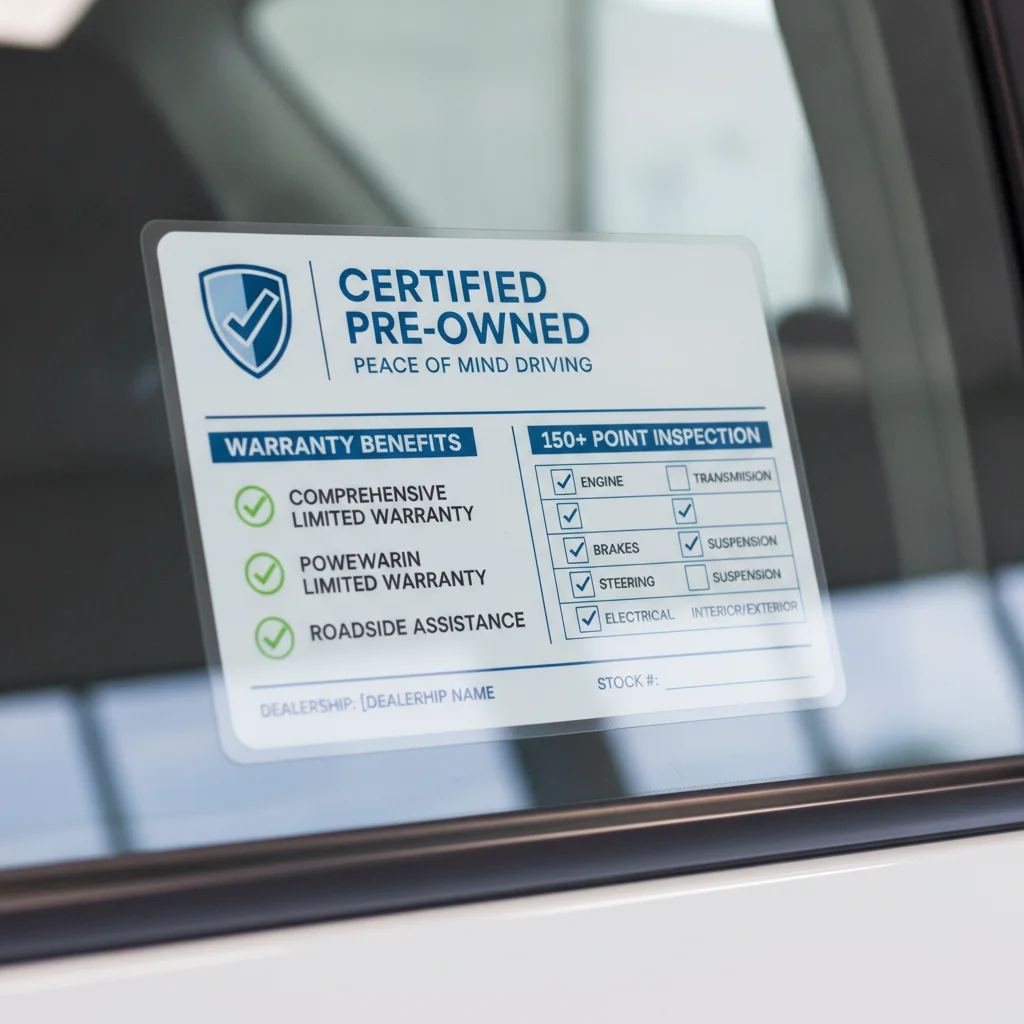
For a deeper look at what those inspections actually examine — and where even the good programs have gaps — see how CPO inspections work and their limits.
How Standard Used Cars Work — And What You're Actually Buying
A standard used car comes with no manufacturer warranty backstop unless a portion of the original factory warranty is still active. Most states sell used cars under "as-is" law, meaning the moment you drive off the lot, you own every problem that existed before the sale — and every problem that develops afterward.
That sounds ominous, but it's also the reason standard used cars are cheaper. You're absorbing risk in exchange for a lower purchase price. The question is whether the price difference actually compensates you fairly for that risk.
Here's what you do have access to on a standard used car purchase:
- Vehicle history reports (Carfax, AutoCheck): Pull one on every vehicle, CPO or not. A CPO badge doesn't erase a flood title or an undisclosed accident history.
- Pre-purchase inspection (PPI): $100–$200 at an independent shop. Have a mechanic put the car on a lift, check the suspension, look for leaks, run a diagnostic scan. This is the single most valuable $150 you can spend on a used car.
- Negotiation leverage: Standard used car prices are genuinely negotiable in a way that CPO pricing rarely is. Dealers defend CPO prices aggressively because the program cost is built into the margin.
- Third-party extended warranties: These vary widely in quality. If you want coverage on a non-CPO vehicle, shop carefully — some plans exclude pre-existing conditions so broadly they're nearly useless.
| Criterion | Certified Pre-Owned (CPO) | Standard Used Car |
|---|---|---|
| Typical price premium | $1,000–$3,500 above market | Closer to market baseline |
| Warranty coverage | Manufacturer-backed, 1–6 years | None (unless factory still active) |
| Inspection standard | 100–200 point manufacturer checklist | None required; buyer must arrange |
| Mileage eligibility | Usually capped at 60,000–80,000 mi | No cap; any mileage qualifies |
| Age eligibility | Usually capped at 5–6 model years | No cap; any age qualifies |
| Financing rate advantage | Often 1–2% below market rate | Standard market rate applies |
| Negotiation flexibility | Limited; CPO margin is defended | Broad; price is more negotiable |
| Private party availability | Dealerships only | Dealer and private party both |
| Roadside assistance | Usually included | Not included |
| Buyer risk level | Lower (coverage backstop exists) | Higher (buyer absorbs risk) |
Standard used cars also give you access to private-party sales, which CPO programs never will. CPO and private-party used cars sit at different points on the depreciation curve — private sellers often offer better prices precisely because they don't carry dealer overhead.
$1,500–$3,000
Typical CPO price premium over standard used
Based on market analysis from Edmunds comparing CPO and non-CPO listings for the same make, model, year, and mileage range.
~40%
Used car buyers who purchase CPO vehicles
According to Cox Automotive's annual Car Buyer Journey study, a significant share of used buyers specifically seek out CPO vehicles for warranty peace of mind.
$150
Average pre-purchase inspection cost
Independent mechanic PPI costs range from $100–$200 nationally, a fraction of even a minor unexpected repair bill.
6 years / 80K mi
Common CPO vehicle eligibility ceiling
Most manufacturer CPO programs set maximums around 5–6 model years old and 60,000–80,000 miles; vehicles outside these limits are ineligible regardless of condition.
1–2%
CPO financing rate advantage over standard used loans
Manufacturer CPO financing promotions frequently undercut bank and credit union rates, saving buyers hundreds to over a thousand dollars over the loan term.
The Real Cost Comparison: CPO Premium vs. Risk Exposure
Let's get specific. A 2022 Honda CR-V with 35,000 miles listed as Honda Certified Pre-Owned will typically cost $1,500–$3,000 more than a comparable non-certified 2022 CR-V at a used car lot or through a private seller. That premium is the market's price for the included warranty, the inspection, and the financing benefit.
Is it worth it? That depends on three variables:
- How much remaining factory warranty does the vehicle have? If you're buying a 2023 model year car that still has two years of the original 3-year/36,000-mile bumper-to-bumper warranty left, the CPO overlay adds less incremental value. If you're buying a 2020 model where the original warranty is fully expired, the CPO warranty becomes the only coverage you have.
- What's the vehicle's reliability track record? Paying a CPO premium on a Toyota Camry or Honda Accord — vehicles with exceptional long-term reliability data — buys you less expected protection than the same premium on a European luxury vehicle where out-of-warranty repairs routinely run $2,000–$5,000 per incident.
- What financing rate does the CPO program offer? Manufacturers use CPO financing as a marketing tool. Rates 1–2 percentage points below the market rate on a $25,000 loan over 60 months can save you $750–$1,500 over the life of the loan — partially or fully offsetting the purchase price premium.
We break down when the CPO premium genuinely pays off in greater detail, but the short version is this: the premium earns its keep on luxury vehicles, unreliable-brand vehicles, and vehicles where the original warranty has expired entirely.

Also worth noting: CPO status affects how valuation tools price a vehicle. Standard tools like KBB and Edmunds don't always capture CPO status cleanly. Here's how CPO status should influence how you interpret a valuation estimate — relevant whether you're buying or eventually reselling.
CPO Programs Vary More Than You Think
There is no single federal standard governing what a CPO program must include. Ford's CPO program, BMW's CPO program, and Toyota's CPO program each set their own inspection criteria, warranty lengths, deductible amounts, and eligible vehicle requirements. A CPO badge from one manufacturer can mean substantially more coverage than the same badge from another. Always read the specific program terms — not just the marketing brochure — before factoring coverage into your purchase decision.
Factory Warranty Transfers: Check Before You Assume
Most manufacturer factory warranties transfer to subsequent private buyers at no charge, but not all do. Some luxury brands charge a transfer fee ranging from $100 to $500. A few brands tie warranty validity to the original purchaser. Before passing up CPO in favor of a vehicle still within its factory warranty window, verify the transfer terms with the manufacturer's customer service line — not the selling dealer.
Online CPO Claims Deserve Extra Scrutiny
Listings on marketplace platforms like Autotrader, Cars.com, or CarGurus allow dealers to self-report CPO status. There is limited real-time verification. Before traveling to view a vehicle listed as CPO, call the dealership directly and ask for the VIN-specific certification documentation. Confirm the program name includes the manufacturer, not just the dealer. <a href="/buying-a-car/car-buying-process/online-car-buying/what-certified-actually-means-when-youre-buying-a-car-online">Online CPO claims require a higher level of verification than in-person purchases</a>.
What to Watch Out for With Each Option
Neither path is risk-free. Here's where buyers get tripped up with each:
CPO Pitfalls
- Assuming "certified" means perfect: It doesn't. CPO inspections focus on safety and mechanical function. A car can pass every checkpoint and still have a shabby interior, a worn clutch approaching replacement, or paint damage the program doesn't require dealers to fix. Understand what CPO inspections actually cover — and what they skip.
- Confusing "certified" with "manufacturer-certified": Always ask the F&I manager to show you the actual warranty certificate with the manufacturer's name on it. If it says "XYZ Motors Certified" instead of "Toyota Certified" or "BMW Certified," you're buying a dealer program. Know exactly what the CPO paperwork should contain before you sign.
- Buying online without verifying the certification: CPO claims online are particularly prone to misrepresentation. "Certified" on an online listing can mean almost anything — verify directly with the selling dealer before you travel or deposit.
- Overpaying at negotiation: Dealers treat CPO as a justification for a firm price. Know the non-CPO market value of the vehicle before you walk in — that's your baseline for understanding what the certification is actually costing you.
Standard Used Car Pitfalls
- Skipping the pre-purchase inspection: There is no excuse for buying a used car without a PPI. None. Budget $150 and use it. A mechanic who finds a cracked subframe or a leaking head gasket just saved you $3,000–$8,000.
- Trusting the Carfax as a clean bill of health: Carfax only reports accidents that were reported to insurance or police. A low-speed hit that the owner paid out of pocket never shows up. Look for misaligned panels, uneven paint sheen, and overspray around weather stripping — signs of bodywork the history doesn't capture.
- Ignoring remaining factory warranty: A 2022 vehicle with 28,000 miles probably still has bumper-to-bumper coverage through the original 3-year/36,000-mile term. Check the transfer policy — most manufacturer warranties transfer to subsequent owners at no charge.
- Buying the cheapest option without understanding why it's cheap: Price outliers at the low end of the market are low for a reason. A vehicle priced $3,000 under comparable listings needs explanation before you write a check.
Making the Call: A Practical Decision Framework
Here's how to work through the CPO vs. standard used decision efficiently, without overthinking it:
- Establish the price gap first. Search both CPO and non-CPO listings for the same year, make, model, trim, and mileage range. If the gap is under $1,000, the CPO may be worth it almost automatically. If the gap is $3,500 or more, the math needs to work harder in CPO's favor.
- Check remaining factory warranty. If the original bumper-to-bumper coverage still has 12+ months left, the CPO add-on warranty matters less. If the original warranty is fully expired, CPO coverage has clear standalone value.
- Assess the vehicle's brand reliability. J.D. Power dependability studies and Consumer Reports reliability ratings are imperfect but useful proxies. High-reliability brands reduce the expected value of extended warranty coverage. Low-reliability brands increase it sharply.
- Compare financing rates side by side. Get a pre-approval from your bank or credit union before you walk into any dealership. Then compare it directly against any manufacturer CPO financing rate being offered. Rate advantages on CPO deals can be real and significant.
- Budget a PPI for every non-CPO vehicle you seriously consider. This is non-negotiable. If a seller won't allow an independent inspection, walk away from the deal.

If you're looking at EVs specifically, be aware that CPO considerations shift considerably. Battery health, range degradation, and charging history introduce variables that don't exist in traditional vehicle certifications. EV CPO programs require a different evaluation framework entirely.
And if you're comparing used against buying new altogether, that's a different trade-off. Understand what buying new actually entails before assuming it's always the worse financial decision — sometimes the gap is smaller than buyers expect.

All claims are backed by peer-reviewed research. Sources on request.