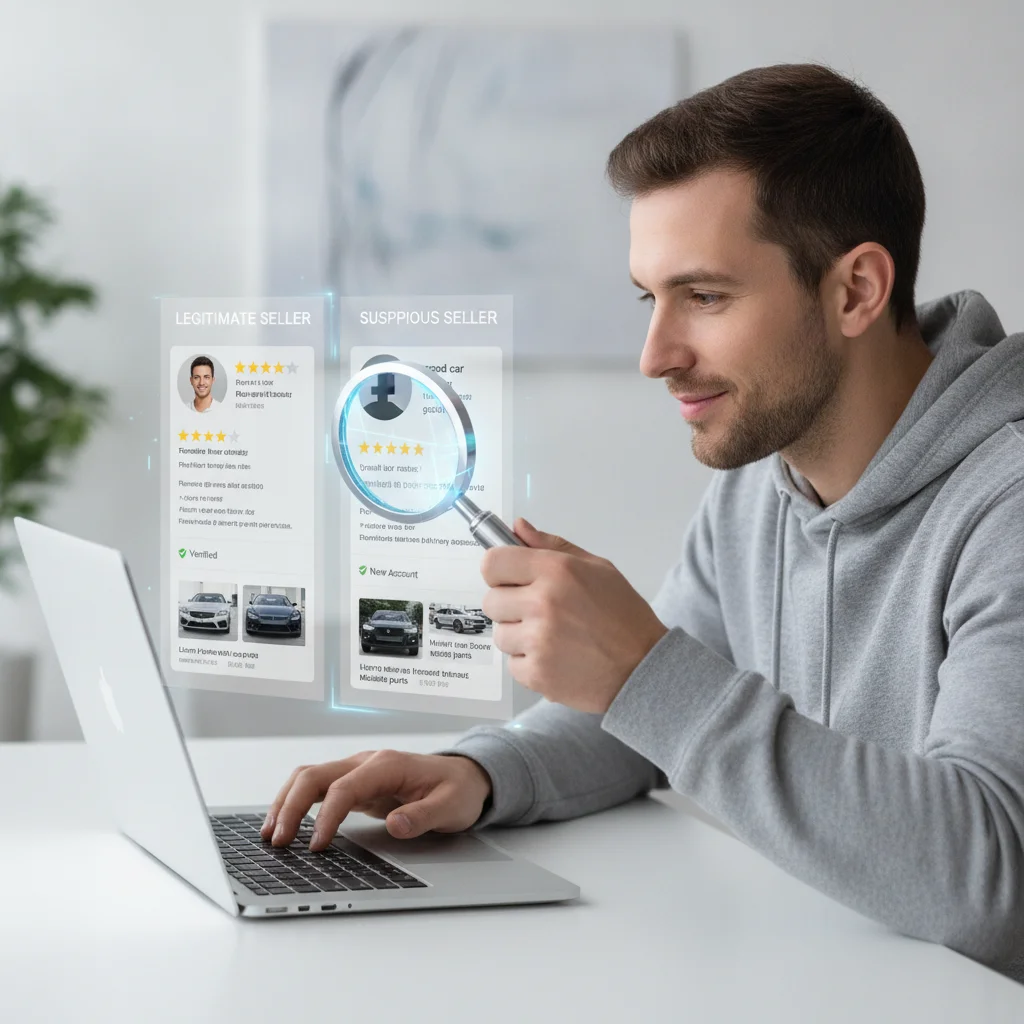
Key Takeaways
Why Online Car Payments Carry Unique Financial Risk
Buying a car in person has built-in friction that actually protects you. You can see the vehicle, you're standing in a dealership with witnesses, and you have a direct relationship with the F&I manager who needs your signature. Online transactions strip away most of that friction — and with it, several layers of natural protection.
Remote purchases create three compounding risks that don't exist to the same degree in person:
- Identity verification gap: You cannot confirm with certainty who you're giving money to. The seller could be misrepresenting their identity, their ownership of the vehicle, or both.
- Condition verification gap: You cannot personally inspect the vehicle. Photos and videos are easy to stage, filter, and selectively frame.
- Payment recoverability gap: Most payment methods used in private car sales are effectively irreversible. Once the money leaves your account, your leverage disappears.
None of these risks make online car buying unworkable — millions of successful transactions happen every year on platforms like Carvana, CarMax, and Vroom, as well as through private listings. But they do mean that the protective steps you take before paying are worth far more than any recourse you might try to pursue afterward.
Our pre-purchase checklist for buying a car online covers verification steps in detail. This guide focuses specifically on what happens when it's time to actually move money — and how to do it in a way that keeps you protected.
What you will need
VIN History Report Service (e.g., Carfax or AutoCheck)
Reveals accident history, title status, odometer rollbacks, and salvage or lemon designations before you commit funds.
Automotive Escrow Service (e.g., Escrow.com with vehicle option)
Holds your payment in a neutral account until you confirm the vehicle matches its description and the title transfers cleanly.
Third-Party Pre-Purchase Inspection Service
A licensed mechanic inspects the car on your behalf at its current location, confirming condition before money changes hands.
Secure Video Call Platform (e.g., Zoom or FaceTime)
Enables a live walkthrough of the vehicle with the seller to verify physical condition and confirm seller identity.
Credit Card with Purchase Protection
Provides chargeback rights as a last line of defense when used for deposits or partial payments.
Digital Document Storage App
Securely stores all transaction records — contracts, receipts, correspondence — in one accessible location.
How Platform Purchases Differ From Private-Party Remote Sales
Not all online car transactions carry the same risk profile. Where you're buying from matters as much as how you pay.
Established Online Retail Platforms
Platforms like Carvana, CarMax Online, Vroom, and dealer-affiliated online sales through major groups offer meaningful structural protections: verified inventory, return windows, standardized contracts, and customer support channels. These aren't perfect — disputes happen, vehicles occasionally arrive with undisclosed issues, and return policies vary widely — but you're dealing with licensed businesses that have legal accountability.
How online car buying platforms handle fraud and buyer protection breaks down exactly what each major platform offers before you assume you're covered.
Private-Party Remote Sales
Buying from an individual seller through Craigslist, Facebook Marketplace, or similar platforms is where risk spikes dramatically. There's no platform standing behind the transaction. If the car is misrepresented or the title doesn't transfer, your only recourse is civil litigation — expensive, slow, and uncertain.
This doesn't mean private-party remote purchases are off the table. It means they require more verification steps, stricter payment discipline, and ideally, an escrow arrangement. Every step in this guide applies to private sales; for platform purchases, steps 4 through 7 carry the most direct relevance.
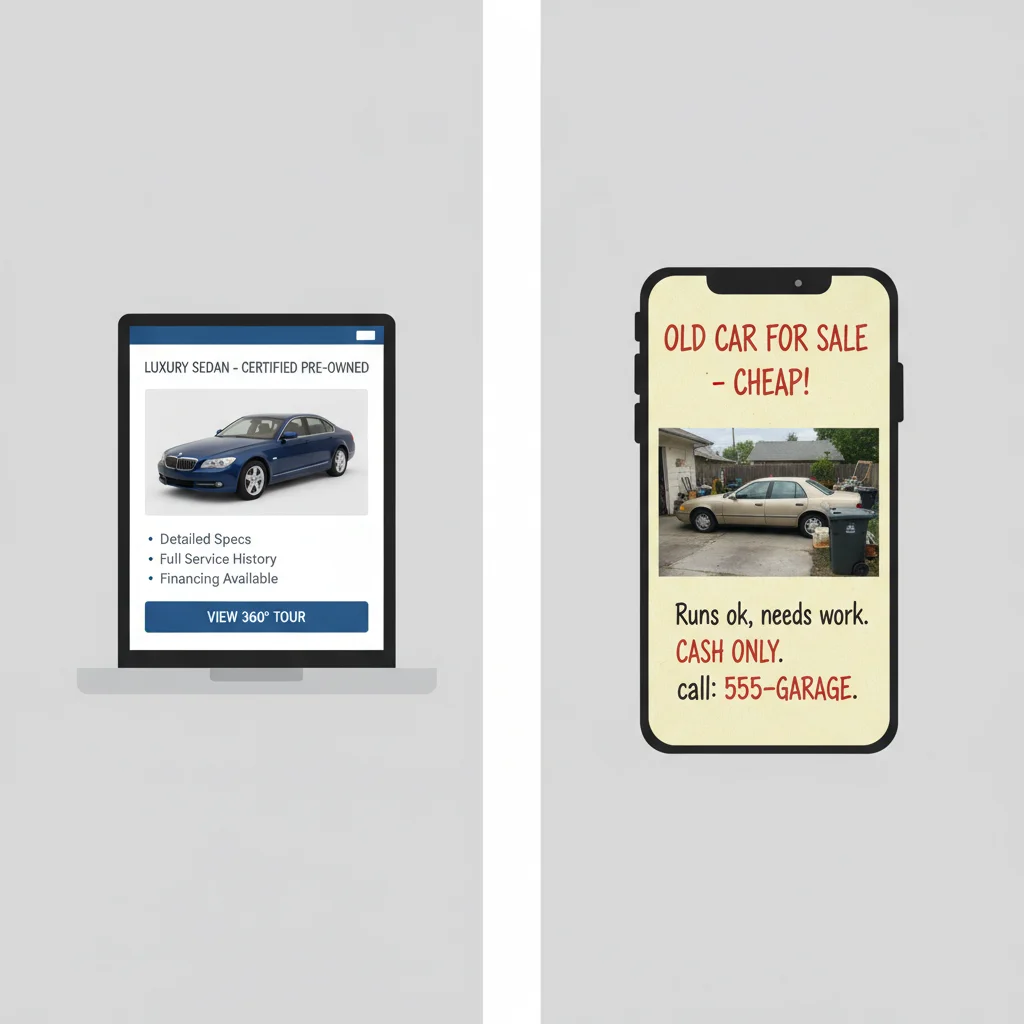
What separates smart online car shoppers from impulsive ones comes down largely to process discipline — knowing when to slow down even when a deal looks too good to pass up.
Never Pay Via Peer-to-Peer Apps for Vehicle Purchases
Zelle, Venmo (Friends & Family), and Cash App provide zero buyer protection for goods and services transactions. Once you send money through these platforms, it is treated as a voluntary transfer — even if the seller defrauds you. These apps are appropriate for splitting a dinner bill, not for transferring $15,000 for a vehicle you haven't physically verified.
Urgency Is a Red Flag, Not a Reason to Move Faster
Scammers consistently use artificial urgency — 'I have two other buyers interested,' 'I'm moving overseas next week,' 'price goes up tomorrow' — to pressure buyers into skipping protective steps. Legitimate sellers understand that a careful buyer is a reliable buyer. If the pace of the deal is being dictated by the seller's timeline, slow down.
What to Do If Something Goes Wrong
Even careful buyers encounter problems. A vehicle arrives with damage not disclosed in the listing. The title has an unresolved lien. The seller goes dark after receiving payment. Knowing your escalation path before you need it is part of buying smart.
Immediate Steps After a Problem Surfaces
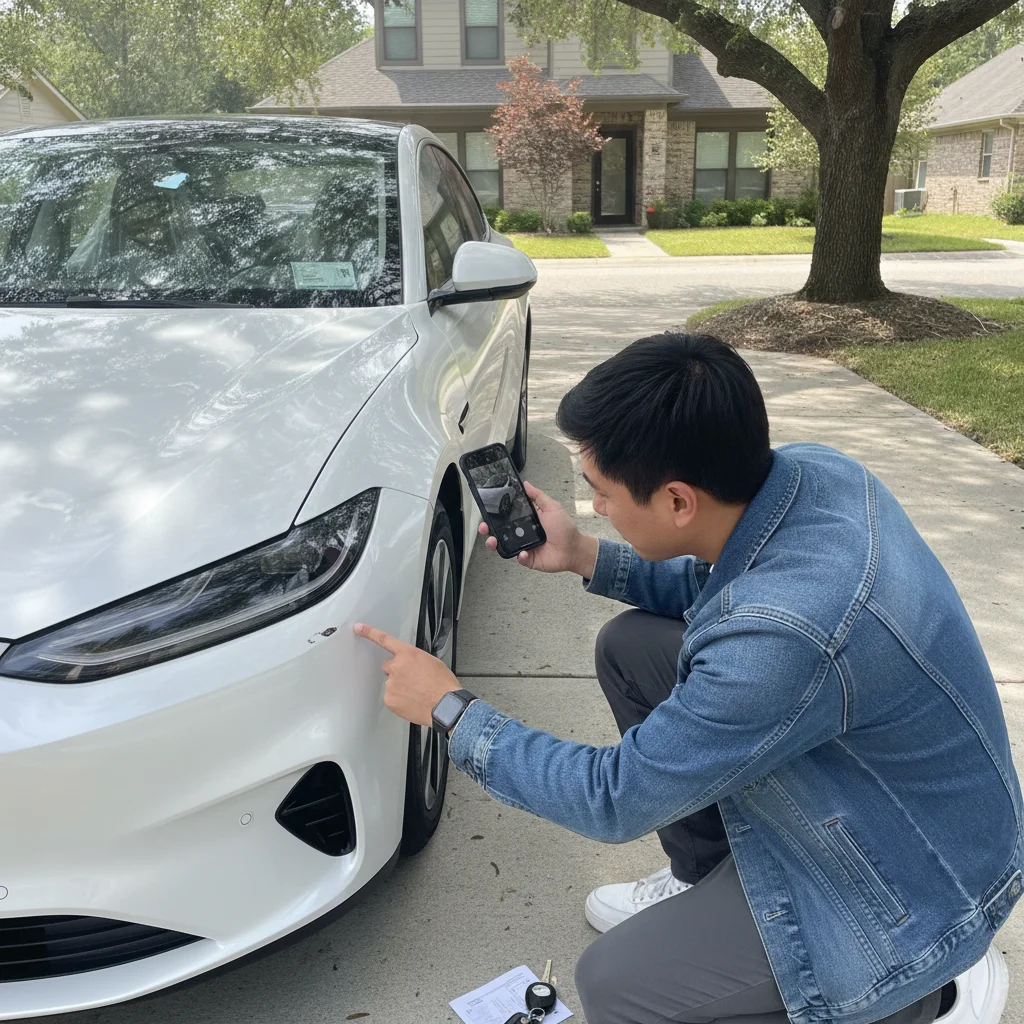
- Document everything immediately. Photograph the vehicle condition on delivery before moving it. Screenshot any seller communications. Preserve the listing exactly as it appeared.
- Contact your payment provider. If you paid by credit card, initiate a chargeback dispute within your card's dispute window. If you used escrow, invoke the dispute resolution process before releasing funds.
- File a complaint with your state's DMV and attorney general. Fraudulent vehicle sales are criminal matters in most states. A formal complaint creates a record and may trigger an investigation.
- Contact the platform. If the sale originated on a marketplace — even Facebook or Craigslist — report the listing. This may not recover your money but helps prevent future victims.
Understanding Return Policy Reality
Many online platforms advertise money-back guarantees that have more conditions attached than their marketing suggests. How return policies actually work on online car purchases details the fine print you need to read before counting on a return window as your safety net.
If the deal falls apart before delivery — a surprisingly common scenario — understand what happened and whether you have payment recovery rights. Why online car deals fall apart at the last minute covers the most common causes so you can spot warning signs early and protect your deposit accordingly.
Use a Credit Card for Your Deposit When Possible
Even if the full purchase price must be wired, try to put your initial deposit on a credit card. Credit card chargebacks give you a meaningful dispute mechanism that wire transfers and peer-to-peer apps simply don't provide. A $500–$1,000 deposit on a card can be disputed and recovered if a deal goes sideways; a $20,000 wire transfer generally cannot.
Read the Return Policy Before You Sign Anything
Online platforms vary wildly on what their return guarantee actually covers. Some exclude vehicles with more than 250 miles driven post-delivery. Others require you to report defects within 48 hours. Don't assume the headline '7-day money-back guarantee' covers your specific situation — read the terms word for word before you commit.
Keep a Timestamped Transaction Log
Open a document or spreadsheet on the day you first contact a seller and log every action: dates of communication, promises made, payments sent, documents received. If you ever need to file a complaint, dispute a charge, or consult an attorney, this log compresses weeks of reconstruction into a clear narrative.
Wire Fraud Via Email Spoofing Is Common
Before wiring any amount to a dealership or seller, verify the bank account and routing number by calling the recipient directly at a phone number you sourced independently — not one provided in the email containing wire instructions. Email accounts are routinely compromised by fraudsters who intercept legitimate transactions and substitute fraudulent bank details. Once a wire is sent to the wrong account, federal law enforcement can sometimes freeze it, but recovery is never guaranteed and often takes months.
A Clean VIN Report Does Not Guarantee a Clean Title
Vehicle history services only report what's been formally documented. An undisclosed lien, an unrecorded salvage designation, or a title washed through a state with lax reporting requirements will not always appear in a Carfax or AutoCheck report. Always verify lien status directly through your state's DMV title search tool and require the physical original title — never a copy — before releasing final payment.

All claims are backed by peer-reviewed research. Sources on request.