| Typical online return window | 7–10 days or 400–500 miles, whichever comes first (Carvana, CarMax, Vroom current policies) |
| Platforms that own their inventory | Carvana, CarMax, Vroom, Shift (varies by market) |
| Platforms that are marketplaces only | AutoTrader, Cars.com, TrueCar, Facebook Marketplace |
| Most common fraud type (online) | Title misrepresentation and odometer fraud (NICB (National Insurance Crime Bureau)) |
| Arbitration clause prevalence | Present in virtually all major platform Terms of Service |
| Cost of pre-purchase inspection | $100–$200 via mobile inspection services (DEKRA, Lemon Squad, 2024 pricing) |
| Federal fraud reporting agency | FTC (Federal Trade Commission) at reportfraud.ftc.gov |
| Most secure payment method | Credit card or automotive escrow service |
Why Buyer Protection Varies So Much Platform to Platform
Online car buying has moved from a novelty to the mainstream — Carvana, CarMax, Vroom, and a growing list of competitors now sell tens of thousands of vehicles annually without a traditional showroom handshake. But the legal and operational framework protecting buyers is not uniform. What Carvana calls a "7-day money-back guarantee" is not the same thing as what a marketplace listing site offers, and neither compares to buying from a private seller you found on Facebook Marketplace.
The single biggest mistake digital buyers make is assuming that because a platform is large and well-known, they're automatically protected. That assumption has cost people thousands of dollars. Platform size matters less than platform structure — specifically, whether the company is the actual seller of the vehicle or just a marketplace connecting you with a third party.
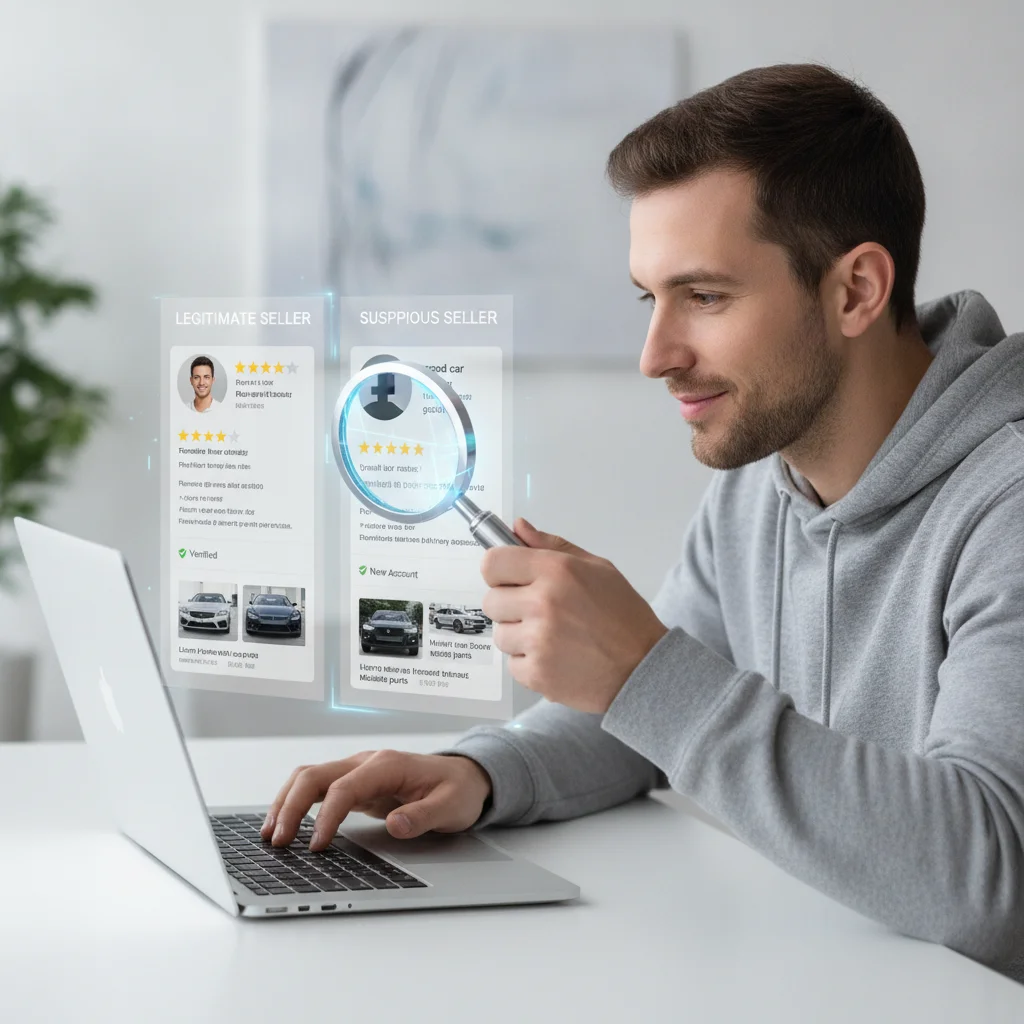
Understanding this distinction before you hand over a deposit is critical. See our guide to spotting legitimate online car sellers for the red flags that matter most.
| Typical online return window | 7–10 days or 400–500 miles, whichever comes first (Carvana, CarMax, Vroom current policies) |
| Platforms that own their inventory | Carvana, CarMax, Vroom, Shift (varies by market) |
| Platforms that are marketplaces only | AutoTrader, Cars.com, TrueCar, Facebook Marketplace |
| Most common fraud type (online) | Title misrepresentation and odometer fraud (NICB (National Insurance Crime Bureau)) |
| Arbitration clause prevalence | Present in virtually all major platform Terms of Service |
| Cost of pre-purchase inspection | $100–$200 via mobile inspection services (DEKRA, Lemon Squad, 2024 pricing) |
| Federal fraud reporting agency | FTC (Federal Trade Commission) at reportfraud.ftc.gov |
| Most secure payment method | Credit card or automotive escrow service |
Dealer-Owned Platforms vs. Marketplace Listings: A Critical Distinction
Online car platforms fall into two fundamentally different categories, and the buyer protection each offers flows directly from that structure.
Inventory-Owning Retailers
Companies like Carvana, CarMax Online, and Vroom own the vehicles they sell. They inspect, recondition, and title the car before listing it. When something goes wrong — a disclosed defect turns out to be worse than described, or a title issue surfaces — there's a single accountable entity you can pursue. These platforms typically offer:
- Return windows: Usually 7–10 days or a set mileage cap (often 400–500 miles), whichever comes first
- Vehicle history reports: Provided as a standard part of the listing
- Limited warranties: Often 90 days or longer on drivetrain components
- Arbitration policies: Defined dispute resolution processes in their terms of service
Marketplace and Listing Sites
Platforms like AutoTrader, Cars.com, and Facebook Marketplace are aggregators. They publish listings from dealerships and private sellers but do not own the inventory. Their fraud protection is limited to platform-level tools — flagging suspicious listings, removing bad actors, and occasionally mediating disputes — but they bear no legal liability for the condition of a vehicle or a seller's misrepresentation.
This is where buyers get hurt most often. The platform looks polished and trustworthy, but the actual transaction is with a third party whose accountability may be minimal. Always read the platform's Terms of Service section on liability before treating a listing site as equivalent to a direct retailer.
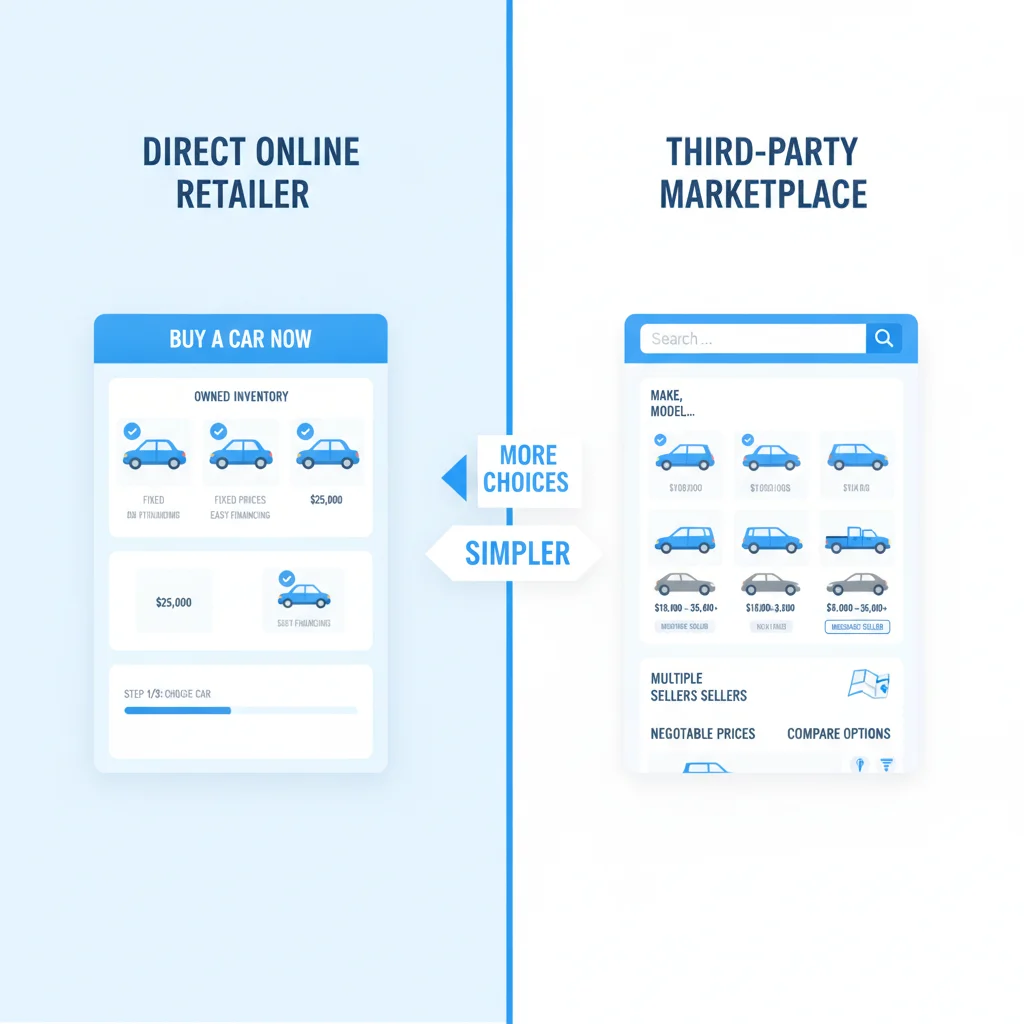
For a deeper breakdown of how these structural differences affect both the buying process and your documentation requirements, see online used vs. new car buying differences.
How Major Platforms Handle Fraud Specifically
Fraud in online car buying takes several forms: title washing, odometer rollback, salvage title concealment, VIN cloning, and outright scams where a vehicle doesn't exist at all. Here's how the major platform types address each.
$1B+
Annual losses to auto fraud in the U.S.
According to the National Insurance Crime Bureau (NICB), vehicle fraud including title scams and VIN cloning costs American consumers over one billion dollars annually.
1 in 5
Online car listings with undisclosed issues
A 2022 study by iSeeCars found that approximately 1 in 5 used vehicles listed online had at least one undisclosed accident or title event in their history.
7 days
Standard return window at major online retailers
Carvana, Vroom, and CarMax all advertise a 7-day return period, though mileage caps and condition requirements apply and can limit your ability to use it.
78%
Buyers who skip independent pre-purchase inspection
According to a 2023 Consumer Reports survey, nearly 78% of online car buyers did not obtain an independent inspection before finalizing their purchase.
$4,200
Average loss per auto fraud victim
FTC data from 2023 indicates that consumers who reported auto-related fraud lost an average of $4,200 per incident — with online transactions representing a growing share.
Title and History Fraud
Inventory-owning platforms conduct title searches before listing, which catches most title washing and salvage branding issues. They're not infallible — title data lags and interstate discrepancies exist — but the liability exposure incentivizes them to be thorough. Marketplace sites rely on seller disclosure and third-party vehicle history reports (Carfax or AutoCheck), which are only as good as the data reported to them.
Odometer Fraud
Reputable platforms with physical reconditioning centers often flag odometer discrepancies during inspection. On marketplace sites, your only protection is the vehicle history report and a pre-purchase inspection by an independent mechanic — something you should never skip on a used car purchase, even from a well-known platform.
VIN Cloning
This is where a fraudster copies the VIN from a legitimate vehicle onto a stolen or salvaged car. It's more common in private-party transactions and peer-to-peer marketplaces. The defense: always run a VIN check independently, verify the VIN physically matches the dashboard plate, door jamb sticker, and title before finalizing payment.
Non-Existent Vehicle Scams
These are almost exclusively a private-seller and classified-ad problem. Someone posts a car at a below-market price, requests a wire transfer or gift card, and disappears. No legitimate dealership or inventory-owning platform operates this way — if you're being asked to wire money before you've confirmed the vehicle's title is clean and the seller is who they say they are, stop. Read our detailed guidance on protecting yourself when paying for a car online before sending a single dollar.
Title Washing
The process of transferring a vehicle through multiple states to obscure a branded title (such as salvage or flood damage). The goal is to obtain a clean title in a state with looser record-keeping, then sell the vehicle as undamaged.
VIN Cloning
A fraud scheme where a stolen or salvaged vehicle is given the VIN of a legitimately registered vehicle of the same make and model. The cloned VIN passes basic checks, making the fraudulent car appear clean.
Mandatory Arbitration
A contractual clause requiring disputes to be resolved through a private arbitration process rather than civil court. Most major online car platforms include this clause in their terms of service.
NMVTIS
The National Motor Vehicle Title Information System — a federal database that aggregates title, brand, and theft records from states, salvage yards, and insurers. It is the most comprehensive title verification resource available to consumers.
As-Is Sale
A vehicle sold without a warranty, meaning the buyer accepts the vehicle in its current condition. Sellers are still legally required to disclose known material defects in most states, even in as-is sales.
Inventory-Owning Retailer
An online car platform that purchases, reconditions, and directly sells vehicles to consumers — as opposed to a marketplace that connects buyers with third-party sellers. Carvana, CarMax, and Vroom are examples.
Automotive Escrow
A payment method where funds are held by a neutral third party until both buyer and seller confirm that the vehicle transfer conditions have been met. It significantly reduces the risk of payment fraud in private-party transactions.
Odometer Rollback
Illegal tampering with a vehicle's odometer to display a lower mileage than actual. It is a federal crime under the Motor Vehicle Information and Cost Savings Act and increases a vehicle's apparent value fraudulently.
Return Policies, Dispute Resolution, and What the Fine Print Actually Means
The marketing around online car buying leans heavily on convenience and buyer-friendliness. "Seven-day returns, no questions asked" sounds airtight. The fine print tells a different story.
The Mileage Cap Problem
Nearly every return window comes paired with a mileage limit — typically 400 to 500 miles. If you're buying a car that requires a long delivery drive, or you live in a rural area and commute distances, you may burn through that window before you've had a real chance to evaluate the vehicle. Some platforms count delivery miles toward your allotment. Always ask explicitly how mileage is calculated before you commit.
What "As-Is" Really Means
Many online platforms sell used vehicles "as-is," meaning disclosed defects are your problem post-purchase. The issue is what's not disclosed. In most states, sellers — including dealer-retailers — are legally required to disclose known material defects. If a platform sold you a car with a known transmission issue they didn't disclose, that's a misrepresentation claim, not just a buyer's remorse situation.
Arbitration Clauses
Virtually every major online car platform buries a mandatory arbitration clause in its terms. This means if you have a serious dispute — say, you discover undisclosed frame damage — you likely cannot sue in small claims or civil court without first going through their designated arbitration process. Understand this before you buy. It doesn't mean you're unprotected, but it does define the battlefield.
For a full breakdown of what return window terms actually cover and what they exclude, see how return policies work on online car purchases.

Escalating a Dispute Effectively
- Document everything immediately — photos, videos, written notes of any discovered issues, dated
- Submit a formal complaint in writing within the platform's stated return or dispute window
- Invoke your state's lemon law if the vehicle qualifies (typically applies to newer vehicles with recurring defects)
- File with the FTC and your state AG if you believe fraud occurred — this creates a paper trail that strengthens arbitration
- Dispute the charge with your credit card company if you paid by card and the platform won't resolve the issue — chargeback rights are a meaningful consumer tool
Platform-by-Platform Buyer Protection Summary
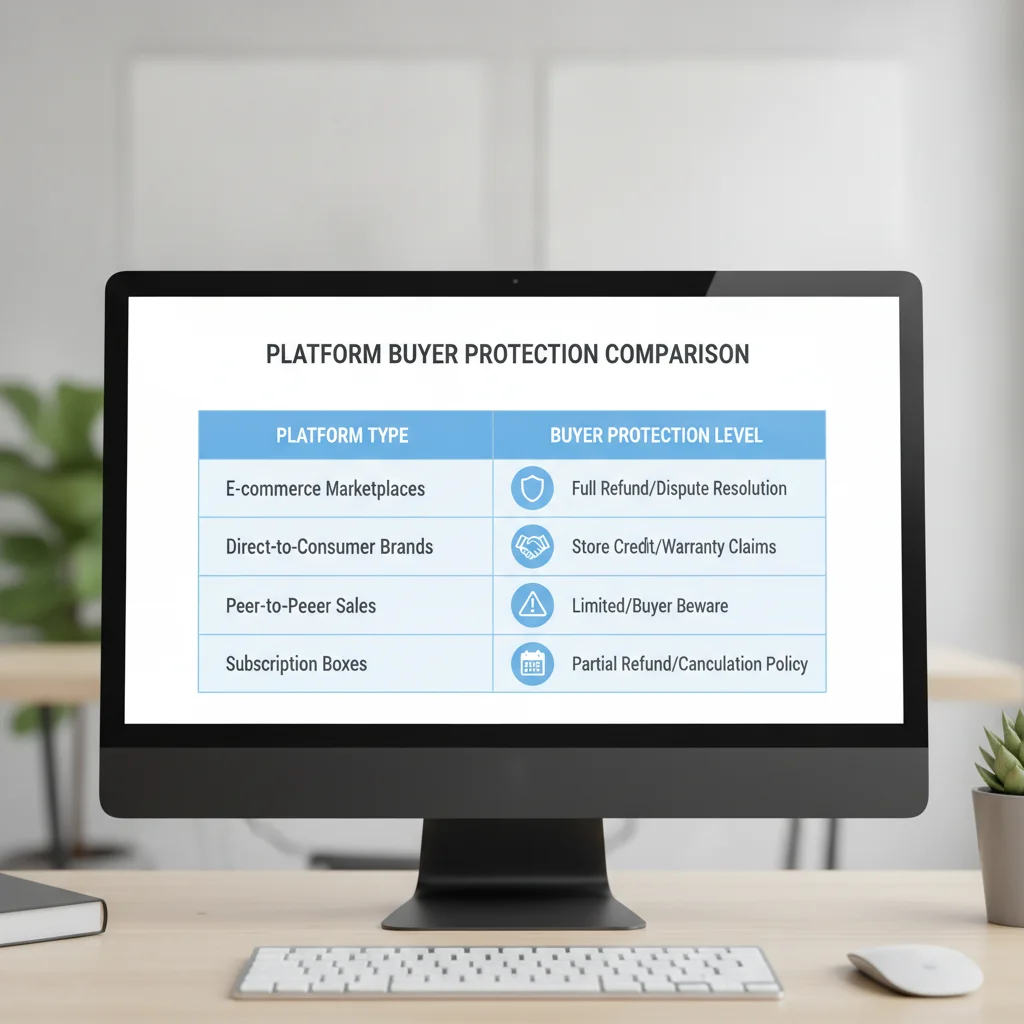
The table below summarizes the buyer protection posture of the major online car buying categories. Individual platform terms change — always verify current policies directly with the platform before purchasing.
| Platform Type | Return Window | Fraud Liability | Dispute Process | Recommended Extra Step |
|---|---|---|---|---|
| Inventory-Owning Retailer (Carvana, CarMax, Vroom) | 7–10 days / 400–500 mi | Platform responsible | Internal + arbitration | Inspect on delivery, document immediately |
| Dealer Marketplace (AutoTrader, Cars.com) | Dealer's policy only | Dealer responsible, not platform | Contact dealer directly | Verify dealer license, read dealer reviews |
| Peer-to-Peer / Classifieds (Facebook Marketplace, Craigslist) | None (buyer beware) | Seller responsible; platform not liable | Civil court or police report | Independent inspection + escrow payment only |
| Auction Platforms (Bring a Trailer, Copart public) | Typically none | Seller disclosed condition governs | Platform mediation, limited | Review condition report carefully; bid with caution |
Understanding the contract and paperwork side of any purchase is just as important as the platform's stated policies. The paperwork and contracts hub covers what you should be reviewing in every deal.
If you've received an instant cash offer for your own vehicle as part of a trade-in or sale, the platform mechanics work differently — see how instant offer platforms actually work for the full picture.
State Lemon Laws May Apply to Online Purchases
Most states' lemon laws apply to the buyer's state of residence, not the seller's location — which matters when you buy from an out-of-state online retailer. If your vehicle has a recurring defect that substantially impairs its use or value and the seller cannot fix it after a reasonable number of attempts, you may have a lemon law claim regardless of where the platform is headquartered. Check your state AG's website for specific thresholds and timelines.
Deposit Refund Rights Vary by Platform
Some platforms charge a deposit to hold a vehicle or initiate delivery — and that deposit may be non-refundable if you change your mind before the vehicle arrives. This is separate from the return window, which typically starts at delivery. Always confirm deposit refundability in writing before submitting payment.
Credit Card Chargeback Is a Last Resort, Not a First Step
Initiating a credit card chargeback before attempting to resolve a dispute with the platform can complicate your legal position and may violate platform terms. Use internal dispute resolution first, document everything, and escalate to a chargeback only if the platform refuses to engage or resolve a valid claim.
NMVTIS Consumer Access
The National Motor Vehicle Title Information System allows consumers to run independent title checks on any VIN. Use this in addition to — not instead of — Carfax or AutoCheck for the most complete picture.
FTC Auto Fraud Reporting
The Federal Trade Commission's fraud reporting portal (reportfraud.ftc.gov) is where you should file if you've been defrauded in an online car transaction. Reports contribute to enforcement actions against repeat offenders.
Lemon Squad Mobile Inspection
A nationwide pre-purchase inspection service that sends an ASE-certified mechanic to inspect a vehicle on your behalf — critical for remote purchases where you can't see the car in person before delivery.
Escrow.com Automotive
A licensed escrow service that holds your payment until vehicle transfer conditions are confirmed by both buyer and seller. Strongly recommended for any high-value private-party online transaction.
Your State Attorney General Auto Fraud Unit
Most state AGs have a consumer protection division that handles auto dealer fraud complaints. Filing here creates official documentation that strengthens arbitration claims and can trigger dealer license investigations.
NICB VIN Check
The National Insurance Crime Bureau offers a free VIN check that flags vehicles reported stolen or with multiple insurance total-loss events — a quick first screen before running a full vehicle history report.
Smart Moves Before You Buy Online
Buyer protection policies are a safety net — but the best strategy is avoiding the problem in the first place. These are the non-negotiable steps before committing to any online vehicle purchase.
1. Run an Independent VIN Check
Don't rely solely on the report the platform provides. Run your own Carfax or AutoCheck, and cross-reference the NMVTIS (National Motor Vehicle Title Information System) database, which is the most comprehensive title record available. A few dollars spent here can prevent a five-figure mistake.
2. Demand a Pre-Purchase Inspection
Any platform that refuses to allow an independent inspection should be treated as a red flag, full stop. For remote purchases, services like DEKRA, Lemon Squad, or local ASE-certified mechanics can inspect on your behalf for $100–$200. That cost is trivial relative to what you're spending.
3. Use a Traceable Payment Method
Never wire money to a private seller or pay via gift card under any circumstances. Credit card payments offer chargeback protections; certified checks leave a paper trail. For high-dollar private-party transactions, an automotive escrow service (such as Escrow.com) holds funds until both parties confirm the transfer is complete.
4. Verify Title Before Final Payment
For any remote transaction, confirm the title is clean, in the seller's name, and lien-free before releasing final payment. The contracts and paperwork process explains what a clean title looks like and what to watch for.
5. Read the Return Policy Word for Word
Print the return policy as it exists on the day you purchase. Platforms update terms, and you want a record of what applied at the time of your transaction. Note the mileage cap, the exact return window start date (delivery date vs. purchase date), and the condition requirements for a valid return.
For a comprehensive framework on vetting who you're actually buying from, revisit our guide on spotting legitimate online car sellers — the checklist there applies whether you're buying from a major platform or an individual listing.

All claims are backed by peer-reviewed research. Sources on request.