Key Takeaways
Why Online Car Fraud Has Exploded — and Who Gets Targeted
Online car sales have grown from a niche convenience into the dominant way Americans shop for used vehicles. That volume attracts fraudsters. The FBI's Internet Crime Complaint Center consistently ranks vehicle fraud among the top consumer scam categories, with median losses per victim often exceeding $3,000. What makes automotive fraud particularly brutal is that victims frequently hand over a deposit or full payment before they realize something is wrong.
The targets aren't just first-time buyers or the technically unsophisticated. Experienced car shoppers get caught too, because modern scammers are good at mimicking legitimacy. They clone real listings, build plausible backstories, and exploit the inherent information asymmetry between buyer and seller. You can't physically inspect the car, you may be dealing across state lines, and the urgency of a "great deal" clouds judgment.
The good news: most scams have detectable fingerprints if you know what to look for. This guide walks you through a systematic vetting process — the same due diligence framework a skeptical finance manager would apply before releasing a deal. If you want broader context on navigating remote purchases, start with buying a used car online, then come back here for the seller-vetting layer.
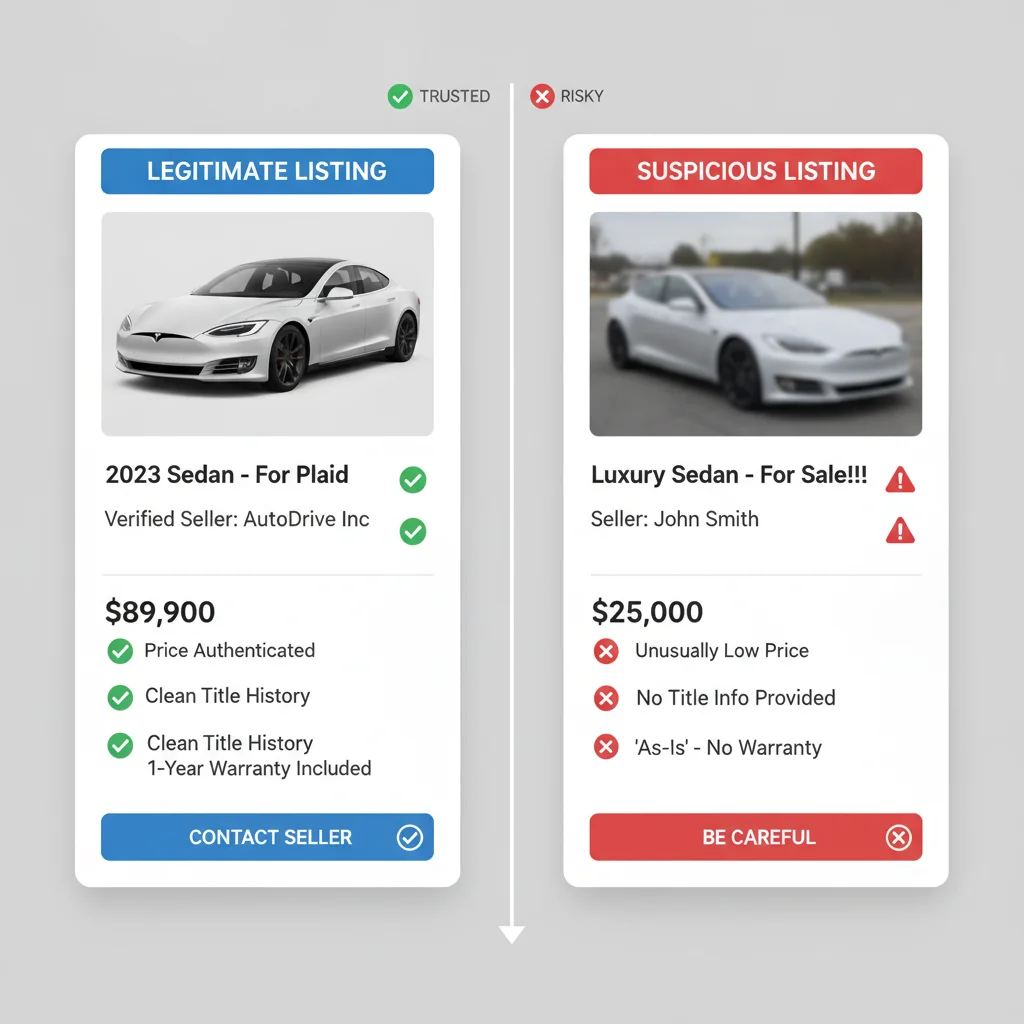
Below is everything you need — the tools, the steps, and the red flags — organized so you can move efficiently without missing a critical check.
What You'll Need Before You Start
Vetting a seller isn't complicated, but having the right tools queued up before you engage saves time and prevents you from making commitments before you've done your homework.
What you will need
Carfax or AutoCheck
Pulls the vehicle's title history, accident records, odometer readings, and lien status by VIN.
NMVTIS Report
Federal database check confirming title status, salvage designations, and insurance total-loss records.
Google Images / TinEye
Reverse image search tools to detect whether listing photos have been stolen from other listings or websites.
Lemon Squad or Bumper Inspection Network
Third-party remote inspection services that dispatch mechanics to the vehicle's location on your behalf.
BBB Scam Tracker
Search reported scams by business name, phone number, or location to check if the seller has been flagged.
Jeffrey's Exif Viewer
Extracts metadata from listing photos, including location data that can verify or contradict the seller's claimed location.
State DMV Dealer License Lookup
Verifies that a dealer claiming to be licensed actually holds an active, valid dealership license in their state.
Once you have these in hand, you're ready to work through the vetting steps below in order. Don't skip steps because a seller seems trustworthy — that impression is exactly what a sophisticated scammer is designed to create.
Step-by-Step: Vetting an Online Car Seller
Follow these steps sequentially. Each one builds on the last. If a seller fails any step and can't provide a reasonable explanation, treat that as a disqualifying signal — not a hurdle to negotiate around.
Reverse Image Search Every Listing Photo
Download at least two or three of the listing's photos and run them through Google Images or TinEye. Fraudsters routinely lift photos from legitimate listings or dealer websites and reuse them for fake ads. A reverse search that surfaces the same image on a different listing — especially with a different price, location, or VIN — is an immediate disqualifier.
Pay attention to photo metadata when you can access it. Location data embedded in smartphone photos sometimes reveals the car's actual location, which may not match what the seller claims. Tools like Jeffrey's Exif Viewer can surface this data from unprocessed image files.
Verify the VIN Matches the Listing Details
Ask the seller for the VIN before you do anything else. A legitimate seller will provide it without hesitation. Run that VIN through the National Motor Vehicle Title Information System (NMVTIS) or a paid service like Carfax or AutoCheck. You're looking for four things:
- The VIN corresponds to the make, model, year, and trim described in the listing.
- There are no outstanding liens — a car with an undisclosed lien can be legally repossessed from you even after you've paid for it.
- There's no salvage, flood, or rebuilt title history that the seller didn't disclose.
- The odometer readings in the report are consistent with what the seller claims.
Cross-reference the VIN with the vehicle's physical location too. If a seller claims the car is in Phoenix but the title history shows registrations in coastal states with known flood seasons, ask pointed questions.
Confirm the Seller's Identity Against the Title
Ask the seller to send you a photo of the vehicle title. The name on the title should match the seller's legal name. If the seller says they're selling on behalf of a family member or the title is in someone else's name, that's not automatically fraud — but it does require you to verify the relationship and ensure the actual title holder will sign the transfer documents at closing.
For private sellers, also ask for a photo ID (driver's license) alongside the title photo. The address on the ID doesn't need to match the listing location — people move — but the legal name must match. If the seller is evasive about identity verification, treat that as a hard stop.
For dealers, look up the dealership's license number through your state's DMV or dealer licensing board. Every licensed dealership has a publicly searchable record. If the dealer number they provide doesn't return a valid result, stop the transaction.
Research the Seller's Digital Footprint
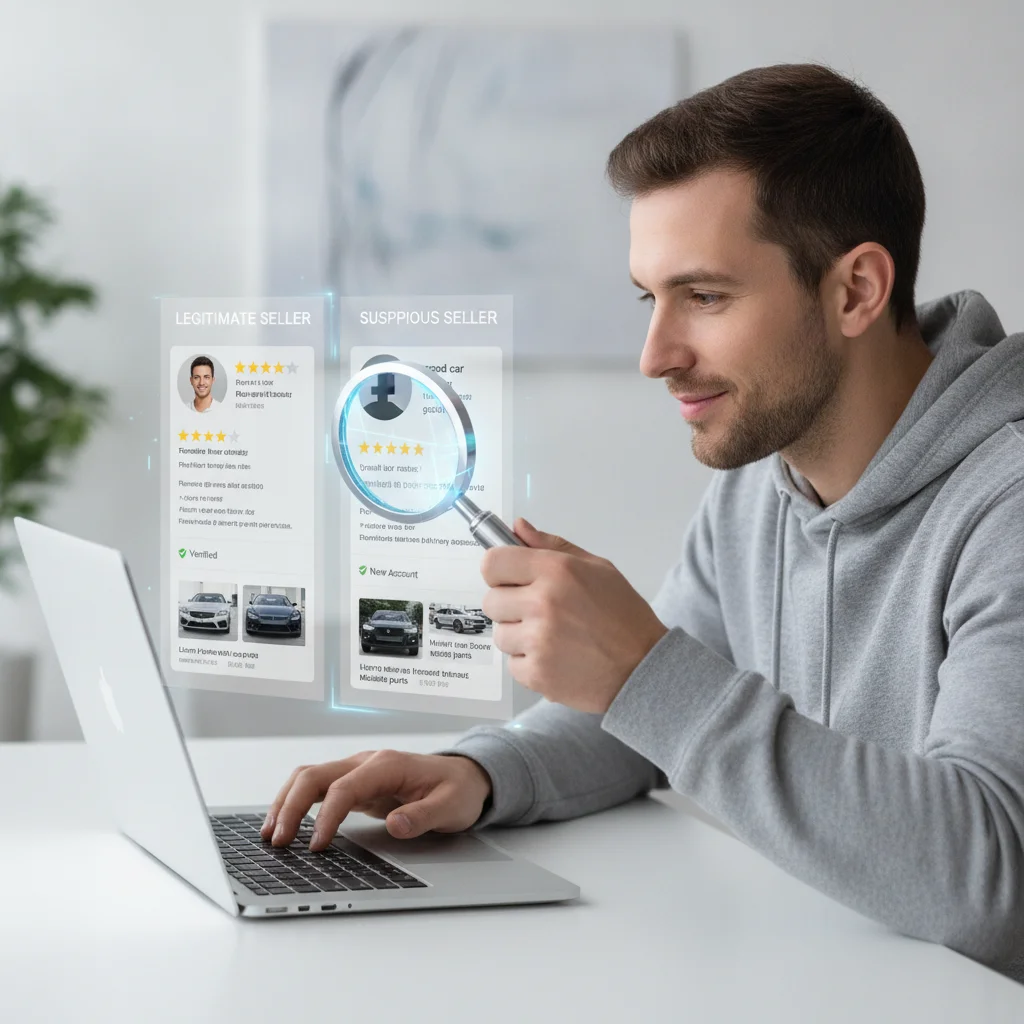
Search the seller's name, phone number, and email address across Google, social media, and scam-reporting databases like ScamAdviser and the BBB Scam Tracker. Legitimate private sellers will typically have some verifiable digital presence — a Facebook profile with history, a local community connection, or previous marketplace ratings.
For dealers, search the business name plus "complaints," "scam," or "BBB reviews" and read through what comes up. A handful of complaints about minor issues is normal for any active dealership. A pattern of complaints about title fraud, cars not delivered, or bait-and-switch pricing is a disqualifier.
Also search the seller's phone number independently. Scam aggregator sites like 800notes and WhoCallsMe sometimes have reports from other buyers who encountered the same fraudulent listing under a different vehicle.
Request a Live Video Call to Confirm the Car Exists
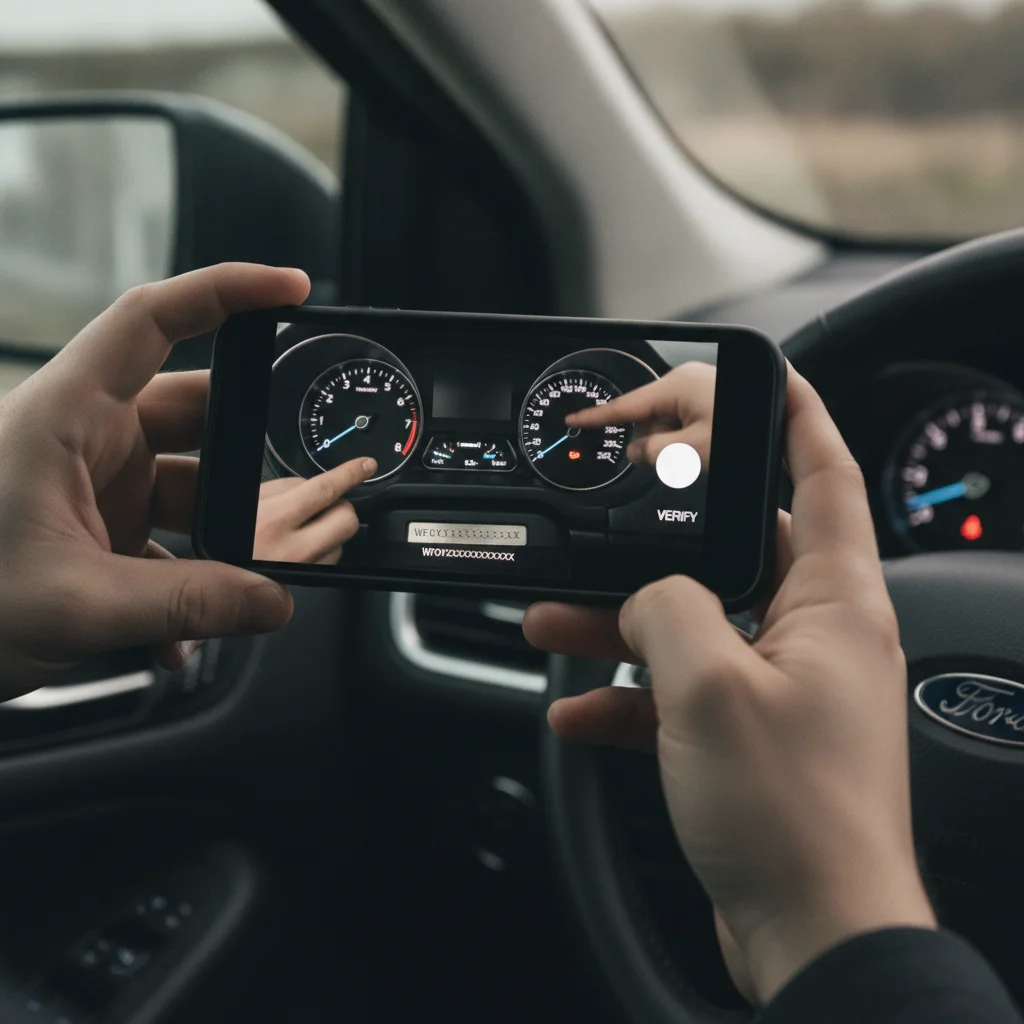
Before any money changes hands — including a deposit — ask the seller to conduct a live video call with the car present. Ask them to show you specific things you can verify against the listing photos: the VIN plate on the dashboard, the odometer reading, any described damage or notable features. This one step eliminates an entire category of scam: the phantom listing where the car doesn't exist at all.
Scammers will resist or offer excuses — they're traveling, the car is at a mechanic, their phone camera is broken. A legitimate seller has zero reason to refuse a five-minute video call. If they can't or won't do it, move on.
During the call, pay attention to the seller's fluency discussing the vehicle. Someone who owns the car they're selling can answer basic questions about its quirks, maintenance history, and why they're selling without hesitation. Vague or scripted answers to basic questions are a yellow flag.
Order a Pre-Purchase Inspection from a Local Third Party
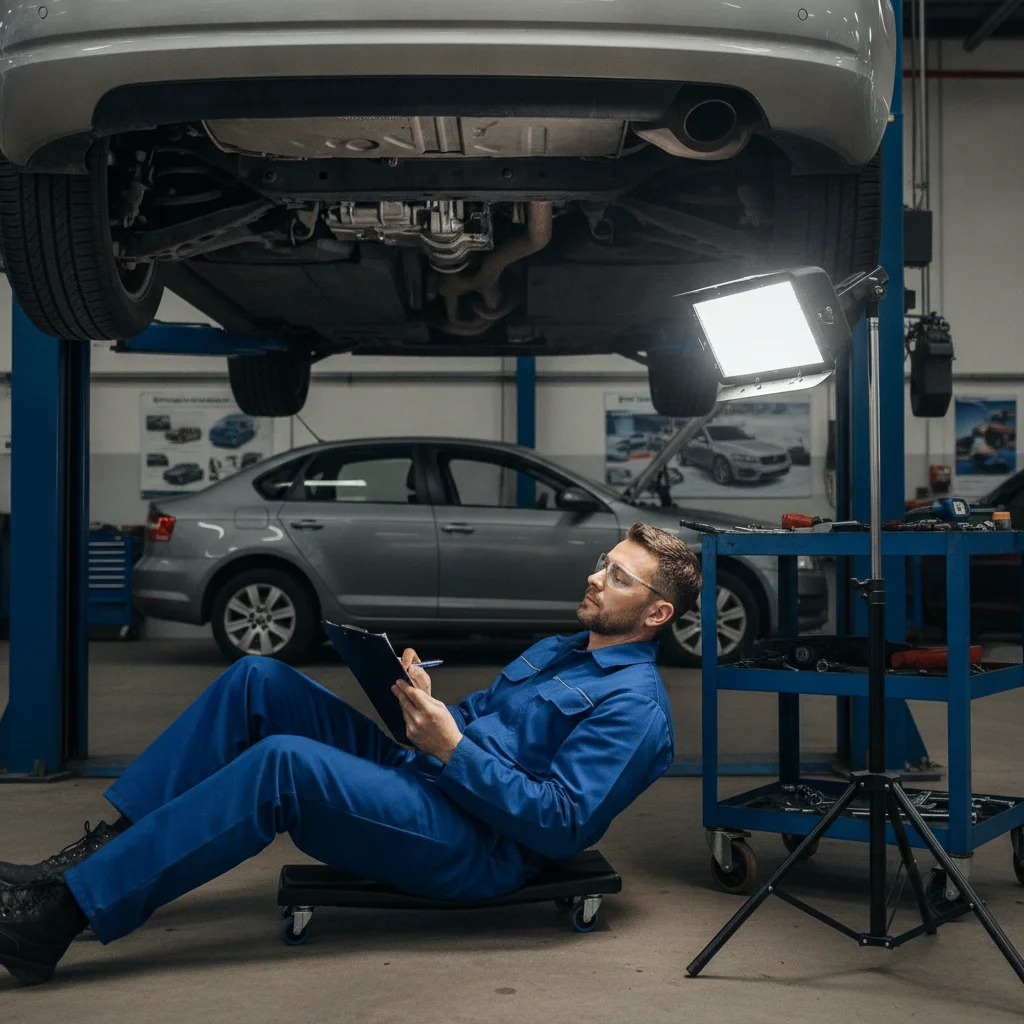
This is the step most buyers skip to save $100–$200 and later regret when a $2,000 transmission problem surfaces a month after purchase. A pre-purchase inspection (PPI) by an independent mechanic — not one recommended by the seller — is the only way to confirm the car's mechanical condition matches the listing description.
For remote transactions, services like Lemon Squad, Bumper's inspection network, and local AAA-affiliated shops can perform inspections at the vehicle's location and send you a written report with photos. The inspection should cover at minimum: engine and transmission health, undercarriage rust and frame damage, tire and brake condition, fluid levels and leaks, and any active diagnostic trouble codes.
If the seller refuses to allow a third-party inspection, the transaction ends there. No legitimate seller blocks an inspection — it's the single strongest signal that something about the vehicle doesn't match the listing.
Urgency Is a Fraud Tactic
A seller who pushes hard for a same-day decision, claims another buyer is waiting, or says they're leaving the country tomorrow is running a time-pressure play. Legitimate sellers understand that a five-figure purchase requires due diligence. If a deal evaporates the moment you slow down to vet it properly, it wasn't a real deal.
Escrow Website Scams Are Common
Some fraudsters direct buyers to fake escrow websites that look legitimate but simply collect your payment and disappear. If a seller insists you use a specific escrow service you've never heard of, verify the company independently before using it. Legitimate escrow services for vehicle transactions include Escrow.com — treat any alternative with deep skepticism.
Once a seller passes all these checks, you're in a dramatically stronger position than the average online buyer. But passing vetting doesn't mean skipping a pre-purchase inspection — it means you've confirmed the seller is who they say they are and the car likely exists. The inspection confirms the car's condition matches what was advertised.
Platform vs. Private Seller: How the Risk Profile Differs
Not all online car transactions carry equal risk. Where you buy matters almost as much as who you buy from.
Established platforms with buyer protection
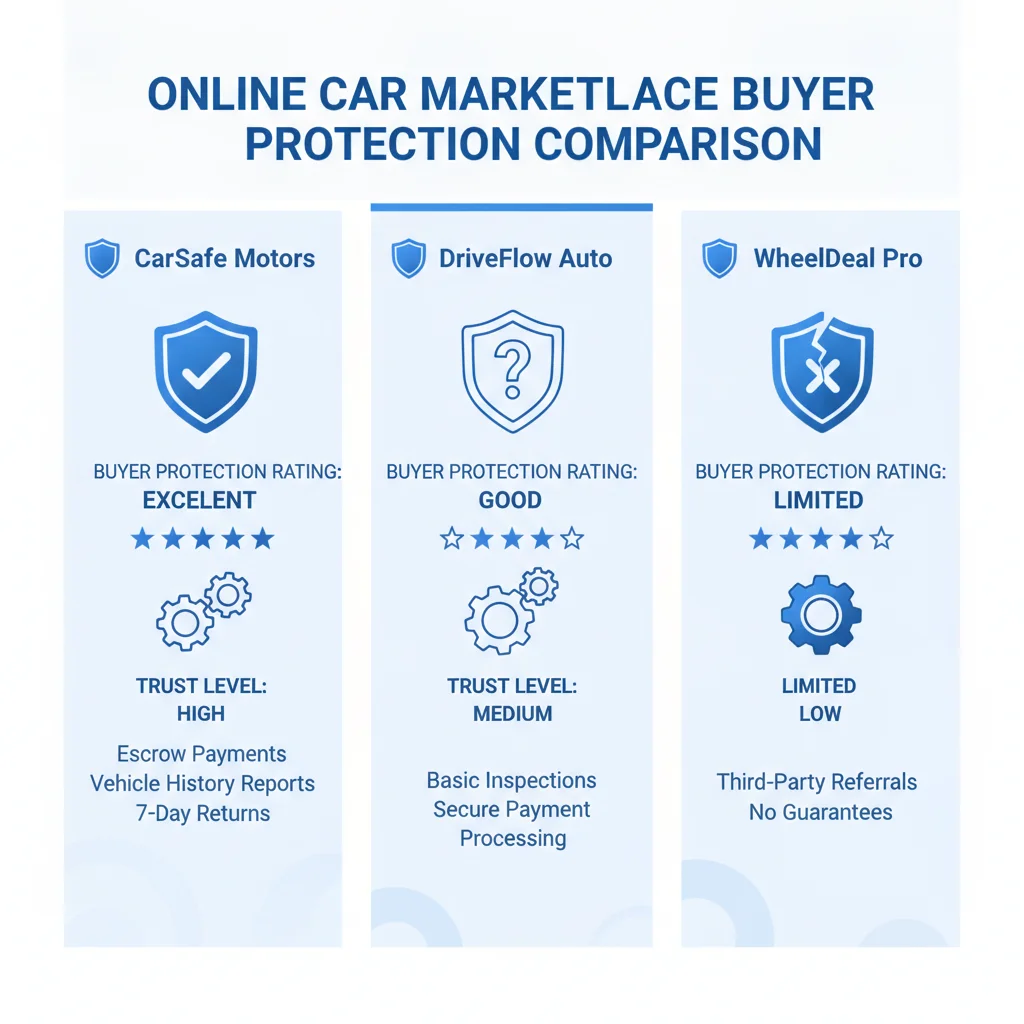
Marketplaces like CarMax, Carvana, Vroom, and AutoTrader Verified Dealers operate with defined return policies, title guarantees, and dispute resolution processes. How online car buying platforms handle fraud and buyer protection breaks down exactly what each major platform covers — and just as importantly, what they don't. These platforms aren't fraud-proof, but they create accountability structures that private transactions lack.
Private sellers on open marketplaces
Facebook Marketplace, Craigslist, and similar platforms let anyone list a car with minimal friction. That's convenient for legitimate sellers and equally convenient for scammers. When you're dealing with a private seller on these platforms, every protection in this guide is your responsibility to enforce — the platform won't intervene.
Dealer listings on aggregators
Sites like Cars.com and AutoTrader aggregate both dealer and private listings. A dealer badge isn't a scam guarantee — but it does mean you can look up that dealer's state license number, verify their physical address, and check their Better Business Bureau rating. A legitimately licensed dealership has a legal obligation to deliver clean title. That accountability doesn't exist with a private seller.
Platform Buyer Protection Is Not a Guarantee
Even on established platforms, buyer protection has limits. Coverage caps, exclusions for private-party sales, and tight claim windows mean you can't rely on a platform badge as a substitute for due diligence. Read the actual protection policy before you assume you're covered — not the marketing summary.
Low Prices Are Bait, Not Bargains
A car priced 20% or more below market is almost never a genuine deal in the online private-sale market. Motivated legitimate sellers drop price to move inventory faster — but they drop to market, not drastically below it. Any listing priced suspiciously low should trigger the full vetting process immediately, not excitement.
When evaluating price, always benchmark against market data before engaging the seller. A price that looks suspiciously low isn't a deal — it's usually bait. See how to research a car's market value before buying online to build that baseline before you reach out.
Payment Safety and What Comes After Vetting
Vetting a seller confirms identity and listing legitimacy. It doesn't protect you if you hand money over incorrectly. Payment method is the final vulnerability — and it's where many otherwise-careful buyers get burned.
The cardinal rule: never pay in a way that can't be reversed or traced. Wire transfers, Zelle, Venmo, and gift cards offer zero recourse once sent. A fraudster who receives a wire transfer and disappears has your money permanently. How to protect yourself when paying for a car online covers the full payment strategy — escrow services, certified funds, documentation — in detail.
After the seller is vetted and payment secured
- Get a bill of sale with the seller's full legal name, address, VIN, odometer reading, and sale price.
- Confirm title transfer procedures in your state before the transaction closes — some states require in-person DMV visits; others allow mailed title transfers.
- Arrange insurance before the car ships or before you take possession. Most policies allow you to add a vehicle the day of purchase; driving or transporting an uninsured vehicle is a risk you don't need.
- Document everything in writing. If a seller agreed verbally to fix something before sale, that promise is worthless without written confirmation.
Never Wire Money Before Taking Possession
Wiring funds to a seller — or paying via Zelle, Venmo, or gift cards — before you have the keys and a signed title in hand is a one-way door. These payment methods offer virtually no fraud recourse. If a seller insists on wire transfer as the only payment option, that insistence itself is a red flag. See <a href="/buying-a-car/car-buying-process/online-car-buying/how-to-protect-yourself-when-paying-for-a-car-online">how to protect yourself when paying for a car online</a> for safer alternatives.
For additional context on listing-level red flags that should stop you before you even get to seller vetting, see red flags to watch for when browsing online car listings. The listing and the seller are two separate things to vet — both matter.
When to Walk Away — and How to Report a Scam
There's no prize for finishing a transaction with a seller who raised multiple red flags. The smartest move an online buyer can make is a clean exit the moment the risk profile tips past acceptable. Here's a practical threshold: if a seller fails two or more of the vetting steps above and cannot provide clear documentation to explain the discrepancy, walk away. One oddity can have an innocent explanation. A pattern of oddities is a pattern of fraud.
How to exit cleanly
Stop communicating. You don't owe a fraudster an explanation. If you've paid a deposit and the seller turns out to be fraudulent, immediately contact your bank or payment provider to initiate a dispute — speed matters here. Credit card disputes give you the strongest recourse. Wire transfers and peer-to-peer apps are nearly irreversible.
Reporting the scam
- FTC: reportfraud.ftc.gov
- FBI IC3: ic3.gov (especially for transactions involving wire fraud or interstate commerce)
- Platform reporting tool on whatever marketplace hosted the listing — this prevents the same listing from targeting another buyer
- Your state attorney general's office if the seller claimed to be a licensed dealer
Reporting matters beyond your own situation. The data helps law enforcement identify patterns and shut down repeat offenders. It also creates a paper trail if you're pursuing civil remedies.
If you're selling rather than buying and want to understand the fraud tactics that run in the other direction, red flags in private car sale inquiries is the counterpart resource.

All claims are backed by peer-reviewed research. Sources on request.