Key Takeaways
Option A
Private Party Sale
The higher-payout, higher-effort route.
Best for: Sellers who have 2–4 weeks to spare and want to maximize net proceeds on a clean, desirable vehicle.
Option B
Online Car-Buying Service (Carvana, CarMax, Vroom)
The fast, frictionless, take-it-or-leave-it offer.
Best for: Sellers who need to unload a vehicle quickly, have a loan to pay off, or simply don't want to deal with strangers.
If you want the most money and have time to wait
Private Party Sale
A well-priced, well-listed private sale consistently outearns instant offers by $1,000–$3,000 or more on mid-range vehicles. That spread is worth the extra legwork if you can manage the process.
If you need cash in hand within 48 hours
Online Car-Buying Service
Carvana, CarMax, and Vroom can generate an offer, inspect the car, and hand you a check or ACH deposit within one to two business days — no scheduling strangers, no payment risk.
If your car has mechanical issues or high mileage
Online Car-Buying Service
Problem vehicles are harder to sell privately at a fair price. Instant buyers price in condition algorithmically and still close — private buyers will lowball you or walk.
If you own a popular model with clean history and low miles
Private Party Sale
High-demand vehicles — recent-model-year trucks, SUVs, and reliable imports — command a significant premium in the private market. Leaving that money on the table for convenience is hard to justify.
If you still owe money on the car
Online Car-Buying Service
Instant buyers handle the lien payoff directly with your lender, which removes a complicated logistical step. Private sales with active loans require careful coordination to avoid title problems.
The Core Tradeoff: Money vs. Speed
Every seller faces the same fundamental question: how much is your time worth relative to the gap in payout? That gap is real, and it's usually bigger than most sellers expect going in.
On a $20,000 vehicle, the difference between a strong private-sale price and what an online car-buying service offers can run anywhere from $1,500 to $4,000 — sometimes more on in-demand trucks and SUVs. That's not rounding error. But earning that premium means listing the car, fielding inquiries, screening buyers, arranging test drives, negotiating, and navigating payment and title transfer. For some sellers, that's manageable. For others, it's genuinely not worth it.
Online services like Carvana, CarMax, and Vroom have built businesses around the other side of that tradeoff. They make their margin by paying you less than retail and reselling at or near it. Their pitch is certainty and speed, and for a specific type of seller — pressed for time, carrying a loan, or dealing with a difficult vehicle — that pitch is genuinely compelling.
The goal of this comparison isn't to declare a winner. It's to give you the information to figure out which route fits your specific situation. When each approach makes financial sense often comes down to vehicle type, your local market, and your bandwidth.
How Private Sales Actually Work
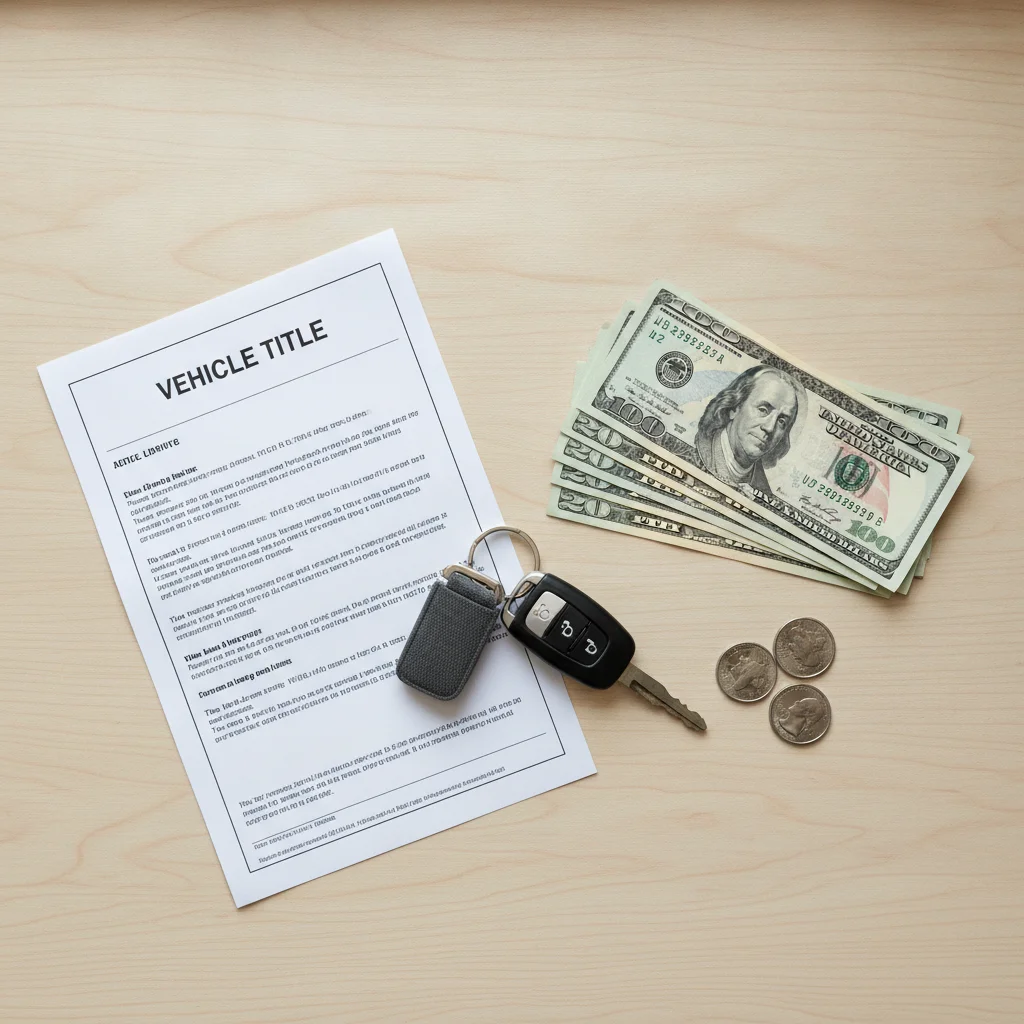
Selling privately means acting as your own dealer. You price the car, write the listing, photograph it, respond to inquiries, vet buyers, and close the deal. Done well, it's the most profitable path. Done poorly, it wastes weeks and ends at a disappointing number anyway.
Pricing
Start with Kelley Blue Book private-party value, then cross-reference active listings on Facebook Marketplace and AutoTrader for comparable vehicles in your zip code. KBB gives you a floor; local comps tell you what buyers are actually willing to pay right now. Price 5–8% above your target to leave room for negotiation without alienating serious buyers.
Listing
Photos matter more than most sellers realize. Natural light, clean background, all angles including engine bay and interior — poor photos get fewer clicks regardless of price. Write a description that's honest about condition, lists the trim level and key options, and states your price and whether it's firm. Where you list the car affects both reach and buyer quality — Facebook Marketplace generates volume, AutoTrader attracts more serious buyers willing to pay more.
Buyer Screening and Test Drives
This is where private sales carry real risk. Never hand over keys without seeing a valid driver's license first. Meet in a public place for the initial conversation, and only allow test drives after you've confirmed the buyer is serious. Accompany every test drive — no exceptions. If a buyer pushes back on any of these, that's your signal to move on.
Payment and Title
Cash or a bank-issued cashier's check made out to you are the safest payment methods. Personal checks and payment apps introduce fraud risk — Zelle, in particular, has been targeted in car-sale scams. Verify any cashier's check with the issuing bank before signing over the title. Complete the title transfer according to your state's DMV requirements and notify your insurer the same day you complete the sale.
| Criterion | Private Party Sale | Online Car-Buying Service |
|---|---|---|
| Typical payout vs. retail | 85–95% of retail value | 70–85% of retail value |
| Time to close | 2–4 weeks average | 24–72 hours |
| Effort required | High — listing, inquiries, test drives, paperwork | Low — one appointment, one signature |
| Price negotiability | Fully negotiable | Fixed or minimal adjustment |
| Fraud / payment risk | Moderate — scams are real | Very low — institutional payment |
| Loan payoff handling | Seller must coordinate | Handled directly by buyer |
| Best vehicle type | Popular, low-mileage, enthusiast vehicles | High-mileage, older, or problematic cars |
| Listing / transaction fees | Small platform fees ($0–$150) | None — but offer reflects margin |
| Safety considerations | Requires screening and precautions | No stranger interaction |
How Online Car-Buying Services Work
The process at Carvana, CarMax, or Vroom is deliberately simple. You enter your VIN, answer questions about condition and mileage, upload photos in some cases, and receive a binding quote — usually within minutes. That quote is good for a set window, typically 7 days at CarMax and Carvana.
If you accept, a physical inspection follows. This is the step where offers can change. If the car has undisclosed damage, paint issues, or mechanical problems, the service may revise the offer downward or, in rare cases, withdraw it entirely. Be accurate when describing condition upfront — surprises at inspection cost you leverage.
At closing, the service pays off any outstanding loan balance directly with your lender and cuts you a check or initiates an ACH transfer for the equity. If you're underwater on the loan — meaning you owe more than the offer — you'll need to pay the difference out of pocket before the title can transfer. Online services generally handle this more cleanly than private sales, where explaining a lien to a private buyer and coordinating a simultaneous payoff is genuinely complex.
For a detailed look at how offers differ across platforms, see what each platform actually pays. Spoiler: offers vary meaningfully depending on vehicle type, and shopping at least two services before accepting is always worth the 10 minutes it takes.
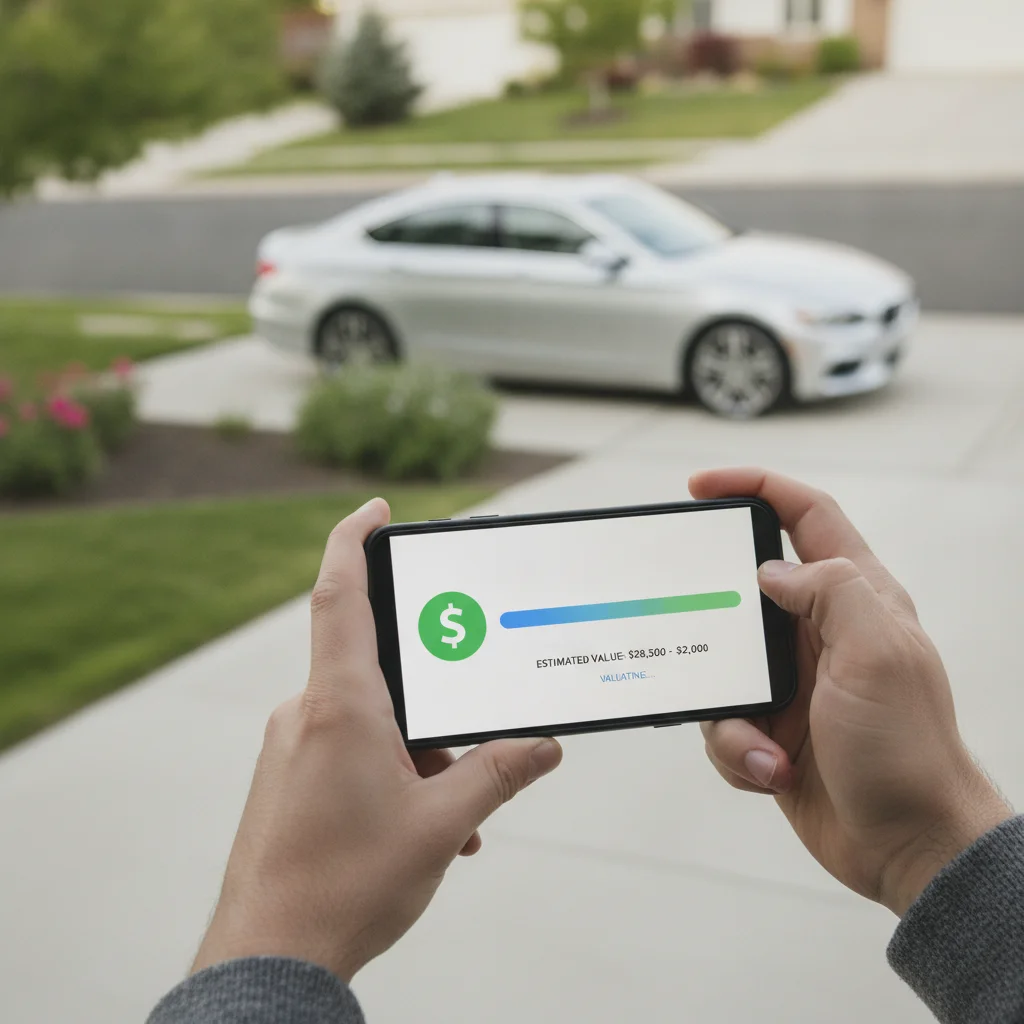
The convenience premium you're paying isn't just about speed — it's also about the services absorbing risk. They handle title, they deal with lender payoffs, they don't bounce checks, and they won't ghost you after a test drive. For sellers who've had bad private-sale experiences, that has genuine value.
Instant Offers Can Expire — Time Them Carefully
Most online car-buying services hold their offers for 7 days (CarMax) or 7 days (Carvana), after which the quote is re-evaluated and may come in lower if market prices have shifted. If you're running both processes simultaneously — testing private-sale interest while holding an instant offer — make sure you know your offer expiration date. Don't let a binding offer lapse while you wait for a private buyer who may not materialize.
Underwater Loans Change the Math
If you owe more than your car is worth — negative equity — neither a private buyer nor an online service will make you whole. With a private sale, you'd need to bring cash to closing to satisfy the lien before the title can transfer. With an online service, they'll handle the payoff logistics but you still owe the gap. Know your payoff amount before you start the process so there are no surprises at the finish line.
Head-to-Head: Key Decision Factors
The comparison looks clean on paper, but several factors tip the scale in one direction depending on your situation.
Payout
Private sales win on gross price, almost always. The real question is net price — after your time, any repairs you made to prep the car, listing fees, and the carrying costs during the weeks it takes to sell. A car that sits for six weeks before finding a buyer has accrued insurance, registration, and possibly storage costs. For some vehicles in slow markets, the private-sale premium erodes substantially once you account for all of that.
$1,000–$3,000
Typical private-sale premium over instant offers
Based on aggregated seller comparisons on mid-range vehicles ($15,000–$30,000) reported across automotive forums and consumer finance sites in 2023–2024.
72 hours
Average time to close with an online car-buying service
CarMax and Carvana both advertise same-day or next-day offer acceptance to payment, with most transactions completing within three business days.
2–4 weeks
Average time to sell privately in a normal market
iSeeCars and similar automotive data providers report median days-to-sell for private listings ranging from 14 to 30 days depending on vehicle type and region.
~80%
Of retail value paid by instant-offer platforms on average
Consumer Reports and automotive researchers consistently find instant-offer payouts average 15–20% below private-party retail for comparable vehicles.
3+
Instant quotes recommended before accepting any offer
Offers from Carvana, CarMax, and Vroom on the same vehicle can differ by $500–$2,000, making multi-platform comparison a straightforward way to raise your floor.
Speed
Online services close in 24–72 hours after you accept an offer. Private sales average 2–4 weeks from listing to signed title, and that's for desirable vehicles priced correctly. Unusual colors, high mileage, or niche trim levels can stretch that timeline to two months or more.
Effort
Private sales require active management — responding to 20 inquiries to get 3 serious buyers, scheduling and supervising test drives, and doing the paperwork yourself. Online services require one appointment. If you have a demanding schedule, this asymmetry is significant. The full list of private-sale tradeoffs goes beyond effort — there's also fraud exposure, personal safety, and the emotional labor of negotiation.
Safety and Fraud Risk
Private sales carry real risks that online services eliminate entirely. Cashier's check fraud, title scams, and aggressive or dishonest buyers are documented hazards. If you sell privately, you need to know what to look for. Online services eliminate fraud risk from the transaction almost entirely — they are the buyer, and they pay through institutional channels.
Loan Payoff Complexity
If you owe money on the car, private sales become meaningfully more complicated. A private buyer typically can't pay off your lender directly, which means you need a coordinated same-day transaction at your bank or DMV — not impossible, but genuinely tricky. Online services handle this routinely and cleanly. Instant cash offers vs. dealer trade-in appraisals is worth reviewing if you're also considering the dealership route as a third option.
Which Vehicles Perform Best on Each Channel?
Vehicle type matters as much as seller preference when choosing a channel. Not all cars behave the same in both markets.
Private Sale Advantages
- Popular trucks and SUVs: High-demand vehicles command retail-adjacent prices from private buyers. A clean F-150 or Tacoma can sell at KBB retail or above in hot markets.
- Low-mileage late-model cars: Buyers pay a premium for sub-50k-mile vehicles with full service history. That premium is harder for instant buyers to match algorithmically.
- Enthusiast vehicles: Sports cars, off-road-capable trucks, and limited-trim models attract buyers who will pay above book value for the right example.
Online Service Advantages
- High-mileage or older vehicles: Private buyers apply steep discounts to anything over 100k miles. Online services price these more fairly relative to actual market demand.
- Vehicles with known issues: A car with a check engine light, cosmetic damage, or deferred maintenance is hard to sell privately at a reasonable price. Instant buyers price it algorithmically and still close.
- Common commuter cars: Generic sedans with average specs — a base-trim Camry or Civic with 80k miles — don't command strong private premiums. The convenience of an instant sale may outweigh a modest payout difference.
If you're unsure which category your vehicle falls into, get quotes from at least two online services first. That gives you a concrete floor to compare against what private buyers offer — which is exactly how you should approach this decision. See the real cost of convenience for a detailed breakdown of how to quantify that gap before you commit to either path.
Making the Final Call
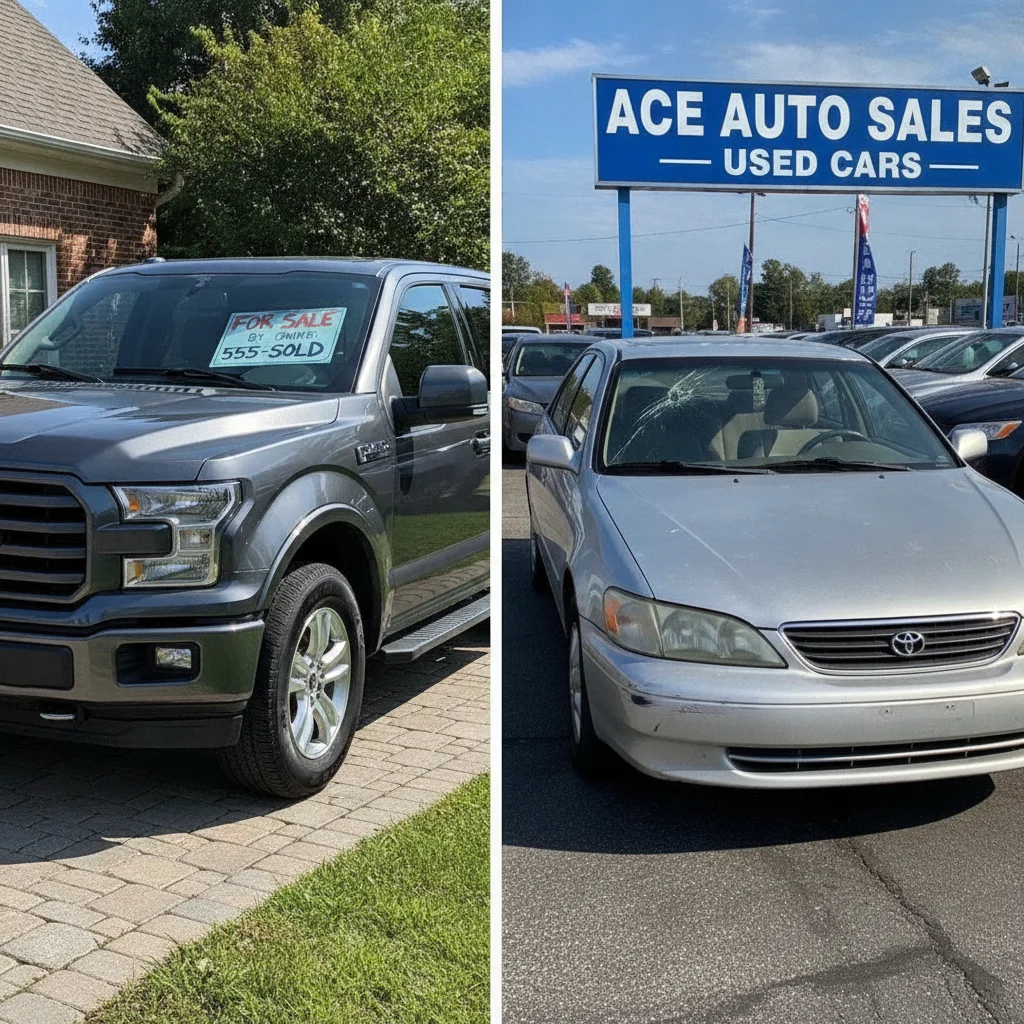
Here's the decision framework that works in practice: get at least two instant offers first, then decide whether the private-sale premium is worth pursuing.
Getting instant offers costs you nothing and takes 20 minutes. Once you know what Carvana and CarMax will pay, you have a real floor — not a KBB estimate, an actual binding offer. If a private buyer doesn't beat that number by at least $500–$1,000 after accounting for your time and hassle, take the instant offer. If the gap is $2,000 or more on a vehicle you expect to sell quickly, list it privately.
A few situations where you should skip private sale entirely regardless of the payout gap:
- You need the money in less than two weeks.
- The car has an active lien and you don't want to coordinate a complex payoff.
- You live in a low-density area with thin private buyer demand.
- The vehicle has significant mechanical or cosmetic issues you don't want to disclose in a listing.
- You've had a bad private-sale experience and the stress isn't worth it to you.
For sellers on the buying side of this equation — evaluating whether to purchase from a private seller or an online platform — private seller vs. online dealership covers the buyer's version of this same tradeoff.
Neither channel is universally better. But with two instant offers in hand and an honest assessment of your vehicle and timeline, the right answer for your situation usually becomes obvious.


All claims are backed by peer-reviewed research. Sources on request.