Key Takeaways
Higher sale price than trade-in or instant offer
Private party prices typically run 10–20% above dealer trade-in values for comparable vehicles. On a $20,000 car, that's $2,000–$4,000 more in your pocket — a material difference worth understanding before you default to the convenience of a dealer.
Full control over pricing and negotiation
You set the asking price, decide which offers to entertain, and walk away from lowballers without pressure. No dealer timeline, no sales manager hovering — the deal happens on your terms.
Transparent, retail-level buyer perception
Private buyers see your car as a retail purchase with known history, not a wholesale unit. That framing — especially with service records and a clean Carfax — supports top-of-range pricing and reduces skepticism.
No dealer fees or commissions taken
Every dollar of the agreed sale price goes to you. Dealer trade-ins and instant-offer platforms effectively embed their margin into the lowered offer — you absorb that cost silently.
Flexibility to negotiate non-price terms
You can negotiate pickup timing, included accessories, or as-is disclosures directly with the buyer. Private sales allow creative deal structures that dealers simply don't offer.
Significant time investment from listing to close
Expect two to six weeks of managing inquiries, scheduling showings, answering the same questions repeatedly, and waiting out tire-kickers. For vehicles priced at the high end of market or in low-demand segments, that timeline can easily double.
Real risk of payment fraud and scams
Fake cashier's checks, overpayment schemes, and digital payment fraud are common in private car sales. A single bad transaction can cost you the car and the money — verification steps are non-negotiable, not optional.
Personal safety exposure during showings
Meeting strangers who found your listing requires deliberate precautions — public locations, riding along on test drives, and not sharing your home address until trust is established. Most transactions are fine, but a casual approach creates unnecessary vulnerability.
You handle all paperwork and legal compliance
Title transfer, bill of sale, odometer disclosure, and state DMV notification all fall on you. Errors or omissions can create legal liability — including responsibility for violations committed by the new owner before they re-register.
Loan payoff coordination adds complexity
If your car is financed, the lender holds the title. You'll need to either pay off the loan before sale or coordinate a simultaneous payoff-and-transfer arrangement, which adds steps and potential delays to the transaction.
No guaranteed sale — deals fall through
Buyers back out, financing falls apart, and inspection results kill deals. Unlike a dealer offer, a verbal agreement with a private buyer carries no commitment until money changes hands and paperwork is signed.
Our Verdict
Selling privately is the right move if your vehicle is in solid condition, you have the time to manage the process, and you're willing to screen buyers carefully. The financial upside is real — often thousands of dollars more than a trade-in — but it doesn't come free. Expect to invest meaningful time and take on administrative and safety responsibilities that a dealer would otherwise absorb.
Best for sellers with a well-maintained vehicle, flexible timing, and the patience to handle inquiries, negotiations, and paperwork without dealer support.
What 'Selling Without a Middleman' Actually Means
A private party sale means you find the buyer, set the price, handle the negotiation, and execute the paperwork — without a dealership, auction house, or instant-offer platform taking a cut. That's the appeal. But it also means you absorb every step of a process that dealers and services like Carvana have spent years systematizing.
This isn't inherently complicated. Millions of private car sales happen every year without incident. The key is going in with realistic expectations about what's involved, not just what you might earn. If you want a side-by-side look at how private sales compare financially to other channels, see Trading In vs. Selling Privately: Which Gets You More Money? for a detailed breakdown.
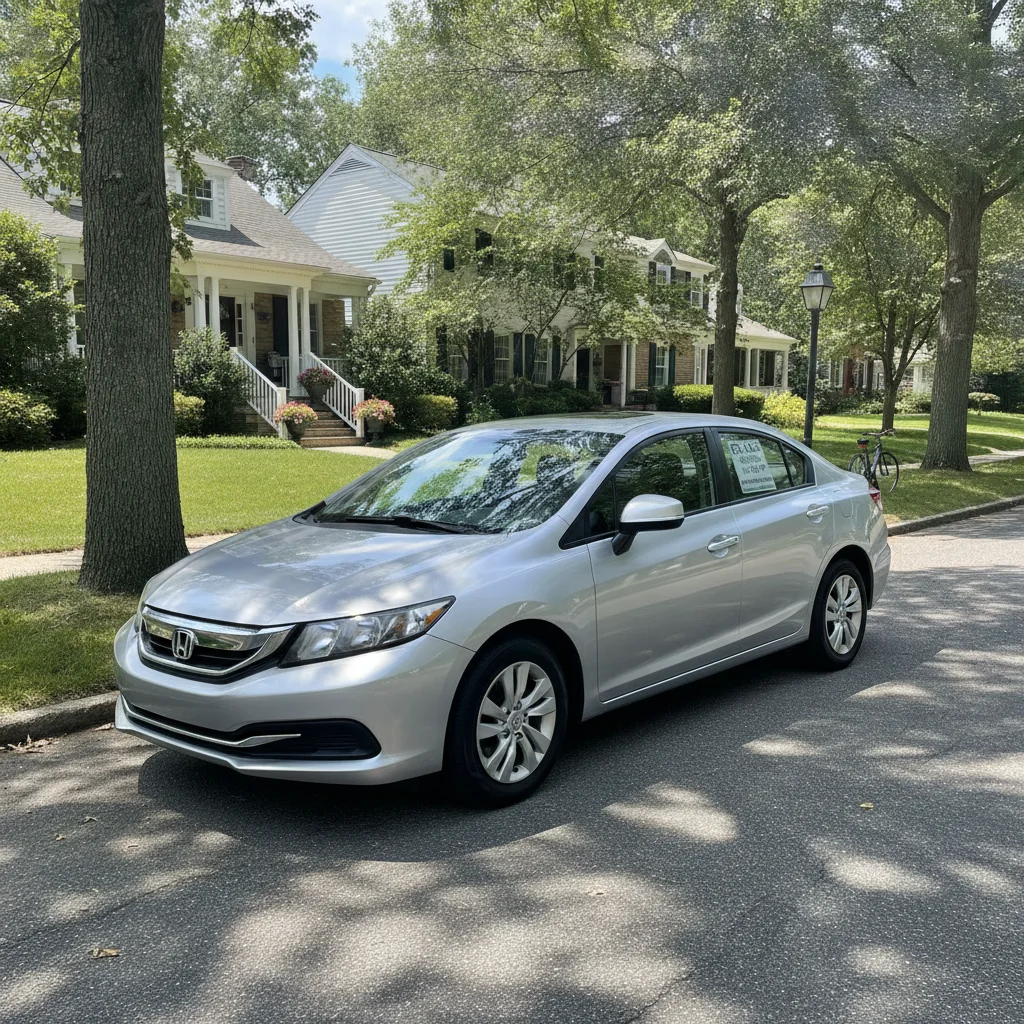
The sections below walk through the concrete pros and cons — so you can make a clear-eyed decision before you write your first listing.
The Pros: Why Selling Privately Makes Financial Sense
Let's start with the reason most people consider this route in the first place: money.
Higher sale price than trade-in or instant offer
Private party prices typically run 10–20% above dealer trade-in values for comparable vehicles. On a $20,000 car, that's $2,000–$4,000 more in your pocket — a material difference worth understanding before you default to the convenience of a dealer.
Full control over pricing and negotiation
You set the asking price, decide which offers to entertain, and walk away from lowballers without pressure. No dealer timeline, no sales manager hovering — the deal happens on your terms.
Transparent, retail-level buyer perception
Private buyers see your car as a retail purchase with known history, not a wholesale unit. That framing — especially with service records and a clean Carfax — supports top-of-range pricing and reduces skepticism.
No dealer fees or commissions taken
Every dollar of the agreed sale price goes to you. Dealer trade-ins and instant-offer platforms effectively embed their margin into the lowered offer — you absorb that cost silently.
Flexibility to negotiate non-price terms
You can negotiate pickup timing, included accessories, or as-is disclosures directly with the buyer. Private sales allow creative deal structures that dealers simply don't offer.
10–20%
Private sale premium over dealer trade-in
Industry valuation tools like Kelley Blue Book consistently show a 10–20% gap between private party and trade-in values for the same vehicle in similar condition.
2–6 weeks
Typical private sale timeline
Based on market data from major listing platforms, most well-priced private vehicle listings receive a serious offer within two to six weeks.
$3,500+
Median dollar premium on a $20K vehicle
On a vehicle with a $20,000 private party value, a 17.5% trade-in gap translates to roughly $3,500 in additional proceeds for the private seller.
Beyond the headline number, private sales give you control that no other channel offers. You pick the platform (Facebook Marketplace, Craigslist, AutoTrader, Cars.com), set your asking price, choose which offers to counter, and decide when the deal is done. If the first wave of inquiries comes in low, you wait. A dealer doesn't give you that option.
Transparency also works in your favor. A private buyer evaluating your car sees it as a retail purchase, not a wholesale unit on a lot. They're paying for the specific vehicle in front of them, not a dealer's overhead and profit margin. That framing typically supports a higher sale price — especially for vehicles with verifiable service records, recent maintenance, or desirable options.
The Cons: What Private Sales Actually Cost You
The financial upside is real, but so are the trade-offs. Private selling isn't a passive process — it demands time, attention, and a willingness to deal with strangers.
Significant time investment from listing to close
Expect two to six weeks of managing inquiries, scheduling showings, answering the same questions repeatedly, and waiting out tire-kickers. For vehicles priced at the high end of market or in low-demand segments, that timeline can easily double.
Real risk of payment fraud and scams
Fake cashier's checks, overpayment schemes, and digital payment fraud are common in private car sales. A single bad transaction can cost you the car and the money — verification steps are non-negotiable, not optional.
Personal safety exposure during showings
Meeting strangers who found your listing requires deliberate precautions — public locations, riding along on test drives, and not sharing your home address until trust is established. Most transactions are fine, but a casual approach creates unnecessary vulnerability.
You handle all paperwork and legal compliance
Title transfer, bill of sale, odometer disclosure, and state DMV notification all fall on you. Errors or omissions can create legal liability — including responsibility for violations committed by the new owner before they re-register.
Loan payoff coordination adds complexity
If your car is financed, the lender holds the title. You'll need to either pay off the loan before sale or coordinate a simultaneous payoff-and-transfer arrangement, which adds steps and potential delays to the transaction.
No guaranteed sale — deals fall through
Buyers back out, financing falls apart, and inspection results kill deals. Unlike a dealer offer, a verbal agreement with a private buyer carries no commitment until money changes hands and paperwork is signed.
Time is the most underestimated cost. A realistic private sale timeline runs two to six weeks from listing to cash in hand for a reasonably priced, well-presented vehicle. Uncommon vehicles, high asking prices, or a slow market can stretch that to two or three months. If you're counting on sale proceeds to fund a new vehicle purchase, that lag matters.
Fraud is the other major risk. Payment scams targeting private sellers are sophisticated and common. Cashier's checks can be counterfeited. Zelle and Venmo disputes are nearly impossible to reverse. Overpayment scams (where a buyer sends too much and asks for a refund) are textbook fraud. The only truly safe payment method for a large private transaction is a verified wire transfer or cash confirmed at your bank before title changes hands. For a comprehensive look at running the full process safely from listing to handover, see Selling Your Car Privately: The Complete Seller's Roadmap.

Pricing It Right: The Make-or-Break Variable
The single biggest mistake private sellers make is mispricing. Price too high and the listing goes cold — serious buyers move on, and the car sits while you field lowball offers from speculators. Price too low and you've surrendered the exact advantage that made private selling worthwhile.
Start with three data points: Kelley Blue Book private party value, Edmunds True Market Value, and actual comparable listings in your ZIP code for the same year, make, model, trim, and mileage. KBB and Edmunds give you a range; live listings tell you what the market actually looks like in your area right now.
Regional Market Conditions Matter
Private party values vary significantly by geography. A pickup truck commands a premium in rural markets; a fuel-efficient compact sells faster in dense urban areas. Always cross-reference KBB and Edmunds estimates with active local listings — not national averages. What's 'fair market value' in Phoenix may be 15% off from what buyers expect in Seattle.
Taxes and the Declared Sale Price
In a private sale, the buyer pays sales tax based on the declared sale price on the bill of sale. Some buyers pressure sellers to declare a lower price to reduce their tax burden — this is tax fraud, and as the seller who signs the document, you share exposure. Declare the actual sale price on every transaction.
Set your asking price 5–8% above your target number. That's your negotiating room. Buyers will almost always come in below asking — if you've priced at your floor, you have nowhere to go without taking a loss. A car priced at $18,500 when your target is $17,500 gives you breathing room. A car priced at $17,500 as a firm ask signals inflexibility and often kills deals.
If your vehicle has documented maintenance records, new tires, a recent inspection, or factory warranty coverage remaining, those are legitimate justifications for pricing toward the top of the range. Lead with them in your listing description.
Logistics, Safety, and Legal Paperwork
This is where a lot of sellers get tripped up — not on the sale itself, but on the steps surrounding it.
Screening Buyers
Before anyone comes to see the car, confirm they're a serious buyer. A quick text exchange covering their intended use, financing situation (cash vs. financed), and timeline filters out tire-kickers and time-wasters. Serious buyers answer directly. Vague or evasive responses are a signal to move on.
Test Drives
Always ride along. Never hand keys to a stranger and wait inside. Confirm the driver has a valid license before the car moves. For high-value vehicles, consider meeting at a neutral, public location like a credit union parking lot for the final transaction. Avoiding your home address for the initial showing is a reasonable precaution.
Pre-Purchase Inspection
A motivated buyer will often ask to take the car to a mechanic for an independent inspection. Say yes. A buyer who pays $100–150 for a pre-purchase inspection is serious. Sellers who refuse inspections lose credible buyers and invite suspicion. If your car has issues, it's better to know and price accordingly than to have the deal fall apart at the finish line.
Paperwork and Title Transfer
Requirements vary by state, but you'll typically need: a signed title, a bill of sale with vehicle description, sale price, and both parties' information, and an odometer disclosure statement (federal law requires this for vehicles under 10 years old). Check your state DMV website for specific forms. In some states, you must notify the DMV of the sale within a set timeframe to release your liability — skip this and you can be on the hook for parking tickets or worse racked up by the new owner.
If you still have a loan on the vehicle, the title is held by your lender. You'll need to coordinate a payoff as part of the sale — either by paying off the loan before the sale or by using an escrow arrangement. This is manageable, but it adds steps and requires lender coordination.
When Private Selling Is the Wrong Call
Private selling isn't universally better. There are situations where a trade-in, instant offer, or auction makes more practical sense.
- Your car has significant mechanical issues. Buyers will inspect, and a problematic vehicle will either scare off buyers or force heavy price cuts. A dealer or instant-offer service will at least make an offer, even if it's low.
- You need the money quickly. A two-to-six-week private sale timeline doesn't work if you need cash in seven days. Instant offer platforms like Carvana or CarMax can close in 24–48 hours — at a price penalty worth taking in time-sensitive situations.
- You're buying and trading simultaneously. If you're financing a new vehicle and need to use your current car's equity as a down payment, coordinating a private sale with a new purchase closing is complex. See Trading In vs. Selling Privately When Buying a New Car for a realistic look at the logistics.
- The vehicle is very high or very low value. Cheap beaters (under $3,000) often attract problematic buyers and high-friction transactions for minimal absolute gain. Exotics and high-end luxury vehicles have a thin buyer pool and can take months to move privately.

For vehicles that fall into these categories, services like Carvana, CarMax, or dealer instant-offer programs may be worth the convenience premium. See Selling Privately vs. Using an Online Car-Buying Service and Instant Offer vs. Private Sale: When Each Makes Financial Sense for a direct comparison. You can also browse Instant Offer Platforms to see how today's major services compare on payout and convenience.
Bottom Line: Is the Extra Money Worth It for You?
Run the math on your specific vehicle before you decide. If your car is worth $18,000 privately and a dealer offers $14,500 on trade-in, the private sale premium is $3,500. That's real money — worth the effort for most sellers. If the private premium is $800 on a $6,000 car, it may not justify three weeks of showings and negotiations.
The sellers who do best with private sales treat it like a short-term project: they price accurately, write a detailed listing with clean photos, screen buyers before scheduling showings, accept only safe payment methods, and have the paperwork ready before the buyer arrives. That level of preparation collapses the timeline and reduces friction significantly.
If you're ready to move forward, Selling Your Car Privately: The Complete Seller's Roadmap walks through every stage of the process in detail — from writing the listing to handing over the title.

All claims are backed by peer-reviewed research. Sources on request.