Key Takeaways
Our Verdict
No single platform consistently wins on price across all vehicle types. Carvana edges ahead on clean, in-demand late-model cars; CarMax is the most reliable fallback and the only option with an in-person inspection; Vroom occasionally outbids both but is least predictable. The right answer depends entirely on what you're selling — and you won't know until you have all three numbers in front of you.
| Best for | Recommended |
|---|---|
| Late-model, low-mileage, high-demand vehicles | Carvana |
| Sellers who want certainty and an in-person backup option | CarMax |
| Trucks, SUVs, or vehicles with regional demand spikes | Vroom |
| Maximizing sale price and willing to do extra work | Private sale |
How Each Platform Actually Generates Your Offer
Before comparing dollar amounts, you need to understand what's happening behind the scenes when you enter your VIN. These platforms aren't simply looking up a Blue Book number — they're running proprietary pricing algorithms that weigh dozens of variables in real time. The output is a margin-protected offer, not a market valuation.
CarMax builds its offers on a nationwide pricing dataset fed by its own retail and auction activity across 240-plus locations. When you submit your VIN and mileage at CarMax.com or walk into a store, the system pulls comparable retail listings, recent auction sales, and local market conditions. The in-store appraisal then adds a human layer: an appraiser physically inspects the car and can adjust the algorithmic baseline up or down. That inspection is the key differentiator — CarMax is the only one of the three that requires eyes on the vehicle before confirming an offer.
Carvana operates entirely online. Its algorithm factors in your car's year, make, model, trim, mileage, accident history (via Carfax), and answers to a condition questionnaire you fill out yourself. Carvana then cross-references its own retail inventory needs and recent transaction data. Because Carvana retails most of what it buys directly to consumers on its own platform, it pays closest attention to vehicles that will move fast in its 300-city delivery footprint. The offer is instant and is locked for seven days.
Vroom uses a similar online-only process, but there's a crucial difference in how it handles vehicles it can't retail profitably: it routes them to wholesale auctions. That means Vroom's pricing model blends retail resale value with wholesale floor prices depending on where your car lands in its triage. If your vehicle doesn't fit Vroom's current inventory needs, you may get a wholesale-level offer without realizing that's what happened.
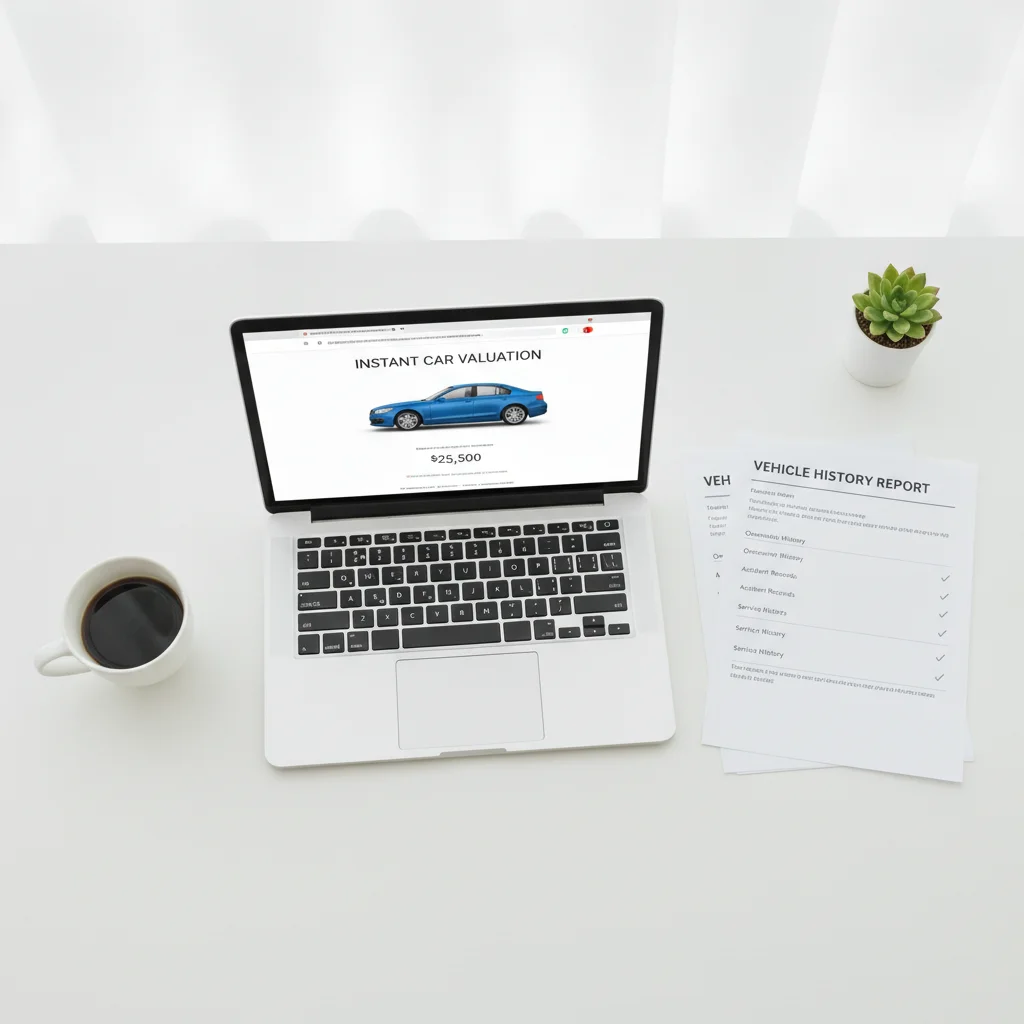
Understanding this distinction matters. How instant offer platforms make money on your car gets into the full business model, but the short version is: every platform prices in a resale margin before it makes you an offer. Your job is to find the platform where that margin is smallest relative to your specific car.
What CarMax Pays — and the Vehicles It Favors
CarMax has a reputation for fair, if not spectacular, offers — and that reputation is largely earned. The platform's scale means it can move almost anything: economy sedans, luxury SUVs, high-mileage pickups, older vehicles. That versatility makes it the most consistent floor you'll find among the three.
Where CarMax tends to shine is on vehicles that fall outside the sweet spot of its competitors: cars older than six years, vehicles with over 80,000 miles, trucks with commercial use history, or anything that Carvana's retail-focused algorithm will discount heavily. CarMax can wholesale those vehicles profitably, so it doesn't need to crater the offer the way Carvana might.
On the flip side, CarMax's strength in reliability is also its ceiling. It rarely produces the highest offer on pristine, late-model vehicles. On a 2021 Honda CR-V with 22,000 miles and a clean title, Carvana's retail-oriented algorithm is likely to outprice CarMax because that car is exactly what Carvana's customers are shopping for.
Use CarMax as Dealership Leverage
A written CarMax offer is one of the most powerful negotiating tools a private seller can carry into a franchise dealership. Dealers know CarMax is a real buyer, and they'd rather match the offer than lose the sale. Walk in with the number in hand before discussing trade-in value with any salesperson.
Check Negative Equity Terms Before Accepting
If you still owe money on the vehicle, the platform's payoff process matters as much as the offer amount. Carvana and Vroom both handle loan payoffs directly, but the timing of how they send funds to your lender can vary. Confirm the payoff amount with your lender the day you accept an offer, and ask the platform exactly when they'll cut the check to avoid interest accrual.
One tactical advantage CarMax offers that the other two don't: you can use the written offer at a competing dealership as leverage. A CarMax offer in hand is a credible third-party number that a franchise dealer's used-car manager will take seriously. It's not just a sale option — it's a negotiating tool.
CarMax offers are valid for seven days. If the in-store appraiser finds undisclosed damage, they can revise downward — so disclose accurately upfront to avoid a last-minute surprise at the counter. The Carvana vs. CarMax head-to-head breaks down the closing process differences in more detail.
What Carvana Pays — and the Vehicles It Favors
Carvana has consistently been the platform to beat for late-model, lower-mileage vehicles in high retail demand. The reason is structural: Carvana retails what it buys. That means if your car is something its customers are actively searching for — a 2020–2023 model year SUV, crossover, or pickup with under 60,000 miles — Carvana sees a clear path to retail margin and prices accordingly.
In independent comparisons run by outlets including iSeeCars and Consumer Reports, Carvana has frequently come out $500–$1,500 higher than CarMax on vehicles fitting that profile. On a $28,000 retail value car, that gap is meaningful.
$1,000–$3,000
Typical margin built into instant offers below retail
Industry analysts and independent vehicle pricing studies consistently find instant-offer platforms price vehicles $1,000–$3,000 below expected retail resale value.
$500–$1,500
Carvana's average premium over CarMax on late-model vehicles
iSeeCars and Consumer Reports analyses of platform offers found Carvana frequently outbid CarMax by this range on 2019–2022 model year vehicles with under 60,000 miles.
20 min
Time to get offers from all three platforms online
Submitting the same vehicle information to CarMax, Carvana, and Vroom simultaneously takes roughly 20 minutes and requires only VIN, mileage, and condition disclosure.
15–20%
Private sale premium over instant offer platforms
Sellers who list vehicles privately typically net 15–20% more than the best instant offer they receive, according to Edmunds transaction data, at the cost of significantly more time and effort.
The flip side: Carvana's algorithm penalizes condition issues more aggressively than its competitors. Minor accidents disclosed on Carfax, higher mileage relative to model year, or less common trims can push the offer well below CarMax's. Why? Because Carvana can't absorb those vehicles at retail — they'd have to wholesale them, so the algorithm pre-discounts aggressively to protect that outcome.
One frequently overlooked factor: Carvana includes free vehicle pickup in most markets. If you're comparing a Carvana offer to CarMax and the numbers are within $200–$300, factor in the time cost of driving to a CarMax location for the in-store appraisal. Convenience has real value when it's close to a wash.
See how Carvana and Vroom compare as online-only platforms for a deeper look at the digital experience differences between the two.
What Vroom Pays — and Why the Offers Vary Most
Vroom is the wild card. Its offers swing wider than either CarMax or Carvana, and understanding why is the key to using it correctly.
Vroom operates with significantly less retail capacity than Carvana and no physical locations like CarMax. When Vroom buys a car it can sell on its own platform, the offer reflects retail math. When it buys a car that will go to auction, the offer reflects wholesale math. The problem for sellers: you often can't tell which category your car falls into from the outside.
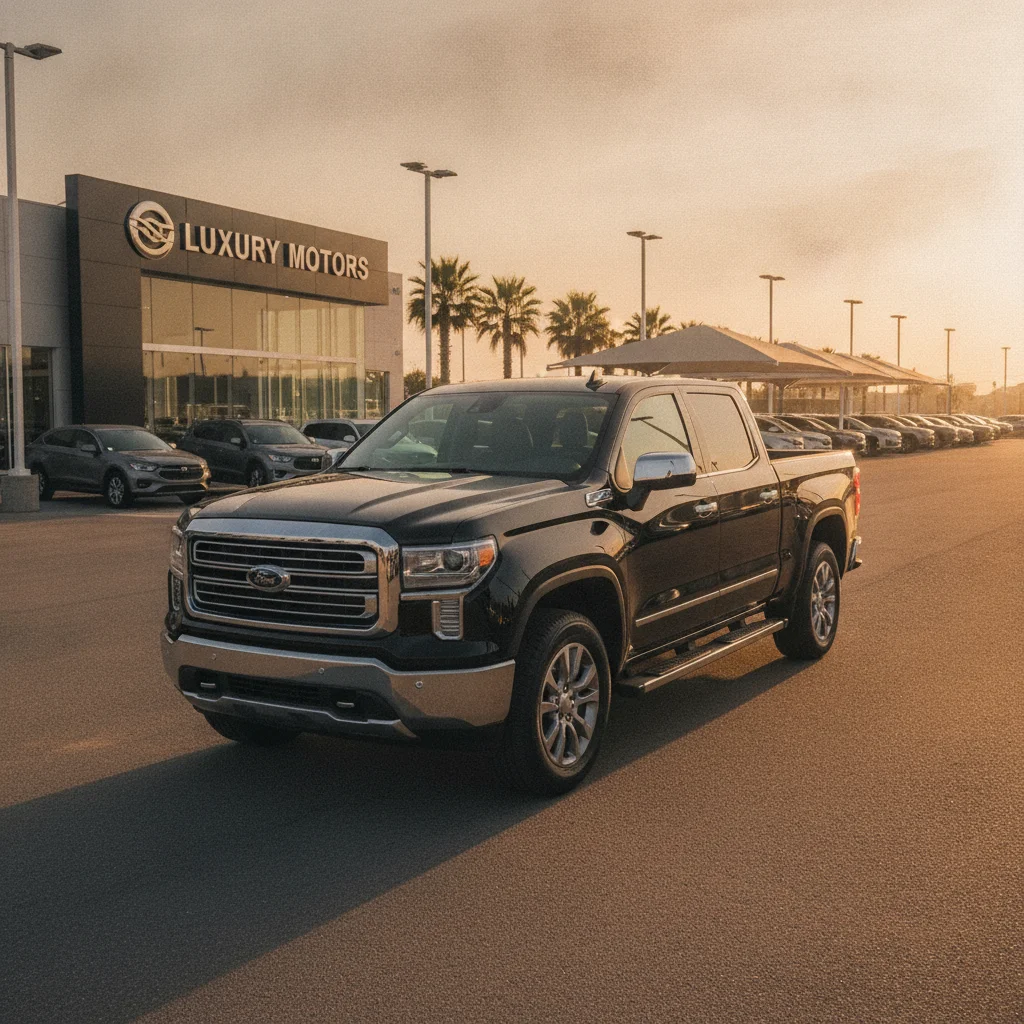
Where Vroom has historically punched above its weight:
- Full-size trucks and commercial-use vehicles — particularly in markets where auction floors run high for work trucks
- Vehicles in regions where Vroom has inventory gaps — its algorithm will occasionally offer a premium to fill a regional need
- Certain luxury makes where Vroom has a targeted retail strategy at a given moment
Where Vroom tends to underperform: economy vehicles, high-mileage cars, and anything with title complications. These go straight to wholesale, and the offer reflects it.
Vroom Offer Terms Can Expire Quickly
Unlike CarMax and Carvana, which explicitly lock offers for seven days, Vroom's offer validity window has historically been shorter and less consistently communicated. Before scheduling a pickup, get the expiration date in writing. If logistics push pickup past the offer window, you may be looking at a revised — and potentially lower — number.
Vroom's offer hold period has historically been shorter and its rescission process more complicated than its competitors. If logistics require scheduling a pickup more than a few days out, confirm the offer terms carefully before committing.
Side-by-Side: How the Three Platforms Compare
Here's how the three platforms stack up across the criteria that matter most to sellers. Use this as a quick reference before you start gathering quotes.
| CarMax | Carvana | Vroom | |
|---|---|---|---|
| Offer process | Online estimate + in-store inspection | Fully online, self-reported condition | Fully online, self-reported condition |
| Offer validity | 7 days after in-store appraisal | 7 days | Varies; typically 2–7 days |
| Vehicle pickup | Drop off at store | Free home pickup in most markets | Free home pickup in most markets |
| Best vehicle type | Older cars, high mileage, any condition | Late-model, low-mileage, high-demand | Trucks, SUVs, regional inventory gaps |
| Offer consistency | High — most predictable | High for clean vehicles, low for damaged | Low — widest variance |
| Rescission risk | Low if disclosed accurately | Low if disclosed accurately | Moderate — review terms carefully |
| Physical locations | 240+ stores nationwide | None — fully digital | None — fully digital |
| Time to payment | Same day at store | 1–3 business days after pickup | 1–5 business days after pickup |
The comparison above makes the strategy obvious: there's no reason to choose one platform in advance. The 20 minutes it takes to get offers from all three is the highest-return activity in the car-selling process. Instant cash offer tools compared to market valuation estimates explains how these offers relate to KBB and Edmunds figures — and why the gap between those estimates and your actual offer is almost always larger than sellers expect.
Which Vehicle Types Fare Best on Each Platform
Rather than guessing, use the following vehicle-type mapping as a starting point — then confirm with actual offers from all three.
Late-model sedans and crossovers (2019–2023, under 60K miles)
Start with Carvana. Its retail-first model favors exactly this profile. Get CarMax as a backup. Vroom is worth a check but rarely leads on this segment.
Older vehicles (2015 or older) or high mileage (100K+)
CarMax is the most reliable here. Its ability to move inventory through multiple channels — retail, wholesale, and auction — means it can price more aggressively on vehicles other platforms will low-ball. Vroom may surprise on certain truck models.
Trucks and work vehicles
Get all three. Trucks are where Vroom's offers occasionally spike above both competitors. CarMax is a reliable floor. Carvana's algorithm can be inconsistent on commercial-use vehicles depending on disclosed history.
Luxury vehicles ($40K+ retail value)
This segment is where offer variance is highest across all three platforms. Carvana has expanded its luxury inventory strategy, but CarMax's nationwide network of luxury buyers often gives it a pricing edge on higher-end makes. Compare carefully.
Vehicles with accident history or title issues
All three platforms will discount for disclosed accidents, but Carvana's algorithm is particularly aggressive here. CarMax's human appraisal component can be more nuanced. Vroom may decline or offer a wholesale-floor number outright.

If none of the three offers meets your expectations, selling privately vs. using an online car-buying service lays out exactly what you give up and gain by going that route instead.
How to Get the Most Out of All Three Offers
The single biggest mistake sellers make is treating these platforms as mutually exclusive. They're not. Run all three simultaneously — the offers are non-binding until you accept, and none of the platforms penalizes you for shopping around.
Here's the sequence that consistently produces the best outcome:
- Get your baseline from a valuation tool first. Use the KBB or Edmunds instant cash offer tool to understand what the market says your car is worth before any platform adjusts for its own margin. This tells you what you're giving up for convenience.
- Submit to all three platforms with the same information. Use your actual mileage, accurate condition answers, and the same disclosed history. Inconsistent disclosures lead to rescinded or revised offers at pickup — a frustrating and avoidable problem.
- Get the CarMax in-store appraisal last. The online CarMax estimate is a starting point; the in-store appraisal is the binding offer. Get Carvana and Vroom numbers first so you walk in knowing where you stand.
- Use your best offer as leverage. If a franchise dealer is already appraising your trade-in, a Carvana or CarMax offer in hand is a credible counter. Dealers will frequently match or beat a verifiable third-party number rather than lose the deal.
- Watch the expiration dates. CarMax and Carvana both lock offers for seven days. Vroom's terms can vary. If you need more time, get all three quotes close together so they expire around the same time.
Use CarMax as Dealership Leverage
A written CarMax offer is one of the most powerful negotiating tools a private seller can carry into a franchise dealership. Dealers know CarMax is a real buyer, and they'd rather match the offer than lose the sale. Walk in with the number in hand before discussing trade-in value with any salesperson.
Check Negative Equity Terms Before Accepting
If you still owe money on the vehicle, the platform's payoff process matters as much as the offer amount. Carvana and Vroom both handle loan payoffs directly, but the timing of how they send funds to your lender can vary. Confirm the payoff amount with your lender the day you accept an offer, and ask the platform exactly when they'll cut the check to avoid interest accrual.
Don't forget that a Carvana or Vroom offer applied to a purchase on their own platforms may be structured differently than a straight cash sale. Read the payoff terms carefully if you still owe money on the vehicle — negative equity handling differs between the platforms and can affect your net proceeds significantly.
For anyone comparing this process to simply keeping the car and refinancing, the math on buying online vs. through traditional channels is worth reviewing before making a final decision on which direction to go.

All claims are backed by peer-reviewed research. Sources on request.