Key Takeaways
Our Verdict
Online dealerships win on convenience, buyer protection, and financing access — but you'll pay for every bit of it. Private sellers offer genuine savings potential and more room to negotiate, but the due-diligence burden falls entirely on you. Neither is categorically better; the right choice depends on how much risk you can absorb and how much legwork you're willing to do.
| Best for | Recommended |
|---|---|
| First-time used car buyers or those who want peace of mind | Online Dealership |
| Experienced buyers who can assess a vehicle independently | Private Seller |
| Buyers who need in-house financing or have subprime credit | Online Dealership |
| Budget-conscious buyers chasing maximum value on a specific model | Private Seller |
The Landscape Has Changed — But the Risks Haven't
A decade ago, buying a car remotely meant taking a serious leap of faith. Today, platforms like Carvana, Vroom, and CarMax's online arm have made it routine, while Marketplace and AutoTrader have supercharged the private sale market. Digital-savvy buyers now have more options than ever — and more ways to get burned.
The core question hasn't changed: who are you buying from, and what recourse do you have if something goes wrong? When you buy from an online dealership, you're transacting with a licensed entity that carries legal obligations. When you buy from a private seller, you're dealing with an individual who has almost no obligations beyond not committing outright fraud.
That distinction drives nearly every other difference — price, financing, inspection access, paperwork, and what happens after the sale. Let's break it down category by category so you can make the call that fits your situation. If you're also weighing how the in-person dealership experience compares to digital buying, see our comparison of online and traditional dealerships for a fuller picture.
Price: Where Private Sellers Have the Real Edge
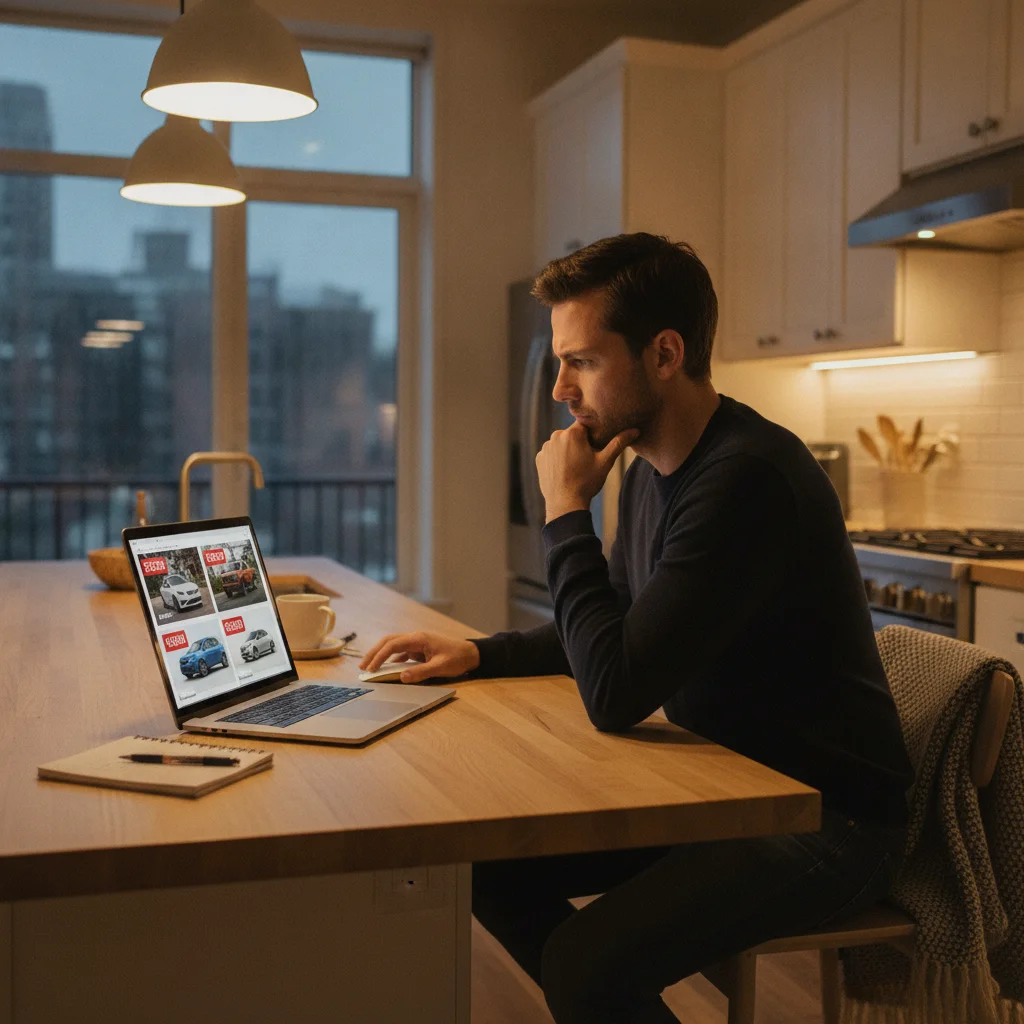
This is where private sellers genuinely shine. A private seller doesn't have reconditioning costs, lot fees, sales commissions, or a corporate margin to protect. What you see in the listing is often negotiable down to what the seller actually needs to move on. In competitive segments — think late-model sedans, trucks, and SUVs — the spread between a private listing and an online dealership price on the same vehicle can run $1,500 to $4,000.
Online dealerships price cars to reflect their overhead. Carvana, for example, invests in multi-point inspections, photography, reconditioning, and a logistics network. That's real value — but you're paying for it whether you need it or not. Their no-haggle pricing model eliminates negotiation entirely, which is either a feature or a frustration depending on your perspective.
$2,100
Average private vs. dealer price gap on used vehicles
iSeeCars analysis of millions of used car listings found private party prices average roughly $2,100 below dealer asking prices on comparable vehicles.
30 days
CarMax return window for online purchases
CarMax offers one of the most generous return policies in the online dealership segment, giving buyers a full 30 days or 1,500 miles to return a vehicle.
~23%
Share of used car buyers who now start online
Cox Automotive's annual Car Buyer Journey Study found nearly a quarter of used vehicle buyers complete significant portions of the purchase process digitally.
Private sellers also don't pad the transaction with add-ons. There's no finance office trying to sell you a GAP policy, extended warranty, or paint protection package at the end. What you agree on is what you pay, plus your state's registration and tax. Online dealerships, even the transparent ones, often add documentation fees and delivery charges that can add $500–$900 to the final number.
The caveat: squeezing the best price out of a private seller requires leverage — and leverage comes from knowing exactly what the car is worth and what condition it's actually in. Come in without that, and you're negotiating blind. Check dealer negotiation strategies for tactics that transfer well to private sales too.
Lock In Your Financing Before You Shop
Whether you're targeting a private seller or an online dealership, getting preapproved for a loan through your bank or credit union before you start gives you an independent rate benchmark. For private sales, it's essential — you need the money sourced before you can close. For online dealership purchases, it gives you a number to beat their in-house financing offer, which often you can.
Always Budget for the PPI on Private Sales
A pre-purchase inspection at an independent mechanic costs $100–$200 and can surface thousands of dollars in hidden problems before you're on the hook. Factor it into your budget before you start negotiating price, not after. Any seller who refuses to allow an inspection should be walked away from immediately — that refusal is the inspection result.
Buyer Protections: The Gap Is Enormous
Let's be direct: private sellers offer you almost nothing in the way of buyer protection. Most private sales are executed as-is, meaning once that title transfers and you drive away, you own whatever problems come with the car. No return window. No warranty. No arbitration process. If the transmission fails a week later, that's your problem.
Online dealerships operate under a fundamentally different framework. Most offer:
- Return windows (typically 7 days or 400 miles with Carvana, 30 days with CarMax)
- Limited powertrain warranties on certified inventory
- Vehicle history reports included standard
- Disclosed inspection reports on the listing
That return window is not marketing fluff — it's a material protection. If the car shows up with undisclosed problems or simply doesn't fit your needs, you have an exit. With a private seller, there is no exit once the paperwork is signed.
Private Sales Are Almost Always As-Is
Most states legally allow private sellers to sell vehicles as-is with no implied warranty of merchantability for private transactions. If a major mechanical failure occurs the day after purchase, you have no automatic legal recourse. The 'buyer beware' doctrine applies in full — which is exactly why an independent inspection and title verification are non-negotiable, not optional.
Remote Private Sales Are a Scam Hotspot
Never wire money or use payment apps (Venmo, Zelle) to purchase a car from a private seller you haven't met in person and whose vehicle you haven't inspected. Common scam patterns include prices significantly below market, sellers claiming to be abroad or deployed, and urgency pressure. If you can't physically inspect the car or do the transaction locally, the risk profile changes dramatically — treat any cross-state private sale with serious skepticism.
State lemon laws generally don't apply to private sales of used vehicles. They vary by state even for dealer transactions, but private sellers are almost entirely outside their scope. If something material was misrepresented — say, the seller knew about a flood title and didn't disclose it — you may have a civil fraud claim, but collecting on that is expensive and slow. For a deeper look at how inspection obligations differ between channels, see our guide on what changes in a private vs. dealership inspection.
Financing: A Clear Win for Online Dealerships
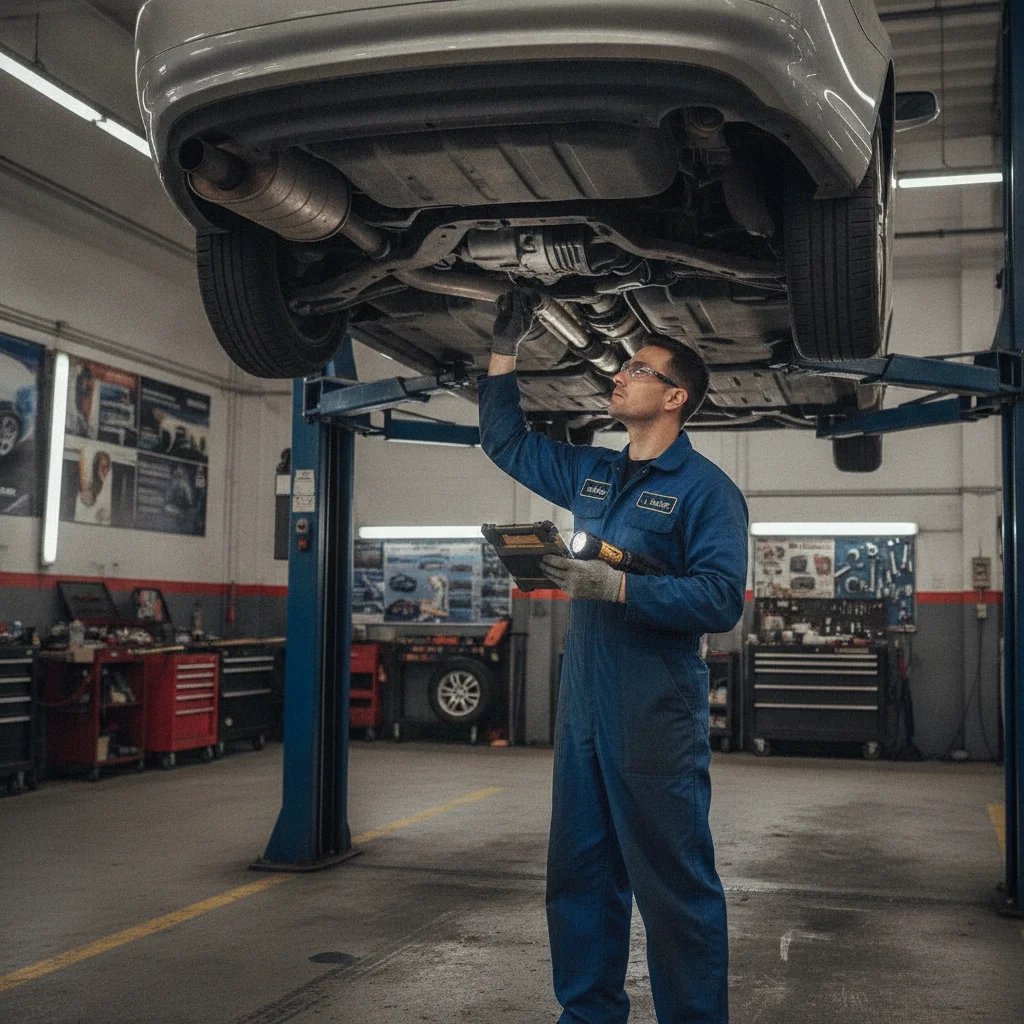
Most lenders won't finance a private party transaction with a standard auto loan. You have options — a credit union personal loan, an unsecured personal loan, or some credit unions that specifically offer private party auto loans — but rates are typically higher than dealer-channel financing, and the loan process is more manual. You're sourcing the money yourself before you even know if the seller accepts your offer.
Online dealerships integrate financing directly into the purchase flow. Carvana, for instance, uses its own lending arm (Bridgecrest) alongside third-party lenders, and you can get prequalified in minutes without a hard credit pull. CarMax works with multiple financing partners. The competition between lenders in that ecosystem sometimes produces competitive rates — though you should always compare against your own bank or credit union's offer before accepting theirs.
If you have excellent credit, you can probably source competitive private-party financing through your credit union. If your credit is subprime or thin, online dealerships have more tools to structure a deal — though expect higher rates and possible add-on pressure (GAP insurance, warranty) to make the numbers work for them.
One underappreciated factor: sales tax treatment. In many states, financing through a dealer simplifies how sales tax is handled at the point of sale. In a private transaction, you typically pay tax at the DMV when registering, which means you need that cash on hand separately. It's a cash flow issue worth planning for.
| Factor | Private Seller | Online Dealership | |
|---|---|---|---|
| Price | Typically $1,500–$4,000 lower | Market rate plus overhead | |
| Negotiability | Fully negotiable | Usually fixed / no-haggle | |
| Return Policy | None — as-is sale | 7–30 days depending on platform | |
| Financing Access | Must arrange independently | Integrated, multiple lenders | |
| Inspection Provided | None — buyer arranges PPI | Multi-point inspection included | |
| Title / Paperwork | Buyer responsible for verification | Handled by dealer | |
| Warranty | None in most cases | Limited warranty on certified units | |
| Remote Purchase Risk | High — scam exposure, no recourse | Low — return window protects buyer | |
| Add-on Pressure | None | Finance office upsells possible | |
| Transaction Speed | Variable — depends on seller | Streamlined, typically 1–3 days |
Due Diligence: Private Sales Demand More of You
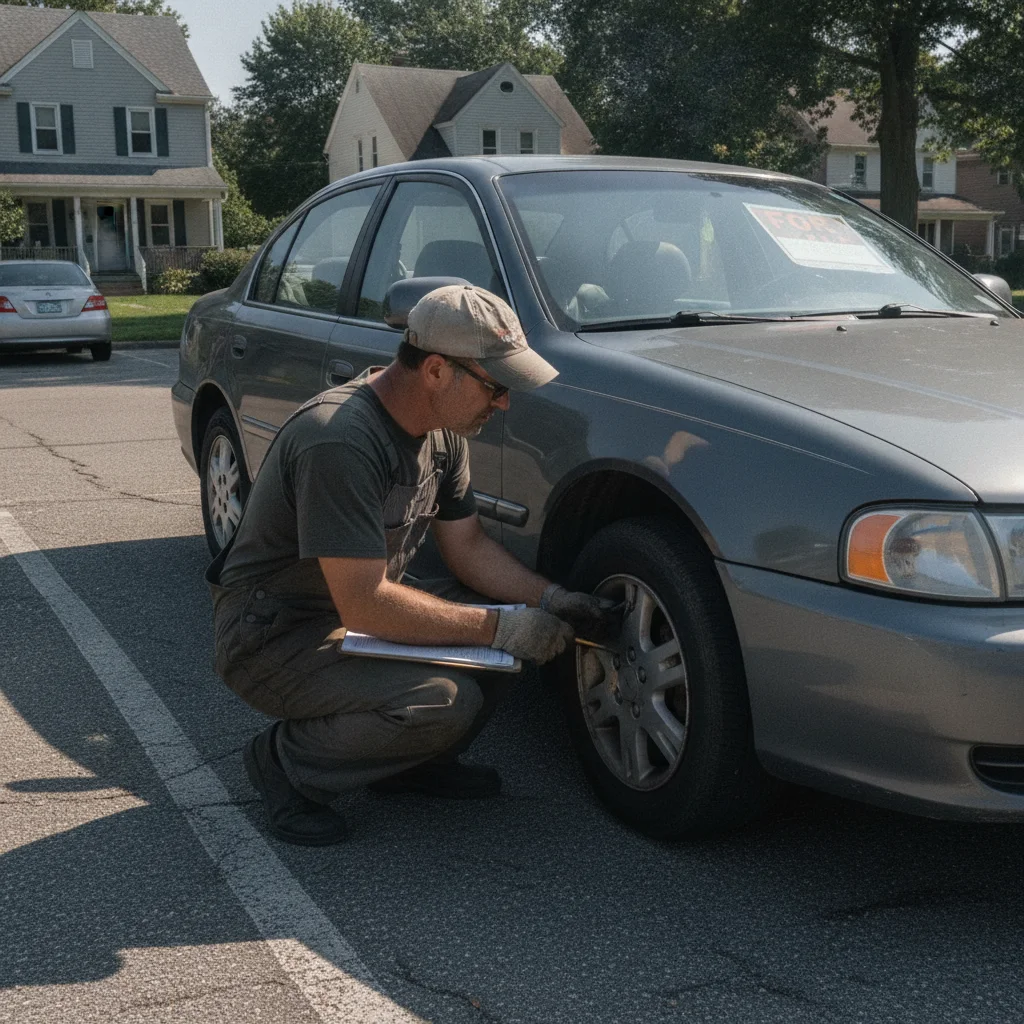
With a private seller, you are the quality control department. That means running a VIN check (Carfax or AutoCheck minimum), verifying the seller is the titled owner, checking for open recalls, and arranging a pre-purchase inspection (PPI) at an independent mechanic before you commit. The PPI alone typically costs $100–$200 and is the single most important $150 you'll spend on a used car purchase.
Sellers who refuse a PPI are telling you something. Walk away. A clean car holds up to inspection; a seller who objects to one is protecting information, not their time.
Online dealerships claim to handle much of this for you with their inspection reports. Take those reports seriously, but don't treat them as a substitute for independent verification on high-value purchases. A dealer's inspection is designed to certify the car meets their resale standards — not necessarily to surface every issue that matters to you specifically. Their inspector isn't working for you.
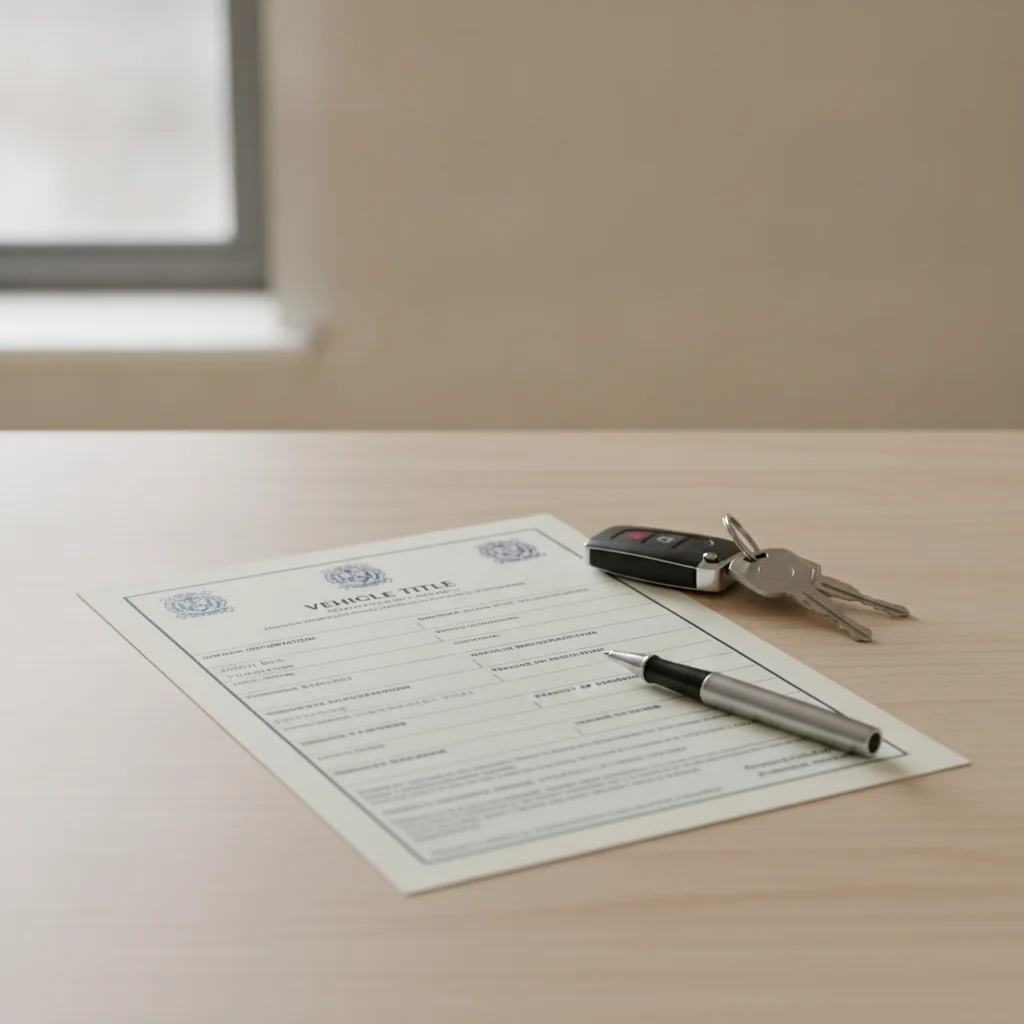
Title verification is another area where private sales require extra attention. You need to confirm the title is clean (no liens, no salvage branding, correct ownership), which means cross-referencing the VIN, the title document, and the seller's ID. Online dealerships handle title transfer as part of their process — it's arguably the least stressful part of that transaction. If you want a full comparison of how these two channels differ on this front, the private seller vs. dealership buying guide covers the paperwork differences in detail.
The Remote Buying Wrinkle: Distance and Delivery
Both channels now operate nationally, which changes the risk calculus. Buying remotely from a private seller in another state adds layers of complexity that most buyers underestimate. You cannot physically inspect the vehicle before wiring money to a stranger. Shipping adds cost and time, and if the car arrives in worse condition than listed, your recourse is limited to small claims court in the seller's state — good luck with that.
Scams targeting remote buyers are more common than ever. The classic: a listing price well below market, a seller who claims they're overseas or in a hurry, and a request to wire funds before seeing the vehicle. If a private listing feels too good to be true across state lines, it almost certainly is. Local private sales are meaningfully safer because you can meet, inspect, and transact in person.
Online dealerships, by contrast, have built entire logistics networks around remote delivery. Carvana delivers to your driveway; CarMax ships between locations. You still don't see the car before it arrives, but you have a return window to fall back on. That asymmetry in buyer protection is worth real money when you're transacting at distance.
Private Sales Are Almost Always As-Is
Most states legally allow private sellers to sell vehicles as-is with no implied warranty of merchantability for private transactions. If a major mechanical failure occurs the day after purchase, you have no automatic legal recourse. The 'buyer beware' doctrine applies in full — which is exactly why an independent inspection and title verification are non-negotiable, not optional.
Remote Private Sales Are a Scam Hotspot
Never wire money or use payment apps (Venmo, Zelle) to purchase a car from a private seller you haven't met in person and whose vehicle you haven't inspected. Common scam patterns include prices significantly below market, sellers claiming to be abroad or deployed, and urgency pressure. If you can't physically inspect the car or do the transaction locally, the risk profile changes dramatically — treat any cross-state private sale with serious skepticism.
The convenience-versus-control tradeoff is real and consequential. Our piece on the real tradeoffs of buying a car online goes deeper on what you give up when you buy remotely, regardless of channel.
Side-by-Side: Private Seller vs. Online Dealership
Here's how the two channels stack up across the factors that matter most to a digital buyer making a remote or semi-remote purchase decision.
| Factor | Private Seller | Online Dealership | |
|---|---|---|---|
| Price | Typically $1,500–$4,000 lower | Market rate plus overhead | |
| Negotiability | Fully negotiable | Usually fixed / no-haggle | |
| Return Policy | None — as-is sale | 7–30 days depending on platform | |
| Financing Access | Must arrange independently | Integrated, multiple lenders | |
| Inspection Provided | None — buyer arranges PPI | Multi-point inspection included | |
| Title / Paperwork | Buyer responsible for verification | Handled by dealer | |
| Warranty | None in most cases | Limited warranty on certified units | |
| Remote Purchase Risk | High — scam exposure, no recourse | Low — return window protects buyer | |
| Add-on Pressure | None | Finance office upsells possible | |
| Transaction Speed | Variable — depends on seller | Streamlined, typically 1–3 days |
The table doesn't have a clear winner — it has a clear framework. Your situation determines which trade-offs you can absorb. If you're also thinking about what happens when you go to sell or trade in later, the channel you buy through can affect your depreciation exposure — see how private and dealer sales interact with depreciation for that angle.

Making the Decision: A Framework That Cuts Through the Noise
Stop asking which option is generically better and start asking which option fits your specific circumstances. Here's a quick decision filter:
- Do you need financing? If yes, and you don't have a credit union private-party loan lined up, lean toward an online dealership unless you're prepared to secure that financing independently first.
- How mechanically literate are you? If you can identify major red flags on a used car or know how to hire someone who can, private sales are viable. If you can't tell a good car from a ticking time bomb, the dealership's inspection process is worth paying for.
- Is this a local or remote transaction? Private sales work best locally. Remote private sales should be treated with significant skepticism. Remote online dealership purchases are routine and come with return protections.
- How much is the price gap? Run the numbers concretely. If the private listing is $2,500 cheaper on the same year/make/model/mileage, factor in your PPI cost ($150), your time, and the value you place on a return window. Sometimes the gap justifies the risk; sometimes it doesn't.
- What's your exit plan if it goes wrong? With an online dealership, it's the return policy. With a private seller, it's a civil lawsuit you'll probably never file. Be honest with yourself about that asymmetry.
For buyers who are also considering selling their current car, the channel decision on the buy side connects to the sell side. See how trading in versus selling privately affects your overall transaction economics before you commit to either path.
Lock In Your Financing Before You Shop
Whether you're targeting a private seller or an online dealership, getting preapproved for a loan through your bank or credit union before you start gives you an independent rate benchmark. For private sales, it's essential — you need the money sourced before you can close. For online dealership purchases, it gives you a number to beat their in-house financing offer, which often you can.
Always Budget for the PPI on Private Sales
A pre-purchase inspection at an independent mechanic costs $100–$200 and can surface thousands of dollars in hidden problems before you're on the hook. Factor it into your budget before you start negotiating price, not after. Any seller who refuses to allow an inspection should be walked away from immediately — that refusal is the inspection result.

All claims are backed by peer-reviewed research. Sources on request.