Key Takeaways
The Valuation Tool Problem Nobody Talks About
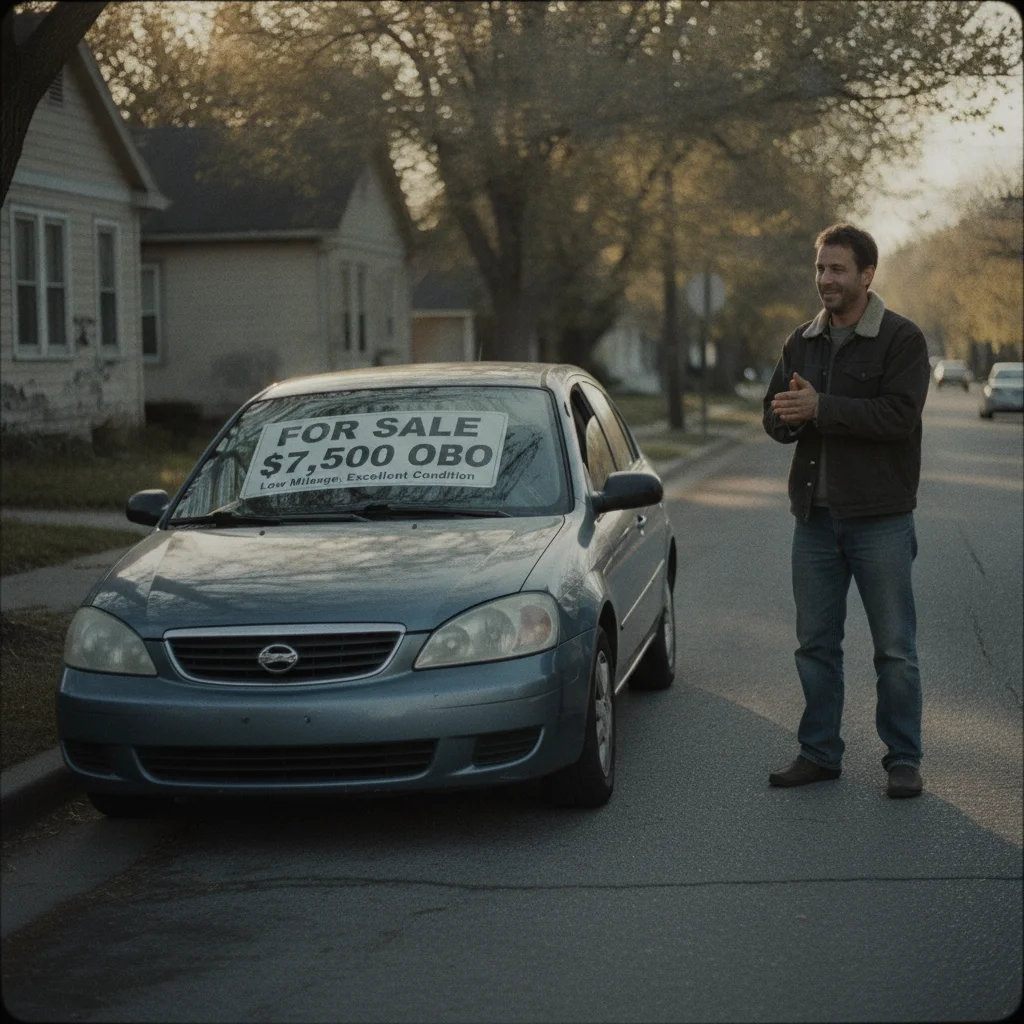
Here's a scenario that plays out thousands of times a day: a seller inputs their car's year, make, model, and mileage into a valuation tool, gets back a range of numbers, and decides to list at or above the highest figure. It feels logical — why not start high and negotiate down?
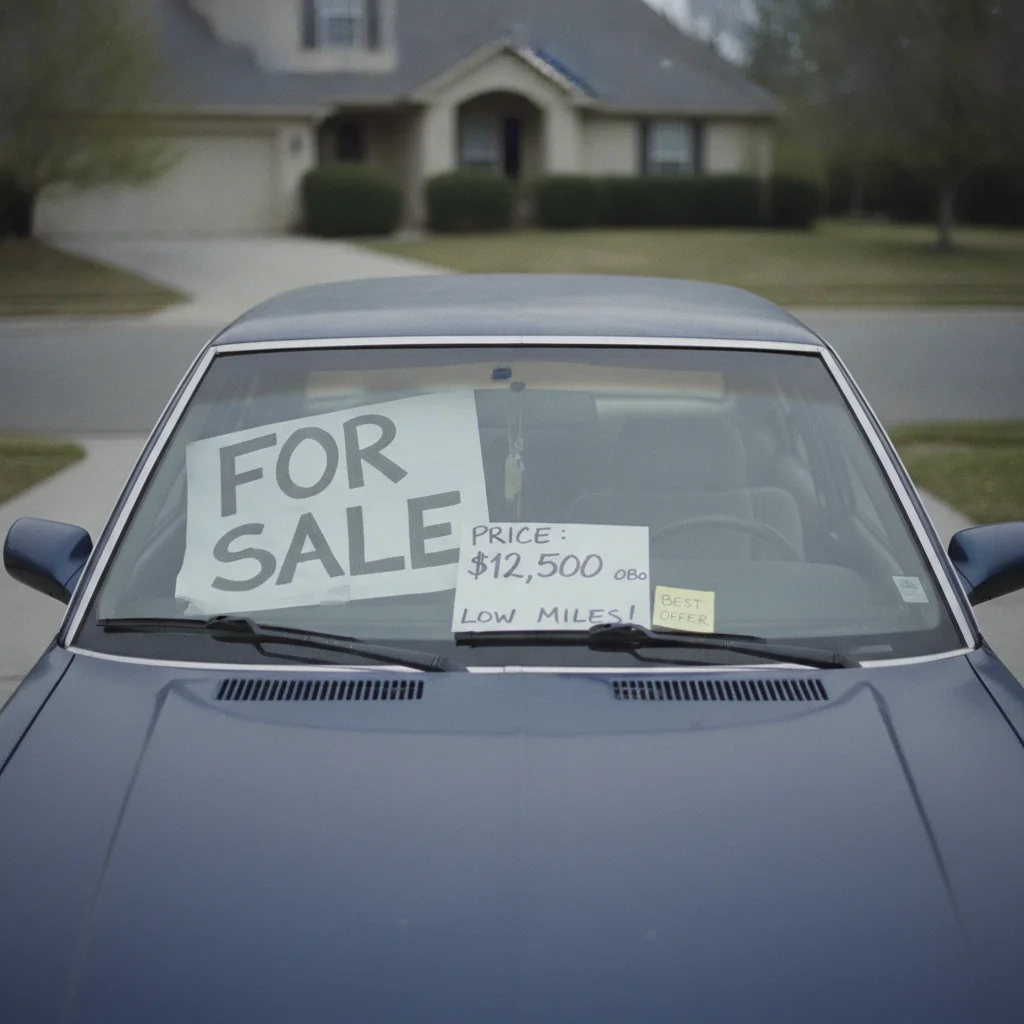
The problem is that this approach misunderstands what valuation tools are actually measuring, and sellers who use them this way often end up sitting on unsold listings for weeks while comparable cars move. The data on this is pretty consistent: overpriced listings don't just sell slower — they often sell for less than they would have at a realistic price, because prolonged market exposure signals to buyers that something is wrong with the car.
This article breaks down why sellers overprice, which tools are more or less likely to encourage that mistake, and what a smarter approach to using valuation data looks like. If you want to understand the emotional side of this problem too, why sellers consistently overestimate what their car is worth covers the attachment and anchoring biases that push prices up before any tool is even opened.

How the Major Valuation Tools Actually Differ
Sellers often treat Kelley Blue Book, Edmunds, NADA Guides, and CarGurus as interchangeable. They're not. Each uses a different methodology, draws on different data sources, and is optimized for a different use case. That's why the same car can return a spread of $1,500 to $3,000 across platforms — and why picking the highest number is a mistake.
18–32 days
Average days to sell a correctly priced used car
Industry data from Cox Automotive's annual used car market reports consistently shows privately listed cars priced within 5% of market average sell within this window.
$1,500–$3,000
Typical spread across major valuation tools for the same vehicle
Running the same car through KBB, Edmunds, and NADA at identical inputs routinely produces estimates that differ by this range, depending on vehicle age and segment.
~$800
Average overpricing gap per private listing
Research from iSeeCars analyzing private party listings versus transaction prices found sellers on average list approximately $800 above what similar cars actually sold for.
Less than 10%
Used cars that genuinely qualify as Excellent condition
According to KBB's own condition definitions, Excellent-rated vehicles must be in near-showroom quality — a threshold most private party vehicles do not meet.
Kelley Blue Book (KBB)
KBB is the name most sellers recognize, and that familiarity creates misplaced confidence. KBB publishes both a private party value and a dealer retail value. Many sellers mistakenly use dealer retail — the price you'd expect to pay at a dealership — as a benchmark for a private sale. That number includes dealer overhead, reconditioning costs, and profit margin. It's the wrong baseline for a private transaction, and using it virtually guarantees overpricing. KBB's private party values tend to run slightly on the optimistic side compared to what cars actually clear in the market, but they're a reasonable starting point when used correctly.
Edmunds
Edmunds publishes a True Market Value (TMV), which is calibrated closer to actual transaction prices. Edmunds pulls in real sale data and adjusts for regional market conditions, which makes its figures somewhat more grounded than KBB in many markets. For sellers, Edmunds tends to produce a slightly more conservative estimate — which means it's often closer to what a buyer will actually pay.
NADA Guides
NADA was originally designed for the lending and dealer industry. Its numbers tend to run higher than the retail market supports for older or high-mileage vehicles, partly because it was built to serve lenders who need conservative risk estimates, not buyers looking for market-rate pricing. NADA is useful as a ceiling reference but shouldn't drive your listing price in a private sale.
CarGurus Price Analysis
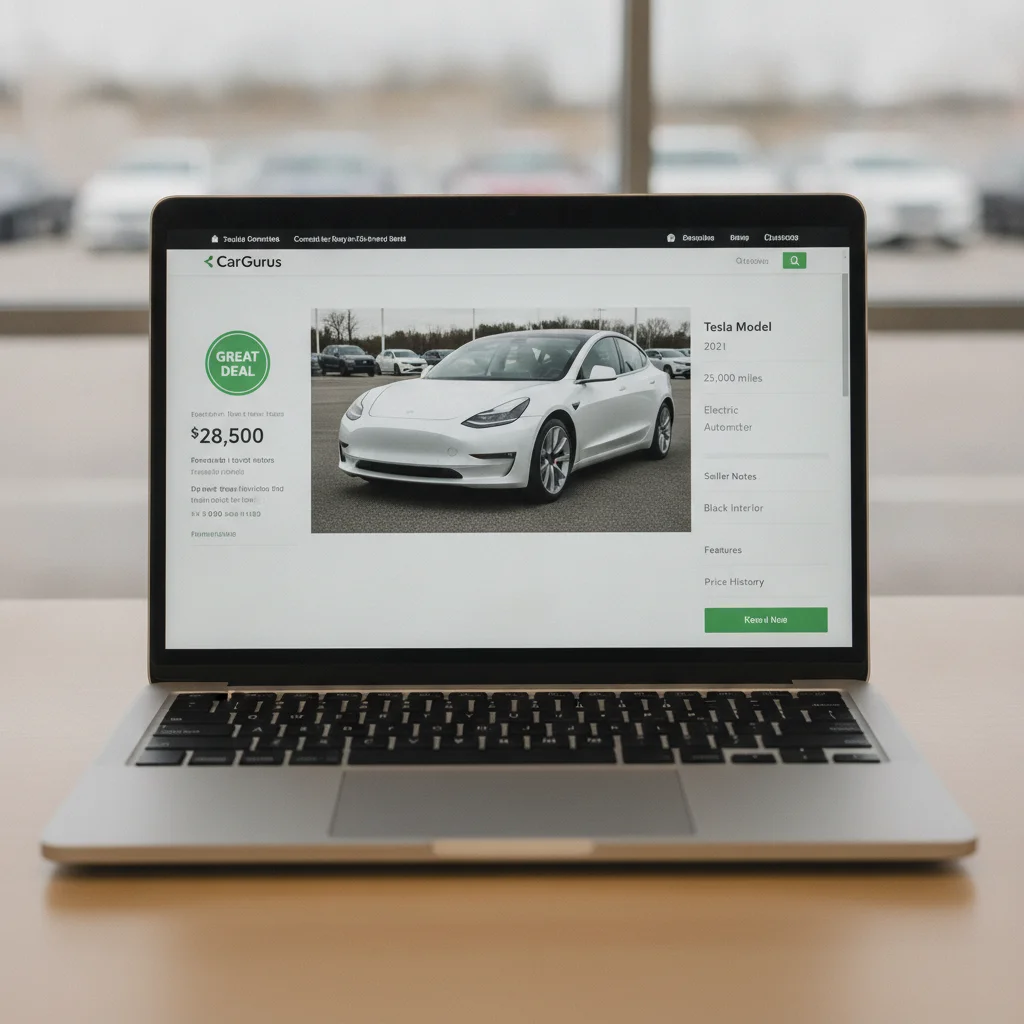
CarGurus takes a different approach entirely. Rather than producing a standalone estimated value, it rates your listing relative to similar active listings in your region — categorizing them as Great Deal, Good Deal, Fair Price, or High Price. This is arguably the most useful real-time signal for a seller because it reflects what actual buyers are seeing right now. What CarGurus price analysis actually tells you about your car's value goes deeper on how that rating is derived and what it means in practice.

The Mistakes Sellers Make With These Tools
The tools themselves aren't the problem — misuse is. Below are the most common errors, why they happen, and what to do instead.
Using dealer retail value as the benchmark for a private sale listing.
Why it happens: KBB displays both private party and dealer retail values on the same page, and dealer retail is always higher. Sellers gravitate toward the bigger number without reading the fine print about what it actually represents.
Cherry-picking the single highest estimate from across multiple tools and treating it as the asking price.
Why it happens: When you get four different numbers, it feels rational to use the highest — it's still technically within the range a tool produced. But each tool's high-end figure reflects different assumptions, and stacking them creates a price that no tool's methodology actually supports.
Rating the car's condition as Excellent or Very Good when Good is the honest assessment.
Why it happens: Sellers are emotionally attached to their cars and remember them at their best. Minor scratches, worn interior trim, and maintenance gaps get mentally minimized. The result is a condition rating — and therefore an estimate — that's one tier too high.
Ignoring regional market variation and using national average estimates in a local market that prices differently.
Why it happens: Valuation tools display a single figure or narrow range that feels authoritative, but most tools average across broad geographic areas. A truck that commands a premium in rural Montana may sit unsold for months in a coastal city at the same price.
Pricing in recent repairs and maintenance as if they add dollar-for-dollar value.
Why it happens: Sellers reason that a new set of tires or a recent timing belt replacement should increase the asking price because those repairs cost real money. But buyers view maintenance as the baseline expectation for a car in claimed condition, not a value-add.
Failing to account for how long listings have been sitting when researching comparable prices.
Why it happens: Sellers look at what others are asking, not what's actually selling. An overpriced listing that's been live for 90 days looks like market data — but it's actually evidence that the price doesn't work.
Condition Ratings: The Hidden Inflation Point
Every valuation tool asks you to rate your car's condition. Most use a scale like Poor / Fair / Good / Very Good / Excellent. This is where sellers quietly inflate their own estimates without realizing it.
Self-Grading Condition Is Where Estimates Go Wrong
Every extra condition tier you claim adds hundreds of dollars to your valuation estimate — and sets buyer expectations your car may not meet at inspection. A buyer who shows up expecting 'Excellent' and finds 'Good' will either walk or demand a significant discount on the spot. Honest grading upfront prevents this negotiation ambush and builds credibility with serious buyers.
Stale Listings Distort Your Research
When you scan comparable listings for pricing research, cars that have been sitting for 60 or 90 days are not evidence that your price is valid — they're evidence that the price isn't working. Using stale, unsold listings as your pricing reference is one of the most common ways sellers convince themselves an overpriced number is reasonable. Always prioritize recently posted or recently sold comparables.
The reality is that Excellent condition is reserved for near-showroom cars — no scratches, no interior wear, full service records, essentially zero deferred maintenance. In practice, fewer than 10% of private party listings actually qualify. Very Good is the realistic ceiling for most well-maintained used cars. Good is where the majority of honest assessments land.
The gap between Excellent and Good on KBB private party values typically runs $500 to $1,500 depending on the vehicle. If you rate your car Excellent when it's realistically Good, you've just added that premium to your estimate — and your listing — before you've even looked at comparable sales.
For a systematic way to calibrate condition honestly before running any estimate, how to adjust a valuation estimate for your car's actual condition walks through the process category by category.
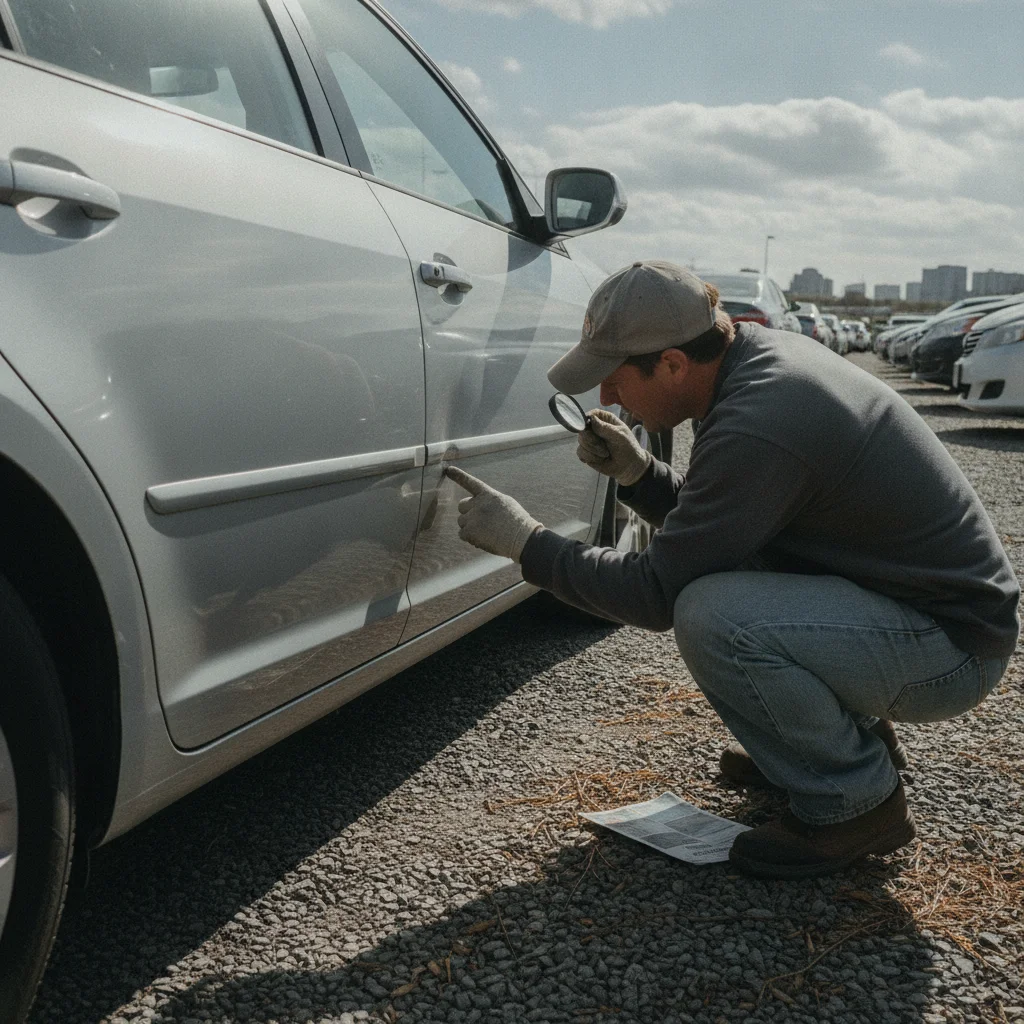
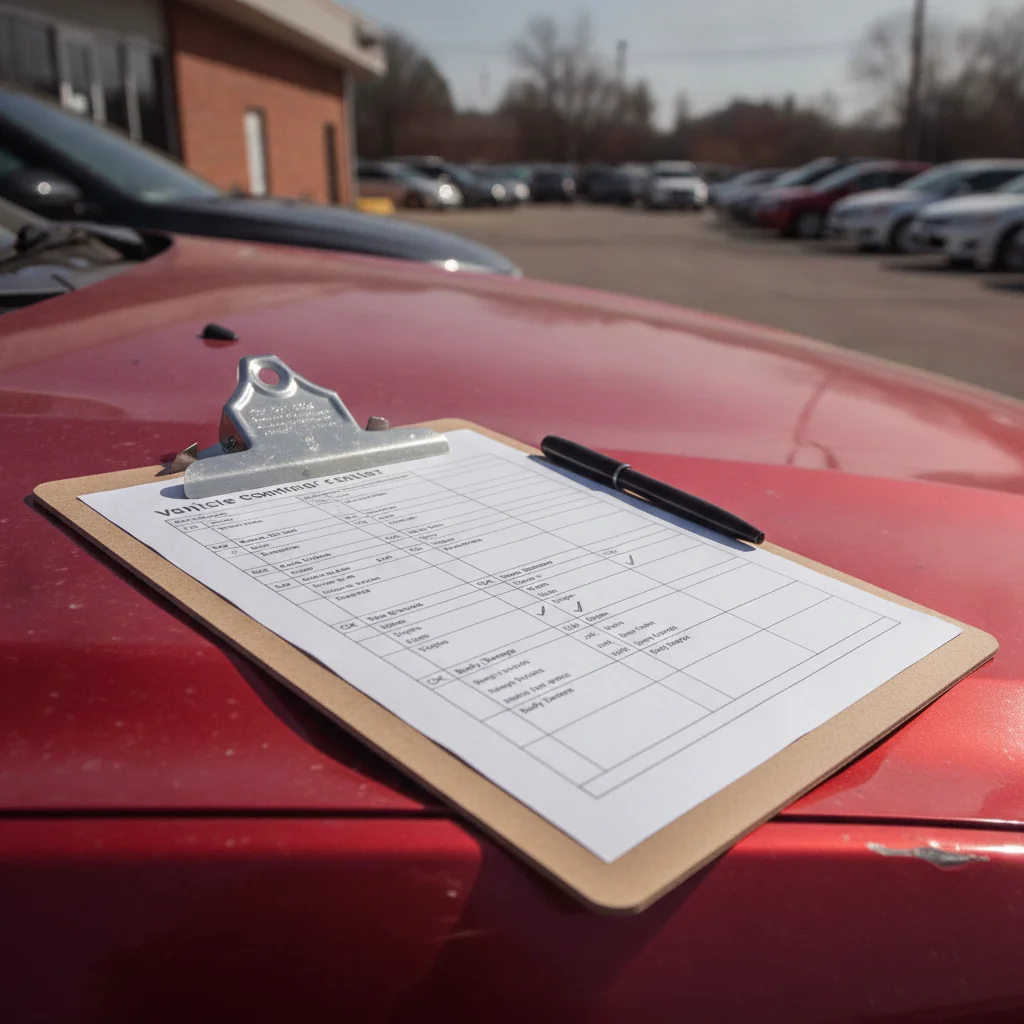
Walk around your car with the criteria in hand before you touch any valuation tool. Grade exterior paint, glass, interior, mechanical, and tires separately. Be as honest as a buyer who's never seen the car would be — because that's exactly who you're about to negotiate with.
What Actually Sets a Market-Grounded Price
Valuation tools give you a starting range. They do not tell you what your specific car will sell for in your specific market this week. To get from the tool estimate to a defensible asking price, you need to do one more step: look at real listings.
Real Listings Beat Tool Estimates Every Time
Valuation tools give you a calibrated starting point, not a final answer. The definitive check on any estimate is what similar cars are actively listed for — and how long they've been sitting — in your specific geographic market. If your tool estimate consistently lands above local active listings, the market is telling you something the algorithm can't. Price to the market, not the tool.
Overpricing Costs More Than Underpricing
Sellers fear leaving money on the table by pricing too low, but extended market exposure is often more damaging. Cars listed for more than 45 days trigger buyer skepticism — the automatic assumption is that something is wrong with the vehicle. The price reduction you eventually make to move the car frequently erases any gain from starting high, and you've lost weeks of your time in the process.
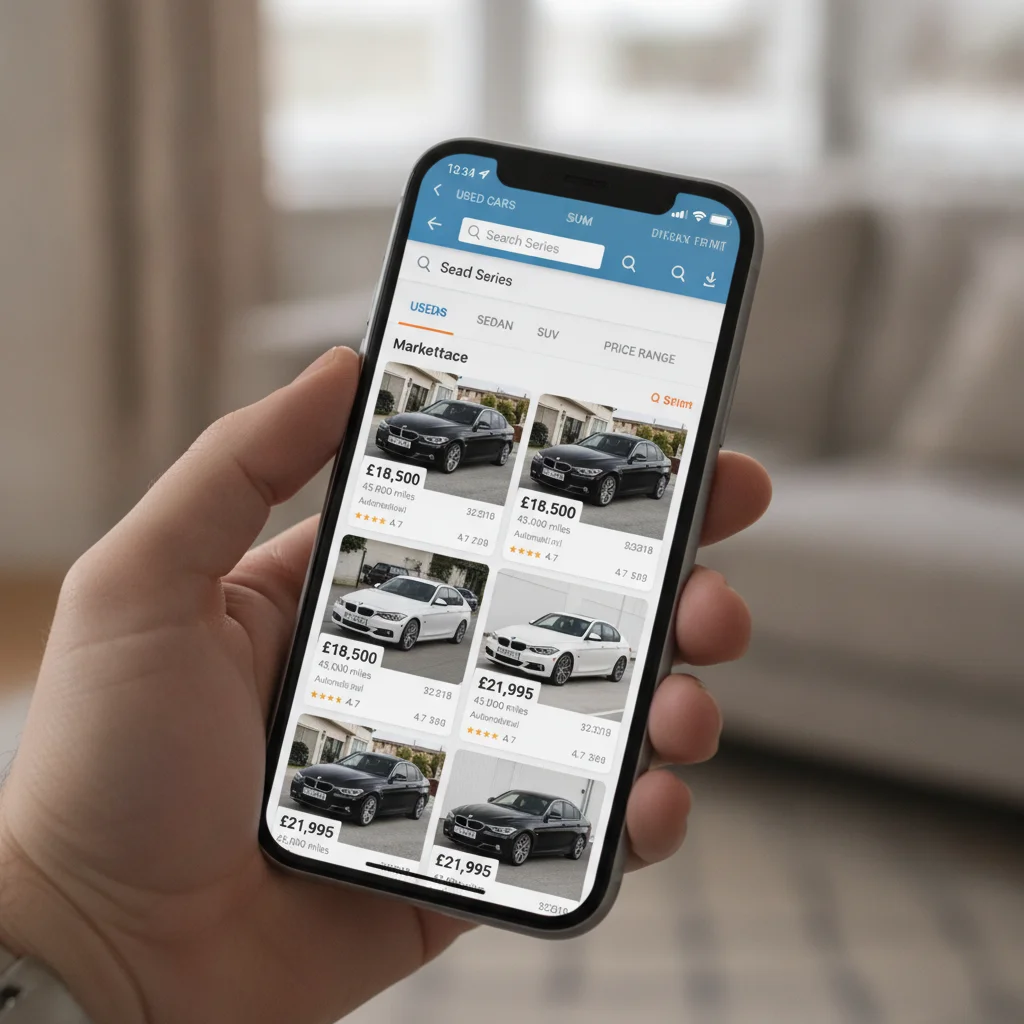
Go to CarGurus, AutoTrader, or Facebook Marketplace and filter for your car's year, make, model, trim, and mileage within a 100-mile radius. Look at what's actually listed and, if possible, what's recently sold (CarGurus sometimes shows sold prices on older listings). This is your real competition. If there are six comparable listings between $14,500 and $15,800, listing at $17,200 because KBB said so isn't a strategy — it's wishful thinking.
Pay attention to mileage bands. A car at 68,000 miles competes differently than one at 94,000 miles, even if they're the same year. If your car is pushing toward or past 100,000 miles, standard tool estimates become less reliable — pricing a high-mileage car where standard valuation tools fall short explains why and how to supplement algorithmic data with direct market research.
Also consider timing. Market conditions affect what a car will sell for in ways that no valuation algorithm captures in real time. Trucks and SUVs move faster in fall and winter in certain regions. Convertibles spike in spring. If your timing is flexible, understanding market timing can help you identify when conditions favor your car type.
For buyers on the other side of this equation who want to understand how sellers are arriving at their numbers, the used car buying hub covers how to evaluate a listing price against market reality before making an offer.
Building a Price You Can Defend
The goal isn't to find the highest number you can justify — it's to find the number that attracts serious buyers quickly without leaving meaningful money on the table. Here's a simple process that works:
- Run three tools: KBB private party, Edmunds TMV, and NADA. Note all three values at the same condition grade.
- Grade your condition honestly: Walk the car before you open a single tool. Be the skeptical buyer, not the proud owner.
- Check real local listings: Find 5–10 comparable cars within 100 miles. Note the asking price range and how long the listings have been live.
- Triangulate: Your asking price should sit in the overlap zone between what the tools say at an honest condition grade and what actual market listings support.
- Build in negotiation room: Most private buyers expect to negotiate. Price 5–8% above your true floor, not 20% above hoping someone will bite.
If the tools are returning numbers lower than you expected, resist the urge to dismiss them. What to do when the valuation is lower than you expected covers how to investigate whether the estimate is genuinely off — and how to make your case with data when it is.
For a complete framework on landing on the right number from scratch, setting the right asking price for a private car sale covers the full methodology, including how to factor in features, service records, and recent repairs.
One last thing: valuation tools are blind to a lot of what makes your specific car more or less valuable than their models suggest. Factors that valuation algorithms can't see details what gets left out — and how to account for those gaps without just adding arbitrary dollars to your price.

All claims are backed by peer-reviewed research. Sources on request.