Key Takeaways
Why Odors Kill Deals Faster Than Almost Anything Else
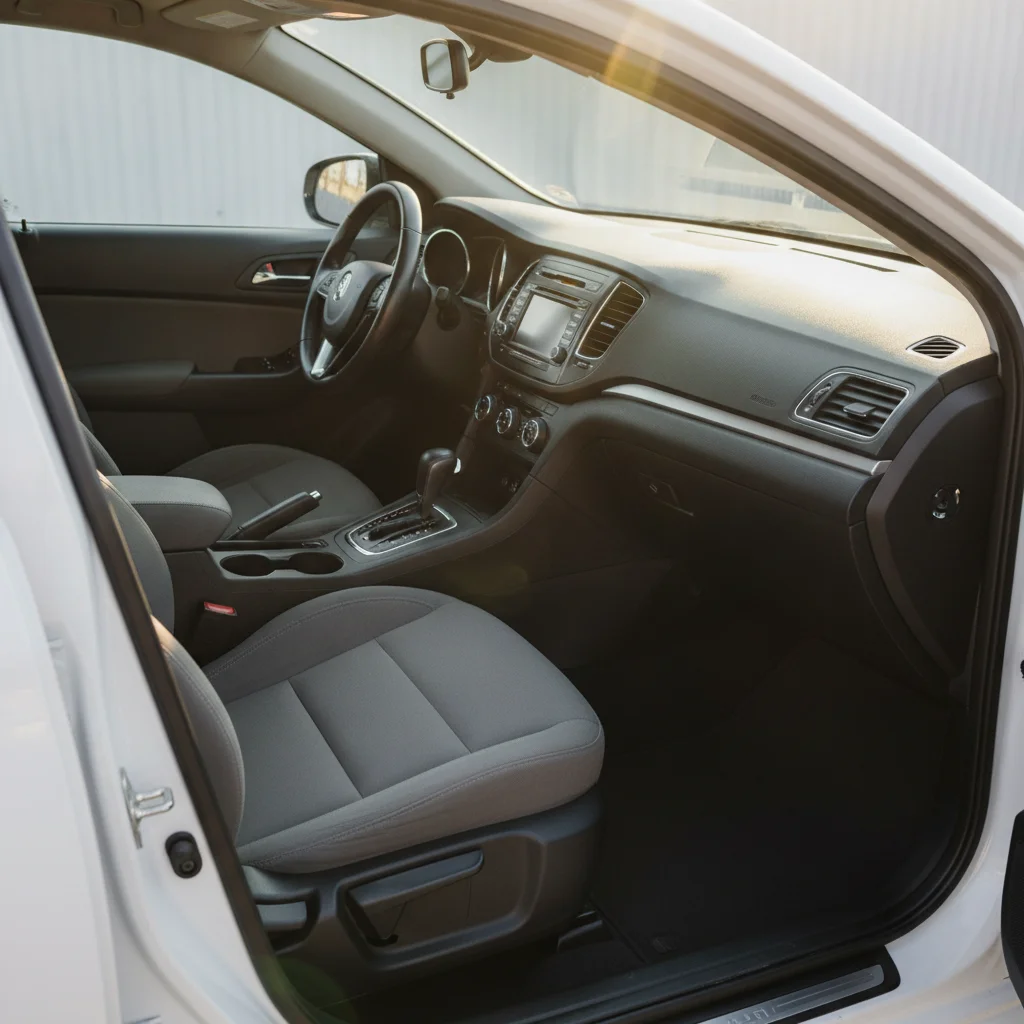
When a buyer opens your car door, they make a subconscious judgment in about three seconds. Before they check the mileage, before they poke at the upholstery, before they even glance at the dashboard — they smell the cabin. And if what they smell is cigarette smoke, wet dog, or mildew, the conversation shifts immediately. Suddenly every question becomes adversarial. Suddenly the price they had in mind drops by $500 or more.
This isn't an exaggeration. According to industry surveys on used car buyer behavior, interior odor consistently ranks among the top three reasons buyers walk away from a private sale — right alongside mechanical concerns and cosmetic damage. It's a faster deal-killer than worn tires or a cracked trim piece, because smell is visceral and emotional in a way that visual flaws aren't.
The good news is that most odors can be dramatically reduced or eliminated with the right approach. The frustrating part is that the internet is full of advice that sounds reasonable but simply doesn't work. And when sellers rely on ineffective methods, they spend money, waste time, and still end up with a car that smells like a problem.
This guide cuts through the noise. We're going to look at the most common myths around odor removal — the ones sellers believe because they've heard them repeatedly — and replace them with what the evidence actually supports. If you're preparing to sell, understanding this distinction could be worth real money.
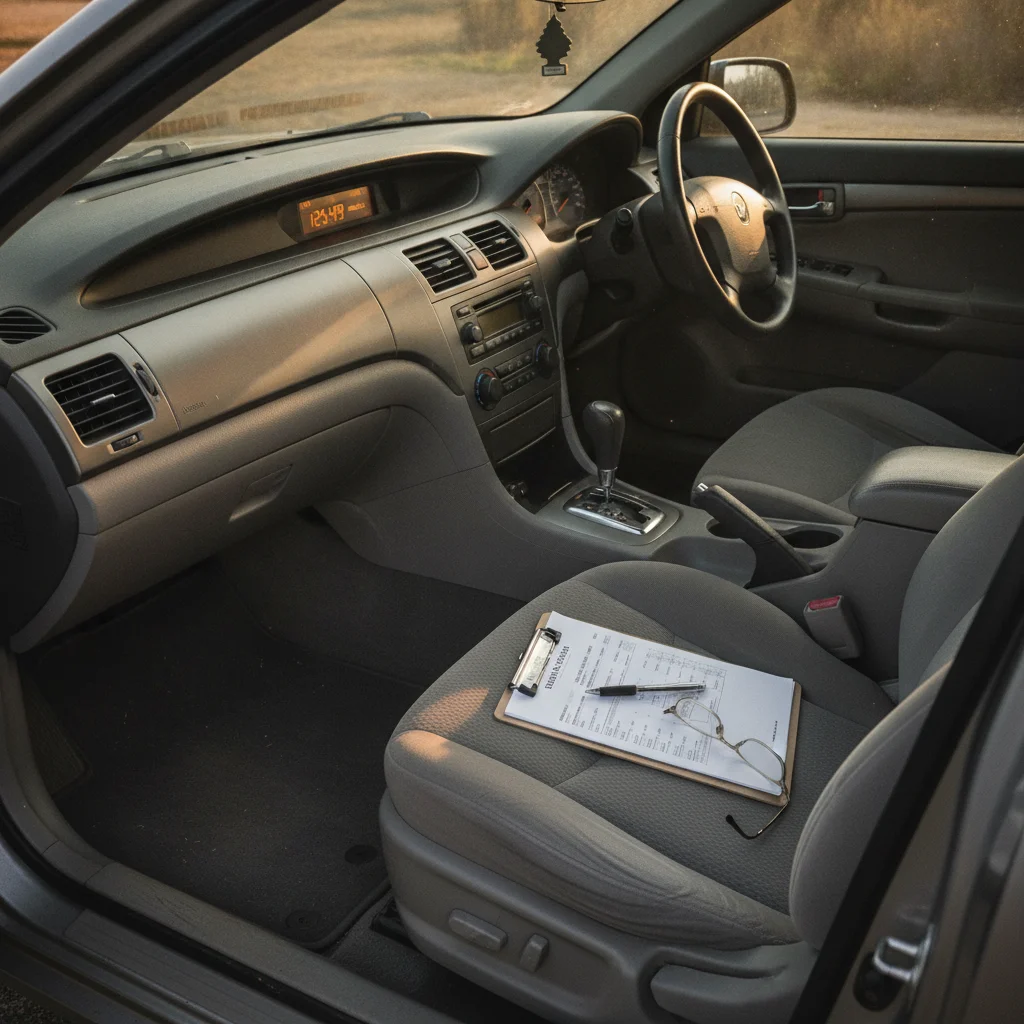
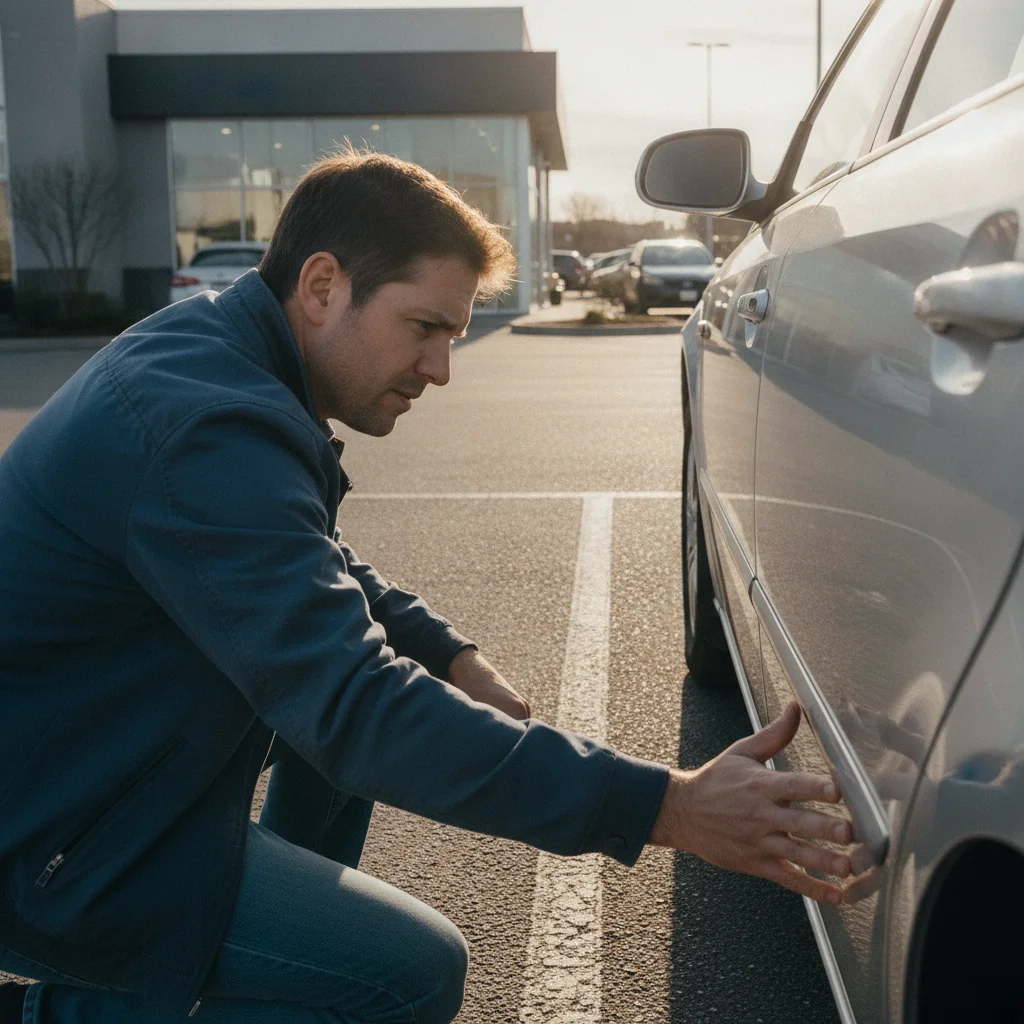
For context on how odors fit into the broader picture of what buyers notice, here's what buyers actually clock first during an inspection. Spoiler: smell is near the top of that list too.
The Myths — And the Real Story Behind Each One
These are the most persistent misconceptions sellers encounter when trying to deal with interior odors. Each one is rooted in partial truth, which is what makes them so sticky — and so damaging when relied on exclusively.
Myth
Leaving a box of baking soda in the car overnight will absorb and eliminate odors.
Fact
Baking soda is a mild odor absorber effective in enclosed, still air — like a refrigerator. In a car cabin with porous fabric, foam padding, and carpet, it absorbs almost nothing meaningful.
The baking soda myth comes from a legitimate household use — it really does work in a fridge because the space is small, sealed, and the odor molecules are airborne and accessible. A car interior is a very different environment. The odor isn't floating freely; it's embedded in seat foam, headliner fabric, carpet backing, and HVAC ducting.
Sprinkling baking soda on a car carpet and vacuuming it out will remove a surface layer of particles — which can help a little with mild smells — but it does nothing to the absorbed compounds deeper in the material. For anything beyond the faintest residual odor, you need a product that chemically breaks down the odor molecules, not one that simply sits nearby and hopes to attract them.
Save the baking soda for your refrigerator. Your car needs an enzyme-based cleaner or a thorough steam clean.
Myth
Air fresheners and odor-eliminating sprays will get rid of smoke and pet smells.
Fact
Air fresheners add a competing scent on top of the existing odor — they don't neutralize or remove it. Most buyers can detect both smells simultaneously, which often makes the impression worse.
This is probably the most expensive myth on this list, because sellers buy product after product hoping the next one will finally solve the problem. Febreze, pine tree hangers, spray deodorizers — none of these eliminate odor molecules. They either temporarily mask the smell or, in the case of Febreze, use cyclodextrin molecules to trap some airborne odor compounds. But the compounds embedded in your seats and carpet are not airborne. They're bound to material fibers.
What buyers actually experience when they open a car door that has been freshener-treated over a smoke or pet odor is a layered smell — the original problem odor plus the artificial fragrance on top of it. This combination often reads as deliberate concealment to savvy buyers, which erodes trust immediately.
Air fresheners have a valid, limited role: they can provide a neutral or mild pleasant scent in a car that has already been properly cleaned. As a standalone treatment for a real odor problem, they are counterproductive.
Myth
Parking the car outside in the sun with the windows open will air out any odor.
Fact
Airing out helps reduce volatile surface odors temporarily, but it does not remove embedded odor compounds from fabric, foam, or plastic surfaces — which is where most persistent smells actually live.
Fresh air and sunlight do have some legitimate effect. UV light can break down some organic compounds, and airflow does carry away the most volatile surface-level odors. If you've just transported something smelly and the car has had minimal contact time, airing it out can work reasonably well.
But for established odors — smoke from weeks or months of use, pet odors that have dried into upholstery, mildew that has colonized carpet backing — the source of the smell is not sitting on the surface waiting to evaporate. It's chemically bonded to the material. No amount of fresh air reaches those compounds. You need a chemical treatment that physically breaks down or neutralizes the odor molecule at the source.
Airing out is a useful final step after proper cleaning — it helps clear any treatment residue and freshens the space. It should never be the primary strategy.
Myth
A professional detail will always fully eliminate odors, no matter how severe.
Fact
Professional detailing significantly improves most odor situations, but severely embedded smoke or pet odors — especially those that have penetrated seat foam or subfloor padding — may require multiple treatments or additional steps like ozone therapy.
Professional detailers are genuinely skilled, and a good interior detail will address the vast majority of odor problems. But "professional detailing" is not a magic word. What matters is the specific techniques and products used, and whether the severity of the odor matches what those techniques can address.
A heavy smoker's car that has been used daily for five years has smoke compounds embedded in the seat foam, the headliner backing, the dash vents, the HVAC evaporator coil, and potentially the carpeting all the way down to the sound-deadening material beneath it. A surface steam clean and enzyme spray won't reach all of those layers. The detailer may do excellent work and still leave the car with a residual odor that a buyer notices.
When you call a detailer, be completely honest about the odor type and history. Ask specifically what their process includes for that odor type. A trustworthy detailer will tell you honestly whether a single treatment is likely to resolve it, or whether ozone therapy or repeat treatment is needed. This helps you set realistic expectations and budget accordingly before the sale.
Myth
Mildew smell will go away on its own once the car dries out.
Fact
Mildew is a living organism. Once it has colonized carpet, foam, or other materials, it will continue to grow and produce odor-causing compounds unless the source of moisture is fixed and the affected material is treated or replaced.
This is the myth with the most potential for real financial damage. Sellers often notice a musty smell, attribute it to a one-time event (a wet dog, a forgotten water bottle, a rainy day with windows down), and assume it will resolve on its own once things dry. Sometimes that's true. But if the moisture source is ongoing — a leaking sunroof drain, a cracked door seal, a clogged AC condensate drain — the mildew will keep returning regardless of how many times you dry it out.
Even in cases where the moisture source was genuinely a one-time event, if the material stayed wet long enough for mildew to establish, drying alone won't eliminate it. The mildew organism is still present in the carpet backing or foam; it's just dormant. The next time humidity rises, the smell returns.
Effective mildew remediation requires: (1) finding and fixing the moisture source, (2) treating affected materials with a mold-specific cleaner or an enzyme product effective on mold, and (3) ensuring complete and thorough drying — sometimes with the help of a dehumidifier or commercial drying equipment. In severe cases, carpet and padding may need replacement rather than treatment. This is worth knowing before you list, not after a buyer's inspection turns it up.
Myth
Charcoal bags or activated charcoal products eliminate serious odors effectively.
Fact
Activated charcoal has real absorptive properties and works well for mild, ambient odors over time — but it is far too slow and limited in capacity to address strong embedded odors within the timeframe of preparing a car for sale.
Activated charcoal does absorb odor molecules — it's not a complete myth in the way that baking soda is. The problem is one of scale and timing. A charcoal bag placed in a car interior needs weeks or months to have meaningful impact on ambient airborne odors, and it cannot penetrate fabric or foam to treat embedded compounds at all.
If you have two weeks before you photograph the car and a mild musty smell that is not sourced in mildew, a quality activated charcoal product might contribute to a modest improvement. But if you're dealing with smoke, pet urine, or established mildew with a week or less before your listing goes live, activated charcoal is not your solution — it's a distraction from the treatments that would actually work in that timeframe.
Think of activated charcoal products as a maintenance tool for a car that already smells clean: useful for keeping a neutral-smelling interior fresh over time. They are not a remediation tool for an active odor problem.
Never Use DIY Ozone Machines Without Caution
Consumer-grade ozone generators are available for purchase online, but ozone is a lung irritant and can be harmful at the concentrations needed to neutralize embedded odors. If you use one, the car must remain sealed during treatment and fully ventilated — with doors and windows open — for at least two to four hours afterward before anyone enters. When in doubt, pay a professional detailer to do this step safely.
Masking Odors Before a Viewing Can Backfire Legally
Intentionally concealing a known material defect — including a severe odor caused by mold or structural moisture damage — can expose private sellers to liability claims in some states. Using strong air fresheners to cover an odor you know is serious is not just a buyer trust issue; it may have legal implications. Disclose significant odor problems honestly in your listing.
If you're uncertain whether an odor in your car might indicate something mechanical — a coolant leak, an electrical issue, or a burning component — that's a separate concern worth understanding before you sell. Different odors point to different systems, and some of them aren't cosmetic at all.
Building a Real Odor-Elimination Plan
Once you've cleared the myths out of the way, the practical path forward is actually pretty straightforward. The key is to work in the right sequence: identify the source, remove it, treat the affected surfaces, and only then consider deodorizing products as a finishing step — never as the whole strategy.
Top 3
Odor's rank among used car deal-breakers
Industry surveys of used car buyers consistently place interior odor among the top three reasons buyers walk away from a private sale.
$300–$500
Typical price reduction from persistent odor
Buyers routinely use smoke or pet odors as negotiation leverage, commonly discounting offers by several hundred dollars relative to comparable odor-free vehicles.
$50–$150
Cost of professional ozone treatment
Professional ozone treatment is widely available through auto detailers and represents one of the highest-ROI pre-sale investments for odor-affected vehicles.
3 seconds
Time for buyers to form a smell impression
Research on consumer sensory behavior suggests odor assessments occur almost immediately upon entering an enclosed space, before any conscious evaluation begins.
Step 1: Find and Remove the Source
No deodorizer works if the source is still present. For smoke odors, that means cleaning the headliner, seat fabric, carpet, and HVAC intake filter — all of them, not just the obvious surfaces. Cigarette smoke particles are microscopic and penetrate deep into foam padding. For pet odors, look for dried urine under floor mats and on seat bolsters. For mildew, locate the moisture source — common culprits include a leaking sunroof drain, a failed windshield seal, or a clogged AC drain tube.
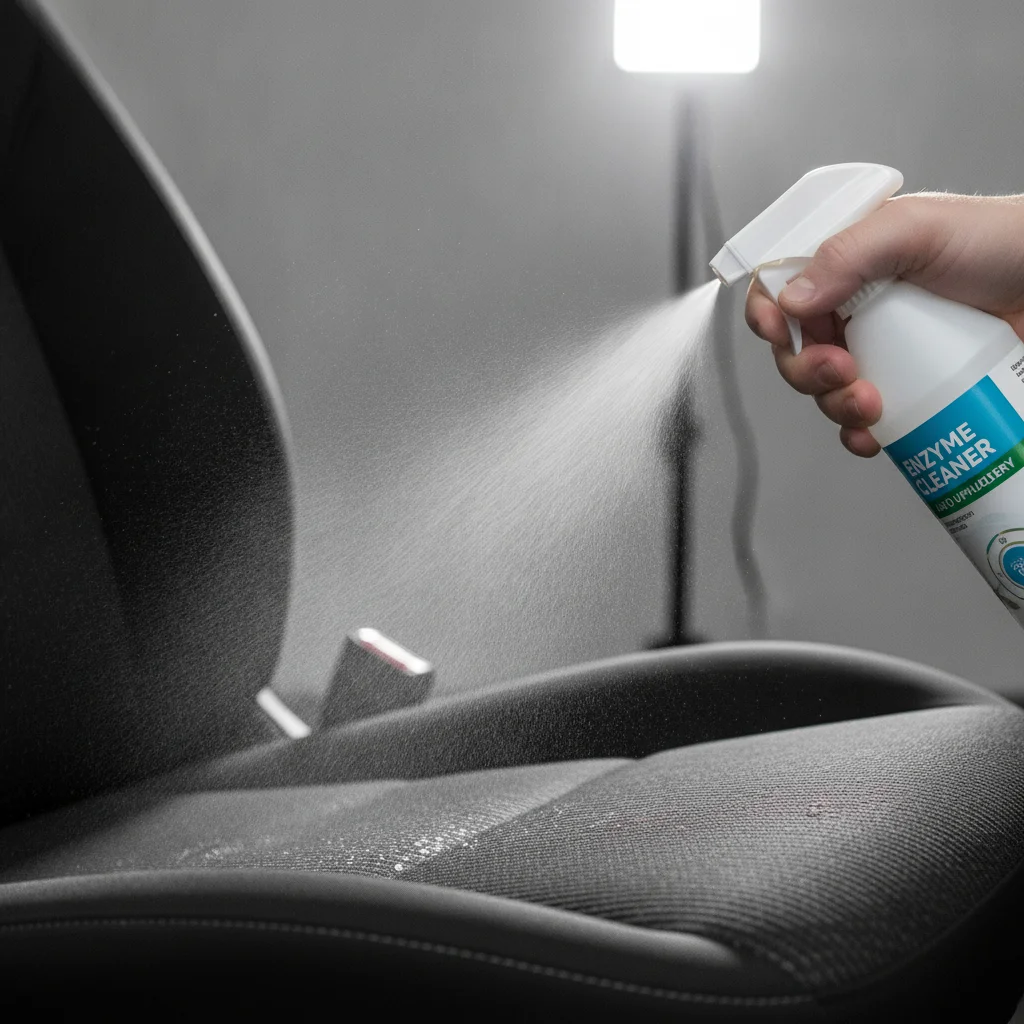
Step 2: Use the Right Cleaners for Each Odor Type
Enzyme-based cleaners are your best tool for organic odors: pet urine, food residue, and anything biological. They work by breaking down the odor-causing molecules chemically, rather than coating them with fragrance. Brands like Nature's Miracle or Rocco & Roxie are widely available and genuinely effective when used correctly — which means saturating the material, allowing dwell time, and letting it dry fully.
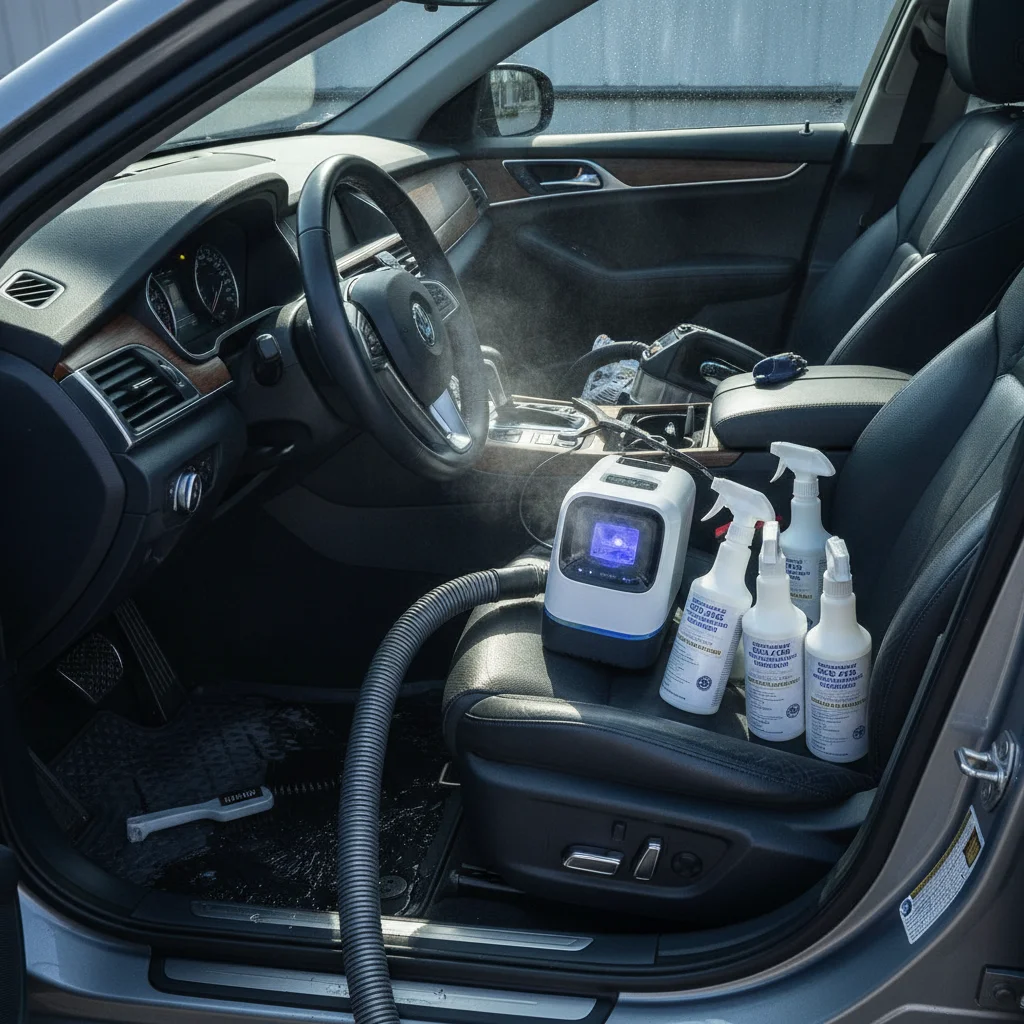
For smoke odors, the most effective DIY approach is a thorough wipe-down of all hard surfaces with a diluted white vinegar solution, combined with a steam cleaning of all fabric surfaces. Steam penetrates deeper than spray-on products and helps lift embedded particles. After steam cleaning, an enzyme spray as a follow-up treatment is worth the extra step.
For mildew, once you've fixed the moisture source, treat the affected areas with a mold-specific cleaner. Then ensure the interior dries completely — ideally with doors open in sunlight or with a dehumidifier. Running the AC on recirculate with the windows cracked for a few hours can also help clear musty HVAC smells.
Step 3: Consider Professional Ozone Treatment as a Final Step
If you've cleaned thoroughly and a residual odor persists, ozone treatment is the most powerful finishing tool available. A professional auto detailer can run an ozone generator in a sealed cabin for 30–60 minutes, which oxidizes and neutralizes odor molecules that cleaning alone couldn't reach. It's particularly effective for deeply embedded smoke odors in older vehicles.
This is best left to professionals — not because the machines are hard to use, but because ozone is harmful to breathe and the car needs adequate off-gassing time before it's safe to sit in. Budget $50–$150 for this service depending on your area.
For a more comprehensive look at the full interior prep process, this interior cleaning guide for sellers walks through every surface in detail, with product recommendations at different price points.
Fix the Moisture Source Before Anything Else
If your car has a mildew or musty odor, no amount of cleaning or deodorizing will produce a lasting result until you identify and fix the moisture intrusion. Common sources include sunroof drains, door seals, windshield seals, and clogged AC condensate drain tubes. Treating the smell without fixing the source is like bailing a boat without plugging the leak — the problem will return, and the next buyer will discover it.
What to Do If the Odor Won't Fully Go Away
Some odors — particularly heavy smoke from years of use, or pet urine that soaked into the seat foam and subfloor — may not fully disappear even with thorough professional treatment. That's a reality worth facing honestly before you list the car.
In these cases, you have a few options. First, get a realistic quote on professional ozone treatment or interior detailing and factor that into your pricing conversation. If the cost of full remediation exceeds what it would recover in sale price, you may be better off pricing the car accordingly and disclosing the odor upfront.
Transparency here is not just an ethical choice — it's a strategic one. Buyers who discover at the viewing that a smell was covered up are far more suspicious about what else might be hidden. Attempting to mask problems with air fresheners often backfires in exactly this way. Sellers who try to hide flaws typically lose more than they gain — in price, in negotiating position, and sometimes legally.
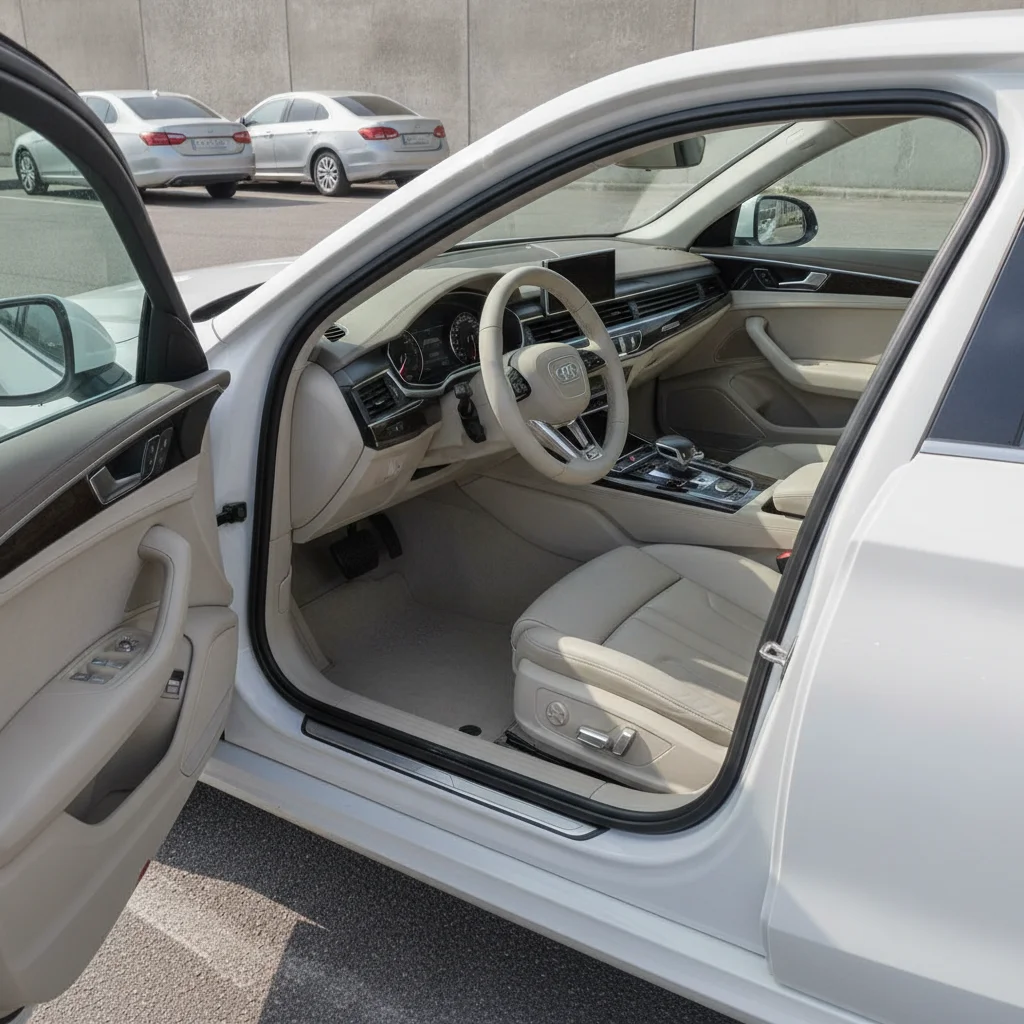
If you're trading in rather than selling privately, be aware that dealers will factor persistent odors into their appraisal offer — usually more aggressively than a private buyer would, because they're accounting for their own remediation costs plus margin. Understanding how dealer trade-in appraisals work can help you decide whether to invest in odor remediation before the appraisal or simply negotiate with that knowledge in hand.
The bottom line: most odors are fixable, and the fix is usually less expensive than sellers expect — if they use methods that actually work. The myths in this article exist because they're cheap and easy, and they provide a false sense of having solved the problem. Real odor elimination takes a bit more effort, but the payoff in buyer confidence — and your final sale price — makes it well worth it.
And don't overlook fabric stains alongside odors. The two problems often go together. A realistic guide to stain removal for sellers covers what treatments actually work and what you should stop expecting from home remedies.

All claims are backed by peer-reviewed research. Sources on request.