Key Takeaways
Why Disclosure Matters More Than You Think
Most private sellers approach disclosure backwards. They ask themselves, What's the minimum I have to say? The smarter question is: What do I know that would change a buyer's decision? Answer that honestly, and you've done your job.
Here's the practical reality: concealing a known defect doesn't just put the buyer at risk — it puts you at serious legal and financial risk. In nearly every state, selling a car while deliberately hiding a material defect you were aware of qualifies as fraudulent misrepresentation. That exposes you to being sued for the cost of repairs, consequential damages, and sometimes attorney's fees — even if the bill of sale says "as is."
The phrase "as is" limits implied warranties, not your duty to disclose what you already know. See our full breakdown of as-is liability for what that phrase actually covers — and what it doesn't.

Beyond legal risk, there's a practical reality: buyers who discover problems you didn't mention — at a test drive, during a pre-purchase inspection, or weeks after the sale — will pursue you. Some file small claims suits. Others go after you through their insurance carrier. The headache isn't worth it. Transparent disclosure closes deals, builds trust, and keeps your phone from ringing with angry buyers three months later.
What Counts as a 'Material Defect'
Not every scratch or worn floor mat needs a formal disclosure. What you're legally and ethically required to reveal are material defects — issues that would meaningfully affect the vehicle's value, safety, or the buyer's decision to purchase.
Courts have consistently found the following categories to be material:
- Structural or frame damage — even if repaired. A car that's been in a serious collision has a different value profile than one that hasn't, regardless of how clean the bodywork looks now.
- Mechanical defects you know about — a transmission that slips, an engine that burns oil, a timing chain due for replacement. If you know it, say it.
- Flood or fire damage — these affect wiring, safety systems, and long-term reliability in ways that aren't always visible.
- Odometer issues — federal law (the Truth in Mileage Act) requires an odometer disclosure statement for any vehicle under 10 years old. Rollbacks are a federal crime.
- Title problems — salvage title, rebuilt title, liens, or branded titles must be disclosed. Selling a salvage-titled car as clean-titled is outright fraud.
- Recall history — especially open recalls that haven't been remedied. Check NHTSA's database before you sell.
“Fraud is not just lying — it's concealing what you know a reasonable buyer would want to know. In private car sales, the seller's knowledge is the central question. If you knew it and didn't say it, the 'as-is' clause won't save you.”
— Bryan Kelley, Consumer protection attorney specializing in motor vehicle fraud
For a state-by-state breakdown of what you're specifically required to reveal, review seller disclosure laws in your state. Some states have mandatory forms; others rely on common law fraud standards.
The Disclosures That Hurt — and Why to Make Them Anyway
These are the ones sellers hesitate on. The check engine light that keeps coming back. The fender bender two years ago that never made it to insurance. The transmission fluid that's been dark for 40,000 miles. Here's how to think about each.
Disclose accident history even if it was repaired and doesn't show on Carfax
Not every collision gets reported to insurance or generates a Carfax entry. If you know the car was in an accident — even a minor one — the buyer has a right to know. Failing to mention known accident history is one of the most common grounds for post-sale fraud claims. Carfax showing clean doesn't mean your liability is clean.
Disclose all warning lights — current or intermittent — before the test drive
A check engine light that appears 'only sometimes' is still a defect you're aware of. Intermittent codes can point to expensive underlying issues — catalytic converter, transmission sensors, ABS system. A buyer who discovers a code post-purchase that you knew about has a straightforward misrepresentation claim.
Reveal any flood, hail, or fire damage regardless of how thoroughly it was repaired
Water intrusion, fire heat, and hail impacts create long-term reliability problems that surface years later — corroded wiring harnesses, mold in HVAC systems, compromised structural foam. A buyer who later discovers the car was flood-damaged will have a very strong fraud claim if you knew and said nothing. In many states this is also title-branded, making concealment a criminal matter.
Tell buyers about major upcoming maintenance needs you haven't addressed
A timing belt due at 90,000 miles that's now at 91,000 is a material defect. So is a brake job that's overdue, coolant that hasn't been flushed, or a differential that's making noise under load. You don't have to fix these issues — but you have to tell the buyer so they can factor the cost into their offer.
Disclose known rust — especially structural rust — in writing
Surface rust on body panels is cosmetic and negotiable. Frame rust, subframe corrosion, or rust on control arms and suspension components is a safety and structural issue. Hiding structural rust under fresh undercoating is a particularly serious problem — it's difficult for a buyer to detect and can create dangerous driving conditions.
Acknowledge if the title is salvage, rebuilt, or branded — before the test drive
Branded titles permanently affect resale value, insurability, and financing eligibility. Some lenders won't finance rebuilt-title vehicles. Some states won't register them without inspection. Selling a branded-title car under a misrepresentation that the title is clean is fraud in every jurisdiction — and is difficult to explain away.
One thing sellers consistently underestimate: buyers who discover undisclosed issues during or after a pre-purchase inspection don't just walk — they walk and tell people. Private sale reputations, particularly for dealers or frequent private sellers, matter more than a single transaction. Being known as a straight dealer is worth more than recouping $500 by staying quiet about a coolant leak.
Attempts to physically conceal defects — fresh paint over rust, tire shine on cracked sidewalls, thick oil additive to quiet a noisy engine — tend to backfire badly. Learn more about why in our article on common mistakes sellers make when hiding flaws.
How to Document Your Disclosures
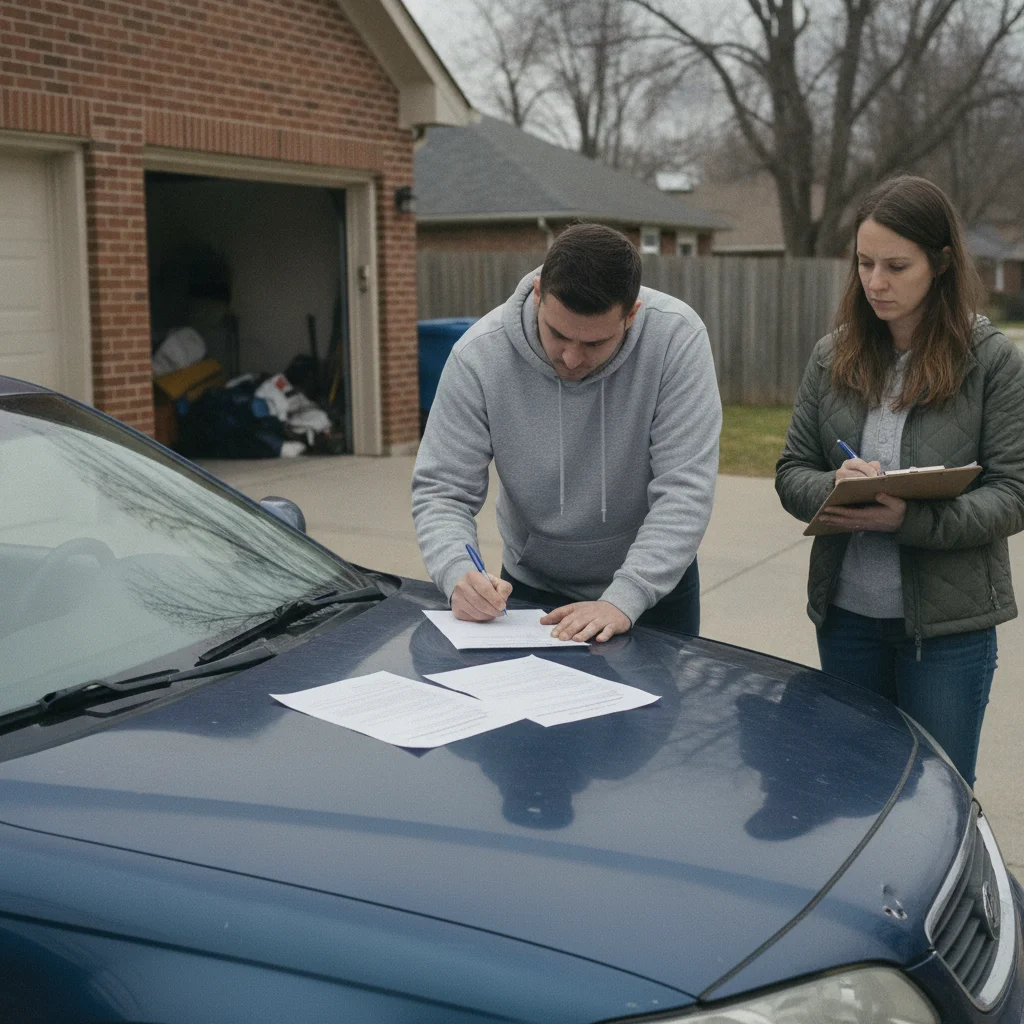
Verbal disclosure is almost worthless. If a buyer later claims you never told them about the transmission slipping, it's your word against theirs. Written, signed disclosure is your protection.

Here's the minimum documentation framework every private seller should use:
- A written disclosure statement — list every known defect, repair history, and issue you're aware of. Include the date, the vehicle's VIN, and both parties' signatures. Keep a copy.
- A bill of sale marked "as is" — this establishes that the buyer accepted the vehicle in its described condition. It doesn't eliminate fraud liability, but it closes the loop on implied warranty claims. See our guide on as-is sales vs. warranty disclosures to understand your options.
- Odometer disclosure statement — required by federal law for vehicles under 10 model years old. Many state DMVs include this on the title transfer form; if yours doesn't, use a standalone form.
- Maintenance and repair records — hand over what you have. A stack of oil change receipts and repair invoices demonstrates good faith and reduces your exposure if something breaks later.
- A Carfax or AutoCheck report — running one yourself before the sale and sharing it shows you're not hiding history. It also surfaces anything you might have forgotten.
Photograph the Car's Condition Before Sale
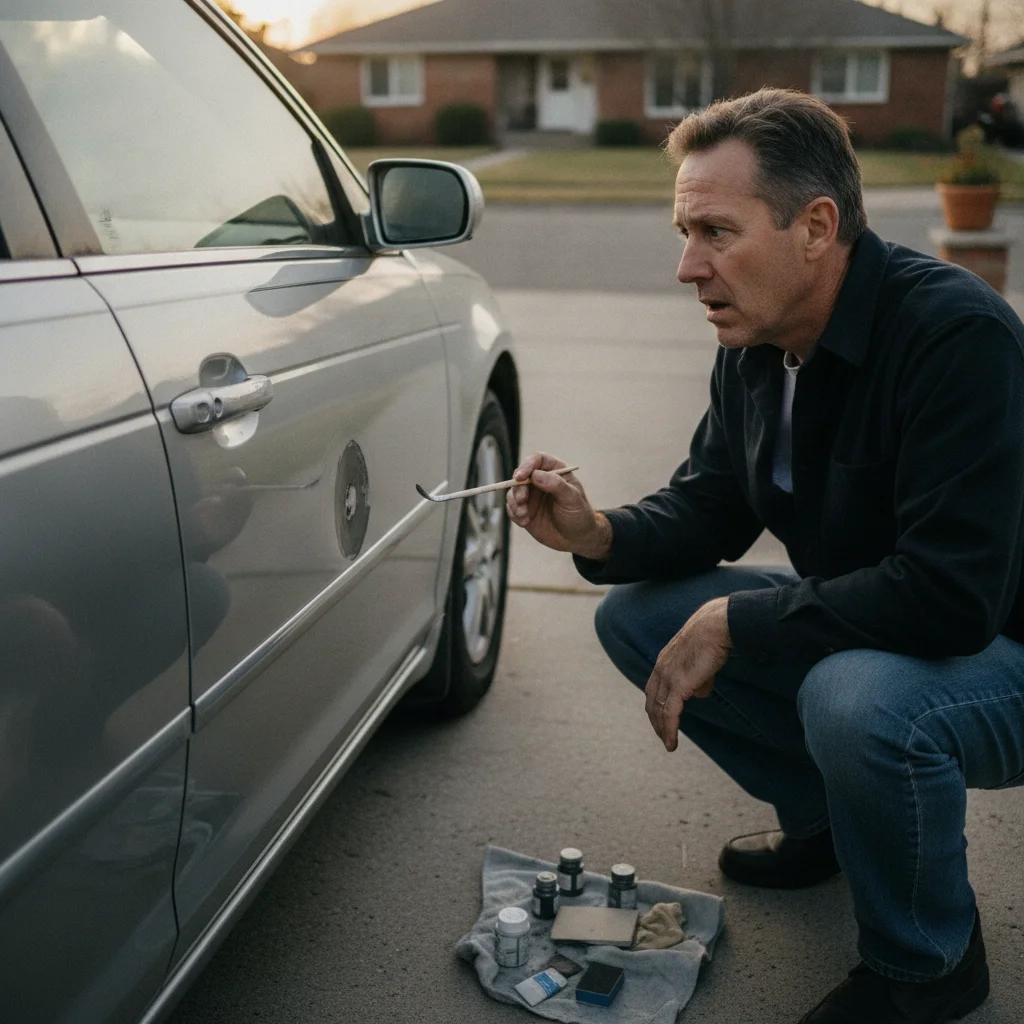
Before any buyer comes to look, do a thorough walkaround and photograph every known issue — rust spots, scratches, interior wear, warning lights on the dash. Date-stamp the photos. If a buyer later claims the car was in worse shape than disclosed, your pre-sale photos establish a clear baseline. Store them in the cloud so they can't be lost or disputed.
~30–40%
Typical value reduction for salvage or rebuilt title vehicles
Industry valuation tools including Kelley Blue Book consistently apply a 30–40% discount to rebuilt-title vehicles compared to clean-title equivalents of the same make, model, and condition.
52%
Private party buyers who conduct a pre-purchase inspection
According to a CarGurus survey of used car buyers, more than half of private party purchasers request or conduct some form of pre-purchase inspection — meaning undisclosed defects are frequently discovered before or shortly after the sale.
$5,000+
Average small claims award in vehicle misrepresentation cases
Consumer protection attorneys and small claims court data indicate that successful vehicle fraud claims frequently result in awards covering repair costs, diminished value, and court fees, often exceeding $5,000.
Keep digital copies of everything — photos of the signed documents, the car's condition at time of sale, and any text or email exchanges where you discussed known issues. If you ever end up in small claims court, that paper trail is the difference between winning and losing.
For a broader look at the paperwork involved in a private transaction, the car buying paperwork and contracts hub covers what both buyers and sellers should expect to sign.
Quick Wins: What You Can Do Before You List
Disclosure doesn't have to wait until a buyer is standing in your driveway. The sellers who handle this best do their homework upfront — before writing the listing. Here's where to start.
Disclosure Requirements Vary by State
Some states — including California, Florida, and New York — have specific statutory disclosure requirements for private sellers. Others rely entirely on common law fraud standards. In states with mandatory forms, failing to complete them correctly can void the sale entirely. Before listing your car, check your state DMV's website or review the <a href="/selling-your-car/preparing-to-sell/paperwork-and-title/seller-disclosure-laws-what-youre-legally-obligated-to-tell-buyers">state disclosure law guide</a> to confirm what's required in your jurisdiction.
As-Is Doesn't Mean Disclose-Nothing
Many sellers believe that writing 'sold as-is' on the bill of sale eliminates all liability. It doesn't. As-is language disclaims implied warranties — it does not protect you from liability for fraudulent concealment of known defects. The legal standard is simple: if you knew about a material problem and didn't tell the buyer, as-is provides no shield. For the full picture, see our article on <a href="/selling-your-car/sale-channels/private-party-sales/the-truth-about-as-is-sales-and-what-sellers-are-still-liable-for">what as-is actually covers for sellers</a>.
Preparing your disclosure proactively signals confidence, not desperation. Buyers interpret a seller who hands over a written disclosure statement as someone who has nothing to hide. That framing often leads to faster, cleaner deals with less negotiation friction — because the buyer's anxiety about the unknown is already addressed.
Setting the Right Price After Full Disclosure
Here's the objection every seller raises: If I tell them everything, they'll lowball me. Maybe. But consider the alternative: you hide the issues, the buyer discovers them later, and now you're negotiating under legal pressure rather than commercial ones. That's a far worse position.
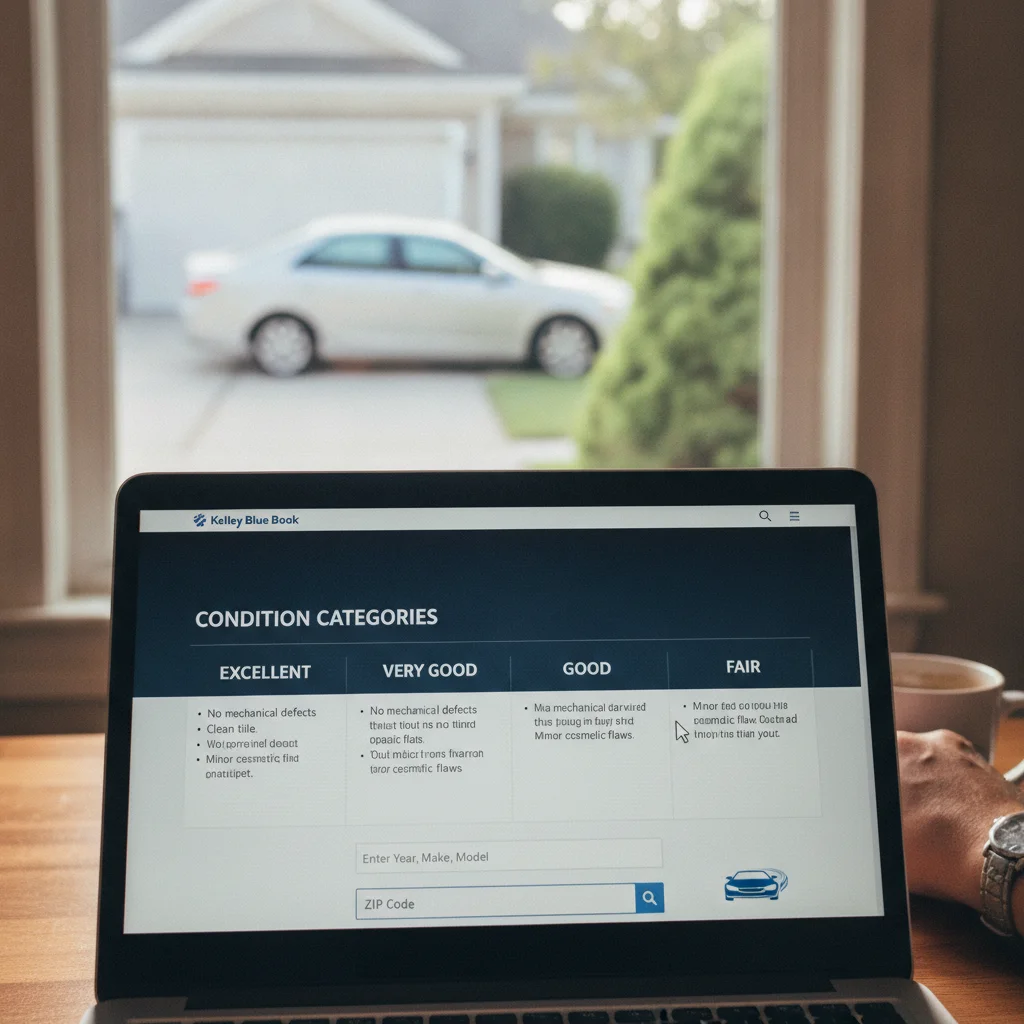
The right approach is to price the vehicle honestly based on its actual condition — accounting for known defects — rather than pricing it as if the problems don't exist and hoping the buyer doesn't notice. Resources like Kelley Blue Book and Edmunds both let you adjust for condition; use the Fair or Poor condition tier when warranted instead of inflating to Good or Excellent.
When you disclose a problem upfront, you own the narrative. You can explain what it is, what it costs to fix, and why the price reflects that — rather than having the buyer discover it and use it as a club in negotiations. Sellers who present a full picture typically close deals closer to their asking price than sellers who get blindsided by inspection findings mid-negotiation.
This is especially true for vehicles with salvage or rebuilt titles. A rebuilt-title car legitimately priced at a 30–40% discount relative to clean-title comparables will find a buyer. The same car listed at clean-title price, with the title issue buried, will either fall through at title transfer or generate a lawsuit.
The Bottom Line: Disclosure Is Your Best Defense
Private party car sales don't come with the consumer protections that dealer sales do. There's no manufacturer warranty, no state lemon law backstop, and usually no financing contingency that allows a buyer to walk cleanly. That dynamic puts pressure on both parties — and it puts the legal spotlight squarely on the seller's conduct.
If you know something material about the car, disclose it in writing before the sale. Price the vehicle to reflect its true condition. Get signatures on a disclosure statement and a bill of sale. Keep copies of everything.
That's not just the ethical path — it's the financially rational one. The cost of a post-sale dispute, even a small claims case, will almost always exceed whatever you gained by staying quiet about a problem. Sellers who operate transparently close deals faster, avoid chargebacks and disputes, and sleep better at night.
If you're uncertain whether a specific issue crosses the line into material disclosure territory, consult your state's DMV website or a local attorney. The state-by-state disclosure law guide is a good starting point for understanding where your state draws the line.

All claims are backed by peer-reviewed research. Sources on request.